
Nintendo is hiring an archivist to preserve its games and hardware history
Decades of Nintendo's hardware and software history could become easier to preserve and navigate as the company seeks a Digital Archivist. The role focuses on organizing technical records and knowledge from longtime employees, with the resulting archive intended for internal use.
Nintendo of America is hiring a Digital Archivist to organize and preserve historical information about the company’s hardware and software. The contract role is based in Redmond, Washington, and is expected to last about a year.
The job listing describes a position focused on building a searchable internal repository of technical records, development materials, and institutional knowledge. It is a concrete investment in documenting Nintendo’s history, though the listing does not announce a public archive, a preservation program for playable games, or a new way for customers to access older titles.
The work centers on records, not a public game library
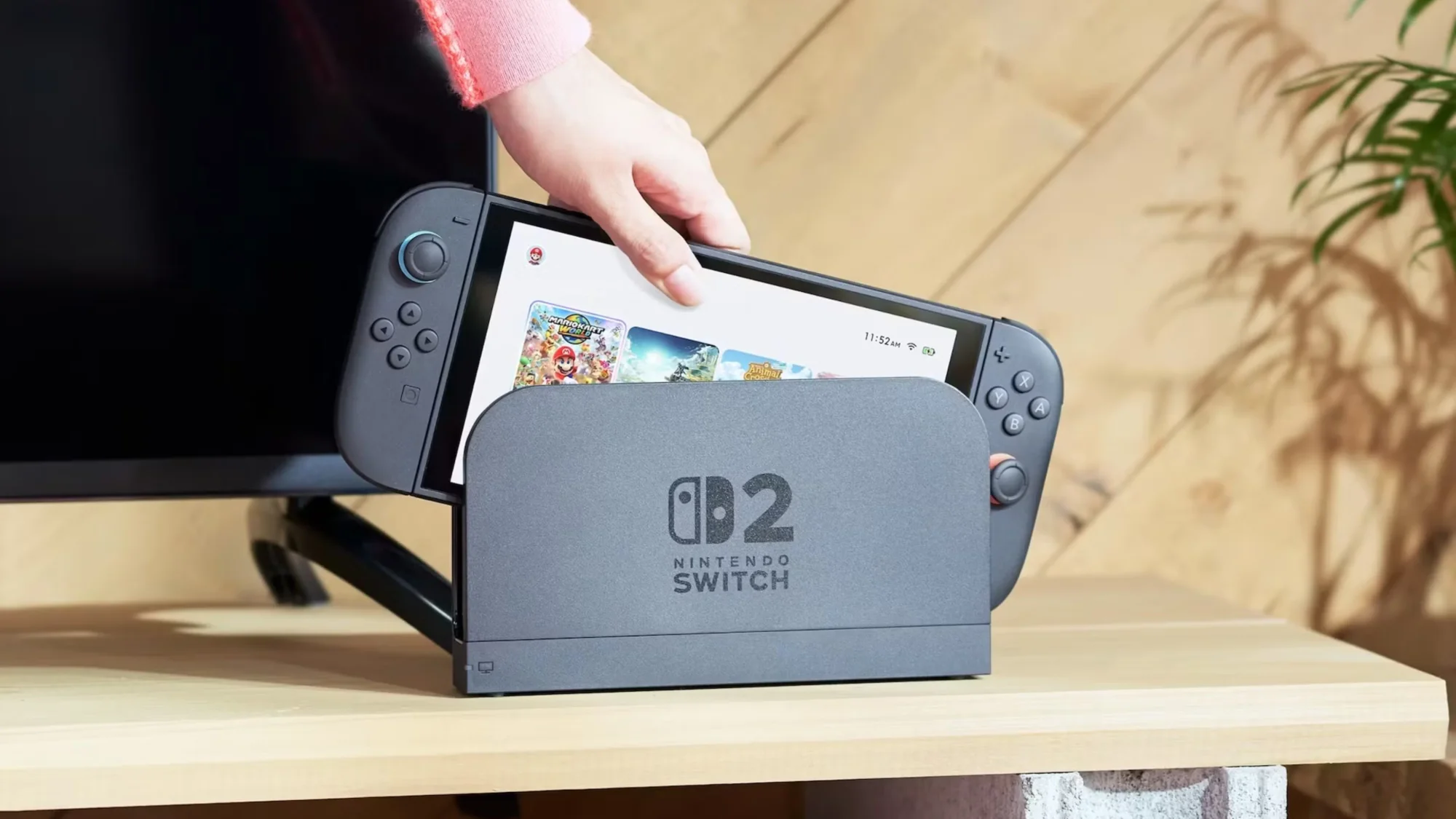
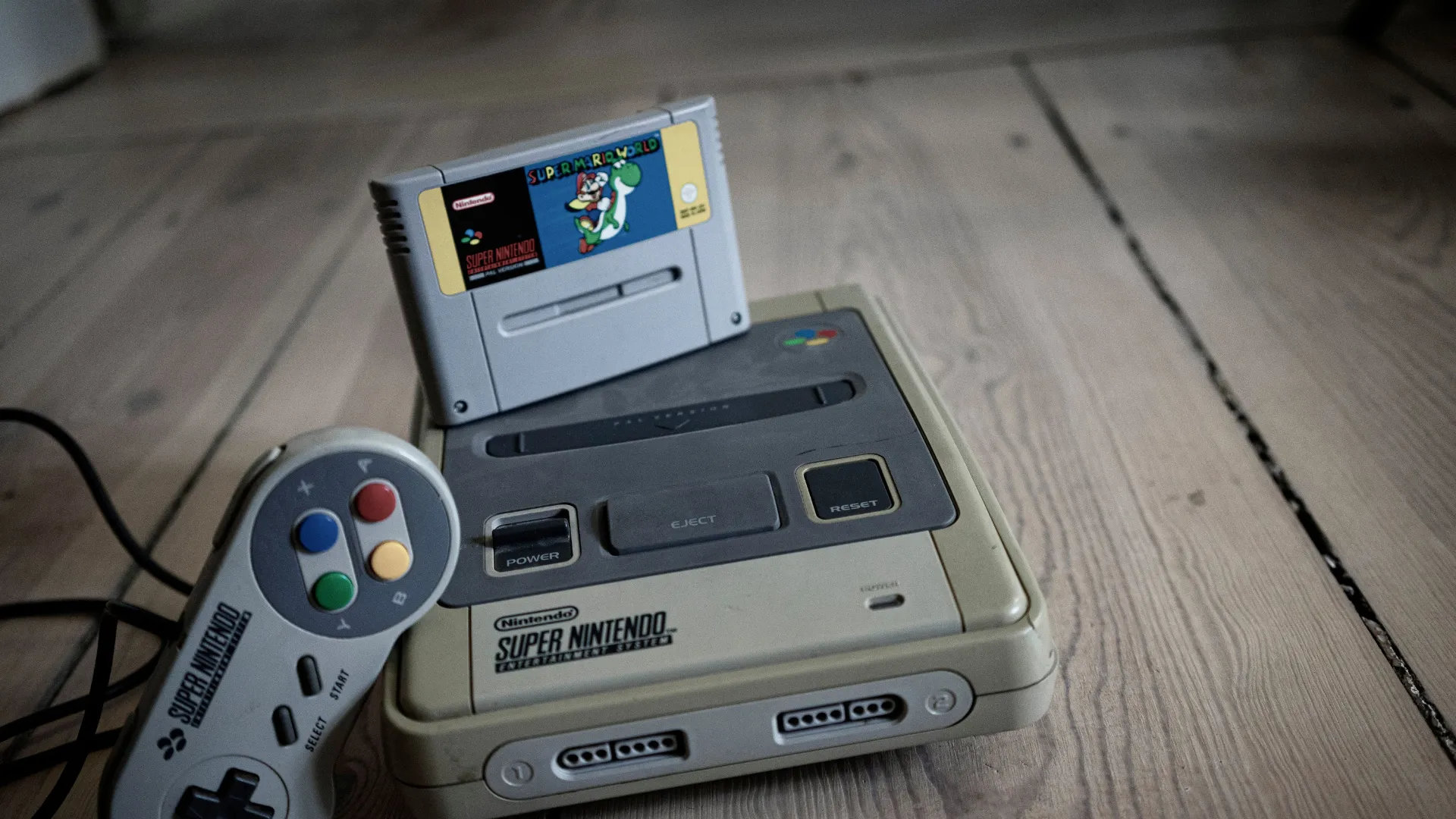
The archivist will design a system for organizing information about legacy hardware and software. That includes creating metadata standards, taxonomies, naming conventions, and links between platforms, games, peripherals, technical specifications, and supporting documents.
In archival work, metadata is the information that helps people identify and retrieve records: what an item is, when it was created, which system or project it relates to, and where it belongs in a collection. Establishing those standards can make scattered records far easier to search and reuse, particularly at a company with decades of hardware and software history.
Nintendo wants institutional knowledge recorded
The role also involves interviewing subject-matter experts and long-tenured employees. The archivist is expected to turn that knowledge into structured documentation that colleagues can find later, rather than leaving important details in personal notes or in the memories of staff who may eventually move on.
That work could cover how products were developed, how systems were engineered, and how different pieces of hardware and software relate to one another. The job description specifically names engineering, product development, legal, and business teams as groups the archivist would work with.

This is a temporary role with specialist requirements
Nintendo describes the job as an approximately twelve-month contract in the Redmond area. The listed pay range is $35 to $55 per hour. Candidates should have a degree or equivalent experience in areas such as archives, library and information science, history, museum studies, information management, or technical communication.
The listing also asks for experience with digital archives, metadata, records management, or similar fields. Familiarity with archival standards and experience organizing technical documents or software and hardware collections are listed as preferred qualifications. This is a specialized information-management job, rather than a game-development or public-relations role.
Preservation is broader than keeping games playable
A well-organized archive can help a company retain knowledge about its products, but preserving documentation is different from ensuring that old games remain playable. The listing focuses on technical records, engineering documents, source materials, and internal knowledge. It does not say Nintendo plans to release source code, open a public museum, or make more legacy games available for purchase.
Those distinctions matter because “game preservation” can refer to several different efforts: saving physical hardware, retaining production documents, preserving source code, or making games accessible to the public. Nintendo’s job listing specifically addresses the documentation and discovery of historical information inside the company.
The position may lay groundwork for long-term access
The archivist will be responsible for setting up standards and a repository that can be maintained beyond the contract period. A searchable system could help Nintendo employees find records when researching old products, answering legal questions, or informing new hardware and software projects.
The longer-term effect will depend on what material Nintendo includes and how consistently teams use the system. The hiring announcement does not promise public access, but it does show the company treating its historical records as material that needs organized preservation rather than relying on informal knowledge alone.