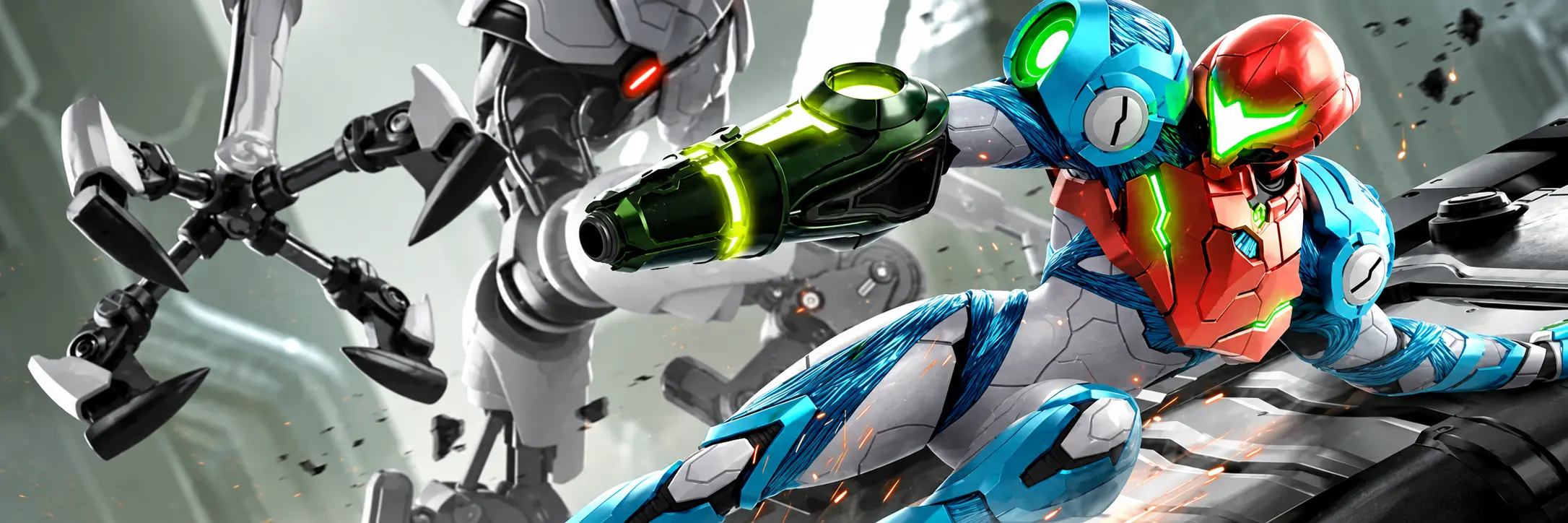
10 Best Metroid Games to Play While You Wait for Metroid Ravenous
Samus' greatest adventures turn every new ability into a reason to reconsider the hostile world around her.
The reveal trailer for Metroid Ravenous shows Samus draining energy directly from her enemies. Combined with fast side-scrolling combat and a mysterious moon to escape, the mechanic suggests Nintendo is building on Metroid Dread instead of repeating it. The Switch 2 exclusive is scheduled for January 28, 2027.
This ranking covers the strongest 2D and first-person entries, including remakes that substantially change the original experience. Exploration and world design carry the most weight, followed by combat, atmosphere and how comfortable each game is to play today.
10. Metroid II: Return of Samus
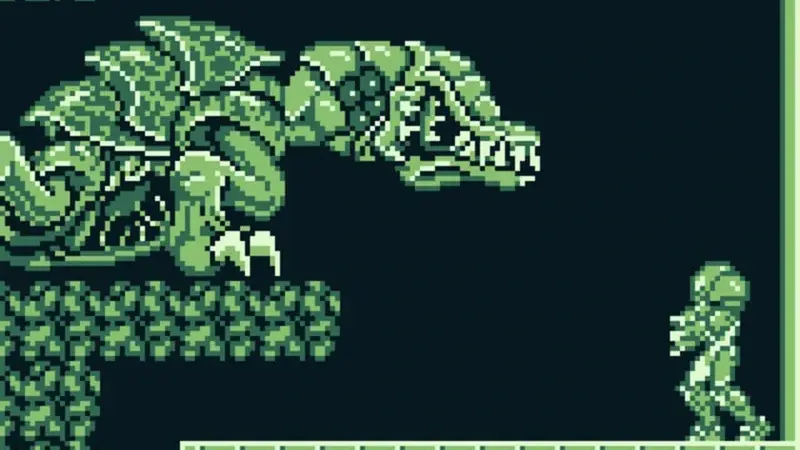
Metroid II: Return of Samus sends Samus beneath the surface of SR388 to eliminate the Metroid species. Progress depends on hunting a required number of creatures in each region, after which earthquakes open routes deeper underground.
The Game Boy's restricted view makes those tunnels feel suffocating. Metroids can attack with little warning, while similar rooms and the absence of an in-game map force players to memorize their surroundings.
That pressure supports the atmosphere but frequently obstructs exploration. Save states available through modern releases reduce the punishment, though they cannot fix the repetitive encounters or make the caverns easier to read.
9. Metroid: Samus Returns
MercurySteam rebuilt the second game for Nintendo 3DS with larger environments, 360-degree aiming and a melee counter. The objective remains unchanged, so Samus must locate and destroy increasingly dangerous forms of Metroid before descending farther into SR388.
Waiting for an enemy to flash, countering its charge and answering with a powerful shot gives combat a readable sequence. Too many common creatures rely on that same exchange, repeatedly forcing Samus to stop.
Scan Pulse creates a different problem. Revealing nearby map tiles and breakable blocks helps players navigate, but it removes much of the observation required by earlier games. Samus Returns established several ideas that Dread improved, making it easier to respect than revisit.
8. Metroid Prime 3: Corruption
Metroid Prime 3: Corruption spreads its campaign across several planets and gives Samus more direct contact with other bounty hunters. It is faster and more cinematic than the earlier Prime games, with Wii pointer aiming bringing unusual precision to the Arm Cannon.
Hypermode lets Samus sacrifice energy for powerful Phazon attacks. The exchange initially feels dangerous, but its damage output can overwhelm the wider combat system once players understand when to activate it.
Moving between planets supplies architectural variety without producing one location as coherent as Tallon IV or Aether. Corruption delivers the strongest action in the original trilogy, although its frequent objectives and supporting cast weaken the solitude surrounding Samus.
7. Metroid Prime 4: Beyond
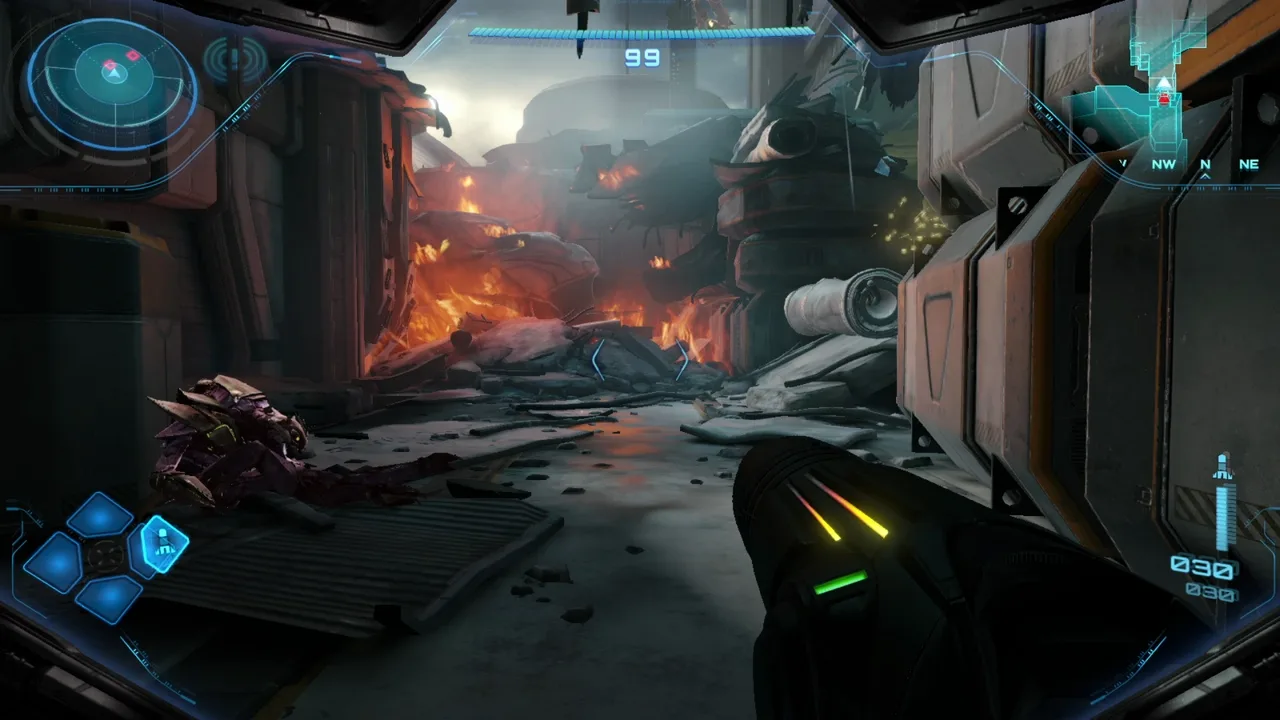
Planet Viewros provides the familiar sequence of scanning ruins, fighting alien wildlife and returning to sealed routes with new equipment. Psychic abilities expand that structure by letting Samus manipulate objects and guide certain attacks.
Travel between the main regions is less successful. The Vi-O-La motorcycle carries Samus across a broad desert hub, but the increased scale rarely produces discoveries worth leaving the direct route to investigate.
Earlier Prime worlds compressed their corridors until opening one door could transform the player's understanding of an entire region. Viewros regularly uses empty distance to connect its more carefully designed locations.
Inside those focused areas, Metroid Prime 4: Beyond recovers much of Retro Studios' previous control. The scanning system supports environmental storytelling, combat benefits from modern aiming and the Switch 2 edition presents its alien architecture with impressive clarity. Its old and new design ideas simply never fit together comfortably.
6. Metroid Fusion
An X parasite infection leaves Samus physically altered at the beginning of Metroid Fusion. She enters the BSL research station to investigate an outbreak, moving between artificial habitat sectors while a computer named Adam assigns objectives and controls access.
That direction makes Fusion unusually linear. Doors close behind Samus, mission briefings identify the next destination and apparent detours frequently lead back toward the intended route.
The restriction gives the designers precise control over the SA-X encounters. This parasite has copied Samus at full power, turning the abilities players normally pursue into a reason to hide or escape.
The station lacks the navigational freedom of Zebes, but its compartments support tension and sudden changes in safety. Responsive movement and readable Game Boy Advance artwork have also aged better than the rigid mission structure might suggest.
5. Metroid Prime 2: Echoes
Aether exists in two forms. Its normal regions have been duplicated as Dark Aether, where the atmosphere drains Samus' health unless she remains inside protective fields.
Portals connect corresponding areas, making progress dependent on understanding two hostile versions of the same geography. A safe zone provides time to study the room, but activating a mechanism may require Samus to leave its protection and accept gradual damage.
Light and Dark beams add ammunition to that pressure. Using the correct weapon can dismantle an enemy quickly, yet careless shooting may leave Samus poorly equipped for the next encounter.
Dimension switching eventually becomes laborious, while the late search for Sky Temple Keys stretches revisited routes past their useful life. Even so, Echoes is willing to make exploration dangerous long after Samus has assembled a powerful arsenal.
4. Metroid: Zero Mission
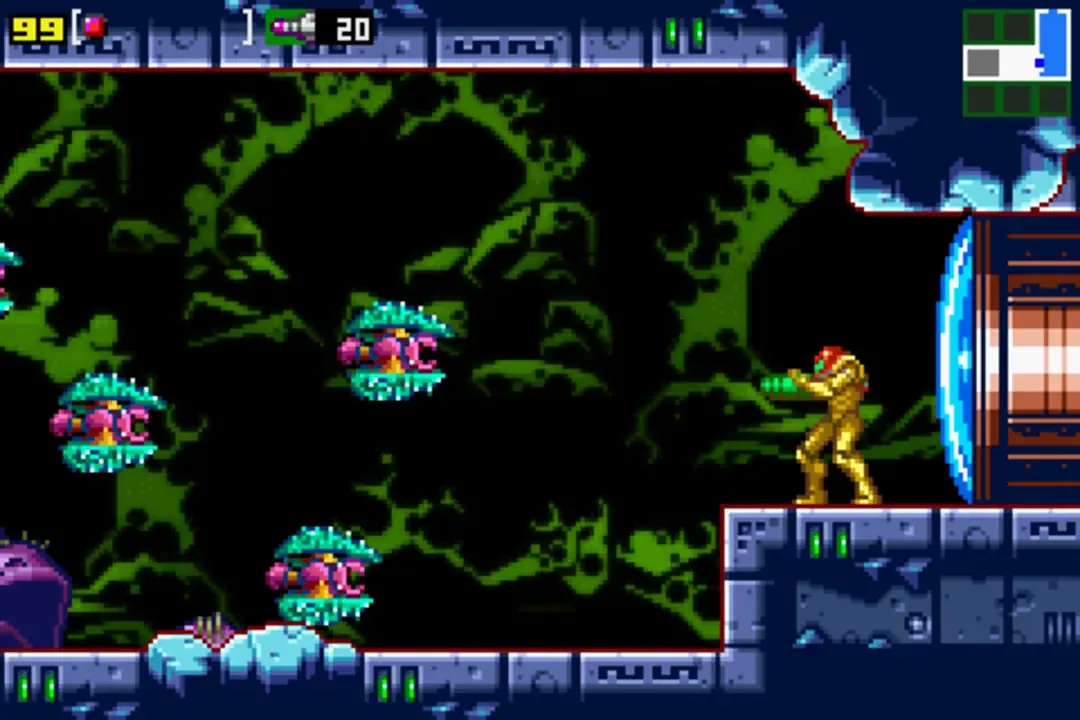
Metroid: Zero Mission retells Samus' first mission on Zebes but reconstructs almost every part of the 1986 game. The remake adds ledge grabbing, diagonal aiming, clearer environmental cues and movement based on the speed established by Fusion.
Chozo statues provide broad directions without drawing a complete route. Newcomers receive enough guidance to avoid blind wandering, while hidden passages, bomb jumps and advanced Shinespark techniques allow experienced players to collect upgrades outside the expected order.
A late section temporarily removes Samus' Power Suit and forces her to avoid Space Pirates. Its stealth is less flexible than the main campaign, but the sudden loss of firepower provides a memorable change of pace. Compact regions and minimal wasted travel make Zero Mission the most welcoming introduction to 2D Metroid.
3. Super Metroid
Zebes rarely tells the player where to go in Super Metroid. Its rooms teach through placement instead. A creature demonstrates how wall jumping works, an unusual surface suggests a hidden passage and an unreachable platform encourages players to remember it after finding another ability.
Crateria, Brinstar, Norfair and Maridia gradually reveal themselves as parts of one connected world. Elevators establish the basic structure, then broken passages and concealed shortcuts expose how closely the regions fit together.
Movement carries more friction today. Jumps feel floatier than those in the Game Boy Advance games, while cycling through missiles, bombs and other equipment becomes clumsy during demanding encounters.
Those controls require adjustment, but the planet continues to communicate direction, history and danger with remarkably little text. Few games make learning a map feel so closely tied to understanding the place it represents.
2. Metroid Dread
Samus moves through planet ZDR with a speed the older games could not support. Sliding preserves momentum beneath obstacles, the Flash Shift crosses dangerous gaps and the Spider Magnet turns designated walls into combat spaces.
The E.M.M.I. interrupt that confidence. Entering one of their zones changes the objective from clearing rooms to staying outside the robot's detection cone, breaking its line of sight and locating an exit.
A successful counter can save Samus after capture, but the narrow timing makes escape the reliable response. The robots create sharp bursts of pressure, even if their sterile zones begin to look interchangeable.
Boss encounters give the movement system its best showcase. Attacks initially appear overwhelming, then reveal cues and openings that reward precise positioning. Dread has the sharpest combat in the series, giving Ravenous an exceptionally strong mechanical foundation to inherit.

1. Metroid Prime Remastered
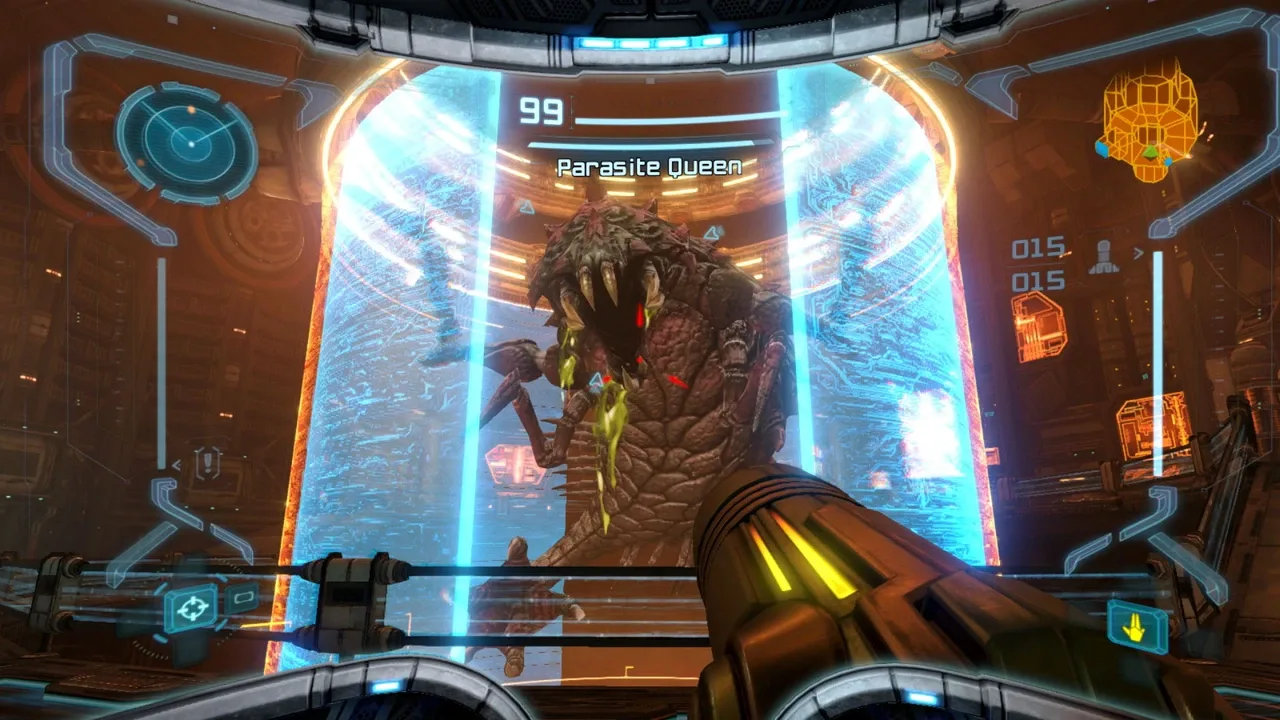
Metroid Prime Remastered places Samus inside her helmet and asks players to understand Tallon IV through observation. The Scan Visor identifies wildlife, translates Chozo records and explains abandoned machinery, turning information into another form of discovery.
Lock-on targeting keeps combat focused on movement and weapon selection instead of demanding shooter-level accuracy. Missiles interrupt durable targets, different beams interact with specific defenses and the Morph Ball converts narrow infrastructure into new routes.
Tallon IV also feels like a physical place rather than a collection of themed stages. Rain streaks across the visor in the overworld. Heat distorts the view in Magmoor Caverns. Deserted laboratories explain their collapse through damaged equipment and recorded research.
Returning to an earlier chamber can reveal a half-pipe, magnetic track or fractured surface that initially looked like scenery. The Artifact hunt causes excessive backtracking near the end, but most return journeys expose useful connections.
Dual-stick controls remove the original GameCube version's largest barrier while rebuilt visuals preserve its deliberate atmosphere. No other Metroid game balances exploration, combat, world design and present-day accessibility with the same consistency.
Tagged In
Discussion
0We want to hear from you. Share your perspective in the comments below, and please keep the conversation respectful.
Log in to join the discussion - vote, reply, and share your take.
Log In