Best 2K games
From doomed summer camps to collapsing underwater cities, 2K's best games are built around systems that make every decision feel costly.
2K is now closely associated with annual sports releases, virtual currency, and the familiar branding attached to NBA and WWE. That reputation overlooks a catalogue containing several of the most influential shooters and strategy games of the past two decades. BioShock, Borderlands, Civilization, Mafia, and XCOM all sit under the same publishing label despite demanding completely different skills from the player.
This ranking covers games published through 2K and 2K Sports rather than everything owned by parent company Take-Two Interactive, which keeps Rockstar's releases outside the discussion. The strongest selections are those that gave their developers room to pursue a clear idea, even when that produced something awkward, demanding, or difficult to repeat.
9. The Quarry
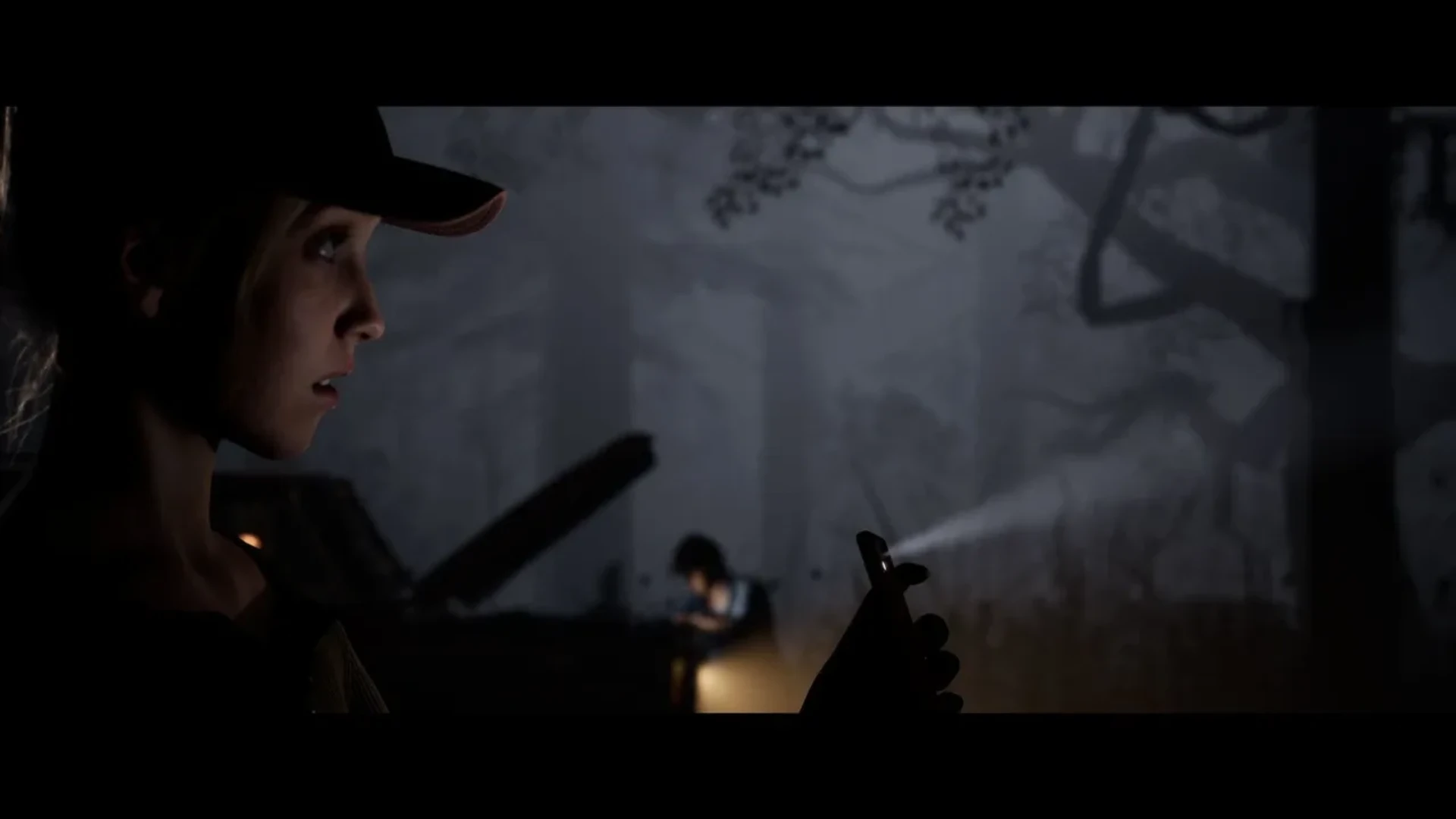
Nine camp counselors are stranded at Hackett's Quarry for one final night, and nearly every playable character can survive or disappear from the story according to the player's decisions. Exploration sections establish relationships and uncover evidence before timed choices force a commitment. An apparently sensible decision in an early chapter may remove an escape route several hours later.
The Quarry works particularly well as a group game because hesitation becomes part of the entertainment. Everyone can argue about whether to investigate a noise, hide, or help another character before one person accepts the consequences. The performances sell that uncertainty better than the sluggish walking sections, although the ending feels abrupt after spending so long protecting the cast.
8. Mafia: Definitive Edition
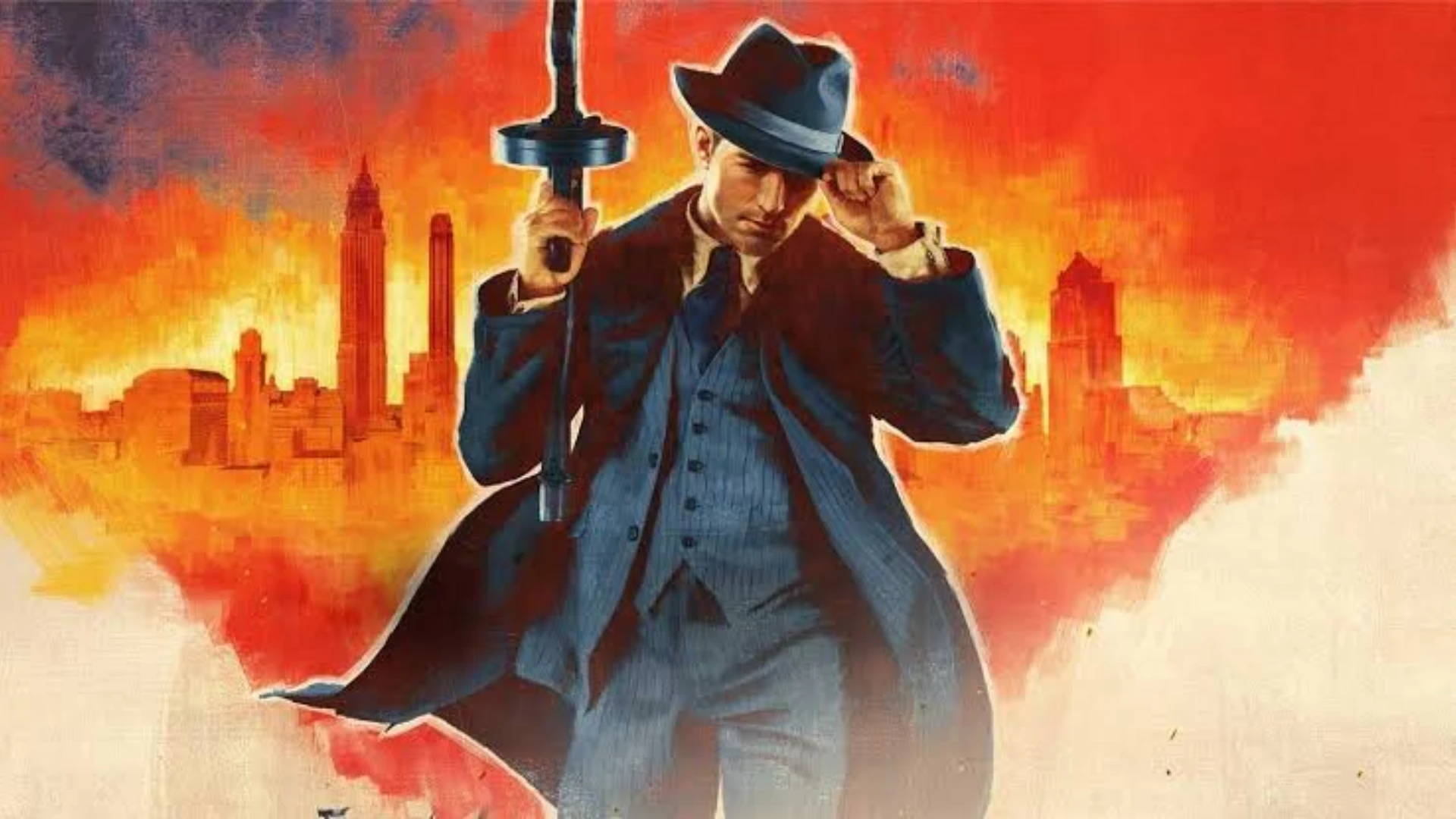
Lost Heaven looks like an open-world city, but Mafia: Definitive Edition uses it as a road connecting carefully arranged story missions. Taxi driver Tommy Angelo joins the Salieri crime family and gradually becomes involved in robberies, chases, and territorial disputes. There are few distractions between assignments, which gives the campaign a pace that most modern crime games avoid.
Period cars resist sharp turns, the police notice traffic violations, and journeys across the city create space for conversations between Tommy and his partners.
The ordinary cover shooting cannot match the atmosphere surrounding it, while the notorious race remains an unnecessary difficulty spike. Still, the decision to keep Lost Heaven focused on Tommy's story makes the city feel like a place rather than a menu of activities.
7. NBA 2K11
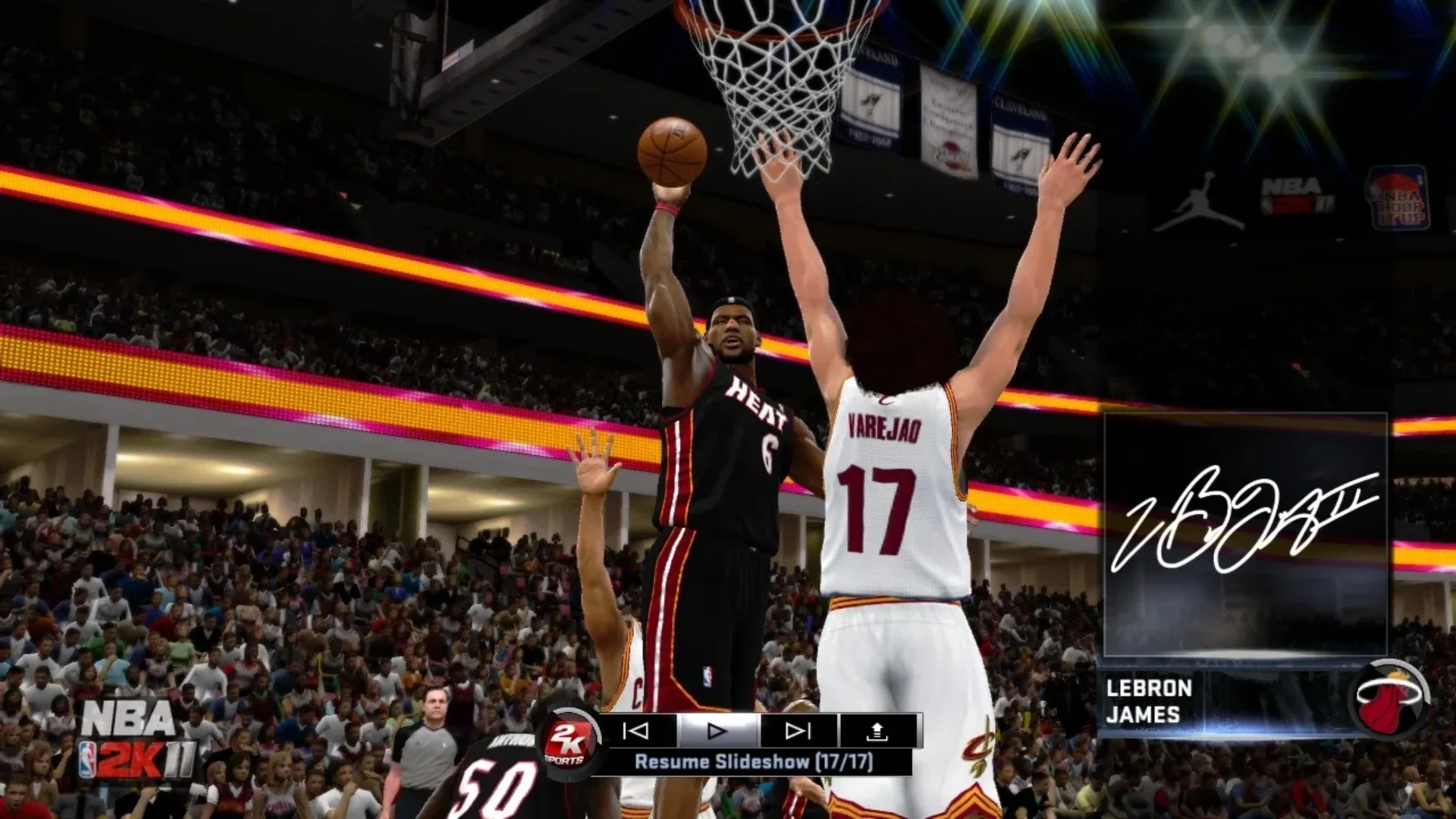
NBA 2K11 understood that basketball history could become more than a collection of unlockable uniforms. Its Jordan Challenge recreated ten defining Michael Jordan performances and asked players to meet specific statistical targets within each game. Beating the Lakers was not enough when the challenge also demanded Jordan's points, rebounds, assists, and shooting percentage.
Those objectives changed how matches were played. Forcing shots to chase a scoring target could ruin the team's offense, while protecting a lead sometimes meant ignoring the numbers still missing from the checklist. The controls and animations naturally show their age, but the game arrived before virtual currency began shaping so much of the series.
It remains one of the clearest examples of a sports game turning real history into purposeful single-player design.
6. Spec Ops: The Line
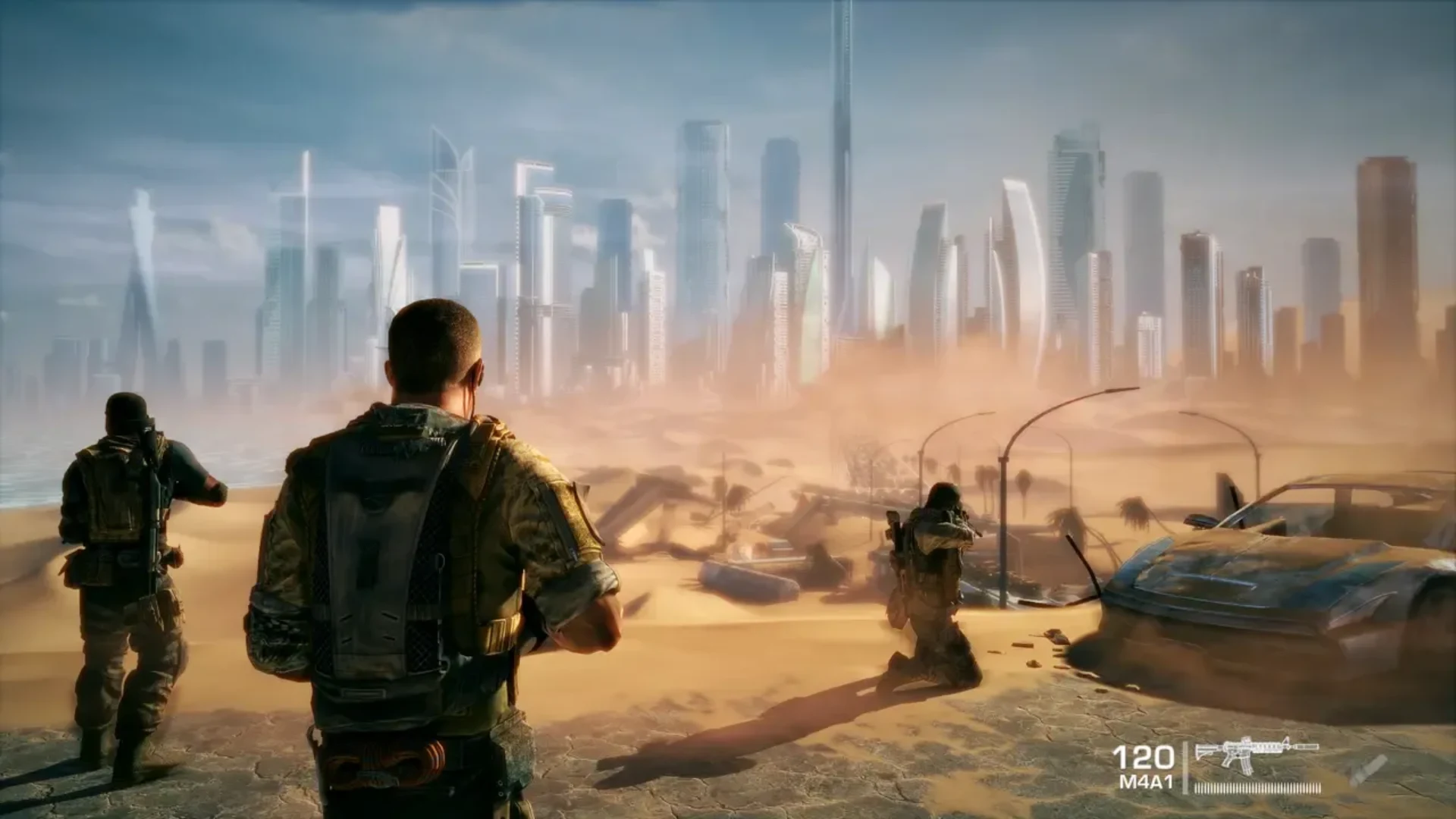
A three-person military squad enters a sandstorm-buried Dubai in Spec Ops: The Line, expecting a rescue mission before becoming trapped in a conflict it barely understands. On the surface, it is a conventional third-person cover shooter. Captain Walker moves between chest-high barriers, directs his squad toward targets, and fights through increasingly ruined spaces.
That familiarity is important because the game gradually challenges the assumptions encouraged by military shooters. Its most discussed sequence deliberately denies the player a satisfying outcome, although the campaign sometimes confuses forcing an action with making the player responsible for it.
Repetitive encounters and rigid movement also weaken the argument. The game was removed from digital storefronts in 2024 after partnership licenses expired, making one of 2K's most debated releases increasingly difficult to access.
5. Marvel's Midnight Suns
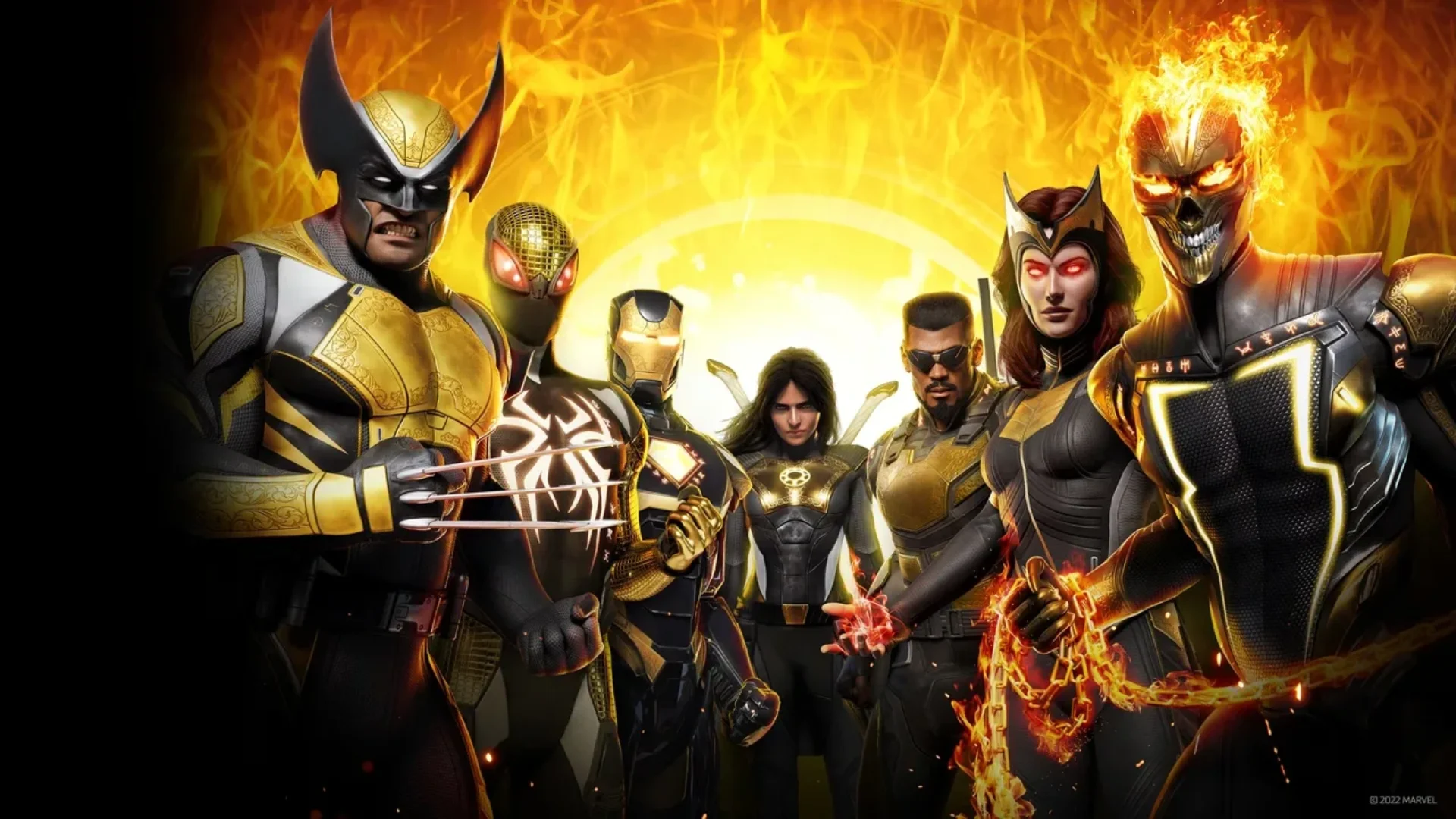
Marvel's Midnight Suns replaces XCOM's grids and hit percentages with a hand of ability cards shared between three heroes. Positioning still matters because attacks can knock enemies into electrical boxes, explosive objects, or one another. A card that appears weak on its own may become the best move available once the battlefield is treated as another weapon.
Between missions, the Hunter explores the Abbey and develops friendships with the wider team. These conversations unlock practical combat benefits, giving the social sections a direct connection to squad building. There are too many errands around the grounds, and some dialogue stretches the heroes into overly talkative versions of themselves.
The card system is far better than the early marketing suggested, creating tactical puzzles without making Captain Marvel, Blade, and Spider-Man behave like reskinned soldiers.
4. Sid Meier's Civilization V
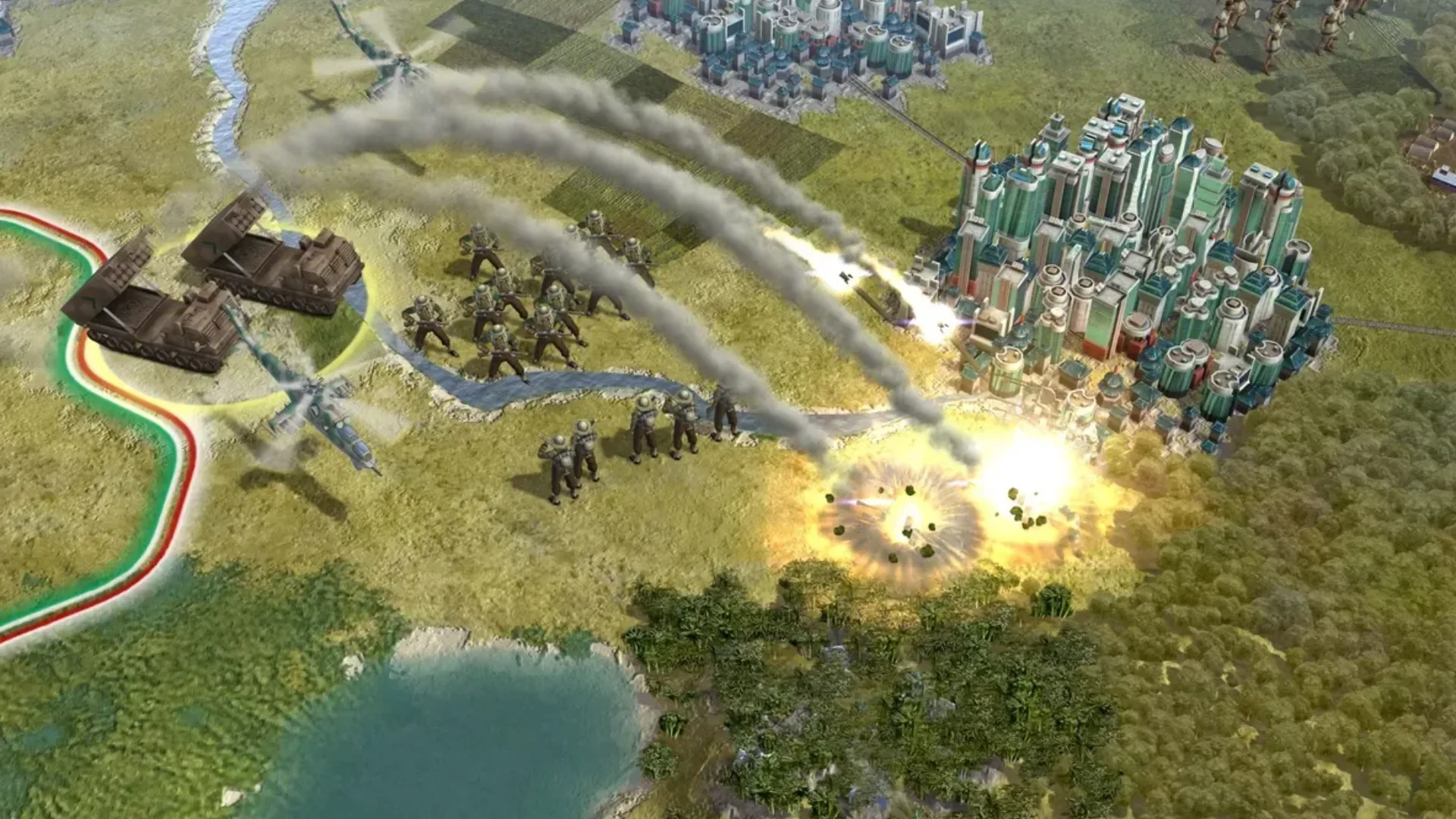
A match of Civilization V begins with one settler and eventually covers centuries of research, diplomacy, expansion, and war. Its most important change was placing military units on individual hexes. Armies could no longer hide inside enormous stacks, so controlling a narrow pass or protecting ranged units became part of every serious campaign.
With the Brave New World expansion, trade routes, ideologies, and tourism gave peaceful empires better ways to exert pressure. The artificial intelligence never became particularly skilled at maneuvering around the one-unit-per-tile rule, while late turns can continue long after the winner feels obvious. Even so, Civilization V finds a cleaner balance than its busier successors. The map communicates what matters without making city management feel thin.
3. Borderlands 2
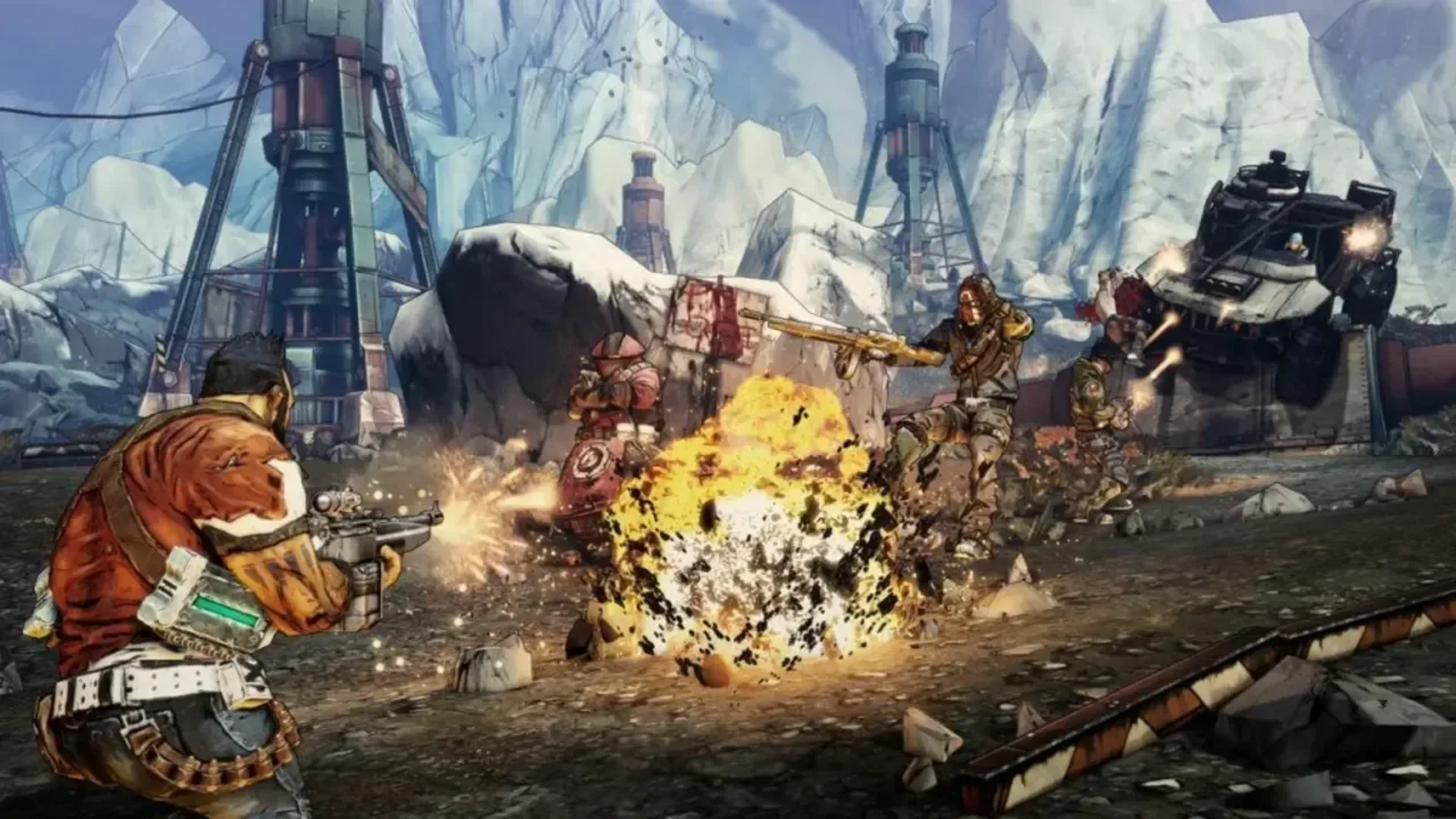
Every weapon manufacturer in Borderlands 2 follows recognizable rules. Tediore guns are thrown like explosives during a reload. Hyperion weapons become more accurate while firing. Maliwan equipment emphasizes elemental damage. Loot therefore changes more than the damage number displayed on the comparison screen.
Four Vault Hunters travel across Pandora completing missions and building skill trees that can alter how their action skills function. Co-op makes the chaos easier to manage, although arguments over rare drops can become part of the experience. The later difficulty levels are much less flexible. Slag becomes close to mandatory in Ultimate Vault Hunter Mode, forcing players toward one damage setup when the wider game is supposed to celebrate experimentation. Handsome Jack and a strong expansion lineup nevertheless give the campaign a personality later entries struggled to match.
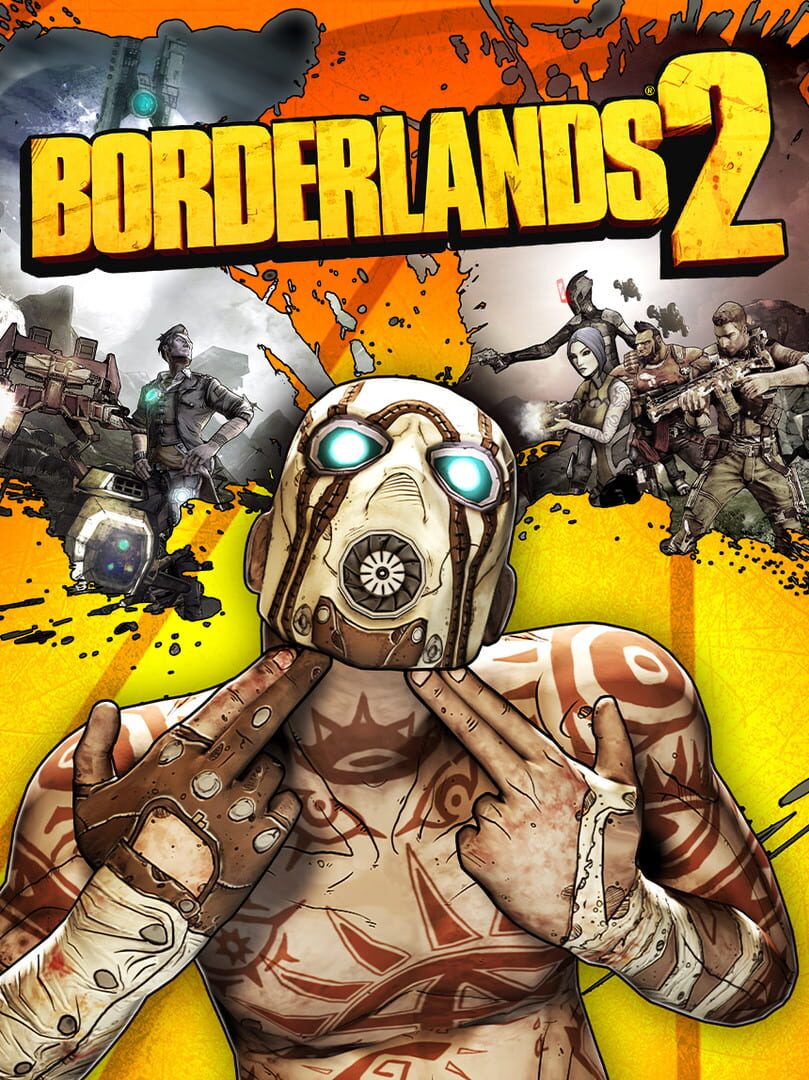
A new era of shoot and loot is about to begin. Play as one of four new vault hunters facing off against a massive new world of creatures, psychos and the evil mastermind, Handsome Jack. Make new friends, arm them with a bazillion weapons and fight alongside them in 4 player co-op
Released
September 18, 2012
Developer
Gearbox Software
Publisher
2K Games


2. XCOM 2
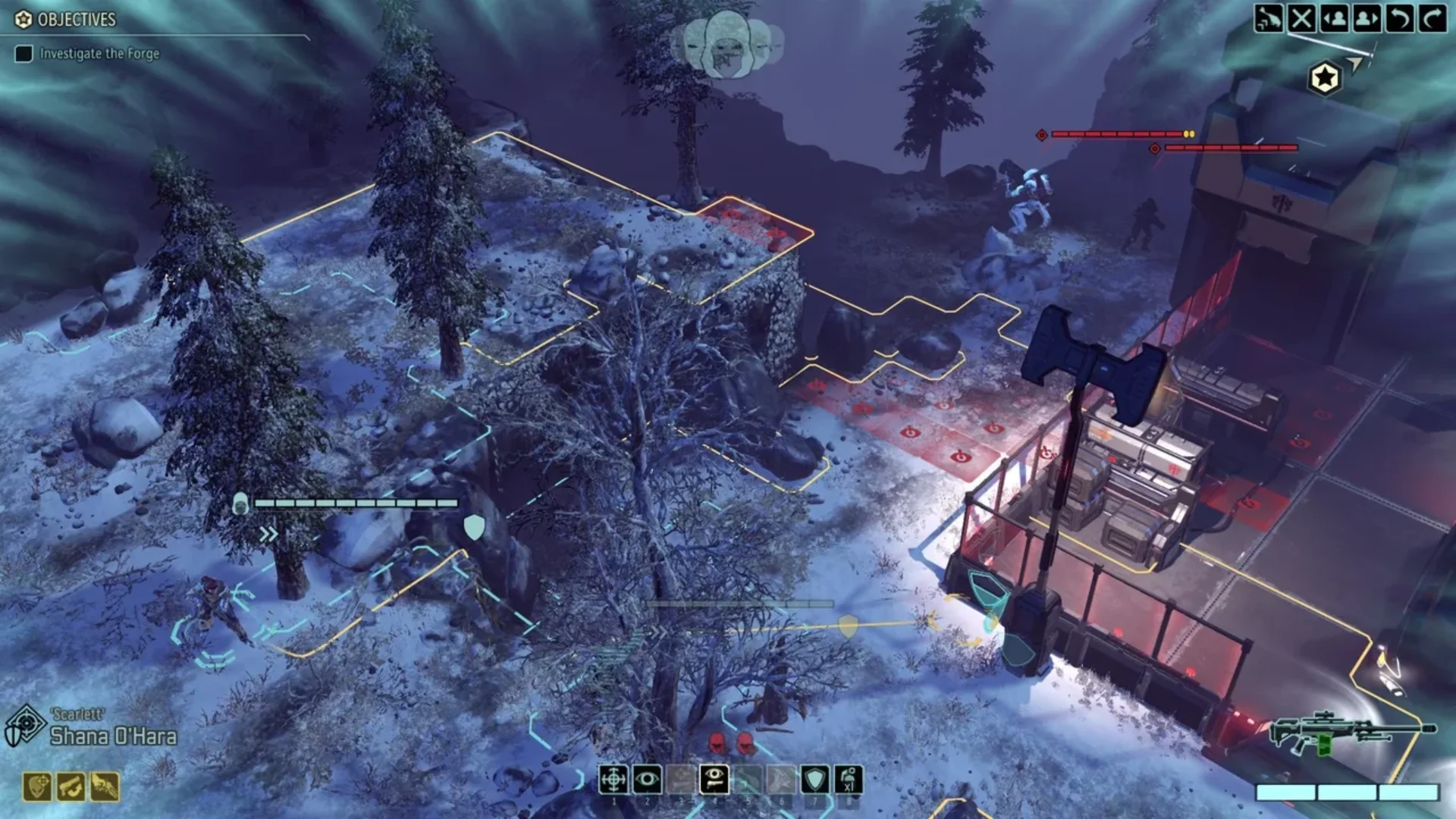
Most turn-based tactics games reward slow preparation. XCOM 2 frequently refuses to allow it. Resistance soldiers begin missions concealed, giving the player time to arrange an ambush, but objectives often carry strict turn limits. Remaining hidden for too long can make a perfectly prepared attack strategically useless.
That pressure creates difficult recoveries. Missing a high-percentage shot may expose a specialist, which forces the grenadier to abandon cover, which leaves the squad without explosives when reinforcements arrive. Soldiers carry injuries, relationships, and permanent consequences between missions. War of the Chosen deepens those stories through fatigue, bonds, resistance factions, and recurring enemies, although new players may find the expanded campaign overcrowded. Few strategy games create such attachment to characters assembled from random names and statistics.
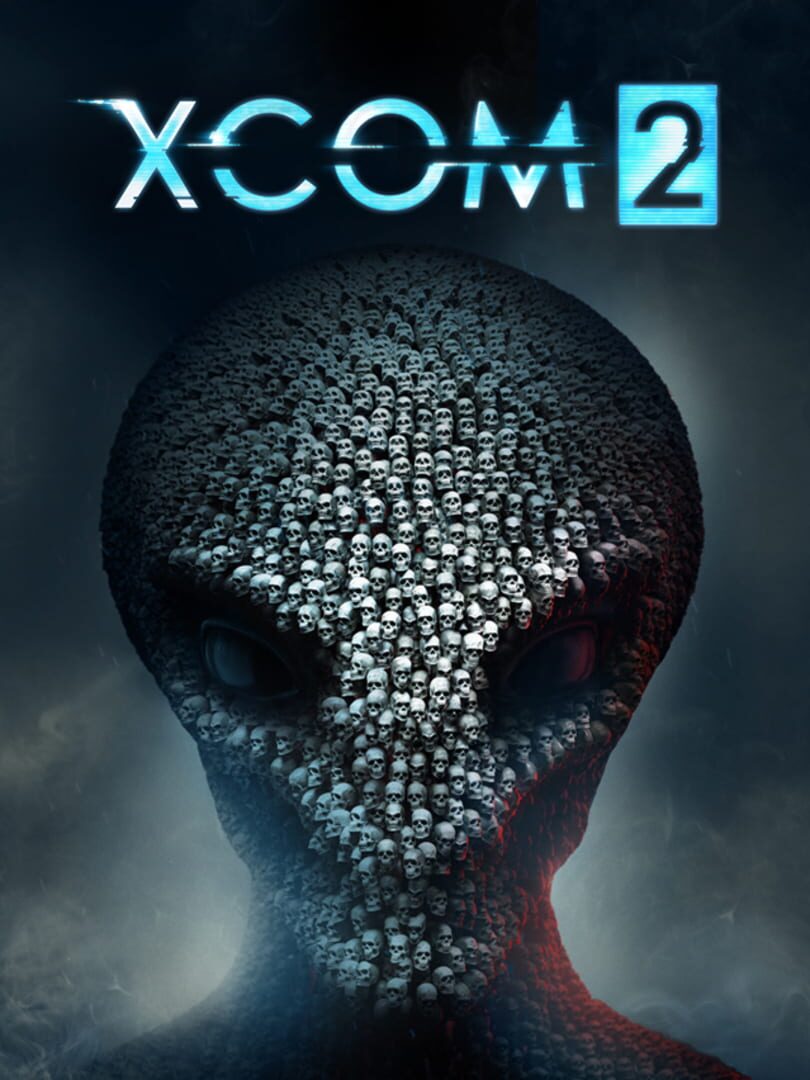
XCOM 2 is the sequel to XCOM: Enemy Unknown, the 2012 award-winning strategy game of the year. Earth has changed and is now under alien rule. Facing impossible odds you must rebuild XCOM, and ignite a global resistance to reclaim our world and save humanity.
Released
February 4, 2016
Developer
Firaxis Games
Publisher
2K Games
1. BioShock
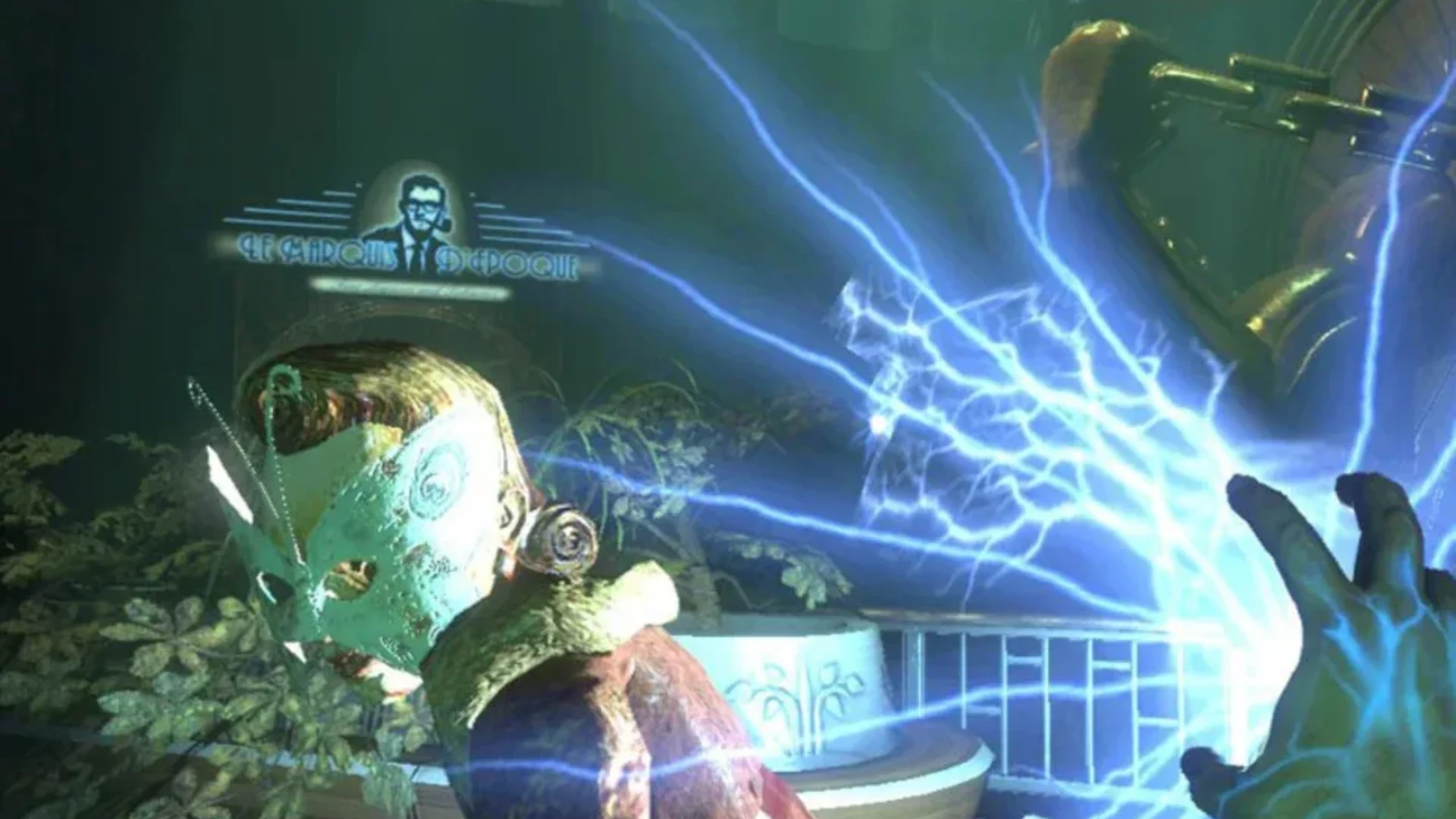
Rapture explains itself before BioShock provides a complete account of what happened there. Flooded corridors, abandoned shops, propaganda, and recorded messages reveal an underwater society that treated personal ambition as its highest principle. The player searches that city for ammunition and genetic material while using guns, hacked security systems, and abilities called plasmids to survive.
Those systems make the setting practical. Electro Bolt can stun an enemy standing in water. Incinerate can ignite an oil spill or melt ice blocking a route. Security cameras become allies after hacking, while Big Daddies remain peaceful until the player decides the resources they protect are worth the risk. The pipe-based hacking minigame becomes tedious, and the final act is weaker than the journey through Rapture's districts.
The city remains convincing because its ideas appear in the spaces, enemies, and resources the player must understand, not only in the story being told around them.
Tagged In
Discussion
0We want to hear from you. Share your perspective in the comments below, and please keep the conversation respectful.
Log in to join the discussion - vote, reply, and share your take.
Log In