
Konami's Silent Hill revival benefits from keeping its studios apart
Konami deliberately kept the developers of Silent Hill f and Silent Hill: Townfall apart, allowing them to explore different settings, stories and gameplay systems. The approach is helping the revived horror franchise develop distinct identities across multiple studios.
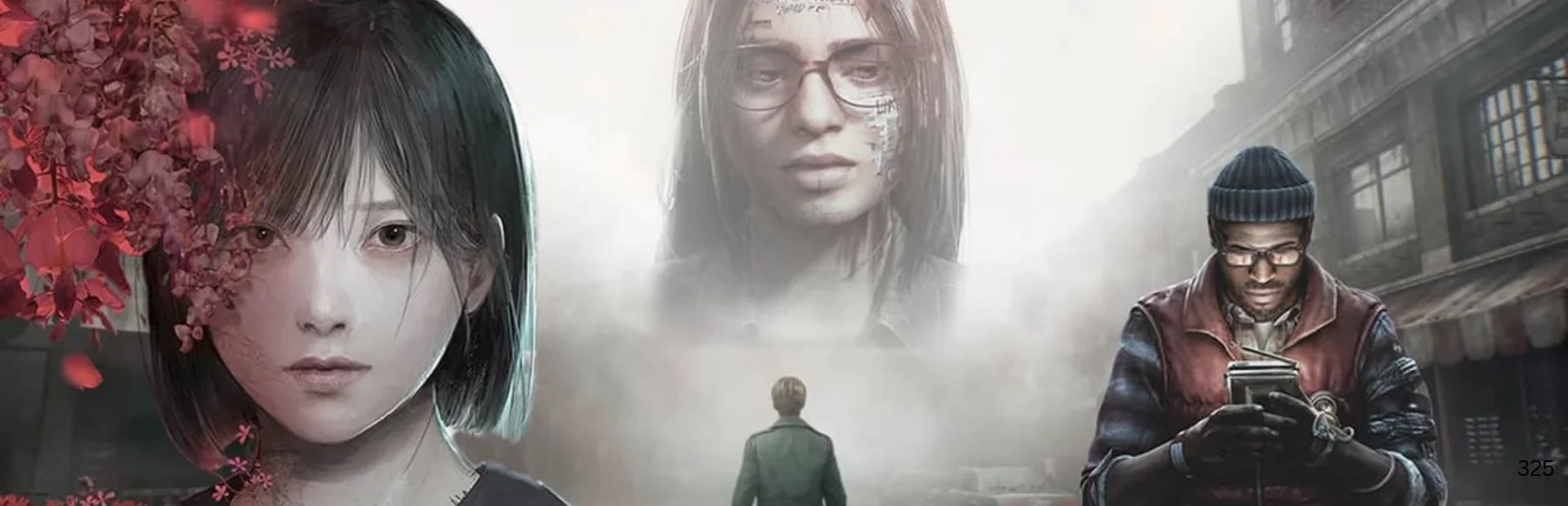
Konami has taken Silent Hill in very different directions with its recent games. Silent Hill f brought the series to Japan in 2025, following a schoolgirl caught in a nightmare, while this September's Silent Hill: Townfall explores a mystery on a Scottish island. Those differences are partly the result of Konami deliberately keeping its development teams apart.
Speaking at MCM London Comic Con, Townfall director Jon McKellan revealed that Screen Burn learned about several other Silent Hill projects alongside the public, with little access to their development afterward. Konami wanted each studio to develop its own ideas without being influenced by the others.
For a series making its comeback through multiple developers, that freedom could help produce more distinctive horror games instead of having every team follow the same familiar formula.
Konami kept the overview the studios lacked

Although the Silent Hill teams worked separately, Konami still kept track of what everyone was making. Series producer Motoi Okamoto and his team reviewed the different projects and stepped in when ideas became too similar.
McKellan recalled one occasion when Konami asked Screen Burn to change an enemy design because it resembled a creature from another Silent Hill game. The developers never saw the other design, so they had to trust Konami's judgment and come up with something different. Screen Burn eventually got to see Silent Hill f a couple of months before release, although most of its development happened without that insight.
For Townfall, the arrangement allowed Screen Burn to concentrate on telling Simon's story. The game was designed as a self-contained experience, so the team did not have to worry about setting up another studio's sequel or fitting its ideas into a larger storyline.
McKellan appreciated having that freedom and described Konami's oversight as reassuring. The publisher could identify potential similarities without requiring every studio to share its work. Konami still had the final say when something needed to change, but Screen Burn could develop its own take on Silent Hill without constantly checking what the other teams were doing.
Every team had to decide what Silent Hill meant
Konami's approach also meant each studio had to decide what made a game feel like Silent Hill. Series producer Motoi Okamoto has explained that although Konami has its own story guidelines, he encourages developers to study the earlier games and create their own development bible.
For Screen Burn, that process began with the simple question: what does Silent Hill mean to the people making Townfall? Even though the developers answered differently, they eventually agreed on several important elements, including stories that leave room for interpretation and monsters connected to the protagonist's experiences.
The decision to set Townfall in Scotland came from a similar desire to create something personal. Screen Burn wanted to capture a place its developers knew well, photographing and scanning real fishing towns and coastal streets. Those references helped shape St. Amelia, down to the uneven walls and unusual proportions of its buildings.
NeoBards approached Silent Hill f through Japanese culture and history. Set in 1960s Japan, Ryukishi07's story follows Hinako Shimizu as she struggles with expectations from her family and society.
Those pressures influence the game's disturbing creatures, including its dolls and distorted bodies. Even the puzzles draw on Japanese traditions, with ema prayer tablets and scarecrows appearing throughout the game.
Both studios found different ways to explore the psychological horror that defines Silent Hill, drawing on their own settings and characters to give each game its identity.
Creative freedom changed the tools players use
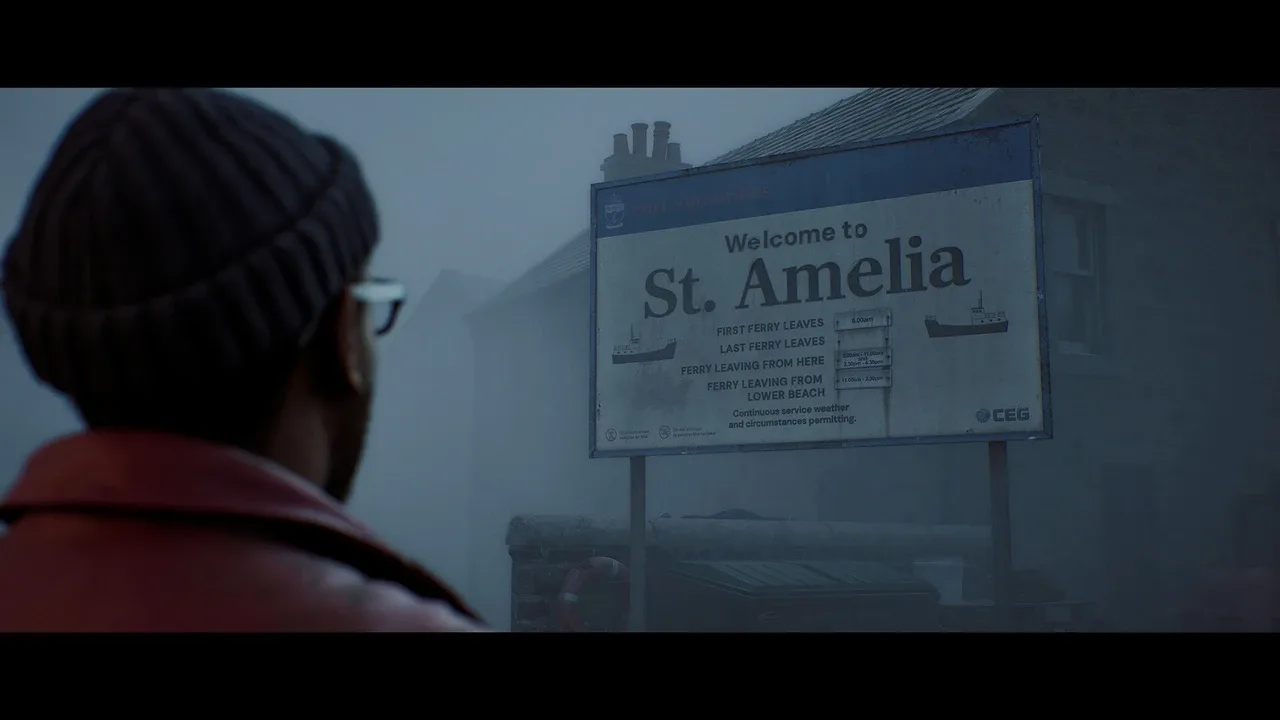
Screen Burn brought its fascination with analog technology into Silent Hill: Townfall. The studio had already explored similar ideas in Stories Untold and Observation, two games that series producer Motoi Okamoto admired.
For Townfall, the team reimagined Silent Hill's familiar warning radio as the CRTV, a pocket television that helps Simon Ordell detect nearby threats and uncover clues. Screen Burn even filmed footage through real pocket televisions to recreate their distorted signals.
The CRTV became central to exploration and stealth. Players can raise the device to investigate their surroundings and track enemies outside their direct view. McKellan explained that the first-person perspective was essential to making this work, with hiding and distracting enemies playing an important role alongside combat.
Silent Hill f takes a different approach. Hinako has no warning radio, leaving players to spot approaching monsters themselves. Combat relies on melee weapons that deteriorate with use, alongside stamina management, counters and Sanity-powered Focus abilities.
The Japanese setting also influences survival. Players can offer food at hokora shrines to earn Faith, which can restore Sanity or purchase protective omamori.
The differences go beyond atmosphere and location. Townfall turns a familiar Silent Hill device into an important part of exploration, while Silent Hill f removes it and makes combat and resource management more demanding. Both studios have been able to experiment with how players experience danger without following the same gameplay formula.
Difference cannot replace quality control
Konami's approach does not mean every Silent Hill game needs completely different mechanics. Silent Hill: The Short Message also uses a first-person perspective, although Okamoto explained that its development followed a different schedule from Townfall, with no direct exchange of technical knowledge. Both games could use the same camera without offering the same experience.
The freedom to explore different ideas has already produced results. In May, Konami announced that Silent Hill f had reached two million worldwide shipments, including digital sales, as of April 22, 2026. Moving the series to Japan had clearly not prevented it from attracting a substantial audience.
However, Townfall also showed why a distinct identity is only part of making a successful horror game. Its October 8 update addressed enemies that tracked players too aggressively or lingered near objectives, alongside problems with frame pacing and stuttering.
These issues could make encounters frustrating regardless of how original the game's monsters or mechanics were. Konami can give its studios freedom to explore their own interpretations of Silent Hill, but it still needs to make sure those ideas work well when players get their hands on them.
Annual releases will need more than separate studios
Okamoto said at Gamescom that Konami hopes to release new Silent Hill games annually and has multiple unannounced projects underway. Different teams can work in parallel over several years, so an annual schedule need not mean giving each studio a single year to finish.
Townfall was publicly announced in 2022 and released on September 24, 2026, after years of development. It does, however, make the publisher's decisions about readiness and timing increasingly important.
McKellan's account offers a sensible way to protect variety across that lineup. Konami can approve an unfamiliar setting, let developers reshape recognizable systems and intervene when ideas collide.
Preserving that freedom will also require accepting different production needs and resisting the temptation to make each successful experiment the next studio's instructions. The benefit of commissioning several interpretations disappears if every team eventually has to repeat whichever one sold best.
Tagged In
Discussion
0We want to hear from you. Share your perspective in the comments below, and please keep the conversation respectful.
Log in to join the discussion - vote, reply, and share your take.
Log In