
Mass Effect: Universe was the gamble EA no longer wanted
Mass Effect: Universe was exploring branching timelines, player-driven missions and new ways to preserve decisions from the original trilogy. EA canceled the ambitious RPG before BioWare could turn those systems into a finished game.
BioWare was building a sequel around the trilogy's many choices as its owner cut projects and faced billions in buyout debt. EA announced on October 21 that it was closing BioWare and canceling the studio's next Mass Effect game. First announced in 2020, the project was still in early development with a small team after Dragon Age: The Veilguard fell well short of EA's expectations.
Shortly after the announcement, an internal trailer leaked, revealing the title Mass Effect: Universe. Developers also began sharing details about the canceled game. The team had been working on ways to bring decisions from the original trilogy into the new story and let missions play out differently when players did something unexpected.
There was no guarantee these ideas would work in a finished game, but they offer a glimpse of what BioWare had planned and how much work remained when EA decided to shut the studio down.
EA was looking at more spending before another release
Finishing Mass Effect: Universe would have required a much larger investment than maintaining BioWare's remaining team. Former cinematic supervisor Tony de Waal estimated that around 50 employees were still at the studio. EA would have needed more developers to complete the game's story, missions and gameplay systems, followed by testing and marketing.
The publisher had already seen its previous investment in BioWare disappoint. In January 2025, EA reported that Dragon Age: The Veilguard had reached approximately 1.5 million players during its launch quarter, nearly 50% below expectations. Analyst Piers Harding-Rolls argues that BioWare's recent big-budget releases had struggled commercially.
EA also faced new financial obligations following its acquisition by Saudi Arabia's Public Investment Fund, Silver Lake and Affinity Partners in August. The deal involved approximately $18 billion in debt drawn at completion, adding borrowing costs to a business already funding several major franchises.
Analyst Joost van Dreunen argues that a team of around 50 people working on an unfinished game would be a likely target for cuts under those circumstances. Keeping Mass Effect alive meant committing considerably more money before EA could expect any return from sales.
The acquisition debt has not been established as the reason for BioWare's closure. But with The Veilguard performing below expectations and Mass Effect requiring substantial further investment, EA had financial reasons to reconsider the studio's future.
Universe was trying to preserve the trilogy's choices
Part of the challenge facing BioWare's remaining team was figuring out how to continue Mass Effect without ignoring the decisions players had made in the original trilogy. Shepard's choices could determine which characters survived, which civilizations endured and how the Reaper War ended. Choosing one official version of those events would mean disregarding the stories other players had experienced.
Franchise technical director Romain Toutain revealed during a Twitch stream that Mass Effect: Universe was exploring a way around this problem. The team had been developing a system that could combine decisions from the original games into different timelines. Toutain compared the idea to parallel universes, although he did not explain how players would select or import their previous choices.
The developers were also working on technology to keep missions functioning when players made unexpected decisions. For example, killing a character needed for a later quest could create problems for the story. The system could identify those conflicts, allowing designers to decide whether the mission should fail, another path should become available or a later event should change.
This could have allowed Universe to respond to player decisions without forcing everyone through the same story. However, the technology could only help developers manage those possibilities. Every alternative mission, conversation and encounter would still need to be created and tested.
BioWare had an ambitious plan for preserving player choice, but turning it into a complete RPG would have required considerably more development work. That was the investment EA ultimately decided against.
The freedom extended beyond dialogue
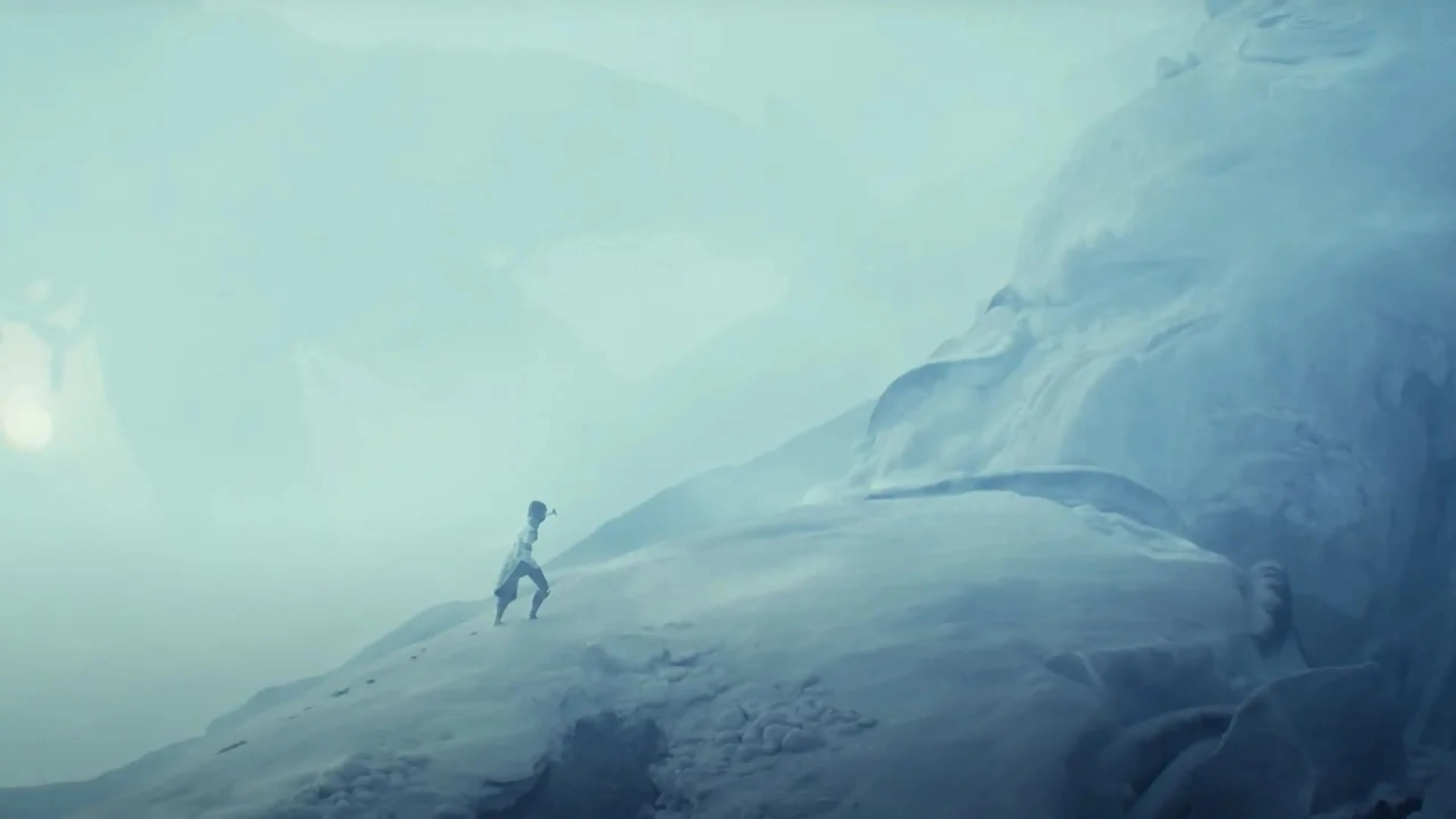
Dantics, who says he advised BioWare through its Mass Effect community council, describes handcrafted missions with freedom resembling Hitman. His account places the game more than 600 years after the Reaper War, amid a Cold War between rival galactic powers.
Players would control a customizable N7 operative equipped with experimental implants. The proposed abilities included identifying systems, seeing through walls and remotely triggering hazards. Alongside close-range takedowns, those tools could let players approach an assignment through more than a straightforward firefight.
Squadmates could reportedly clash with one another, romance would return and Liara would appear as a powerful asari matriarch. EA has not publicly confirmed that account. Toutain did separately confirm that the protagonist was customizable and that the trailer's hand-to-hand fighting reflected gameplay plans.
Handcrafted missions become more demanding when characters can die, relationships deteriorate and earlier decisions change the situation players encounter. De Waal said BioWare had been watching what Larian and CD Projekt were achieving while trying to remain faithful to the original trilogy.
BioWare still had to turn its systems into a finished RPG
The technology behind Mass Effect: Universe had already worked in testing, but building a complete RPG around it was another challenge. The leaked trailer offered little insight into development progress, as it was created for internal presentations rather than to show finished gameplay.
BioWare knew how demanding these projects could become. Former cinematic supervisor Tony de Waal described the difficulties of creating conversations in Dragon Age: The Veilguard, where different protagonists and story decisions could affect entire scenes. Universe's ambitious choice system would have required even more dialogue, alternative missions and extensive testing.
The studio had delivered successful RPGs before, with Dragon Age: Inquisition selling more than 12 million copies. However, Anthem struggled after launch, while The Veilguard underwent major changes during development.
It remains unclear how much of Universe was actually finished or how extensively its timelines would have differed. EA has not identified the choice system as a reason for cancellation. BioWare had developed promising technology, but completing the game would still have required substantial time and investment.
EA chose not to invest in BioWare's future
EA is still funding major projects, including Marvel's Iron Man and the next Star Wars Jedi game. The publisher has not abandoned expensive single-player games, but it has become more selective about which projects receive continued investment. After The Veilguard fell short of expectations, BioWare faced the difficult task of convincing EA to fund another ambitious RPG that was still far from completion.
Mass Effect: Universe had promising ideas, particularly its plans to carry decisions from the original trilogy into a new story and allow missions to respond to player choices. The technology was reportedly working, but BioWare still needed the developers, time and money to turn it into a finished game.
EA had financial reasons to question that commitment, especially after BioWare's recent struggles. However, Universe was canceled before its ideas could be fully developed or tested in a finished game.
The closure therefore tells us more about EA's willingness to invest in BioWare than whether Mass Effect: Universe would have succeeded. The publisher decided the potential reward no longer justified the cost, ending the studio's final attempt to build on the ambitious RPG design that had made it famous.
Tagged In
Discussion
0We want to hear from you. Share your perspective in the comments below, and please keep the conversation respectful.
Log in to join the discussion - vote, reply, and share your take.
Log In