
What the $55B Saudi Takeover Means for EA's Future Games
EA is going private in a $55B Saudi-led buyout. Here is how the debt, the new owners, and the pressure for safe bets could reshape our games.
On August 4, 2026, the publisher behind franchises like Battlefield, EA Sports FC, and The Sims is leaving the stock market. After 36 years as a public company, Electronic Arts is going private in a historic 55 billion dollar buyout.
The buyers are a group led by Saudi Arabia's Public Investment Fund, alongside private equity firm Silver Lake and Affinity Partners. When the deal closes, the Saudi fund will hold over 93 percent of the entire company.
While leaving the stock market means developers no longer have to obsess over quarterly earnings reports, the massive debt taken on to buy the publisher will change how it operates.
That financial pressure, combined with the ambitions of its new owners, is going to directly influence the budgets, timelines, and creative direction of the games you will actually get to play over the next decade.
Going Private: The Reality of the Debt Burden
The biggest threat to future EA games is the mountain of debt funding the buyout. To make the deal happen, the buyers are borrowing roughly 20 billion dollars, and that burden lands directly on the company balance sheet.
Paying back a loan of that size demands guaranteed revenue every single quarter. That financial pressure wipes out the freedom to take creative risks or greenlight experimental games that might not become instant blockbusters. Every project now has to be a safe bet that prints money.
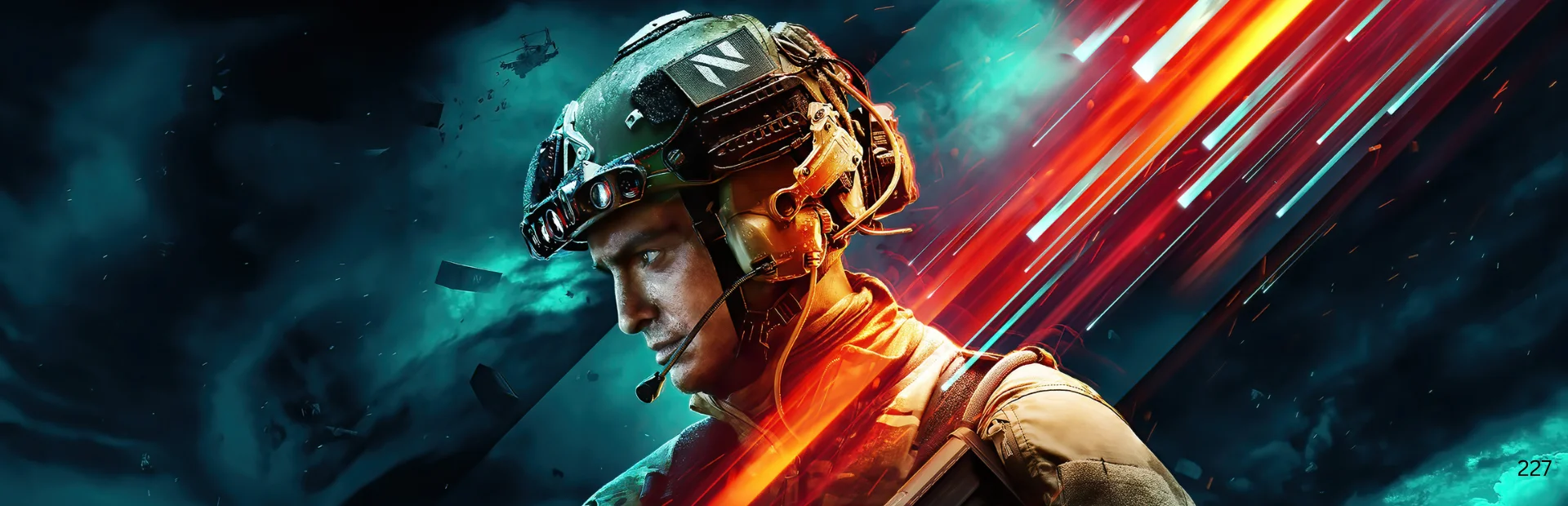
You can already see how that pressure translates to the studios making your favorite games. While CEO Andrew Wilson received a 27 percent pay bump to 38 million dollars, EA simultaneously laid off developers across DICE, Criterion, Ripple Effect, and Motive. Those were the exact teams behind Battlefield 6, the best selling game in the country in 2025.
Those developers shattered sales records, and the company laid them off anyway to cut costs. That is the cold financial reality now steering the future of EA's biggest franchises.
The Franchise Squeeze: Safe Bets Over Creative Risks
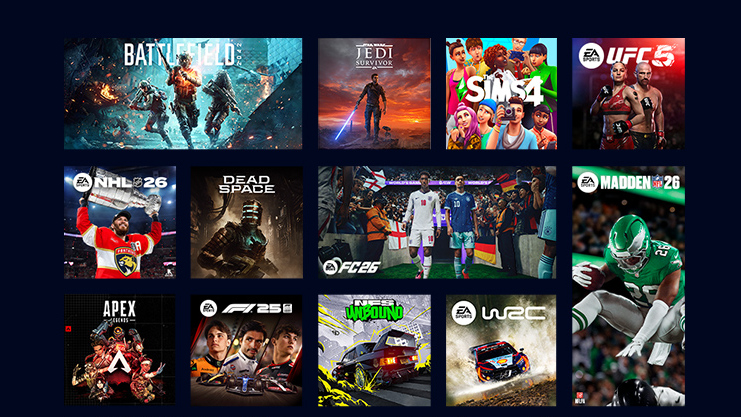
With a twenty billion dollar loan hanging over the company, EA can no longer afford to gamble on fresh ideas. Every project now has to be a guaranteed hit, which means leaning harder than ever on proven names like EA Sports FC, Madden, Apex Legends, and Battlefield.
The success of Battlefield 6 is the clear blueprint for that future. EA poured massive resources into turning the shooter into a hit, and it paid off. Going forward, expect almost every release to follow that exact same formula of proven franchises built around battle passes and continuous player spending.
What gets lost in that transition are the creative games that take risks. Smaller projects under the EA Originals label that gave us beloved hits like It Takes Two will become much harder to justify. A narrative adventure that takes four years to build without an online store attached is simply too risky for a publisher carrying billions in debt.
EA will never publicly announce the death of solo campaigns, but projects like that will quietly get cancelled or never greenlit in the first place. That puts studios like BioWare in the danger zone, because their entire identity is built on expensive RPGs that do not fit into an endless monetization schedule.
The Elephant in the Room: PIF and Creative Independence
Saudi Arabia's Public Investment Fund is no stranger to the games industry. Over the past few years the fund acquired a 96 percent stake in SNK, bought shares in Capcom, and became one of the largest outside shareholders in Nintendo.
Until now, the Saudi fund basically acted like a wealthy silent partner. They bought shares in Capcom and Nintendo, collected their share of the profits, and let developers make whatever games they wanted without interfering.
The EA takeover is fundamentally different because it is not a passive investment. Owning over 93 percent of a private publisher gives the Saudi fund absolute authority over executive boards, budgets, and creative direction.
That shift creates an immediate collision course with EA's most profitable franchises.
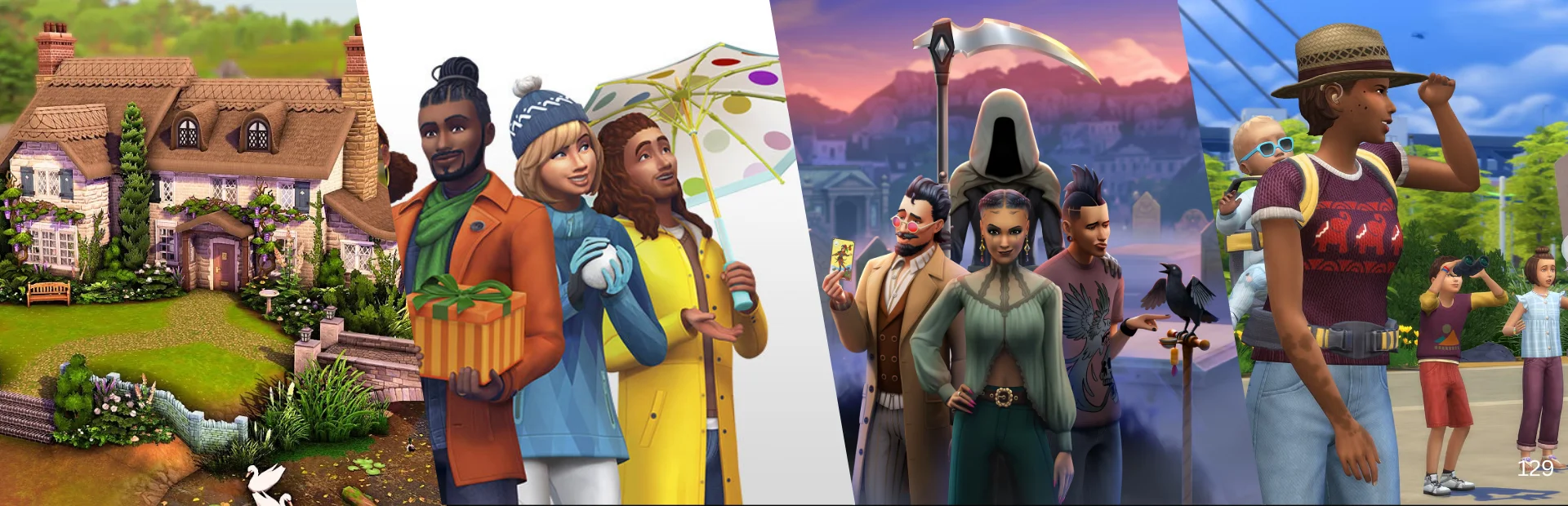
Nothing illustrates that clash better than The Sims. For over twenty years, the series has been built entirely around personal freedom, gender self expression, and same sex relationships. Those core gameplay pillars stand in direct opposition to the laws and state values of Saudi Arabia, and the involvement of Jared Kushner's Affinity Partners only adds to the political friction.
The biggest risk for players is not an instant, public ban on inclusive content. The real danger is quiet self censorship, where studio leadership preemptively strips out sensitive themes to avoid offending the new owners.
Whether The Sims stays intact comes down to pure economics. The franchise generates massive recurring profit, and money is the language this ownership group understands best.
When the next Sims game finally arrives, it is going to prove whether EA's new owners care more about political ideology or raw profit.
Studio Culture and the Risk of Talent Drain
Beyond the financial pressure, these ownership changes take a heavy toll on the developers actually building our games. Combining constant layoffs with the stress of working for new owners who do not share their values creates an anxious atmosphere on the studio floor.
The biggest danger for players is losing the talent behind those games. When a publisher only cares about safe sequels that print money, the veteran designers and creative leads who built our favorite worlds eventually walk away. They leave to join competitors or open their own studios where they can still take creative risks.
EA can borrow twenty billion dollars from a bank, but they cannot buy back the experience of senior developers once those people resign. If enough of those veterans leave, the franchises you love lose the very magic that made them great in the first place.
What to Expect from EA Over the Next Decade
Escaping the stock market does not mean EA gets to focus on creativity over profit. Replacing Wall Street shareholders with a massive bank loan simply means the pressure to make safe money is heavier than ever.
That reality is going to shape our game library for the next ten years. Fresh ideas and narrative games will take a backseat to heavy monetization inside the multiplayer franchises you already play.
Worse still, every future EA release is going to face intense suspicion from players wondering whether developers held back creative ideas to avoid offending their new owners.
Tagged In
Discussion
0We want to hear from you. Share your perspective in the comments below, and please keep the conversation respectful.
Log in to join the discussion - vote, reply, and share your take.
Log In