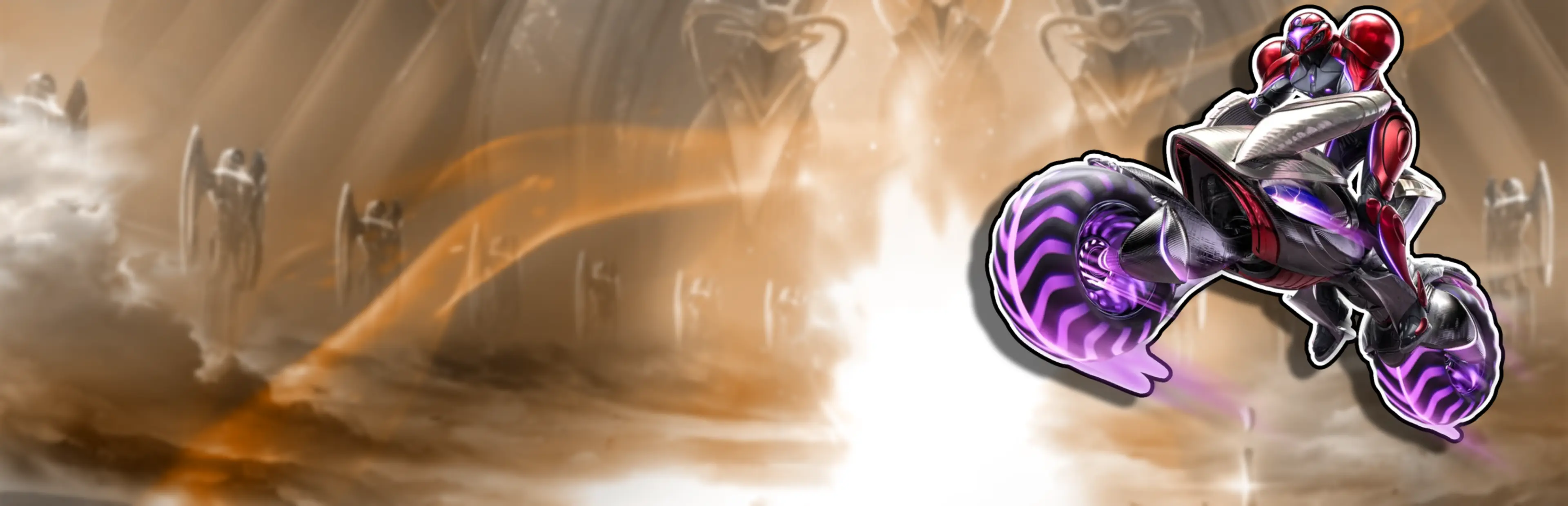
Metroid Prime 4's motorcycle solves a problem its desert created
Sol Valley expanded the space between Prime 4's main areas, with consequences for both development and the time spent revisiting them.
Former Metroid Prime engineer Jack Mathews has criticized the desert and motorcycle sections of Metroid Prime 4: Beyond, arguing that they required new technology with little benefit to the rest of the game. In a recent interview, the original trilogy's lead technical engineer questioned the resources committed to Sol Valley when more traditional areas could draw on familiar tools.
Nintendo's development team has explained why the motorcycle was introduced. Sol Valley's large desert made traveling between areas more time-consuming, so the developers gave Samus a faster way to cross it. Even with the motorcycle, players spend more time traveling between the areas where Prime 4's exploration works best.
The desert made a vehicle necessary
Nintendo initially considered a more open-world approach to Metroid Prime 4, partly inspired by Breath of the Wild. But Metroid has always relied on Samus gaining new abilities to reach previously inaccessible areas. Allowing players to explore everything from the beginning would have undermined that progression.
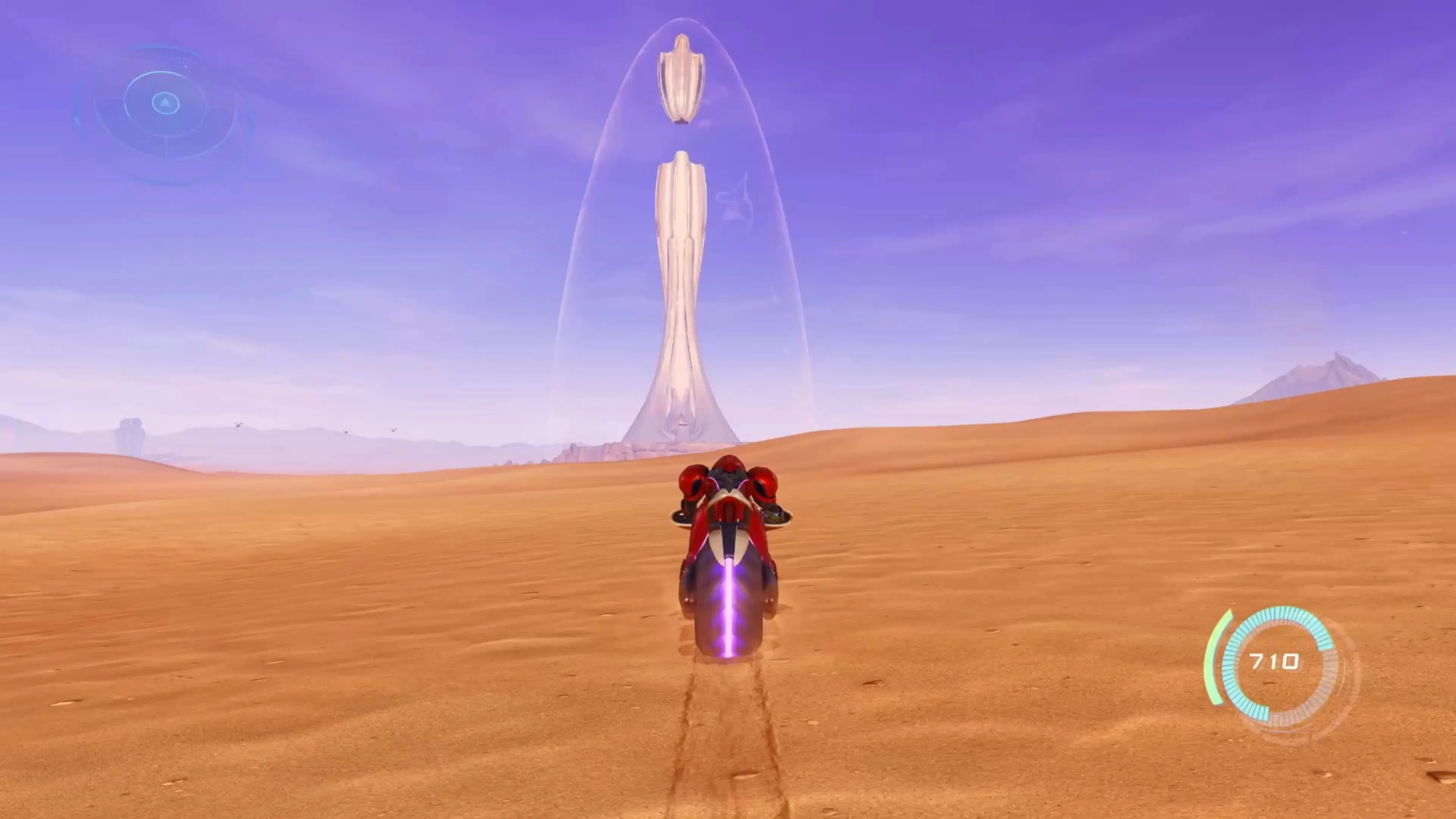
The developers eventually settled on Sol Valley, a large desert connecting smaller regions built around more traditional Metroid exploration. Crossing those distances on foot would have slowed the game considerably, so Nintendo introduced the Vi-O-La motorcycle. Riding through the desert was also intended to offer a change of pace between more demanding areas.
Nintendo gave the motorcycle its own combat and movement mechanics. Samus can boost through enemies, launch counterattacks and break ore deposits, while drifting across the dunes offers something different from exploring rooms and searching for hidden upgrades.
Facilities visible on the horizon help players navigate the desert and see how the different regions connect. But the layout also introduces long stretches of travel between those destinations, which helps explain why Mathews questions whether the additional development work was worthwhile.
New terrain brings unfamiliar production problems
Sol Valley required Retro Studios to develop technology that had little use in Prime 4's traditional areas. Mathews pointed out that the original trilogy's room-based environments gave developers established tools and techniques to work with. Building a large desert introduced different challenges, particularly around terrain and loading.
The difference also affects development planning. Retro already had experience building rooms and enemies around familiar mechanics. Mathews mentioned enemies such as War Wasps, whose existing behaviors could provide a starting point for new encounters. Developing the motorcycle and its gameplay required the team to experiment with systems it had never used in Metroid Prime before.
Retro was already facing a difficult production. Nintendo has explained that the studio needed to rebuild its development setup and train new staff to understand the pacing of the original games. Introducing a large open environment added more work to a team still establishing its production process.
The motorcycle also influenced how Sol Valley had to be designed. Faster movement requires larger spaces, longer sightlines and enemies that remain manageable at speed. The desert needs enough to do between destinations, while traveling through it should remain enjoyable after repeated visits.
Mathews was not involved in Prime 4's development, so it is unclear how much time or money went into Sol Valley. His criticism concerns whether that investment was worthwhile when the studio could have focused more resources on traditional Metroid Prime exploration.
The motorcycle introduces new gameplay, but players still spend considerable time crossing the same desert between regions. For Mathews, that raises questions about whether the additional development effort improved the overall experience.
Backtracking needs more than a faster ride
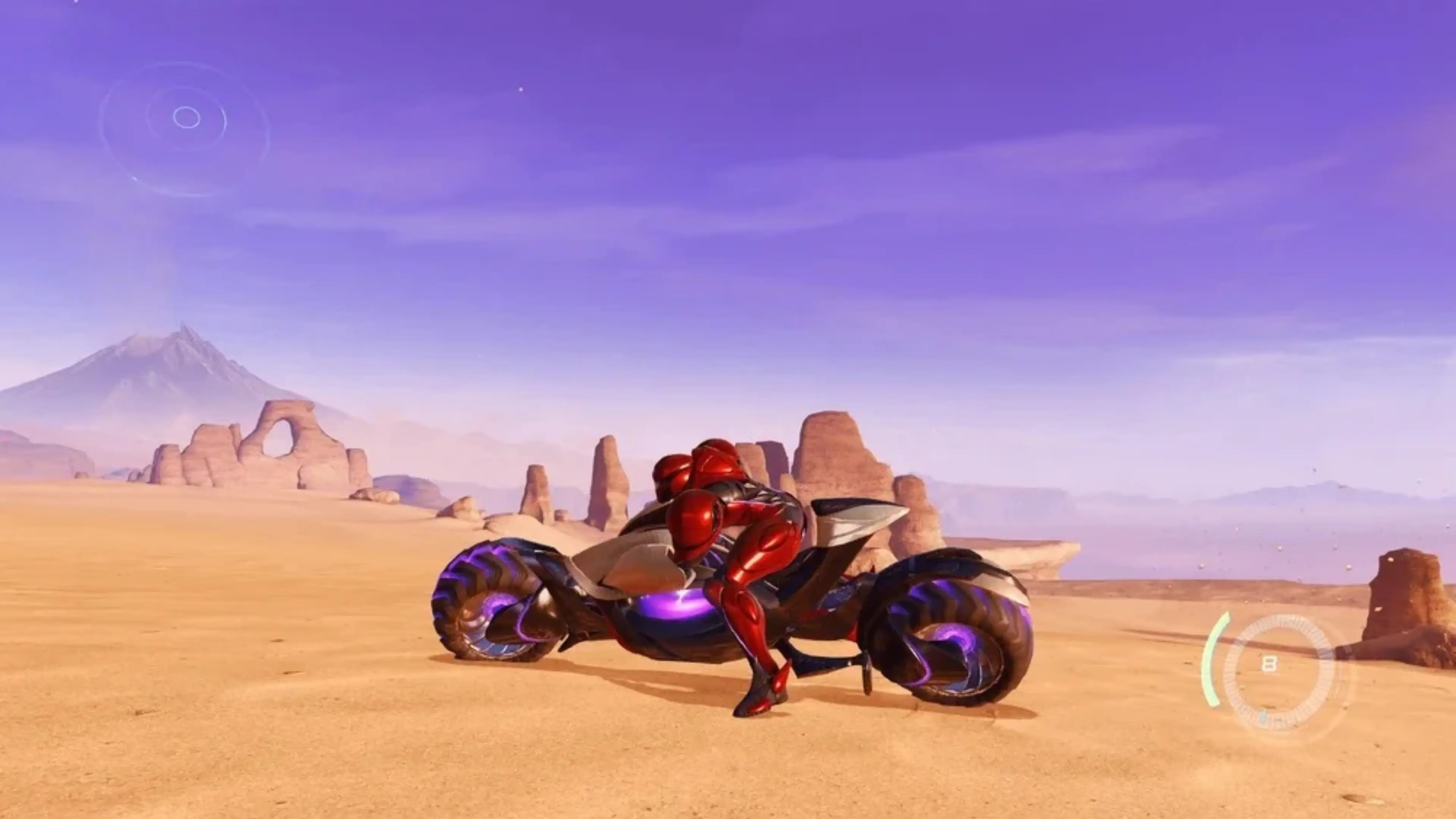
Backtracking is central to Metroid Prime, but Beyond often turns it into a lengthy journey. Elemental chips must be taken to Myles at base camp before Samus can use them, sometimes requiring a trip across Sol Valley, through Fury Green and back to the region she was exploring.
Earlier Prime games made returning to familiar areas rewarding. New abilities opened previously inaccessible rooms, revealed shortcuts and encouraged players to reconsider places they had already explored. Sol Valley offers less of that discovery, particularly when players are simply crossing the desert to reach another region.
There are shrines, puzzles and Federation debris to investigate along the way. These provide worthwhile distractions during early visits, but repeated journeys become less interesting once players have cleared them.
The mandatory green crystal collection makes the problem worse. Players who have not gathered enough crystals during their earlier travels must return to the desert before progressing. Power Bombs help clear larger deposits, but the remaining work still involves collecting resources across familiar ground.
Prime 4 repeatedly sends players through Sol Valley without offering much new to discover. The Vi-O-La shortens those journeys, but making backtracking faster does little when the journey itself has become a chore.
Prime's best changes reshape familiar exploration
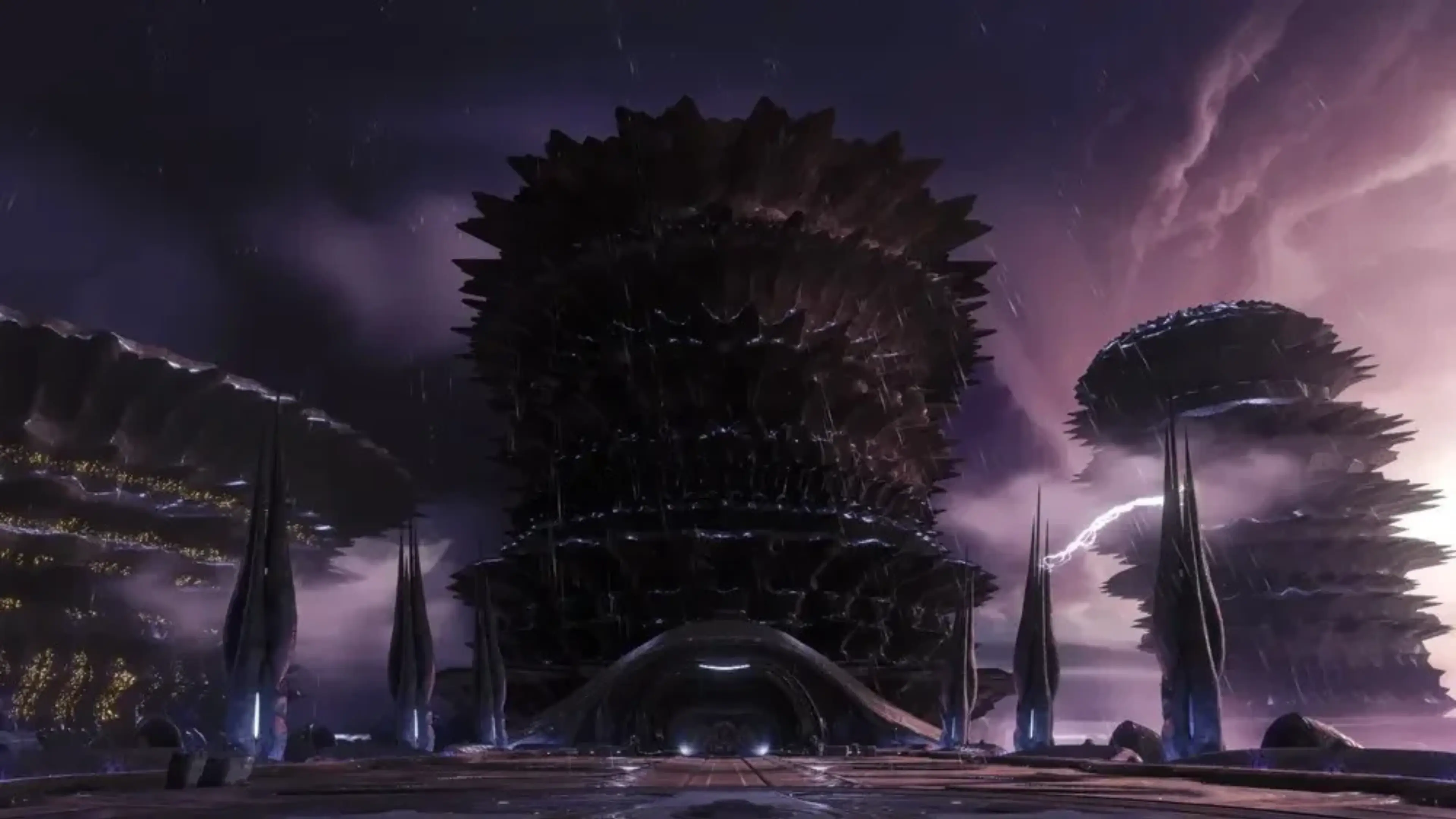
The original Metroid Prime required Retro to rethink how the series played. Moving Metroid into 3D and first person made even jumping difficult to get right, with developers spending considerable time refining movement and controls. That work shaped the entire game, allowing players to explore environments and search for hidden upgrades through Samus's visor.
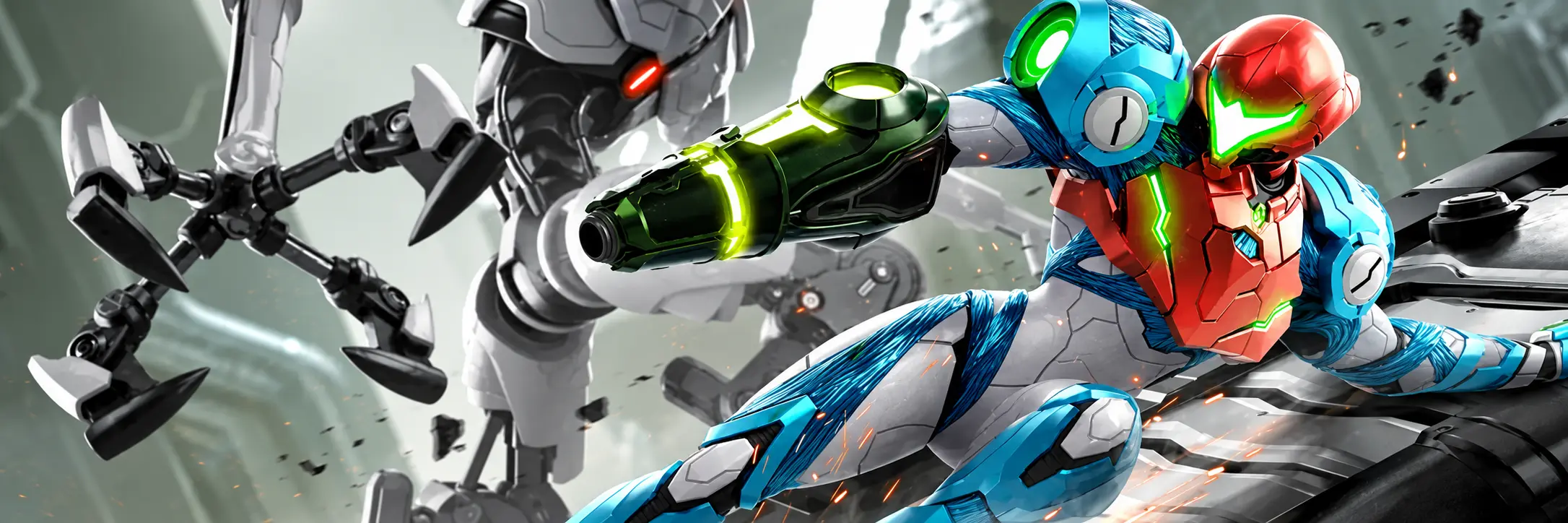
Prime 4's Control Beam follows a similar approach. In Volt Forge, players can guide shots through conduits to reach a missile expansion. Against Mechanoid flight drones, the same ability lets Samus destroy protective orbs. The Control Beam expands how players approach puzzles and combat throughout the game, giving familiar encounters new possibilities.
The Vi-O-La occasionally serves a similar purpose. Samus rides it through Volt Forge, while a later upgrade allows her to hover across lava in Flare Pool. Here, the motorcycle becomes part of Metroid's familiar progression, opening routes that were previously inaccessible.
Sol Valley makes much less interesting use of the vehicle. Most journeys involve crossing the desert to reach another region, with few opportunities to use new abilities or discover alternative routes.
The Vi-O-La works best when it becomes another tool for exploration, as it does in Volt Forge and Flare Pool. Spending so much of Prime 4 riding across Sol Valley makes the motorcycle feel like a solution to the desert's size rather than an addition that meaningfully improves the game.
When a new mechanic starts dictating the game
The original Metroid Prime justified its move to first person by transforming how players explored the entire game. Prime 4's Vi-O-La works best when it opens new routes, as it does in Volt Forge and Flare Pool. In Sol Valley, however, it mostly serves to shorten journeys across an oversized desert.
Nintendo has acknowledged that changing direction again became difficult after development restarted. By then, removing the motorcycle would also have meant reconsidering the world built around it.
Mathews' criticism highlights the cost of that decision. Retro invested in new technology and gameplay that contributed relatively little to Metroid Prime's strongest features. Experimentation becomes a problem when developers spend more time accommodating a new mechanic than using it to improve what players already love about the series.

Deadly sharpshooter Sylux has finally caught up with renowned bounty hunter Samus Aran! After an unexpected accident in the wake of their clash, Samus finds herself transported to Viewros— a mysterious planet once inhabited by an ancient race. Now she must explore this planet, al
Released
December 4, 2025
Developer
Nintendo EPD Production Group No. 6
Publisher
Nintendo


Tagged In
Discussion
0We want to hear from you. Share your perspective in the comments below, and please keep the conversation respectful.
Log in to join the discussion - vote, reply, and share your take.
Log In