
Overwatch's skin strategy shows the cost of a growing roster
Blizzard has doubled its seasonal Mythic hero skins, but repeat recipients and ten planned new heroes leave more characters competing for those slots.
Overwatch director Aaron Keller has acknowledged that cosmetic sales influence which heroes receive new skins. In a group interview published November 2, he explained that Blizzard typically pairs a Mythic expected to sell well with another for a hero still waiting for their first Mythic or receiving fewer recent cosmetics.
With more than 50 heroes to support, that compromise gives Blizzard room to fund further development while spreading attention beyond its most reliable sellers. But additional releases do not guarantee shorter waits for everyone. As the roster grows, the team needs to decide how regularly it will support characters whose skins are less likely to dominate the shop.
A busy shop can still leave a hero waiting
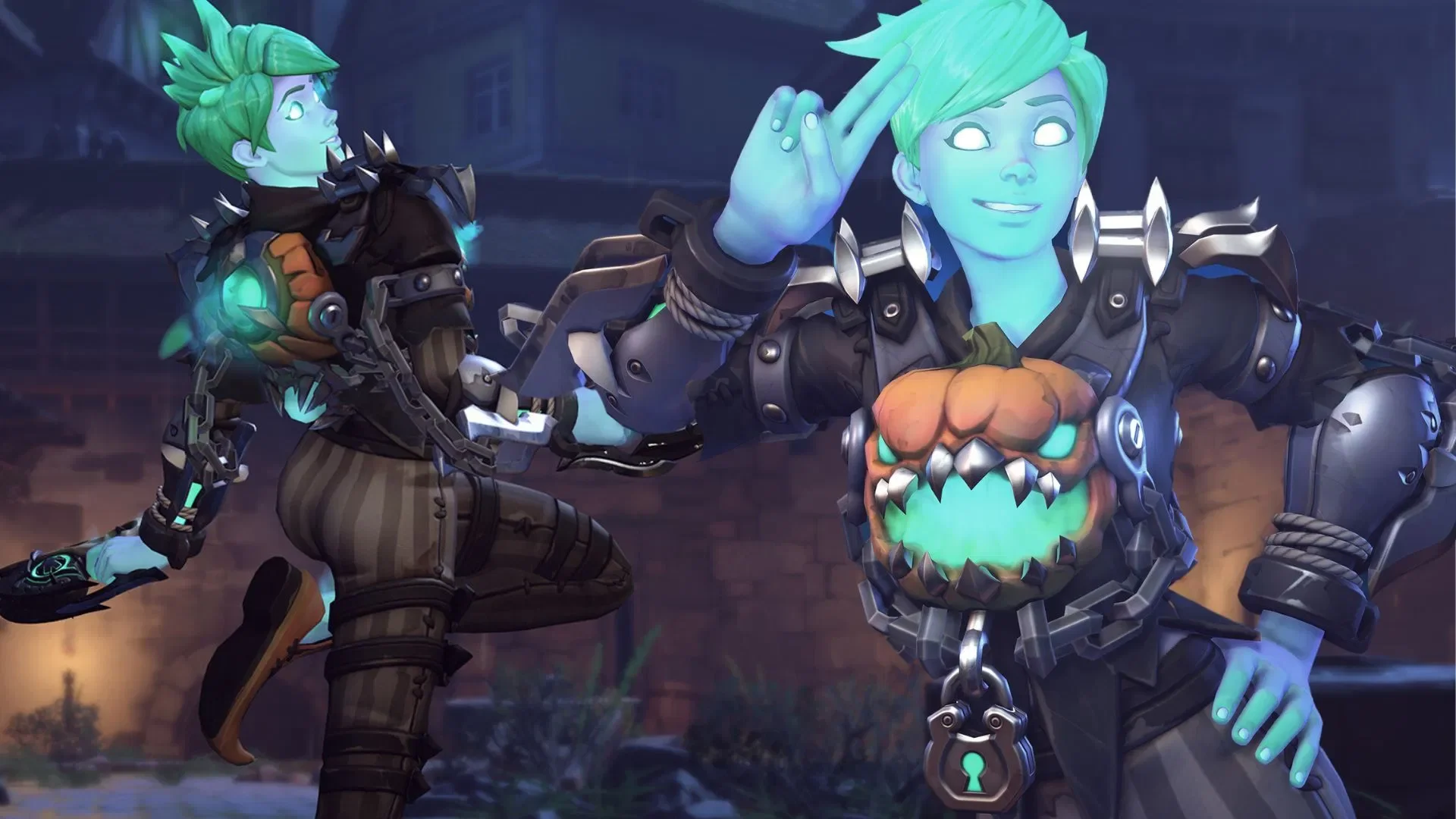
Mercy, Kiriko and Juno regularly appear in premium collections. February's Hello Kitty crossover included all three among its six skins, alongside D.Va, Widowmaker and Lúcio. For someone who mainly plays Baptiste or Wrecking Ball, an event of that size can still offer no new outfit for their preferred hero.
Venture's early treatment illustrates how long that wait can become. They launched in April 2024 and received their first Legendary skin, Toph, in December. Someone who picked them up at launch spent roughly eight months without a single Legendary to choose from, while collections for established heroes continued to grow.
Venture has received further designs since then, including Ghost Voyager in the current season's Ultimate Battle Pass. Their selection is improving. But a new release only ends the current wait, and another long gap can begin immediately afterward. A healthy schedule needs to account for the next skin too.
Blizzard has a commercial reason to keep returning to established buyers. A new skin for a character with a dependable audience is easier to justify than one with uncertain demand. Keller has not supplied sales figures that would establish exactly how much each hero earns, however, or how many additional skins for other characters those purchases could fund.
Supporting those other heroes does not require giving every character the same number of skins. Blizzard could prioritize reliable sellers while reserving enough production time to prevent the longest waits from stretching across multiple seasons.
Two Mythics create room without guaranteeing a turn
Blizzard began releasing two Mythic hero skins per season in October 2025, starting with Lifeweaver and Junkrat. Weapon Mythics are separate, so this doubled the seasonal slots available for customizable hero skins.
Keller's approach uses that extra capacity to accommodate commercial demand alongside broader support. Yet the second selection can include anyone without a Mythic. A hero who already receives regular Legendary skins can qualify, even when other characters have spent longer waiting for any substantial new design.
The schedule has also allowed both slots to go to repeat recipients. Genji's Koi of Duality and Widowmaker's Void Dancer arrived during Season 4, giving each their second Mythic. Neither release brought a previously excluded hero into the Mythic lineup.
Season 5 has since delivered Dragon Shaoxia Wuyang and, on November 3, Necrotic Knight Roadhog. Those releases extend the lineup, but Keller describes a typical approach, not a guaranteed rotation. The schedule leaves Blizzard free to return to previous recipients before every hero has had a first turn.
The Mythic schedule also covers only one part of the problem. Legendary shop collections and battle passes have their own selections. A hero receiving their first Mythic would clear that particular milestone without establishing how often they will appear in those other releases.
New heroes keep adding to the workload
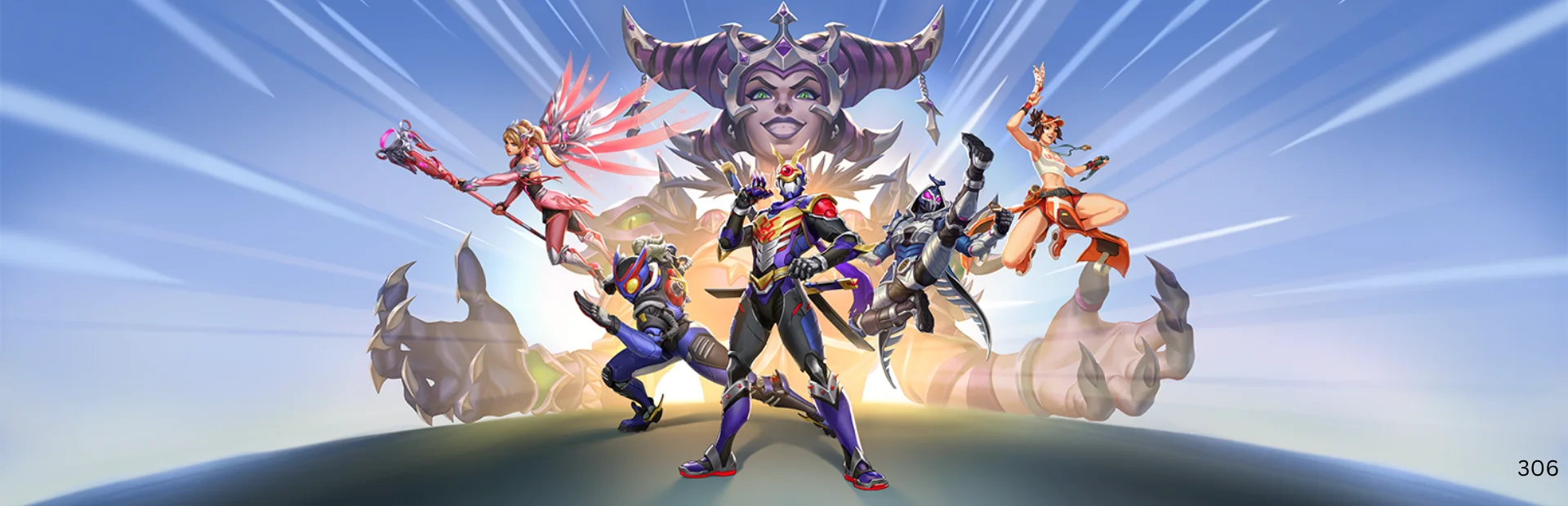
Blizzard planned ten new heroes across 2026, including five arriving together in February. At the stated rate of two Mythic hero skins per season, a six-season year provides twelve slots. Giving every new arrival a first Mythic would consume ten of them before addressing the existing roster.
Blizzard has not promised to give every newcomer a Mythic immediately. It still has to fit those characters into a schedule already serving dozens of others. Delaying their first release preserves space for older heroes, while prioritizing newcomers makes existing players wait longer. The roster keeps expanding either way.
Each release also involves work specific to that hero. Roadhog's Necrotic Knight includes alternative helmets, customized hook and projectile effects, and unique voice lines. Those features belong to his particular appearance and abilities. Producing an equivalent transformation for another hero requires its own design and implementation.
Creative momentum affects the queue too. In September, art director Dion Rogers said Mythic discussions often follow concepts the team is excited about, with some heroes easier to find ideas for than others. He also said the team had been sketching broadly across the roster to improve distribution.
Planning those concepts early gives less frequently featured heroes a better chance of making the schedule. Waiting for an exciting idea to emerge naturally can favor characters the team already finds easier to design for. Exploring a neglected hero's possibilities gives the team designs to develop before another season's slots fill up.
Sales totals cannot be the only measure of success
A skin for a smaller audience will struggle if it is expected to compete directly with the biggest sellers. That does not necessarily make it a poor investment in the people who consistently play that hero.
Riot confronted the same problem in League of Legends. In 2020, it said an average Ezreal skin sold roughly ten times as many copies as an average Ivern skin. To assess cosmetics for less popular champions, it examined how many dedicated players bought them, alongside feedback about whether they liked the design.
Pool Party Taliyah reached almost 30% of her mains, making it a strong performer by that measure. Riot also used surveys because buying a long-awaited skin did not automatically establish satisfaction with it. A small audience could be well served even when its purchases fell far below another champion's total.
Blizzard has not offered comparable figures in Keller's interview. It could still make its progress easier to assess by tracking gaps between original skin releases and distinguishing first Mythics from repeats. Returning an old skin or adding another recolor expands availability, but does little for someone who already owns the underlying design.
Such a measure would also give the team a clearer target than increasing its total output. If the longest waits keep growing, extra releases are not reaching the characters most in need of attention. A larger shop inventory can obscure that imbalance when every skin is counted together.
The quality of the eventual release also needs attention. After a long wait, a single theme leaves little choice for anyone who dislikes it. More consistent support allows different ideas to reach the same hero over time, reducing the pressure on one costume to satisfy that character's entire audience.
Broader support needs a visible commitment
Blizzard could make its intentions clearer by naming some of the heroes it plans to prioritize over upcoming seasons. That would give players something more concrete than reassurance that production is increasing, without requiring identical release schedules or pretending every character generates equal revenue.
Mercy, Kiriko and Juno can remain frequent shop fixtures within that approach. The commitment worth making is that less commercially successful heroes will also receive planned attention, with long gaps treated as something to fix.
Adding a hero creates an audience Blizzard will still need to serve long after launch, including seasons when that character is unlikely to bring in the most money.
Overwatch is a free-to-play first-person hero shooter developed by Blizzard Entertainment. Players choose from a large roster of role-based heroes and compete in 5v5 team matches across various objective-based game modes, with both casual and ranked competitive play. Originally r
Released
August 10, 2023
Developer
Blizzard Entertainment
Publisher
Blizzard Entertainment


Tagged In
Discussion
0We want to hear from you. Share your perspective in the comments below, and please keep the conversation respectful.
Log in to join the discussion - vote, reply, and share your take.
Log In