
Steam Next Fest's most-played demos hook players early
Worst Class Ever topped October 2026's Steam Next Fest, alongside popular multiplayer, incremental and survival demos. The results show how a strong opening experience can attract players, although converting that interest into sales remains the bigger challenge.
Valve has published the 50 most-played demos from October's Steam Next Fest, with classroom party game Worst Class Ever leading the list. Thousands of upcoming games competed for attention during the October 19 - 26 event, from cooperative comedies to survival adventures and incremental games built around collecting resources and buying upgrades.
The popularity of multiplayer and incremental games suggests that a clear, immediately engaging premise can help attract players in a crowded market. Whether that early interest translates into lasting attention and sales remains to be seen.
Playing with friends can build anticipation for launch
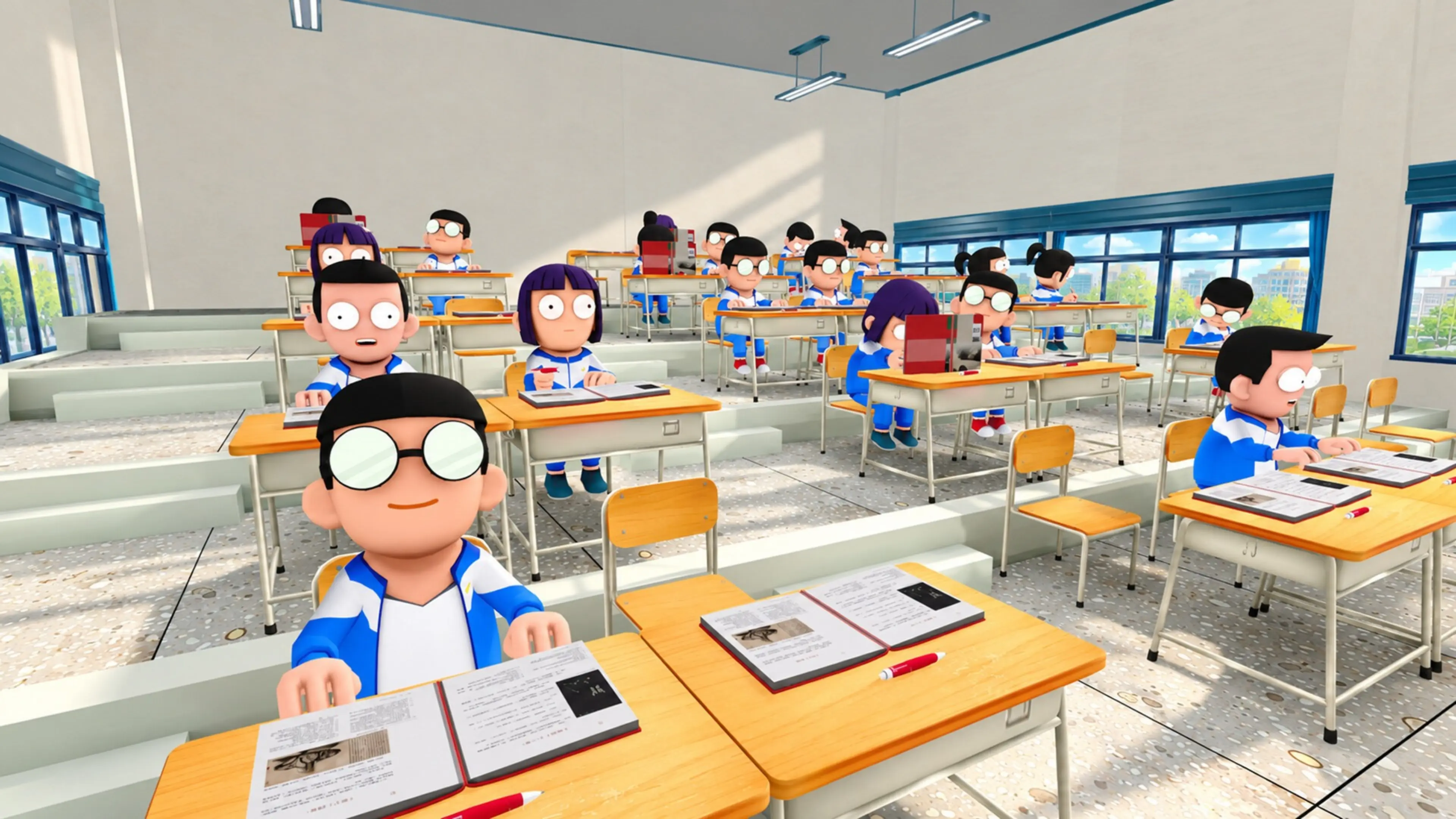
Multiplayer games have an advantage during Steam Next Fest. One player enjoying a demo can bring several friends into it, and a few entertaining sessions can give the whole group something to look forward to when the full game launches.
Worst Class Ever builds on the familiar idea of social deduction. Up to five players take part in a classroom game where students hide among NPC classmates, secretly passing notes, eating snacks and using their phones while another player, the teacher, tries to catch them. Much of the fun comes from how friends approach the same situation, with some carefully blending in and others taking ridiculous risks.
Banana Airways offers a different kind of multiplayer chaos. Up to six players run an airline, juggling everything from serving food to repairing engines and patching holes in the cabin. Hungry chicken passengers can even start eating each other when neglected. With everyone responsible for different tasks, one player's mistake can quickly become the entire group's problem.
Both games create opportunities for funny moments that friends will want to share or experience again. Free demos make it easier to get a group together, particularly when nobody needs convincing to spend money first.
For developers, the opportunity extends beyond attracting demo downloads. If players enjoy themselves enough to start planning their next session, they already have a reason to follow the game through to release. The challenge is keeping that excitement alive until everyone has to pay to play again.
Incremental demos make players want the next upgrade
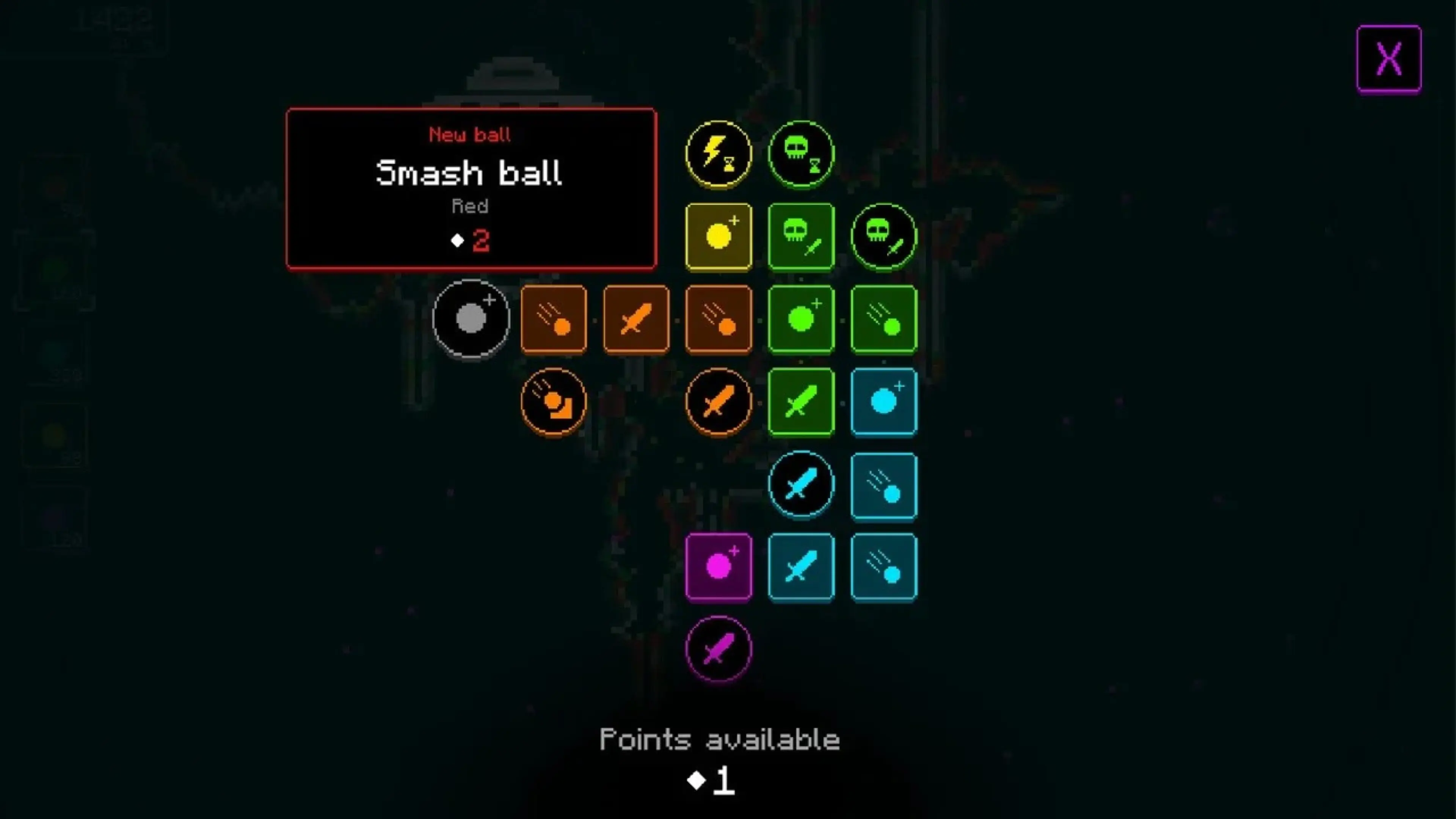
Incremental games have a different way of getting players interested. A good demo lets them experience how quickly a simple activity can grow as they unlock upgrades, giving them a taste of the progression that awaits in the full game.
10 Million Pixels starts with players firing balls into a field of pixels, earning currency from everything they destroy. That currency buys more balls and increasingly powerful upgrades. Lightning can strike nearby pixels, while poison spreads through the field and gradually destroys more of it. The demo includes 50,000 pixels to clear and a hidden golden pixel to discover.
Each upgrade changes how quickly players can clear the field, making progress immediately noticeable. What begins as a slow process gradually becomes more satisfying as different abilities work together.
Unharvest uses a similar idea, although its focus is on destroying vegetation rather than collecting resources. Players drain life from the landscape and improve their plagues to spread faster and cover larger areas. As the environment changes, they can see how much more effective their upgrades have become.
Both games give players a sense of progression within minutes, encouraging them to keep playing until they can afford another upgrade. That makes them well suited to short demos, although the full releases will need enough variety to keep the progression interesting beyond those first few hours.
More demanding games still have a clear way in
Frostrail and Tropico 7 show that more complex games can also attract plenty of attention. Both have several systems to learn, but their objectives are easy to understand from the beginning.
In Frostrail, survival revolves around an armored train traveling through a frozen wasteland. Players venture outside to scavenge for supplies before returning to improve the train's defenses, storage and crafting facilities. Managing fuel and heat adds another challenge, with every expedition contributing to keeping the train running.
Tropico 7 puts players in charge of an entire island nation. As El Presidente, they must develop cities, satisfy citizens and deal with competing political factions. The established series already has a recognizable identity, while the role of running a country gives players a reason to learn its more complicated systems.
These games have more to teach than a party game or incremental clicker, but players can begin with a straightforward objective. Frostrail introduces its survival mechanics through scavenging trips and train upgrades, while Tropico 7 lets players discover its systems through the decisions they make as El Presidente.
A demo only needs to introduce enough of that experience to make players interested in exploring the rest. For games with deeper mechanics, giving players an interesting problem to solve can be more effective than trying to explain everything at once.
Steam influences which demos find their audience
The most-played list tells us which demos attracted the most players, but it does not explain how they found them. An established series like Tropico already has an audience, while smaller games often rely more heavily on Steam's recommendations, streamers and word of mouth.
Valve also plays a role in which games receive attention. During the opening days of Next Fest, much of the store's placement is randomized. As the week progresses, recommendations become more personalized, with Steam suggesting demos based on what players with similar interests have tried.
Developers can improve their chances of reaching interested players through accurate tags and categories. Early popularity may also help a game appear in more recommendations, although Valve does not reveal how much traffic each demo receives this way.
The rankings themselves count unique players. Someone returning to a demo several times does not increase its position, although inviting friends to try it can bring in new players.
Each unreleased game can also participate in Next Fest only once. The top 50 therefore reflects which demos attracted the largest audiences during that particular week, influenced by their existing followings, promotion and visibility on Steam. It offers an interesting look at player interest, but cannot tell us which games will ultimately sell the most copies.
Free demos leave the question of sales unanswered
Steam's recommendations can bring thousands of players to a demo, but a high Next Fest ranking says little about how many will buy the finished game. Someone might enjoy an unusual concept for an hour without wanting to return.
For Worst Class Ever and Banana Airways, the challenge is convincing friends who played together for free to buy the game at launch. Incremental games such as 10 Million Pixels need enough additional content and progression to keep players interested beyond the demo.
Wishlists offer another indication of demand, but Valve warns against treating them as reliable sales predictions. Some players intend to buy at launch, while others are following development or waiting for a discount.
Developers can keep their demos available after Next Fest, giving more people time to play and providing opportunities to gather feedback. Problems with multiplayer, confusing objectives or upgrades that become repetitive may explain why someone loses interest.
Those findings can help studios improve their games before launch. A place in the top 50 confirms that people were interested enough to try the demo. Whether they enjoyed it enough to pay for more is still unknown.
A strong introduction has to lead somewhere
October's results give developers good reasons to make their central interaction understandable and satisfying within the demo. They offer much weaker grounds for changing a project's genre to resemble the latest festival hit.
The featured games have already persuaded people to try them. Developers now have to keep that audience interested through the wait for release, then offer a full game worth its asking price.
A clear premise can earn that first session, but the finished game still needs to deliver enough for someone to want another.
Tagged In
Discussion
0We want to hear from you. Share your perspective in the comments below, and please keep the conversation respectful.
Log in to join the discussion - vote, reply, and share your take.
Log In