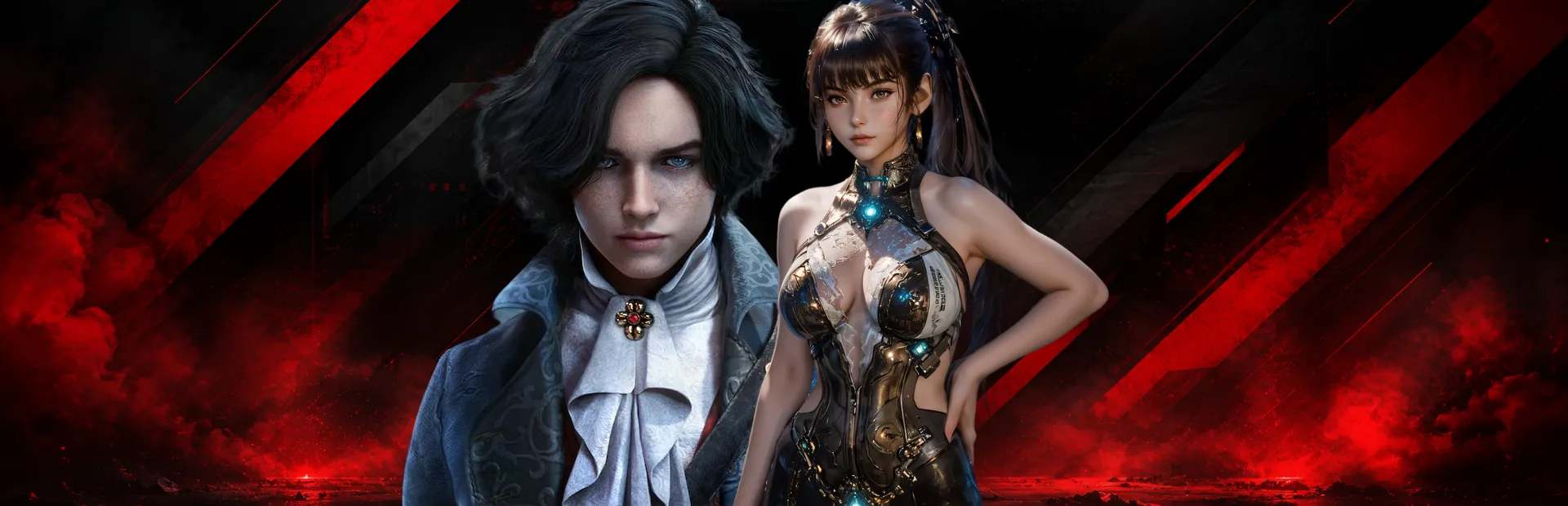
Stellar Blade and Lies of P have changed how Korean developers see console games
Stellar Blade, Lies of P and Crimson Desert are giving Korean studios more confidence to build premium games for console and PC.
Stellar Blade and Lies of P have made Korean developers more confident about building premium games for consoles and PC.
Shift Up technical director Dong-ki Lee said at Gamescom 2026 that their success had encouraged more Korean developers to take on console projects, with Crimson Desert adding another major release to that list.
Both games also proved that the audience does not need to come mainly from South Korea. Lies of P sold heavily overseas, while Stellar Blade found most of its players outside the domestic market and later added another large audience on PC.
That gives Korean studios more room to build premium games for an international market, while mobile and online games remain a major part of the business.
The audience was already overseas

The strongest argument for more Korean premium games may be where Lies of P and Stellar Blade found their players. Neither game depended heavily on South Korea for its sales.
More than 90% of Lies of P sales came from outside South Korea, including North America, Europe and Japan. The game had already passed one million copies sold within its first month.
Stellar Blade followed a similar pattern. Shift Up CEO Kim Hyung-tae said South Korea accounted for only around 5% of sales during the game's first year.
A Korean studio planning a premium game therefore does not need to wait for the domestic console market to grow first. North America, Europe, Japan and other established markets already provide a large audience for single-player games.
PC adds another route to those players. Stellar Blade passed three million sales across PS5 and PC in June 2025, with its PC version selling one million copies in three days.
That PC launch came more than a year after the original PS5 release. Instead of relying on one launch window, Shift Up was able to bring the same game to another platform and reach another group of paying players.
The opportunity is broader than consoles alone. Korean studios can launch on console, expand to PC later and keep adding platforms when the project supports it.
Crimson Desert was already in development
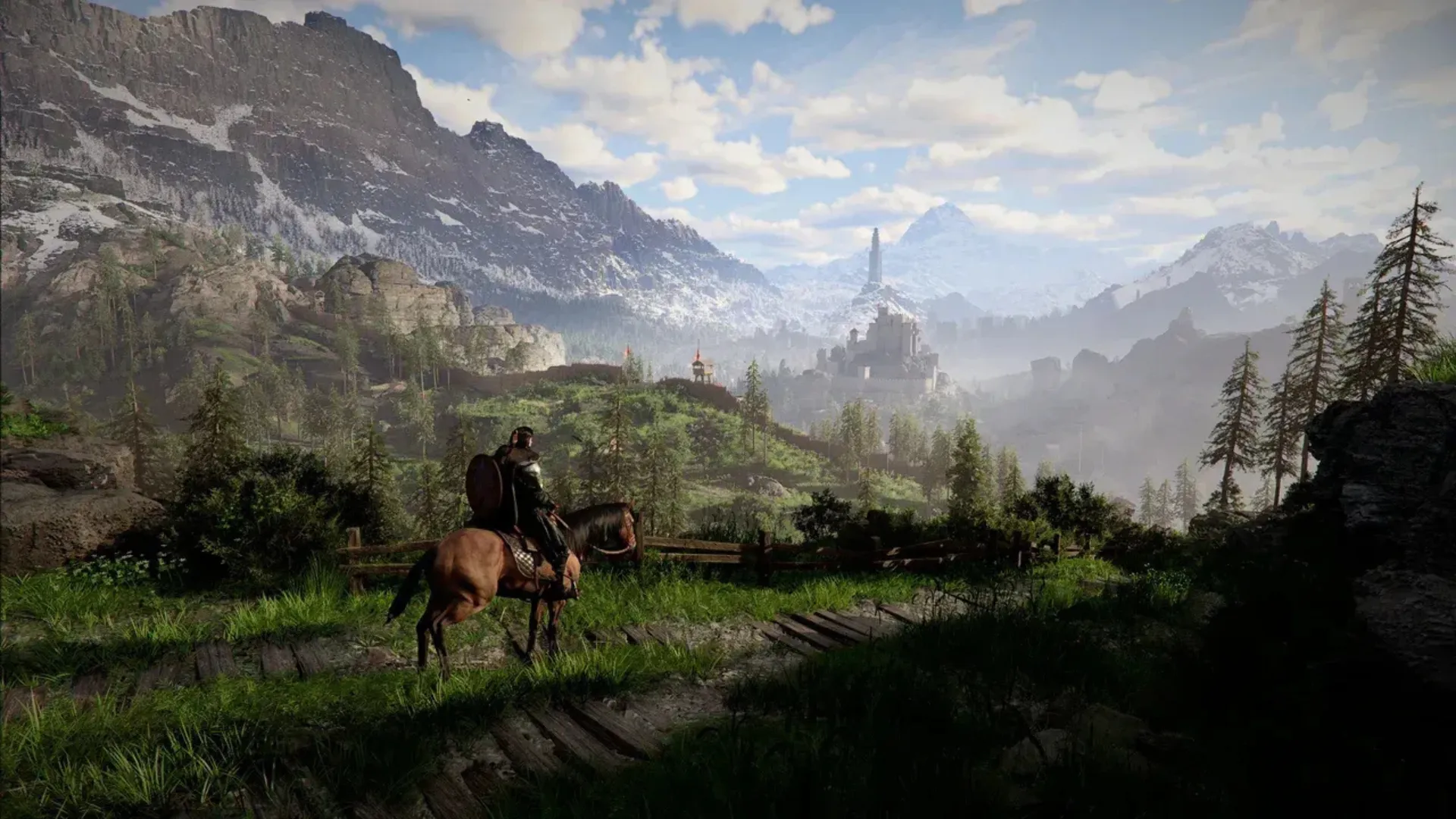
Crimson Desert shows that Korean studios were already looking beyond mobile and online games before Lies of P and Stellar Blade proved there was a large audience for them.
Although it is often grouped with Lies of P and Stellar Blade, Pearl Abyss had already been developing Crimson Desert for years before either game launched.
Pearl Abyss began work on the game in 2018 and revealed it publicly in 2019 with PC and console versions already planned. Lies of P arrived in 2023, followed by Stellar Blade in 2024.
The success of Lies of P and Stellar Blade came too late to influence the start of Crimson Desert, but it did give Pearl Abyss more evidence that Korean-made premium games could find a large global audience.
By June 2026, Crimson Desert had sold more than six million copies worldwide.
That gave Korean developers three recent examples built by different studios and released through different routes. Lies of P came from Neowiz, Stellar Blade from Shift Up and Crimson Desert from Pearl Abyss, yet all three found large audiences outside South Korea.
One successful game can be dismissed as an exception. When several Korean studios reach large international audiences, it becomes much easier to justify similar projects.
Shipping one game makes the next one easier
Releasing Stellar Blade on PS5 gave Shift Up experience it can now reuse.
Sony supported the studio with localization, marketing, testing and tools from PlayStation's internal teams while the project was in development. That gave Shift Up experience with the work surrounding a large console release, not just the development of the game itself.
The studio is already applying those lessons elsewhere. Lee has talked about bringing knowledge from the PS5 and PC versions into the upcoming Switch 2 release.
Each new platform adds more experience with optimization, certification, hardware differences and international publishing.
Shift Up is also taking on more of that work itself. The company plans to self-publish Stellar Blade: Blood Rain and has been hiring staff to build its own PC and console publishing capabilities.
The first Stellar Blade was released with outside publishing support. Its follow-up is giving Shift Up a reason to build more of that infrastructure internally.

Good reviews do not guarantee strong sales
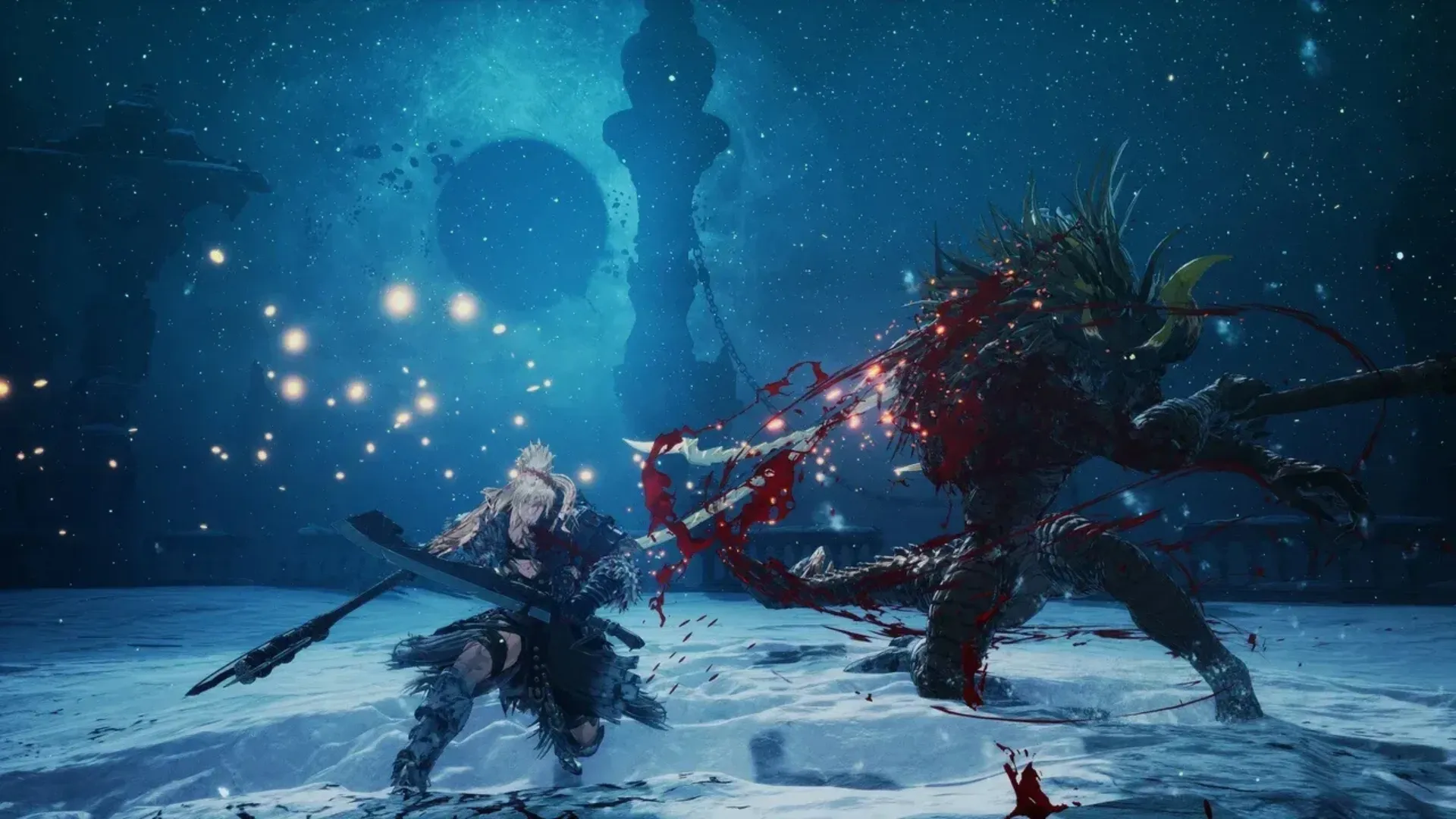
Not every Korean console release has followed the same commercial path. The First Berserker: Khazan is a good example of a well-reviewed game that still fell short of its publisher's early revenue expectations.
Nexon said shortly after launch that first-quarter revenue had come in below its forecast, despite the game receiving strong reviews. The company was still positive about how Khazan introduced the wider Dungeon & Fighter franchise to a new global audience.
The result was positive in some ways and disappointing in others. A game can review well, reach new players and still earn less than its publisher expected.
Nexon's comments also came early in the game's life, so they do not tell us what its lifetime sales will eventually look like. They do show that critical reception and commercial performance need to be judged separately.
Stellar Blade and Lies of P make it easier for another Korean studio to argue for a premium single-player project. Khazan is a reminder that the commercial case still has to stand on its own.
Budgets, production schedules and sales targets will be different for every game, and a studio still has to make those numbers work.
Shift Up still has room for mobile games
Shift Up's own revenue shows why console expansion does not need to replace mobile.
In 2025, Goddess of Victory: NIKKE generated around $116 million in revenue for Shift Up, compared with roughly $83 million from Stellar Blade. Even during the year of Stellar Blade's successful PC launch, Shift Up's established mobile live-service game brought in more money.
The company is still investing heavily in Stellar Blade. A Switch 2 version is planned, a sequel is in development and Shift Up is building the staff needed to publish future PC and console releases itself.
NIKKE continues alongside that expansion.
The two businesses serve different purposes. Live-service games can provide recurring revenue over a long period, while premium single-player releases can reach another audience and create new opportunities across console and PC.
Korean developers do not need to choose one model over the other.
Stellar Blade, Lies of P and Crimson Desert have shown that premium single-player games can find millions of players outside South Korea. Mobile and online games remain central to the industry, but console and PC projects now have stronger local examples behind them.
Tagged In
Discussion
0We want to hear from you. Share your perspective in the comments below, and please keep the conversation respectful.
Log in to join the discussion - vote, reply, and share your take.
Log In