The 10 Best Esports Games
The 10 best esports games, from League of Legends and Counter-Strike 2 to Valorant, Dota 2, Fortnite, and Rocket League.
The greatest spectator sports excel at making extreme tactical pressure visible to the audience seconds before the decisive play even occurs. Whether you are watching a team manage their financial economy or fight for map control around a neutral boss, mechanical brilliance hits harder when viewers can clearly read the risk alongside the professionals taking the gamble.
The standouts on this list transform those tense micro decisions into reliable seasonal circuits and massive stadium rivalries that sustain professional careers. From chaotic battle royales to clinical tactical shooters, these ten games represent the absolute highest standard of competitive gaming broadcasts today.
10. Fortnite
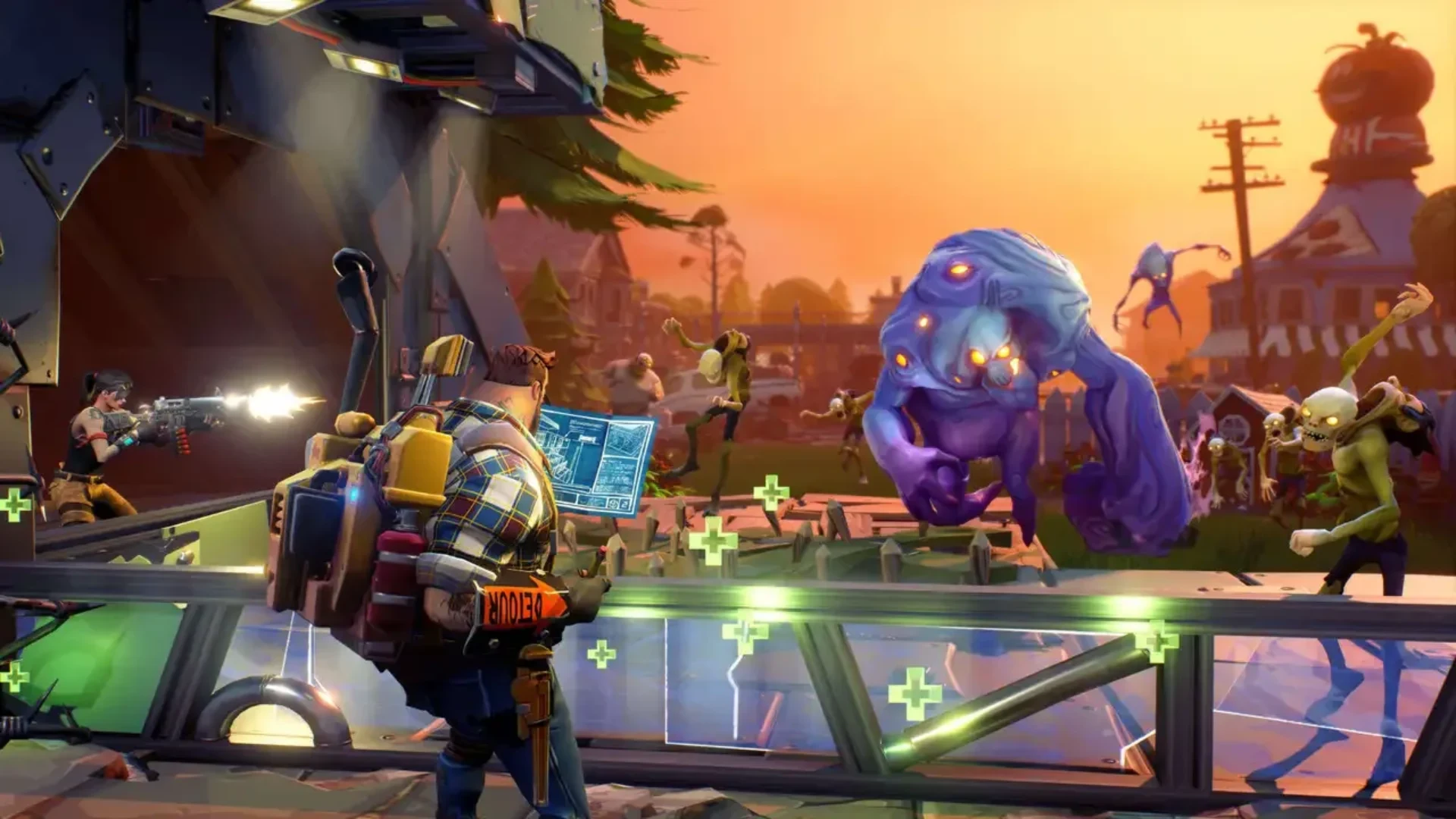
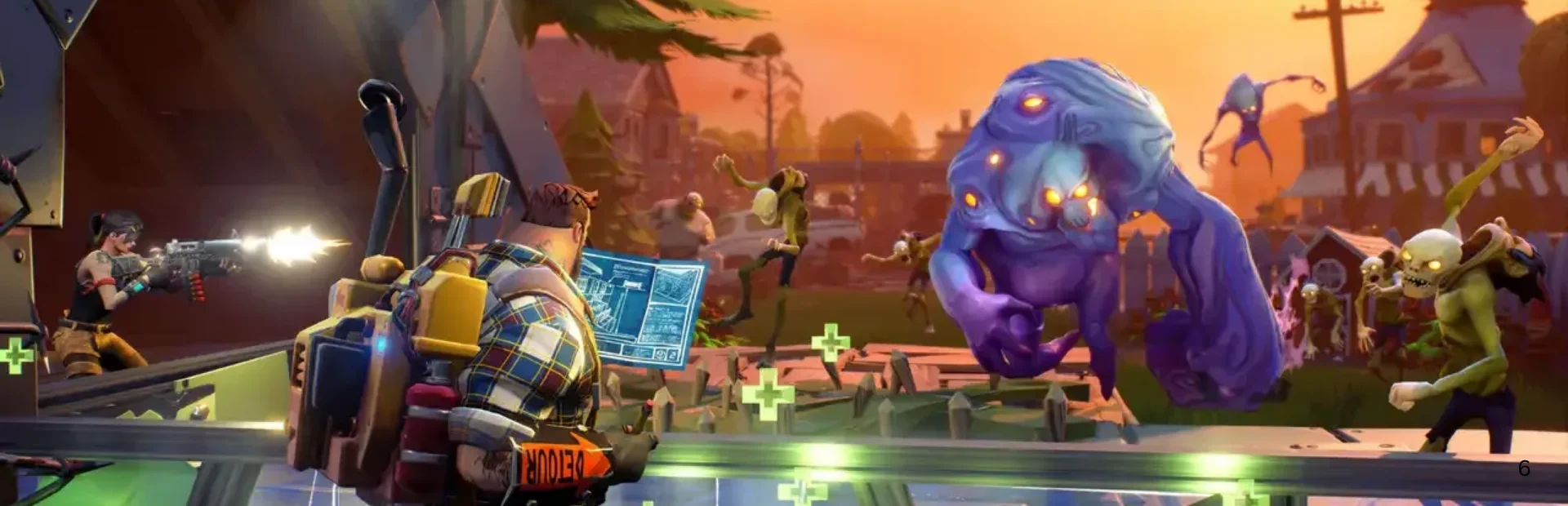
Late game circles in Fortnite force duos into an agonizing architectural sprint where building wooden pathways is just as vital as shooting rifles. Crammed into a moving safe zone, thirty teams must edit firing holes through floorboards while tracking vertical build fights happening three stories above their heads.
Spectators often struggle to follow the decisive elimination on live broadcasts because dozens of constructions erupt simultaneously across multiple layers of terrain. What makes the tournament circuit so compelling is how those same chaotic mechanics reward absurd multitasking and spatial awareness under suffocating pressure.
9. PUBG Mobile
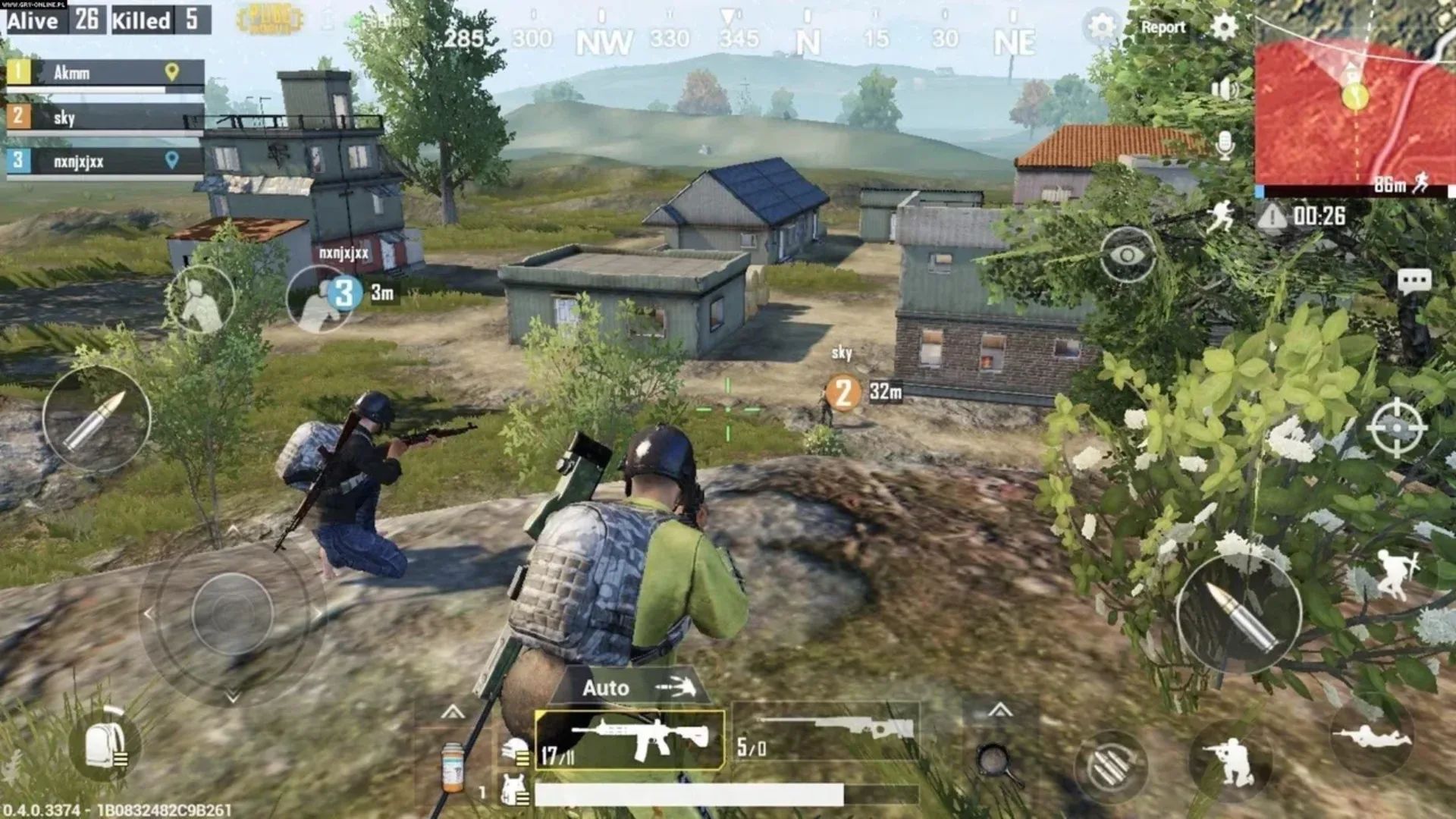
Professional battle royale in PUBG Mobile revolves around vehicular chess where squad survival depends on charting safe routes across massive open landscapes. Choosing to crash an occupied compound or slowly skirt the circle edge carries immense consequence, especially when an unlucky blue zone shift leaves a disciplined team stranded on an exposed highway.
Regional open tournaments democratize the global circuit by allowing amateur underdogs to earn their way onto international stages through pure survival consistency. Every tournament match becomes a grueling marathon where one patient rotation can outsmart lobbies full of aggressive gunfighters.
8. Apex Legends
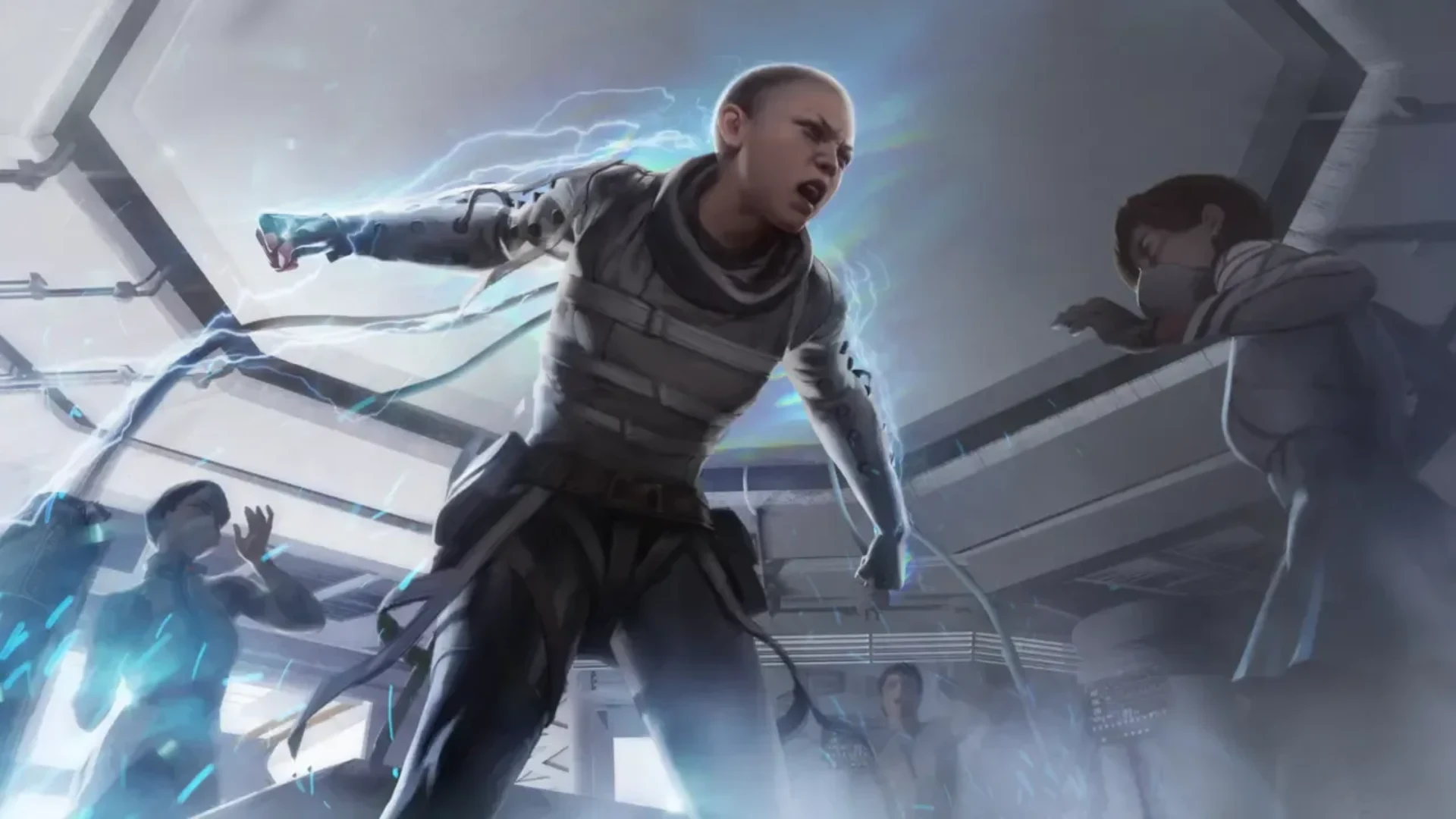
Winning an ALGS championship requires reaching a strict points threshold and then securing an outright match victory against a lobby of nineteen hostile squads. Once a team reaches match point, every opposing trio instantly drops their own feuds to focus fire on the potential tournament winners the moment they spot them.
Fans of the streams frequently struggle to capture the winning squad wipe because twenty teams tend to detonate their defensive ultimates inside a single building during the final ring. No other battle royale manufactures such agonizing endgame drama or forces lobby leaders to survive under such relentless scrutiny.
7. Street Fighter 6
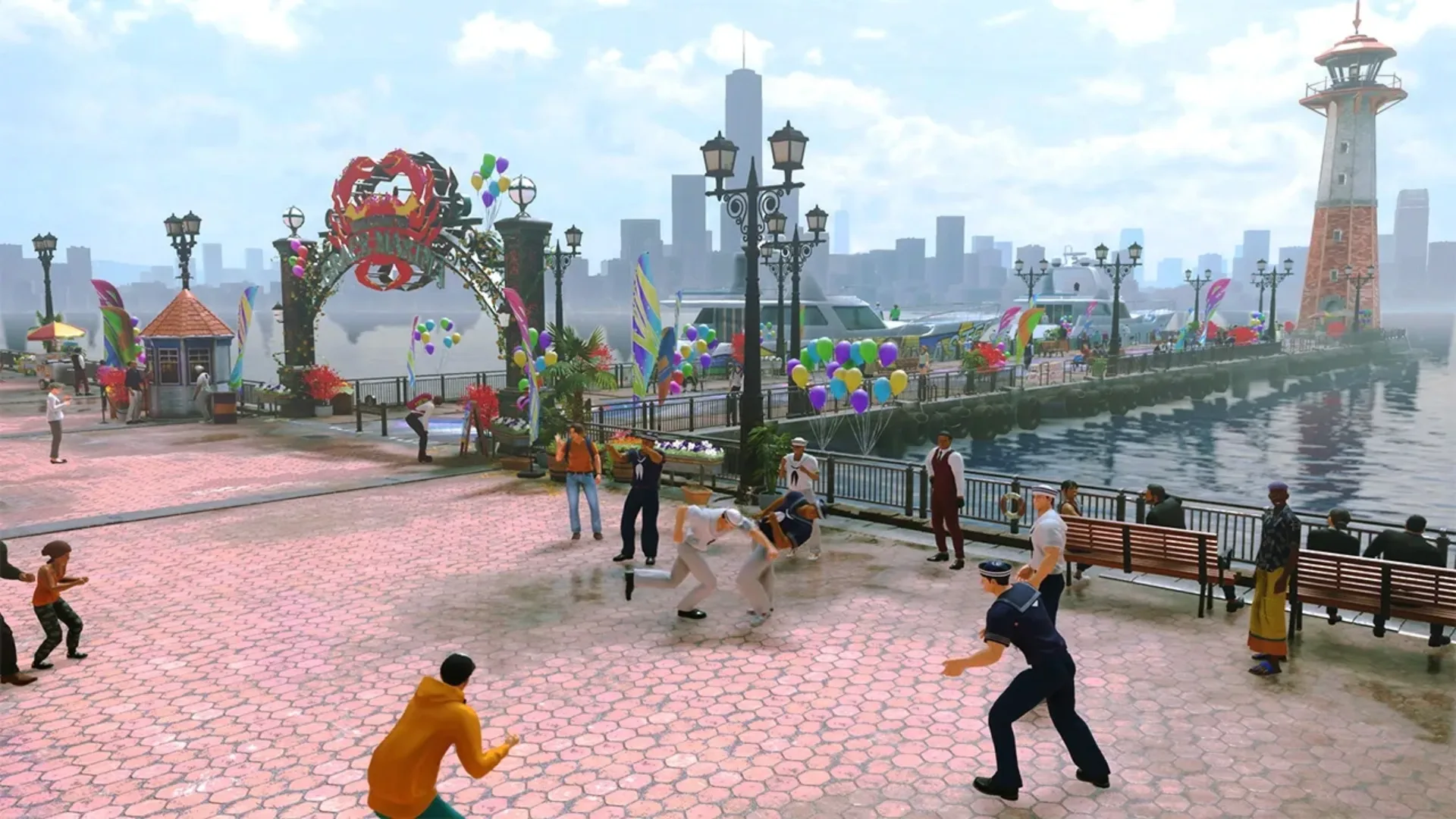
Arena fighting in Street Fighter 6 reaches exceptional spectator heights by tying offense and defense to a shared meter that broadcasts a player's mental exhaustion to the entire room. Cornered fighters can spend their gauge on a desperate parry to reverse momentum, yet burning through the bar leaves them defenseless against basic punch sequences.
Stadium crowds instantly grasp why a blocked sweep attack carries tournament ending consequences because the meter economy is completely transparent on screen. Stage matches turn microsecond input exchanges into intense psychological warfare where you can watch a rival crack under the lights.
6. Rocket League
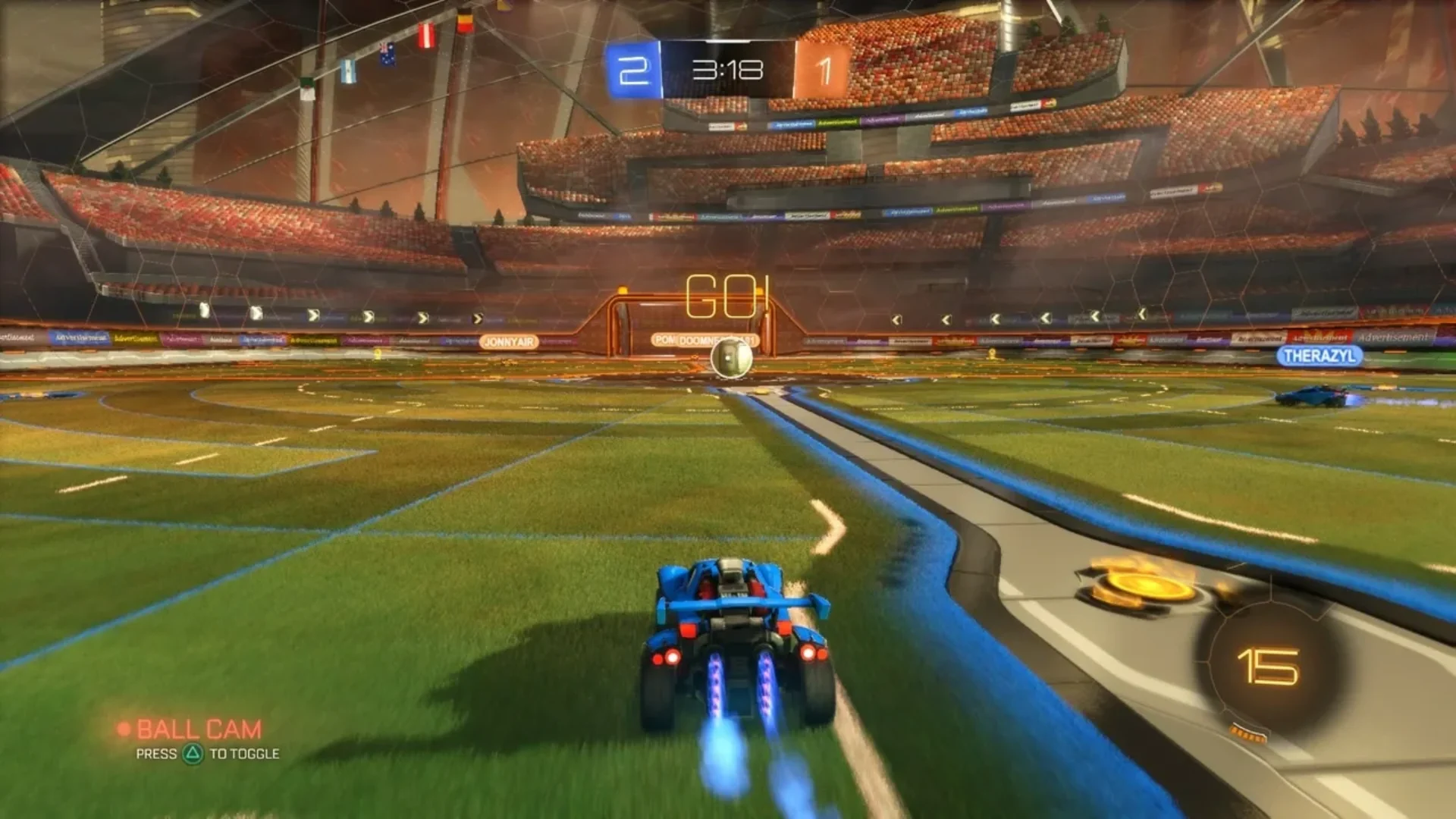
Six rocket powered cars contesting a giant football inside a caged arena strips competitive gaming down to pure, unadulterated athletic physics. Casual viewers understand a saved shot or a wall clearance immediately without needing to learn a dictionary of complex fantasy jargon or character abilities.
Professional boost management and aerial car control happen at such blinding speeds that tournament broadcasts look like a supercharged evolution of traditional ice hockey.
By removing random luck from the equation entirely, the sport allows genuine muscle memory and team coordination to dictate every single championship trophy.
5. Mobile Legends Bang Bang
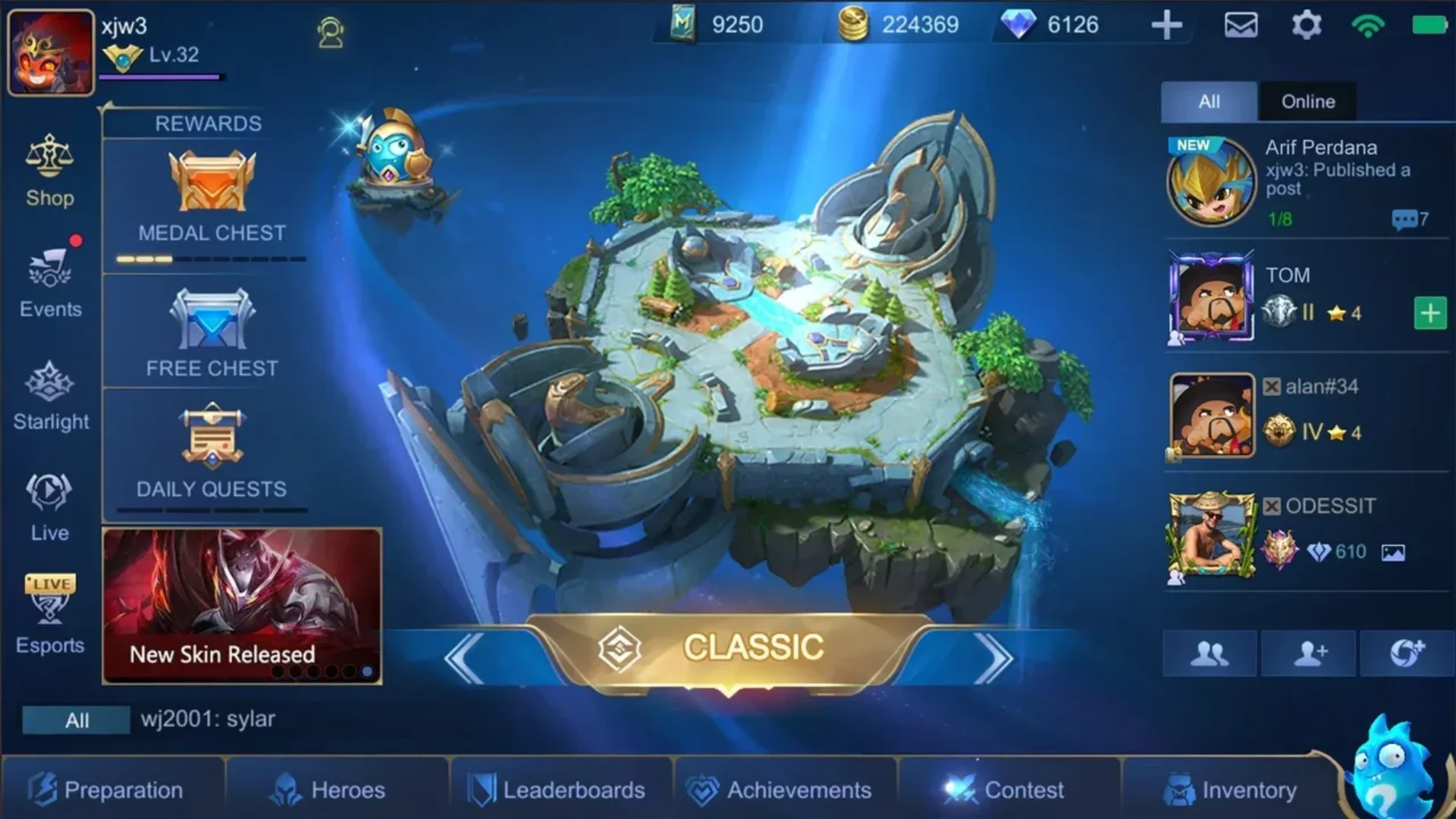
Streamlined five on five battles in Mobile Legends Bang Bang prove that mobile arenas can generate stadium sized energy without dragging matches out for forty minutes. Twenty minute sprints force immediate conflicts around neutral objectives, requiring junglers to execute frame perfect smites while roamers contest vision in the river.
Regional leagues across Southeast Asia have built a massive cultural footprint where tournament broadcasts regularly pull millions of simultaneous viewers.
Professional teams demonstrate how pocket sized arenas can deliver the exact same drafting depth and tactical execution as their desktop counterparts.
4. Valorant
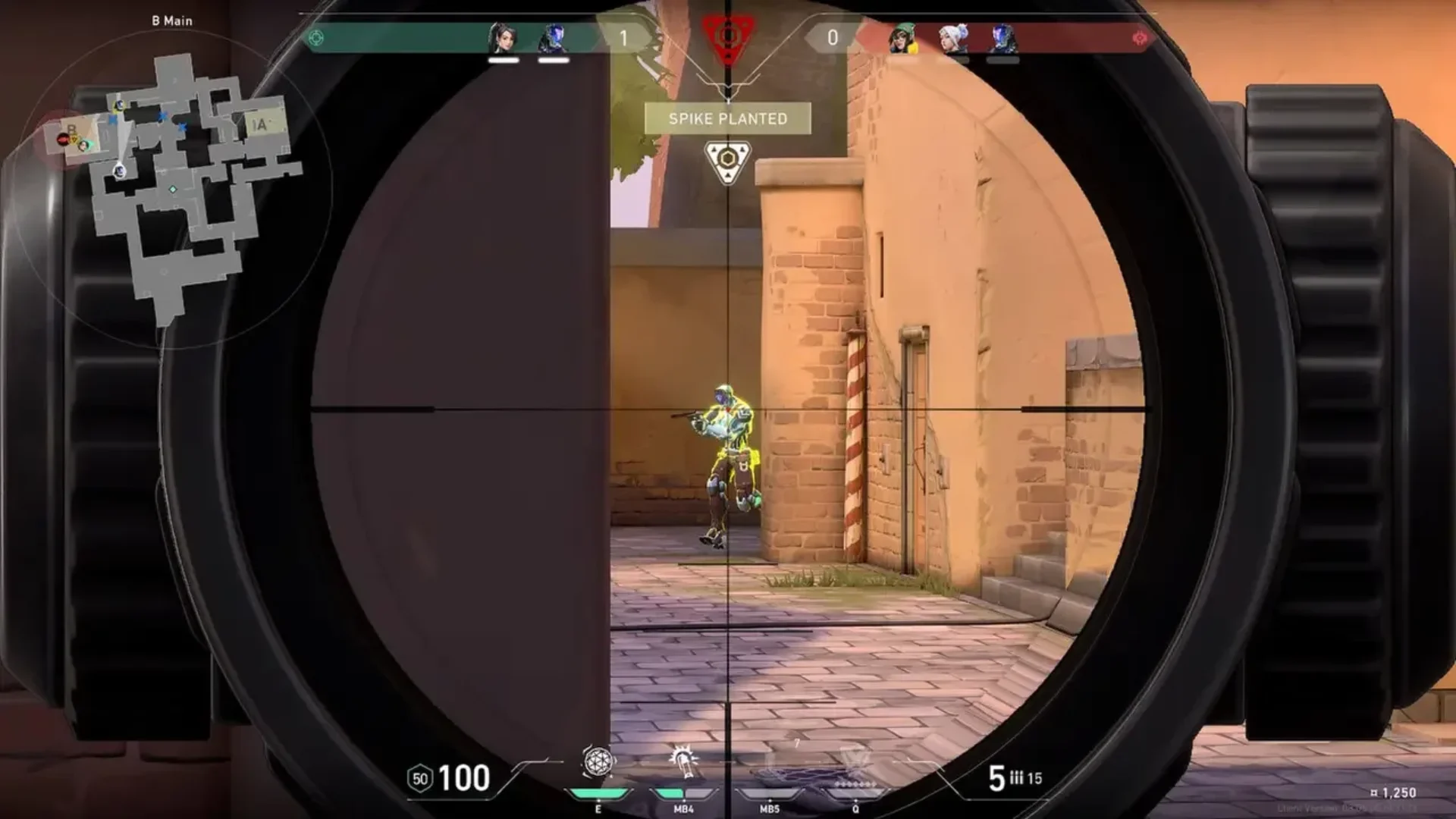
Tactical bomb defusal in Valorant transforms into an explosive theatrical display where character abilities reshape sightlines before anyone fires a rifle shot. Launching a reconnaissance arrow across a courtyard while dropping smoke clouds on a bomb site allows an entry attacker to crack open a fortified defense in fractions of a second.
Constantly expanding agent rosters can occasionally flood the screen with overlapping visual clutter during frantic retakes, making the broadcast chaotic for newcomers.
When professional teams coordinate their utility perfectly, the resulting highlight reels combine beautiful choreography with cold blooded aiming precision.
3. Dota 2
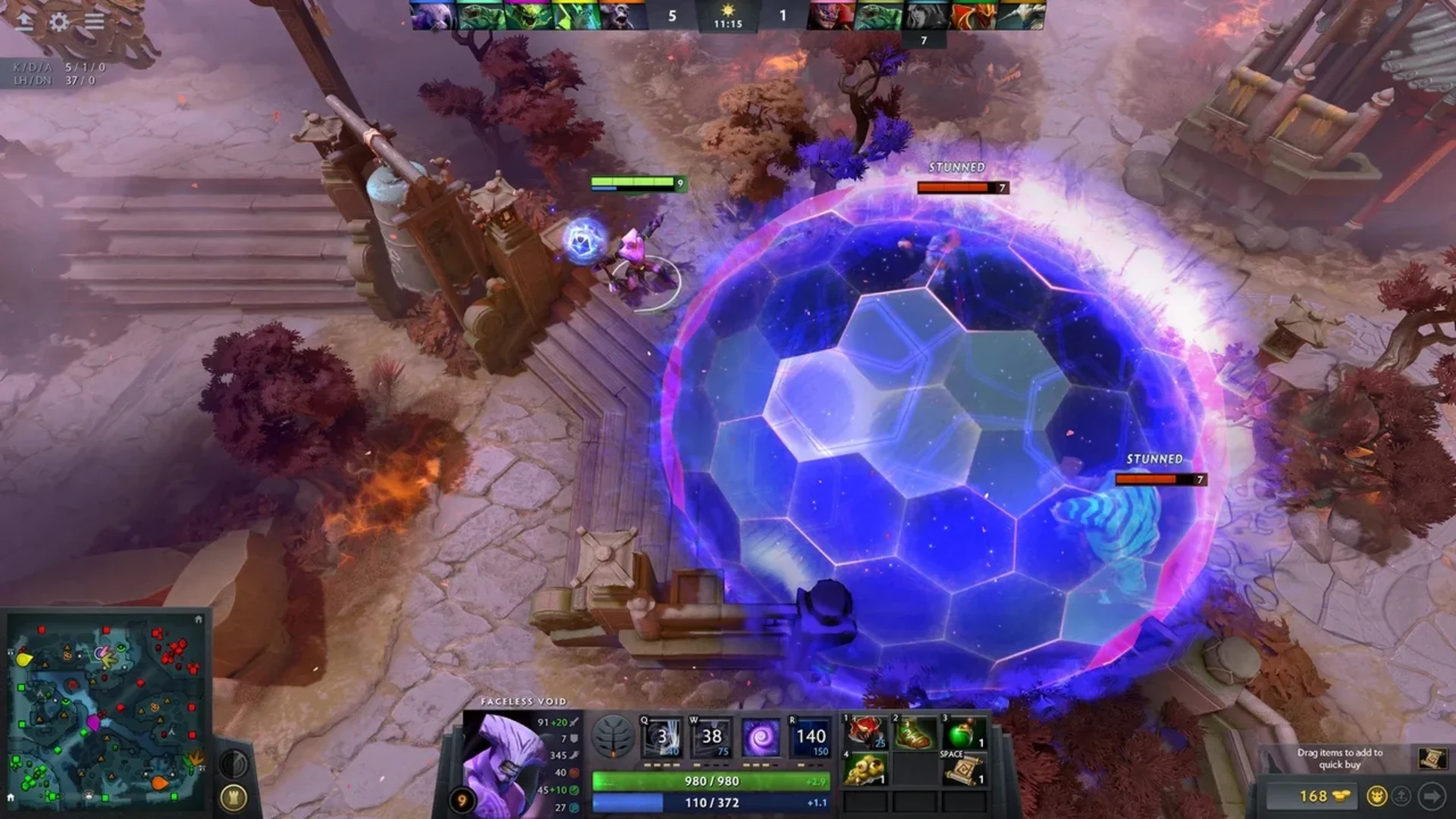
Championship matches in Dota 2 can stretch past the hour mark and still hinge on an unexpected smoke ambush or a clutch defensive item activation. Professional drafting resembles a grandmaster chess match where selecting a specific support hero can completely neutralize an entire enemy strategy twenty minutes before the ancients fall.
Stadium crowds at The International witness astonishing comebacks because five coordinated players can invent creative solutions to scenarios that have existed for a decade.
While the sheer number of items and abilities can look like utter chaos to a first time viewer, that complexity protects an unsparingly deep sport where no two matches ever play out identically.
2. Counter-Strike 2
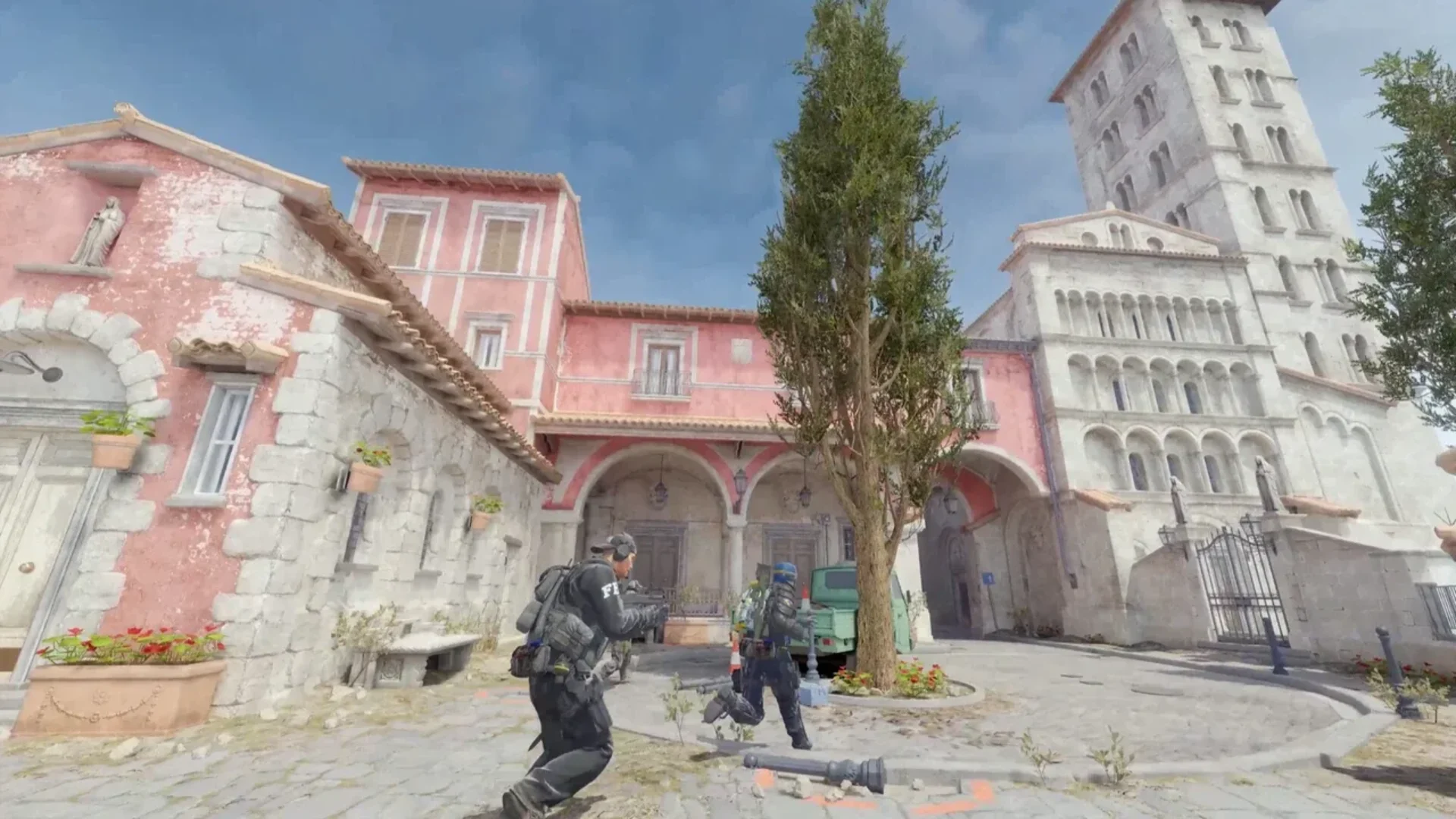
Audience members at a Counter-Strike 2 tournament can read the financial desperation of a defending team simply by glancing at the scoreboard buy timers. Forced pistol purchases after a lost round instantly explain why a squad is hiding in close ambush positions instead of challenging long sightlines.
Open tournament circuits thrive on this structural legibility, giving viewers a dependable spectacle where tactical discipline and pure aiming mechanics hold equal authority.
That utter transparency is precisely why thirty years after its debut, watching a single player defuse a bomb with two seconds on the clock still brings an entire arena to its feet.
1. League of Legends
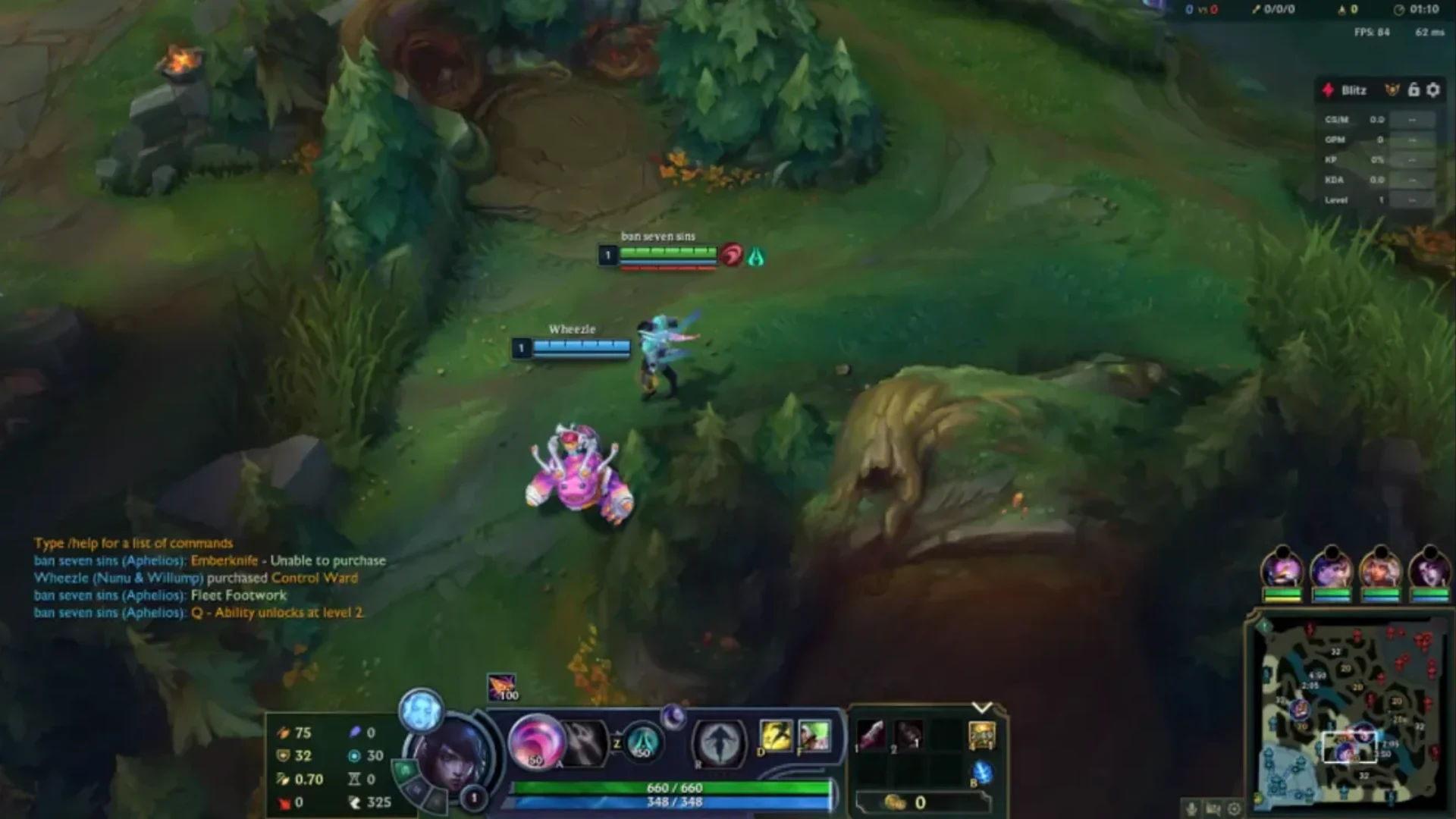
Territorial control around monster pits in League of Legends allows commentators and fans to predict a championship deciding team fight minutes before it actually erupts. Watching a squad slowly sacrifice tower plating to establish vision around Baron Nashor turns a five on five map into a gripping season long story of map manipulation.
Global league structures build local prodigies into international superstars through a coherent calendar of regional splits leading to the World Championship.
No other esports stream matches this combination of visual clarity, strategic storytelling, and worldwide stadium support.
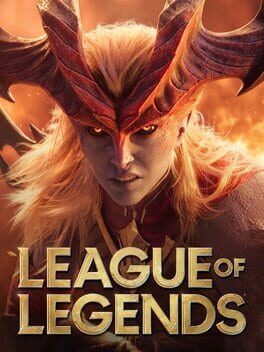
League of Legends is a fast-paced, competitive online game that blends the speed and intensity of an RTS with RPG elements. Two teams of powerful champions, each with a unique design and playstyle, battle head-to-head across multiple battlefields and game modes. With an ever-expa
Released
October 27, 2009
Developer
Riot Games
Publisher
Riot Games


Tagged In
Discussion
0We want to hear from you. Share your perspective in the comments below, and please keep the conversation respectful.
Log in to join the discussion - vote, reply, and share your take.
Log In