The 10 most iconic PC Games that changed the industry
These games use the PC as more than a place to run at a higher frame rate.
A PC library does not age in a straight line. A game from 1993 may work better today through a source port than it did on its original hardware. A newer release can become a different game after one Workshop download.
That makes "best PC games" broader than "best PC exclusives." Every selection below either began on PC or gains something important from the platform. A console port belongs when the PC version materially changes how the game is played or maintained.
10. Sid Meier's Civilization VI
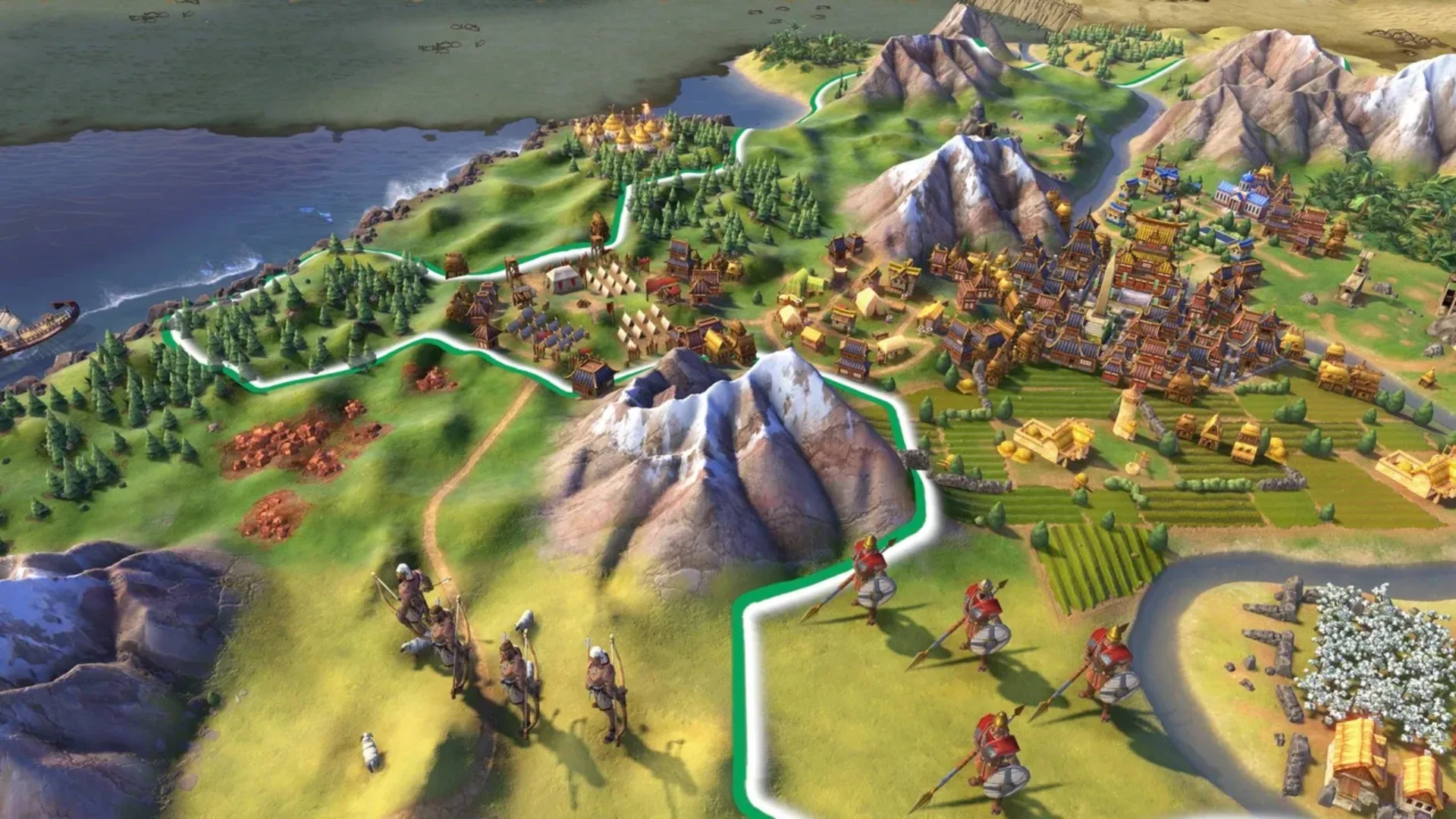
Civilization VI is a turn-based strategy game about taking one settler and building an empire across thousands of years. Districts move crucial buildings out of the city center and onto the map. A Campus placed beside several mountains produces more science, but it also occupies a tile that might have supported a farm. Because districts cannot simply be picked up later, reading the land becomes part of long-term planning.
Each city ends up reflecting the land around it in a way that earlier entries rarely managed. The late game still becomes exhausting once a large empire demands attention every turn. Diplomacy can feel arbitrary, and rival leaders do not always understand the wars they start. Even so, few strategy games make a bare patch of terrain generate so many plans before the first building goes down.
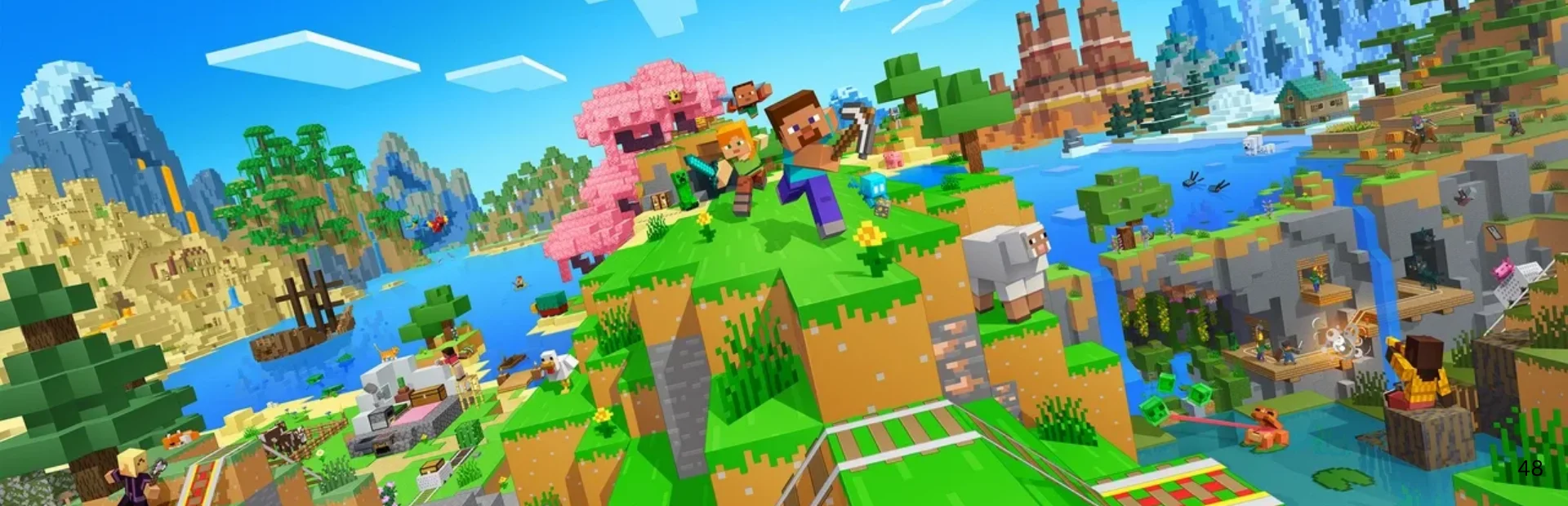
9. Minecraft: Java Edition
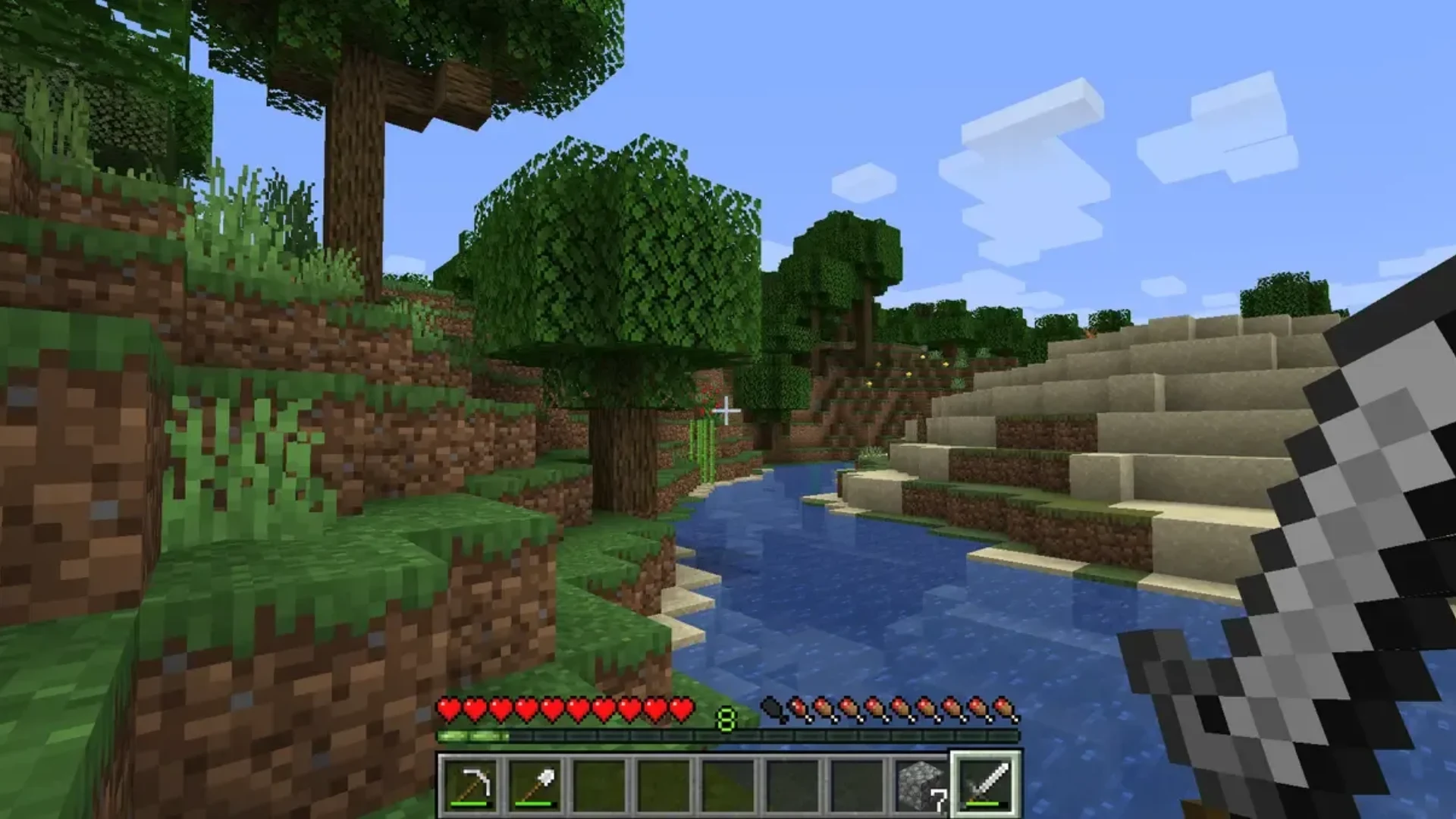
Minecraft begins with an empty inventory in a world made from blocks. The immediate needs are simple enough to learn without a tutorial. Punching a tree provides the material for basic tools, and nightfall gives the first shelter a deadline. That safe room soon feels too small. Building has no prescribed finish, so a practical mine entrance can gradually become a railway station or an unnecessarily elaborate castle.
Java Edition remains the strongest version on PC because its community has spent years extending it. A well-made modpack can replace the loose survival curve with demanding technological progression. Community servers have also produced games that barely resemble the original. That freedom comes with irritating setup work. Mods depend on particular versions, and performance is often poor until community fixes are installed. A favorite world may require research before every major update.
8. Counter-Strike 2
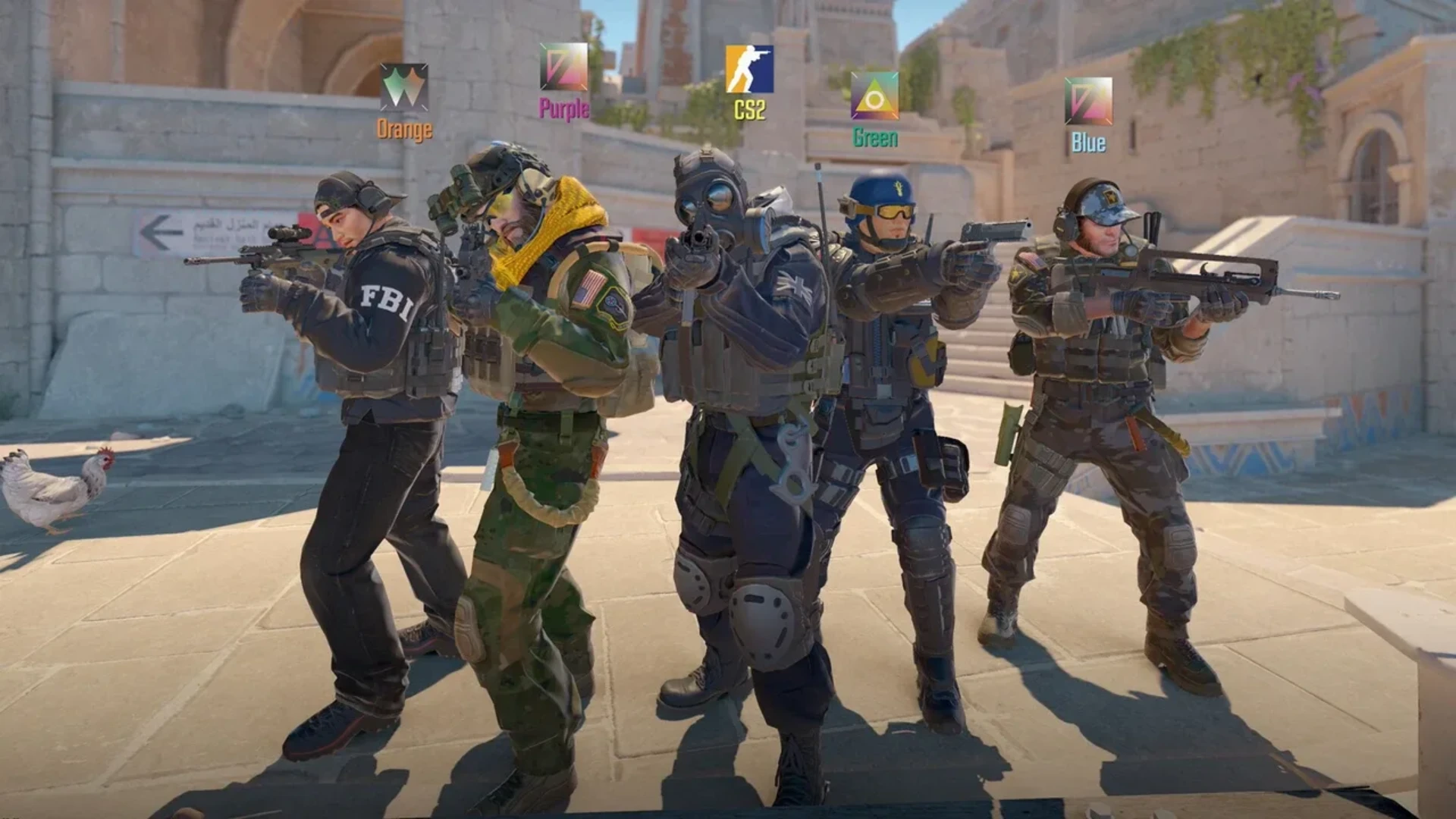
Counter-Strike 2 is a five-on-five tactical shooter built around short rounds and permanent death until the next one begins. Terrorists try to plant a bomb while Counter-Terrorists defend two sites. The gunfight may last seconds, but the decision that caused it often came earlier.
Spending heavily after a lost round can leave the whole team with weak equipment in the next, while saving one rifle can matter more than chasing an unlikely final kill. Recoil must be learned rather than corrected by generous aim assistance. Familiar maps become studies in timing, since a few seconds determine whether an opponent has crossed a sightline on Dust II.
Valve continues to alter a game whose audience has spent decades mastering tiny details. Matchmaking remains a harsh introduction, especially when a team has no patience for mistakes.
7. World of Warcraft
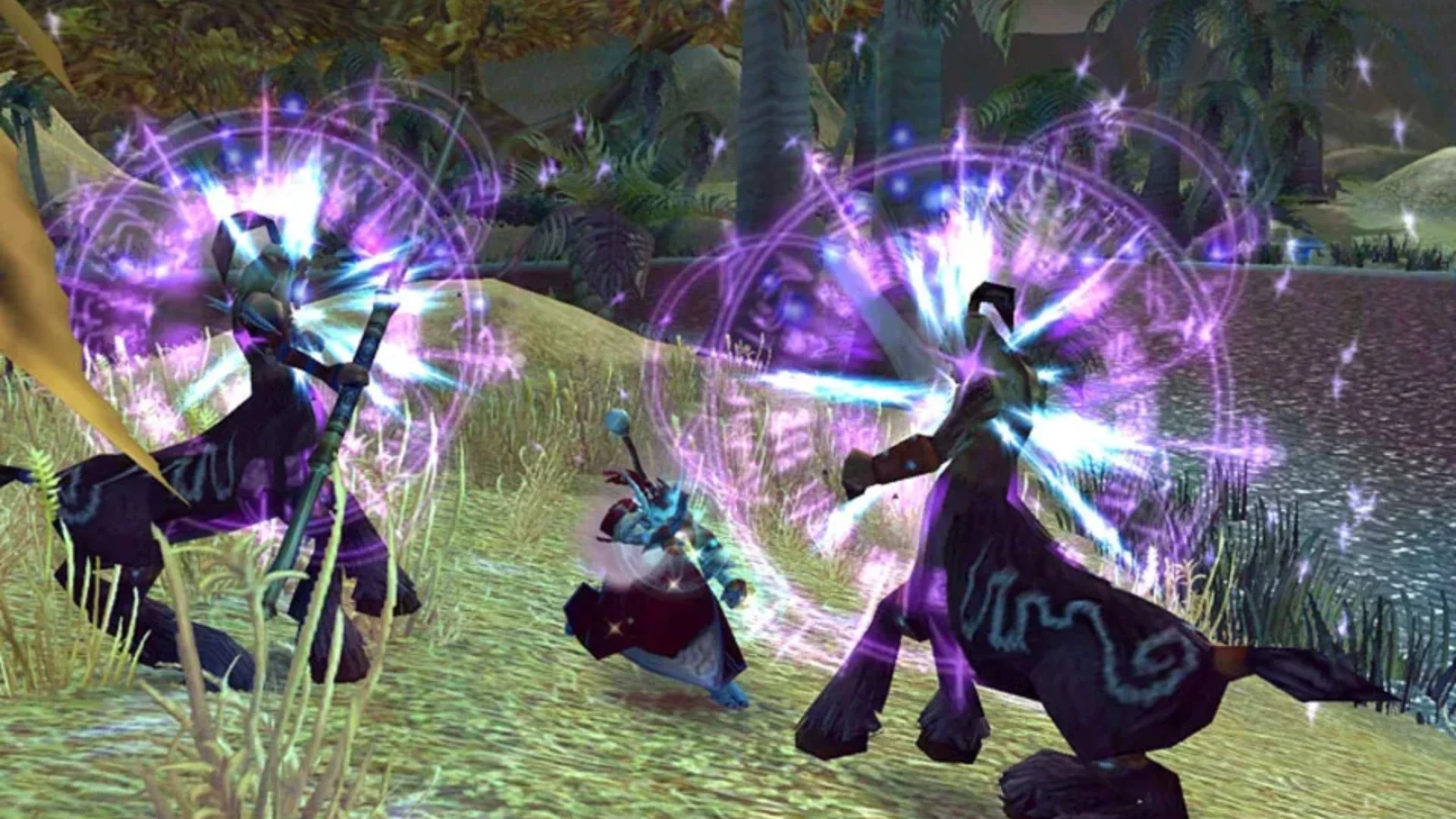
World of Warcraft is an MMO set across Azeroth, where one character can move from solo questing into tightly coordinated raids. Its best current combat is found in group content. A dangerous cast in a Mythic+ dungeon may need an immediate interrupt, and failing it can turn a routine pull into a wipe. At that level, reaching for an ability with the mouse is too slow. Keybinds become part of learning a class.
For years, PC addons grew into a second interface layered over the game. Midnight has restricted how much combat information they can process, while Blizzard has moved more warnings into the default UI. The change makes encounters less dependent on custom alerts, though the transition has not been clean for anyone who built years of muscle memory around them.
The story is much harder to follow. New characters are rushed through levels and expansions without a clear account of which war ended or why an old enemy is now an ally. Seasonal gear also makes hard-won equipment temporary. Once a stable group forms, however, few games can match the pleasure of learning a difficult encounter together and finally watching everyone execute it correctly.
6. StarCraft II
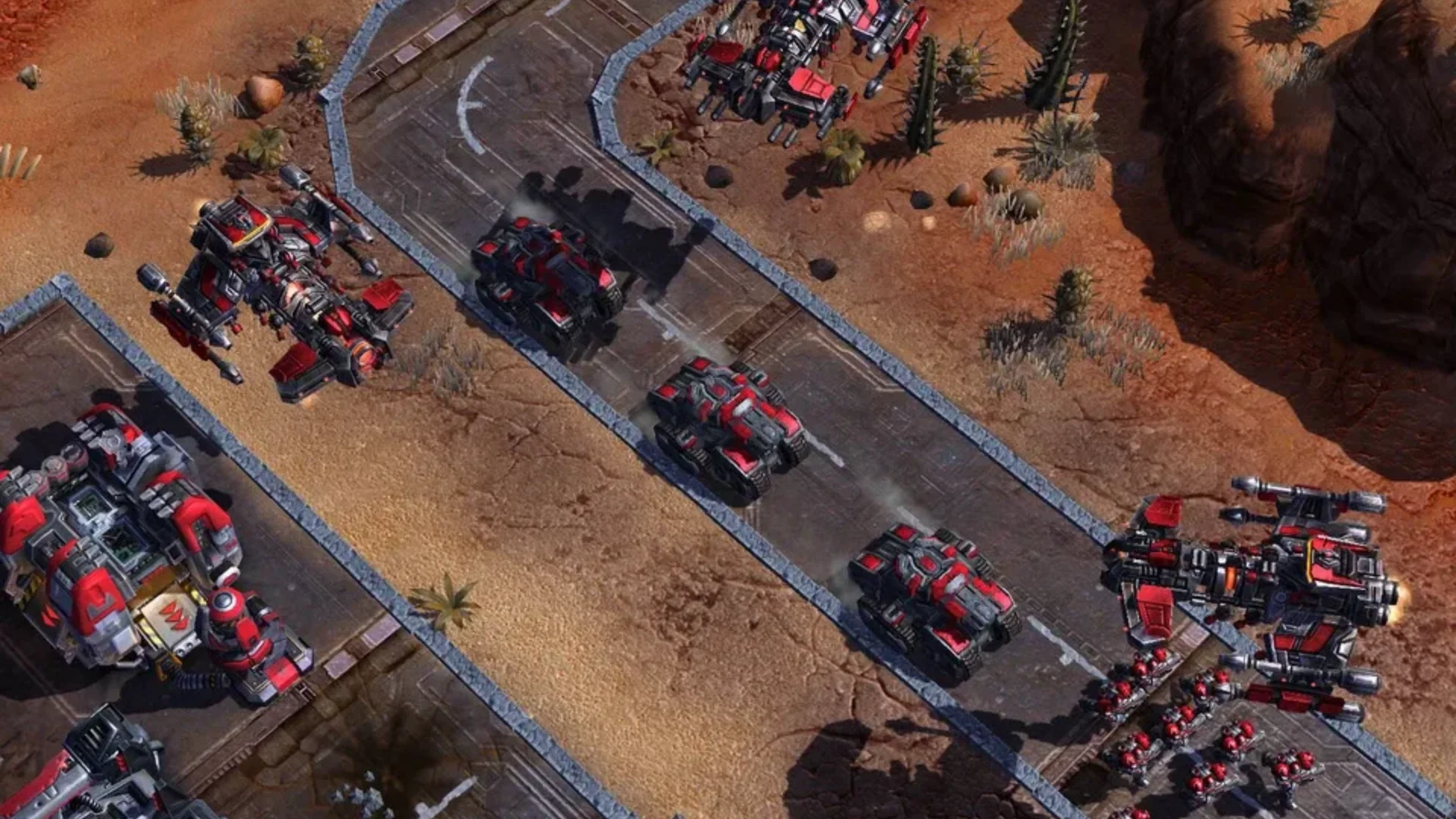
StarCraft II is a real-time strategy game in which an economy and an army must be managed at once. Its three factions do not merely use different units. Terran production buildings can lift off and move. Zerg creep grants control over open ground. A Protoss army is expensive enough that one careless loss can end the match. Those differences make scouting essential. Seeing a suspiciously early building can reveal an attack before the attacking units exist, giving just enough time to change production.
The campaigns introduce that speed with excellent mission design, often changing the objective before a comfortable routine can settle in. Competitive play is much less forgiving. A missed worker cycle creates a disadvantage that may not become visible until the first battle is already lost. Blizzard still issues balance updates, but the ladder assumes a willingness to practice builds and accept ugly defeats.
A replay will often reveal that the decisive mistake happened minutes before the final fight.
5. Doom (1993)
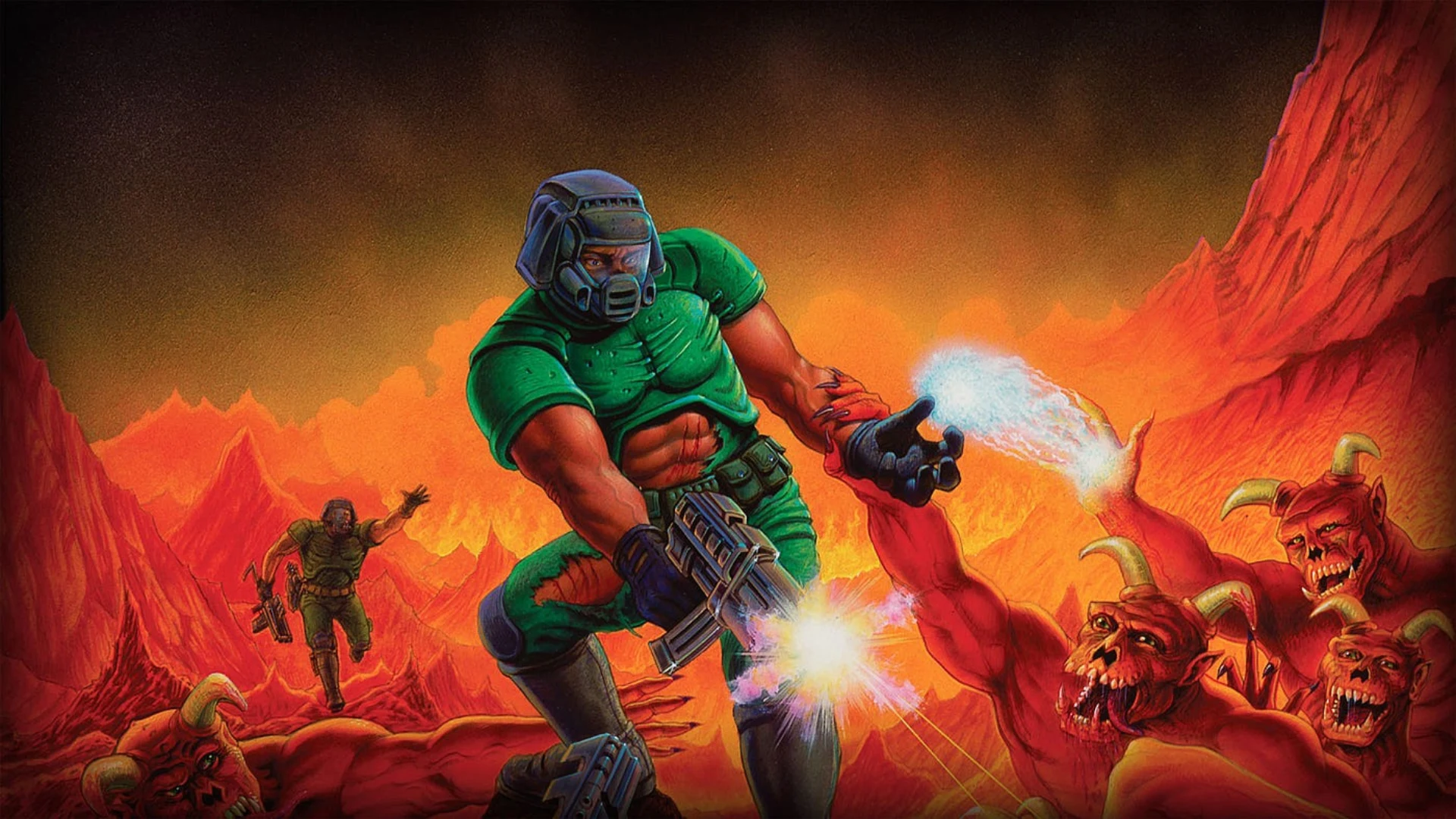
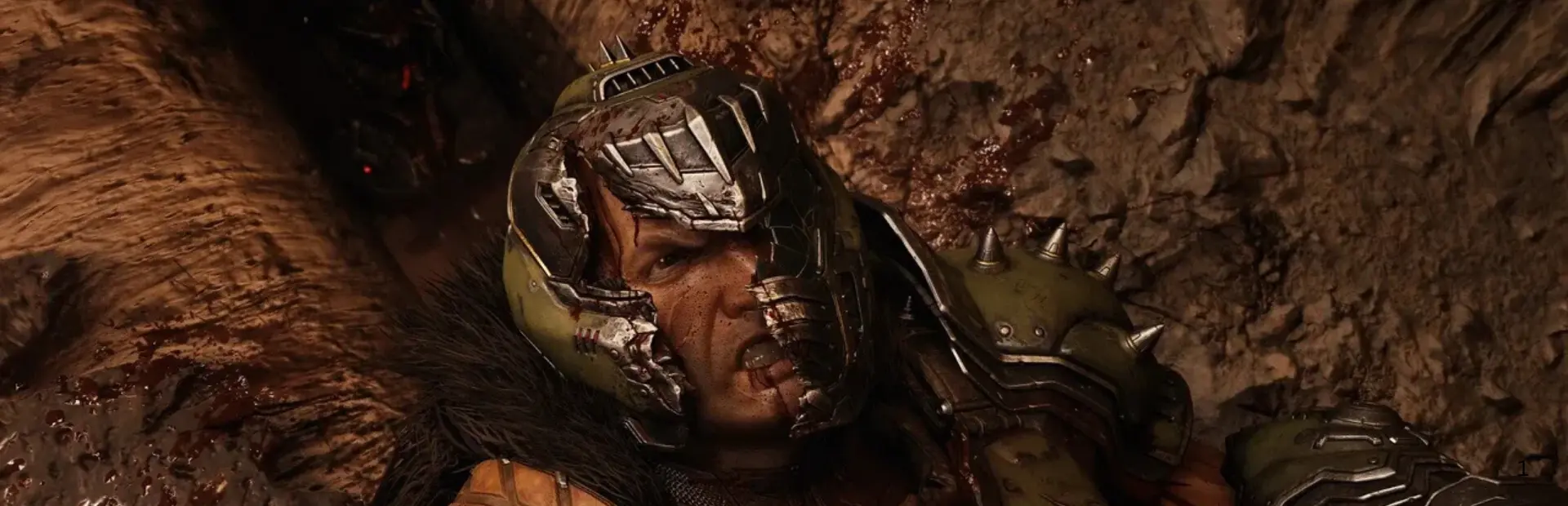
The original Doom is a fast first-person shooter about fighting demons through compact mazes on Mars and in Hell. Its speed still feels startling, partly because movement is a defensive tool rather than a transition between fights.
Enemy projectiles leave room to weave through a crowded chamber, and monster infighting can turn one threat against another. Modern source ports make the game easy to run, while more than 30 years of community WADs provide maps built by designers who understand every quirk of its combat. The basic shooting is so durable that those new levels do not need nostalgia to carry them.
4. Deus Ex
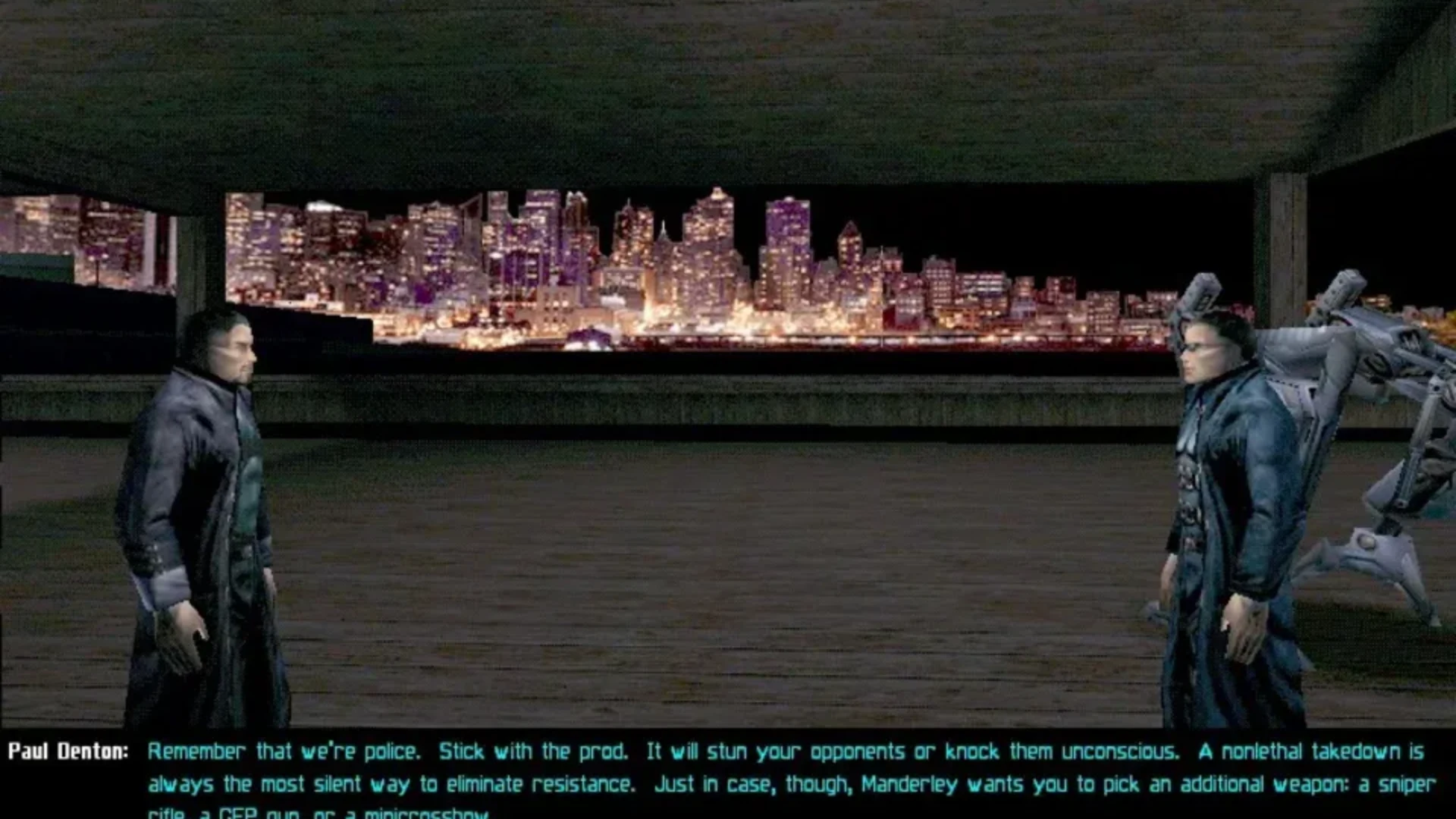
Deus Ex is a 2000 role-playing game about UNATCO agent JC Denton investigating a terrorist conspiracy. Its opening mission on Liberty Island gives Denton an objective inside the Statue of Liberty, then leaves several routes open. The GEP Gun offered before the mission looks like a heavy weapon choice. In practice, one rocket can remove a locked door and create an entrance that a stealth-focused character would otherwise need tools to open.
A rocket launcher functioning as a lockpick captures what Deus Ex does well. Skills and equipment are not confined to one intended use, so an awkward plan can work if the simulation supports it. Later locations reward the same curiosity with vents that connect secure rooms and computers containing passwords found elsewhere.
The shooting is stiff, enemy reactions are unreliable, and the small inventory makes every object feel larger than it is. Those dated parts are hard to ignore. They have not stopped Liberty Island from teaching lessons that many newer immersive sims still struggle to apply.
3. Factorio
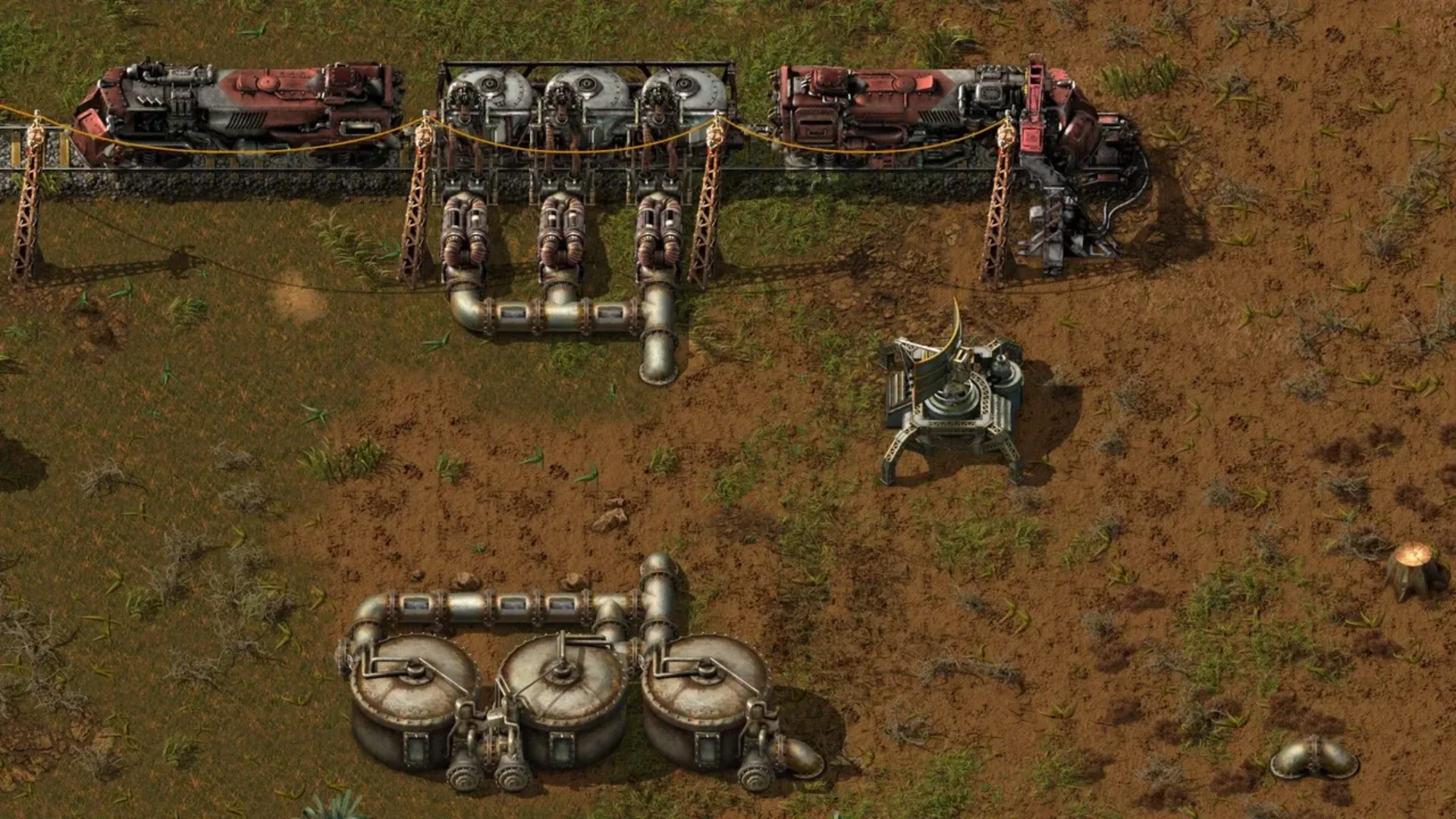
Factorio is an automation game about turning raw ore into an industrial system large enough to build a rocket. Early machines need to be fed by hand. Belts and inserters soon take over that work, which allows attention to move from individual items to the shape of the factory.
The satisfaction comes from bottlenecks. A weak copper line may starve circuit production, and increasing its supply can expose a shortage somewhere farther down the chain. The factory therefore remains unfinished even when every machine is technically running. Blueprints make a successful design reusable, but copying an old answer is rarely enough when the surrounding space has changed.
Pollution links expansion to defense because a larger factory provokes stronger attacks from nearby creatures. That pressure can be disabled, yet it gives efficiency a purpose beyond tidiness. Version 2.0 improved the interface and Space Age extends production across other planets. The expansion is enormous, though its new logistics can be overwhelming before the base game's ratios feel natural.
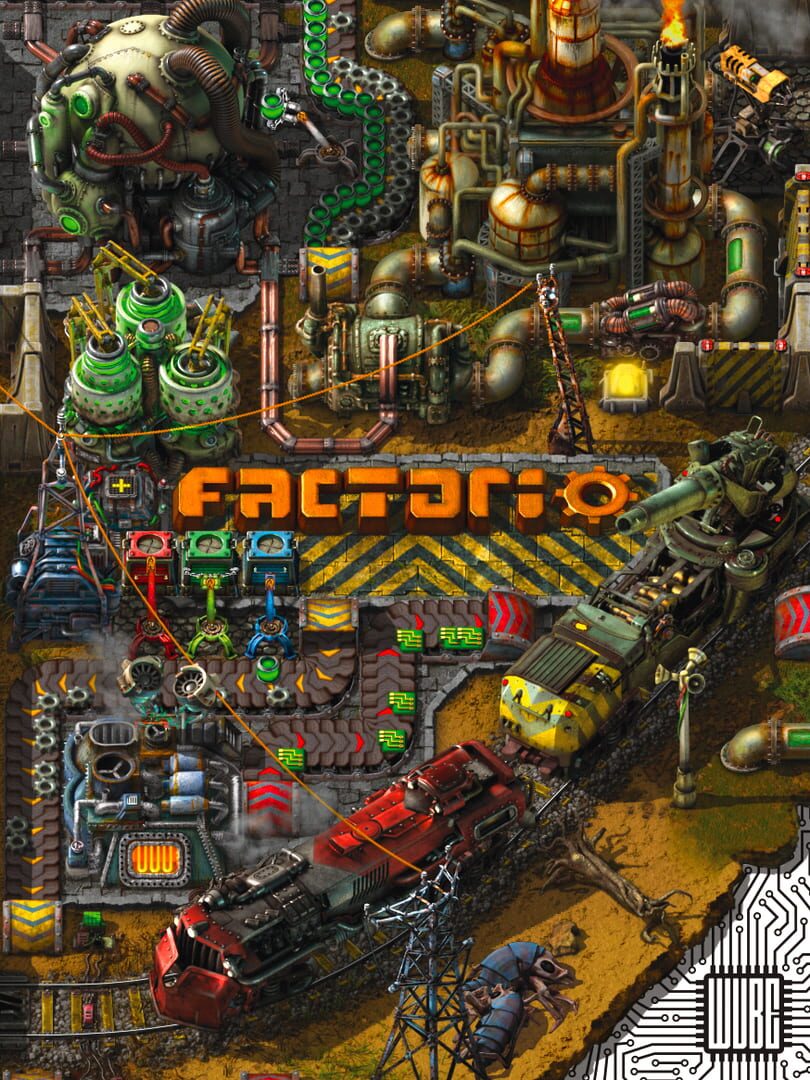
You will be mining resources, researching technologies, building infrastructure, automating production and fighting enemies. Use your imagination to design your factory, combine simple elements into ingenious structures, apply management skills to keep it working and finally prot
Released
August 14, 2020
Developer
Wube Software
Publisher
Wube Software


2. Half-Life 2
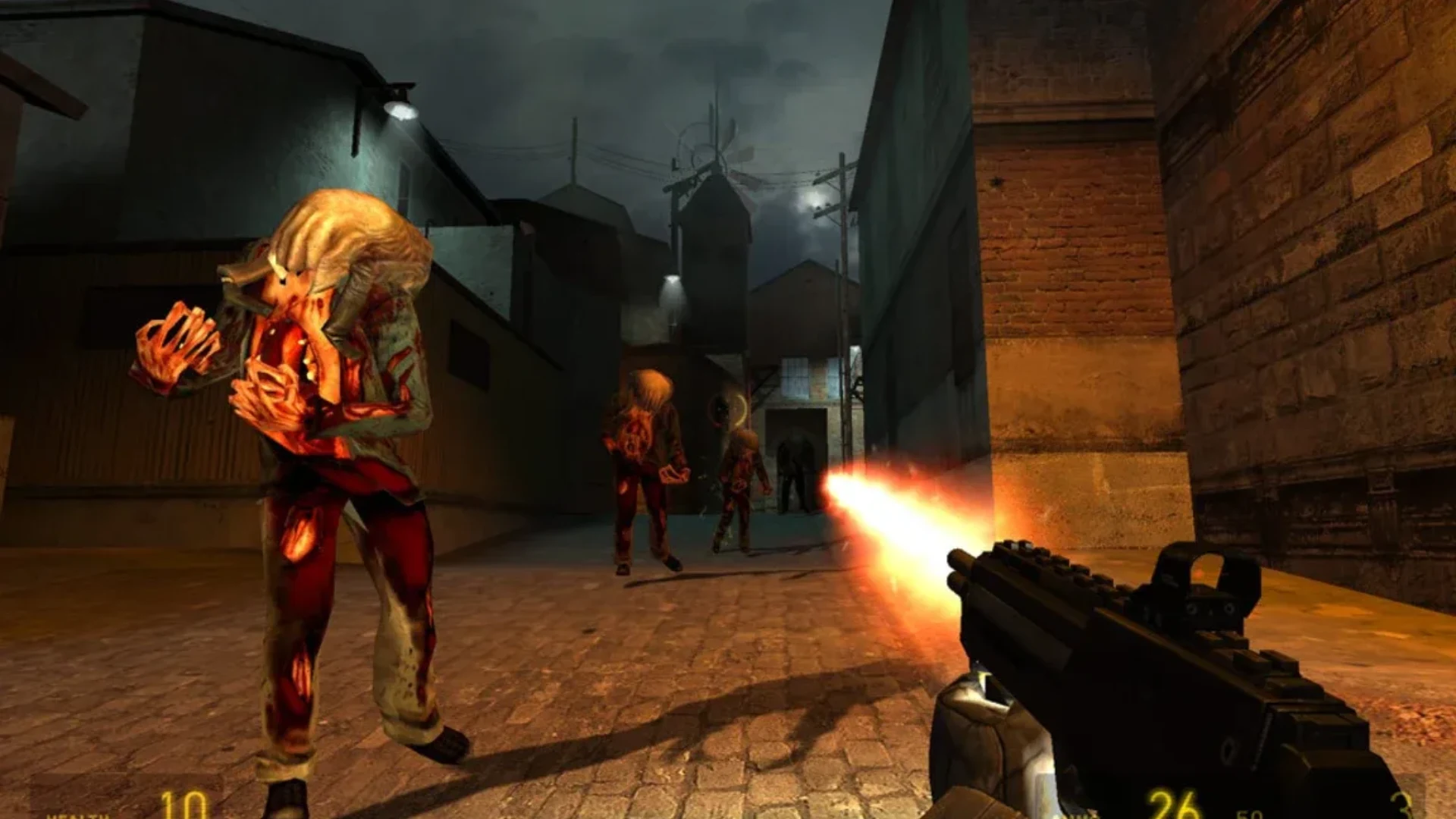
Half-Life 2 follows physicist Gordon Freeman through City 17, a human population center occupied by the Combine. It is a linear shooter, but its environments keep changing what a weapon can mean. In Ravenholm, the Gravity Gun can launch a circular saw blade through several zombies and pull the blade back from the wall for another shot. Ammunition is scarce enough there that the surrounding junk becomes the practical arsenal.
The same physical rules support quieter scenes. A Combine scanner knocks over loose objects as it moves through a room, and resistance hideouts look assembled from whatever their occupants could recover. Dialogue usually arrives while Gordon is free to look around, which keeps the setting present during exposition. The long vehicle chapters drag, and Gordon's silence becomes awkward when characters speak to him as an intimate friend.
Valve's anniversary update has made the whole package easier to recommend on a current PC, with both episodes and Workshop support included. Its physics are no longer a technical novelty. They still give City 17 a convincing material presence.
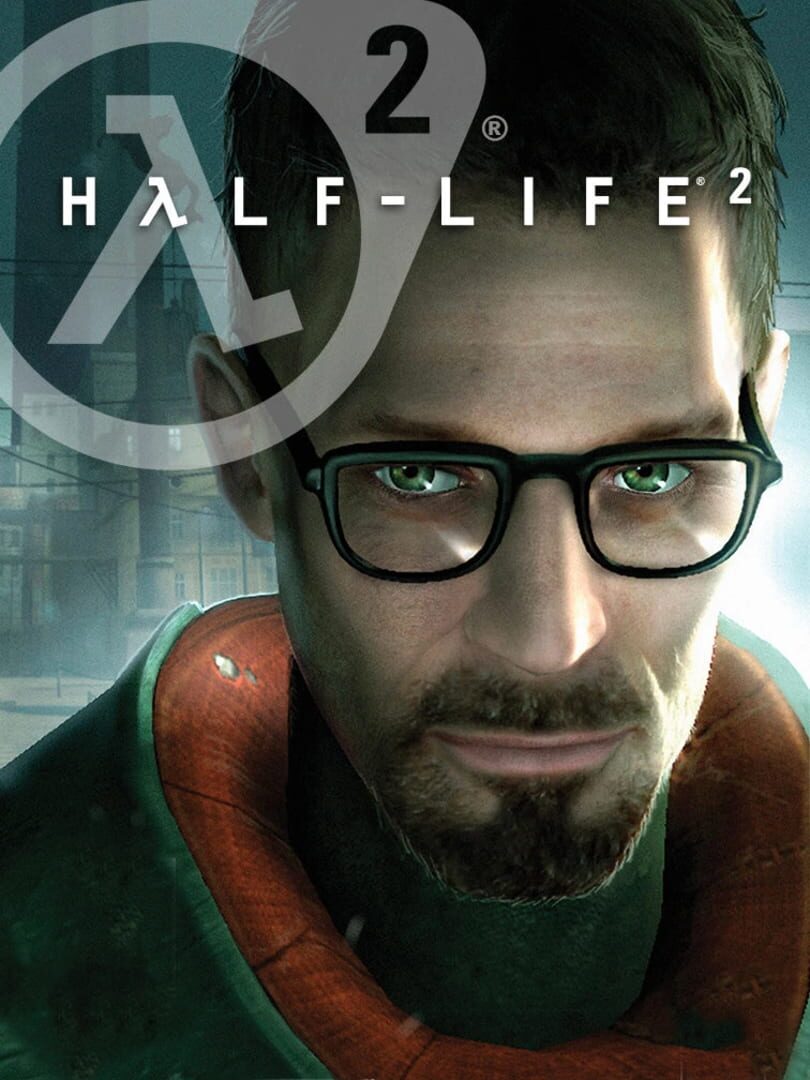
1998. HALF-LIFE sends a shock through the game industry with its combination of pounding action and continuous, immersive storytelling. NOW. By taking the suspense, challenge and visceral charge of the original, and adding startling new realism and responsiveness, Half-Life 2 op
Released
November 16, 2004
Developer
Valve
Publisher
Valve
1. Baldur's Gate 3
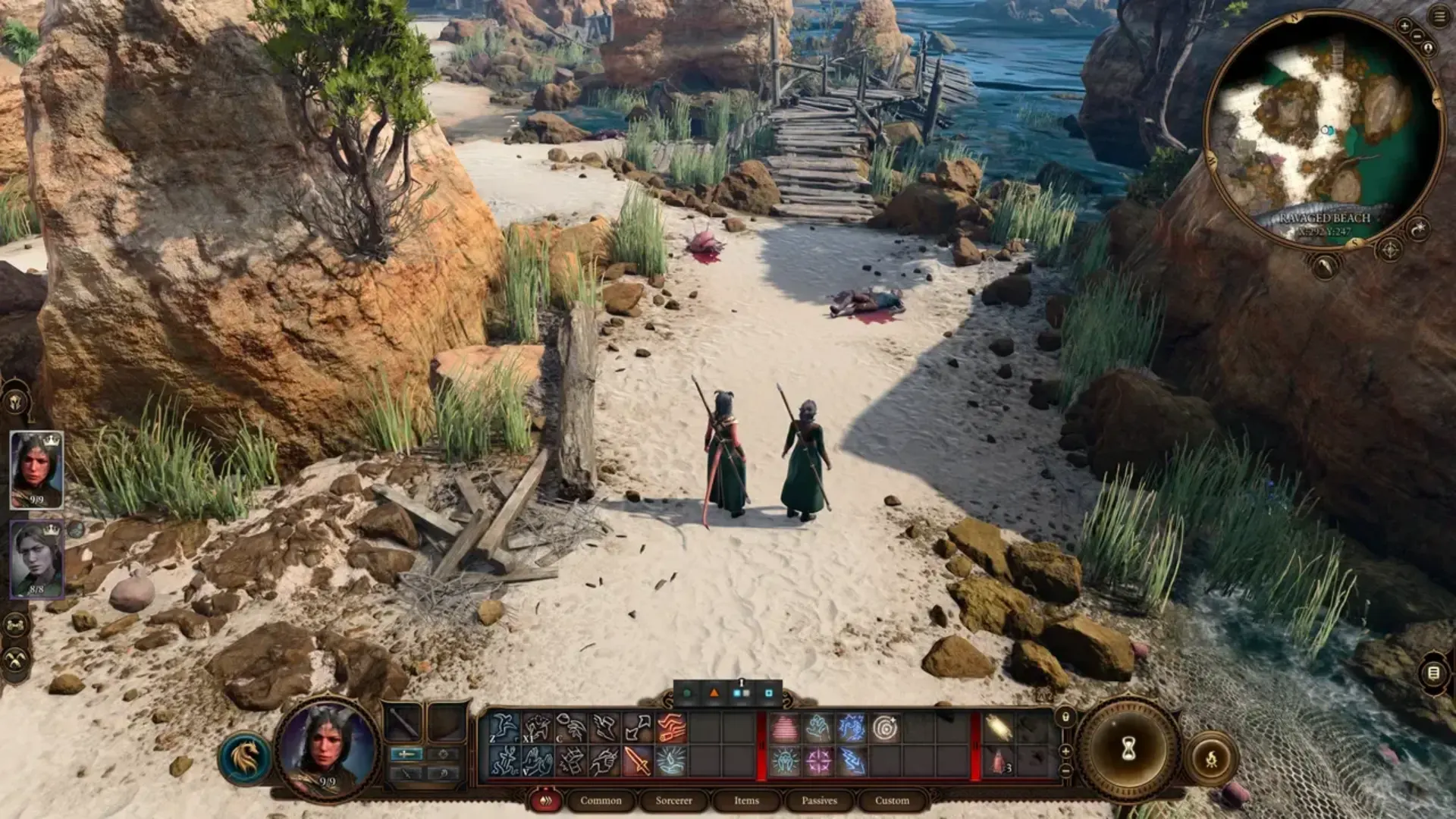
Baldur's Gate 3 is a party-based RPG about adventurers infected with mind flayer parasites. Turn-based combat uses the rules of Dungeons & Dragons, while conversations depend on character abilities and dice rolls. The remarkable part is how often those two sides recognize the same improvisation.
A stack of crates can become a route to a balcony that appears to be scenery. Starting a fight from that height then changes sightlines and gives ranged attacks an advantage. The game rarely treats this as an exploit. It lets the physical solution stand, even when it bypasses the front door and much of the encounter below.
Companions bring the same flexibility to the story. Their loyalties can change, but approval is not a meter that automatically converts into obedience. Some will leave over a decision they cannot accept. Act Three is overcrowded, and inventory management becomes miserable once the camp is full of spare equipment.
On PC, the mouse-driven interface handles its dense combat options better than a radial menu, while official mod support gives completed campaigns room to change. More often than any other RPG, Baldur's Gate 3 answers a strange idea with a consequence instead of an invisible wall.
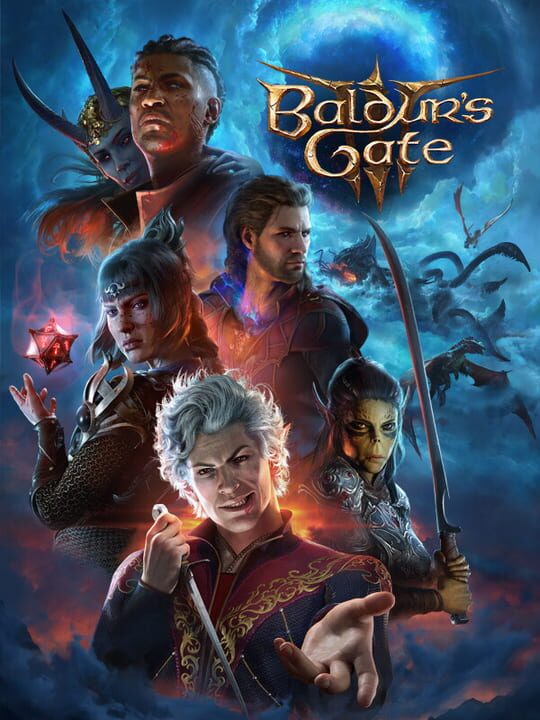
An ancient evil has returned to Baldur's Gate, intent on devouring it from the inside out. The fate of Faerun lies in your hands. Alone, you may resist. But together, you can overcome.
Released
August 3, 2023
Developer
Larian Studios
Publisher
Larian Studios
Tagged In
Discussion
0We want to hear from you. Share your perspective in the comments below, and please keep the conversation respectful.
Log in to join the discussion - vote, reply, and share your take.
Log In