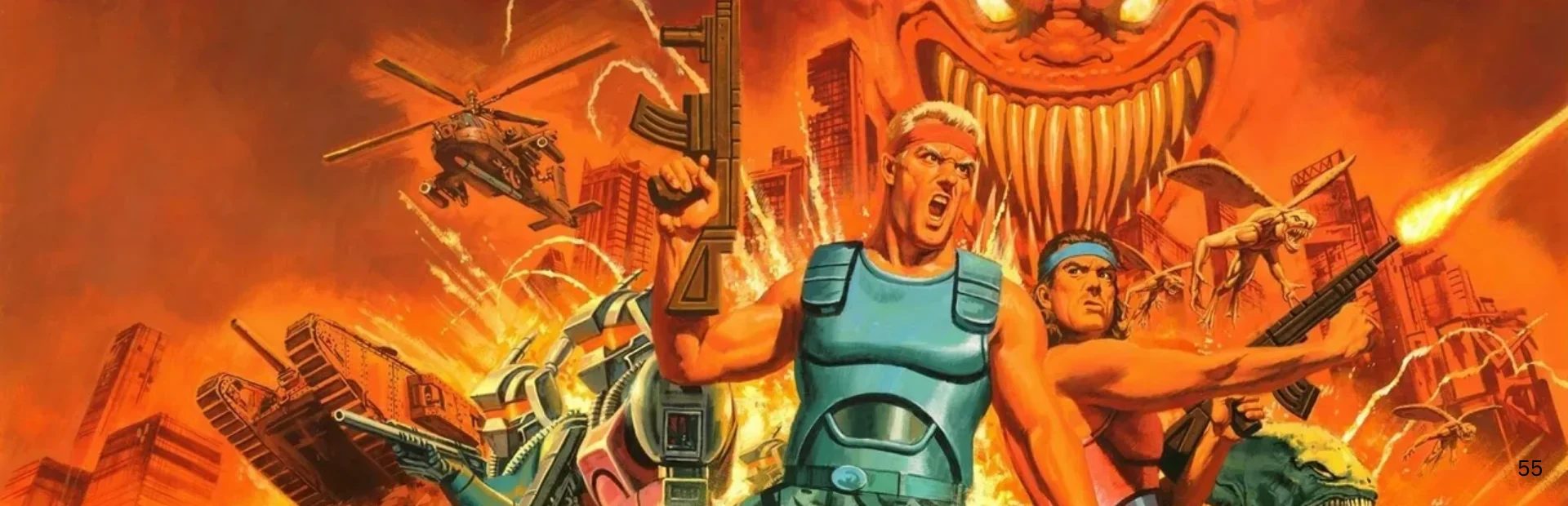
The 12 Best Konami Games, From Frogger to Metal Gear Solid
Konami's strongest releases can be understood in minutes, then keep finding new ways to punish a careless decision.
Konami spent much of the 2010s giving players little reason to expect its major series back. That changed quickly. Silent Hill 2 was remade and Suikoden II was restored. Less than a year after the first of those releases, Metal Gear Solid 3 was rebuilt as Delta. The company's current revival now depends on games it once appeared content to leave behind.
Those returning names can make Konami look narrower than it was. This ranking includes close publishing collaborations alongside games developed internally, but limits repeated franchises enough to leave room for the PS2's finest football and a Gradius sequel built by Treasure. The story starts on one crowded arcade screen, with five empty homes and a frog that has no safe way forward.
12. Frogger
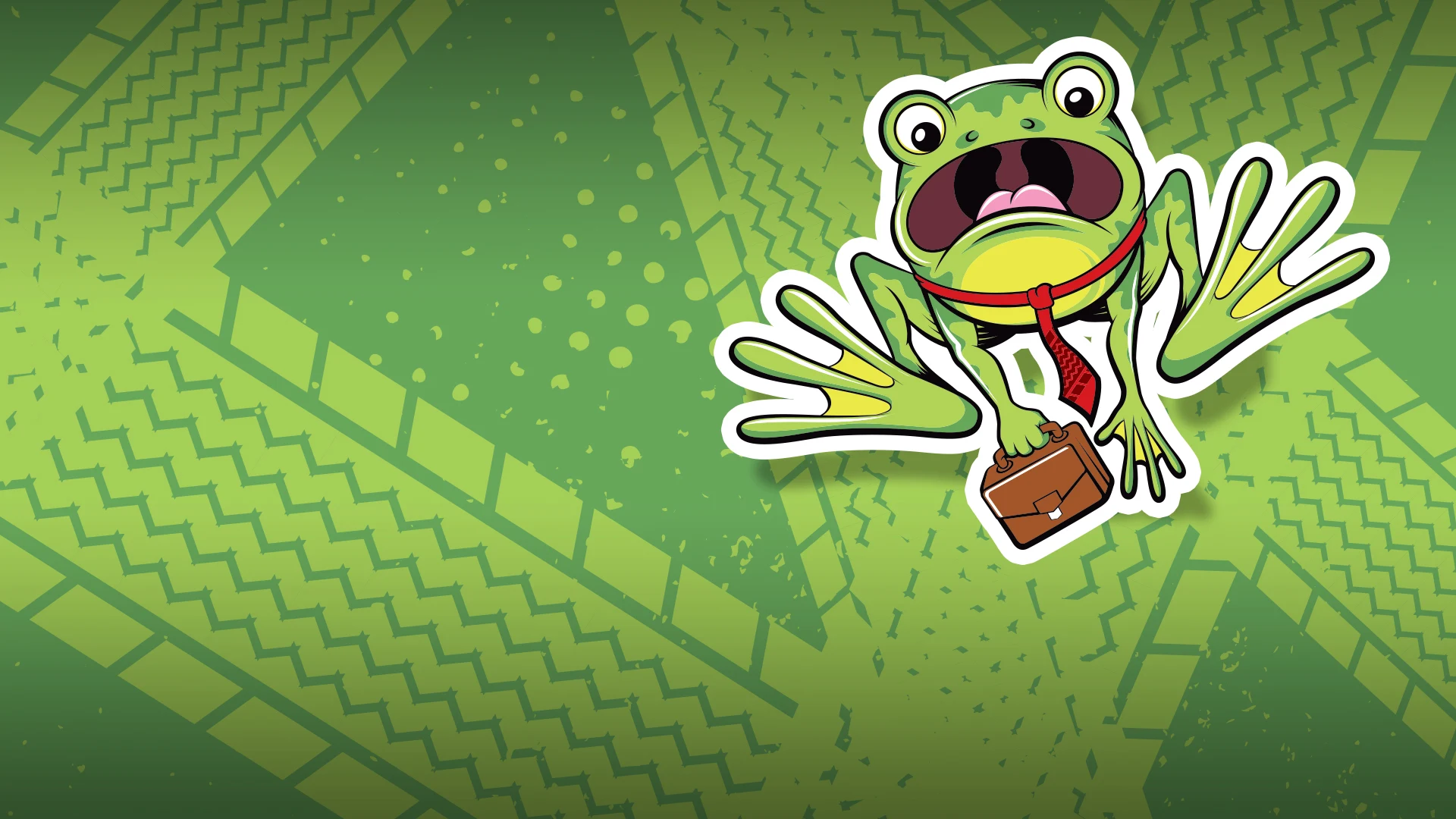
Every move in Frogger is one complete hop. The four-way joystick cannot slow the frog halfway across a traffic lane or correct a jump after it has begun. Reaching the five homes at the top of the screen therefore depends on reading several moving patterns at once, then committing before the opening disappears.
The road teaches that timing through gaps between vehicles. The river changes the rule by making logs and turtles carry the frog sideways, so standing still becomes another way to lose. Later rounds add diving turtles and hazards inside the home bays. They also accelerate patterns that had started to feel familiar.
The single-screen structure has little room to surprise after several rounds, and its escalating speed eventually replaces planning with memorization. That limitation is also why a failed attempt remains easy to understand. Frogger never hides the mistake behind a statistic or an animation.
11. Rocket Knight Adventures
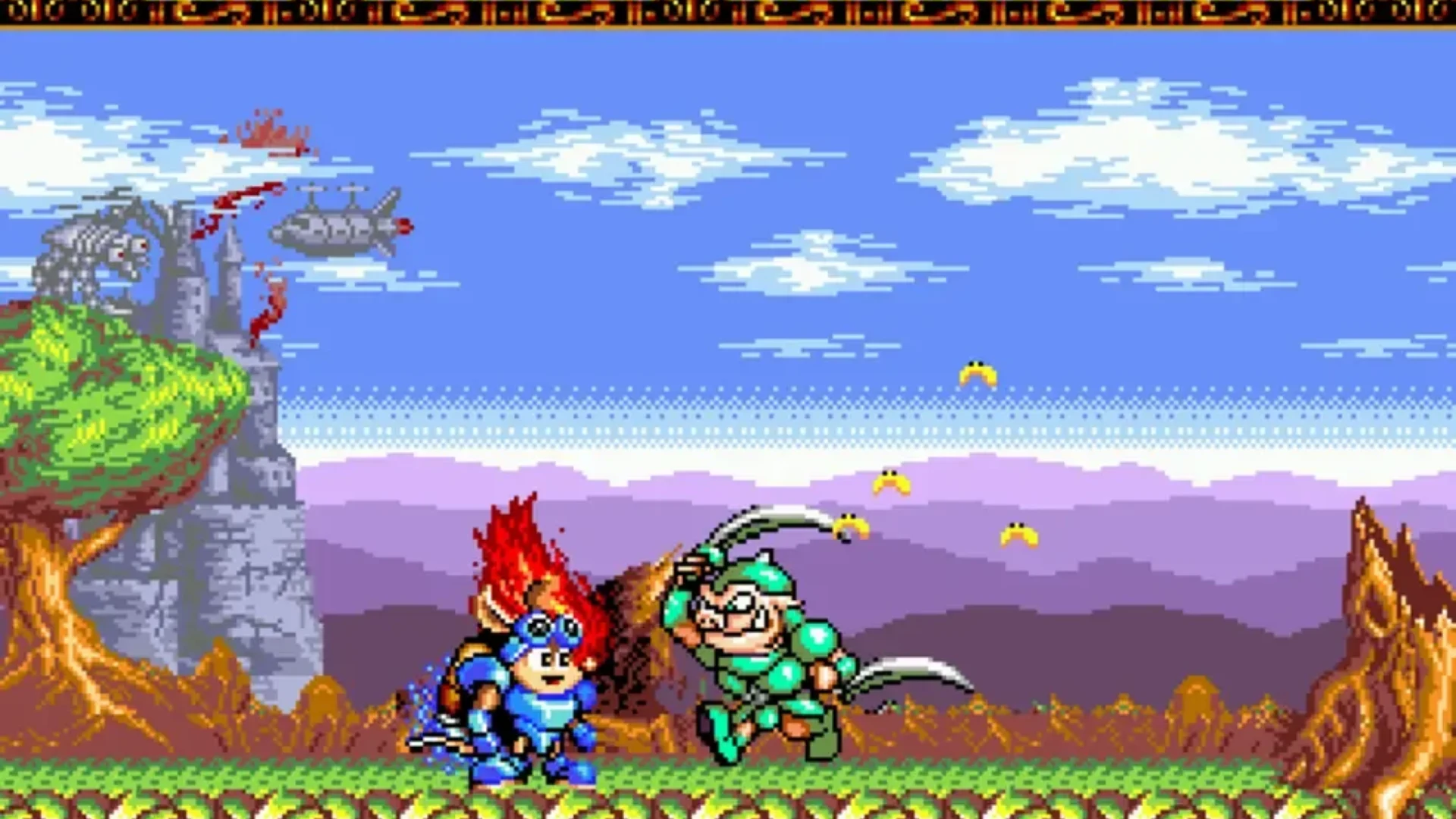
Holding the attack button in Rocket Knight Adventures charges Sparkster's rocket pack. Releasing it sends the sword-wielding opossum in one of eight directions, often through an enemy and into a wall that redirects the flight. It gives this side-scrolling platformer a movement option closer to an aimed launch than a conventional double jump.
Good stages ask the player to picture the landing before letting go. A safe platform may sit above the visible screen, while a badly chosen angle can carry Sparkster into machinery before the rocket meter refills. The campaign keeps changing the setting around that idea, including a scrolling shooter section and a deliberately simple mech duel. It is less consistent when bosses demand knowledge that only arrives after taking damage.
Some hazards also discourage the rocket use that gives the game its character. The modern Re-Sparked collection adds rewind, which makes those blind failures easier to tolerate without improving how they were taught.
10. Dance Dance Revolution Extreme
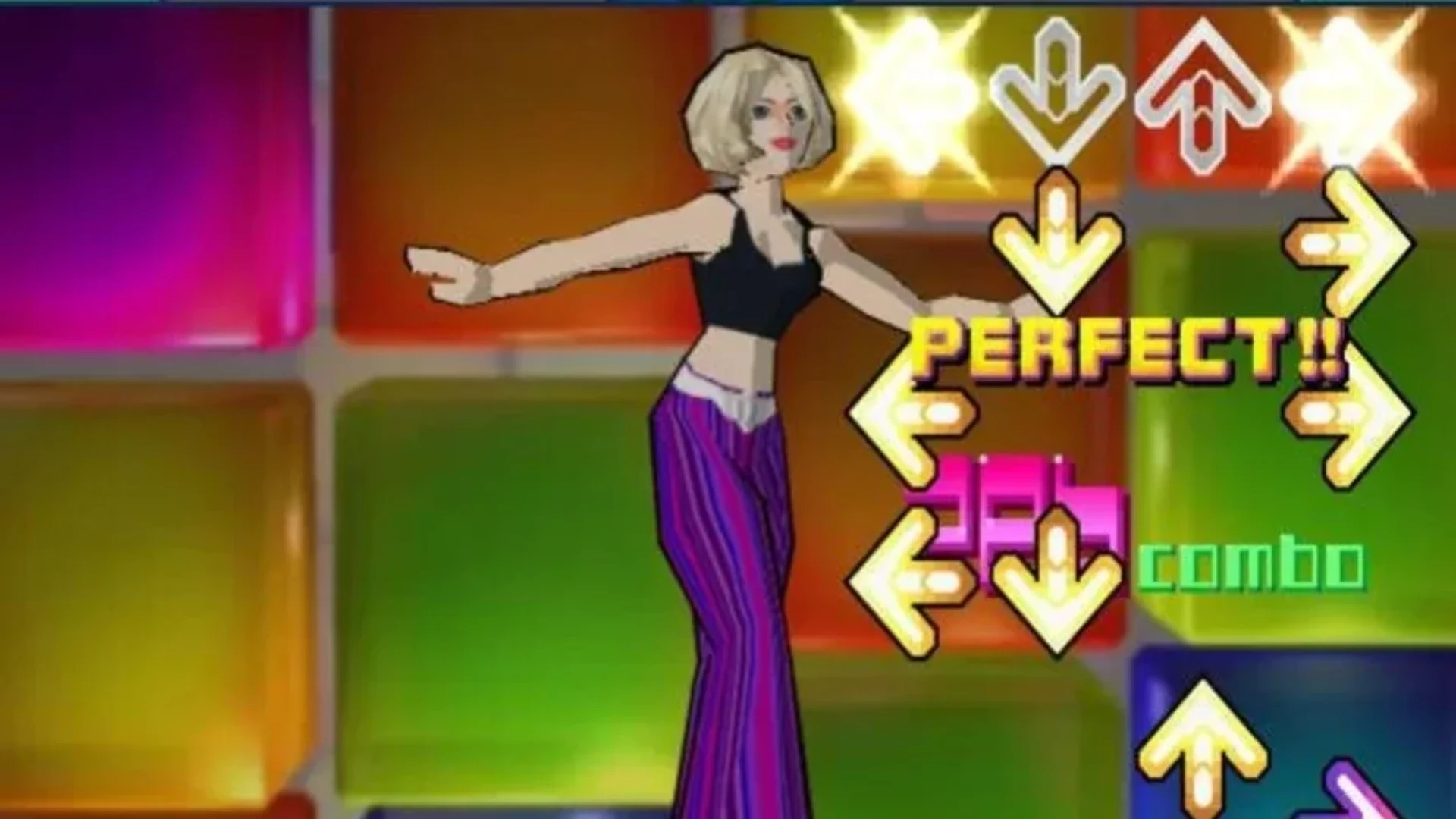
The arcade version of Dance Dance Revolution Extreme turns a four-panel platform into a rhythm-game controller. Arrows travel toward fixed receptors on the screen, and the player steps on the matching direction as each one reaches the line. Timing determines the judgment. Foot position determines whether the next step is comfortable or requires an awkward recovery.
That second demand is where a chart becomes more than a sequence of prompts. Early patterns can be handled by returning both feet to the center. Harder charts reward alternating feet so the body is already prepared for the next arrow.
Crossovers complicate that footwork, while Freeze Arrows pin one foot down as the other keeps moving. Extreme supports that progression with Beginner and Challenge difficulties plus a huge arcade song library drawn from earlier mixes. The metal cabinet matters as much as the software, which is why home versions with soft pads never feel identical. Its busiest charts also become tests of physical execution that many players will have no interest in pursuing. Between those extremes sits a rhythm game that makes improvement visible one missed step at a time.
9. Pro Evolution Soccer 6
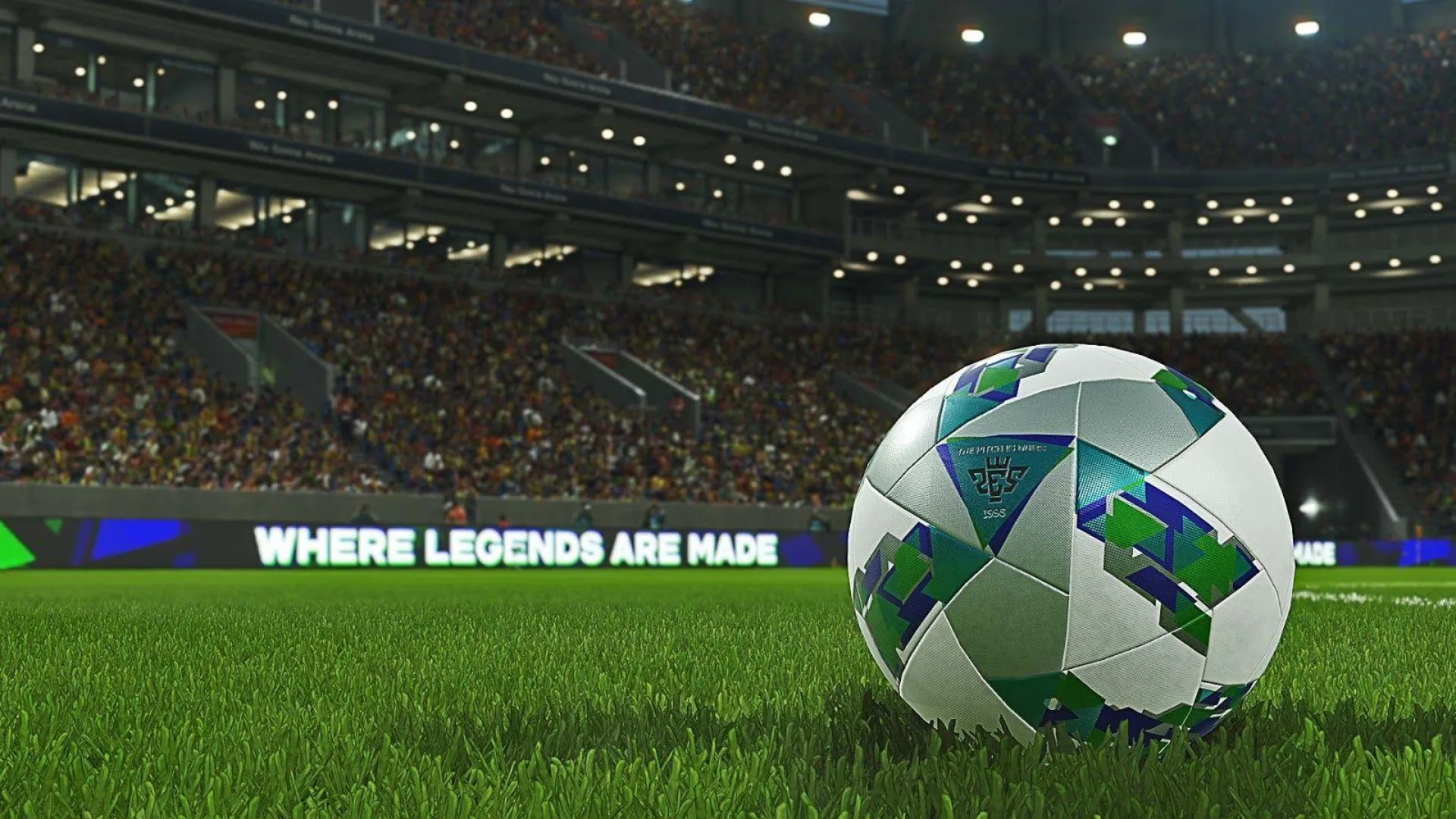
Possession in the PS2 football simulation Pro Evolution Soccer 6 rarely looks impressive by itself. A pass played into the wrong foot can halt an attack, while trying to turn through a defender usually gives the ball away. Strong play comes from creating a useful angle before the pass arrives. A simple one-two can open more space than several skill moves.
Player attributes remain visible in how the match develops. A quick forward reaches a through ball that a slower teammate would abandon. A technically weaker midfielder needs more time to control the same pass, which gives the defender a chance to close. Master League stretches those differences across seasons as the default squad is gradually replaced and younger players develop.
The old eight-direction movement feels rigid beside modern football games.
Goalkeepers can make baffling decisions, and the limited licenses leave many clubs behind altered names and kits. Yet local matches still produce the argument every sports game needs: whether the goal came from a clever move or from an opponent failing to read it.
8. Contra III: The Alien Wars
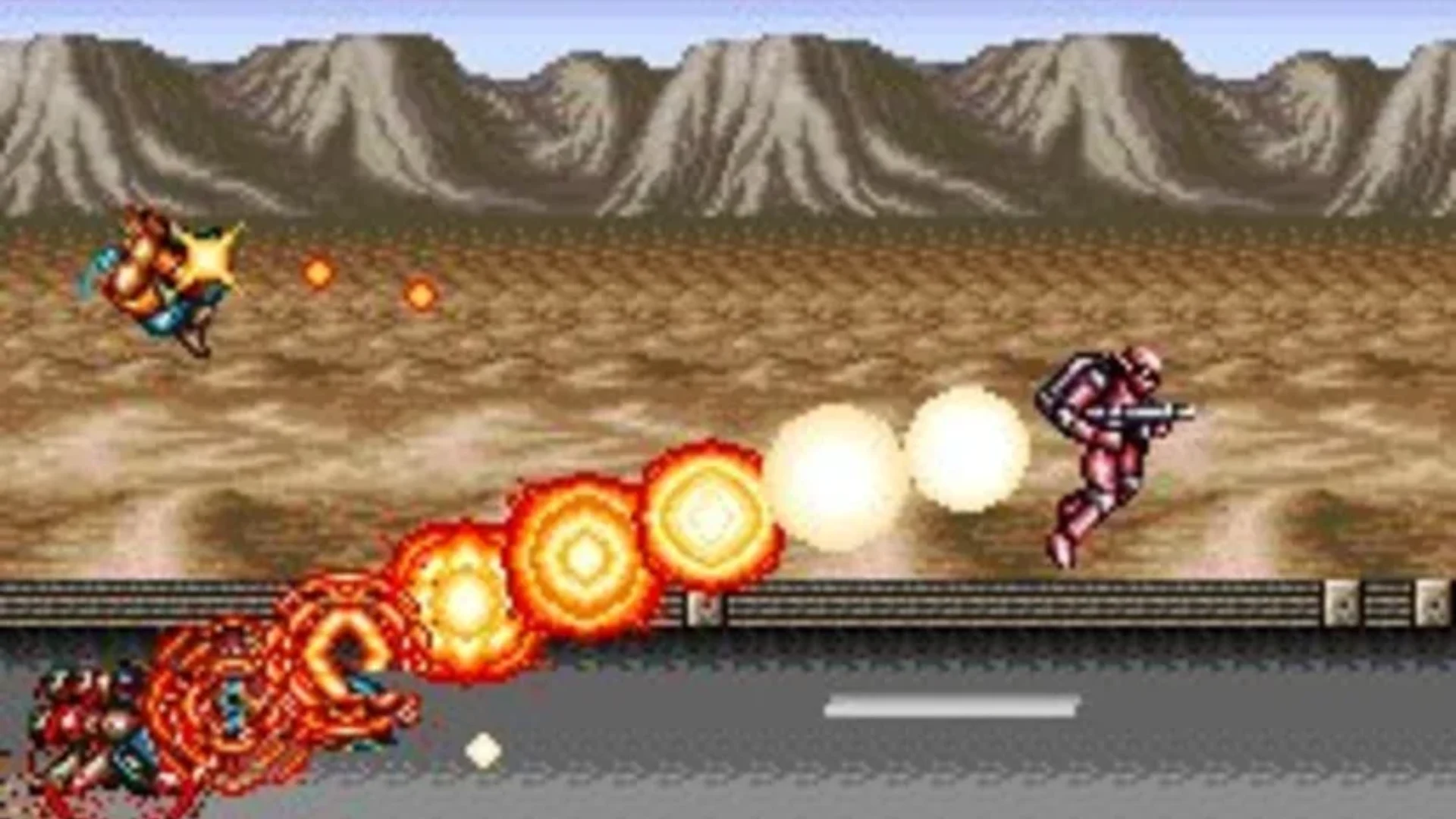
Two players can run through Contra III: The Alien Wars together, but cooperation does not make this SNES run-and-gun forgiving. A single hit costs a life and removes the weapon currently equipped. Carrying two guns softens that loss, provided the useful Spread Shot was not active when the projectile arrived.
That small inventory creates decisions inside stages built to overwhelm attention. Swapping to the expendable weapon before a risky jump can protect the better one. The spinning jump fires both guns around the character, but a mistake can put both upgrades at risk. Bosses are large enough to dominate the screen, while collapsing scenery keeps changing where it is safe to stand. The two overhead stages use rotation effects for spectacle but lack the speed and precision of the side-scrolling action.
North American players also need to clear Hard mode to see the complete final encounter. Contra III is demanding for reasons the player can usually learn, though learning often costs another life.
7. Gradius V
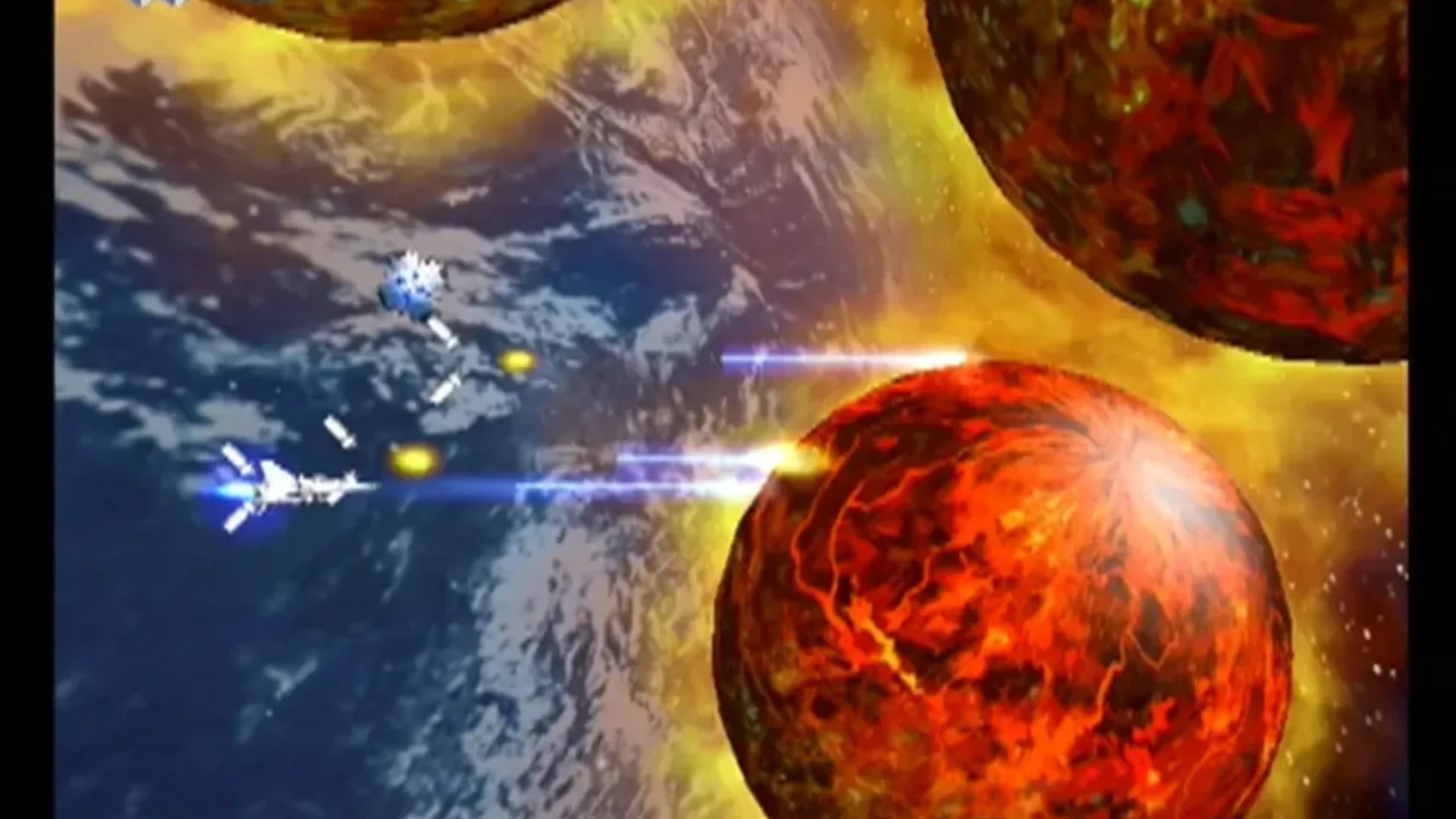
Orange capsules in the horizontal shooter Gradius V advance a power meter along a fixed sequence. Taking Speed Up now means passing on a Missile or Laser until another capsule arrives. Options eventually add small ships that mirror the Vic Viper's fire, but Treasure gave them controls that change how the entire screen can be attacked. One setup freezes their formation. Another lets the player rotate their aim while the main ship holds position.
Levels are built around those possibilities. Options can remain inside a narrow opening while the Vic Viper moves to safety, or concentrate fire on a target that cannot be approached directly. Several bosses behave like spatial puzzles. One encounter surrounds the ship with asteroids that look like obstructions until they become cover from the incoming barrage.
Death still creates the old Gradius problem of rebuilding a weak ship in a stage balanced for a strong one. Immediate respawns and recoverable Options help, but the campaign remains severe even on its lower settings. Credits increase with accumulated playtime, effectively making persistence part of the continue system.
The difficulty narrows its audience, but the Option controls give series experts a genuinely new problem to master.
6. Castlevania: Aria of Sorrow
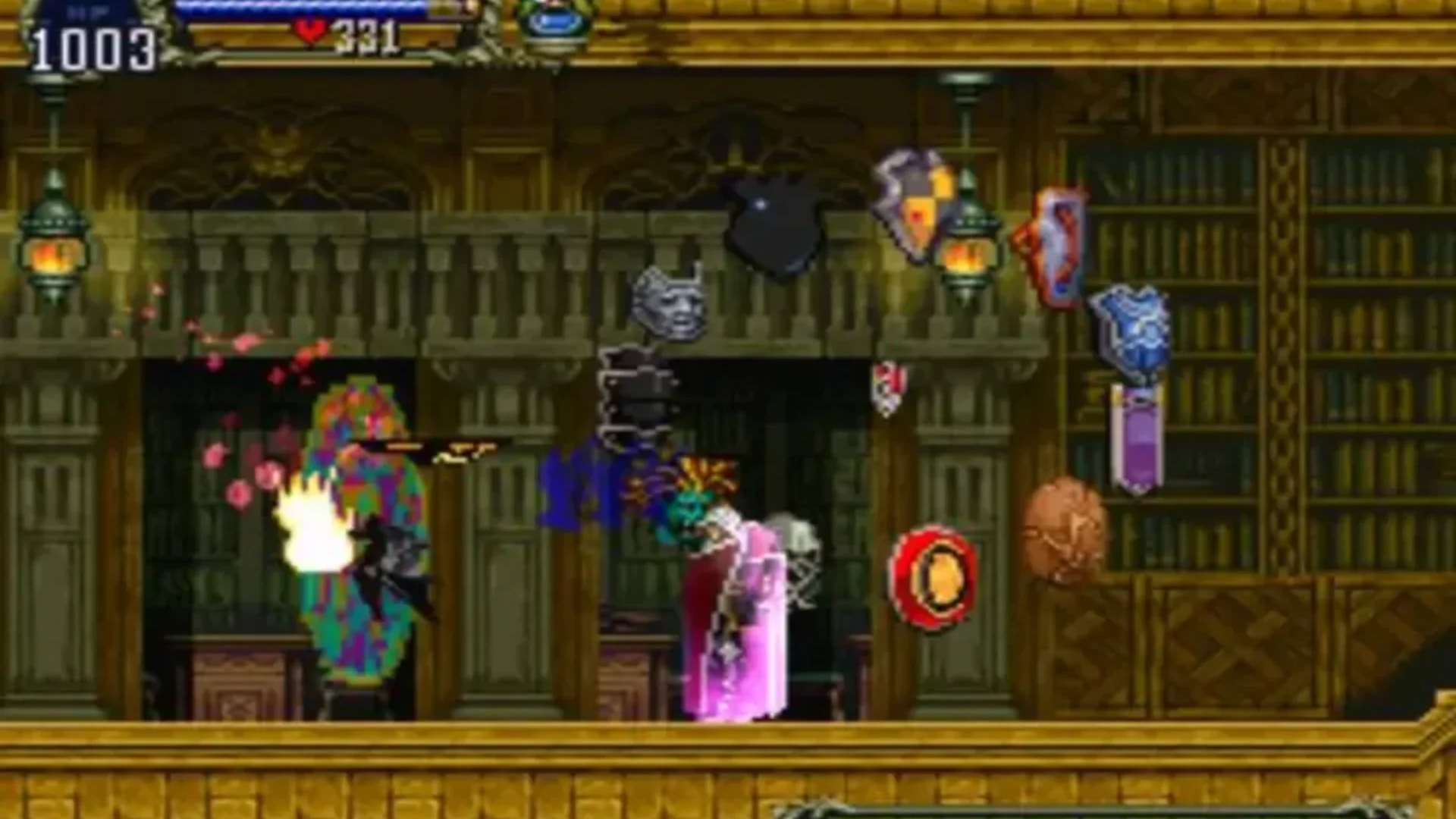
Soma Cruz explores Dracula's castle in Castlevania: Aria of Sorrow, a Game Boy Advance action RPG where common enemies can leave behind their souls. Each one gives Soma part of that creature's ability. A Skeleton supplies a thrown bone.
The Flying Armor slows a fall and opens gaps that were previously too wide. Other souls remain active to provide a defensive or movement effect, while passive ones alter Soma without consuming magic.
That Tactical Soul system ties combat to exploration inside Dracula's castle. A room full of an annoying enemy may also be the best place to find the tool needed for a new build. The castle is compact enough that returning to a blocked route rarely becomes a chore, and weapon choices change attack timing without requiring a new character. Random drop rates are the cost.
Finishing the story barely asks the player to engage with many souls, while collecting them all can reduce an inventive system to repeatedly defeating the same enemy. The campaign is also too easy once a strong weapon and a useful soul combination are established.
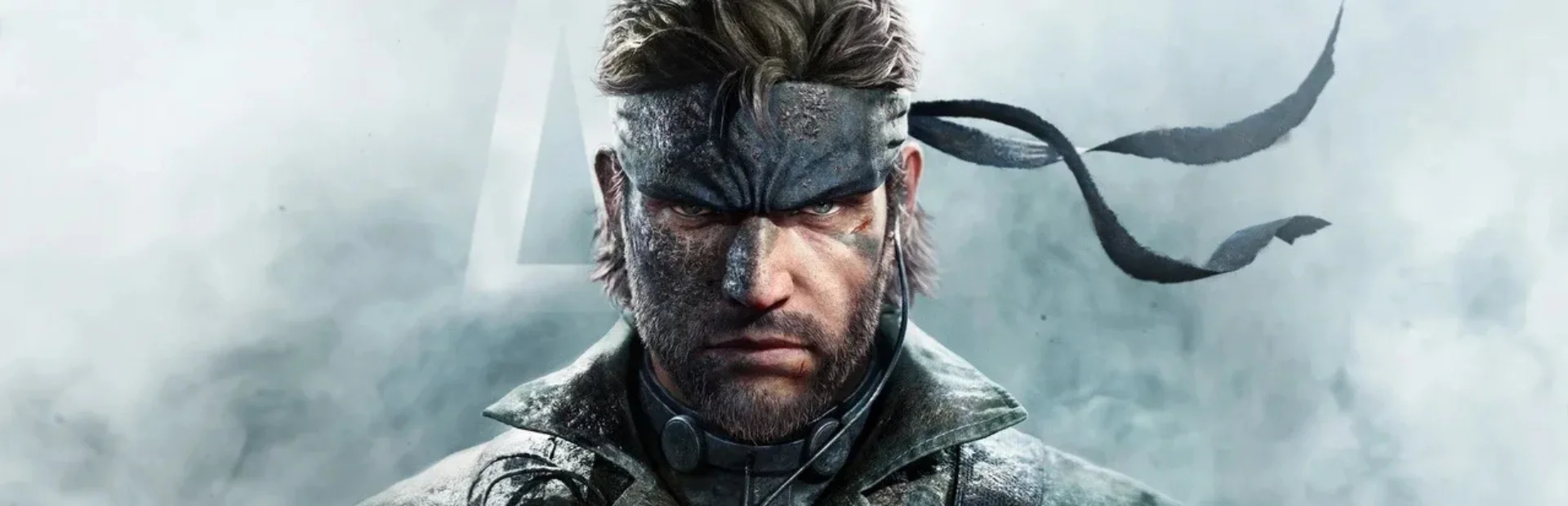
5. Metal Gear Solid V: The Phantom Pain
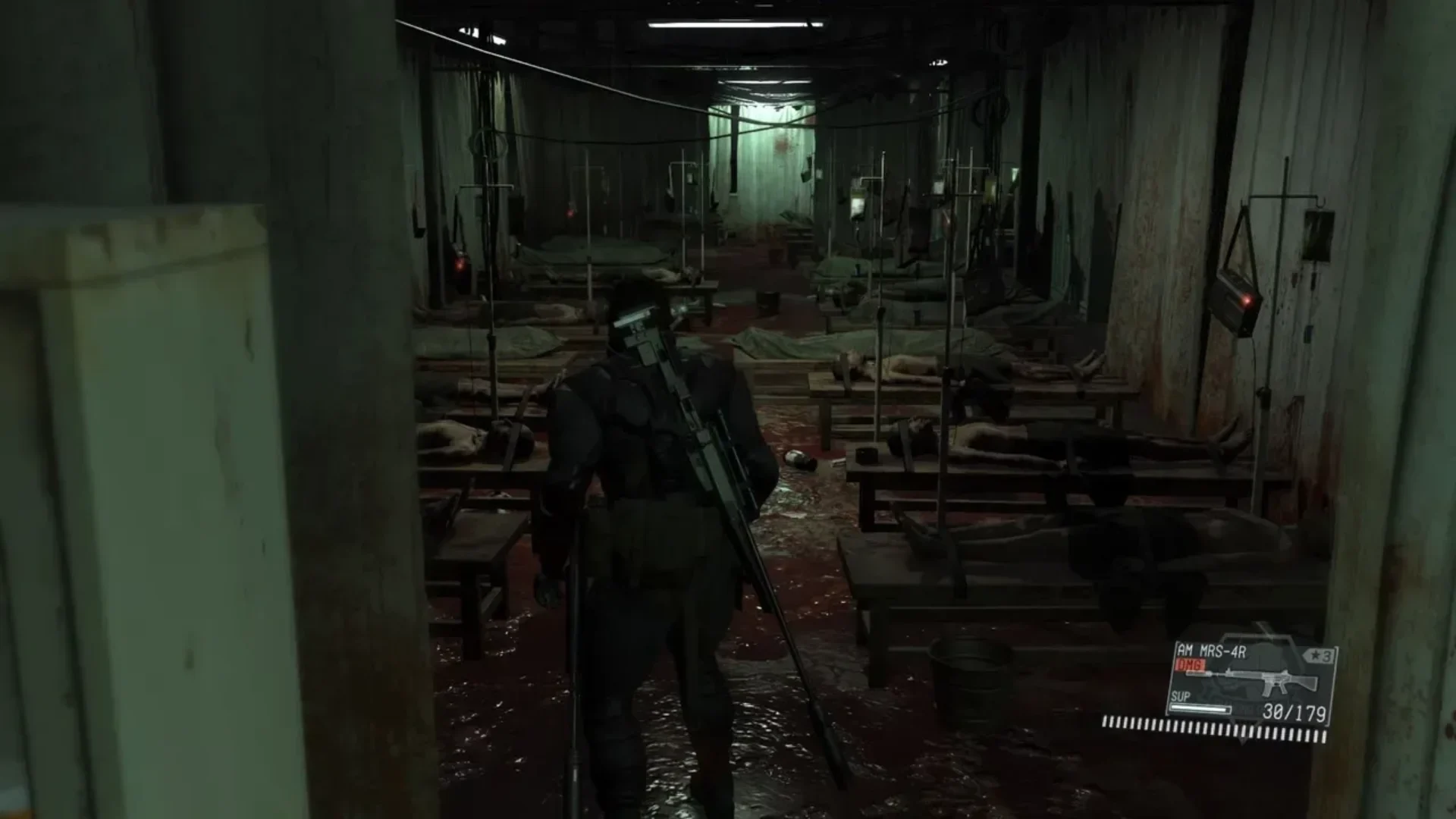
Each mission in the open-world stealth game Metal Gear Solid V: The Phantom Pain sends Venom Snake into a guarded outpost with an objective that can be reached from several directions. Finding one successful route does not solve that location permanently. Returning at night may reveal new lights, while repeated headshots encourage guards to wear helmets. Destroying communication equipment can stop reinforcements from being called, but the explosion also changes a quiet infiltration into a search.
The third-person controls give Venom Snake enough flexibility to recover when a plan fails. He can dive out of sight when a patrol turns unexpectedly. Holding up an isolated guard may reveal useful information, while a buddy can change what Snake knows before approaching the outpost. Fulton extraction creates the more interesting temptation. A highly skilled soldier is valuable to Mother Base, so an enemy who could be ignored becomes someone worth reaching and removing safely.
The open areas eventually reveal how often missions reuse the same roads and compounds. Chapter 2 makes that repetition explicit by returning to earlier operations with added restrictions, while important story material is pushed into cassette tapes and an ending that feels incomplete. The Phantom Pain contains Konami's most expressive stealth systems, but the campaign around them keeps asking those systems to supply structure it never finished building.
4. Suikoden II
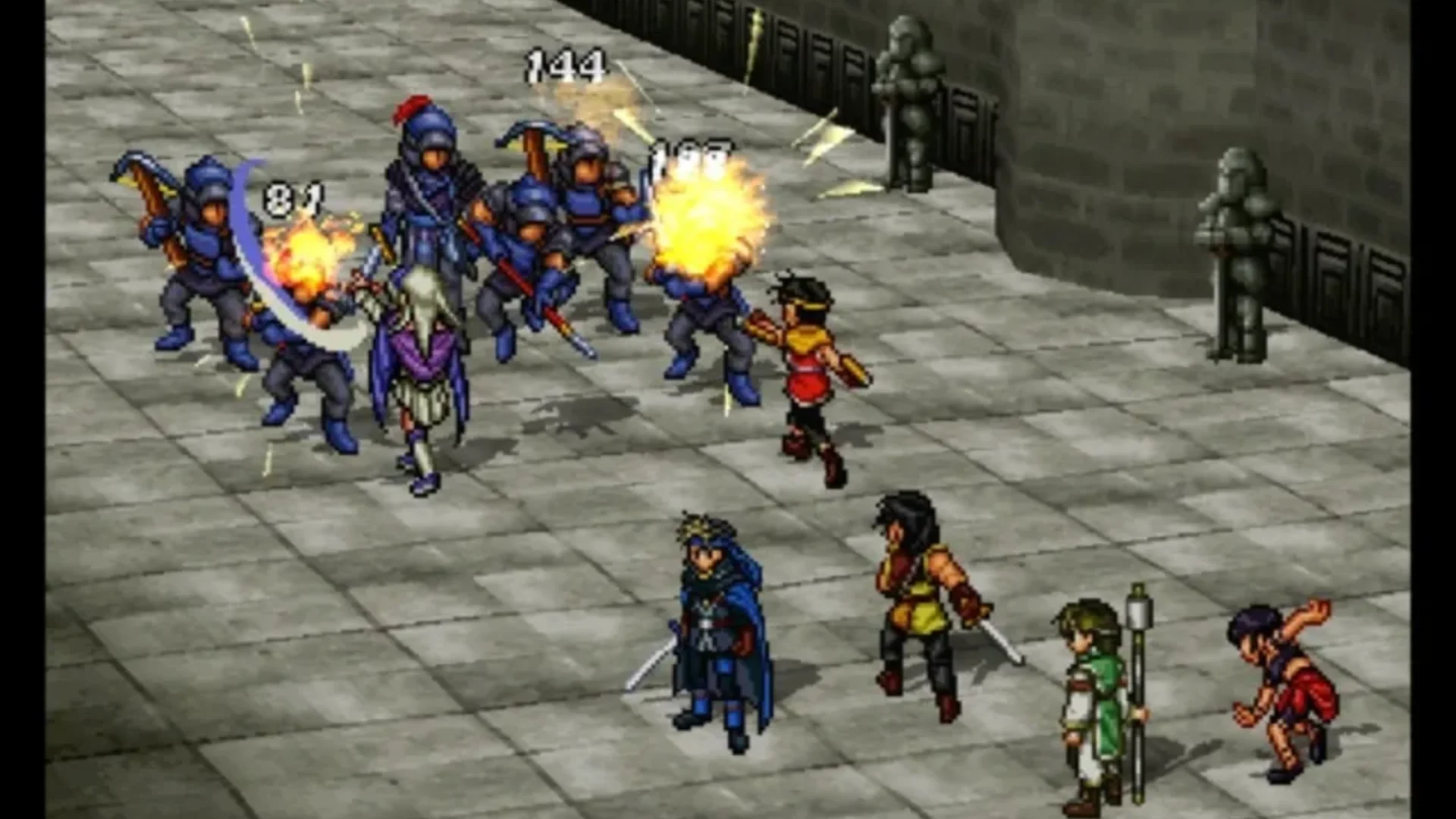
Suikoden II is a turn-based PlayStation RPG about a young hero building an army during a civil war. Recruitment changes more than the party menu because many of the 108 Stars of Destiny move into his headquarters after joining. A new recruit might open a shop or improve travel around the region. The castle becomes a record of people convinced to support the same cause, including several who have little use in a conventional battle.
Regular combat uses six-character parties, with weapon range deciding who can function from the back row. Runes provide magic and special abilities, while certain relationships unlock Unite attacks. The famous confrontation with Luca Blight asks the player to prepare three separate parties in succession. Suddenly, characters recruited for the wider rebellion have to function as actual soldiers rather than names in a collection.
The large-scale army battles seldom develop the same tactical pressure, and many are shaped heavily by scripted events. Important recruits can also be missed behind narrow timing windows. That makes the best ending difficult to reach without outside help. The 2025 HD remaster improves the translation and speeds up battles, but even its harder setting cannot stop a strong party from flattening most ordinary encounters. The political story remains unusually efficient because the headquarters shows what the war is building, not only what it destroys.
3. Silent Hill 2
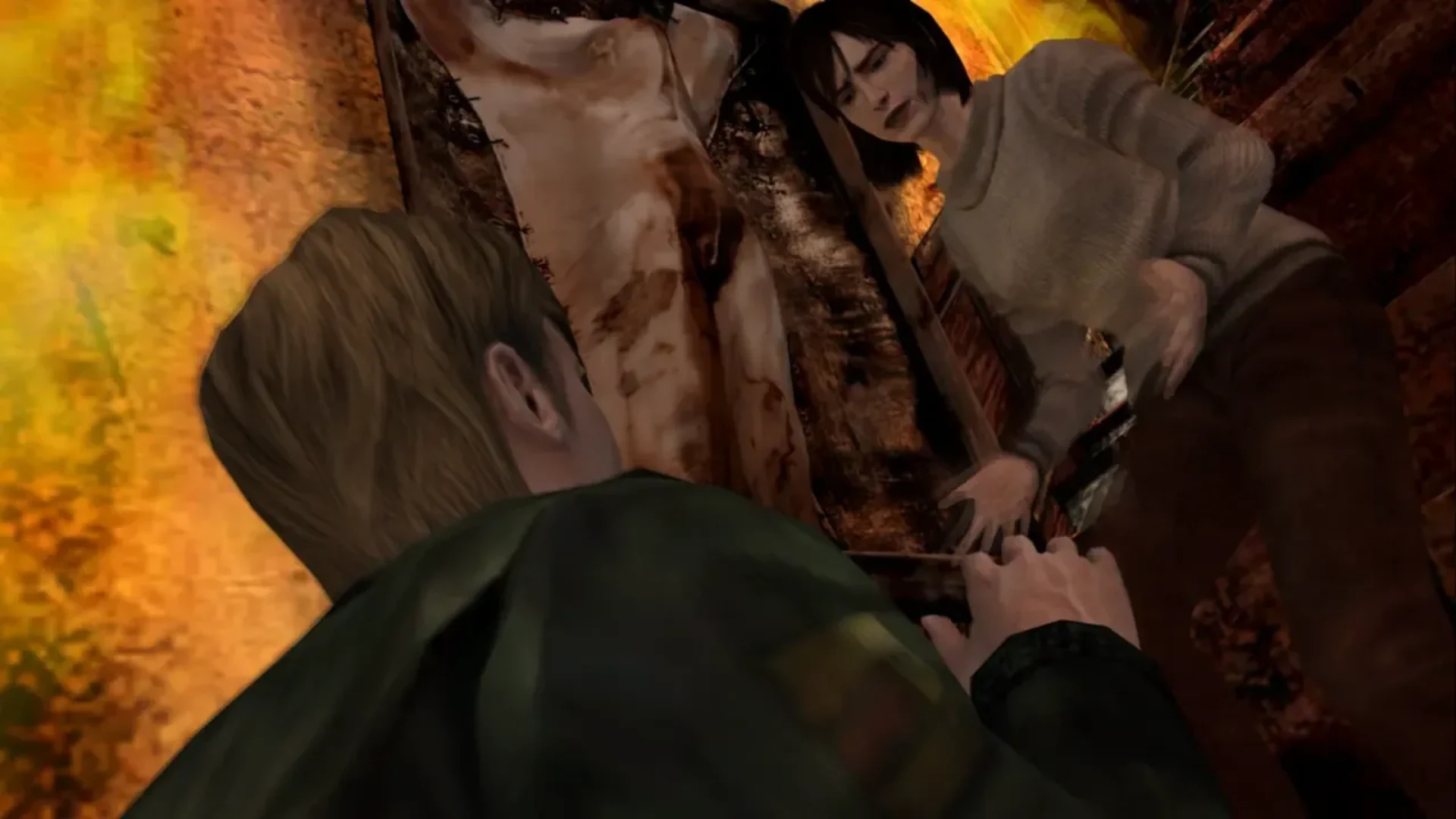
James Sunderland enters Silent Hill 2 after receiving a letter from his late wife, then searches the fog-covered town for an explanation. It is a survival horror game built around exploration rather than capable combat. The radio breaks into static when something is nearby, but it does not explain where the threat is or whether fighting it would achieve anything.
The map becomes James's practical memory. Locked doors are crossed out as he checks them, while notes and puzzle pieces turn apartment blocks or hospital corridors into spaces that must be understood before they can be escaped.
Separate combat and puzzle settings let those pressures be adjusted independently. The game also pays attention to behavior outside explicit choices. Healing habits and the attention given to particular characters can influence which ending appears, allowing the final judgment of James to grow partly from how he was played.
Melee attacks are awkward, and several puzzles rely on connections that are clearer to the writer than the player. The 2024 remake gives combat more weight and makes the town easier to inhabit on modern hardware. The original remains less comfortable in a useful way. Its fixed viewpoints and uncertain distances make even an empty corridor difficult to read.
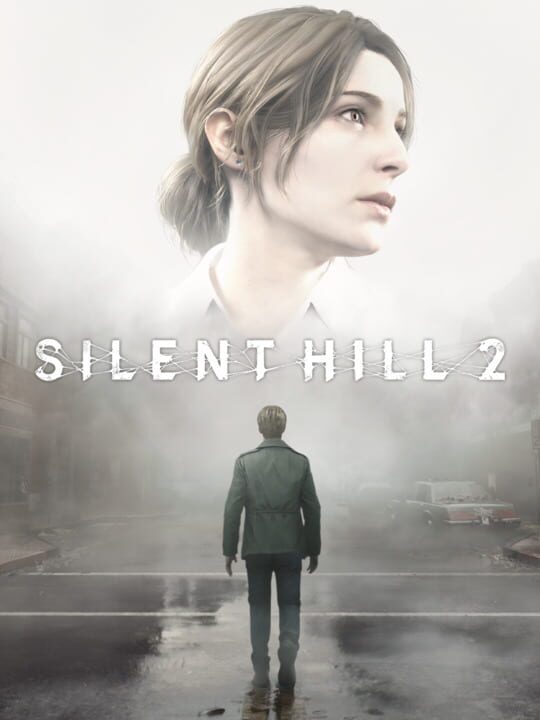
Silent Hill 2
Silent Hill 2 Remake is a ground-up reimagining of the 2001 psychological horror game. It follows James Sunderland as he searches for his deceased wife in the fog-shrouded town of Silent Hill. The remake features entirely rebuilt visuals in Unreal Engine 5, over-the-shoulder game
Released
October 8, 2024
Developer
Bloober Team
Publisher
Konami


2. Castlevania: Symphony of the Night
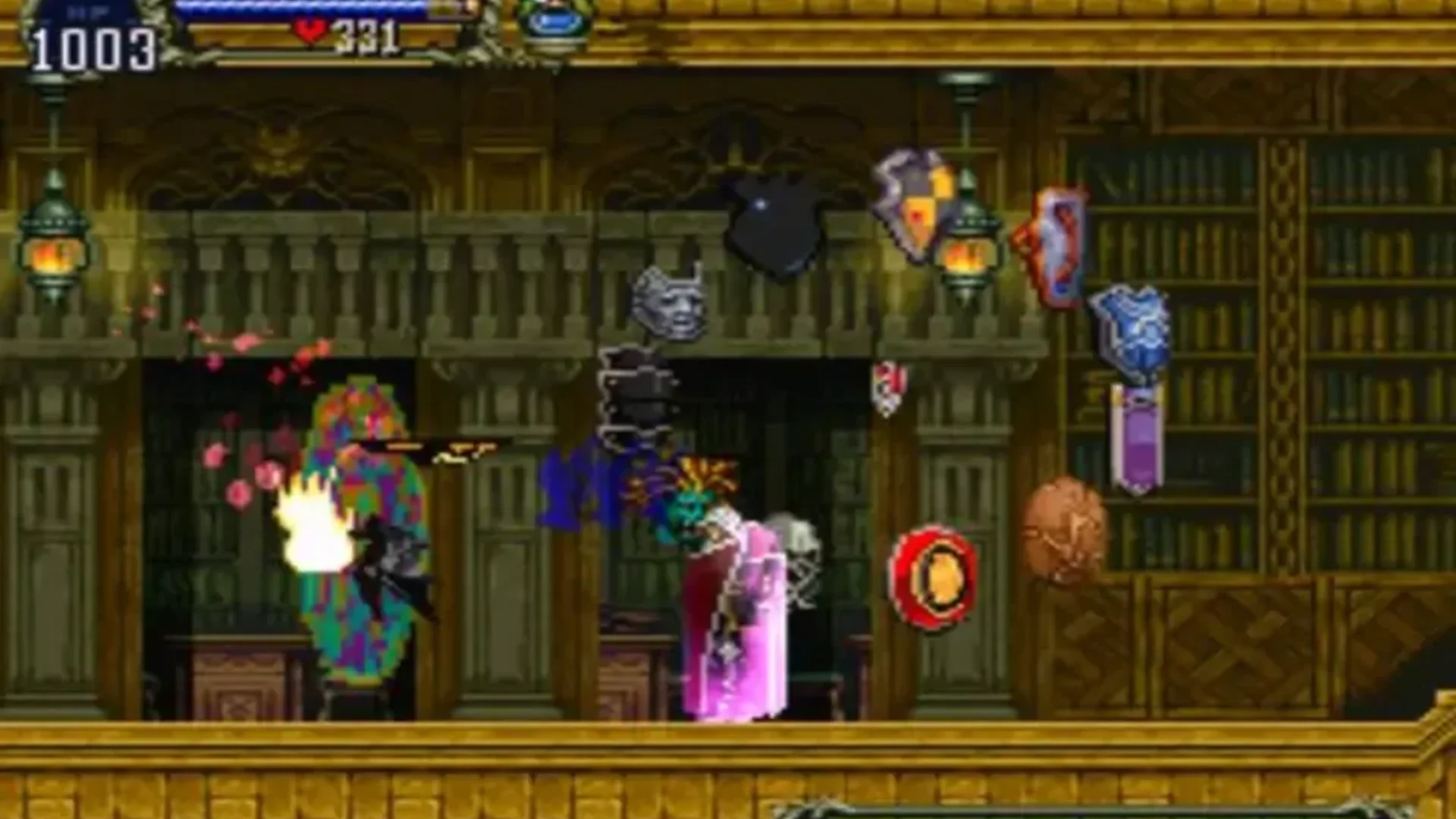
Alucard enters Dracula's castle in Castlevania: Symphony of the Night with enough power to tear through its opening rooms, then loses that equipment and has to rebuild. This is a side-scrolling action RPG where progress depends on learning the castle as much as raising statistics. A ledge that first looks decorative becomes a route once the double jump is found. Mist passes through barriers, while the bat form turns high shafts into connections between distant areas.
Weapons do more than replace one damage number with another. Their reach changes how close Alucard must stand, and some hide commands or secondary attacks the game never formally teaches. Spells are similarly available before the player knows the inputs. The castle keeps rewarding suspicion with breakable walls and rooms beyond the edge of the expected map.
Character growth eventually ruins much of the combat balance. A lucky weapon drop can make ordinary enemies irrelevant, and the Inverted Castle reuses the first map with fewer ability gates to guide exploration. Moving through the same architecture upside down is a remarkable reveal, but the second journey is less carefully paced. The first castle had already established a richer model for exploration than most of the games that later adopted the genre's name.
Having been awoken from his eternal slumber by the reappearance of Castlevania, Alucard must once again face the evil minions of darkness. Use your vampiric powers, along with weapons, potions, and other magical relics to change the tide of battle. A mixture of platform and role
Released
March 20, 1997
Developer
Konami Computer Entertainment Tokyo
Publisher
Konami
1. Metal Gear Solid 3: Snake Eater
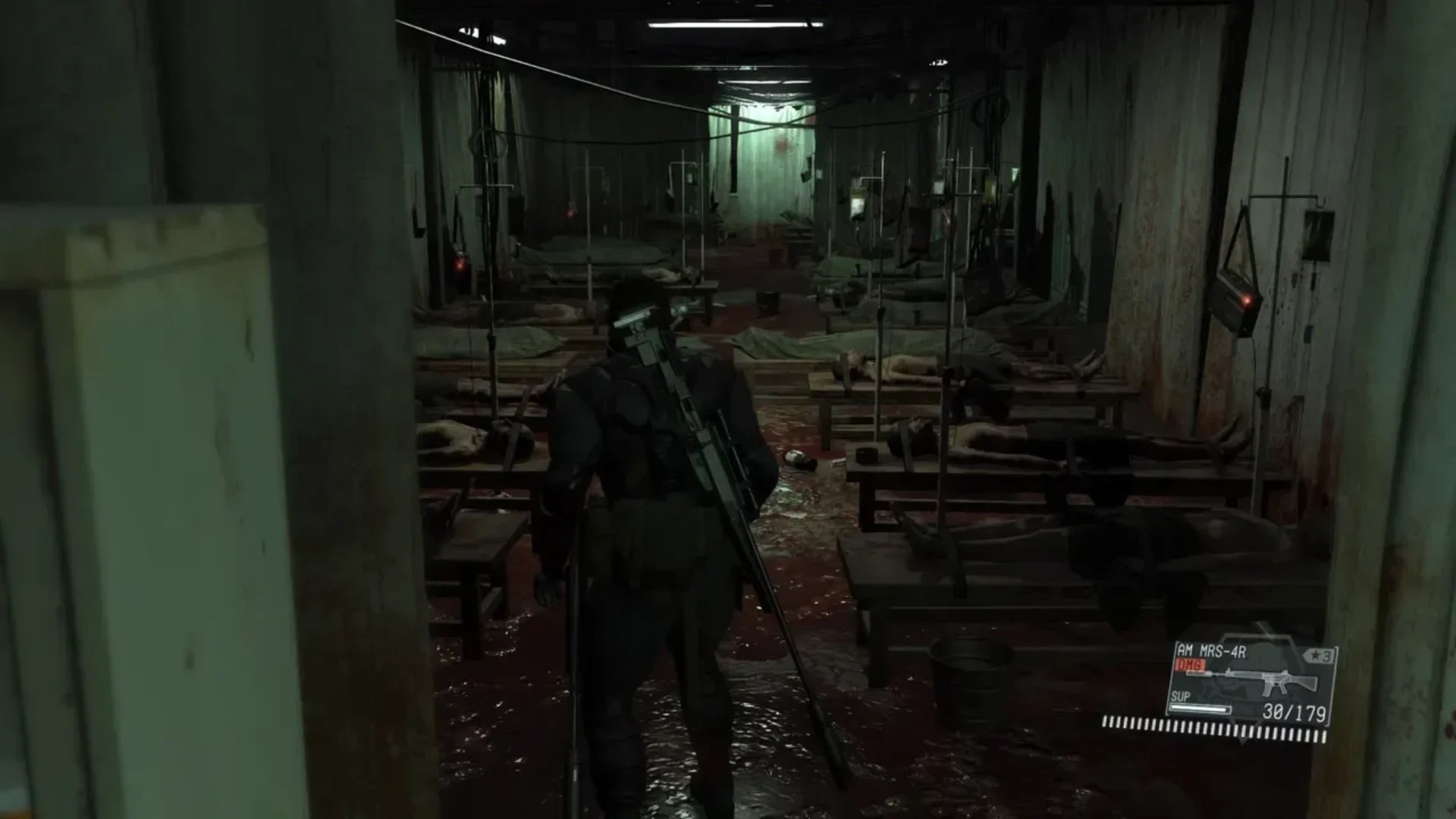
The stealth adventure Metal Gear Solid 3: Snake Eater sends Naked Snake through a Soviet jungle without the dependable radar used in earlier games. Camouflage becomes the main measure of exposure. Face paint and uniforms change the Camo Index according to the surrounding ground, but movement can undo the advantage immediately. Tall grass protects a patient crawl and exposes a hurried run.
Stamina connects the jungle to Snake's performance. Food restores it, while injuries need the correct treatment in the Survival Viewer. Those systems can be fussy, especially when changing camouflage requires another visit to a menu. They still make the environment relevant to stealth instead of leaving it as scenery.
The fight with The End develops that design across several connected areas. The elderly sniper can be located through sound or tracks. A brief reflection from his scope may expose him from farther away. Players can counter-snipe from a distance or search for a route behind him. It is a long contest of observation that permits several correct plans without turning into an open-world checklist.
The original camera and pressure-sensitive controls have aged poorly, although Subsistence and the 2025 Delta remake provide more practical ways to play. Neither version needs to redesign the mission beneath them. Its survival systems keep the Cold War operation rooted in the jungle, while the bosses test the same patience demanded by ordinary patrols. Konami filled the game with competing ideas without losing sight of Snake's journey.
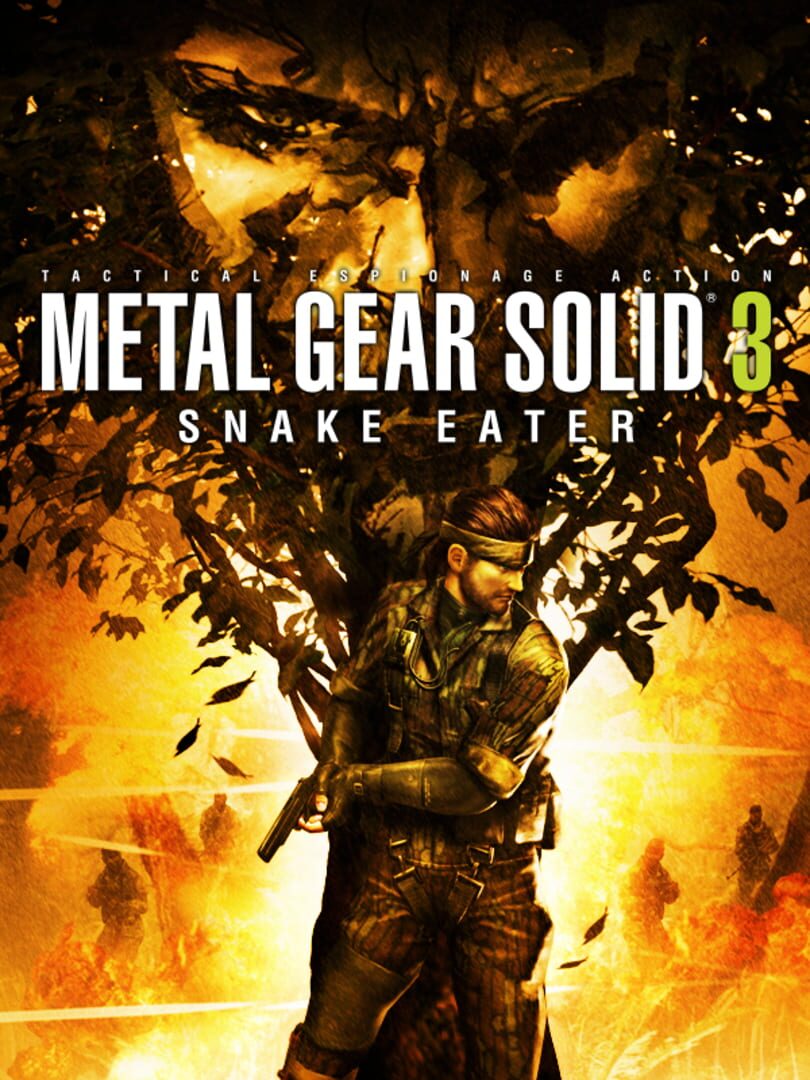
Metal Gear Solid 3: Snake Eater is the prequel to the entire Metal Gear series. Most of the series' defining gameplay elements have been carried over and as before, Snake must use stealth and wits rather than brute force to infiltrate enemy zones and eliminate his major adversari
Released
November 17, 2004
Developer
Konami Computer Entertainment Japan
Publisher
Konami
Tagged In
Discussion
0We want to hear from you. Share your perspective in the comments below, and please keep the conversation respectful.
Log in to join the discussion - vote, reply, and share your take.
Log In