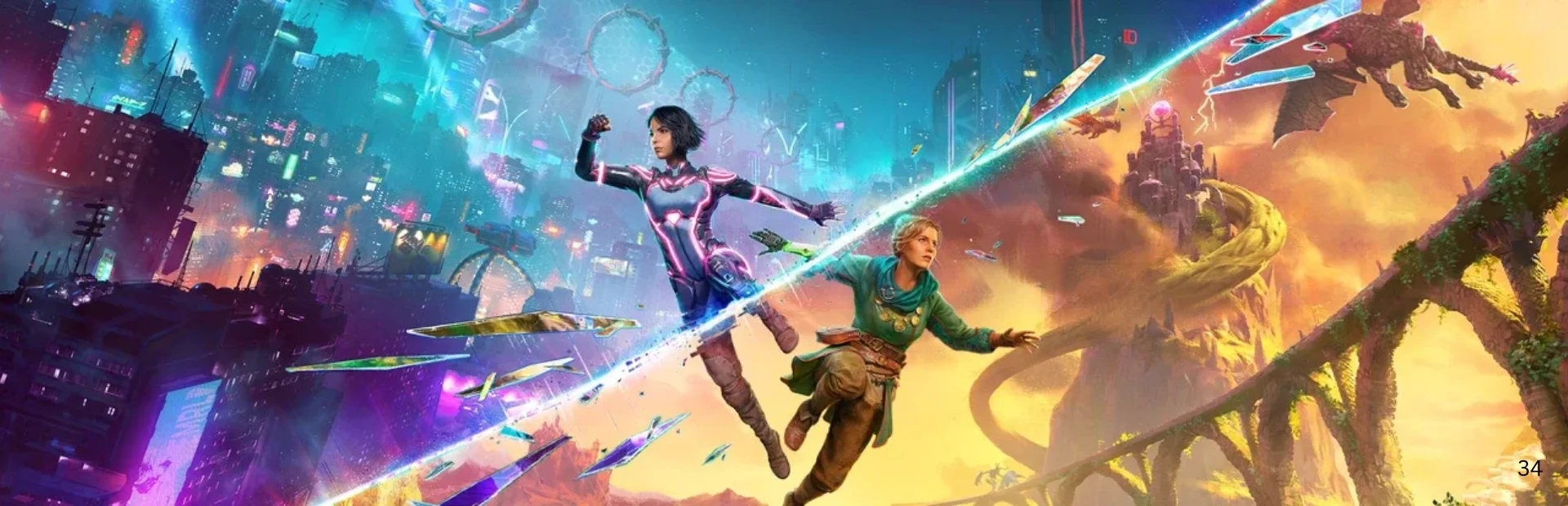
The 7 Best Multiplayer Games
These games would lose their best moments if everyone else were controlled by a computer.
A good multiplayer match leaves room for somebody to do the unexpected. The shot you were sure would score gets cleared off the line. A careful extraction ends when a teammate calls an airstrike on the landing zone. The rules matter because another person can break the plan.
Competitive and cooperative games both qualify here, whether the group shares a couch or meets online. A large audience is not enough on its own. Each pick gives another human a job that a bot cannot convincingly fill.
7. Split Fiction
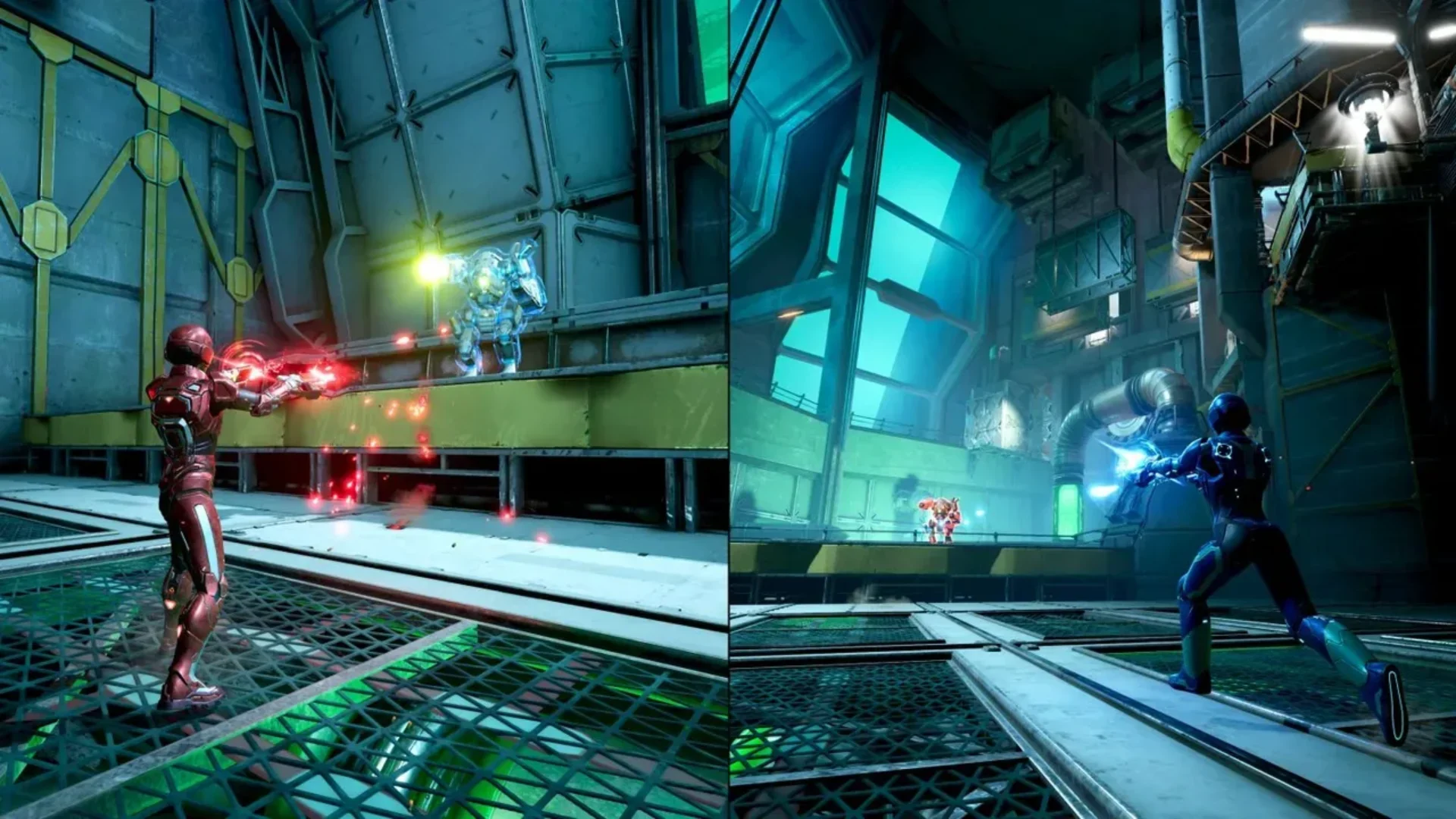
Split Fiction is a two-person adventure about writers Mio and Zoe, who become trapped inside simulations of their own stories. There is no solo option. One copy is enough for online play through the Friend's Pass, and cross-play removes most of the usual trouble around choosing a platform.
The screen remains divided even online, so each person can see what is happening to the other. That matters when Mio is dealing with a machine on one side while Zoe is waiting for its effect on hers. A later fantasy chapter gives both women dragons, but the better moments come from watching a partner understand a new rule without needing it explained. Neither person gets stuck doing the same job for long.
6. Helldivers 2
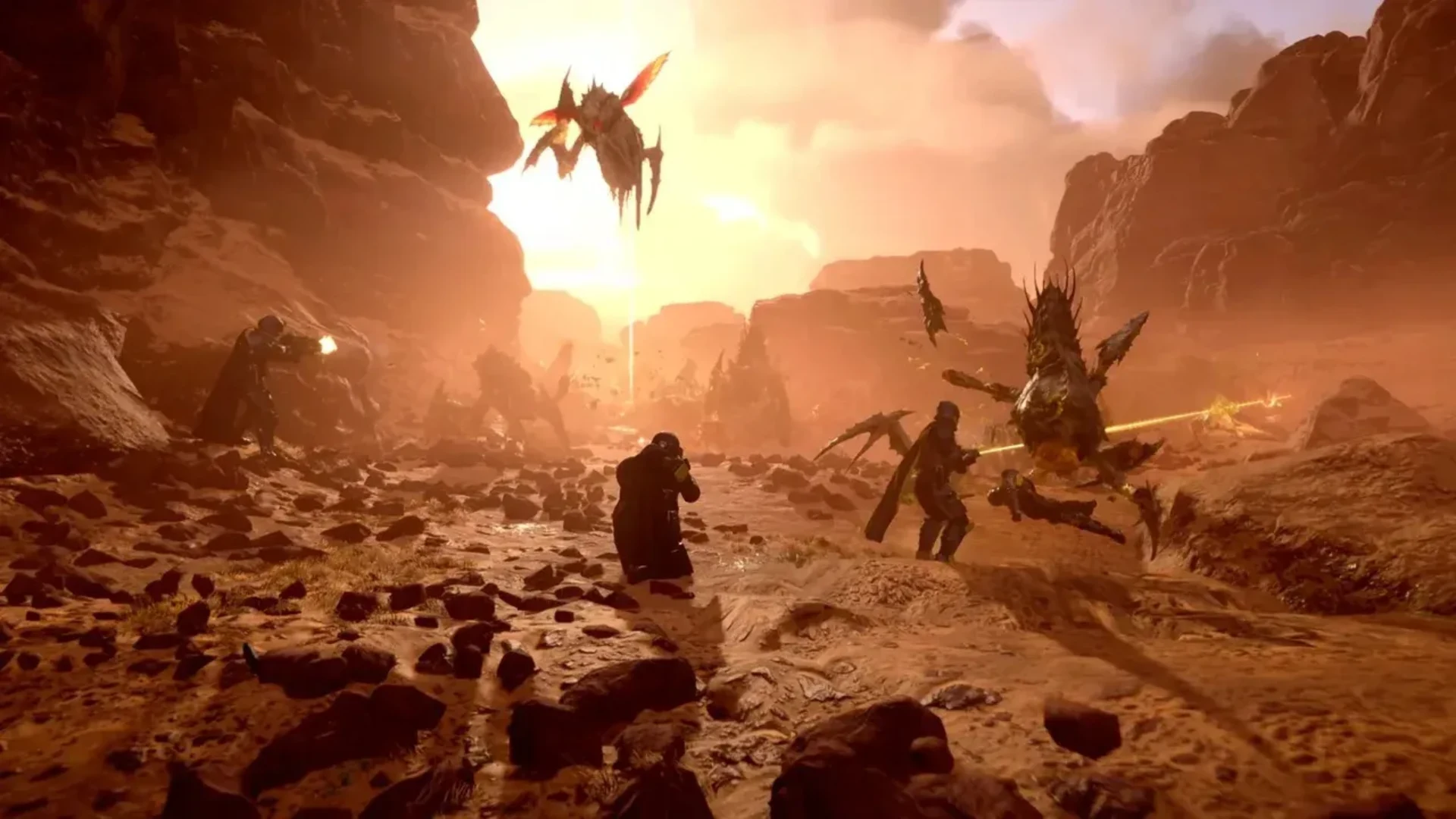
Helldivers 2 sends squads of up to four soldiers onto hostile planets to complete military objectives for Super Earth. Support equipment arrives through Stratagems called in with directional inputs. None of it is as important as the fact that friendly fire is always active.
An orbital strike can clear an objective, but its red targeting beam also forces the whole squad to move. A careless throw turns an organized defense into a sprint away from your own weapon. Death is common rather than final. A surviving squadmate can call in a reinforcement, and the returning Hellpod may crush whatever it lands on. The shared Galactic War can feel more like theater than strategy, but individual missions produce mistakes that are funny because everyone knows exactly who caused them.
5. Rocket League
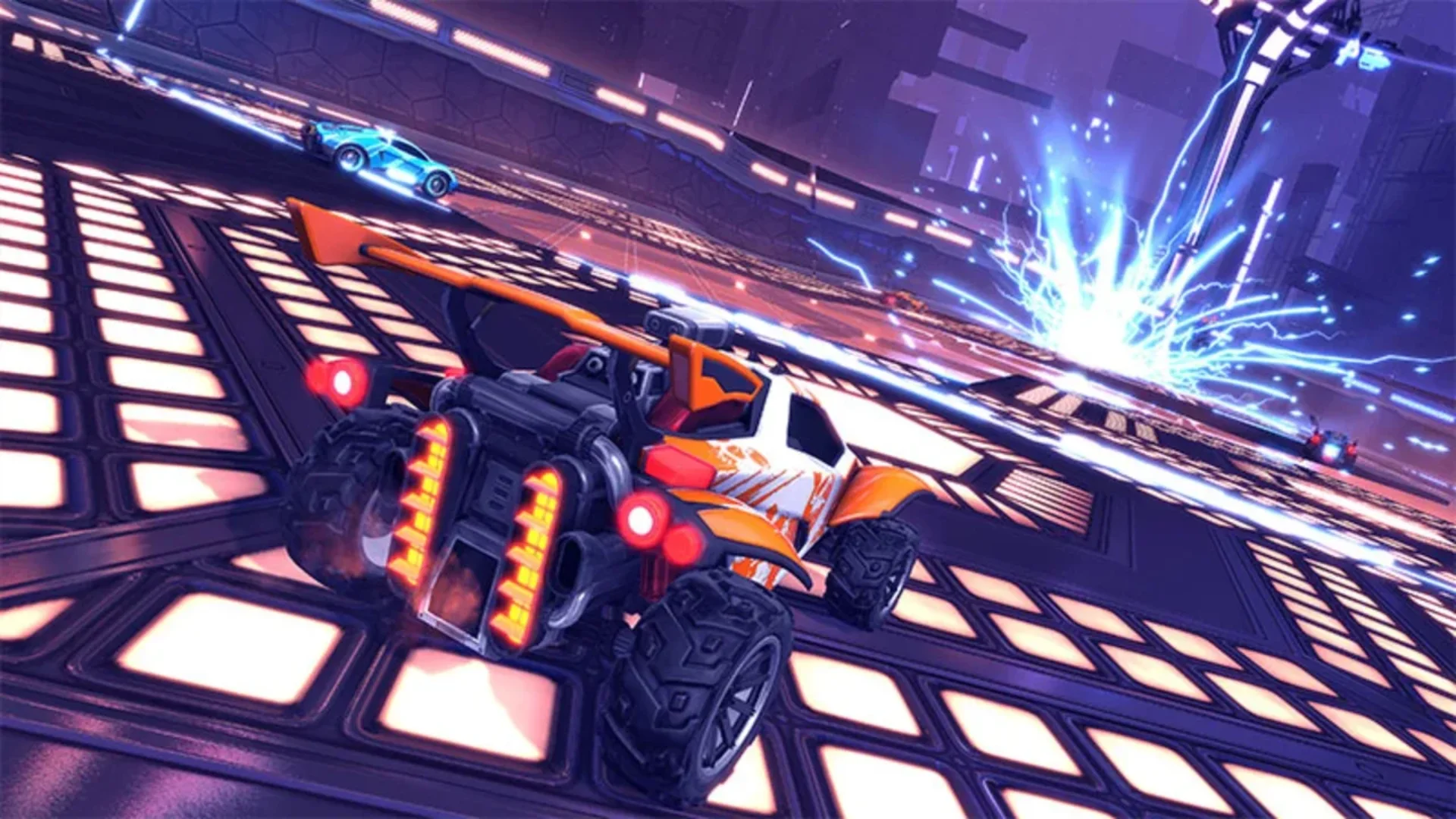
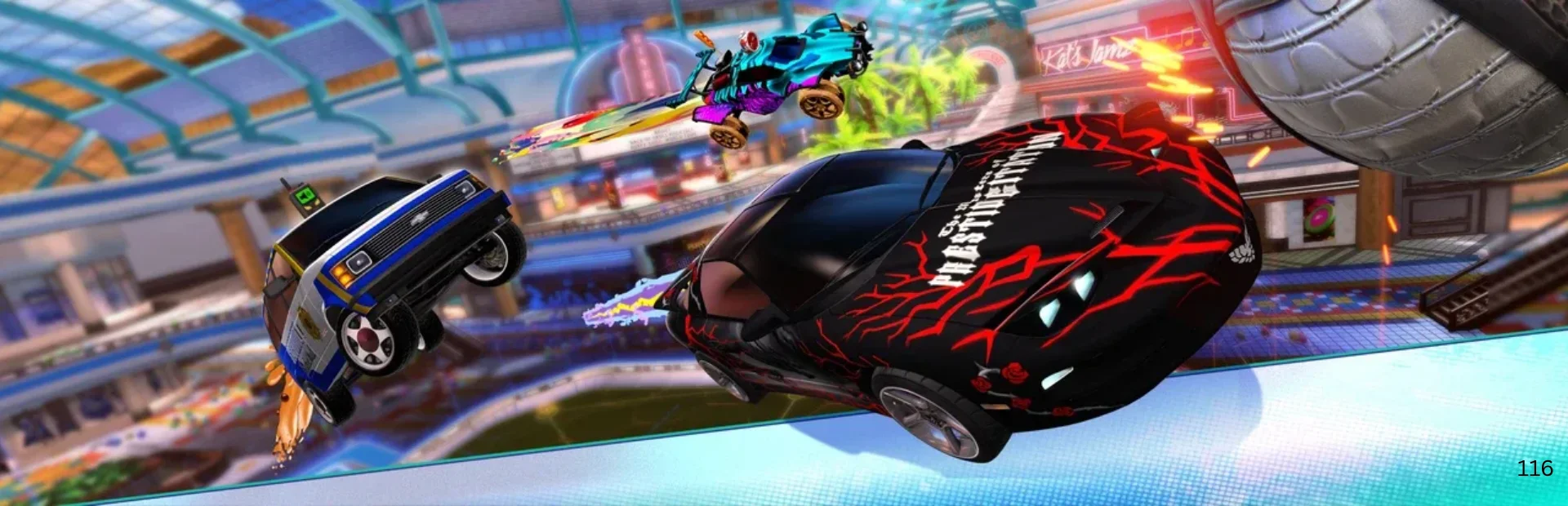
Rocket League is soccer played with rocket-powered cars. The standard competitive match puts two teams of three on a closed field for five minutes. Every car follows the same physics, and the ball responds consistently no matter who hits it. That simplicity leaves nowhere to hide.
Newcomers struggle to make clean contact, while experienced drivers can meet the ball above the crossbar. Team play begins with something less impressive than an aerial goal. Knowing when to rotate out of attack lets the next car challenge at speed and keeps somebody between the ball and an empty net. A teammate who chases every touch can ruin that shape within seconds. The rules take minutes to learn, but reading five other drivers never becomes automatic.
4. League of Legends
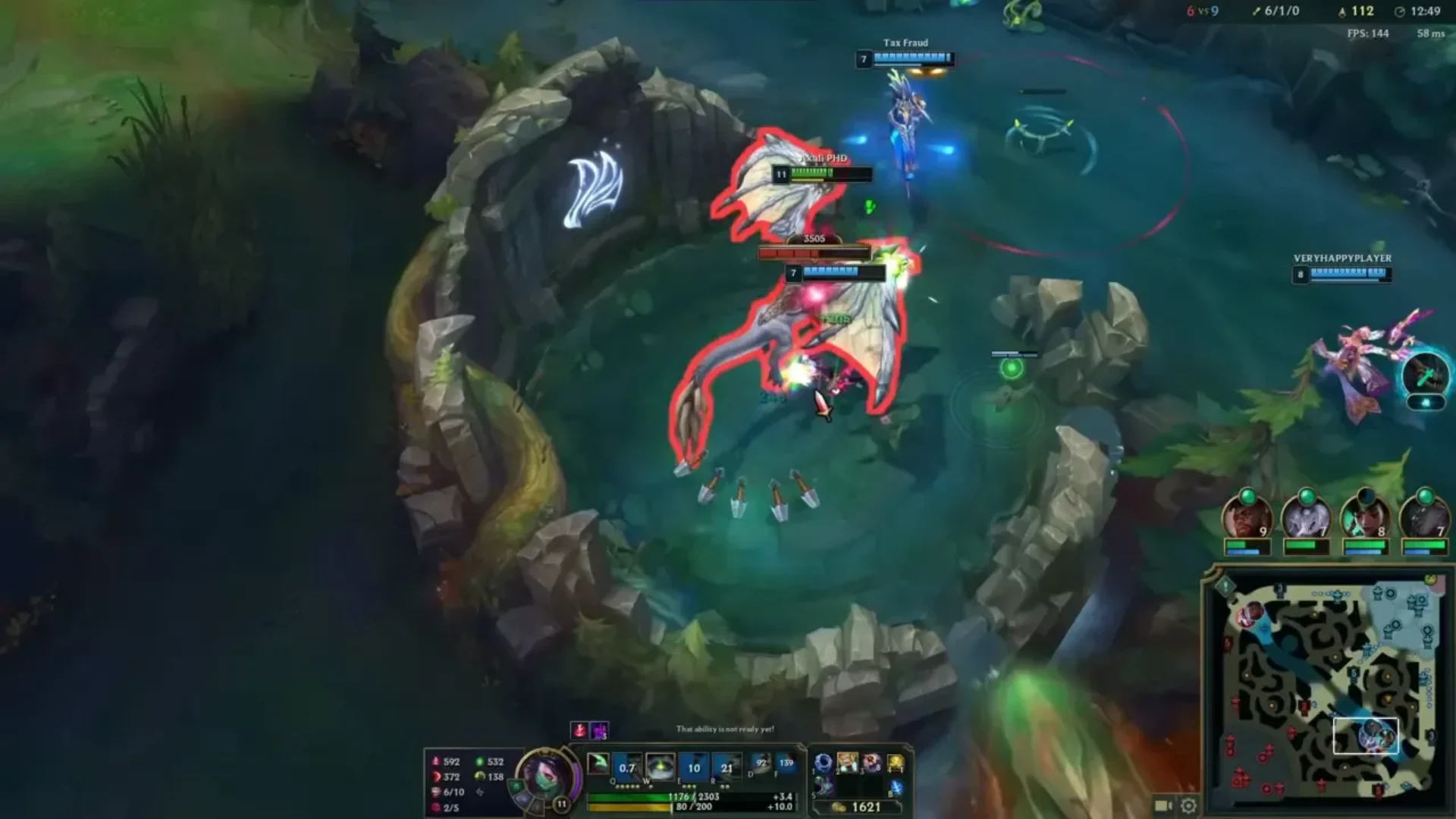
In League of Legends, two teams of five try to reach and destroy the opposing Nexus. A match begins with champions spread across Summoner's Rift, where killing minions provides the gold needed for better items. The laning phase looks like a series of separate fights until the jungler appears from outside a ward's vision.
That threat makes information a team resource. A missing opponent can be more important than the minions in front of you, and one warning may stop another lane from giving away a kill. Later fights turn on whether everyone commits to the same target or arrives at the same objective on time.
The number of champions makes the first months difficult, and hostile chat can make ordinary mistakes feel worse than they are. Once a regular group understands its roles, League offers a kind of coordination that few competitive games can match.
3. Fortnite
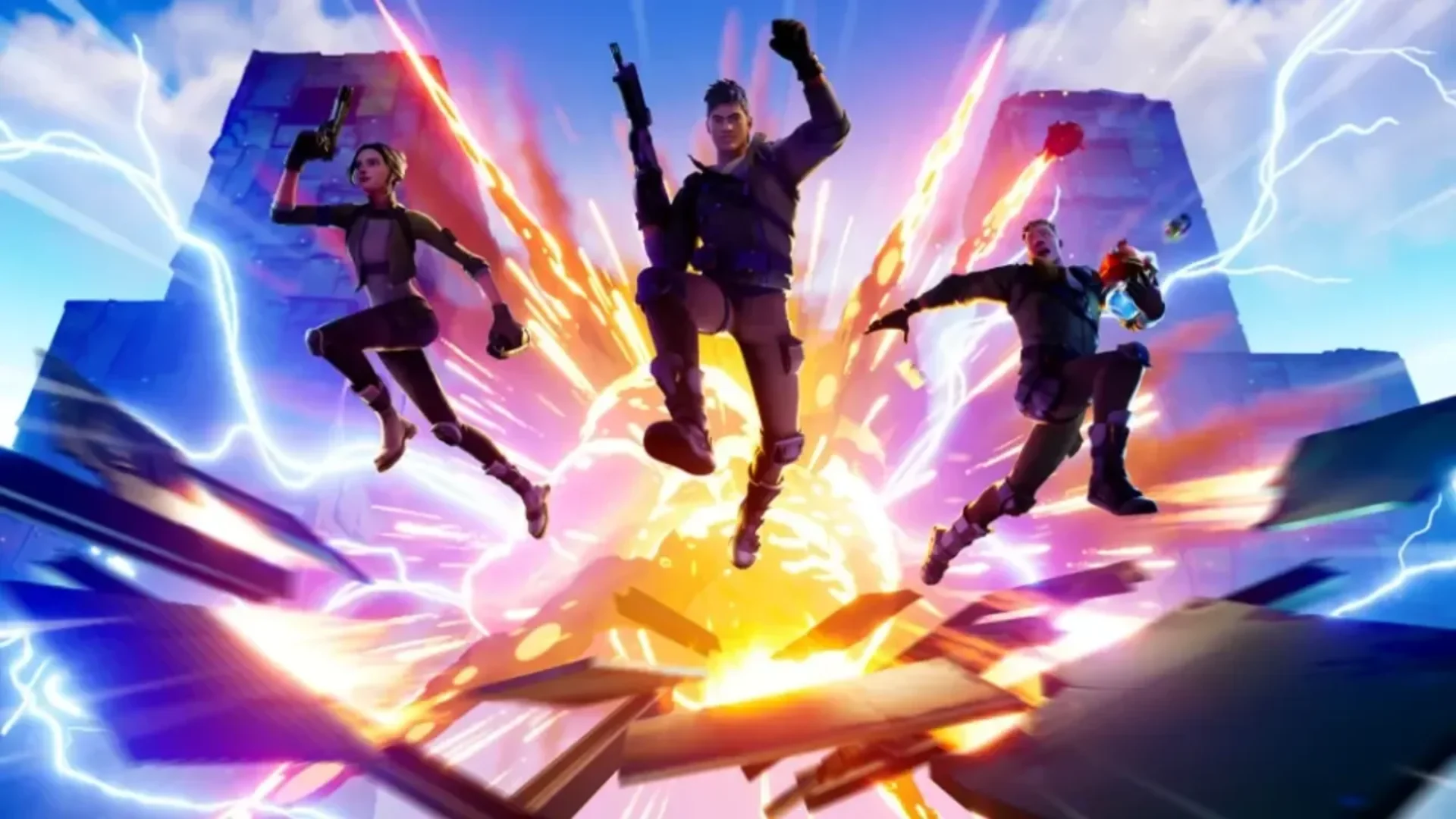
Fortnite Battle Royale drops competitors onto an island where the safe area keeps shrinking until one person or squad remains. Its defining idea is still building. Wood gathered a minute earlier can become a wall during a firefight, so an opponent with the worse position can create better cover before the next shot lands.
Squads make construction more useful than a display of editing speed. One teammate can box in a downed ally while another starts the revive. Zero Build removes that option and adds a recharging Overshield, shifting attention toward natural cover instead. The arsenal changes often enough to keep old habits from settling, though losing a favorite item to the Vault can be exhausting.
Finding the main modes inside the crowded Discover menu is now harder than understanding them.
2. Counter-Strike 2
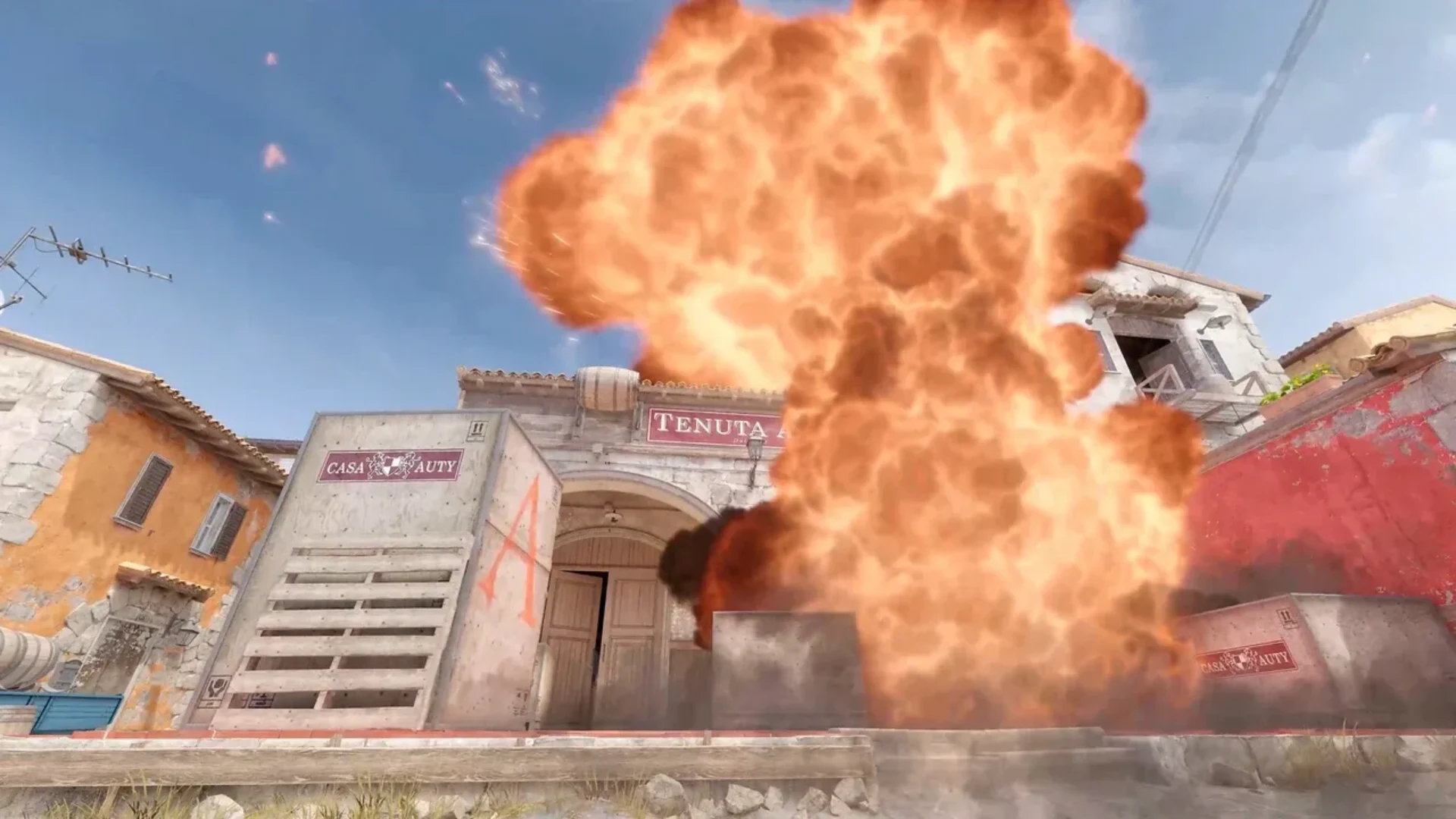
Counter-Strike 2 is a five-against-five tactical shooter built around short rounds and a single life. Terrorists try to plant a bomb at one of two sites. Counter-Terrorists have to stop the plant or defuse it before the timer expires. A rifle can kill with one accurate shot, which makes every unchecked corner dangerous.
The economy connects one round to the next. Saving an AWP after a site is lost may help more than attempting a desperate retake. The decision affects the whole team because equipment needs to be bought again after death. Communication is just as practical. On Mirage, a smoke that misses Window by a meter leaves an angle open that everybody believed was covered.
CS2 still asks a lot from anyone entering alone. Useful callouts assume knowledge of each map, and a bad voice channel can make a close match miserable. With a team that communicates, its tension comes from how little information is certain. Footsteps stop, the clock keeps moving, and five people must decide whether the silence means a rotation or a trap.
1. Minecraft
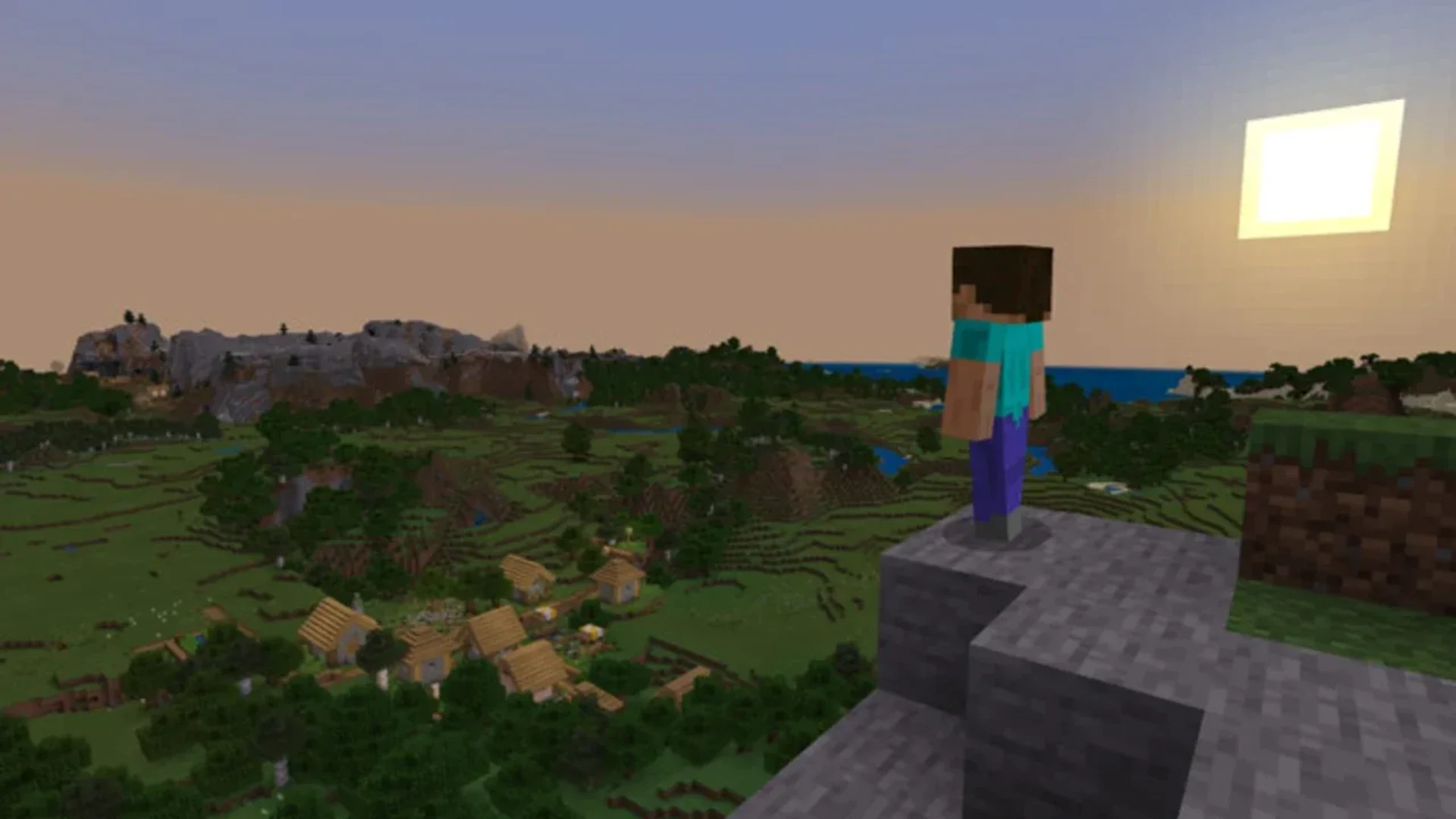
Minecraft is a block-based survival game where a blank world becomes whatever its inhabitants decide to make. Alone, the first night is a scramble for shelter. With friends, that shelter immediately becomes a negotiation. Somebody places the door in the wrong wall, and a temporary room starts growing in a direction nobody planned.
Multiplayer changes more than the speed of gathering materials. A mine can become a railway because another person sees a use for the tunnel. Supplies left in a chest may save someone who joins hours later. The game does not assign formal roles, so groups create their own responsibilities through habit. Public servers take the same blocks much further, building competitive modes and economies on top of them.
Java and Bedrock users still cannot join the same Realm, which is an awkward divide for a game available on so many devices. Once a shared world is running, it can remain online while its owner is away. Returning after a few days often means finding paths and rooms that did not exist when you logged out.
Minecraft focuses on allowing the player to explore, interact with, and modify a dynamically generated map made of one-cubic-meter-sized blocks. In addition to blocks, the environment features plants, mobs, and items. Some activities in the game include mining for ore, fighting h
Released
November 18, 2011
Developer
Mojang Studios
Publisher
Mojang Studios


Tagged In
Discussion
0We want to hear from you. Share your perspective in the comments below, and please keep the conversation respectful.
Log in to join the discussion - vote, reply, and share your take.
Log In