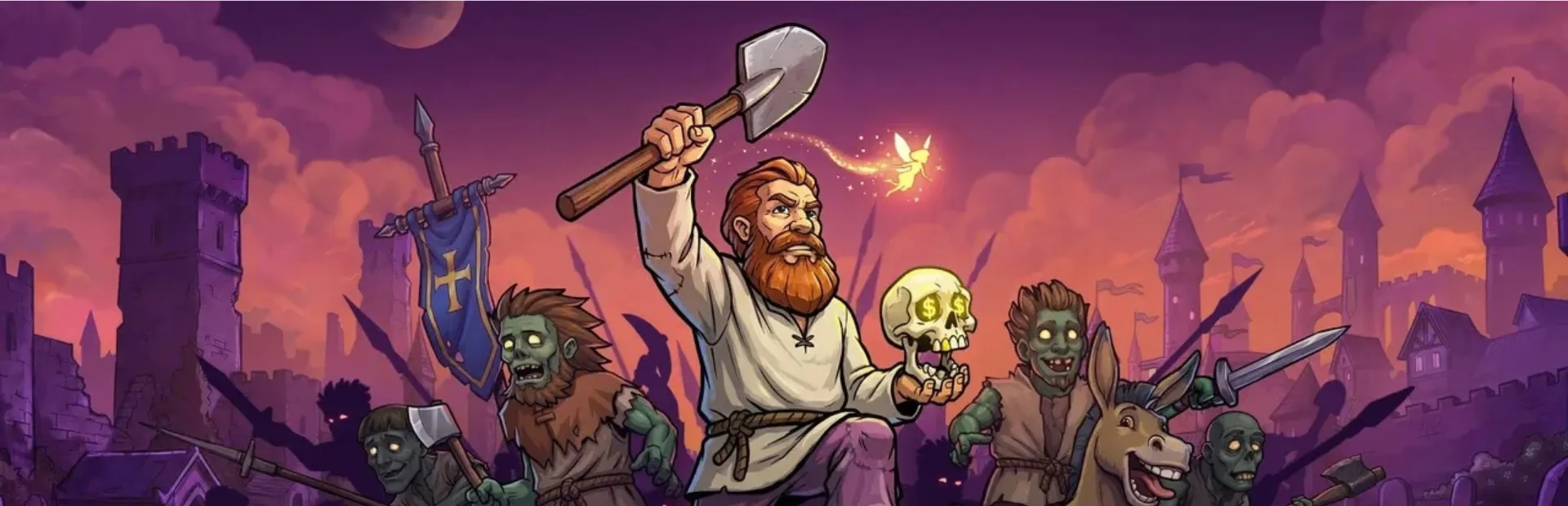
Graveyard Keeper 2 review: More to manage, more worth building
Graveyard Keeper 2 turns the original’s busywork into a more rewarding management loop. Better quest tracking, deeper automation and rebuilding The Town give every resource a clearer purpose, even when the new systems become overwhelming.
Graveyard Keeper was easy to lose hours in once its systems clicked. A request for one metal part could send you from the mine to the furnace, into the technology tree and back across the map, while corpses kept arriving and NPC schedules carried on without you. That chaos was part of the appeal, but the game often made you work too hard just to figure out what came next.
Graveyard Keeper 2 organises that workload much better. Quests are clearer, zombies can take over production, and the wood, stone and metal piling up around the workshop now
feed into rebuilding The Town and securing new districts.
It still loves a detour, but a new workstation, zombie worker or restored district usually keeps paying off long after the original request is finished.
There is always another job to do
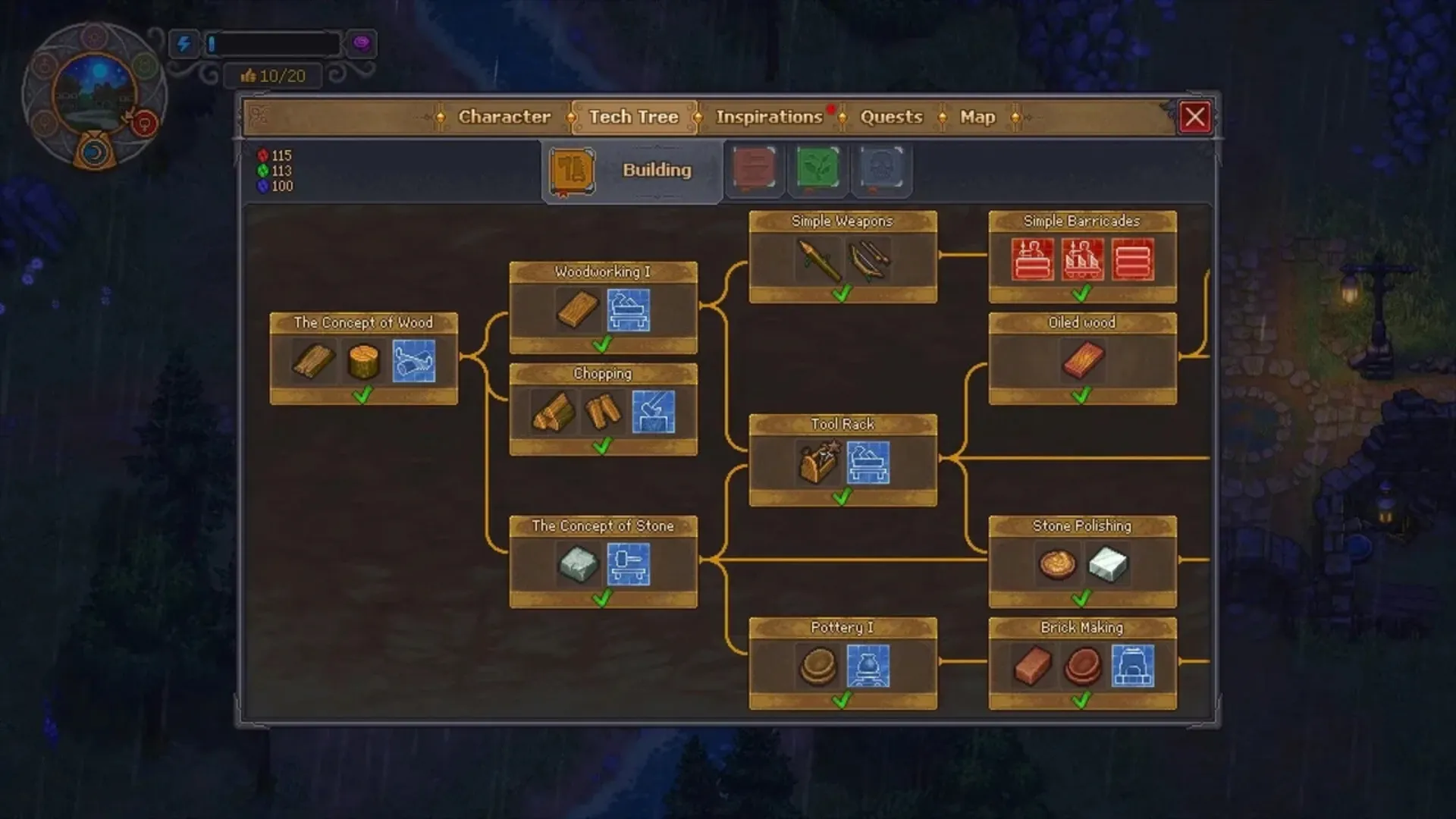
Graveyard Keeper 2 is much better at telling you what needs doing. The quest tracker keeps open requests visible and breaks longer questlines into stages, which makes it easier to return to a job after spending half a day somewhere else.
Keeping track of the work is only part of it, though. With several quests open at once, the real challenge is deciding what gets your time and materials first. A metal component may need ore, a furnace, another workstation and a technology unlock before you can make it. This means preparing extra materials can save time, since leftover iron or a newly built station often covers the next job as well.
That planning becomes more involved once Mastery and Talents join the technology tree. Improving proficiency can reduce the work or energy certain tasks require, while several upgrades also draw from the same supply of Faith. There are usually multiple ways to spend what you have, and the game is not always clear about which upgrade will help most with the jobs already waiting.
The result is a game that is easier to follow without becoming quieter. Before long, several furnaces, benches and processing stations may all need attention at once. Running them all yourself gets tedious quickly, which gives the zombie workers a clear job to take over.
Zombies can take over the repetitive work
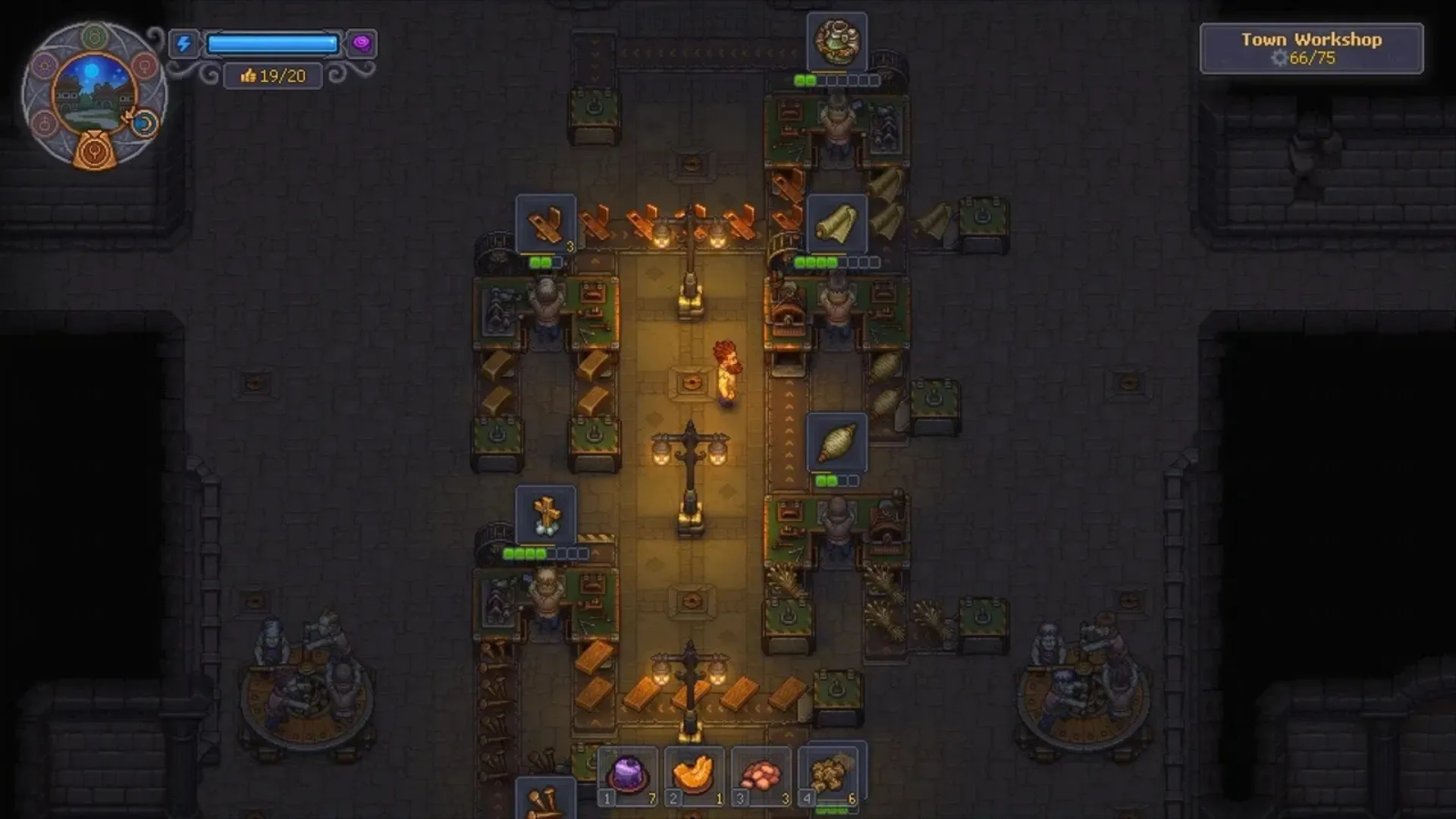
Zombie workers already handled repetitive jobs in the first Graveyard Keeper, but the sequel makes them much more central to how you run the workshop. Assign one to production and another to supplying materials, and a station can keep running while you return to the morgue, tend the farm or deal with something in town.
Getting a zombie to run a station properly involves more than assigning it to a bench. Each worker has its own Mastery requirements, needs the right tools and still depends on materials reaching the correct station. A zombie can be standing at the correct workstation and still produce nothing because its Mastery is too low, it lacks the required tool or the materials have not reached the station yet.
The game does not always make clear which of those is blocking production, so an idle worker can send you back through its requirements, equipment and supplier setup one by one. Time saved on production is quickly lost if you have to keep diagnosing why a worker has stopped.
Once several workers are running properly, the workshop becomes much easier to manage. Wood, stone and crafted parts keep accumulating in the background, and shortages that once sent you back to the same station can be handled automatically. One zombie can make a component while another keeps the next stage of production supplied.
That extra capacity becomes increasingly important as The Town begins asking for larger amounts of those same materials.
The Town pulls the game beyond the graveyard
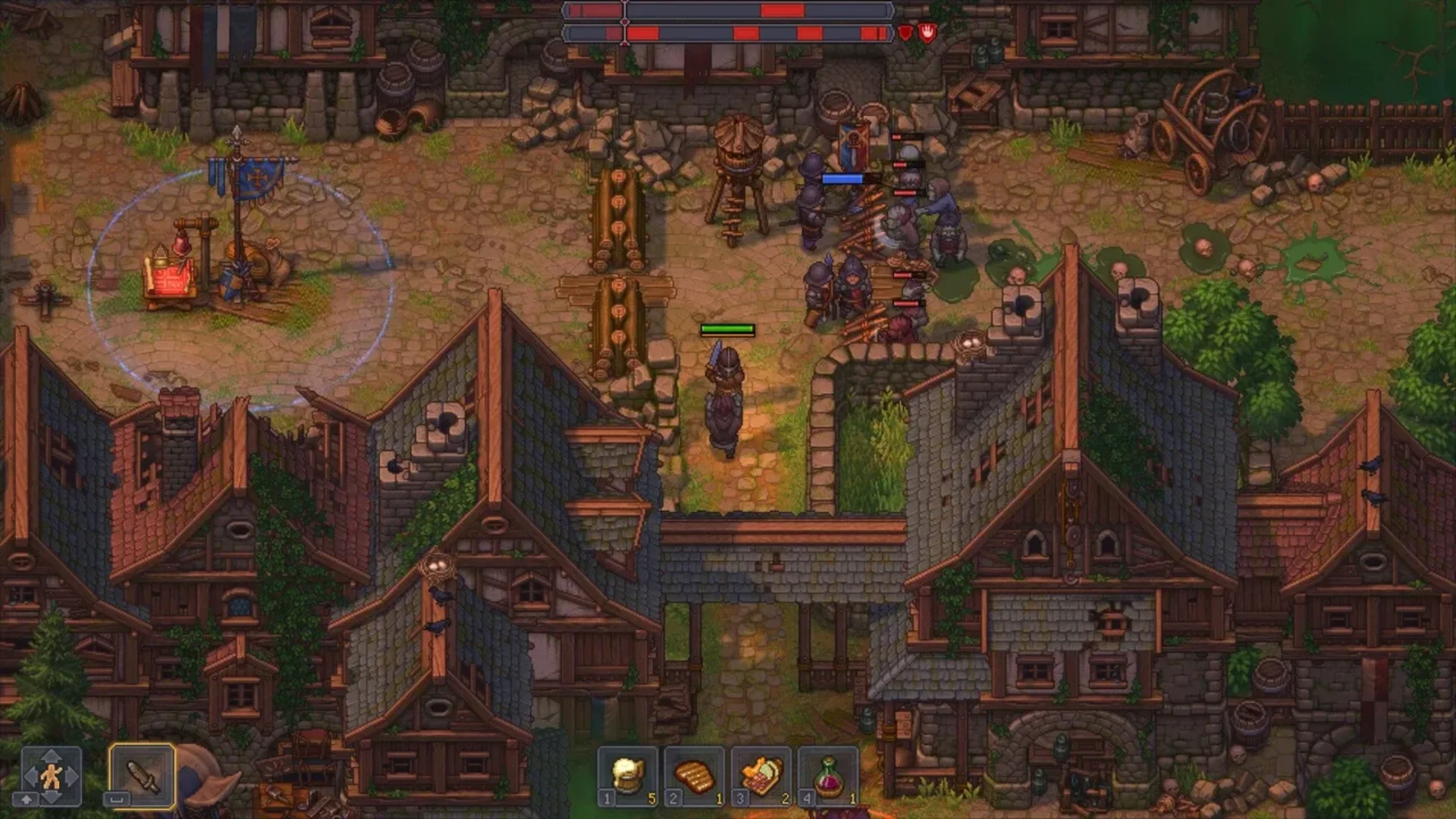
Restoring The Town is the sequel's biggest addition, and it quickly becomes one of the main reasons to keep expanding your workshop. Districts need homes, businesses and infrastructure, so wood, stone and crafted parts that once would have gone into another workstation can now rebuild an entire part of the settlement.
Rebuilding those districts also gives something back. Commercial spaces create places for your goods, expansion opens access to new resources, and improving The Town can even affect the quality of corpses arriving at the graveyard. Some districts have to be fought for first, with zombie squads, barricades and towers used to hold off enemies or capture control points. Combat is fairly simple, but troops and defences need supplies of their own, giving the workshop another reason to keep producing.
The trade-off is that the cemetery no longer sits at the centre of everything. Corpse quality, grave designs and decorations still shape how you develop it, but Town projects, zombie production and district work regularly compete for the same materials and attention.
You might occasionally miss the stronger focus of the first game, even as rebuilding The Town gave all that production a much more visible payoff.
The world feels busier around you
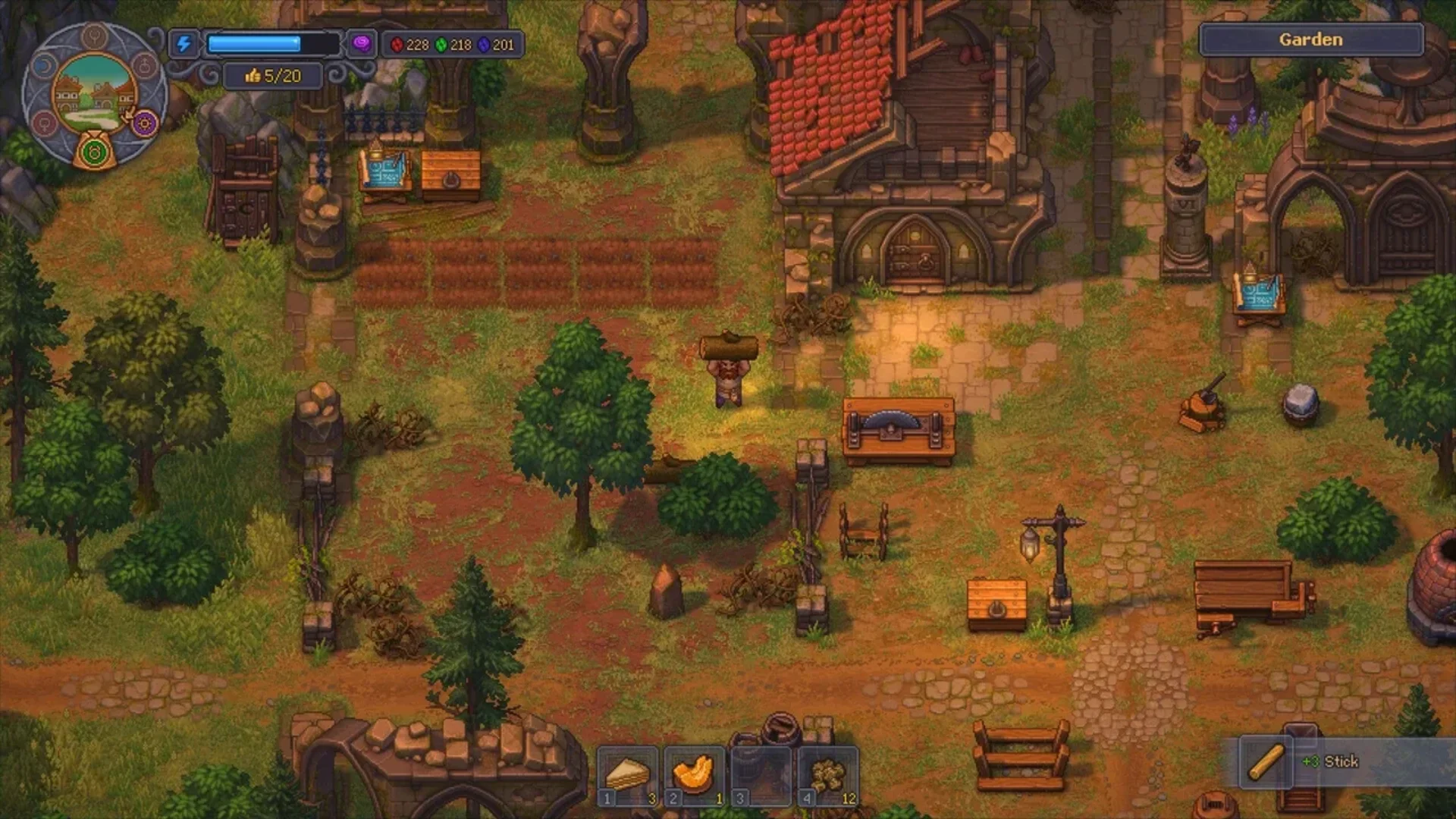
Graveyard Keeper 2 keeps the same fixed perspective, but the world looks noticeably richer. Environments now use 3D geometry, with better lighting, dynamic shadows and changing weather giving familiar areas more depth without losing the look of the original.
Full English voice acting also gives the cast more personality. Larry is still one of the standouts, with a dry delivery that fits a game where corpses and zombie labour are treated as part of the daily routine.
The extra presentation can get in the way, though. Some conversations run long when you already have several jobs waiting, and limited options to skip or pause certain scenes make those interruptions more noticeable.
NPC schedules are much less restrictive. Important characters are easier to find throughout the week, so quests are less likely to stall because someone only appears on a specific day. Town battles and a few other activities still follow the calendar, but they rarely get in the way as much as the old NPC schedules did.
A busier, better sequel
Graveyard Keeper 2 is a stronger sequel because it gives all that busywork somewhere better to lead. Quests are easier to follow, zombie workers can take over more of the repetitive production, and rebuilding The Town gives the wood, stone and crafted parts coming out of the workshop a much clearer purpose.
It can also become overwhelming. Mastery, Talents, Faith, production chains and Town projects all compete for attention, and the game does not always explain why a worker has stopped or which upgrade will help most. The graveyard itself also loses some of the focus it had in the first game as larger projects take over.
Technical issues add some rough edges, particularly around performance and automation, although early patches have already addressed several of them.
Even with those frustrations, there is almost always another useful job waiting. That constant pull remains one of Graveyard Keeper's biggest strengths, only now there is much more worth building towards.
The Verdict
Graveyard Keeper 2 gives the original's endless jobs a larger purpose. Zombies can automate repetitive work, while rebuilding The Town gives the workshop's output somewhere useful to go. Some tasks still demand too much preparation, and the graveyard loses some importance, but solving recurring shortages remains deeply satisfying throughout play.
The Good
- +Production chains remain absorbing once several jobs start feeding into each other
- +Zombie workers remove a lot of repetitive crafting
- +Rebuilding The Town gives stockpiled materials somewhere useful to go
- +Better quest tracking makes crowded objectives easier to follow
- +The expanded world keeps the series' dry humour
The Bad
- -Mastery, Talents and zombie requirements need clearer explanations
- -The graveyard can disappear behind larger Town projects
- -Performance and production bugs still need attention
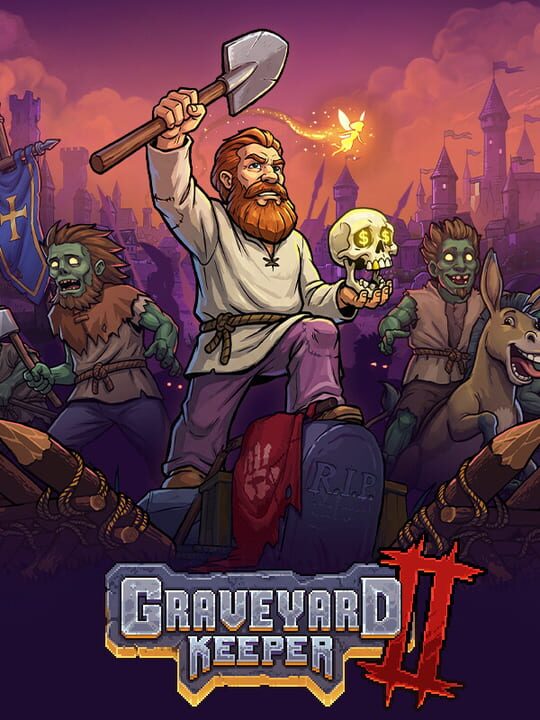
Graveyard Keeper II
The most inaccurate medieval cemetery sim is back! Restore The Town, manage the graveyard, automate production, lead your undead army into battle and turn the zombie problem into a thriving business! Graveyard Keeper 2 is the grotesque sequel that's deeper than six feet, and more
Released
September 22, 2026
Developer
Lazy Bear Games
Publisher
tinyBuild


Tagged In
Discussion
0We want to hear from you. Share your perspective in the comments below, and please keep the conversation respectful.
Log in to join the discussion - vote, reply, and share your take.
Log In