The 9 Best Square Enix Games of All Time
From NieR Automata and Chrono Trigger to Final Fantasy VI, discover the 9 best Square Enix games of all time and what makes each one stand out.
Square Enix inherited two long traditions when Square and Enix merged, yet its catalogue reaches far beyond the famous series printed on most of its anniversary merchandise. The best games in that history still reward careful decisions today, whether those choices happen during a tactical battle or across an entire second playthrough.
This ranking selects one game from each franchise and includes work created by Square or Enix before the merger. Western series that the company merely published or temporarily owned are excluded. Historical importance matters, but every entry must also remain enjoyable and reasonably accessible now.
9. Star Ocean The Second Story R
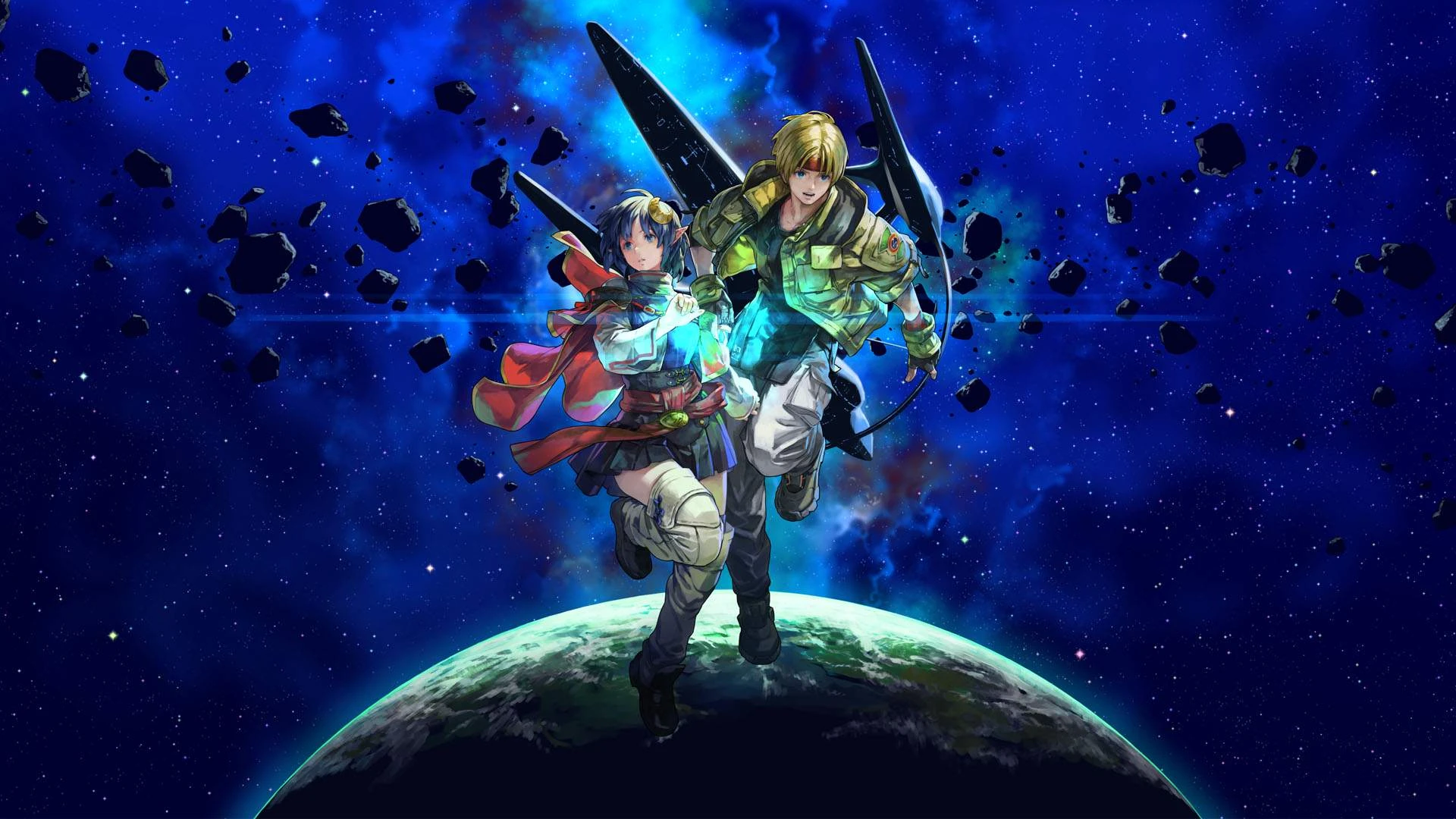
Choosing Claude or Rena before the opening scene changes more than the viewpoint, since each hero witnesses different events and can recruit companions unavailable to the other. That restricted party shapes the Private Actions found in towns, where conversations alter relationships and produce dozens of possible character endings.
Item Creation pushes the freedom further because experimenting with skills and materials can produce weapons far stronger than anything sold nearby, letting a curious player dismantle the intended difficulty curve. The remake adds clearer navigation and smoother combat systems without removing the strange combinations that made the 1998 original so easy to break, although the new Switch 2 release offers no upgrade path or save transfer from Switch.
Its central story remains conventional, but the larger weakness is that successful crafting can make later bosses feel irrelevant long before the adventure ends.
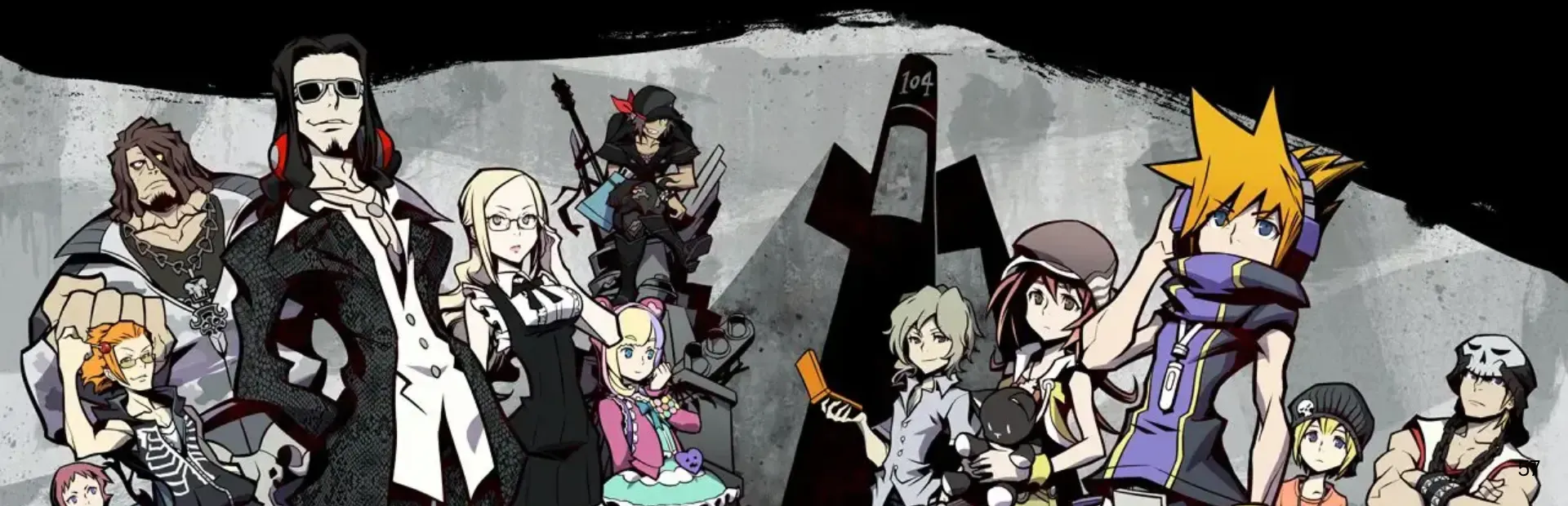
8. The World Ends with You
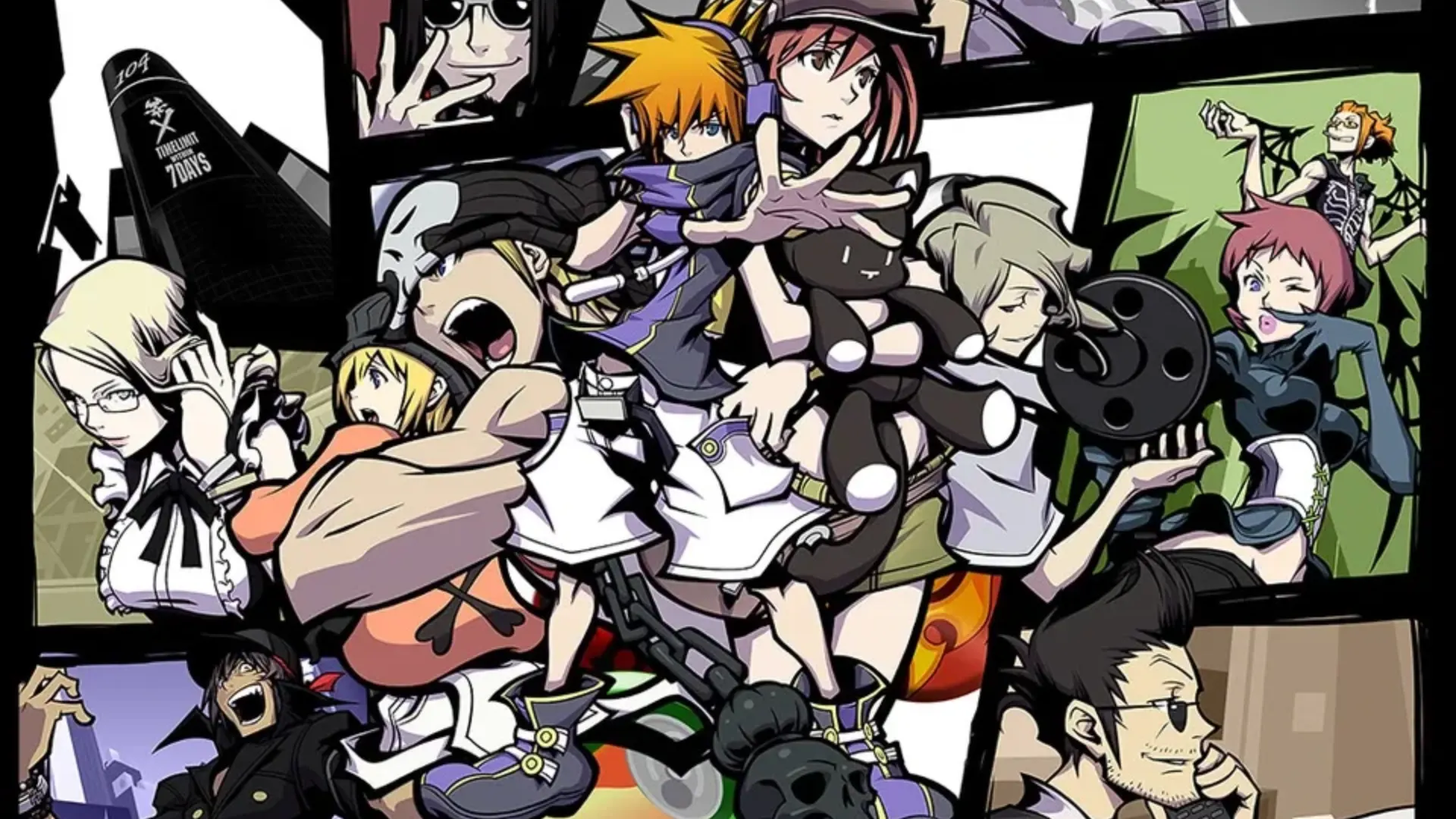
A battle in the original The World Ends with You asks you to slash enemies with the stylus on the lower screen and direct Neku's partner with buttons on the upper one. Passing attention between both characters gradually turns that initial confusion into a demanding rhythm, and collectible pins let you replace every gesture with a different attack.
Clothing grows stronger when its brand becomes fashionable in the current district, and food grants permanent bonuses only after Neku has spent enough time digesting it.
You can even lower his level or raise the difficulty before a fight, accepting greater danger in exchange for better item drops. Final Remix remains the available version and preserves the vivid Shibuya story, yet one screen cannot recreate the original design, leaving handheld touch controls serviceable and the Joy Con pointer noticeably imprecise.
7. Octopath Traveler II
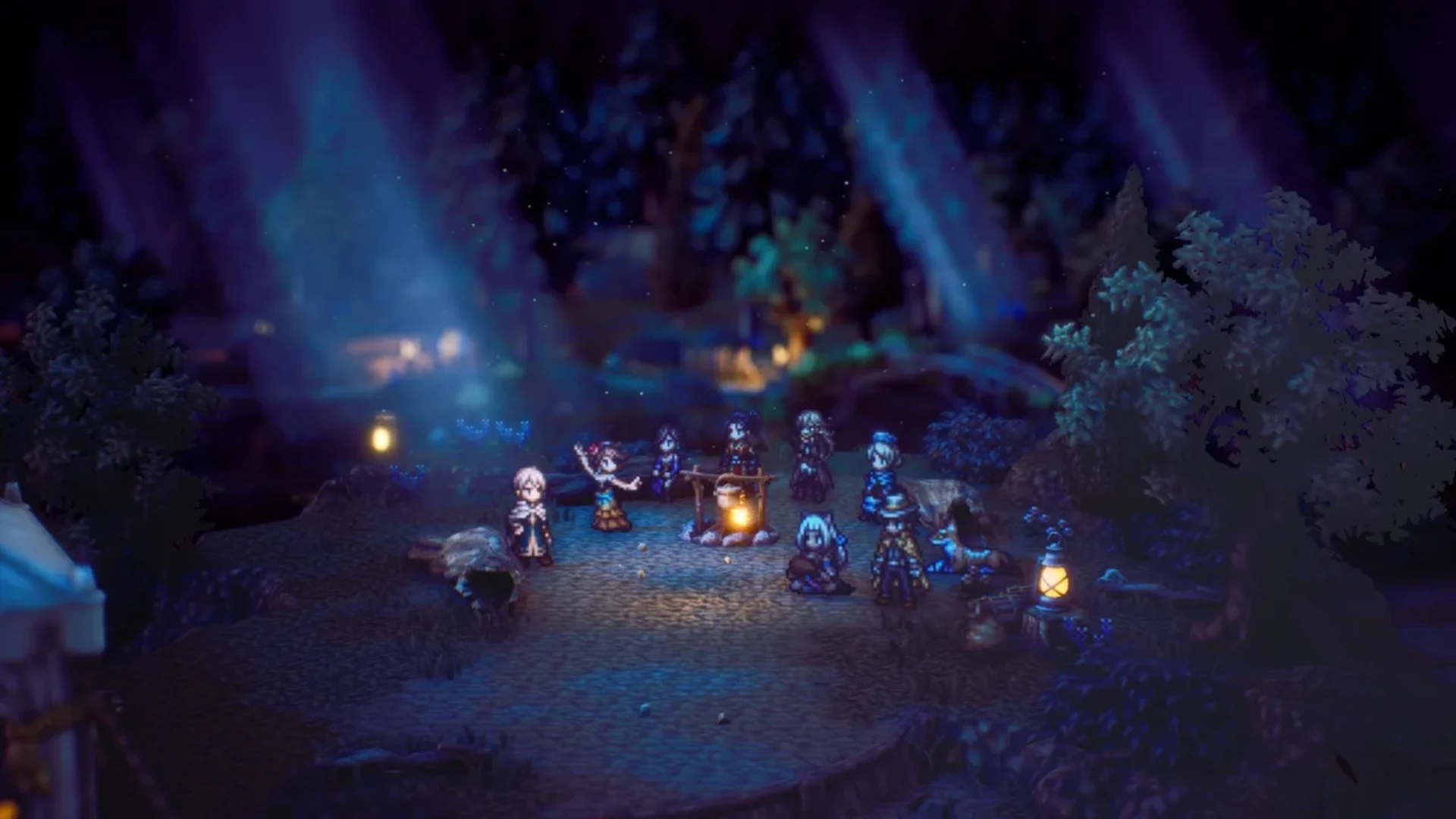
Breaking a boss begins with striking its weapon weaknesses until every shield point disappears, then spending stored Boost points during the exposed turn to multiply the damage. Secondary jobs and Latent Powers turn that simple rhythm into a flexible character builder, as Agnea can spread a normally single target support skill across the entire party.
The eight journeys can be tackled in different orders, and day or night changes which Path Actions each traveller can use to gather information or recruit help. Current versions run cleanly across modern platforms, preserving the detailed pixel art and faster battle options without needing a corrective edition.
The party still behaves more like eight people sharing transport than a group living through the same adventure, and too many dungeons repeat the same short route toward a chest and boss despite their beautiful backgrounds.
6. Tactics Ogre Reborn
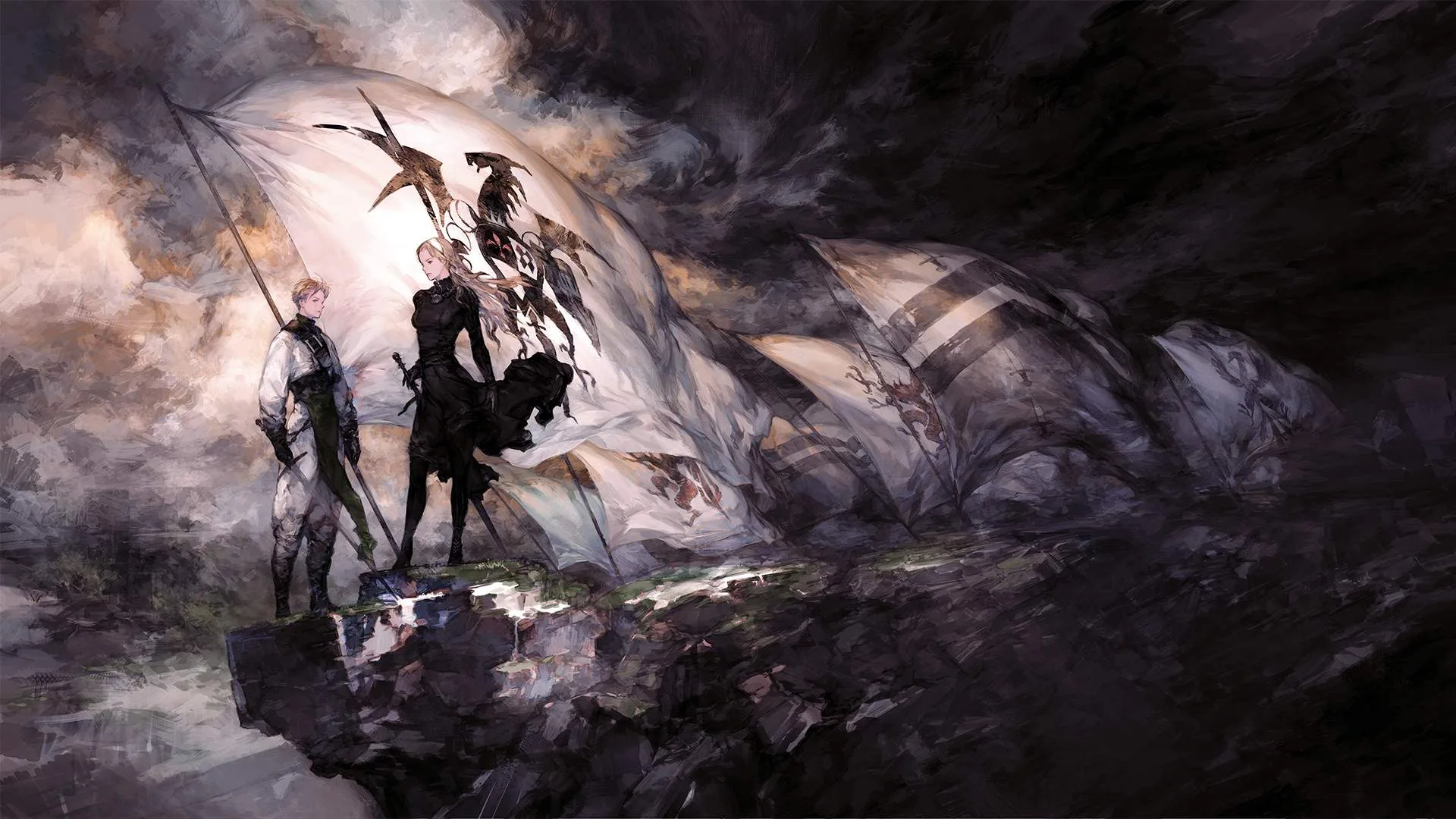
Placing an archer on high ground in Tactics Ogre Reborn extends her reach across the battlefield, and a heavily armoured knight below can block the narrow route enemies need to climb. Class combinations deepen those positional choices, but the campaign gains its real weight when Denam must support or reject political violence and sends the story down a different route.
The Chariot Tarot lets you rewind turns, and the World Tarot later revisits major decisions without forcing you to rebuild the army developed across dozens of hours. Reborn improves battle speed and enemy behaviour, then adds voices and orchestral music, although its filtered sprites look softer than the original pixel art.
Union Level caps can make progression feel artificially restricted, whereas random buff cards occasionally reward convenient movement more than careful planning, explaining why this version remains respected but divisive.
5. Kingdom Hearts II Final Mix
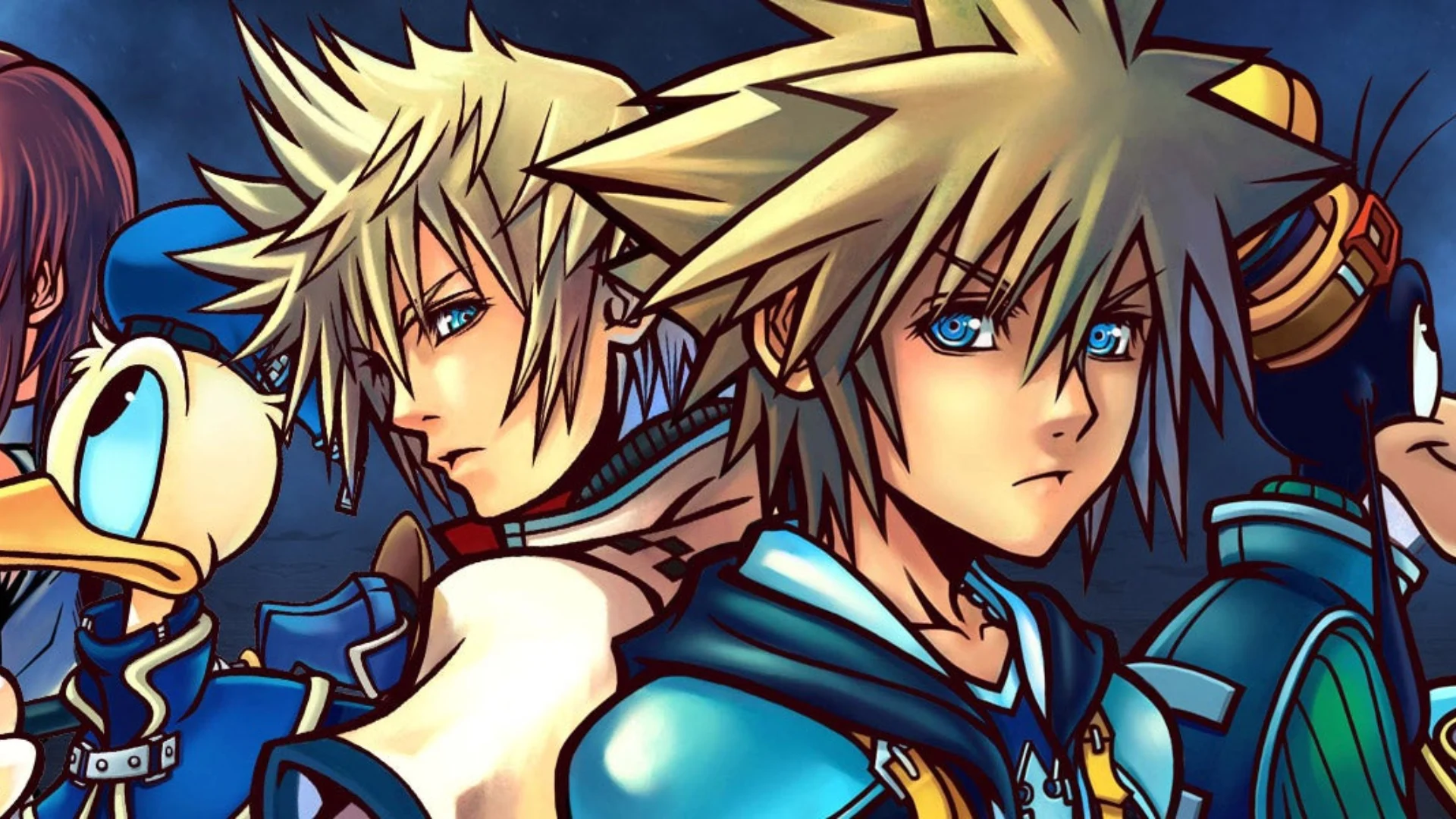
Entering a Data Organization XIII fight on Critical Mode teaches you that a long aerial combo cannot continue forever, because each boss eventually reaches a hidden Revenge Value and launches a counterattack. Aerial recovery gives Sora a chance to escape that punishment, and Keyblades and Drive Forms change his reach, movement, and access to magic.
The default difficulty hides much of this design beneath generous damage, but Critical Mode turns blocking and resource management into requirements without slowing the spectacular pace. Final Mix in the HD collections is the version to play, with native releases on PlayStation, Xbox, and PC preferable to the delisted Switch cloud edition before Nintendo versions arrive in October.
The opening hours with Roxas move slowly, and the corridor shaped worlds struggle to support a story that assumes players already understand Chain of Memories.
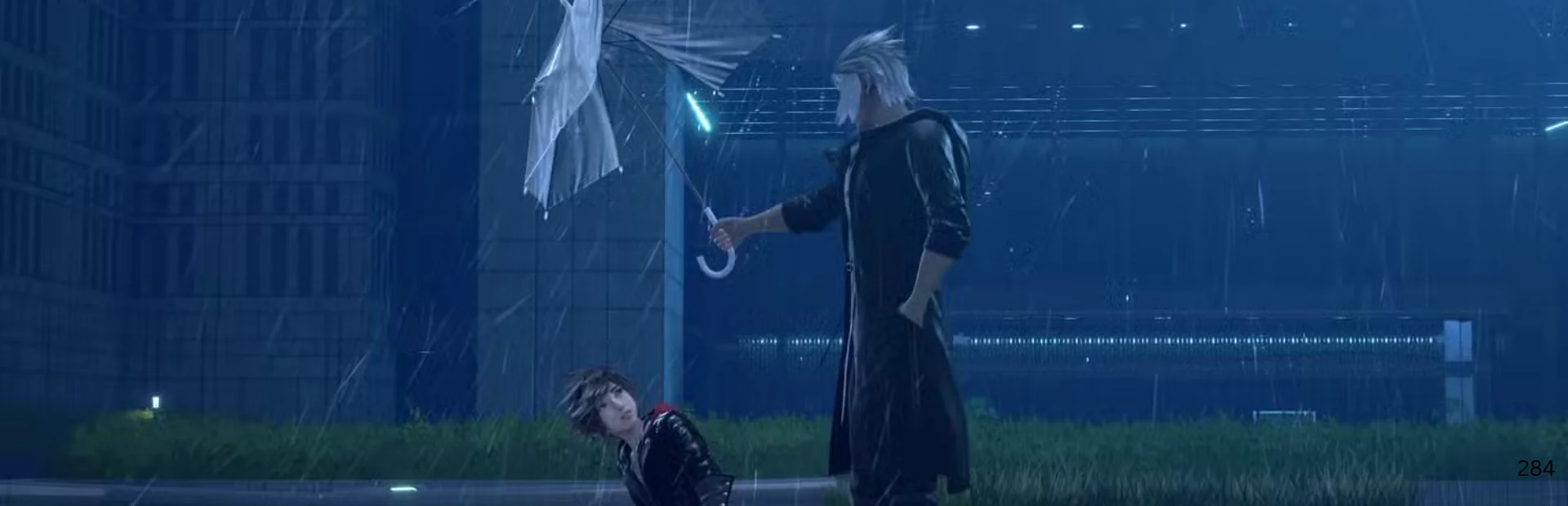
4. Dragon Quest XI S Echoes of an Elusive Age Definitive Edition
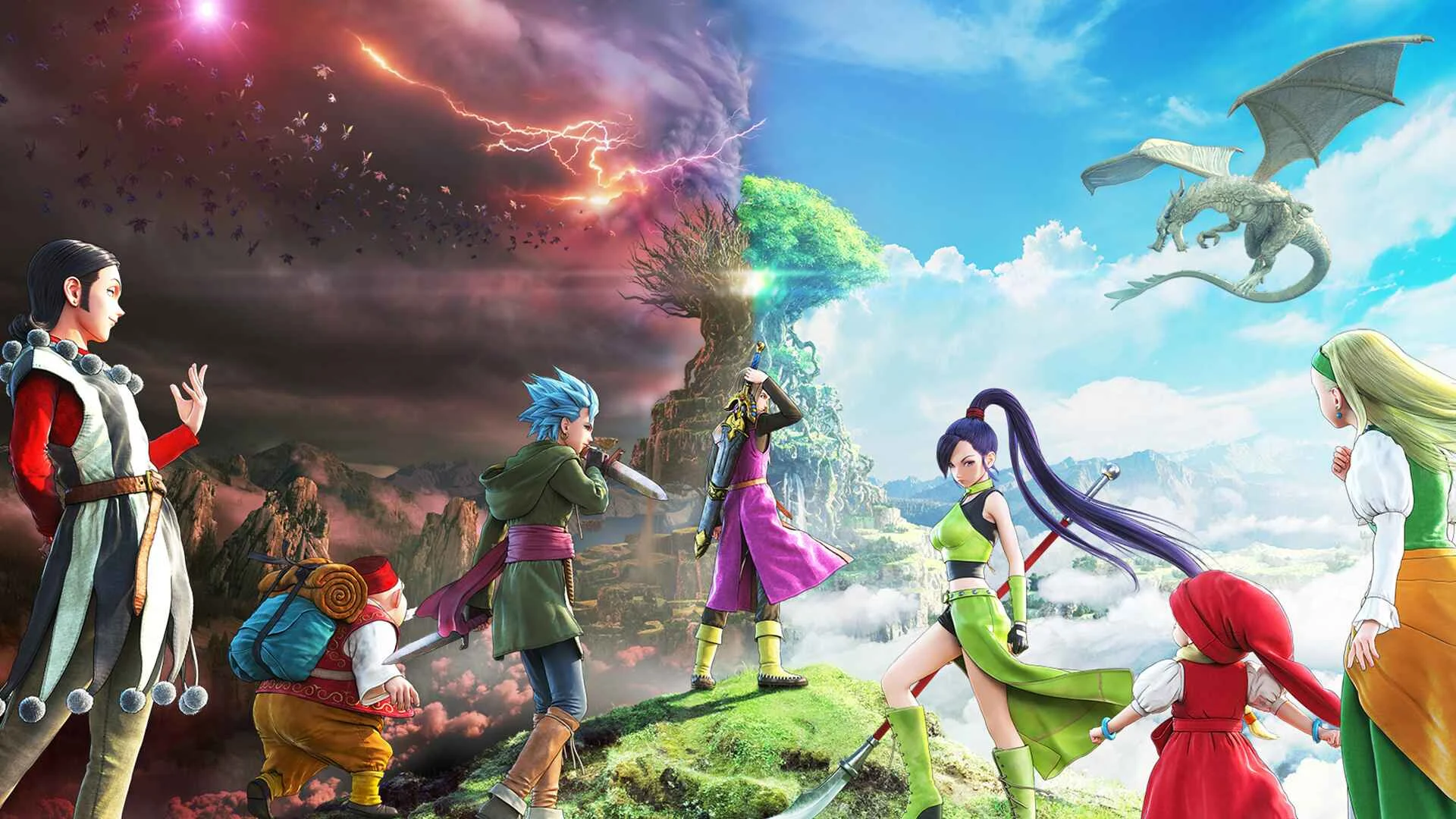
Saving a Pep Power until two party members are ready can turn a boss fight, since the resulting team attack may heal the group or deliver damage that neither character could produce alone. Character specific skill panels let Erik develop around knives or boomerangs, and instant party swapping allows another specialist to replace him when the enemy changes tactics.
Visible monsters make ordinary fights optional, and Draconian Quest settings give experienced players the challenge that the forgiving default mode lacks. The Definitive Edition adds an optional two dimensional presentation, and a dedicated Switch 2 version with graphics and performance modes is scheduled for September 24, 2026.
Its traditional structure stays inviting across a huge journey, but the repeated music becomes tiring and the extended final act asks for more time after the main story already appears complete.
3. Final Fantasy VI
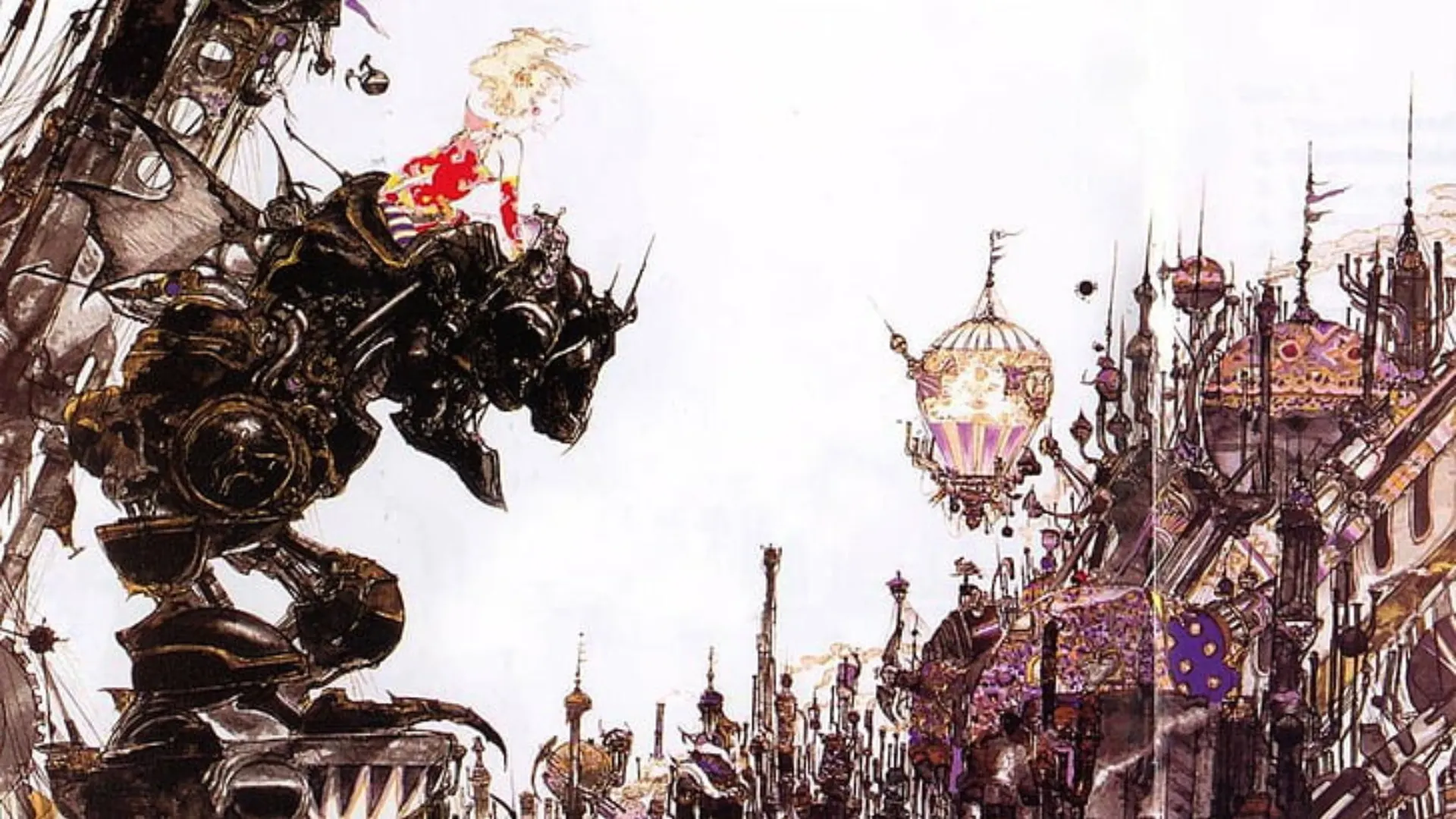
Entering Sabin's Blitz command and correctly tapping a fighting game style input turns one party member's turn into a direct test of the player's execution. Celes can absorb magic with Runic, while Locke steals from enemies and Gau learns their attacks, giving the ensemble distinct identities even before Magicite begins expanding their options.
After the world collapses, Celes awakens in a fractured version of the map where many former allies must be found again and several emotional scenes remain optional. Pixel Remaster is the easiest current recommendation because it sharpens the presentation and adds useful settings, though it omits the bonus dungeons created for the Game Boy Advance version.
Frequent random encounters can interrupt exploration, and the Magicite system eventually teaches so many characters the same spells that a deliberately varied cast starts losing some of its tactical definition.
2. Chrono Trigger
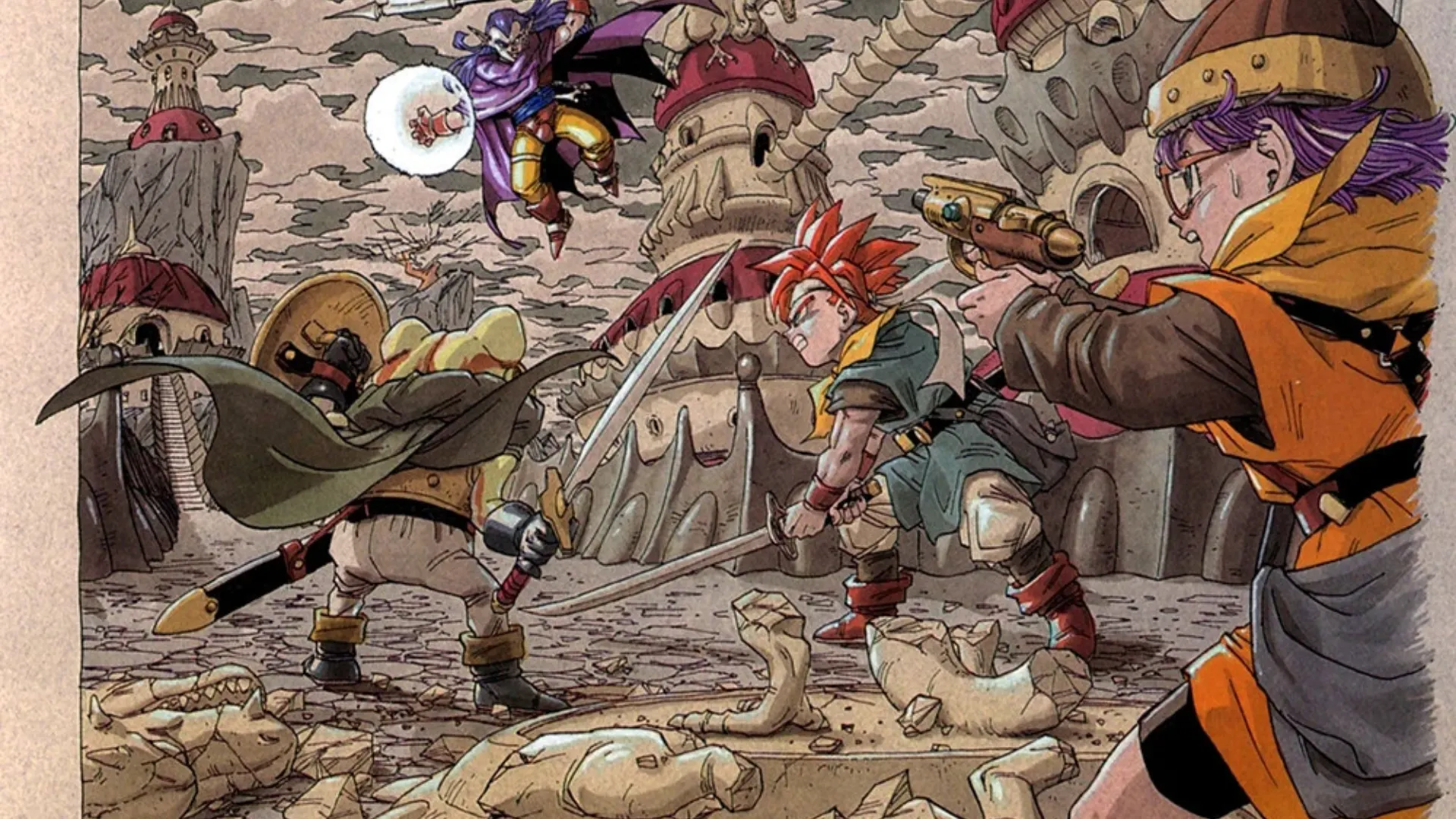
Waiting for two enemies to stand together lets Crono catch both with Cyclone, and pairing his turn with another character can replace that attack with a stronger Double Tech. Triple Techs extend the cooperation without burying combat under complicated menus, and visible enemies keep most unwanted battles avoidable.
Travelling between eras gives ordinary decisions lasting consequences, so restoring a forest in the past changes what the party finds there centuries later. Optional late storylines complete individual character arcs, and New Game Plus turns the multiple endings into genuine reasons to replay a remarkably disciplined adventure.
The improved PC version is currently the simplest recommendation, yet Chrono Trigger still lacks a native release on modern consoles, and several additions inherited from the Nintendo DS version feel padded beside the tightly paced original campaign.
1. NieR Automata
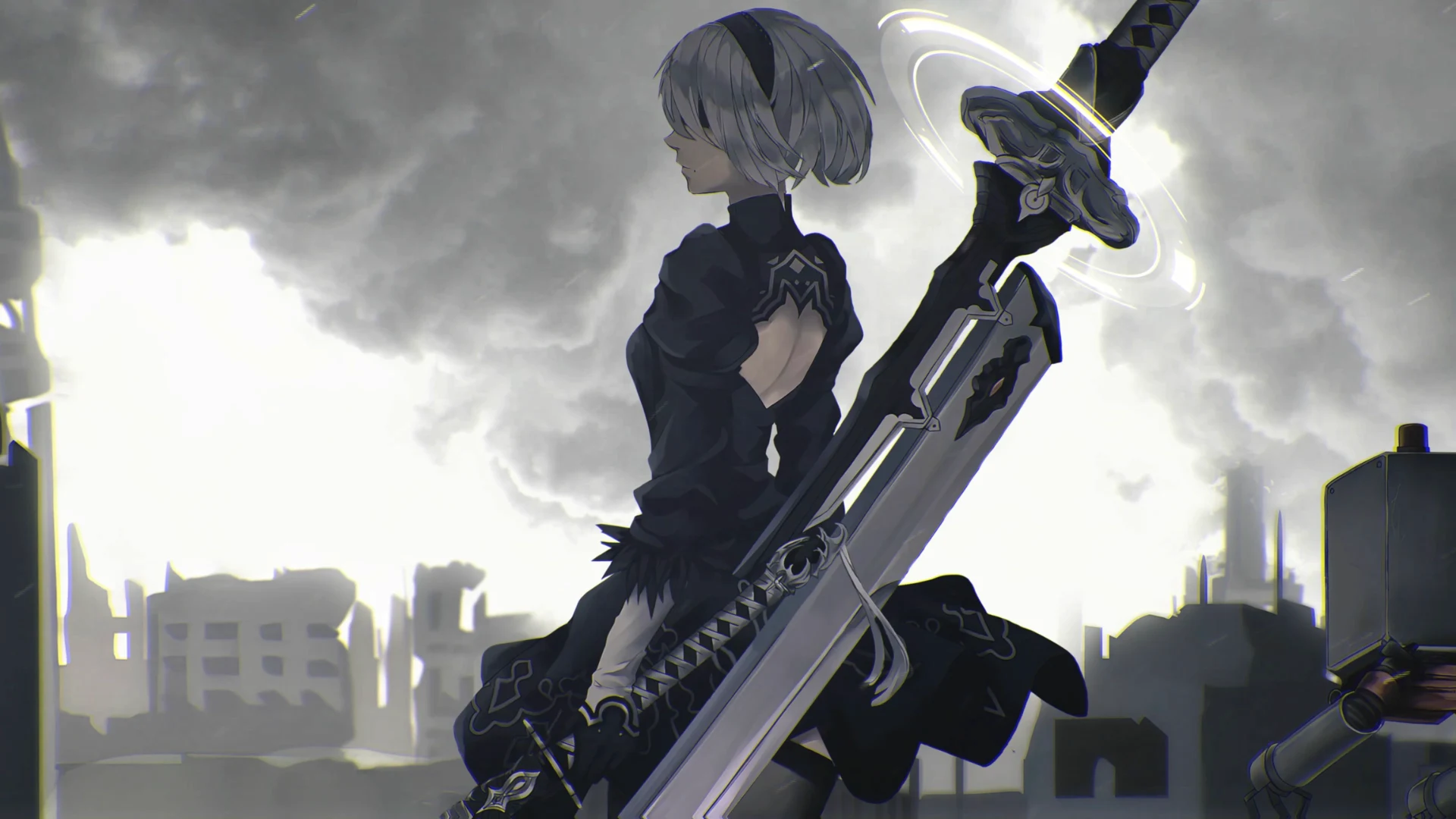
Dodging through an attack at the final instant lets 2B counter before switching weapon sets, and plug in chips let you trade interface functions for combat power. Pod programs add ranged pressure, but the game refuses to remain one kind of action RPG as battles shift into bullet patterns and hacking changes the perspective again.
Later routes revisit familiar events through another character, revealing that the first ending covered only part of a larger conflict, before Ending E turns the final decision into an interaction that only a game could deliver.
That union of combat and structure earns NieR Automata first place, and the repaired PC release now stands beside an impressively stable Switch conversion. Route B initially repeats too much familiar material, and several side quests rely on basic errands that cannot match the imagination of the main story.
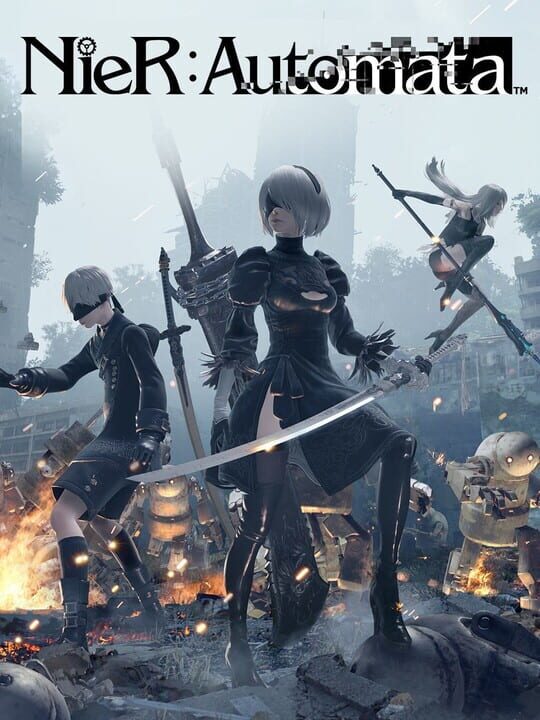
NieR: Automata tells the story of androids 2B, 9S and A2 and their battle to reclaim the machine-driven dystopia overrun by powerful machines.
Released
February 23, 2017
Developer
PlatinumGames
Publisher
Square Enix


Tagged In
Discussion
0We want to hear from you. Share your perspective in the comments below, and please keep the conversation respectful.
Log in to join the discussion - vote, reply, and share your take.
Log In