
Xbox's cloud playtime packs put an hourly price on hardware access
Microsoft's new Cloud Playtime packs let players stream supported games without Game Pass, starting at $3.99 for ten hours. The option could save occasional players money, but longer sessions and new Game Pass limits make cloud gaming more expensive for regular users.
Until now, cloud streaming has largely been tied to Game Pass subscriptions. On October 21, Microsoft began testing Cloud Playtime with Xbox Insiders, allowing players without Game Pass to buy streaming hours for games they already own. A wider rollout is planned for November, alongside monthly streaming limits for Game Pass subscribers.
The change could make cloud gaming more attractive to players who only use it occasionally, without committing to another monthly subscription. However, introducing hourly payments and monthly limits also raises questions about longer gaming sessions. Someone playing through a 60-hour RPG entirely through the cloud could face very different costs from someone streaming a few multiplayer matches each week.
How attractive Microsoft's new approach becomes will depend on the price of those hours and how generous the Game Pass limits are.
Can Cloud Playtime replace a console upgrade?
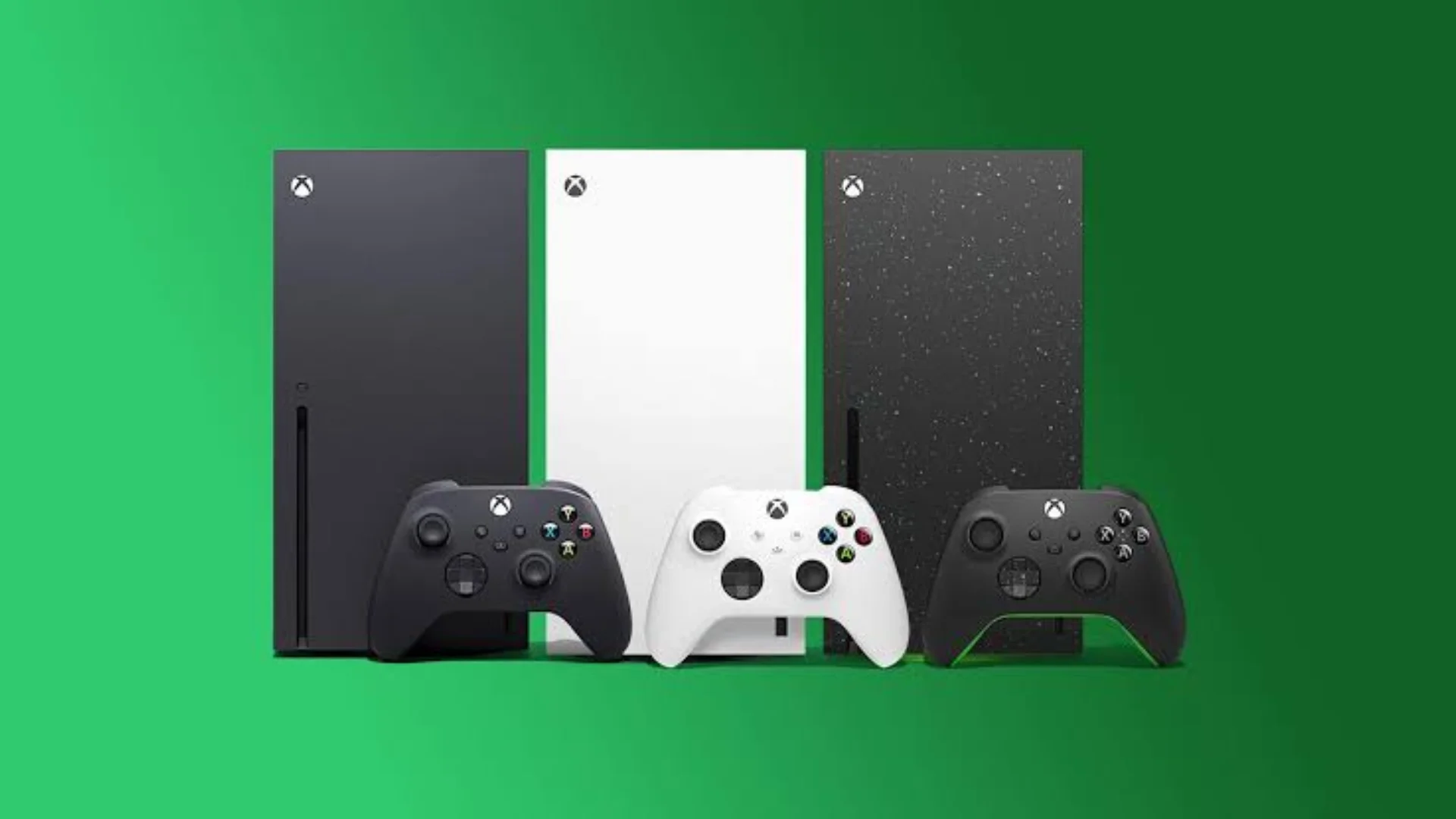
For players still using an Xbox One, Cloud Playtime could offer a cheaper way to enjoy newer games without upgrading to a Series X|S. Supported games that their older console cannot run can instead be streamed through Microsoft's servers, provided they have a good enough internet connection.
The appeal depends heavily on how often someone plays. Microsoft's introductory pricing puts 50 hours at $11.99, with unused hours carrying over indefinitely. That could work well for someone interested in a few new releases. However, finishing a 100-hour RPG would cost $23.98 in streaming fees alone, on top of buying the game. Players who regularly spend hundreds of hours in RPGs or multiplayer games could end up paying considerably more.
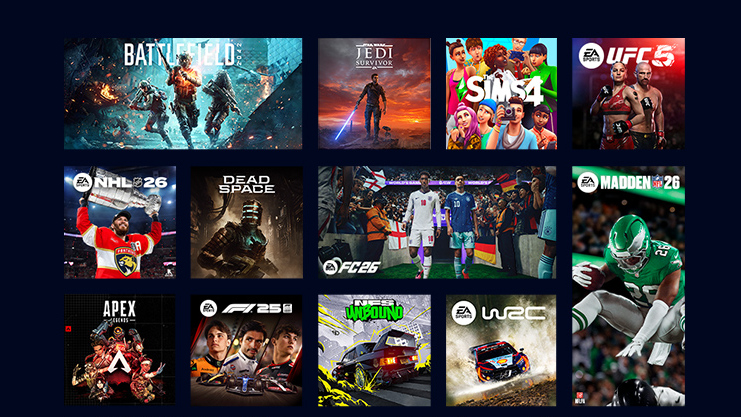
There is also the question of which games are available. Cloud Playtime does not support every game sold through the Xbox Store. A new Series X|S release might look tempting, but Xbox One owners would still need to check whether Microsoft allows it to be streamed before buying it.
For players who only want to catch up on a handful of newer games, Cloud Playtime could make keeping an Xbox One worthwhile for longer. Regular players have more to consider. A Series X|S requires a larger upfront purchase, but there is no hourly charge for playing games installed on the console. Cloud Playtime avoids that initial expense while making longer gaming sessions increasingly costly.
Unused hours make Cloud Playtime attractive for occasional players
Cloud Playtime makes more sense for someone who only streams games occasionally. Microsoft lets players keep their unused hours indefinitely, so there is no pressure to finish a game before a subscription or access period expires. Someone who streams a few evenings while traveling could use the remaining hours weeks or months later.
During the US Insider test, Microsoft offers 10 hours for $3.99, 25 hours for $7.99 and 50 hours for $11.99. Larger packs cost less per hour, although the smallest option may be enough for players who only occasionally stream games away from their console.
The approach differs from Nvidia's GeForce NOW Day Pass, which expires 24 hours after purchase, regardless of how much someone plays. Xbox's hours remain available across separate sessions, making them better suited to players who cannot fit all their gaming into one day.
The paid packs also offer ad-free streaming, shorter waiting times and higher-quality streams compared with Microsoft's free cloud gaming option. Players can enjoy those benefits without committing to a monthly Game Pass subscription.
However, even someone planning a single four-hour session must buy at least ten hours. The remaining six hours will still be available later, but the purchase only makes financial sense if they eventually use them.
Microsoft has also described these prices as introductory. It remains unclear whether the same rates will apply when Cloud Playtime becomes more widely available in November.
Game Pass is getting a monthly limit too
Starting in November, Microsoft will limit Game Pass cloud streaming to five hours per month for Essential, ten for Premium and fifteen for Ultimate. Previously uncapped, streaming beyond those allowances will now cost extra.
For Ultimate members, fifteen hours amounts to roughly seven evenings of playing for two hours. Someone working through a lengthy RPG or regularly playing multiplayer games could exhaust that allowance well before the month ends.
Ultimate still includes a large game library and other benefits for $22.99 per month in the US. Players who download games to their Xbox or PC are unaffected, but those who depend on cloud streaming will have to pay extra to continue playing.
Microsoft expects the limits to affect only 4% of Game Pass subscribers. However, that figure includes people who rarely stream, making it difficult to judge how many regular cloud players will face additional costs.
For players using Game Pass instead of buying a console, fifteen hours a month is a significant restriction on a service they previously used without a monthly cap.
Long sessions turn small charges into a substantial total
Playing for 100 hours every month would cost $287.76 over a year at Microsoft's introductory Cloud Playtime prices, before buying any games. That is a considerable expense for someone who regularly spends hours playing RPGs, competitive multiplayer games or other long-running titles.
Cloud Playtime still has an advantage over buying a console. Players can start with a relatively small payment and stop spending when they take a break from gaming. For someone who cannot afford a Series X|S or gaming PC, that flexibility could make newer games accessible without a large upfront purchase.
The longer someone relies on streaming, however, the more expensive it becomes. A console can be used for years across dozens of games without additional hourly charges. With Cloud Playtime, finishing a campaign, starting another playthrough or spending an evening online with friends all add to the cost.
There is no fixed point where buying a console becomes cheaper. That depends on how often someone plays, how long they keep their hardware and whether Microsoft maintains its introductory prices. The company has also yet to clarify how partial hours and interrupted sessions will be charged.
For occasional gaming, Cloud Playtime could be a relatively inexpensive option. Players hoping to use it as their main way to play Xbox games will need to consider how quickly those smaller purchases add up.
A cheaper way to play, but not necessarily a cheaper one
Cloud Playtime could make newer Xbox games more accessible to people who cannot afford a Series X|S or only want to stream occasionally. Paying for a few hours makes sense when the alternative is buying expensive hardware for a handful of games.
The situation changes for anyone hoping to rely on cloud gaming every day. Playing longer means spending more, even on games they already own. Game Pass subscribers will also face monthly limits, while access to individual games still depends on Microsoft's streaming support. A paid subscription or Cloud Playtime balance cannot guarantee a smooth experience when connection problems or server queues get in the way.
Microsoft is offering players more flexibility in how they access Xbox games, but its new pricing makes cloud gaming less convincing as a permanent console replacement. For occasional sessions, the savings could be substantial. For regular players, avoiding the cost of a console may simply mean paying for their gaming time instead.
Discussion
0We want to hear from you. Share your perspective in the comments below, and please keep the conversation respectful.
Log in to join the discussion - vote, reply, and share your take.
Log In