Xbox Wants Your Game Library To Survive The Next 25 Years
Xbox Disc-to-Digital testing starts August 31, giving supported Xbox One and Series X discs digital access across more of the Xbox ecosystem.
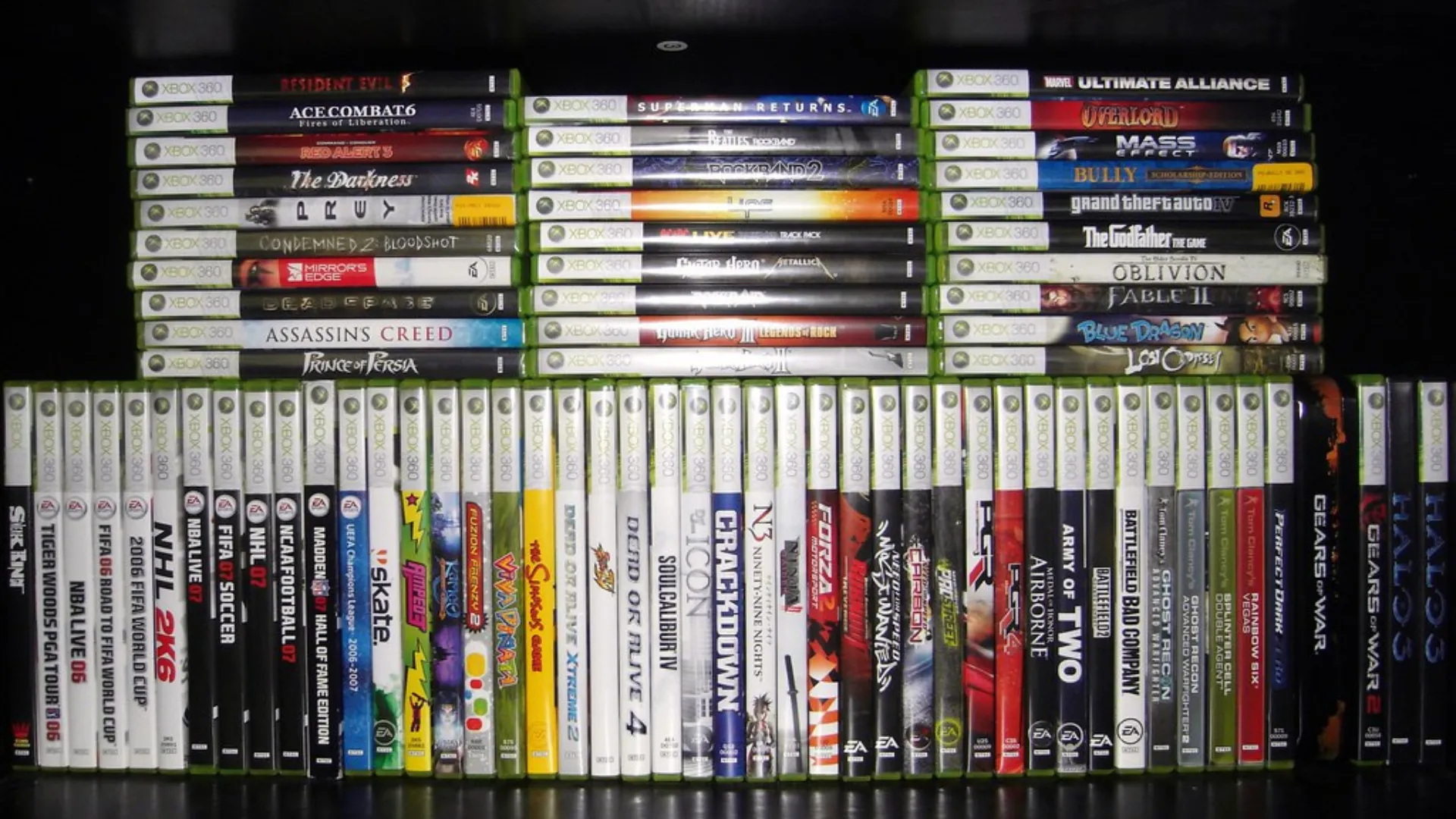
Xbox turns 25 this year, which means some players have been building a collection for nearly a quarter of a century. Original Xbox games, 360 discs, Xbox One purchases and newer Series X titles have all piled up along the way.
It would be a shame to see part of that collection disappear as consoles move further toward an all-digital future. A shelf full of perfectly good games suddenly becomes a lot less useful when the next device has nowhere to insert them.
During its Gamescom broadcast, Jason Ronald, Xbox VP of Next Generation, showed how Xbox plans to give players a way to keep those collections alive. Disc-to-Digital is Xbox's answer, with testing starting for Insiders on August 31.
Preserving Your Xbox Collection
Ronald describes the new Disc-to-Digital feature as part of Xbox's broader preservation strategy.
"We just really view this as another step in making sure that your library is protected, it can move forward with you as technologies and formats change."
That ambition is not new for Xbox. Xbox has spent years trying to keep your old games playable across new hardware. Backward Compatibility brought hundreds of Xbox 360 and Original Xbox games forward, and in 2024 Sarah Bond created a team focused specifically on game preservation and forward compatibility.
Ronald's Gamescom comments bring the physical side of that collection into focus. Digital purchases can follow your account across devices, but a shelf full of discs becomes much harder to carry forward once the hardware no longer has a drive.
Disc-To-Digital Gives Physical Games Somewhere Else To Go
With disc to digital player can insert a supported Xbox One or Xbox Series X disc into a compatible console and launch the game. Xbox then grants a digital entitlement linked to that physical copy.
Microsoft says most disc-based Xbox One and Series X games support the feature, with thousands of titles available as testing begins.
If the game supports Xbox Play Anywhere, the physical purchase can also give you access on PC. Eligible games can be played through Xbox Cloud Gaming as well. The original disc continues to work normally.
This means that a Series S owner in the same household could potentially access a game originally bought on disc. A Play Anywhere title can follow you onto PC. Cloud support gives you another place to use it without finding a disc drive first. The entitlement is tied to the specific disc rather than becoming a second independent copy. Give that disc to someone else and the entitlement can move with it.
That detail also keeps one of the biggest advantages of physical ownership intact. The disc can still change hands.
But as much as Ronald talked about preserving the collection players have built over 25 years, Disc-to-Digital currently only covers Xbox One and Series X discs. It does not suddenly turn every Original Xbox or Xbox 360 game sitting on a shelf into a digital license.
At least not yet.
That leaves a sizable part of the physical Xbox library outside the feature for now, even if thousands of newer discs can already make the jump into the wider digital ecosystem.
Digital Entitlement Still Comes With Conditions
Even for the discs that do qualify, Disc-to-Digital does not make preservation permanent. The entitlement still depends on Xbox recognizing that physical copy and keeping the systems behind it running.
Publishers and licensing add another layer. Music rights expire, car licenses run out, studios close and publishing rights change hands. Xbox ran into these issues already with backward compatibility. This meant that plenty of Original Xbox and Xbox 360 games never made it into the supported catalog despite the hardware being capable of running them.
So while Disc-to-Digital makes a physical collection easier to use across the Xbox ecosystem, it cannot promise that every entitlement created today will still work the same way decades from now.
Players have already raised similar questions since the Gamescom announcement, particularly around publisher support, resold discs and what happens if future Xbox hardware drops the optical drive entirely.
None of that makes Disc-to-Digital a bad feature, but it does put a question mark next to Ronald's bigger promise of carrying 25 years of Xbox collections into the next 25.
Physical Xbox Games Need A Way Into A Disc-Free Future
Xbox is already stretching far beyond the console underneath your television. Ronald was pretty direct about that during the Gamescom broadcast:
"We're just really focused on giving you more flexibility and giving you more ways to play the games that you've had, you bought from Xbox over many years,"
Project Helix is being built around both Xbox console and PC games, Xbox Mode is bringing more of the console experience into Windows, and Play Anywhere now covers more than 1,500 titles. Handhelds such as the ROG Xbox Ally are already part of that wider setup.
There is just one obvious thing missing from devices like that: somewhere to put your disc.
Digital purchases can follow your account from one screen to another. A physical Xbox One or Series X game still needs hardware with an optical drive.
Microsoft has not said whether Project Helix will include one, so there is no reason to declare the Xbox disc dead. But the problem already exists. PCs, handhelds and cloud gaming are becoming a larger part of Xbox, and most of them cannot read the games sitting on your shelf.
Disc-to-Digital gives those purchases another route in. Once the disc establishes a digital entitlement, the game can reach parts of the Xbox ecosystem where the disc itself cannot.
That creates a strange trade-off for collectors. Xbox is making physical games more useful by making the physical part less necessary. If the alternative is leaving an entire shelf behind when the hardware changes, that may be a compromise worth making.
The Next 25 Years Will Be The Real Test
Disc-to-Digital gives physical purchases more places to go, while Microsoft's preservation work is increasingly focused on keeping a player's library intact rather than simply keeping old software available. Ronald set a much bigger standard at Gamescom than whether Disc-to-Digital works well when Insider testing starts on August 31.
Players spent Xbox's first 25 years building the collection.
Now Microsoft has another 25 years to prove it can keep it with them.
Tagged In
Discussion
0We want to hear from you. Share your perspective in the comments below, and please keep the conversation respectful.
Log in to join the discussion - vote, reply, and share your take.
Log In