
Xbox's restructure changes who controls its biggest games
Microsoft is bringing existing development partners together and rebuilding Halo's team as it cuts another 268 jobs.
Microsoft's September 22 restructure moves several Xbox studios under new publishing groups. Turn 10 was already working on Forza Horizon 6 with Playground Games, and Obsidian had already joined Bethesda Game Studios on a new Fallout project.
The next Halo will go through a much bigger handover. Activision is assembling a team to build it after Halo Studios spent roughly two years moving the series to Unreal Engine 5 and changing how it develops Halo.
Microsoft is also cutting 268 jobs across Halo Studios, other first-party developers and Xbox management. It has not said how many of the people who built that new Halo pipeline will move into or support Activision's team.
Turn 10 had already shifted toward Horizon

Before Microsoft announced its merger with Playground Games, Turn 10 had already started moving away from Forza Motorsport. By December 2025, the studio was focused on Forza Horizon 6.
It had stopped planning new cars, tracks and features for Forza Motorsport, along with regular bug fixes. Servers would stay online, events would continue and previously released content could return, but the development work had already moved elsewhere.
The September merger puts both teams under one studio after more than a decade of working together. Xbox chief content officer Matt Booty describes Turn 10 and Playground as longtime creative and franchise partners, and their combined studio will now focus on Forza and Fable.
For Motorsport players, however, nothing in the announcement points to regular development starting again. Microsoft has not announced another Forza Motorsport either, leaving the circuit-racing side of the series without a new project to follow.
Obsidian was already working with Bethesda on Fallout
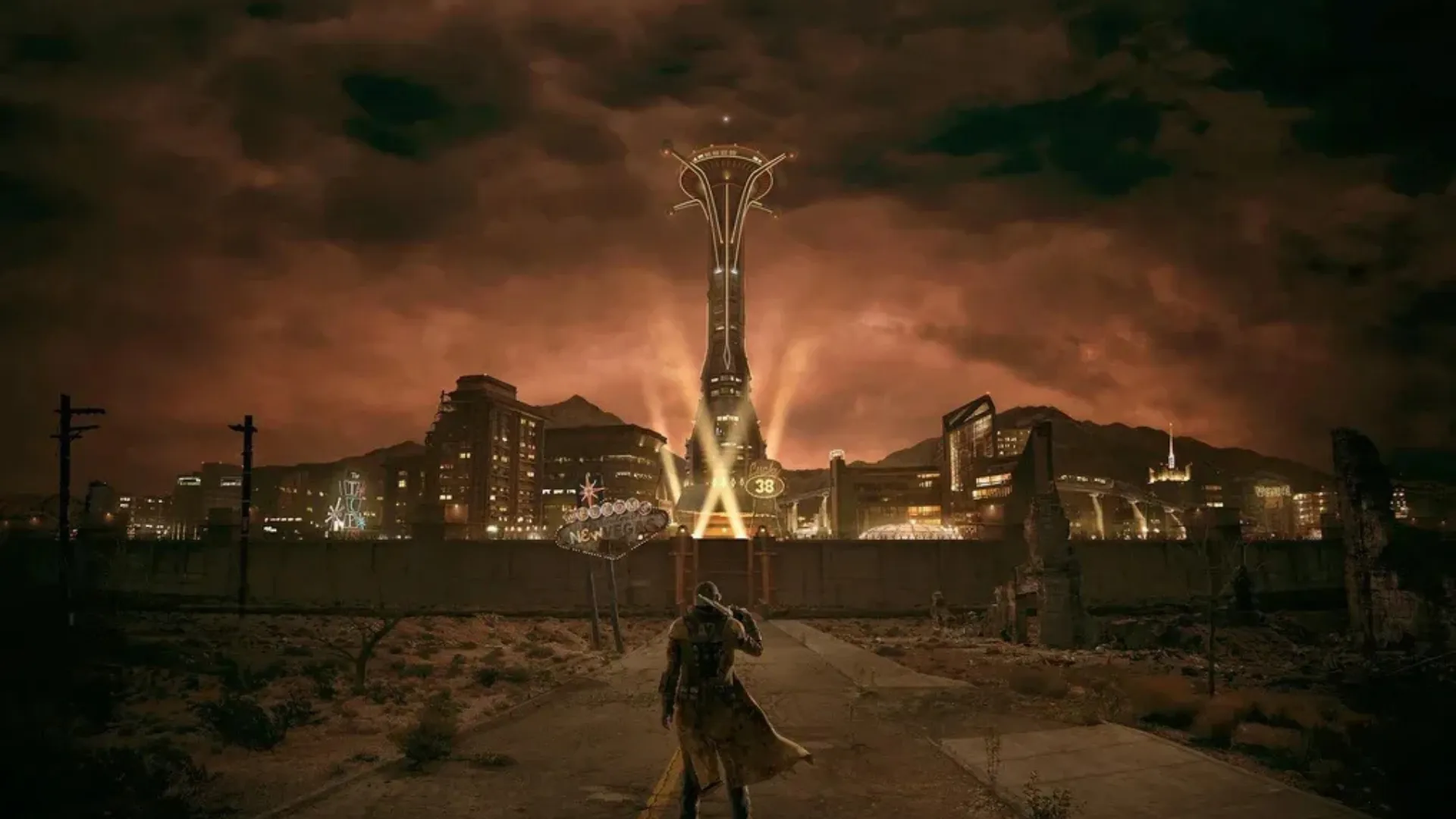
Obsidian was already working with Bethesda when Microsoft moved it under Bethesda's publishing organisation. Bethesda Game Studios confirmed on July 17 that the two developers were collaborating on a new Fallout project.
There is plenty of history between them too. Obsidian developed Fallout: New Vegas, with Bethesda Softworks publishing it in 2010. The September restructure now puts Bethesda in charge of publishing Obsidian's wider output as well.
Obsidian will remain separate from Bethesda Game Studios. Booty has said its current projects will continue and specifically mentioned Grounded, so the studio is not being turned into a dedicated Fallout developer.
Bethesda will simply be supporting more of Obsidian's work than it did before, including projects that have nothing to do with Fallout.
Rare and World's Edge show how different the Halo move is
Rare and World's Edge are the best examples of what most of this restructure actually changes. Activision is taking publishing responsibility for both, but the teams making their games stay where they are.
Rare continues to develop Sea of Thieves, so the change sits above the studio rather than inside the development team itself. World's Edge works differently, overseeing Age of Empires through specialist partners including Relic and Forgotten Empires. Those relationships remain in place as Activision takes over the publishing side.
In both cases, Microsoft is moving studios and franchises into a different part of the organisation without rebuilding the teams responsible for the games.
Halo is the exception. Activision is not simply inheriting publishing duties there. It is assembling a new development team for the next game, while the studio that spent the last two years rebuilding Halo's production process is being reduced to a smaller support role.
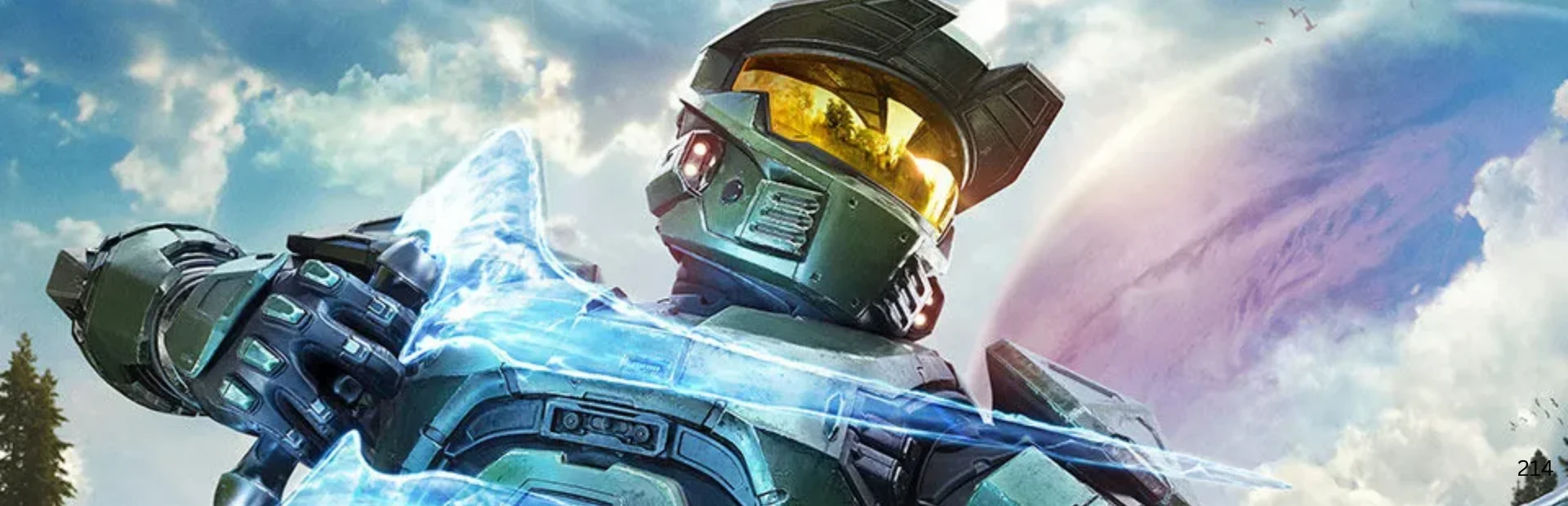
Halo is handing the next game to a new team

Activision will publish the next Halo and develop it through a team being assembled specifically for the project. Activision president Rob Kostich says staffing has already begun. Halo Studios will continue in a smaller form, supporting the Halo community and games already on the market. Booty says the new team is separate from Call of Duty's development plans.
Halo Studios had spent roughly two years building a new production setup before this handover. In 2024, 343 Industries became Halo Studios and moved future development to Unreal Engine 5. The studio announced multiple Halo projects and described changes to its organisation and production process alongside the engine switch.
Project Foundry gave developers a place to learn how Halo environments, characters and systems could be built in Unreal. The team was creating tools and workflows for future games at the same time, so later projects could build on work already done.
Halo: Campaign Evolved carried that setup into a released game. Developers who had spent time learning Unreal and building the new pipeline were now using those tools on a full Halo production.
Microsoft has not explained how much of that experience follows the franchise to Activision. It has not said how many Halo Studios developers will join the new team, how many will support it from the remaining studio or whether Activision will inherit the same production tools and workflows.
The smaller Halo Studios still has a role, but Microsoft has only described its responsibilities around the community and games already in market. Its involvement in the next project remains unclear.
The job cuts make the Halo handover harder to read
Microsoft is cutting 268 roles across Halo Studios, other first-party developers and Xbox Game Studios management and central functions as part of the same restructure.
The company says changes completed since July, including studio divestitures, put the broader restructuring roughly three-quarters of the way toward completion. That figure refers to the restructuring programme as a whole. It does not mean three-quarters of the planned job cuts have already happened.
Microsoft has not broken the 268 cuts down by studio. We therefore do not know how many Halo Studios employees are leaving or which parts of the team are affected. That includes developers who spent the last two years learning Unreal, building Project Foundry and carrying the new production process into Campaign Evolved.
The other studio moves come with fewer unknowns. Turn 10 was already working with Playground. Obsidian was already working with Bethesda. Rare and World's Edge keep the developers and partners already making their games.
Halo is the one handover where Microsoft has named a new developer without saying how many people from the previous team will move with the work. After two years spent rebuilding how Halo is made, that is the part of the September restructure Microsoft still needs to explain.
Tagged In
Discussion
0We want to hear from you. Share your perspective in the comments below, and please keep the conversation respectful.
Log in to join the discussion - vote, reply, and share your take.
Log In