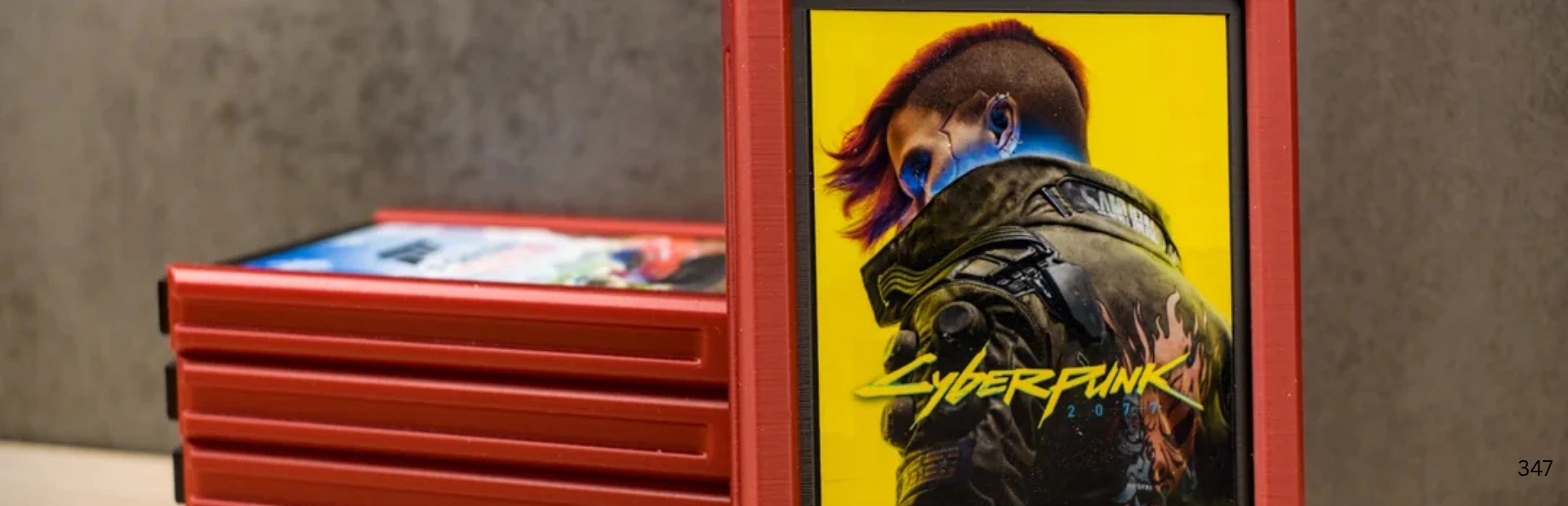
Credit: Image Credit: CD Projekt Red
newsFeature
Steam Fan Turns PC Games Into Working SSD Cartridges
July 22, 2026·Updated September 14, 2026·5 min read
A PC gamer built working SSD cartridges that launch Steam games, giving digital libraries a physical cartridge feel.
A new DIY project uses old 2.5-inch SATA SSDs, custom cases and launcher scripts to make digital Steam games feel like physical cartridges again.
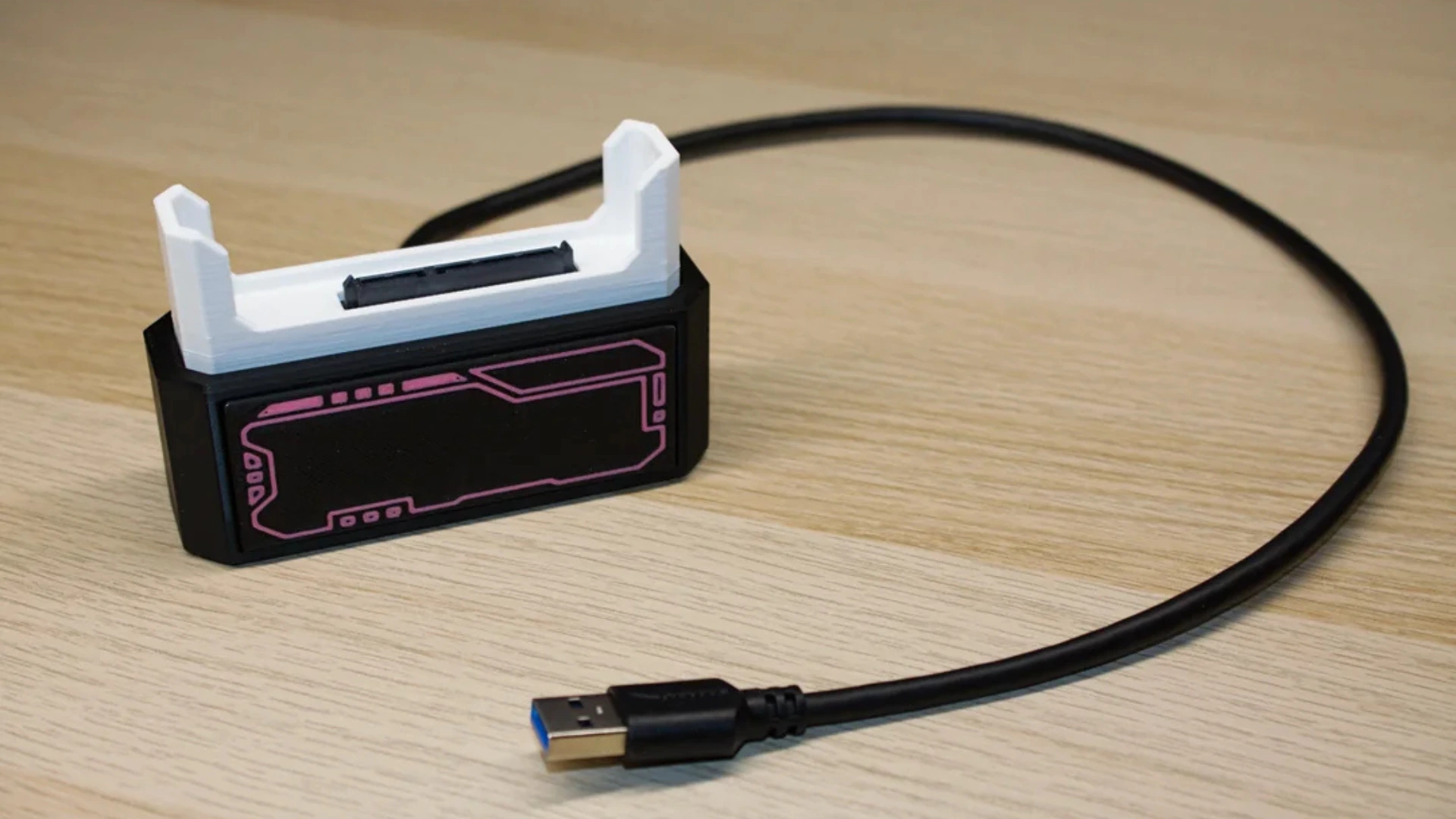
A PC gamer has turned part of a Steam library into a cartridge-based setup, using removable 2.5-inch SATA SSDs as physical game media. The project was shown by Reddit user Jibril-sama, who built custom cartridge shells, added game labels and configured each drive to open or launch a specific game when inserted into a dock.
The idea is simple but clever. Each cartridge is still a storage drive, but the presentation changes how a digital library feels. Instead of scrolling through Steam, the player picks a game from a shelf, slides it into a dock and lets the PC detect what to do next.
The Cartridges Use Real SSDs
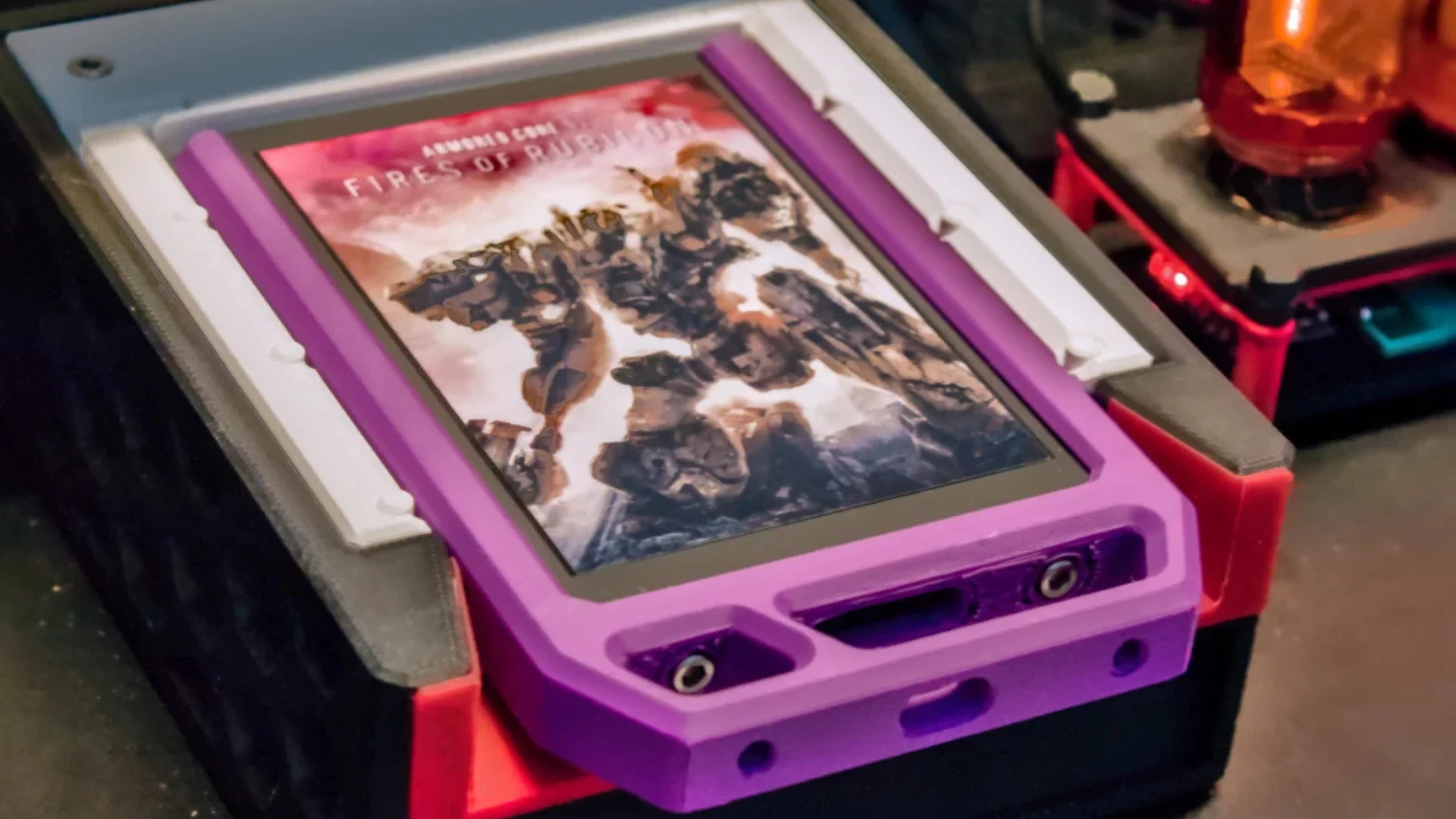
The project uses used 2.5-inch SATA SSDs as the base for each cartridge. Jibril-sama said the first batch came from cheap second-hand 128GB drives, with some larger 256GB drives used for bigger games.
Each SSD stores the installed game files and a launcher script. When the drive is connected, the system can navigate Steam to the correct game page or launch the game directly, depending on how the script is set up. It does not work like an official console cartridge, but it gives PC games a similar pick-up-and-play feel.
The visual design is a major part of the appeal. The SSDs sit inside 3D-printed shells with custom game artwork, turning bare storage drives into something closer to a Switch cartridge, memory card or miniature PC game case.
The Software Links the Drive to Steam
Jibril-sama later published code for the project, making it possible for other users to inspect or adapt the setup. The repository presents the system as a hobby experiment rather than an official Steam product. Automatic launch behavior depends on operating system settings and permissions.
On Linux, the system uses a udev rule to detect a newly connected storage partition. That event triggers a systemd service, which waits for the drive to mount, checks for a launch script at the root of the cartridge and runs it only if the script has been marked as trusted.
The Windows version uses Task Scheduler and PowerShell to monitor newly inserted drives. Like the Linux version, it looks for a launcher script on the removable drive and checks it against a trusted-script list before executing it.
Steam’s Storage Flexibility Makes It Possible
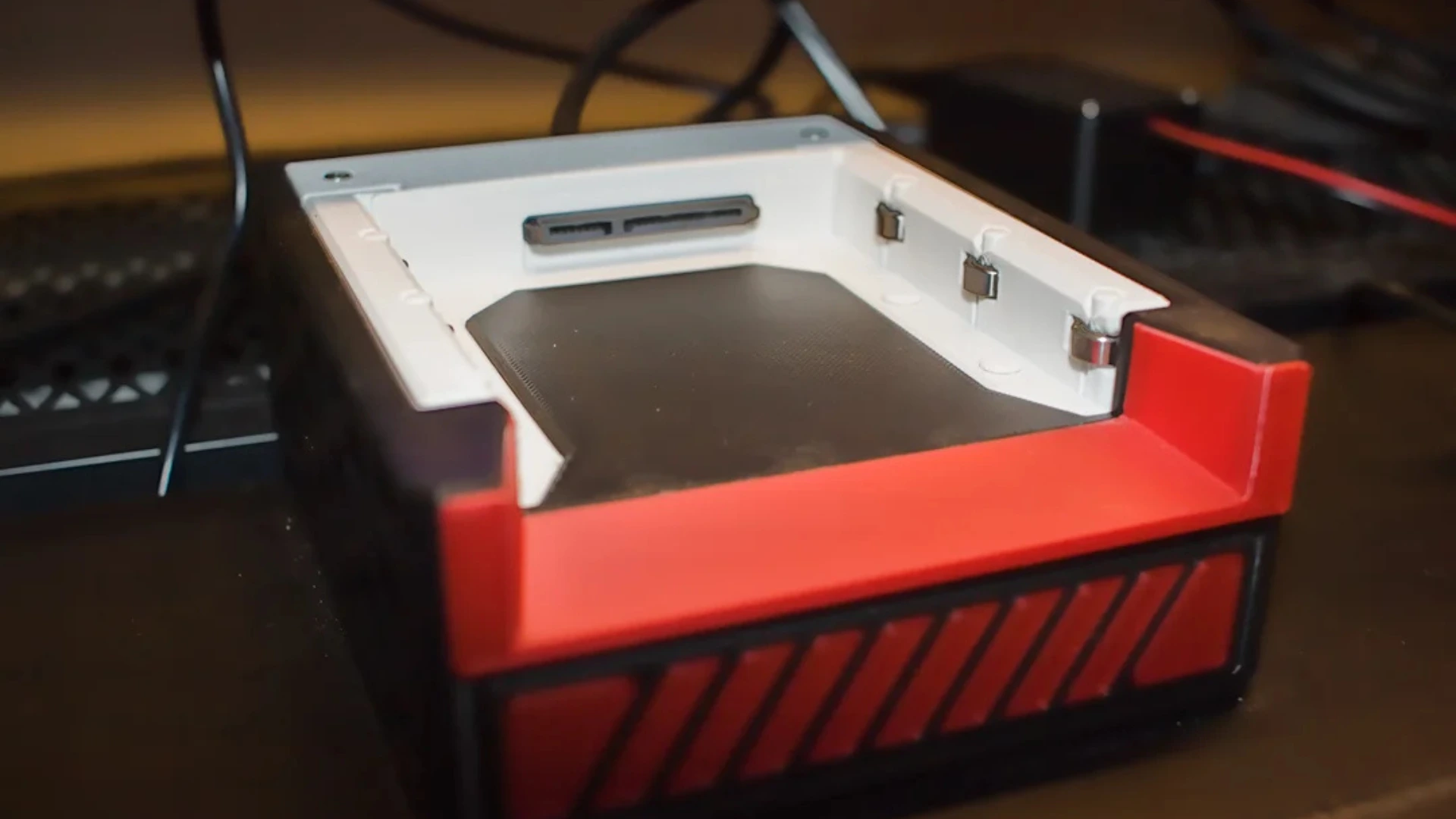
Steam already lets players install and move games across multiple storage locations, which is why the cartridge idea can work without breaking the client. The DIY system builds on that flexibility by treating each removable SSD as a dedicated game drive instead of a general storage expansion.
The creator’s setup can use Steam’s browser protocol or custom commands to send the PC to the correct game. The project notes also mention support for Steam, GOG and local game libraries, so the concept is not limited to Valve’s storefront.
The system may also work with SD cards, microSD cards, USB flash drives and external hard drives. However, the creator still presents it as experimental because compatibility depends on hardware, file systems and operating system behavior.
The Cost Limits Its Practical Use
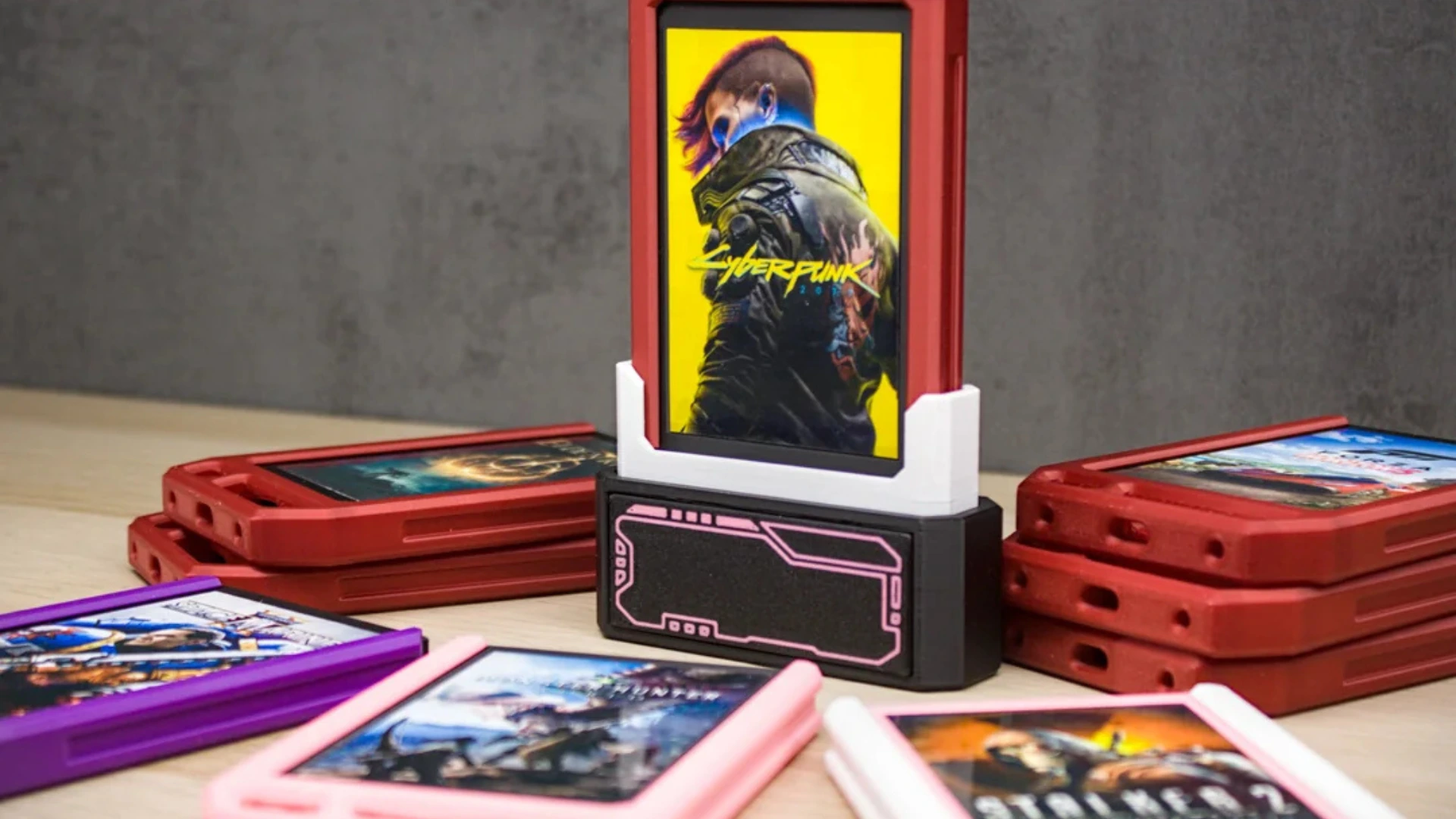
The build looks surprisingly affordable because Jibril-sama said the used SSDs cost about €7 each after finding a bulk seller. That price is not typical for most buyers, especially if they need larger drives for modern games.
New 128GB SSDs often cost more than the second-hand batch used in the project. Many current PC games can also exceed 100GB once updates, expansions and high-resolution assets are included, which makes smaller cartridges less useful for new releases.
The setup makes the most sense for older titles, smaller games or personal favorites that players revisit occasionally. It is harder to use with live-service games that receive frequent updates because the drive may need new patches before the game can run properly.
There is also a performance tradeoff. A SATA SSD is fast enough for many games, but it will not match a modern internal NVMe drive in every case. Players still need Steam, account access and any required online checks, so the cartridge is not the same as owning a self-contained physical copy.
Auto-Launch Safety Is Part of the Design
The project includes a trust system because removable drives can be risky when they automatically run scripts. That detail makes the build more than a visual mod, since the software has to decide which cartridge scripts are allowed to run and which ones should be ignored.
That safety step is especially important if other hobbyists copy the idea or share cartridge files online. The setup works best when users control the drives, review the scripts and treat each cartridge as both a storage device and executable media.
Tagged In
SteamSSD CartridgesPC Gaming
Discussion
0We want to hear from you. Share your perspective in the comments below, and please keep the conversation respectful.
Log in to join the discussion - vote, reply, and share your take.
Log In