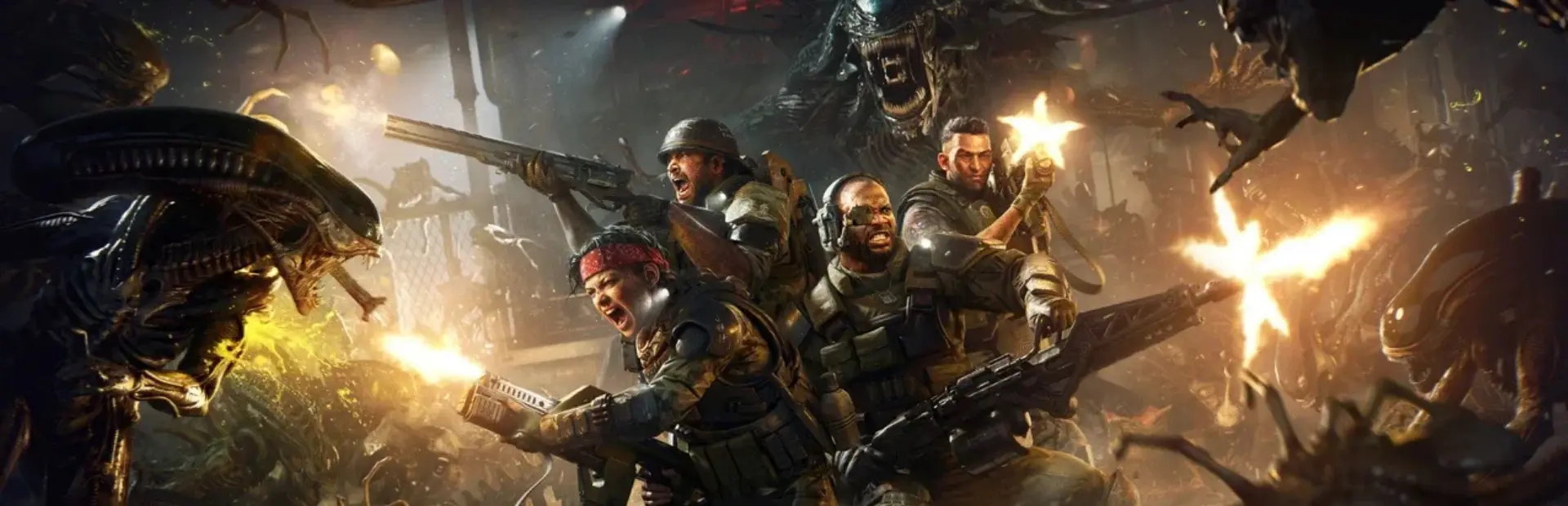
Aliens: Fireteam Elite 2 Finally Makes the Squad Matter
Cold Iron Studios makes its Xenomorph shooter more demanding and more flexible, with four-player squads and stronger class interplay giving the sequel a clearer purpose than simply adding more aliens.
Aliens: Fireteam Elite 2 returns to the Colonial Marines rather than trying to make the Xenomorph unknowable again. Cold Iron Studios is still interested in the version of Alien where pulse rifles chatter through dark corridors and a defensive position can collapse under sheer numbers. The sequel, released on August 25, 2026 for PC, PlayStation 5, and Xbox Series X|S, expands the original three-person fireteam to four while rebuilding its classes and sending the USS Endeavor to LV-558 after a distress signal from the mining colony of Storr's Boon.
More players and more Xenomorphs would have been the safest possible sequel. Fortunately, the important changes happen between those two things. Enemy pressure is more aggressive, classes have sharper responsibilities, sidearms provide a fallback when ammunition becomes a problem, and defensive encounters increasingly ask the squad to prepare before the swarm arrives. Fireteam Elite 2 remains repetitive by design, and anyone looking for the helpless terror of Alien: Isolation is still in the wrong airlock. As a cooperative action game, though, it better understands that killing hundreds of Xenomorphs only stays interesting when the four people doing it have different problems to solve.
Four Marines Change More Than the Enemy Count
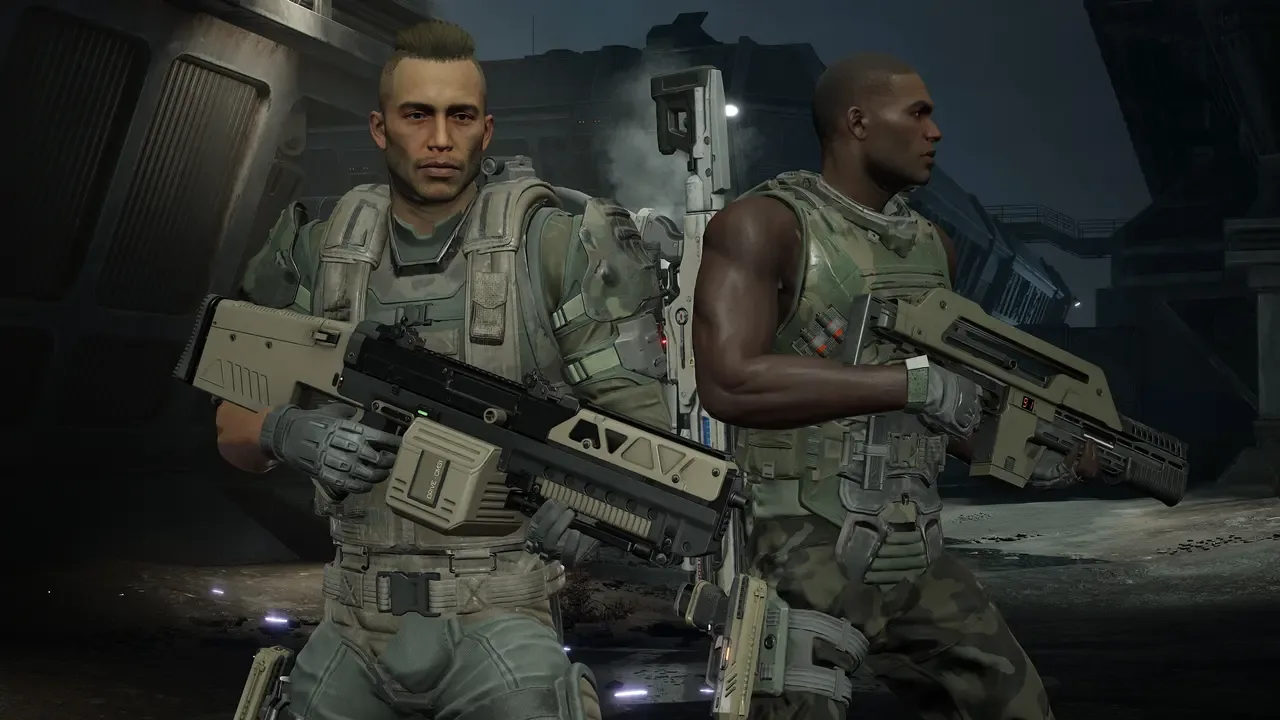
The move from three-player squads to four initially sounds like an ordinary scale increase. In practice, it gives Cold Iron more room to make individual roles matter without forcing every class to cover several jobs at once. The returning archetypes have consequently been reworked into the Duelist, Marauder, Machinist, Hunter, and Medic, with each leaning harder into a particular form of damage, control, or support.
That distinction becomes important when the screen fills. The Machinist can establish a position around deployable technology while the Medic keeps a collapsing defensive line alive. The Hunter is built to interfere with priority targets before they reach the group, while damage-focused roles have tools better suited to turning a crowded approach into something manageable. The abilities are useful individually, but the more interesting question is whether another marine can exploit the opening they create.
Higher difficulties make that cooperation harder to fake. Friendly fire returns once the difficulty rises, so four guns do not simply mean four streams of bullets can be pointed toward the same doorway without thought. Formation, firing lanes, and the timing of abilities become more important when a teammate can step into the rounds intended for a Xenomorph. Early campaign impressions also point to multiple elite creatures arriving together more regularly, forcing squads to choose which threat deserves immediate attention instead of unloading into the closest body.
That is where the extra marine earns a place. Fireteam Elite 2 does not become tactical because it has four classes on screen. It becomes tactical when those four players cannot all solve the same problem in the same way.
The Xenomorph Is Dangerous Through Numbers
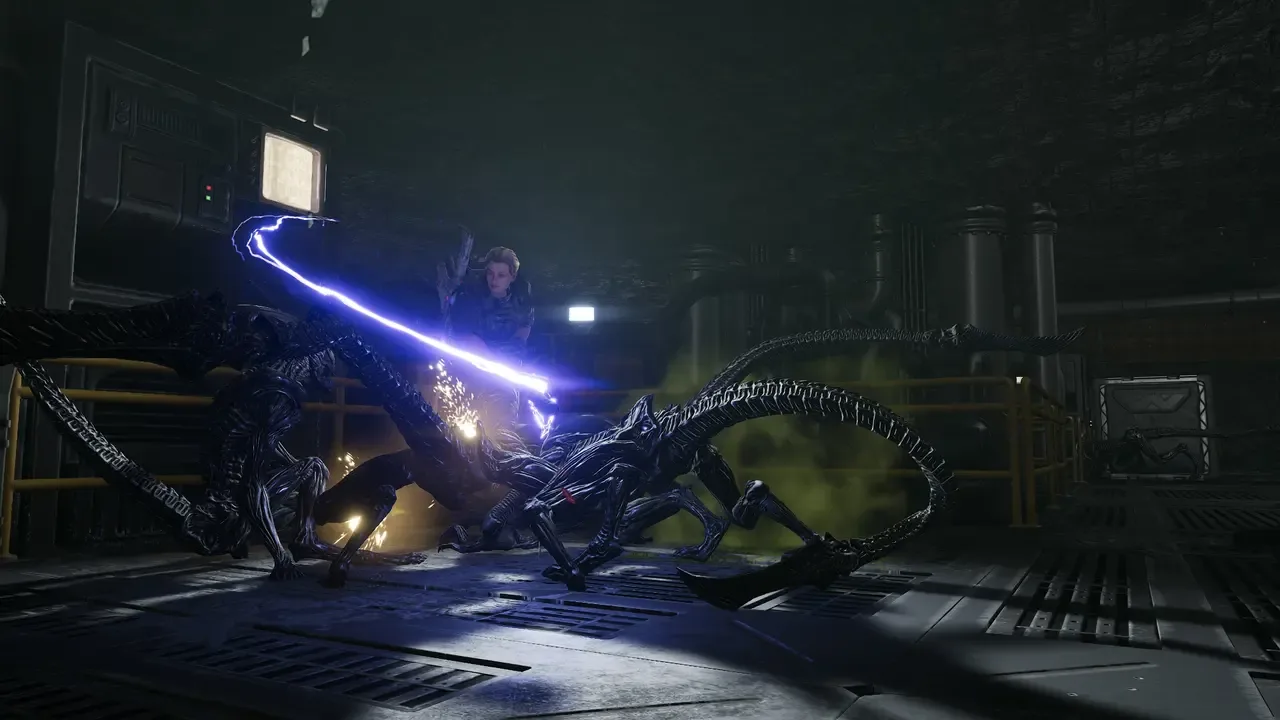
There is an unavoidable contradiction at the center of this series. A creature famous for making a single corridor terrifying is also the basic enemy in a horde shooter.
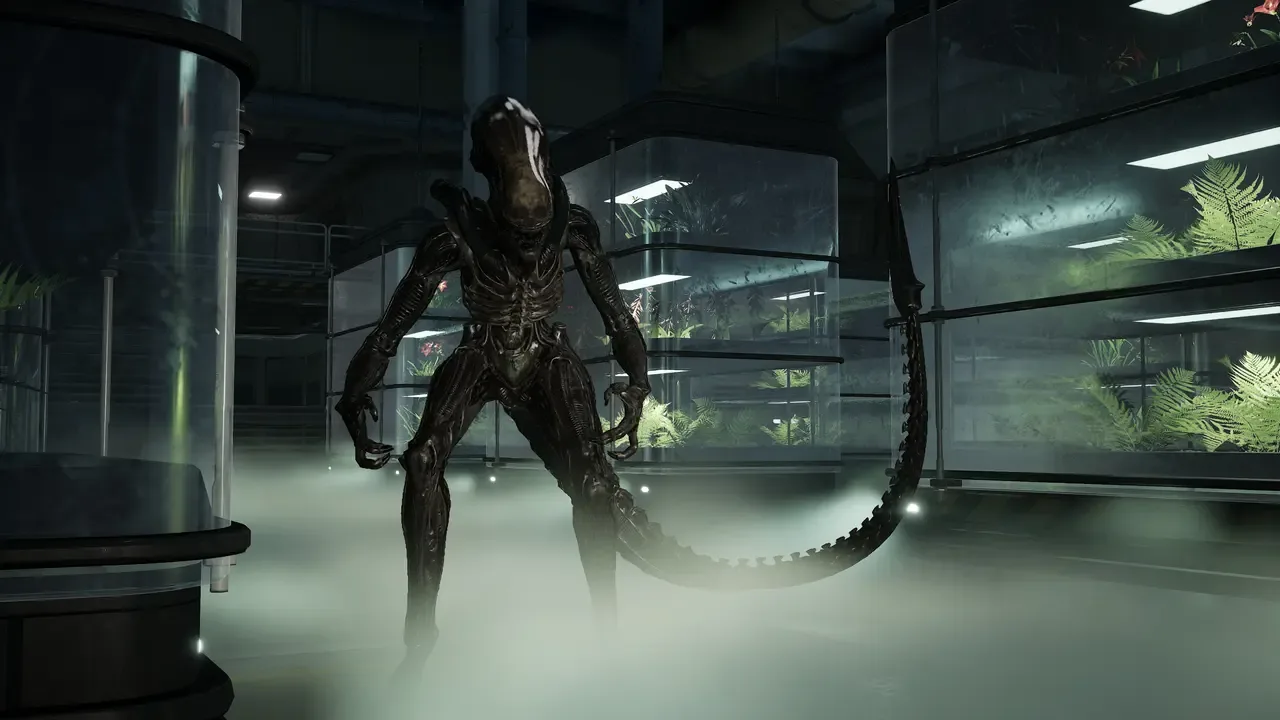
Fireteam Elite 2 does not solve that contradiction, and it barely attempts to. Xenomorphs climb through the environment, rush firing positions, emerge from different angles, and arrive in quantities that turn the iconic creature into a battlefield unit. Cold Iron is following the action lineage of Aliens, not the isolation and vulnerability of Ridley Scott's original film. Anyone who finds the sight of dozens of Xenomorphs being cut down inherently wrong for the license will find even more to object to here. One of the first launch-day reviews made exactly that criticism despite acknowledging the game's stronger production and cooperative design.
The sequel's improvement is that quantity no longer has to mean identical pressure. Early campaign footage and hands-on coverage show more aggressive special enemies appearing together, alongside Weyland-Yutani synthetics that can become involved in the same encounters. The Xenomorphs also appear less dependent on inflated health to remain dangerous. Multiple Drones or Warriors attacking simultaneously are more interesting than one elite enemy absorbing magazines while the squad slowly retreats.
This approach cannot restore the fear created by scarcity. It can preserve respect for the creature through disruption. A Xenomorph works differently in a co-op shooter when its value comes from breaking a formation, reaching a support class, or forcing a marine away from an established firing lane. The sequel is at its strongest when the swarm creates those failures rather than functioning as a moving wall of health bars.
Classes Finally Lead Somewhere
The original Fireteam Elite already understood the appeal of weapon builds and class kits, but progression could become an exercise in improving variations of roles players had understood long before reaching the end.
The Specialist gives the sequel a better long-term destination. It is not simply another predefined class. After progressing through the five standard roles, players can use abilities and perks unlocked elsewhere to create a more flexible marine. That means time spent learning the Medic or Machinist contributes to a later build rather than existing entirely inside that class's progression track.
It is a smart answer to a recurring co-op problem. Fixed classes make teamwork readable, but they can eventually make experimentation feel restrictive. Giving players five defined roles first teaches what each part of the squad contributes. The Specialist then allows those boundaries to loosen after that language has been established.
Weapon handling has received smaller but useful changes too. Sidearms now occupy their own slot and have infinite ammunition, offering an emergency option when the two main weapons run dry. They can also be upgraded rather than functioning as an irrelevant last resort. Weapon attachments and cosmetic customization remain part of the progression loop, with some rewards appearing inside mission crates rather than exclusively at the completion screen.
The danger is grind. A class that becomes interesting because it combines progress from five others can also become a distant reward for anyone who only wants to master one or two roles. How generous that progression feels will matter considerably more after the launch population has spent weeks rather than hours with the game.
Defense Areas Give the Chaos a Shape
Shooting Xenomorphs is not enough structure for an entire campaign. The first game was at its weakest when corridors existed primarily to move the squad toward another room where a horde would spawn.
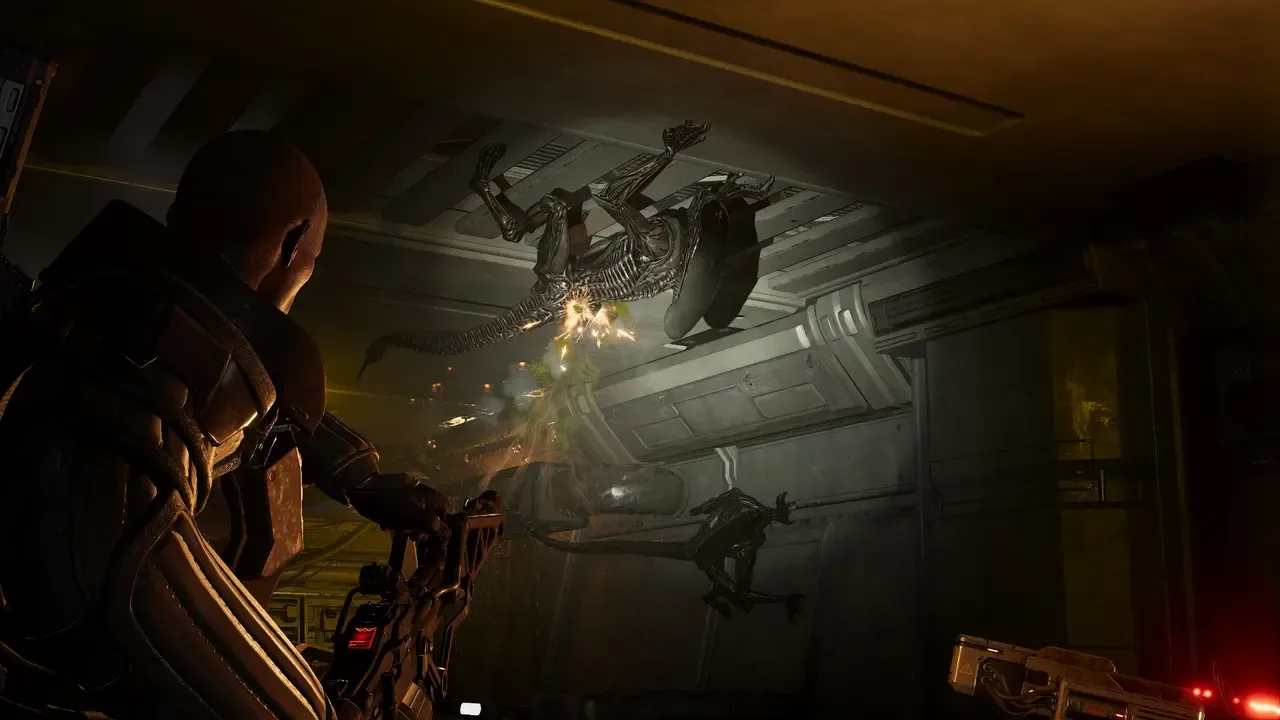
The sequel still relies heavily on defensive stands, but it makes their purpose more explicit. Campaign areas can designate spaces where the squad has time to establish fortifications before activating the event that starts an attack. That small preparation window changes the mental rhythm. A room stops being scenery and becomes a problem to read. Entrances matter. Chokepoints matter. The location of a support ability matters before the first enemy even arrives.
Cold Iron has also made the colony feel more connected. Early missions occasionally return through previously seen locations under changed conditions rather than treating every deployment as an entirely isolated hallway. It remains a linear campaign rather than an explorable world, but revisiting recognizable spaces can make Storr's Boon feel like a place the fireteam is operating inside instead of a succession of interchangeable combat maps.
Horde Mode then removes the campaign justification and concentrates on survival. Cold Iron has built dedicated spaces around escalating waves, and access follows campaign progression. That suits a class system increasingly designed around synergies, chokepoints, and sustained group pressure. It also exposes the fundamental test for the sequel: once the spectacle of another Xenomorph swarm becomes normal, do the builds and squad decisions create enough variation to make another run worthwhile?
A Smarter Sequel to the Right Kind of Alien Game
Aliens: Fireteam Elite 2 is not trying to reconcile every interpretation of the Xenomorph. It remains an action game about trained Marines killing creatures by the dozen, and players who want the alien to remain an almost unbeatable predator will find the basic premise impossible to ignore. Cold Iron instead improves the version of Aliens it already chose. Four-player squads give classes more space to specialize, stronger enemy combinations create better priorities, and the Specialist turns progression across multiple roles into something that can eventually be combined.
The remaining question is longevity rather than identity. Repeated defensive battles and swarms can still flatten into routine if mission variety and progression stop introducing new decisions. On launch day, there is not yet enough verified long-term evidence to pretend that question has been settled. What is already clearer is that Cold Iron has built a more deliberate cooperative shooter around the fantasy of being a Colonial Marine. For a coordinated group that wanted the first Fireteam Elite to demand more from the fireteam itself, this is the sequel the concept needed.
The Verdict
Aliens: Fireteam Elite 2 expands the original into a deeper and more intense four-player co-op shooter, supported by flexible classes, varied threats, and an authentic Aliens atmosphere. Larger battles can become difficult to read, but smart squad play and satisfying progression make this a worthy sequel for coordinated groups.
The Good
- +Intense four-player co-op combat
- +Flexible classes and deep build customization
- +Varied enemies demand different tactics
- +Authentic Aliens atmosphere and tension
The Bad
- -Larger battles can become visually chaotic
- -Specialist progression is locked behind the endgame
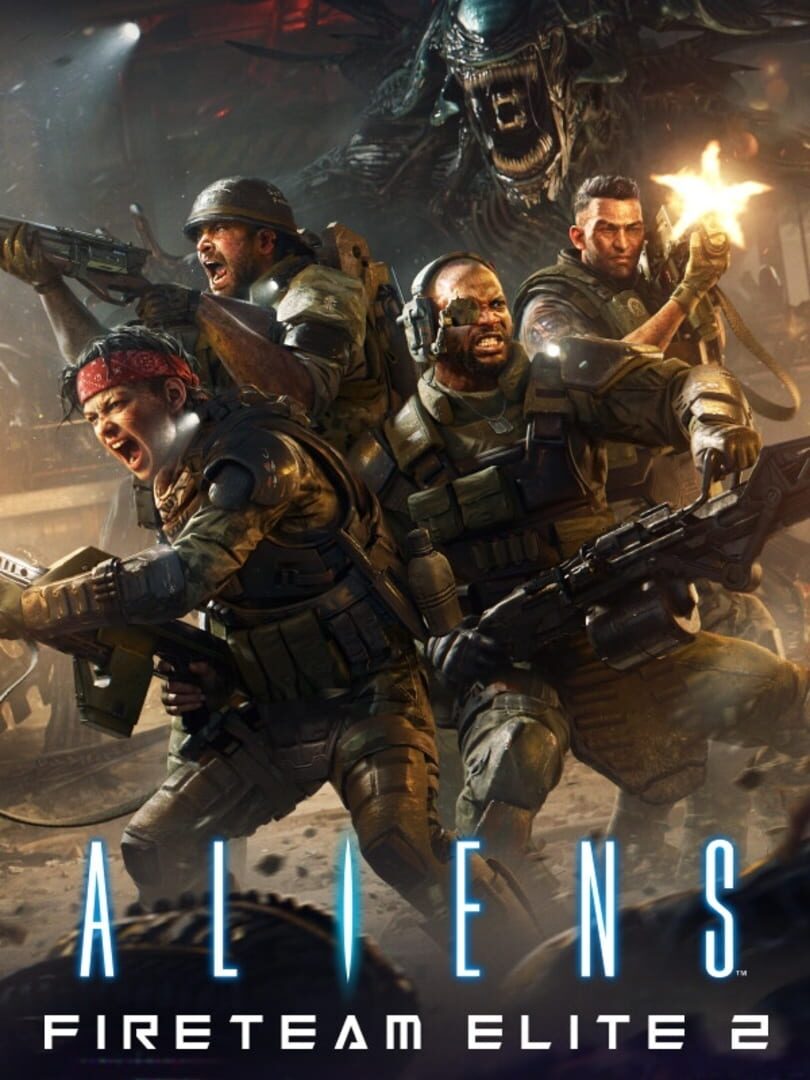
This is a fight for survival. Xenomorphs swarm in overwhelming numbers. Every room could be your last.
Released
August 25, 2026
Developer
Cold Iron Studios
Publisher
Daybreak Game Company


Tagged In
Discussion
0We want to hear from you. Share your perspective in the comments below, and please keep the conversation respectful.
Log in to join the discussion - vote, reply, and share your take.
Log In