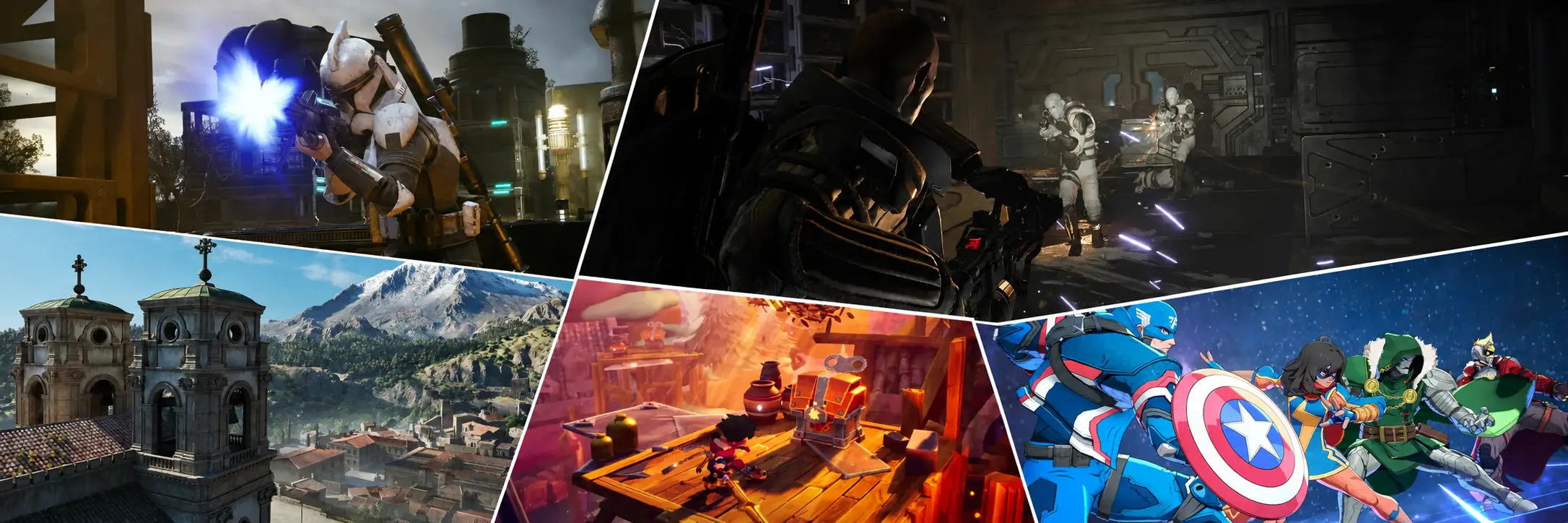
The 12 Biggest Game Releases of August 2026
From a new Game Freak RPG to long-awaited Metal Gear ports, August 2026 gives players almost no room to catch up.
August often creates a short pause between the summer showcases and the crowded autumn release calendar. That pause barely exists in 2026. The month begins with an original action RPG from Game Freak and quickly moves through co-op adventures, fighting games, military shooters, and survival horror.
The most interesting releases are not simply returning to familiar names. Several studios are changing how their established formulas work, while others are building entirely new games around ideas they have never attempted before. The following 12 releases are ordered by date and cover the games most worth watching this month.
Beast of Reincarnation
- Fictions
- August 4, PC, PS5, Xbox Series X|S
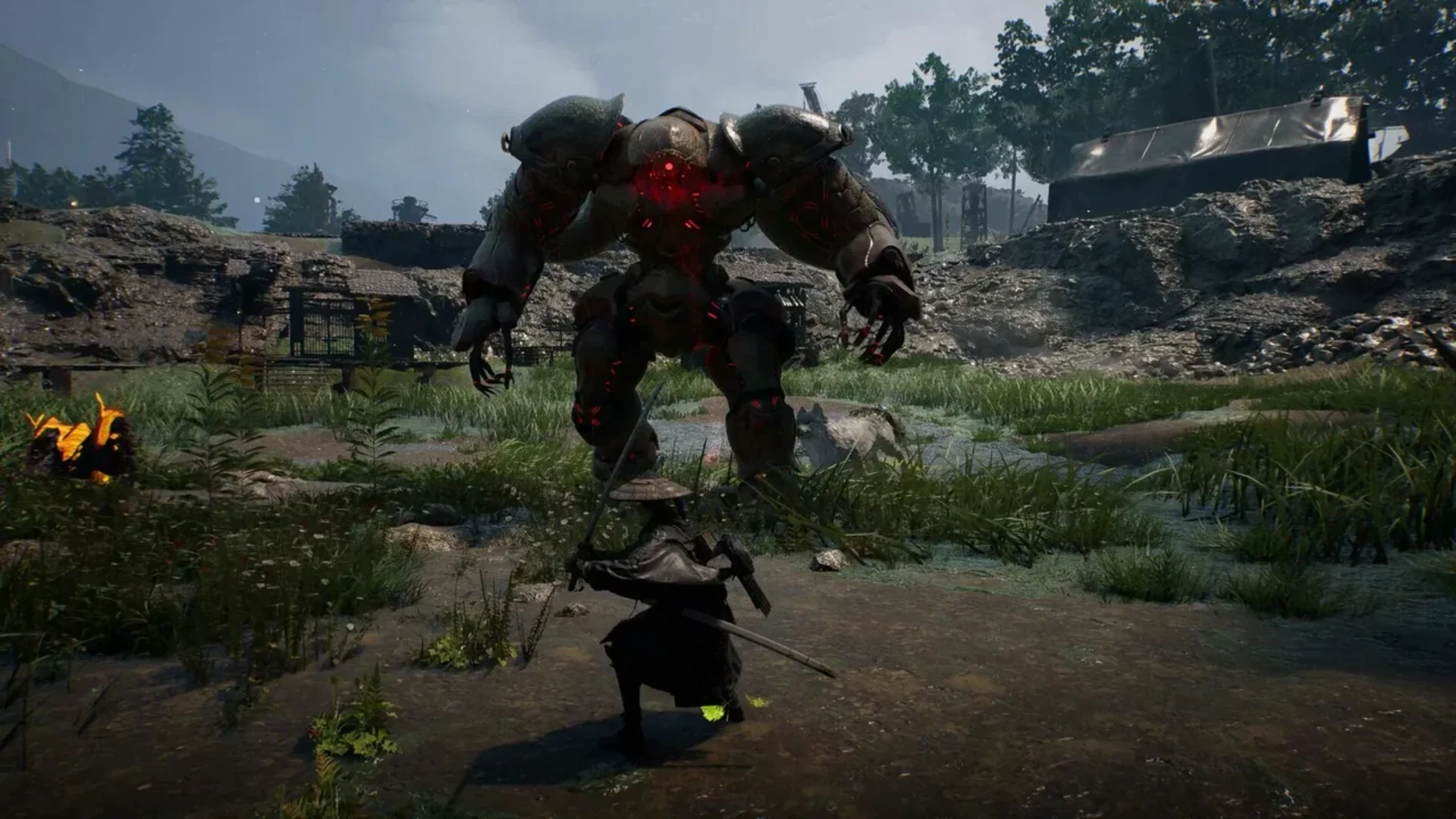
Game Freak leaves pocket monsters behind for a post-apocalyptic action RPG set in Japan in the year 4026. Emma is an outcast marked by a mysterious blight, while Koo is a large dog carrying the same affliction. Together, they travel through a country where hostile forests have consumed abandoned cities.
Combat combines Emma's real-time swordplay with commands issued to Koo. Opening the command menu briefly slows the action, creating enough space to select one of the dog's abilities without turning the encounter into a traditional turn-based battle. Emma still needs to parry attacks and fight at close range, so controlling Koo supports the action rather than replacing it.
Their relationship is also tied to progression. Caring for Koo strengthens the partnership and opens additional options in battle. That makes the dog more than a companion who follows Emma through cutscenes. He is part of how the player survives the journey, giving Beast of Reincarnation a more personal center than its ruined cities or enormous bosses.
Big Walk
- Panic
- August 4, PC, Mac, PS5, Switch 2
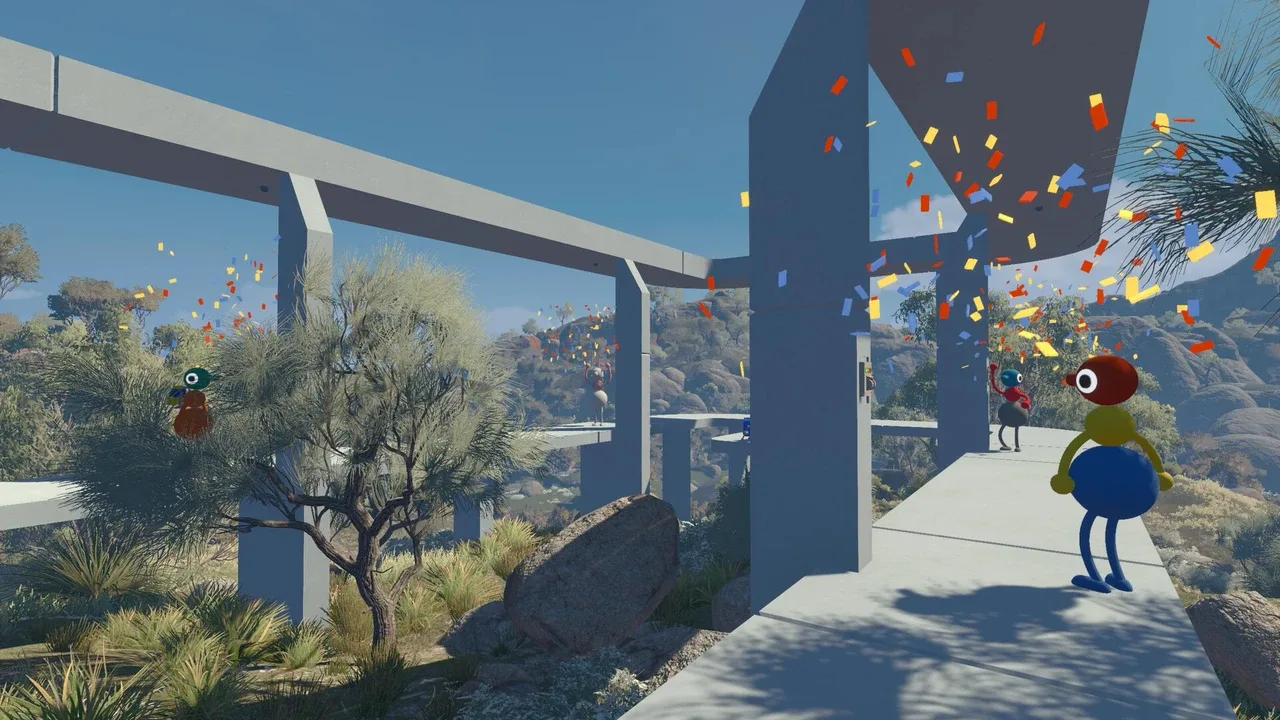
The creators of Untitled Goose Game have built a cooperative adventure about walking, talking, and regularly losing track of your friends. Groups of two to 12 explore a large open world filled with environmental puzzles, strange landmarks, and objects that seem designed to create arguments.
Communication is the central mechanic. Proximity chat fades with distance, echoes through corridors, and becomes muffled behind walls. Walkie-talkies and megaphones help across longer distances, while gestures become necessary when talking is not an option. There are no enemies chasing the group and no timer forcing everyone forward. Big Walk is equally happy to let friends solve a puzzle, watch a sunset, or kick somebody's binoculars into the ocean.
MARVEL Tōkon: Fighting Souls
- Sony Interactive Entertainment
- August 6, PC, PS5
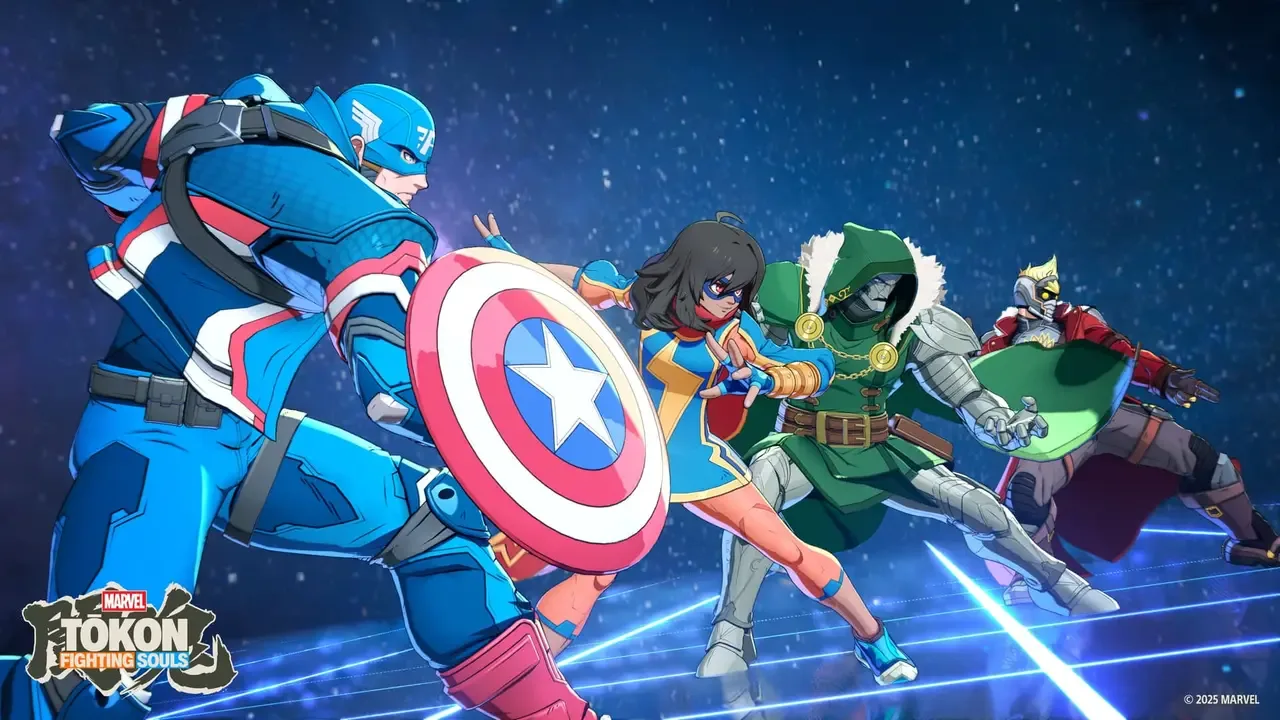
Arc System Works brings its experience with Guilty Gear and Dragon Ball FighterZ to a four-on-four Marvel fighting game. Each side chooses a team of heroes or villains, but the full squad does not enter the battle immediately. More fighters become available as the round develops, gradually expanding the number of assists and combinations the player can use.
This gives a match a different rhythm from a standard tag fighter. A character does not become useless when they leave the front line because their assist can still extend an attack or interrupt an opponent. Adjustable controls and simpler inputs make the first matches approachable, while active tags leave experienced players with plenty to explore.
The 20-character launch roster has been redesigned through Arc System Works' distinctive anime style. Anyone familiar with the titles in our ranking of the best fighting games of all time will know how important visual clarity becomes when several characters can influence the same exchange. Tōkon needs every assist and attack to remain readable when a fight becomes crowded.
Duskfade
- Fireshine Games
- August 13, PC, PS5, Xbox Series X|S, Switch 2
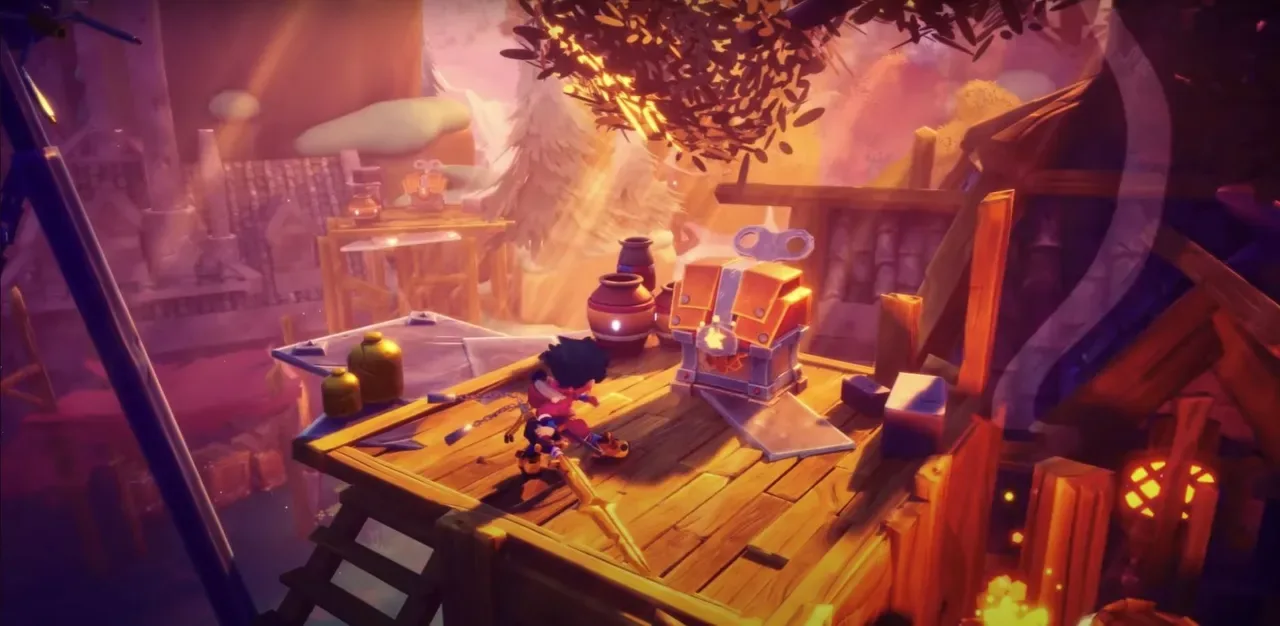
Duskfade looks back to the era of colorful 3D platformers without recreating one specific game. Zirian and his mechanical companion Cuckoo travel through a clockpunk world trapped in eternal night after a mysterious Clock Tower stops the passage of time. Finding Zirian's missing sister provides the personal reason for the journey. Jumping, dashing, grappling, and gliding carry him through large fantasy environments, while the same mobility shapes the game's combat. Time-based powers introduce another way to interact with traps and platforms. The bright presentation recalls PlayStation 2 adventures, but the story's focus on grief and growing up gives the familiar style a more serious purpose.
Hell Let Loose: Vietnam
- Team17
- August 13, PC, PS5, Xbox Series X|S
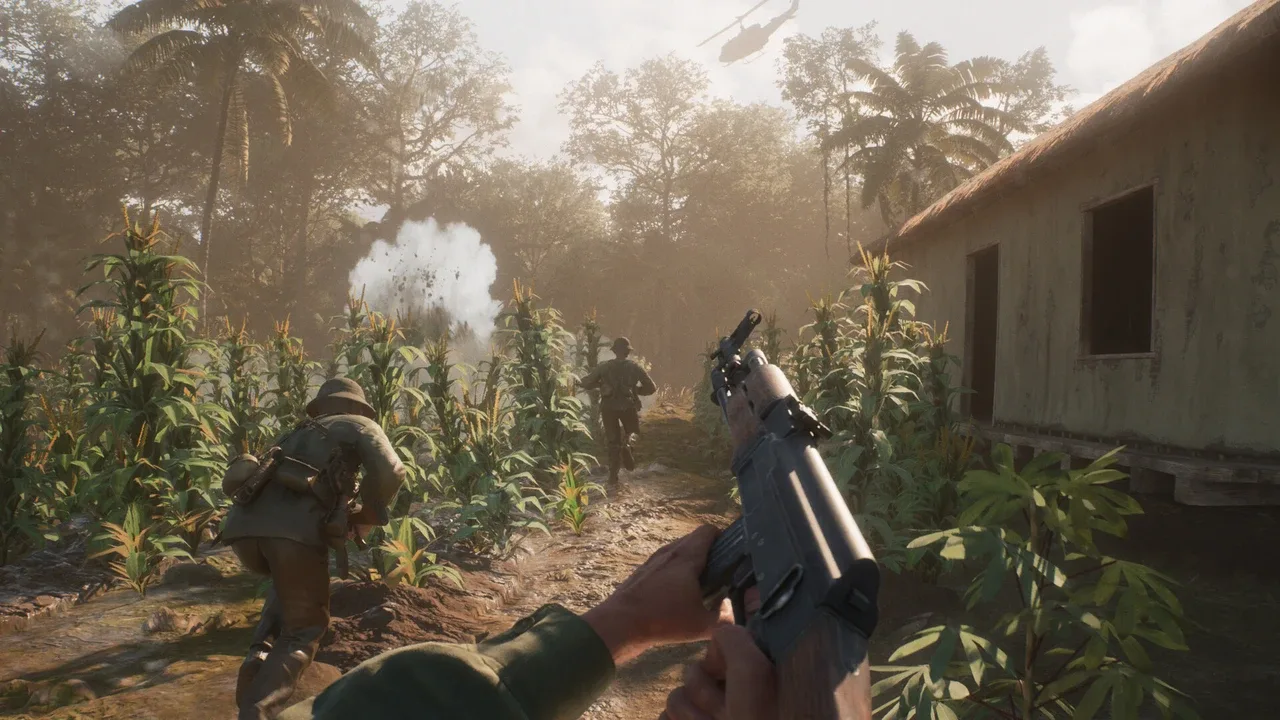
Hell Let Loose moves from the battlefields of World War II to Vietnam without abandoning its demanding 50-versus-50 structure. Individual shooting skill matters, but a squad without communication, supplies, or a useful commander is unlikely to accomplish much.
Six maps will be available at launch. Helicopters and patrol boats change how soldiers move across them, while dense vegetation makes it harder to identify where an attack is coming from. North Vietnamese forces can construct tunnel networks, giving the two sides different methods of approaching an objective.
The original Hell Let Loose produced extraordinary battles when dozens of players followed the same plan. It could also become a long walk towards an objective when nobody communicated. Vietnam keeps that dependence on teamwork and gives organized squads new ways to take advantage of it.
Mafia: The Old Country - Man of Honor
- 2K
- August 14, PC, PS5, Xbox Series X|S
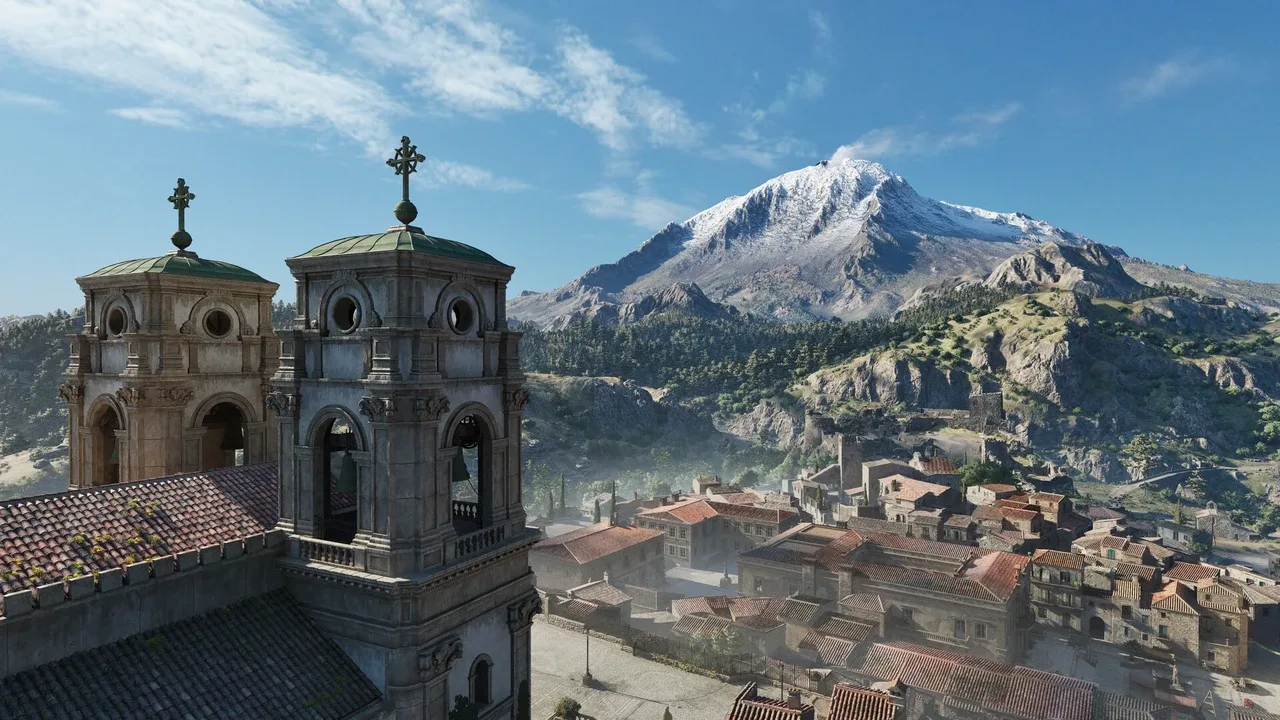
Man of Honor adds two story chapters to Mafia: The Old Country. Enzo Favara receives an assignment to help Ennio Salieri, the future Don whose rise and fall shaped the original Mafia. This allows the expansion to develop an existing part of the series rather than telling an unrelated criminal story. Salieri was already a powerful and feared man by the time Tommy Angelo met him, but little has been shown about how he earned that position.
Free Ride mode is also expanding with more activities. Weapons, vehicles, and charms introduced through Man of Honor will remain useful after the two chapters end. The Old Country benefited from its focused length, so a smaller expansion feels better suited to it than another oversized campaign.
The Sinking City 2
- Frogwares
- August 18, PC, PS5, Xbox Series X|S
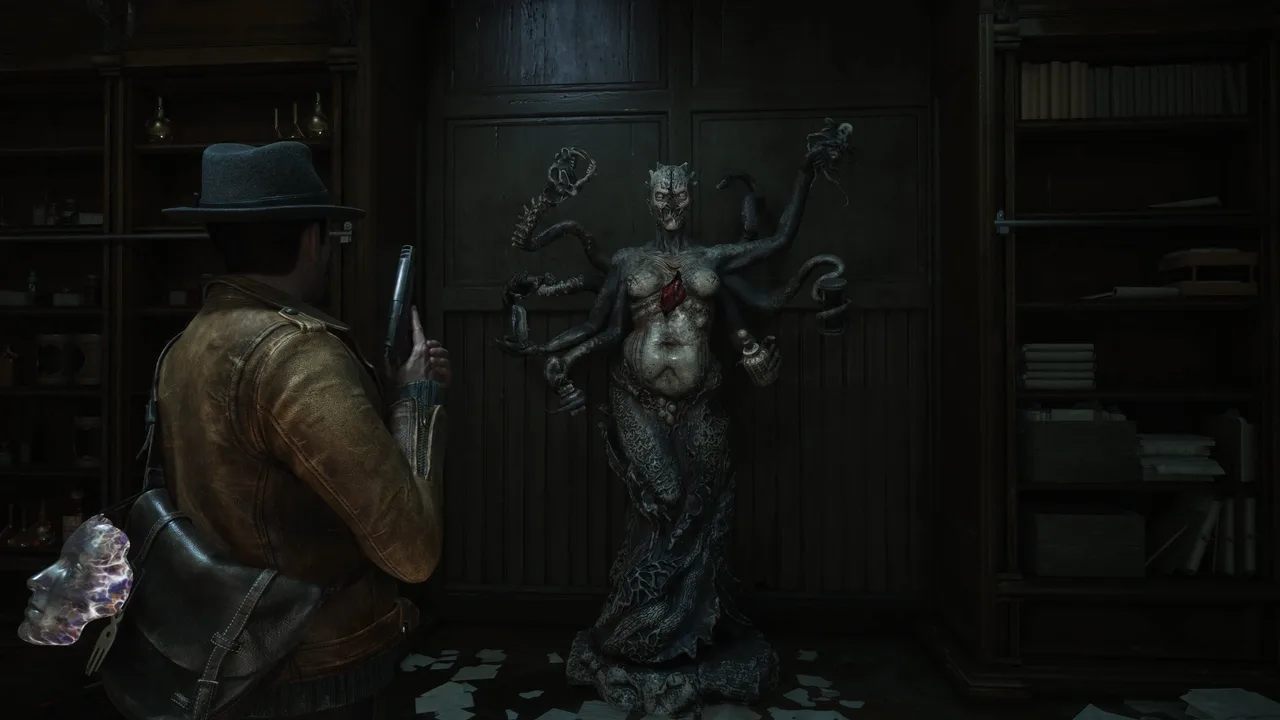
Frogwares is making a deliberate move from detective adventure towards survival horror. The Sinking City 2 takes place in a flooded version of 1920s Arkham, where ammunition, healing items, and inventory space are limited.
Investigations have not disappeared, but they are no longer the only reason to explore. Optional cases can reveal more about the city or lead to useful resources. Other buildings hide puzzles and routes that only become accessible after the correct tool has been found. Returning to an earlier area can therefore be worthwhile, even when it means facing more creatures.
The first game's Lovecraftian world was often more interesting than the action used to explore it. Placing greater pressure on combat and resource management changes that balance. Arkham is no longer just somewhere to investigate. It is a place the player must learn how to survive.
Mortal Shell II
- Playstack
- August 20, PC, PS5, Xbox Series X|S
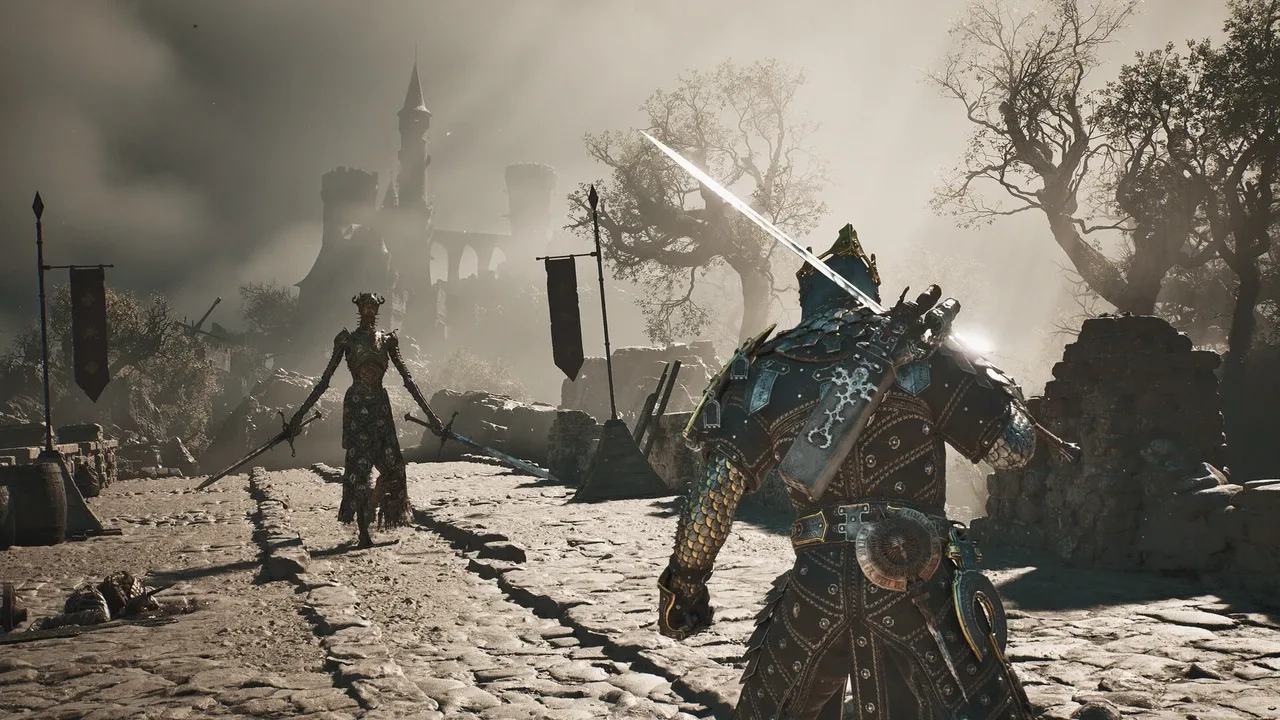
Mortal Shell's defining idea was the ability to possess fallen warriors and use their bodies as character classes. The sequel expands that system across an interconnected open world. Each Shell has its own history and combat identity, providing more than a different set of statistics.
Cold Symmetry is also pushing combat in a more aggressive direction. Traditional stamina restrictions have been removed, placing greater importance on posture breaks and precise defensive decisions. Sidearms create another option when closing the distance would be too dangerous. The game remains a demanding action RPG, but its standalone story means newcomers do not need to finish the original before possessing their first warrior.
Aliens: Fireteam Elite 2
- Daybreak Game Company
- August 25, PC, PS5, Xbox Series X|S
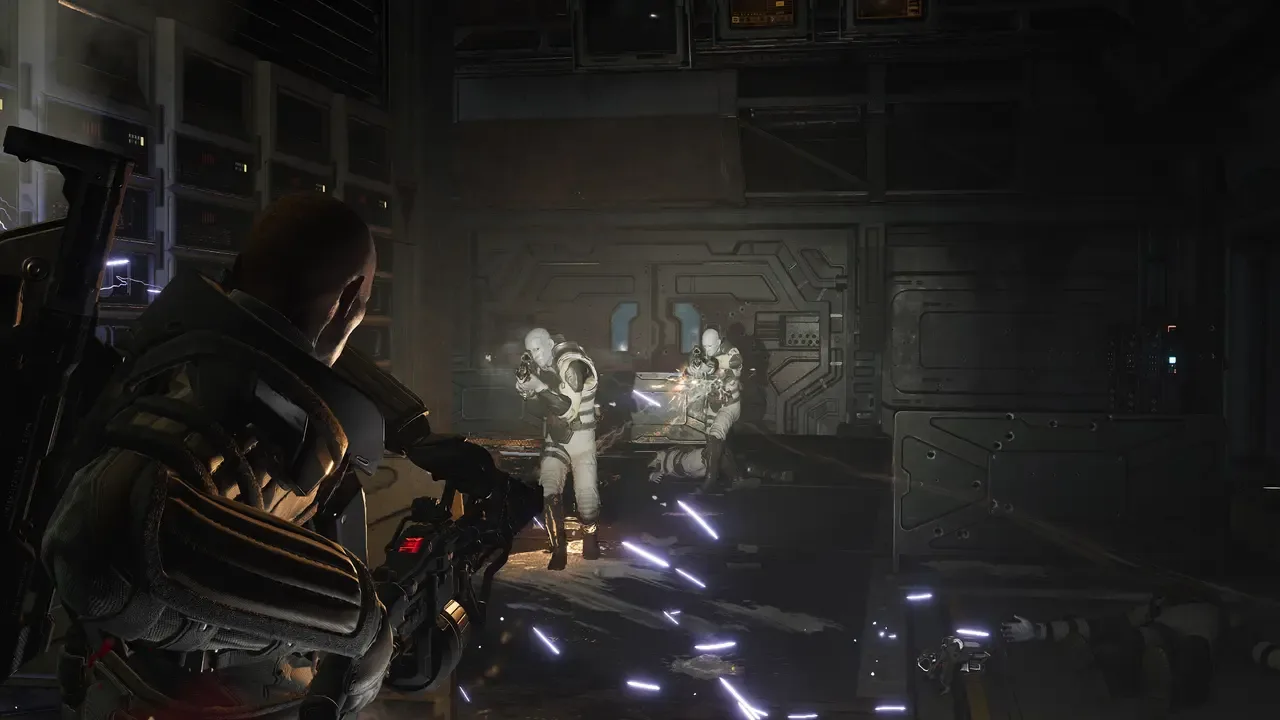
Aliens: Fireteam Elite 2 increases the squad size from three Colonial Marines to four. That extra person matters when corridors begin filling with Xenomorphs, Pathogen creatures, and Weyland-Yutani synthetics. The sequel offers a self-contained campaign with classes and abilities redesigned around the larger teams.
Players who reach the endgame can develop a Specialist by combining tools associated with other roles. An established group can cover a weakness without forcing one person to abandon their preferred style completely. The first game understood the simple appeal of watching a motion tracker fill with approaching targets. With four Marines opening fire at once, the challenge will be keeping those larger battles readable enough for players to understand what is attacking them.
Metal Gear Solid: Master Collection Vol. 2
- Konami
- August 27, PC, PS5, Xbox Series X|S, Switch, Switch 2
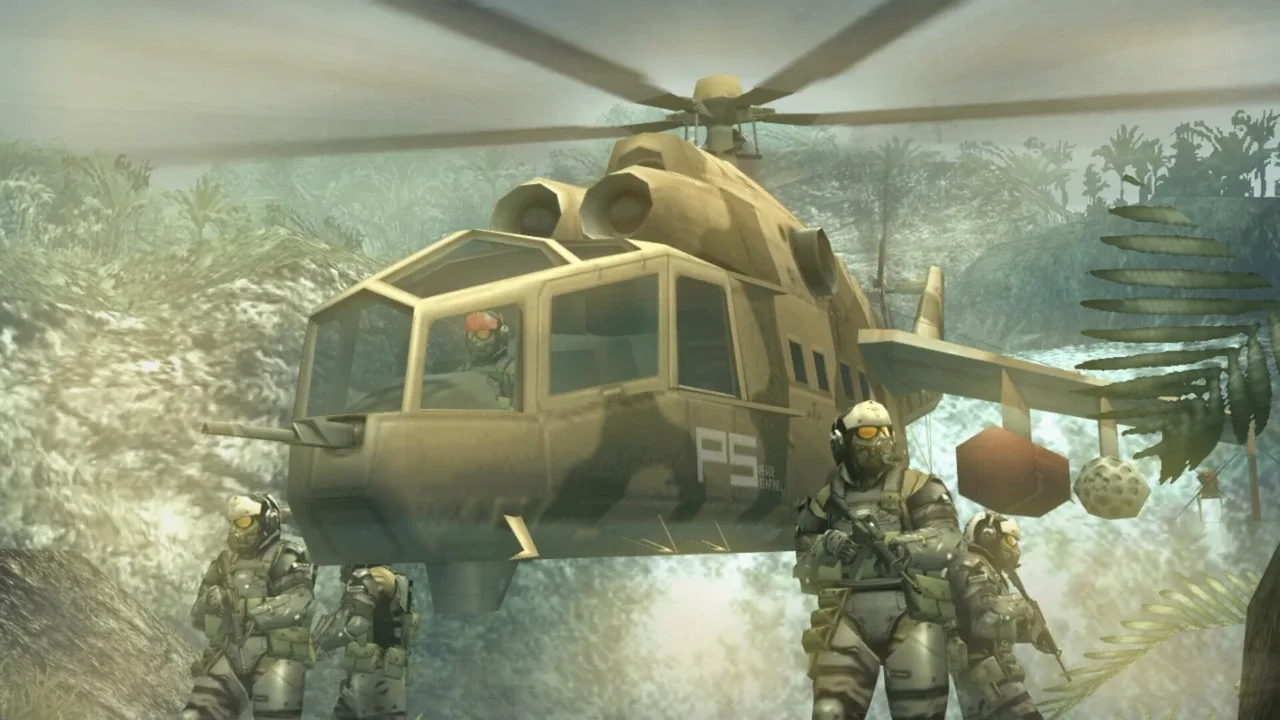
Metal Gear Solid 4: Guns of the Patriots is finally leaving the PlayStation 3. For almost 18 years, outdated hardware was the only official way to play the conclusion of Solid Snake's story. Its arrival on current platforms is the main reason this collection matters.
Peace Walker is the other major part of the package. Originally developed for PSP before receiving an HD edition, it introduced base development and mission-based progression that would later influence Metal Gear Solid V. Its cooperative modes are also returning, making this more than a collection of single-player campaigns.
Metal Gear: Ghost Babel joins as bonus content alongside digital books, a soundtrack, and additional archival material. Vol. 2 covers a stranger part of the series than the first collection, but that also makes it more valuable for preservation. Players should no longer need several old consoles to experience these games.
Resonance: A Plague Tale Legacy
- Focus Entertainment
- August 27, PC, PS5, Xbox Series X|S
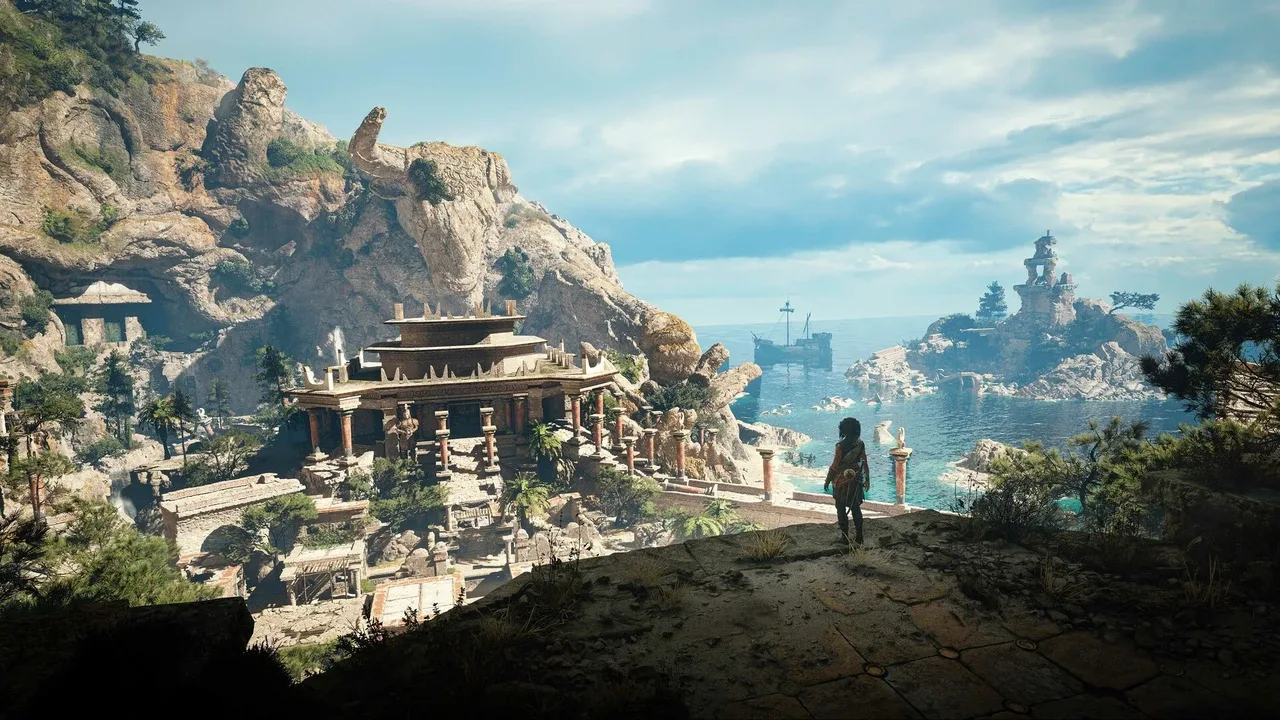
Resonance moves 15 years into the past and makes Sophia the protagonist. Her journey to Minotaur's Island explores the history of a character who was already a capable smuggler when she met Amicia and Hugo in A Plague Tale: Requiem.
Sophia is more comfortable in a direct fight than the series' previous heroes. A sword and dagger allow her to confront soldiers instead of always hiding from them, while a grappling hook creates more movement during exploration. Combat does not replace the environmental puzzles that defined A Plague Tale. Light manipulation and ancient mechanisms still interrupt the violence with slower problems to solve.
The change risks losing some of the helplessness that gave the earlier games their tension. It also allows Asobo Studio to design encounters around a protagonist who does not need to spend every confrontation searching for tall grass.
Star Wars Zero Company
- Electronic Arts
- August 27, PC, PS5, Xbox Series X|S
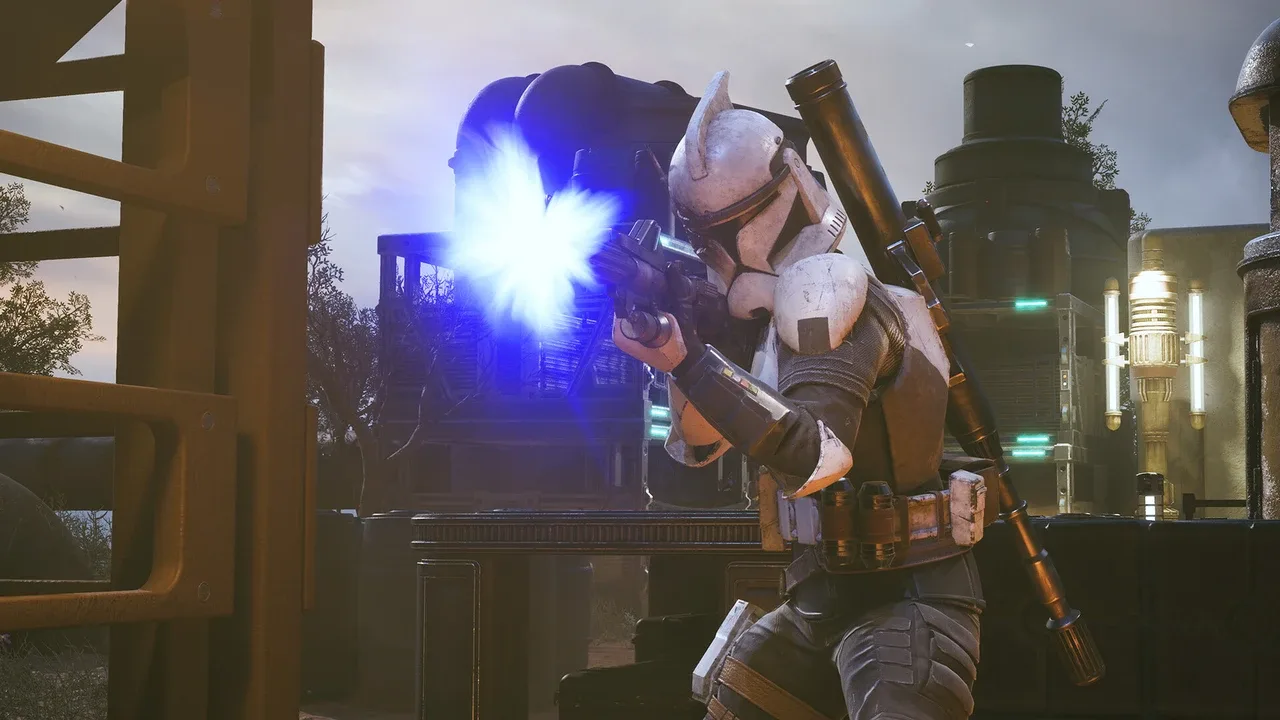
Star Wars finally receives a dedicated turn-based tactics game set during the final years of the Clone Wars. Former Republic officer Hawks leads an independent squad hunting the Infinite Coil, a cult working alongside the Separatists.
Zero Company can include a Clone Trooper, Mandalorian warrior, Jedi Padawan, and Umbaran sniper. Custom operatives provide more control over the team's appearance and abilities. Between missions, the squad returns to a hidden base called the Den to recover, develop relationships, and prepare for the next operation.
Bit Reactor includes developers with experience working on XCOM, but Zero Company is not simply placing Stormtroopers on familiar tactical maps. Relationships between squad members affect how they work together, and the campaign follows a fixed story instead of an endless war. A missed shot or injured operative can still ruin a carefully prepared plan, which feels appropriate for a group fighting a conflict that the rest of the galaxy barely understands.
Discussion
0We want to hear from you. Share your perspective in the comments below, and please keep the conversation respectful.
Log in to join the discussion - vote, reply, and share your take.
Log In