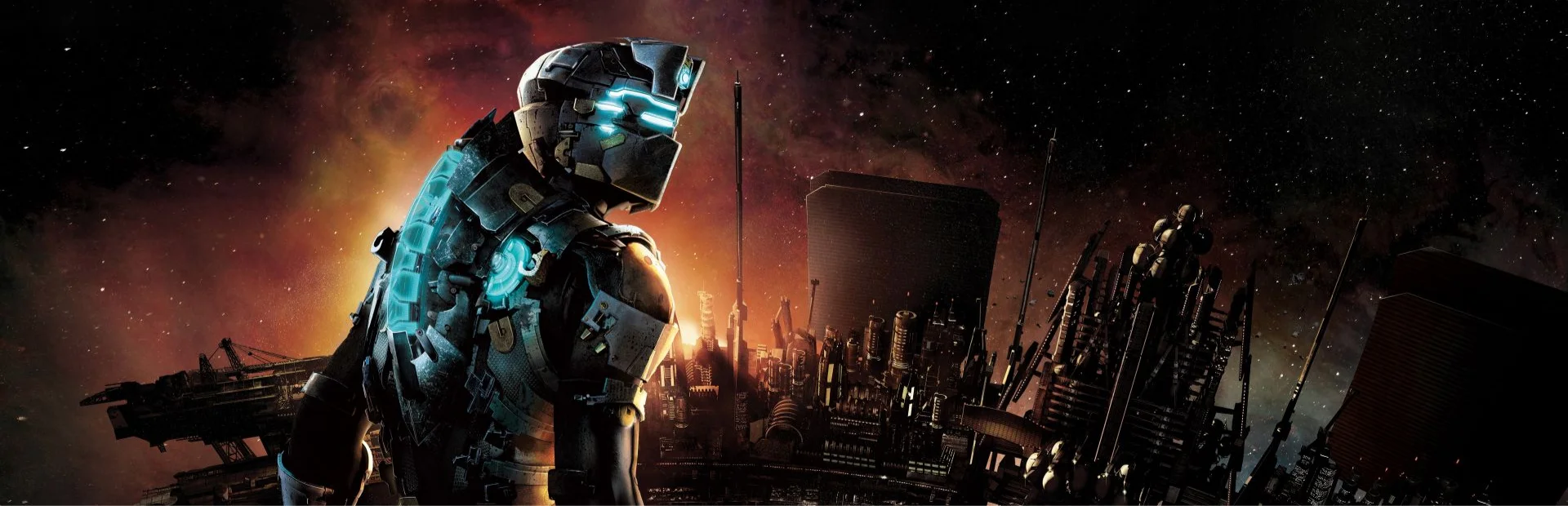
Dead Space makes the Ishimura terrifying all over again
Dead Space remake keeps the Ishimura terrifying with sharper combat, stronger atmosphere, voiced Isaac, and smart modern upgrades.
The 2023 version of Dead Space is the kind of remake that understands exactly how much it can change before the original starts slipping away. Motive has rebuilt the USG Ishimura with modern visuals, smoother controls, expanded rooms, and a more involved version of Isaac Clarke, but the shape of the 2008 game remains clearly visible underneath. This is still a tense survival-horror journey through a ruined mining ship where every vent looks suspicious and every saved round feels important.
That loyalty occasionally leaves old repetition intact, but it also protects what made Dead Space so effective. The narrow corridors, industrial machinery, scarce supplies, and deliberate combat still create a level of pressure that newer horror games often lose in their rush toward spectacle. The remake does not replace the original with a different vision. It takes a game that already knew how to frighten me and makes its best ideas harder to dismiss as nostalgia.
The Ishimura feels like one enormous haunted machine
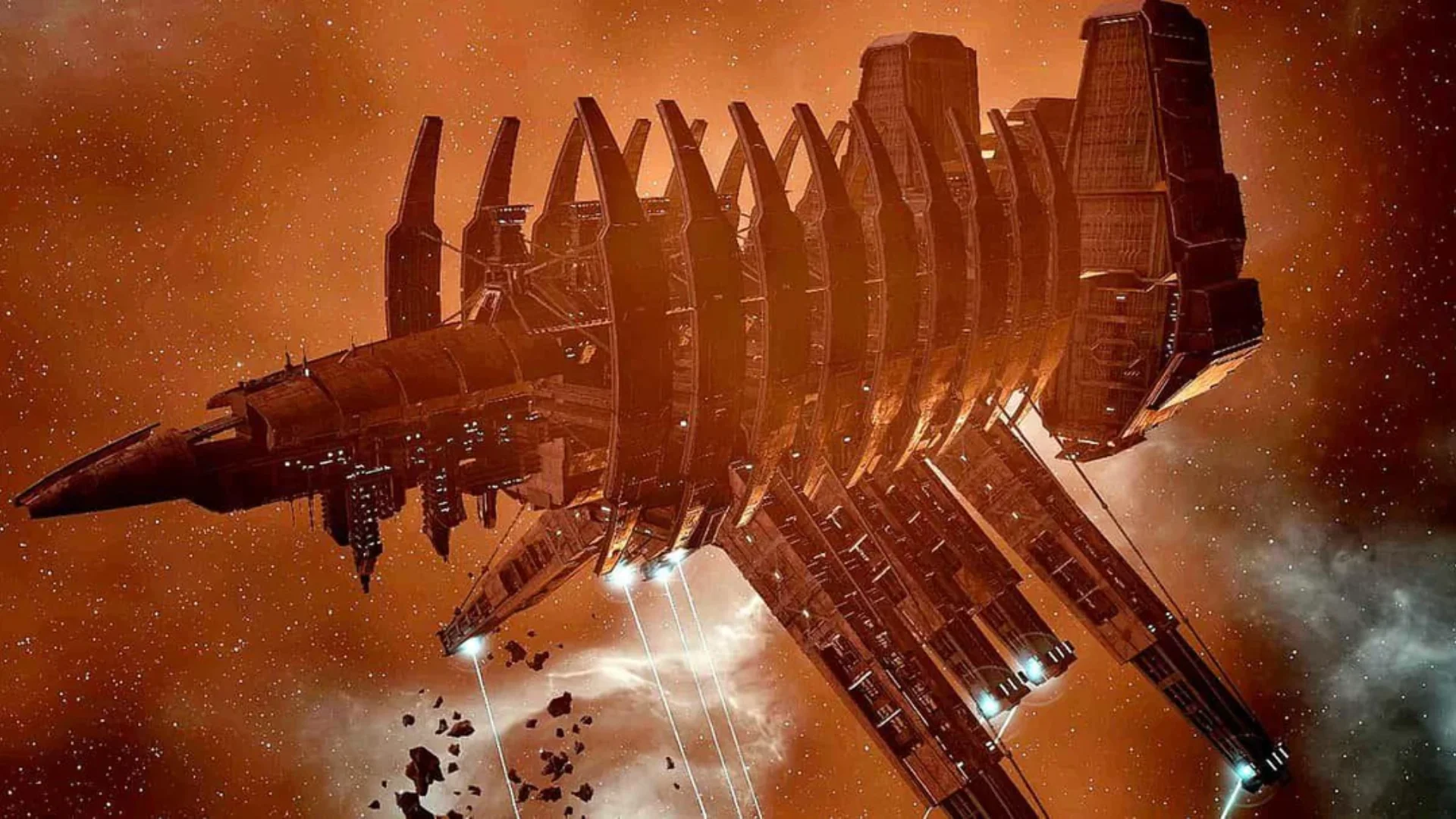
The USG Ishimura remains the real star. It is not simply a collection of gloomy levels linked by loading screens. It feels like a working vessel that has suffered a complete physical and social collapse. Medical wards, engineering decks, crew quarters, hydroponics facilities, and industrial spaces each have their own purpose, but every area belongs to the same tired machine. Even before I understood the full scale of what happened, the ship told its story through abandoned workstations, damaged equipment, emergency messages, and rooms left in sudden disorder.
The remake turns the Ishimura into a more connected space. I can travel between decks, revisit earlier areas, and unlock doors that were inaccessible during my first visit. Security clearance gives backtracking a practical reason, while new side missions add context to characters and events that passed too quickly in the original. The ship feels less like a straight sequence of chapters and more like a place I am gradually learning, even if returning to old corridors sometimes slows the pace.
Sound makes those corridors far worse. Metal shifts somewhere beyond the wall. Machinery starts without warning. Something moves through a ventilation shaft, then the noise stops before I can decide where it went. The game rarely allows complete silence, but it also avoids filling every pause with music. I spent long stretches waiting for an attack that never arrived, which left me more nervous when the real danger finally appeared.

Cutting through Necromorphs still demands attention
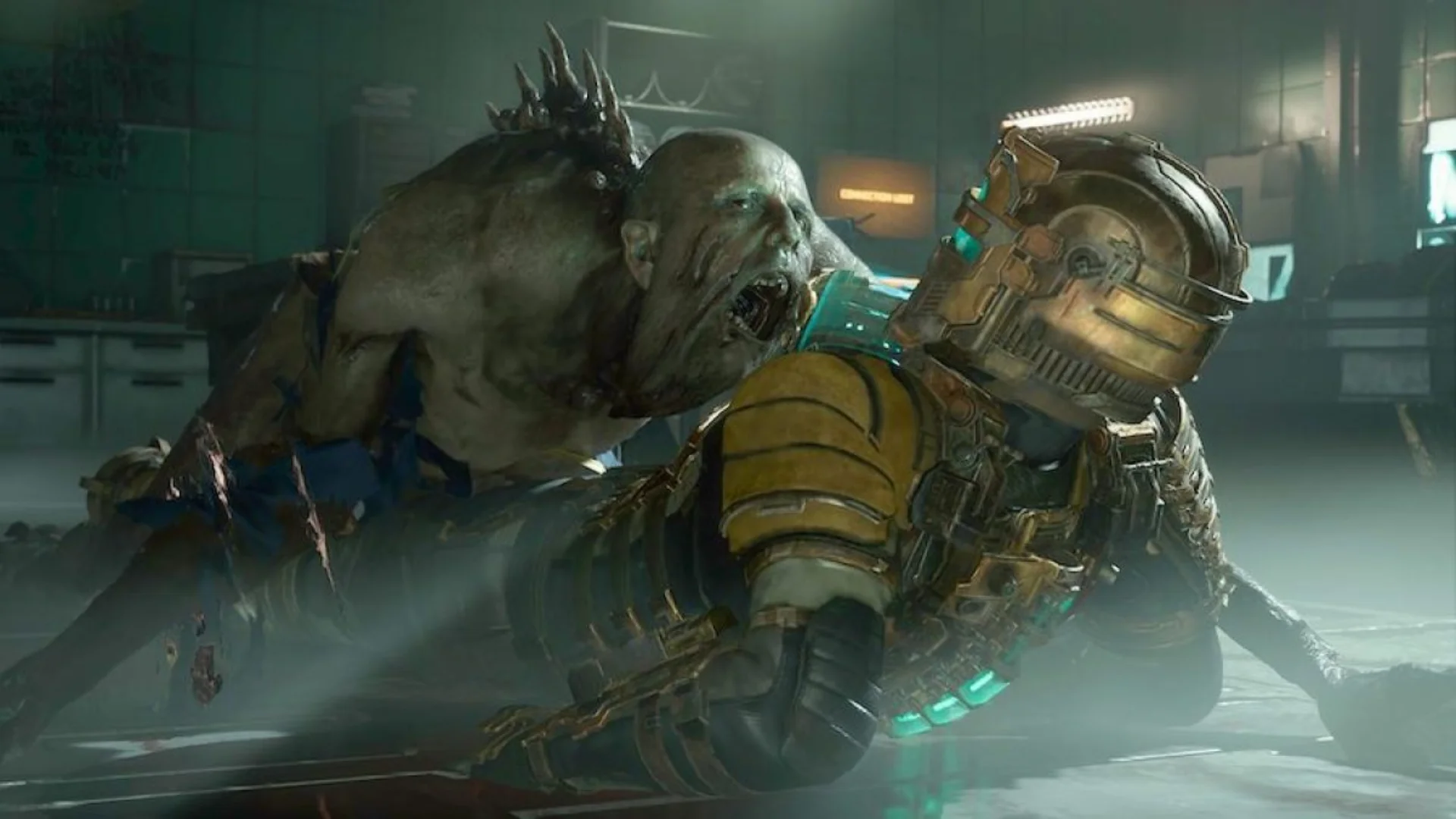
Dead Space continues to separate itself from other third-person horror games through its approach to combat. Aiming for the centre of an enemy is usually a poor choice. The game asks me to control the threat by targeting limbs, slowing movement, and creating enough room to survive. That gives every encounter a small tactical rhythm. I am not simply firing until something falls. I am deciding what needs to stop moving first.
The Plasma Cutter remains one of the most dependable weapons in survival horror. Its rotating firing line is simple to understand, accurate enough to trust, and useful throughout the entire campaign. The wider arsenal introduces different ways to manage crowds and narrow passages, while alternate firing modes make several weapons more useful than they were in 2008. Stasis and kinesis also fit naturally into combat, allowing me to slow a fast enemy or turn loose objects into emergency tools when ammunition runs low.
Fights become less interesting when the game relies too heavily on repeated vent attacks and familiar enemy combinations. Once I learned the usual warning signs, some scares became predictable. The combat still carries enough tension to survive that repetition, largely because resources never feel completely secure. A careless encounter can burn through ammunition and healing items that I expected to save for later, turning a small mistake into a problem that follows me into the next room.
Isaac finally feels present in his own story
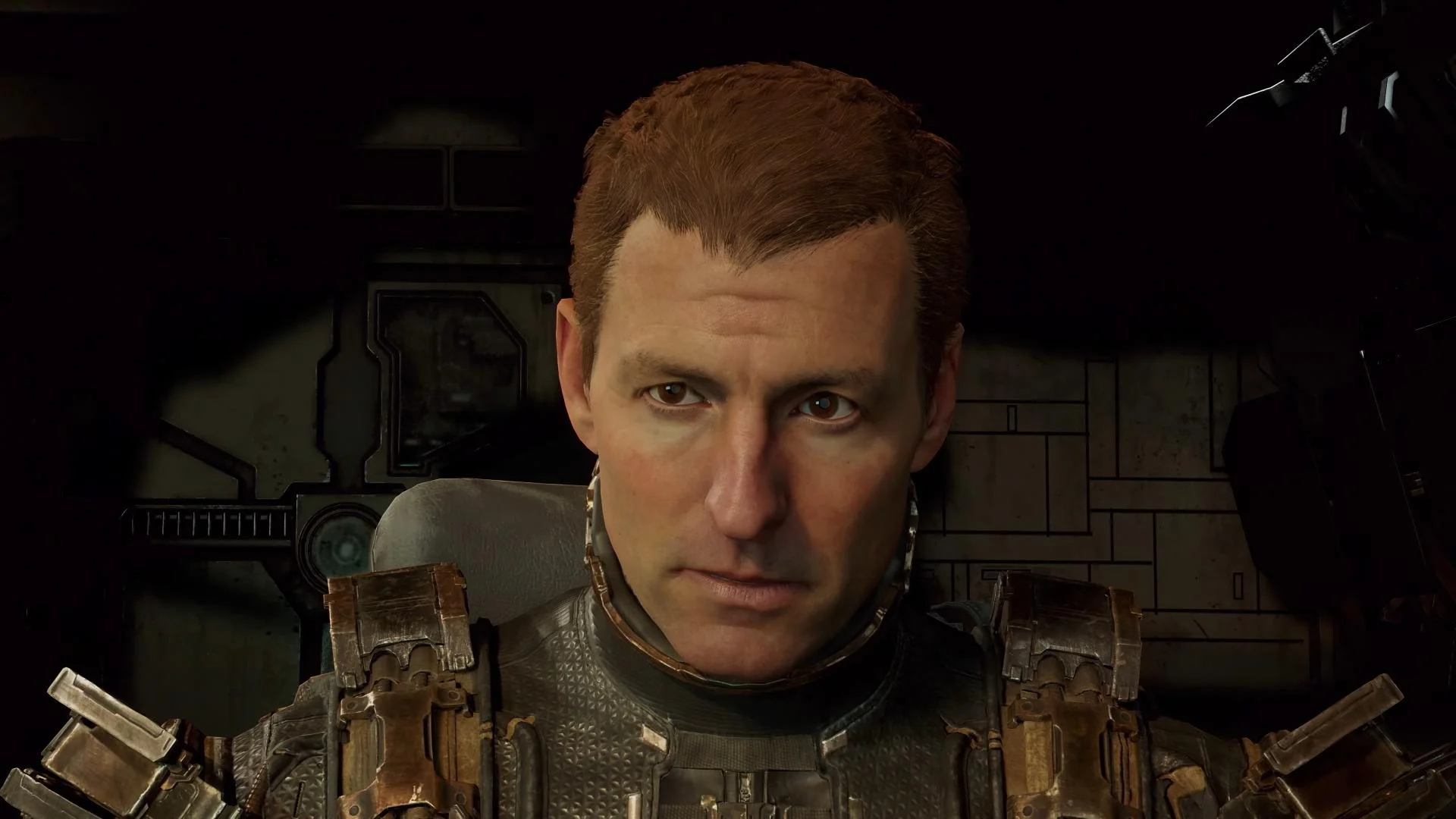
Isaac was silent in the original Dead Space, which made him an effective stand-in for the player but an awkward participant in conversations. The remake brings back Gunner Wright and gives Isaac a voice, allowing him to answer questions, propose engineering solutions, and react to the people around him. He now sounds like someone whose professional knowledge is keeping the group alive rather than a silent pair of hands waiting for instructions.
The change also helps his search for Nicole feel more personal. Isaac's connection to the Ishimura is no longer carried almost entirely by recordings and other characters talking at him. His concern, denial, and growing exhaustion give the story a clearer emotional line without turning him into a constant commentator. He speaks when the situation calls for it, then the game gives the ship control again.
The wider plot still leans on familiar science-fiction horror ideas involving religious obsession, corporate secrecy, and people trying to control something they barely understand. The execution gives those ideas force. Audio logs and environmental details reveal how quickly routine aboard the Ishimura gave way to fear, while the remake's added scenes smooth out several weak transitions. The story is not subtle, but it rarely needs to be when the setting carries so much of the tension.
The remake improves more than its appearance
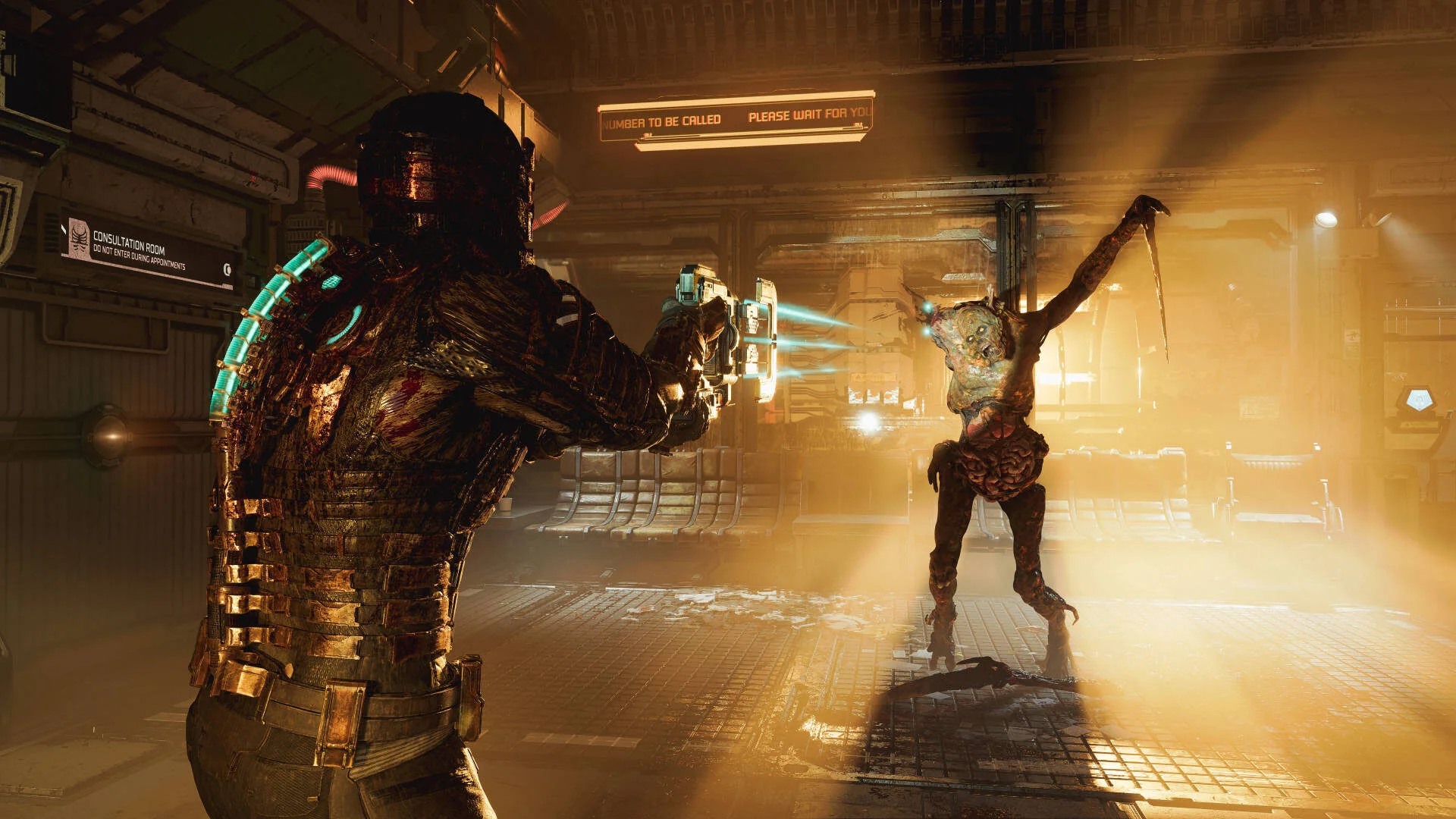
The visual overhaul is impressive, but lighting does more for the experience than raw detail. Darkness has depth now. Emergency lights throw uneven colour across corridors, smoke hides movement, and reflective surfaces make rooms feel larger and less readable. The remake is often visually striking, yet it never turns the ship into a clean technical showcase. Everything looks used, damaged, damp, or close to breaking.
Zero-gravity movement receives one of the most valuable mechanical upgrades. Isaac can move freely with thrusters instead of jumping rigidly between surfaces, making these sections easier to control and far less disorientating for the wrong reasons. Redesigned puzzles and power-routing choices also give familiar rooms a new tension. Restoring power to one system may disable lights or life support elsewhere, forcing me to accept a different kind of danger before moving forward.
Not every older element disappears. Some objectives still stretch one task across too many rooms, while repeated tram rides and long lifts expose the age of the original structure. The intensity system can change enemy appearances, lighting, and environmental events during return visits, but it cannot make every journey feel new. The remake is clever about refreshing the experience without pretending the original had no pacing problems.
Dead Space remains an essential survival-horror game
Dead Space is a careful remake of a game that needed modernisation more than reinvention. The connected Ishimura, improved zero-gravity movement, revised weapons, side missions, and voiced Isaac all strengthened the experience without weakening its identity. Its repetitive encounters and occasional stretches of busywork still show through, but they never overtake the dread created by the ship, its soundscape, and the constant pressure on my supplies.
This is the version I would recommend to newcomers and the one I would return to as a fan of the original. Players looking for fast action may find its deliberate movement and resource management restrictive, but anyone drawn to tense exploration and survival-horror combat should make the trip. Dead Space takes a familiar nightmare, gives it a stronger body, and proves that Ishimura has lost none of its ability to make me fear the next open door.
Tagged In
Discussion
0We want to hear from you. Share your perspective in the comments below, and please keep the conversation respectful.
Log in to join the discussion - vote, reply, and share your take.
Log In