The 5 Best Dragon Ball Games of All Time
Discover the five best Dragon Ball games of all time, from Kakarot to FighterZ, and see what sets each entry apart from the rest.
For generations, Dragon Ball has taught fans about friendship, courage, and sacrifice, while the world created by Akira Toriyama has inspired countless great games, from expansive RPGs to competitive fighting games.
A large roster alone is not enough to make a great Dragon Ball game. The best titles have managed to turn the rules of the anime into actual mechanics. They let players transform during fights, interrupt attacks with teleportation, destroy arenas, or build three-character teams in which every fighter has a specific role.
To build this ranking for Zero1Gaming, we considered gameplay, content, player reception, and each title's importance to the series. We also looked at how well these games have aged. The final five all found their own direction instead of simply repeating familiar ideas.
5. Dragon Ball Z Kakarot
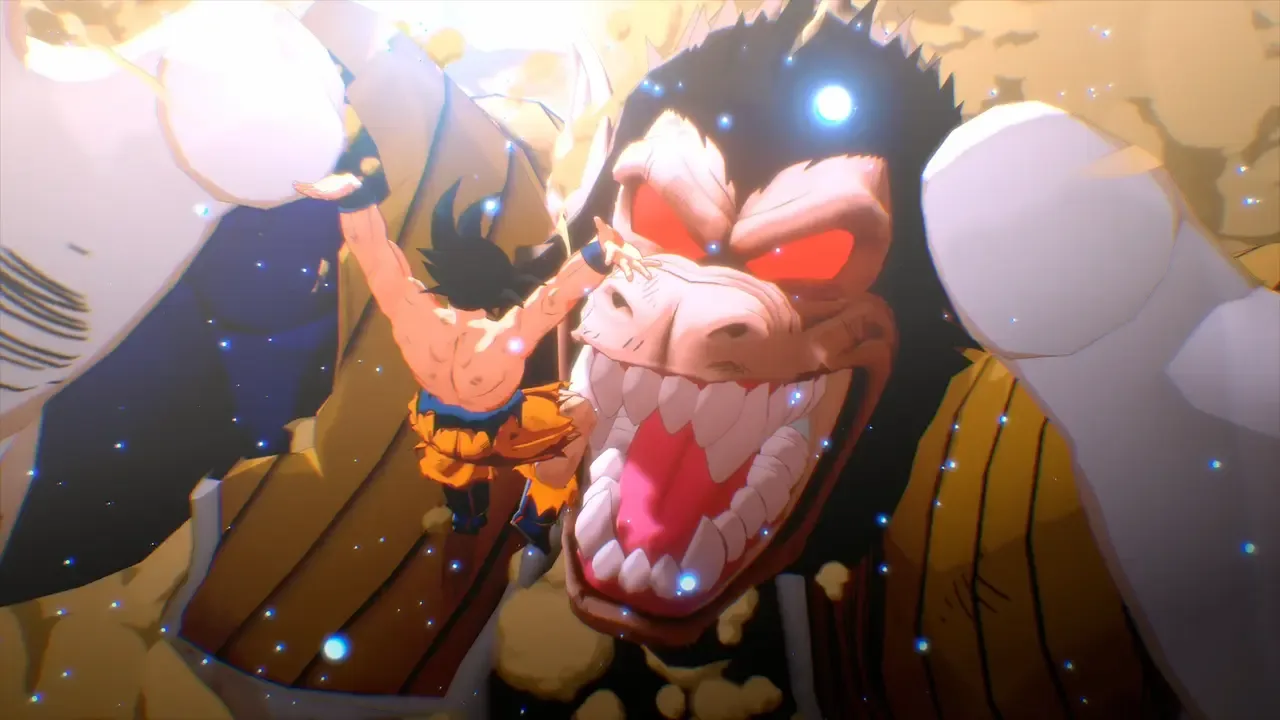
Most Dragon Ball games rush from one fight to the next. Dragon Ball Z: Kakarot slows down between its biggest battles and shows what life looks like when the heroes are not busy defending Earth. Goku can fish, eat meals prepared by Chi-Chi, train, collect Z Orbs, and explore familiar locations. These quieter activities are not always particularly deep, but they give the world a personality that earlier adaptations lacked.
CyberConnect2 retells the story from Raditz's arrival to the end of the Majin Buu saga. The most important fights have their own animations, transformations, and attacks, while encounters with Frieza, Cell, and Buu have the scale they deserve. The combat is spectacular, although its limitations become clearer over time. Many battles come down to breaking an opponent's guard, avoiding a telegraphed attack, and answering with the strongest available technique. Side quests also frequently send players to collect items or defeat another group of similar enemies.
Despite those problems, Kakarot remains the best way to experience the entire Dragon Ball Z story firsthand. The game continued to receive content long after release, and the second Dragon Ball Daima expansion, released in January 2026, showed that its formula could accommodate much more than the four main sagas. For viewers who know the anime but are only beginning to explore its games, this is the most accessible entry point.
4. Dragon Ball Z Budokai 3
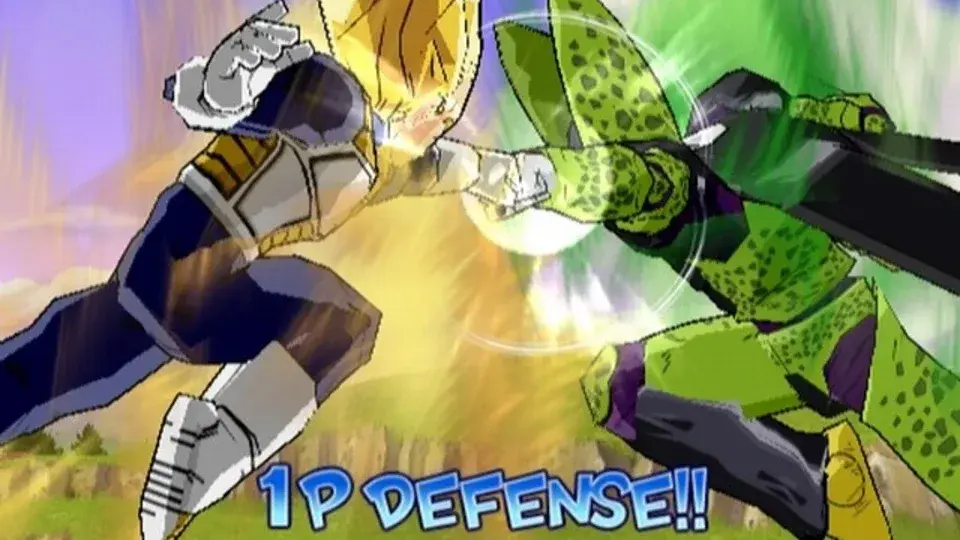
Released in 2004, Dragon Ball Z: Budokai 3 did not attempt to recreate the free flight or enormous arenas seen in the anime. Dimps instead placed two fighters on a single plane and built a fast fighting game around combos, Ki management, and well-timed teleportation. Transformations happened during fights and affected each character's energy level. When two powerful attacks collided, they could trigger a classic beam struggle.
These systems gave the different forms of Goku and Vegeta mechanical significance. Super Saiyan was not simply another character model selected before a fight. Players had to find the right moment to transform, then maintain their advantage without losing the form. The system lacked the competitive depth of modern fighting games, but it used the rules of the Dragon Ball universe well.
Dragon Universe allowed players to experience the story from the perspectives of different characters. Instead of watching one linear version of events, players flew across a map, searched for the Dragon Balls, discovered hidden battles, and developed their chosen fighter. Not every element has aged equally well. Dragon Rush sequences based on predicting the opponent's choice could interrupt the rhythm of a fight, while some characters used very similar combinations. Even so, Budokai 3 still moves at an excellent pace and responds immediately to player input. Its user score of 8.6 remains one of the highest in the series.
3. Dragon Ball Z Budokai Tenkaichi 3
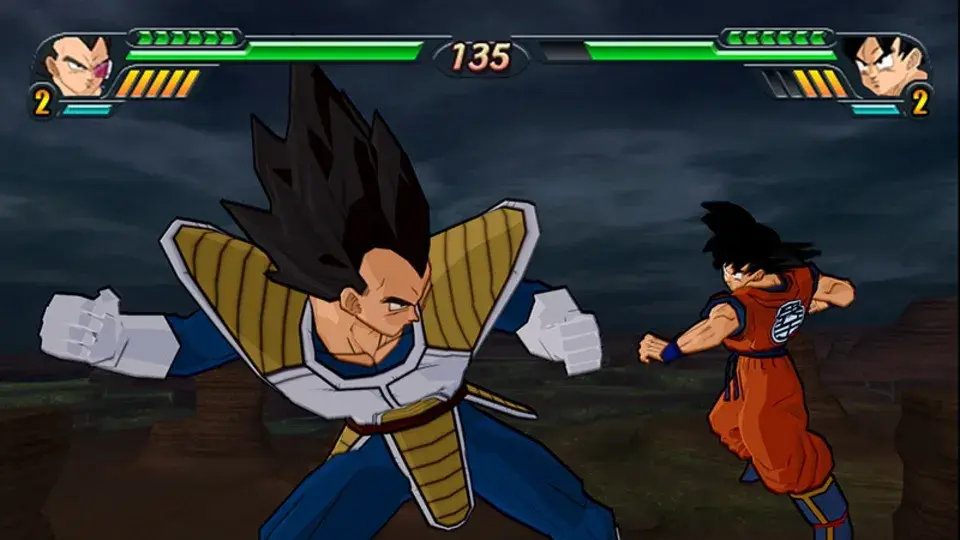
Budokai Tenkaichi 3 had a completely different goal from the third Budokai game. It did not want to be a traditional fighting game in which two characters faced each other inside a limited arena. The camera sat behind the fighter, while players could fly, search for their opponent, close the distance in an instant, and send them crashing through rocks and buildings. It came much closer to recreating the fights seen in the anime.
The game featured more than 150 characters and forms from different periods of Dragon Ball. Alongside the most important versions of Goku, Vegeta, and Gohan were fighters who would have received little more than a short appearance in other games. The shift between day and night affected certain transformations, giant characters genuinely towered over ordinary fighters, and a sufficiently powerful attack could change the appearance of the arena. Balance was never the main concern. A fight between Yamcha and Gogeta was not supposed to be fair.
The camera could lose track of an opponent, the defensive system required players to learn numerous combinations, and the story mode was less extensive than the one in Budokai Tenkaichi 2. None of that stopped it from becoming one of the most important games in the history of the licence. In local multiplayer, every character selection could start an argument about who had the biggest advantage, while the wide range of options allowed players to organize their own tournaments and unusual matchups. Critics gave the Wii version a score of 72 out of 100, but its user score stands at 8.8. That gap shows the special place the game earned among fans.
2. Dragon Ball Sparking Zero
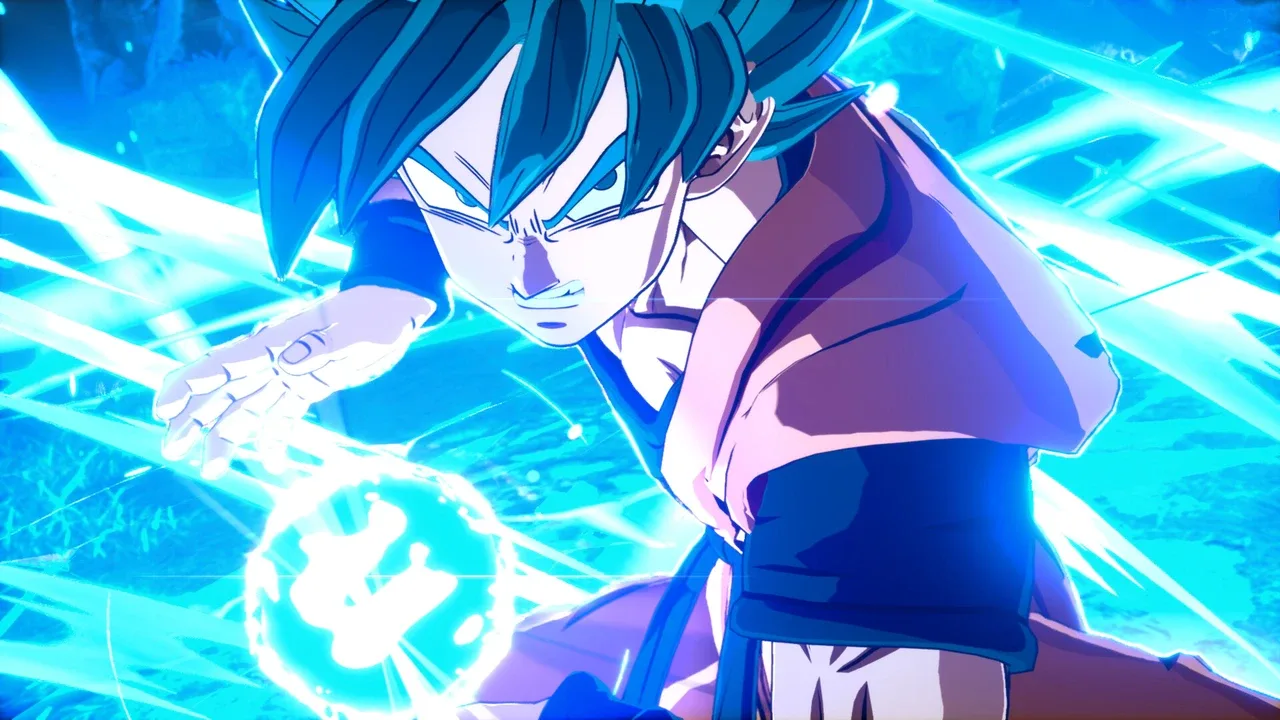
Players waited 17 years for a full successor to Budokai Tenkaichi 3. Dragon Ball: Sparking! Zero makes no attempt to hide its roots. It keeps the over-the-shoulder camera, rapid movement around the arena, fights at different heights, and deliberately uneven power levels between fighters. At the same time, modern hardware gives these battles a scale that PlayStation 2 games could only dream of.
The base game includes more than 180 fighters from Dragon Ball Z, Super, GT, and the movies. Arenas react to explosions, buildings collapse during fights, and the strongest techniques leave craters behind. Episode Battle recreates major encounters, while its what-if scenarios explore alternative versions of familiar events. Not every story received the same level of presentation, but the best branches offer fans something more interesting than another identical retelling of the Frieza saga.
The game still has clear weaknesses. Its menus are unnecessarily complicated, online balance can be frustrating, and some fighters share similar basic combo strings. Regular updates have addressed many problems and added new modes, including Survival Mode in 2026. Sparking! Zero is now the most complete playable collection of characters, transformations, and matchups from across the franchise. It is made for fans who want to recreate an anime fight and then immediately test a completely absurd pairing of fighters.
1. Dragon Ball FighterZ
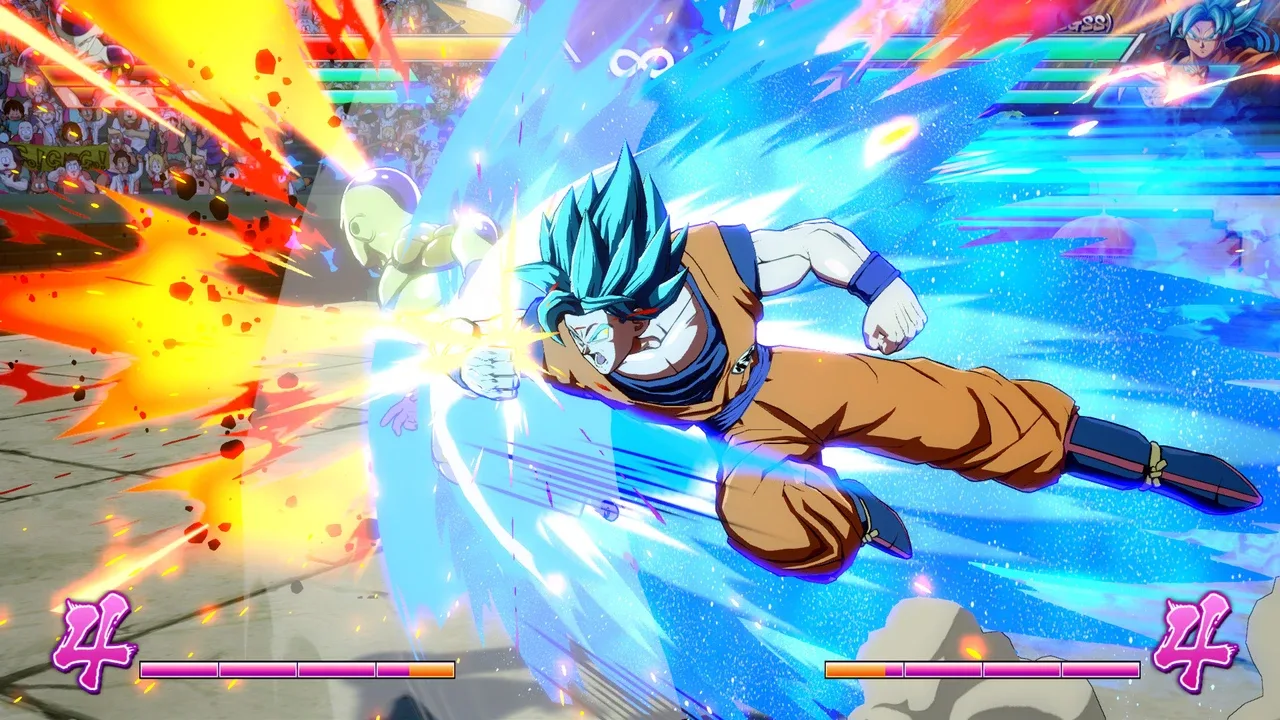
Dragon Ball FighterZ achieved something that earlier games had struggled to do. It became a full-fledged tournament fighting game without losing the personality of its source material. Arc System Works used a three-on-three system in which fighters can call partners for assistance, extend combos, and switch the active character without stopping the match. Basic attacks are easy to perform, but mastering team composition, assists, and meter management takes considerably more time.
Any clean hit can lead into a longer combo, so a good player must watch the opponent's position, available assists, and remaining resources. Vanish allows a fighter to teleport behind an opponent, Dragon Rush breaks through defence, and a well-timed Super Dash punishes projectiles thrown at the wrong moment. These mechanics draw from the anime, but each has a specific purpose in combat. They are not merely flashy animations.
The presentation remains one of the best anime adaptations in gaming. The 3D character models were posed and animated to resemble hand-drawn characters in motion. The camera changes perspective during the strongest techniques, while special finishes recreate specific scenes from the series. The smaller roster is offset by clear differences in fighting style. Broly controls space differently from Hit, Android 18 calls Android 17 for assistance, and Ginyu can bring the entire Ginyu Force into battle.
The story mode is too long and repeats too many fights against clones, while the lobby system has complicated simple tasks since launch. None of those problems makes the combat any less impressive. Sparking! Zero offers greater freedom and a much wider roster, but FighterZ has the better fighting system. Its Metascore of 87 also makes it the highest-rated Dragon Ball game among critics. This is a game that does not need to be excused simply because it carries a popular licence.
Tagged In
Discussion
0We want to hear from you. Share your perspective in the comments below, and please keep the conversation respectful.
Log in to join the discussion - vote, reply, and share your take.
Log In