
How to Fish turns a simple fishing loop into hilarious co-op chaos
Dazed Games replaces peaceful angling with flopping fish, firearms, boss fights, and just enough progression to keep the joke moving.
Most fishing games treat the moment a catch reaches land as a reward. How to Fish treats it as the start of a new problem. The fish is still alive, still moving, and often determined to throw itself back into the water. Reeling it in is only one part of the job. The other part might involve fists, a knife, a shotgun, or a carefully timed trick shot while the unfortunate animal flies through the air.
That absurd escalation defines How to Fish, a compact co-op adventure released on Steam on August 20, 2026, by the two-person team at Dazed Games. After a drunken boating accident leaves the group stranded, players begin with no equipment and work through an island chain by catching fish, selling them, buying better gear, and fighting increasingly ridiculous bosses. It is a deliberately shallow fishing game wrapped around a lively co-op comedy, and it works best when every loose object, bad decision, and startled friend adds something unexpected to the routine.
Catching a fish is only the beginning
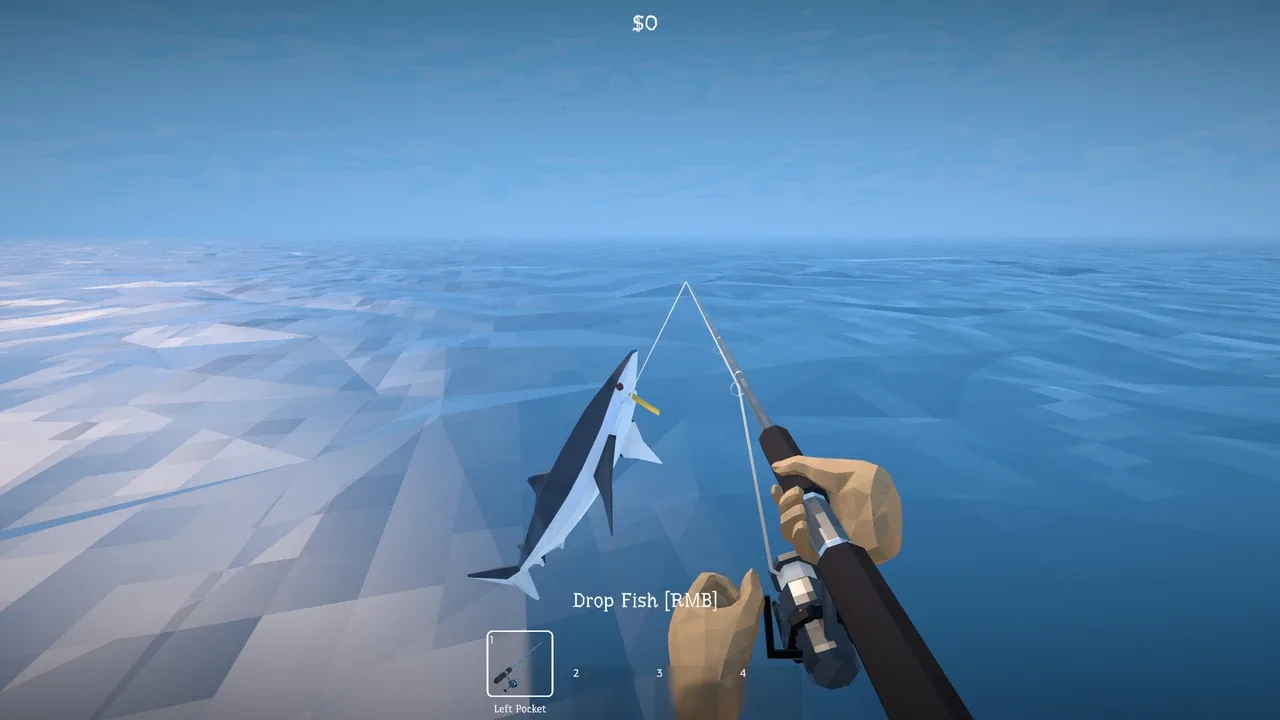
The basic process is easy to understand. Early progress begins with collecting clams, earning enough money for a rod, and casting from the shore. Fishing itself is simple rather than technical. There is no serious attempt to model water temperature, lure behavior, line composition, or the habits of individual species. The rod creates an accessible interaction, not a demanding simulation.
The important choice is what happens after the catch leaves the water. Fish become physical objects that flop around the environment, turning a successful cast into a brief pursuit. They can escape, collide with the scenery, and create opportunities for slapstick. Weapons then transform the tidy fishing loop into improvised action. Starting with bare hands and moving toward firearms gives each upgrade an immediate comic payoff. A more powerful tool is not merely a statistical improvement. It changes the manner in which the next catch can go wrong.
Trick shots are the clearest expression of that idea. Launching a fish into the air and shooting it before it lands earns extra money, so a joke becomes part of the economy. It is an effective piece of design because it encourages players to engage with the unruly physics instead of treating them as decoration. The mechanic does not have the precision or depth of a dedicated action game, but precision would almost work against it. The slight awkwardness is where much of the humor lives.
Co-op gives the physics somewhere to go
Physics comedy needs witnesses. Played with friends, an escaping fish becomes a shared emergency, a missed shot becomes a story, and a supposedly efficient trip to the shop can dissolve into disorder. In that sense, How to Fish reads as a close cousin of recent co-op hits like PEAK and R.E.P.O., games built to manufacture chaos and stories rather than reward mastery. It was designed around groups of up to four, although patch 1.0.4 added support for lobbies of up to eight players. That gives its small systems enough people to collide with one another. Fishing, fighting, carrying catches, and exploring do not demand formal roles, but groups naturally invent them.
The humor stays broad and immediate. Seagulls can become food, the local economy rewards increasingly violent fishing methods, and gambling machines offer another way to lose the value of a successful expedition. Together, these ideas establish a world in which the stupid option is usually valid and sometimes profitable.
Solo play is supported, but it exposes the limits of the design. Without other players reacting to accidents, the same loose controls and unpredictable objects can feel less like comedy and more like friction. The central actions do not change enough to carry the experience through technical mastery alone. A solo player can still enjoy the oddity of the premise and the satisfaction of buying stronger equipment, but the game is plainly built to generate anecdotes between friends.
Upgrades keep the joke moving
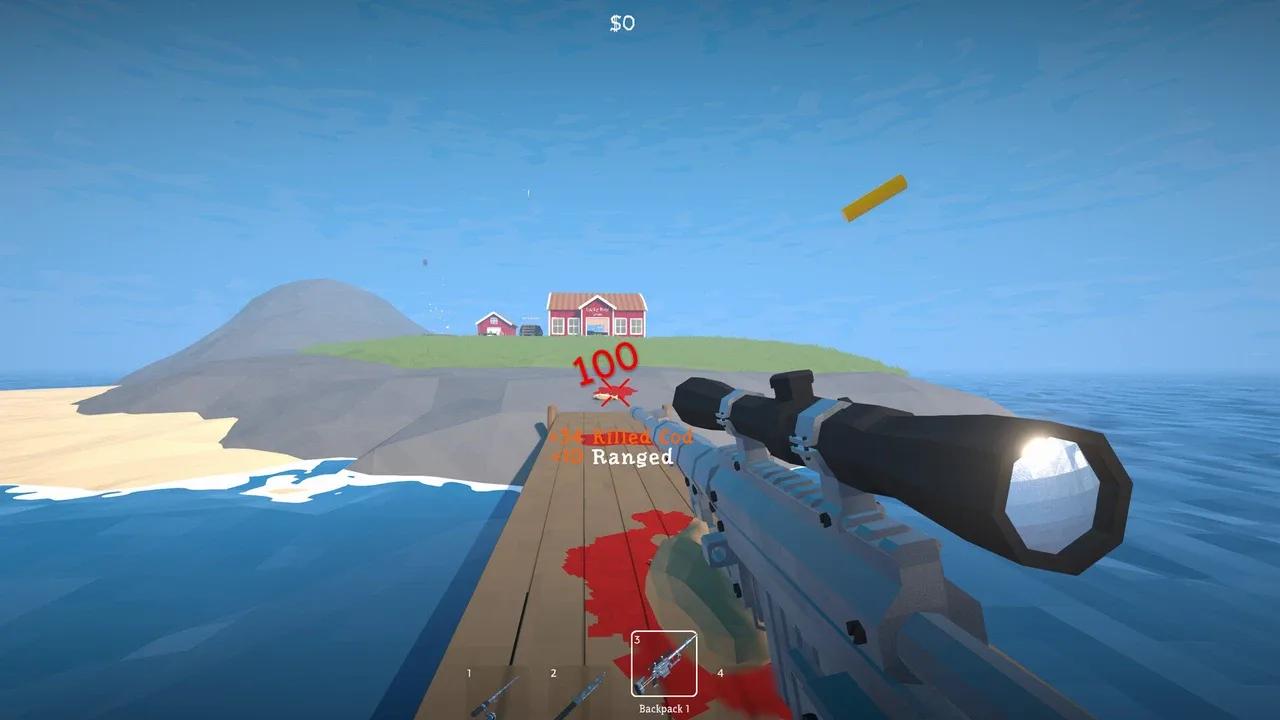
The opening is intentionally modest. Players gather what they can, sell early catches, and slowly replace helplessness with a growing collection of rods and weapons. Quests point toward useful goals, while bosses gate access to new islands filled with more dangerous creatures and more valuable equipment. That structure prevents How to Fish from becoming a collection of disconnected gags.
Progression also gives the comedy a good rhythm. A weak character struggling with an ordinary fish is funny for one reason. A well-equipped group unloading firearms into a giant sea creature is funny for another. New islands raise the scale of the problem, and rare variants give collectors something to pursue between major encounters. Money constantly feeds back into the loop, whether it is spent responsibly on upgrades or thrown into the game's casino systems.
The limitation is that progression broadens the spectacle more than it deepens the fishing. Better equipment makes the player more capable, but the fundamental routine remains catch, subdue, sell, and repeat. Bosses provide welcome peaks, yet the spaces between them depend on a willingness to enjoy repetition and self-made chaos. Players looking for a long campaign, a complicated build system, or a careful simulation will exhaust the design much faster than a group content to experiment and laugh.
Cheap fun arrives with rough edges
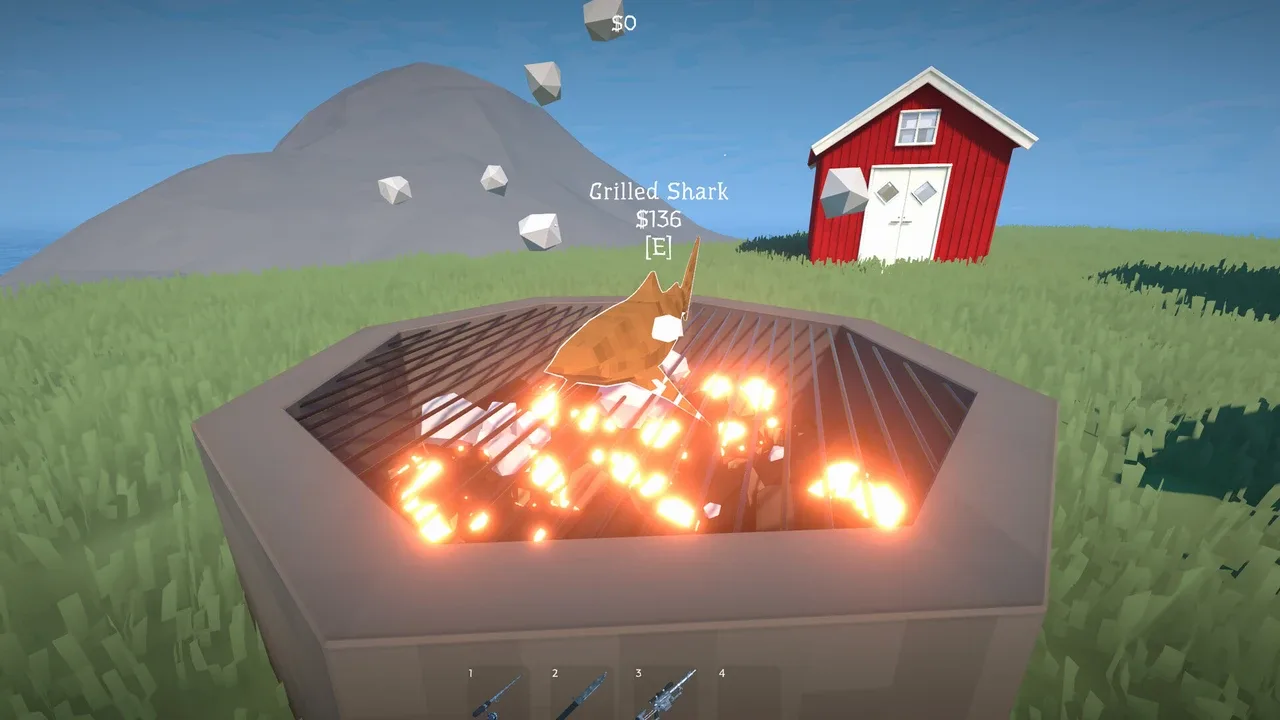
How to Fish found its audience fast. Dazed Games announced that it had reached one million players within two days of launch, while SteamDB recorded an all-time peak of more than 268,000 concurrent users. It also climbed to the top of SteamDB’s live global sellers chart. At $7.99, or $4.95 during the launch discount running through August 27, its price fits the compact scope. The game offers a focused co-op premise, a progression path, and enough strange interactions to support several lively sessions. Its rough movement and unruly objects are often part of the appeal.
Launch problems deserve a distinction from intentional messiness, however. Early community discussions included reports of crashes, lost items, connection trouble, and unwanted players entering sessions. These accounts do not mean every group encountered the same problems, but they mattered because multiplayer is the strongest reason to play.
Dazed Games responded quickly. Patch 1.0.4 added support for eight-player lobbies and introduced several balance and display fixes. Patch 1.0.5 followed with private invite-only sessions and prevented griefers from immediately ending a game after joining. Patch 1.0.6 also adjusted save behavior and removed fake server entries. These updates do not guarantee that every stability problem is gone, but the current build offers stronger lobby control than the launch version.
Portable play appears promising. Steam currently labels the game Playable on Steam Deck rather than Verified, with small text identified as the main compatibility concern. Independent Steam Deck coverage reports strong performance, though that experience should not be treated as a guarantee across every configuration. For now, the clearer restriction is platform availability. This is a Windows PC release, so potential groups need to be inside the same ecosystem.
Best enjoyed with friends and low expectations
How to Fish understands that a compact comedy game does not need to turn every joke into a complicated system. Its smartest move is making the landed fish a physical problem, then connecting that problem to weapons, bonuses, upgrades, and co-op mishaps. The fishing is thin, but the consequences of fishing are energetic enough to carry the experience.
It is easiest to recommend to groups of two to four players who want inexpensive, deliberately foolish entertainment and do not mind some remaining roughness. Solo players, serious fishing fans, and anyone seeking a lengthy progression game should be more cautious. How to Fish is not a deep simulation hiding beneath the absurdity. It is a good joke with just enough structure to remain playable after the first laugh.
The Verdict
How to Fish turns a simple fishing loop into hilarious co-op chaos through unruly physics, weapons, and steady upgrades. It is repetitive and rough around the edges, especially when played solo, but with friends it offers excellent value and plenty of memorable moments.
The Good
- +Hilarious physics-driven fishing mechanics
- +Excellent co-op chaos with friends
- +Simple but satisfying progression system
- +Great value at a low price
- +Creative weapons and rewarding trick shots
The Bad
- -Launch issues with crashes, connectivity, and lobby security
- -Repetitive and less entertaining when played solo
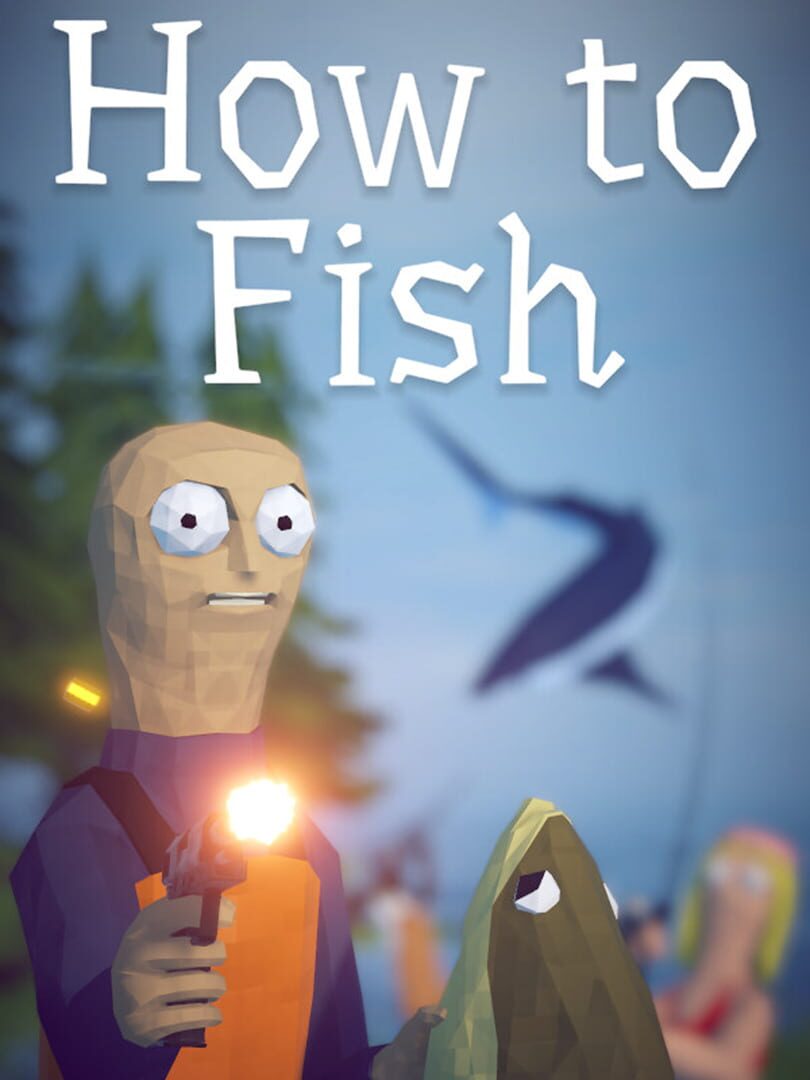
A 1-4 player physics based fishing simulator. While drinking and boating you suddenly crash into a small island. To work your way back home you have to learn How to Fish.
Released
August 20, 2026
Developer
Dazed Games
Publisher
Dazed Games


Tagged In
Discussion
0We want to hear from you. Share your perspective in the comments below, and please keep the conversation respectful.
Log in to join the discussion - vote, reply, and share your take.
Log In