
Best Steam Deck games
These games suit the Steam Deck's smaller screen, instant suspend feature, and ability to turn spare minutes into worthwhile play sessions.
The Steam Deck's most important button is the power button. SteamOS can suspend a game almost immediately, allowing a difficult battle, unfinished dungeon, or quiet farming day to wait until the player returns. That changes which games feel practical to finish, particularly when a campaign would normally demand a desk and an uninterrupted evening.
This ranking therefore considers more than whether a game carries Valve's Verified badge. Readable interfaces, controller support, performance, battery demand, and convenient stopping points all matter. Some enormous games earn a place because the Deck makes their scale easier to live with, while the highest selections feel naturally suited to being picked up for ten minutes and reopened several hours later.
9. Baldur's Gate 3
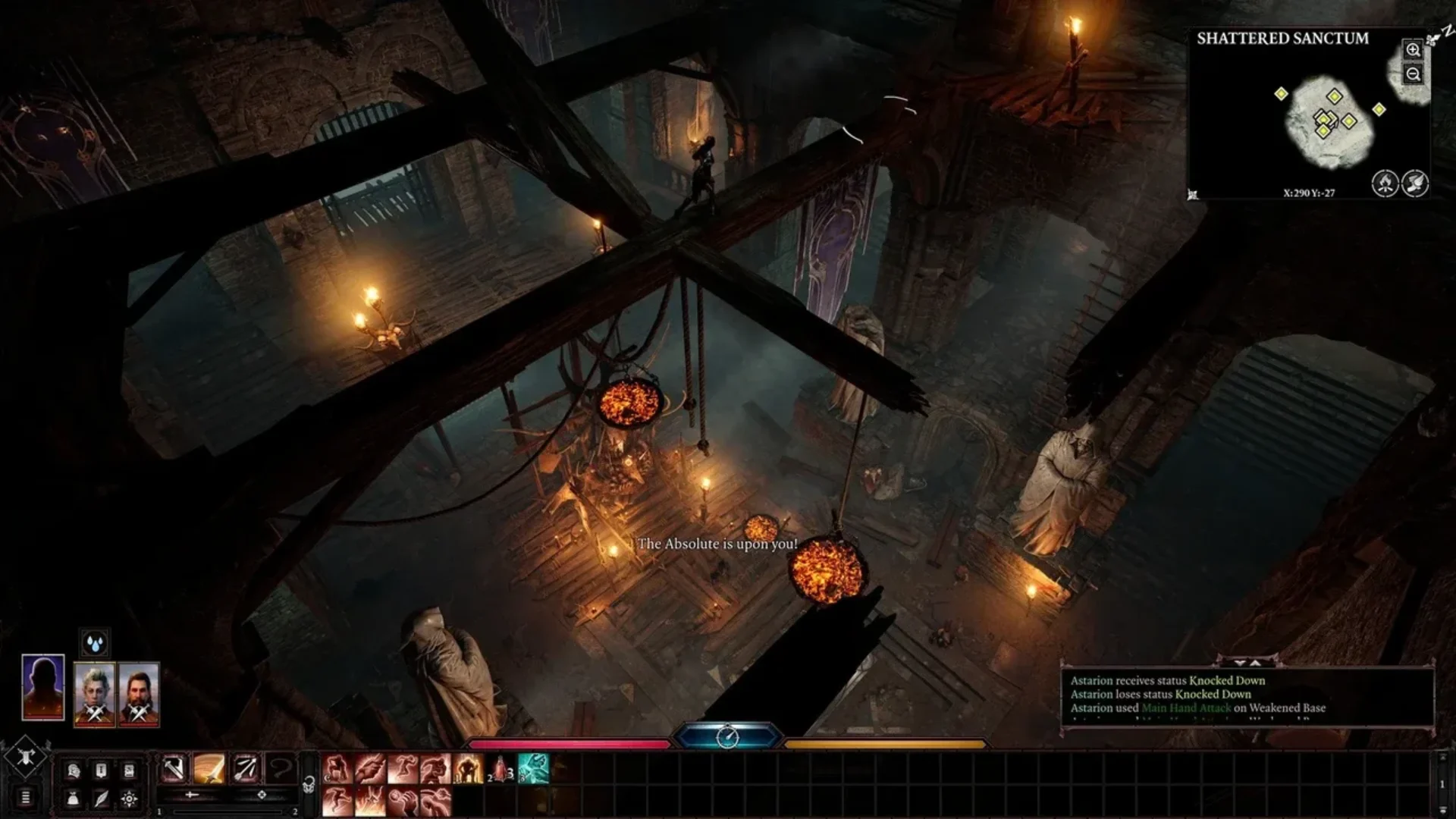
Baldur's Gate 3 is a party-based RPG where conversations, exploration, and turn-based battles respond to the player's decisions. The controller layout replaces a screen full of PC hotbars with radial menus, while direct character movement makes investigating caves and towns feel surprisingly natural on a handheld.
Those wheels become crowded once every party member has collected spells, items, and class abilities. Performance also remains the compromise. A dedicated Steam Deck version improved loading and hardware use, but busy areas still suit a 30 frames-per-second target more than ambitious performance settings.
The attraction is being able to advance a huge campaign one conversation or combat encounter at a time, even if the Deck is not the best place to appreciate every visual detail.
8. Elden Ring
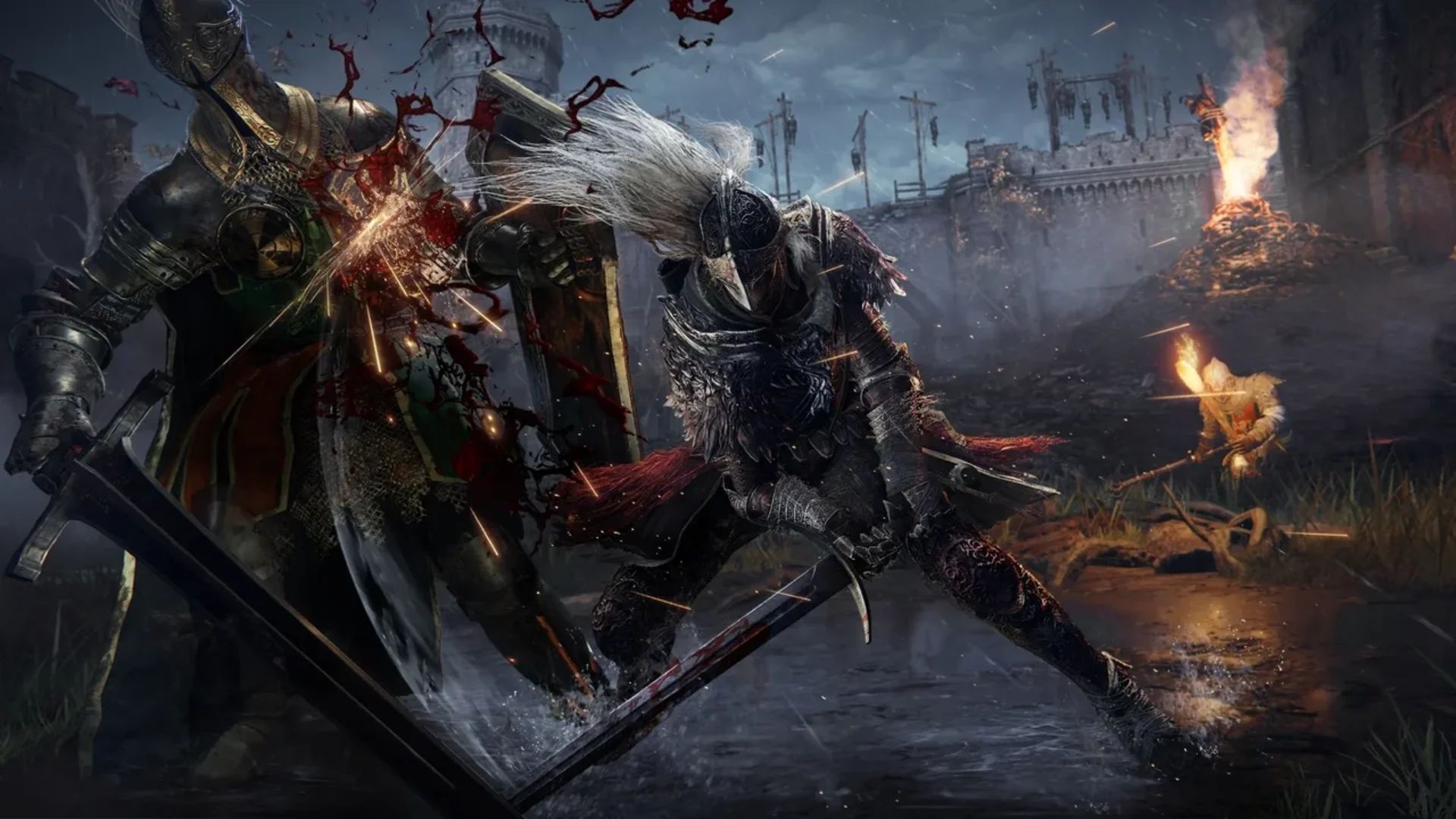
The Lands Between loses surprisingly little when reduced to the Steam Deck's screen. Elden Ring gives players an enormous fantasy world to cross on horseback, with ruined forts, underground cities, and difficult bosses arranged without a strict route. Short journeys often uncover a Site of Grace or a useful cave before turning into something much larger.
A handheld makes that wandering easier to fit into ordinary downtime. It also makes a failed boss attempt less irritating when the game can be suspended before the next try. Stable performance generally requires accepting a lower frame rate, and the hardware's battery drains quickly when exploring more demanding regions. It remains a remarkable portable version of a game built around scale, even when that scale occasionally deserves a larger display.
7. Persona 5 Royal
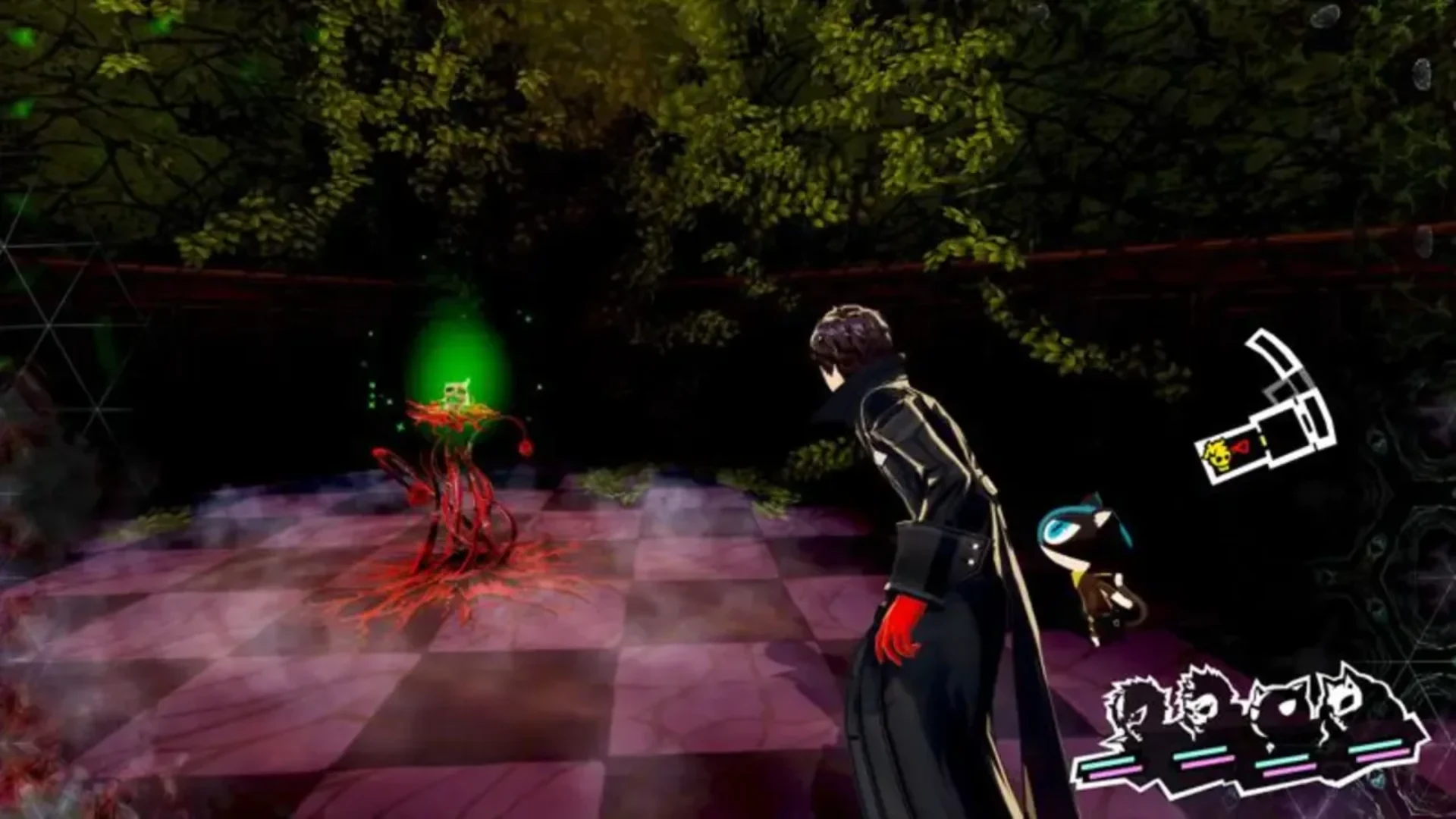
Every day matters in Persona 5 Royal. The player attends school, develops relationships around Tokyo, and enters supernatural Palaces where the Phantom Thieves exploit enemy weaknesses in turn-based combat. Spending an afternoon with a confidant may unlock a battle advantage, but it also uses time that could have improved a social stat or prepared equipment.
That calendar makes the game unusually comfortable on Steam Deck. A train journey can contain one evening in Tokyo, while a longer session can cover an entire Palace infiltration. Baton Pass attacks and the stylish battle interface remain clear on the smaller screen. The opening takes several hours to release its grip, and later conversations repeat points the player understood much earlier.
Portability cannot shorten a very long RPG, but it prevents that length from becoming one solid commitment.
6. Dave the Diver
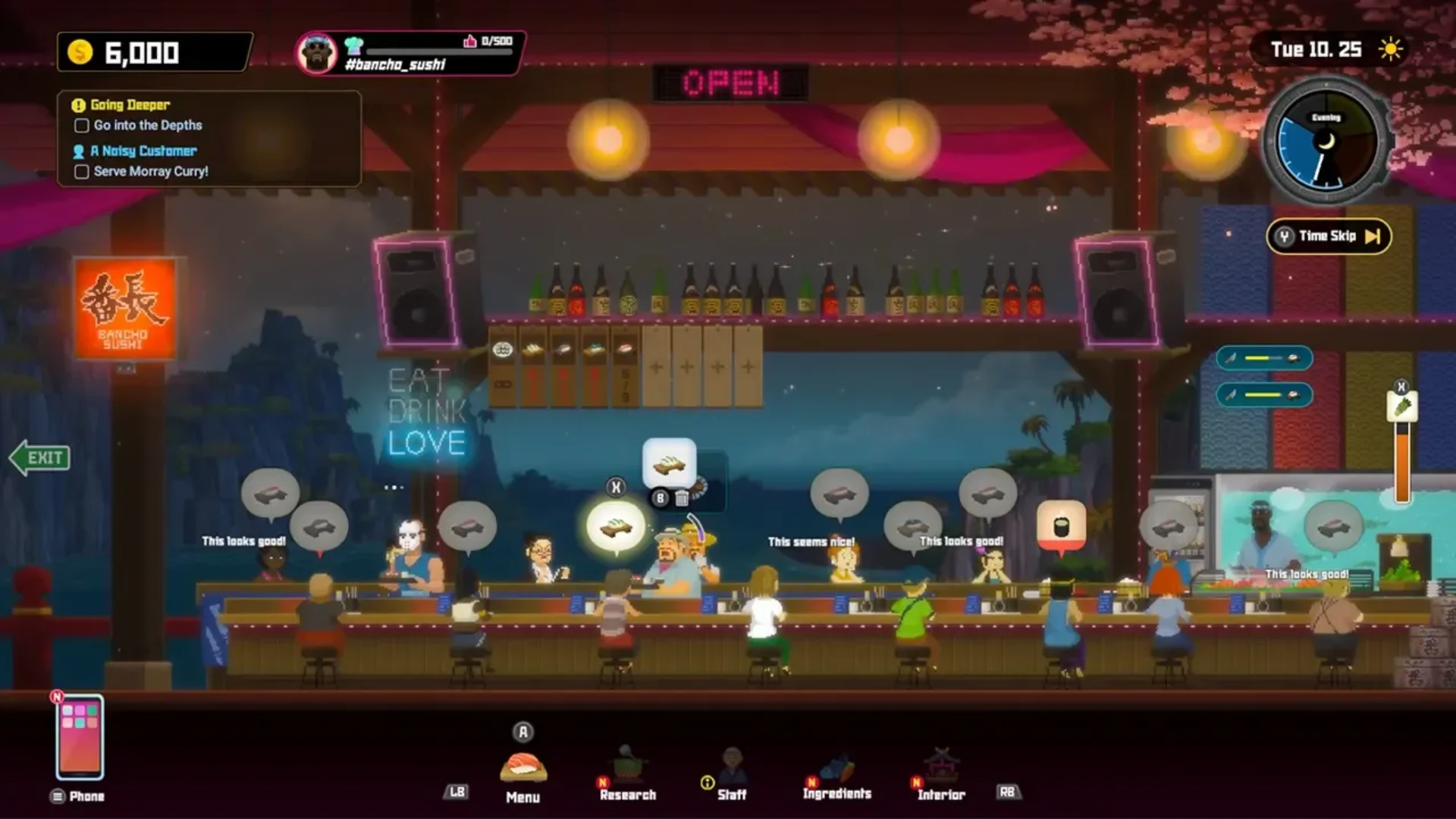
A day in Dave the Diver is split between hunting fish in the Blue Hole and serving them at Bancho Sushi that evening. Oxygen acts as both health and a limit on exploration. Staying underwater for one more valuable catch may improve the restaurant's menu, but losing consciousness means returning with almost nothing.
These compact shifts fit the Deck beautifully. Diving offers a focused excursion, then restaurant service provides a short management section before the next trip. The problem is that the game keeps adding side activities, minigames, and new systems long after its central routine has proven strong enough. Some players will enjoy every interruption, while others may wish Dave were allowed to spend more time diving and serving sushi.
Related Article

Vampire: The Masquerade - Bloodlines 2 is not the sequel fans waited for
5. Vampire Survivors
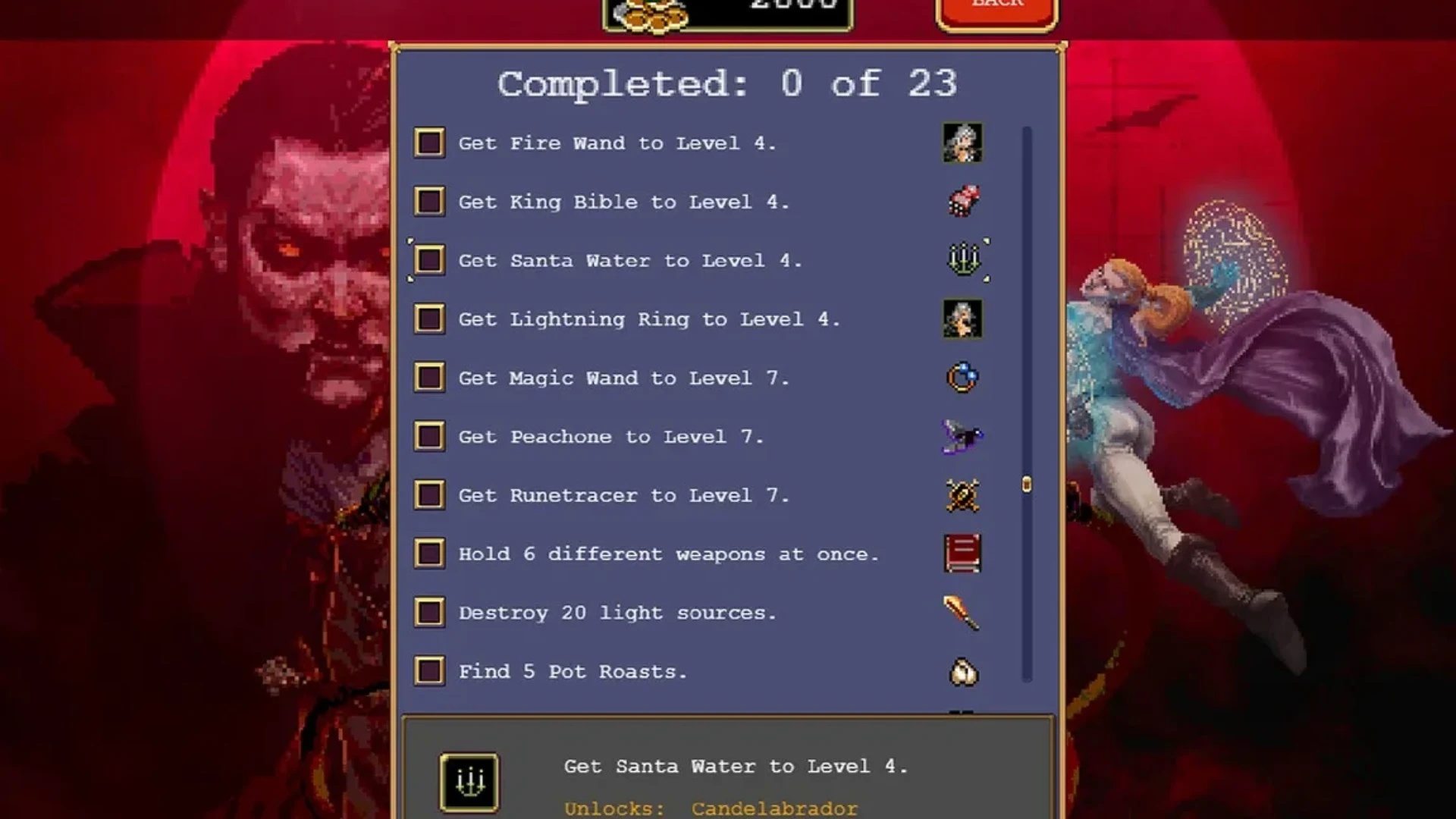
The player controls movement in Vampire Survivors while weapons attack automatically. Experience gems provide upgrades, and specific weapon combinations can evolve into much stronger forms. A weak character who spends the opening minutes dodging bats may eventually fill the entire screen with spinning blades, beams, and explosions.
One analog stick is enough to play, which makes the Steam Deck feel almost excessive until the enemy count begins climbing. Runs are simple to pause and restart, while permanent upgrades ensure that failure usually reveals another route forward. The later minutes can become so visually cluttered that spotting hazards is difficult, particularly on the smaller display. That unreadable excess is also the reward the game spends each run building toward.
4. Stardew Valley

Stardew Valley gives the player an inherited farm and a limited number of hours each day. Crops need attention, shopkeepers follow schedules, and the mines become more dangerous as the player descends. Trying to complete everything at once quickly exhausts both the character's energy and the available daylight.
The Deck makes Pelican Town feel especially accessible because a single in-game day is a complete session. Quick suspend also removes the need to rush toward bedtime when something outside the game demands attention. The apparent freedom can still produce pressure, especially when seasonal crops, festivals, and personal goals begin competing for the same week. Its strength is that ignoring one opportunity rarely ruins the farm. Another season will come.
3. Slay the Spire
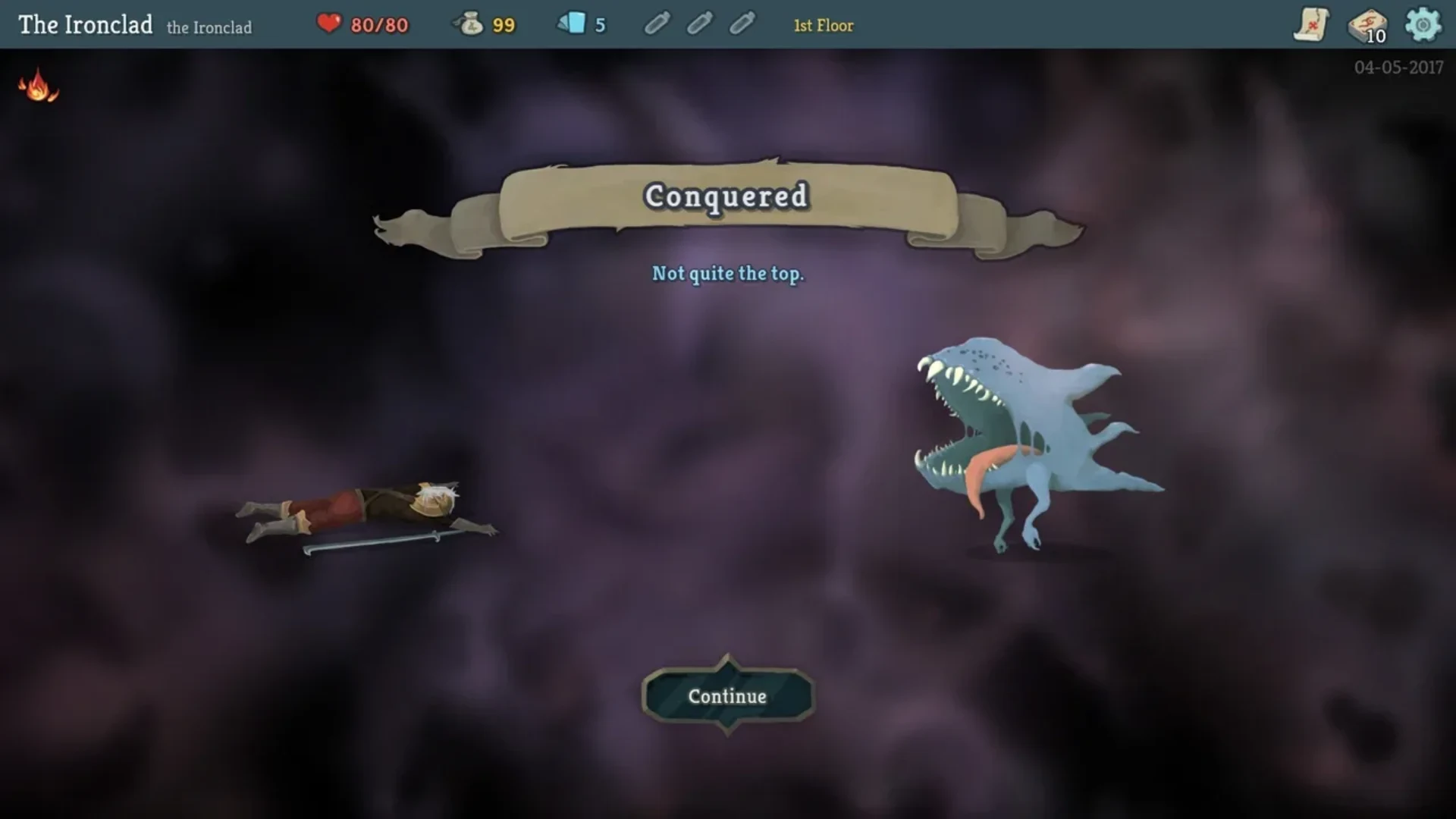
Each run of Slay the Spire begins with a basic deck and a branching route toward the top of a tower. Battles reveal what enemies intend to do next, giving the player time to decide whether to attack, defend, or prepare for a later turn. New cards are offered constantly, but accepting every reward weakens a deck by making its best combinations harder to draw.
Turn-based play removes every practical disadvantage of the handheld format. Nothing depends on tiny aiming movements, rapid camera control, or an uninterrupted connection. The challenge comes from judging whether the current deck can survive an elite encounter and knowing when a card reward should be refused.
Higher Ascension levels can make unlucky relics or early card choices feel brutally restrictive, but losses usually expose a specific mistake rather than hiding it.
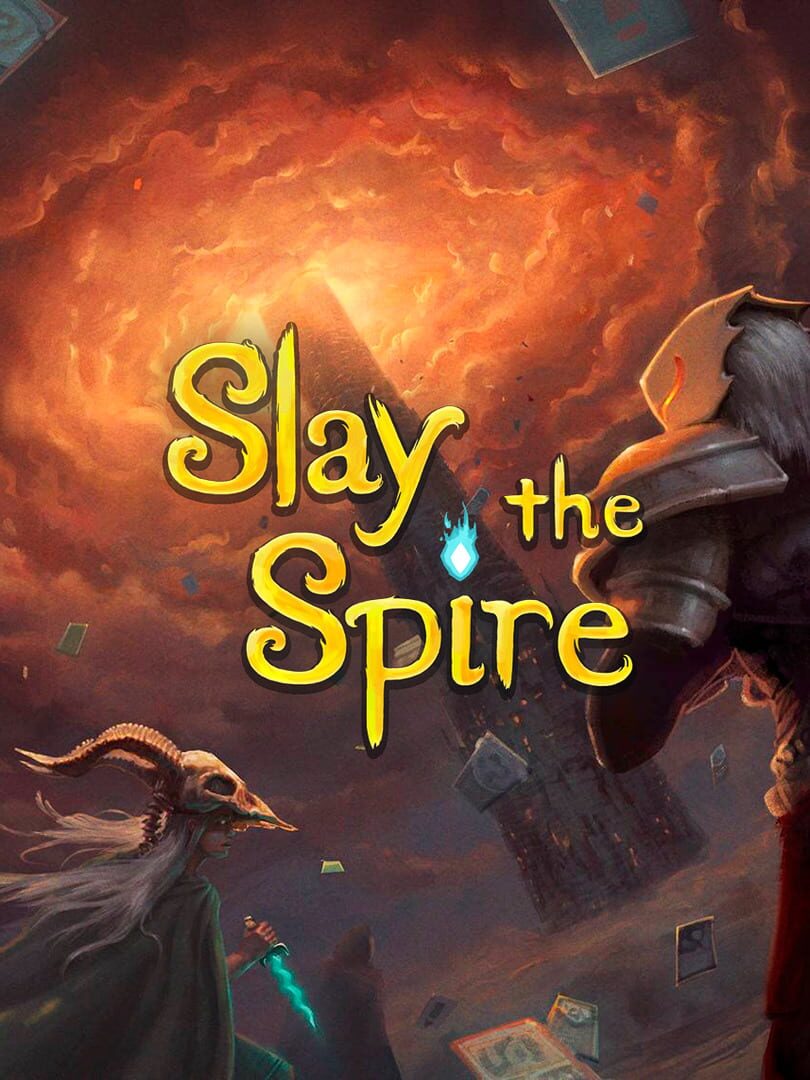
Slay the Spire is a single-player roguelike deck-building game. Players choose from four characters, each with a unique set of cards, and attempt to climb a procedurally generated spire consisting of multiple floors of increasingly difficult enemies and bosses. Combat uses a card
Released
January 23, 2019
Developer
Mega Crit Games
Publisher
Humble Games


2. Hades II
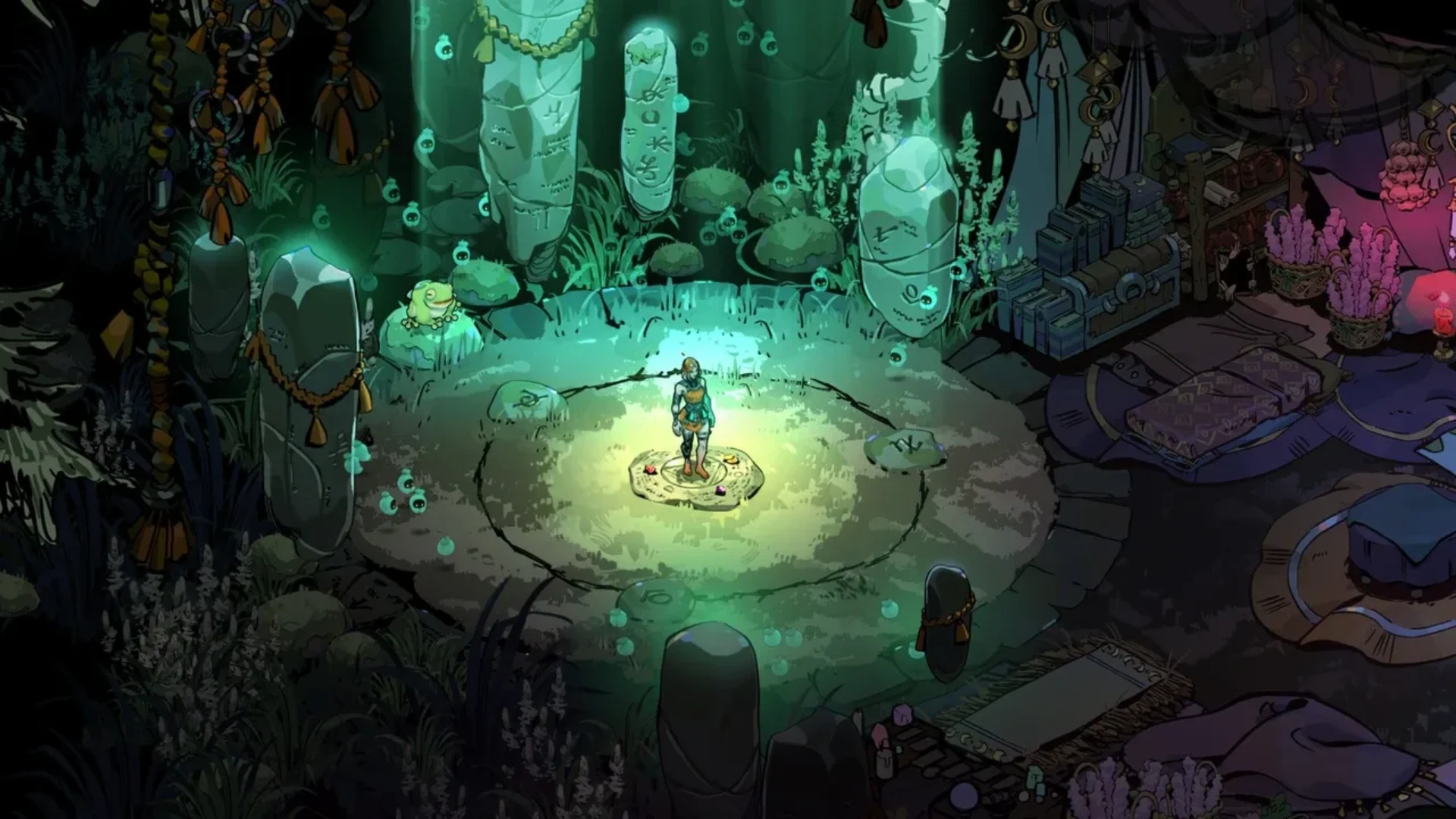
Melinoë fights through changing routes in Hades II, combining weapons with divine boons while gathering resources for permanent improvements. Her Cast can hold enemies within a marked area, while charged Omega abilities trade magic for stronger attacks. Those tools make controlling space more important than it was for Zagreus in the original game.
The responsive combat sits comfortably on the Deck's controls, and each chamber creates an obvious place to pause. Runs continue advancing conversations and relationships even after failure, so a short session rarely feels wasted.
The expanded crafting and upgrade systems introduce more currencies than the game needs, while some builds take too long to reveal whether they are viable. Even with that excess, few action games move so cleanly between ten-minute progress and an evening lost to repeated escape attempts.

Battle beyond the Underworld using dark sorcery to take on the Titan of Time in this bewitching sequel to the award-winning rogue-like dungeon crawler.
Released
September 25, 2025
Developer
Supergiant Games
Publisher
Supergiant Games
1. Balatro
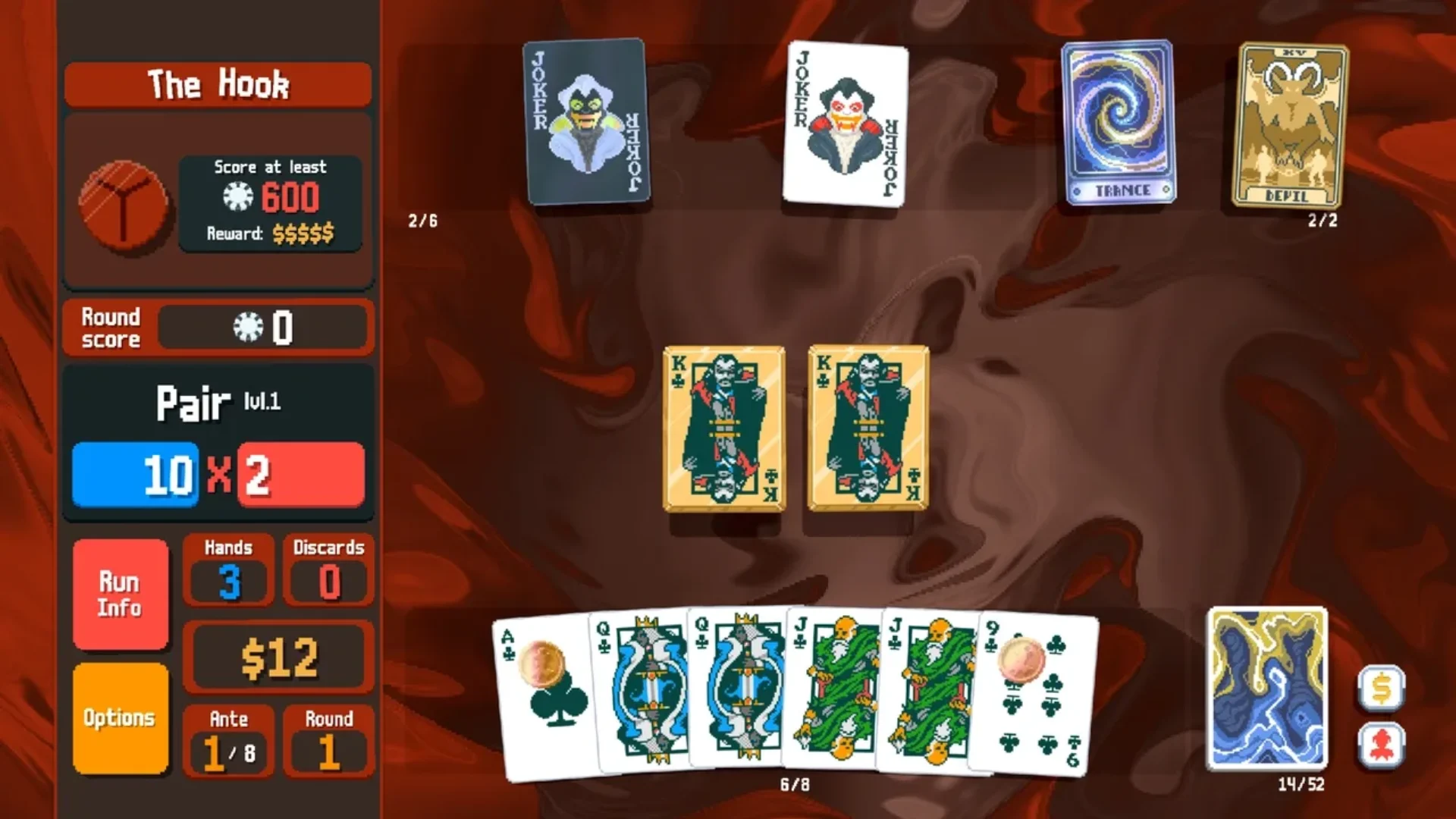
Balatro uses poker hands as the foundation for a roguelike score-building game, but knowing serious poker strategy is unnecessary. The player discards cards, submits hands, and buys Jokers that change how points are calculated. One Joker may reward repeated suits, while another makes a previously worthless card the center of the entire run.
The interface is clear, the controls need little precision, and every decision can wait indefinitely. That makes it an almost ideal Steam Deck game. A run can stop between blinds or resume halfway through examining a difficult hand without losing any mechanical rhythm. Boss blinds can abruptly disable the strategy a deck spent half an hour constructing, which occasionally turns adaptation into a search for one lucky shop item.
The risk is worthwhile because Balatro makes a few cards and six Joker slots produce decisions that remain interesting through hundreds of attempts.
Balatro is a deck-building roguelite in which players construct poker hands to earn chips and overcome enemy blinds. The game features mechanics for enhancing a deck of playing cards, purchasing Jokers that modify hand effects, and discovering synergies to progress through increa
Released
February 20, 2024
Developer
LocalThunk
Publisher
Playstack
Tagged In
Discussion
0We want to hear from you. Share your perspective in the comments below, and please keep the conversation respectful.
Log in to join the discussion - vote, reply, and share your take.
Log In