The 10 Best Platform Games of All Time (2D & 3D)
Discover the 10 best platform games of all time, from Super Mario World and Celeste to Astro Bot, Sonic Mania, and Super Mario Odyssey.
You can often judge a platformer by what happens after you jump somewhere the level never clearly told you to go. If the character can correct course and catch a hidden ledge, that reckless jump opens another path instead of costing a life.
This ranking moves between 2D side-scrollers and full 3D adventures, since either style can build a great level around the way its character jumps. Combat-heavy hybrids stay outside that focus, and older games only qualify when their controls still hold up today.
10. Crash Bandicoot 4: It's About Time
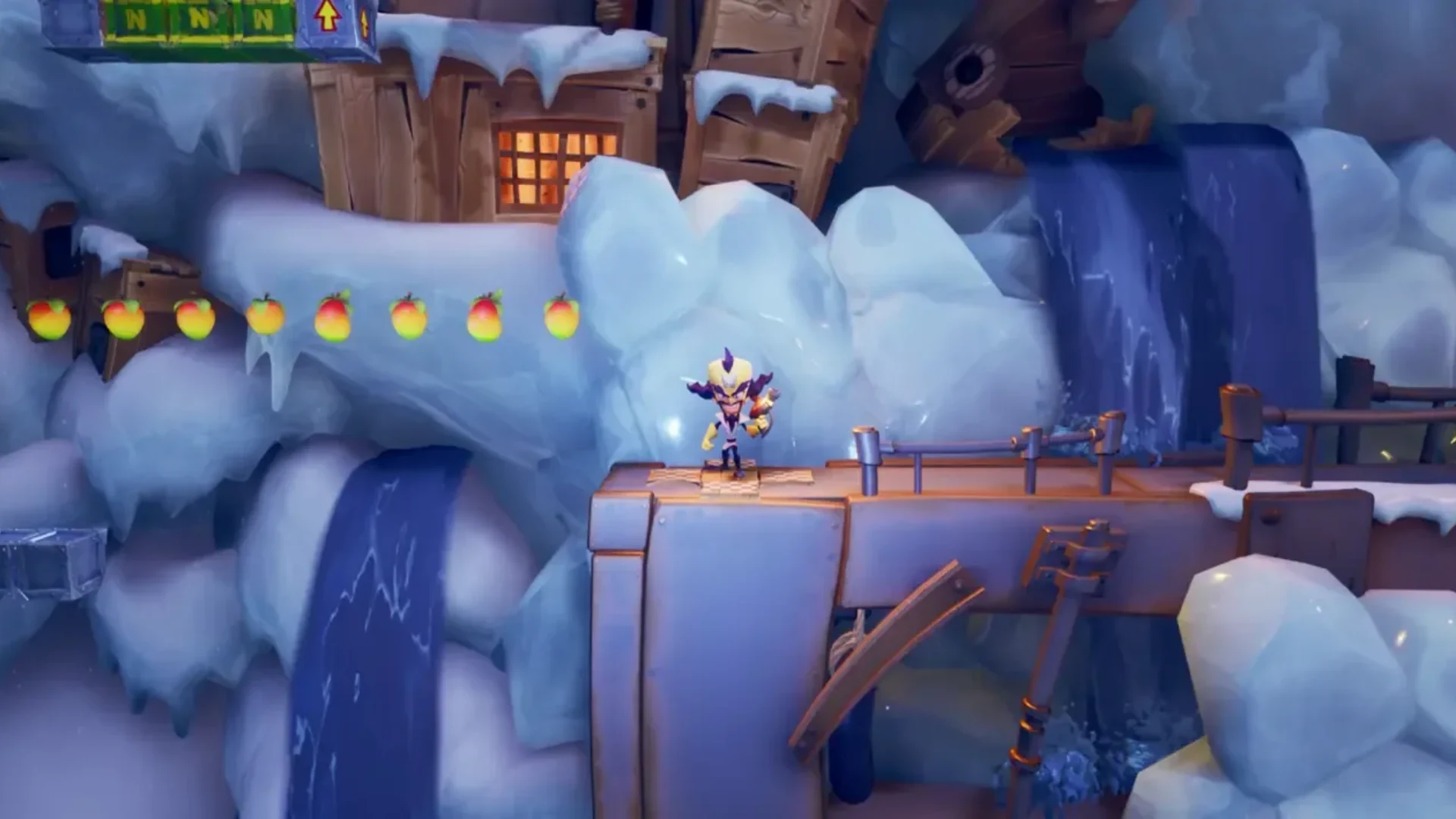
Crash and Coco return to the narrow 3D corridors of the original trilogy, where the camera shifts from side views to head-on chases and forces quick changes in timing. Modern mode removes limited lives and restarts Crash at the last checkpoint, while Retro mode keeps the old lives system.
The Quantum Masks make the biggest change to the old formula. Ika-Ika flips gravity and sends Crash across ceilings in the middle of a run, so the route can switch sides without slowing down. The chase for 106 percent is far less friendly.
An N. Sanely Perfect Relic requires breaking every crate in a level and reaching the end without dying once. Since several crates hide beyond the camera or inside secret routes, stopping early may be the healthiest decision you make all week.
9. Super Meat Boy
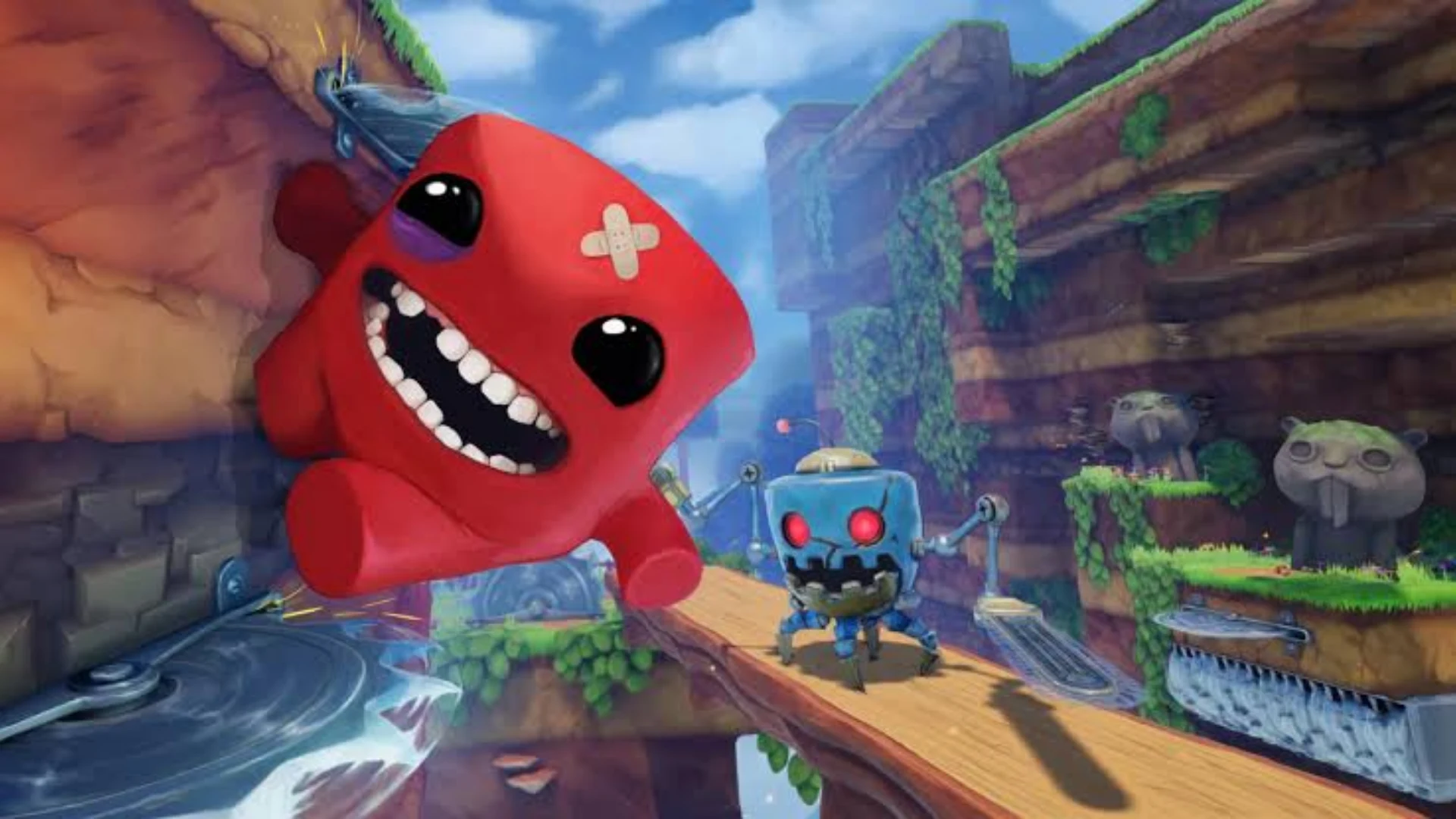
Most Super Meat Boy stages fit inside one 2D screen, with Meat Boy on one side and Bandage Girl waiting beyond a room of saw blades. Wall jumps launch him quickly, and strong air control can pull a bad leap back toward safety. Learning that movement turns a room that looked impossible into a 15-second sprint.
Death restarts the stage immediately, so another attempt begins before the mistake has time to become annoying. Clearing the room then overlays every failed Meat Boy beside the winner in a tiny disaster movie.
Cotton Alley reverses the rescue roles and gives Bandage Girl 20 harder stages, where fast restarts keep repeated failures moving.
8. Sonic Mania
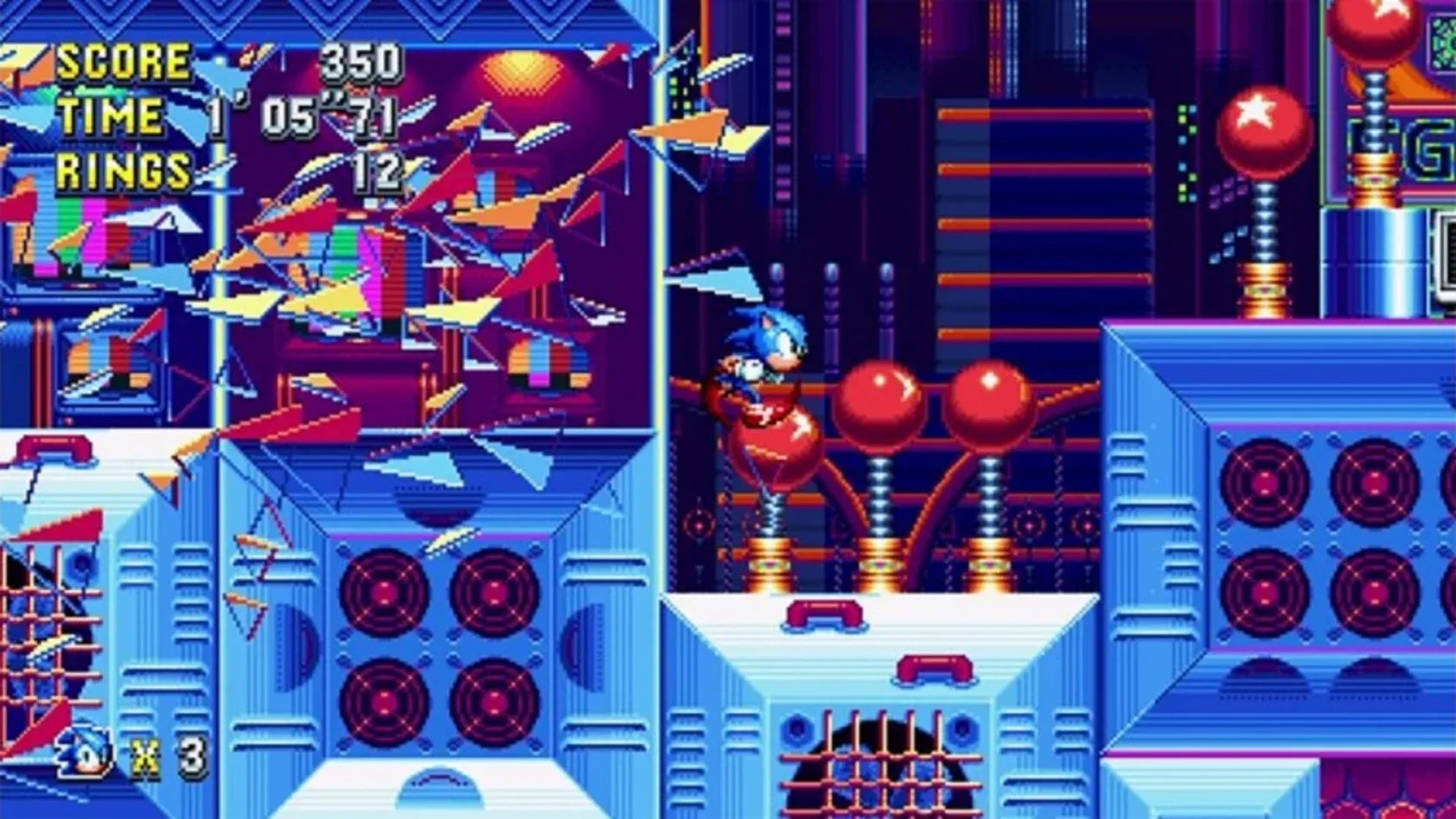
Each wide 2D zone splits into high and low paths, and Sonic reaches his best speed by landing cleanly above the slower routes. The Drop Dash helps link those sections together. Hold jump in midair and Sonic curls into a spin, then shoots forward when he touches the ground instead of stopping to charge a Spin Dash.
Eight of the 12 zones return from earlier Sonic games, although Chemical Plant justifies another visit by filling its second act with elastic gel that bounces Sonic into new routes.
Studiopolis makes the familiar locations harder to defend because its television studios turn cameras and broadcast vans into parts of the course. With only four original zones, the game leaves too little room for more stages like it.
7. Rayman Legends
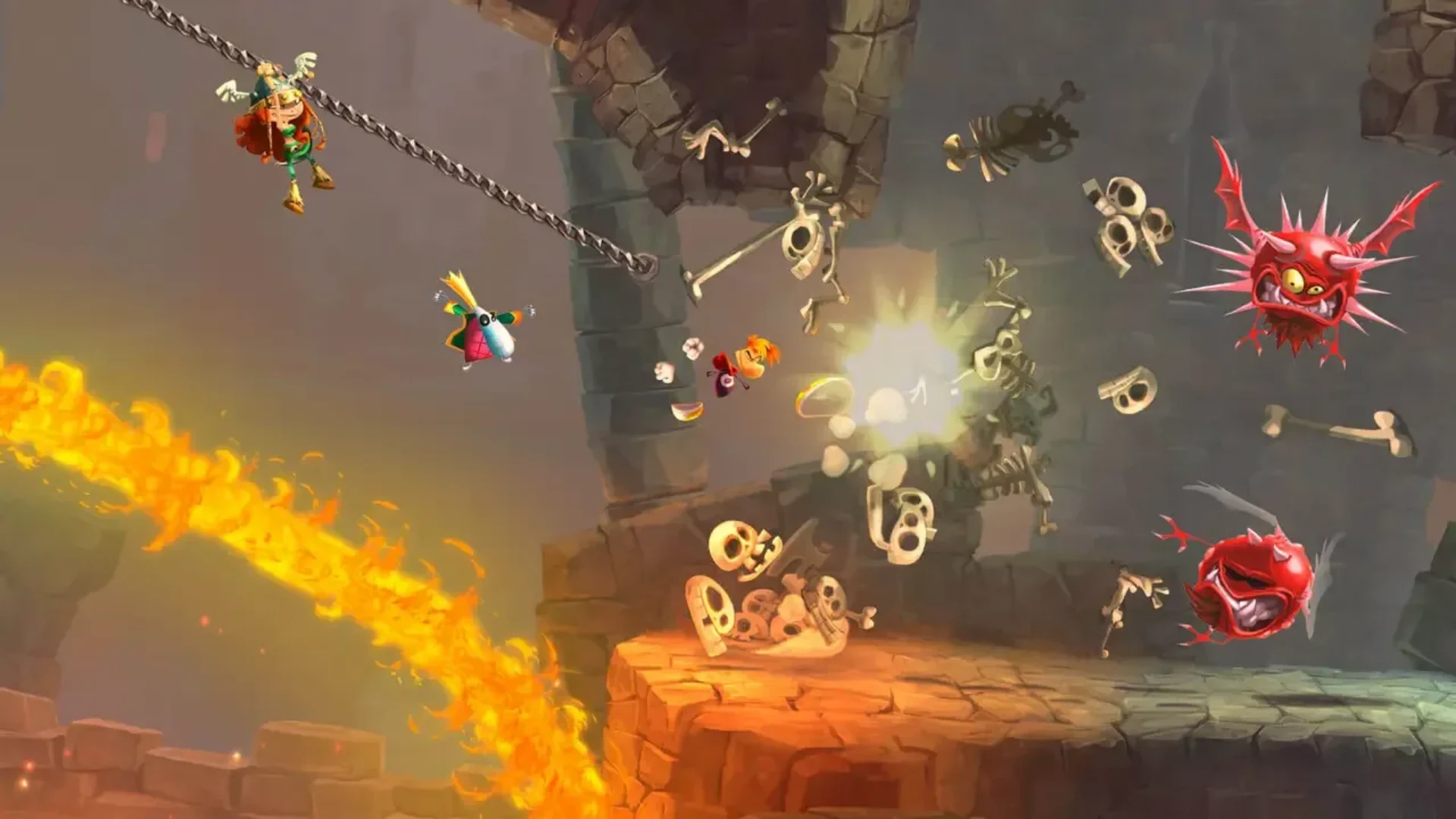
Rayman and his friends race through 2D stages where his hover slows a fall just enough to correct a late jump. Castle Rock puts that control inside an obstacle course set to "Black Betty." Jumps and enemy hits land on the beat, so listening to the song becomes part of learning when to move.
Add three friends and careful timing soon gives way to players knocking one another into pits. The screen can become crowded, yet the characters remain easy to follow because each one keeps the same clear silhouette and moveset.
Playing alone is less smooth during the Murfy rope-cutting sections, where the same button controls scenery while Rayman keeps running toward the next obstacle.
6. Donkey Kong Country: Tropical Freeze
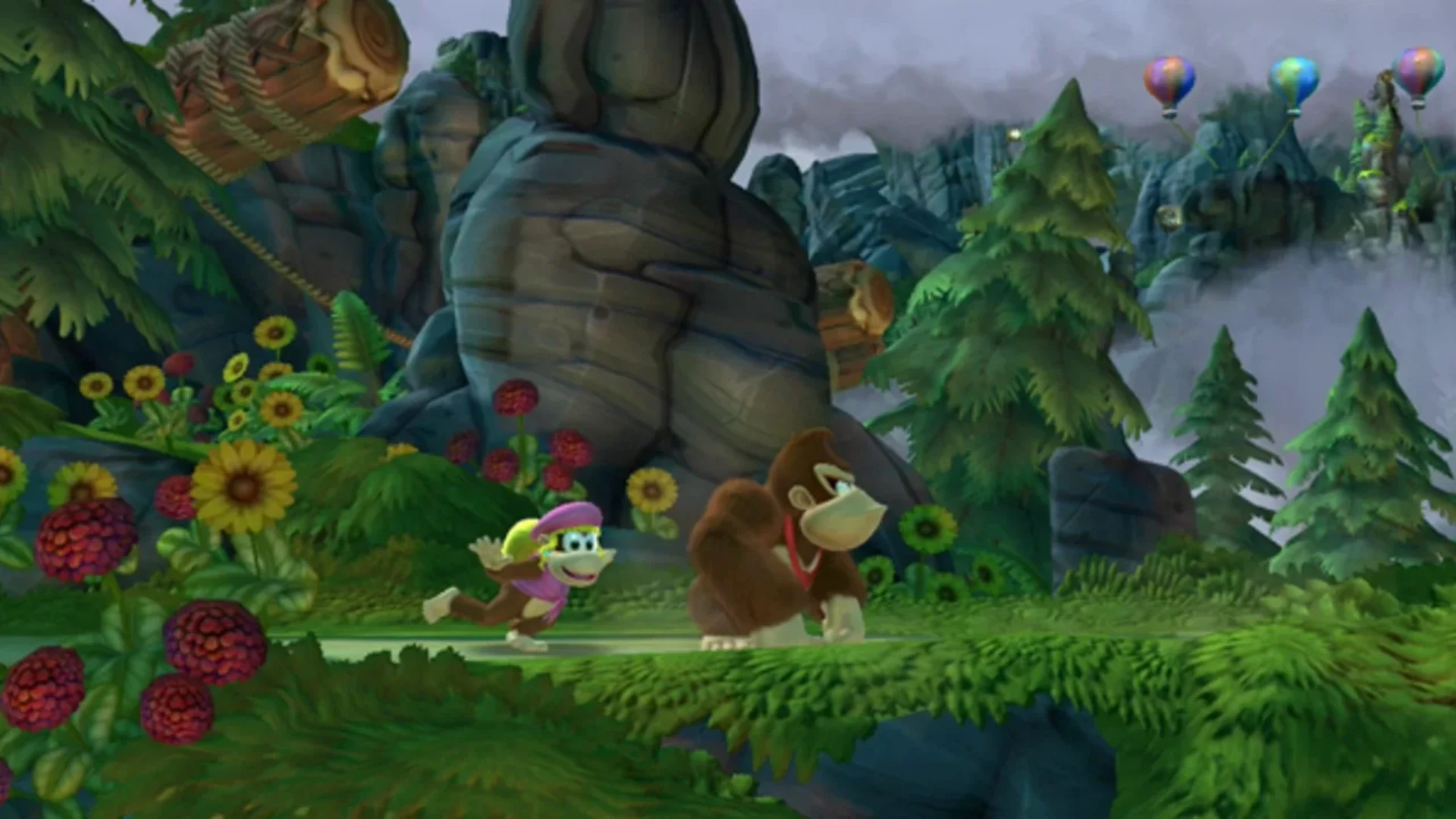
Donkey Kong needs a run-up before his weight becomes useful. A standing jump covers little ground, but rolling near an edge and jumping before he loses speed carries that momentum across a wide gap. Tropical Freeze builds its six-island 2D journey around this heavier style of platforming. In Sawmill Thrill, saw blades cut logs into a mine-cart track seconds before DK arrives, leaving no time to reconsider the jump.
The boss fights struggle to match that pace. Most become nine-hit endurance tests spread across three phases, and losing near the end means repeating several minutes of patterns that no longer ask anything new. Those long resets pull the high-speed flow out of a campaign whose regular stages rarely waste a second.
5. Astro Bot
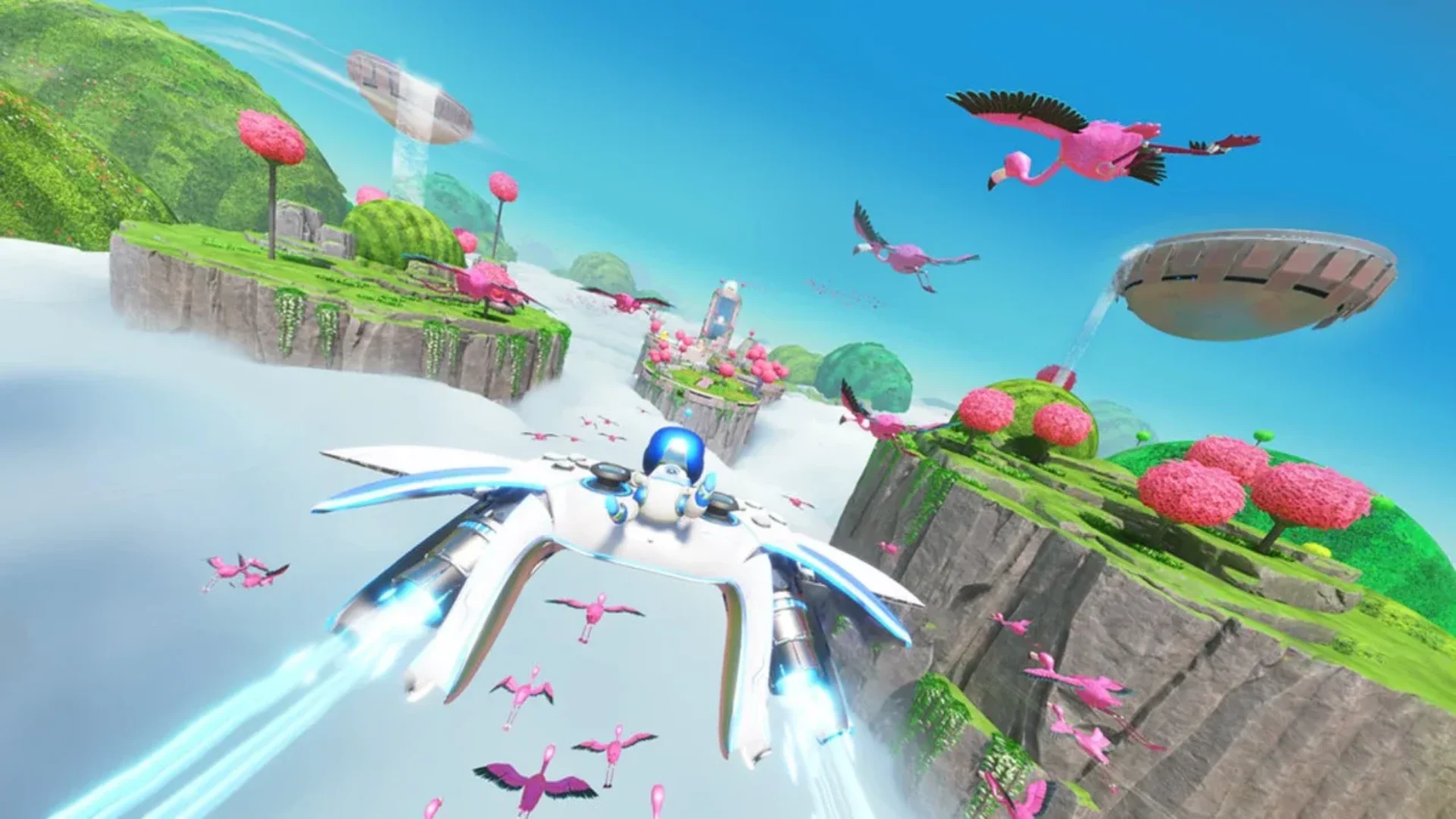
Astro Bot sends Sony's small robot across compact 3D planets to rescue crew members hidden around each stage. Most temporary gadgets last for one level. The Monkey Climber gives Astro ape arms for scaling a crumbling ruin one hand at a time. Later, the mouse suit shrinks him enough to run across bedroom shelves that towered above him seconds earlier.
The DualSense carries those changes into the controller, making ice and sand feel different under Astro's feet. The main route leaves enough space to search for hidden bots, then the optional PlayStation-symbol challenge levels remove that breathing room and demand exact hover timing. Features that began as a short hardware demonstration now support a full campaign with difficult platforming of its own.
4. Super Mario Odyssey
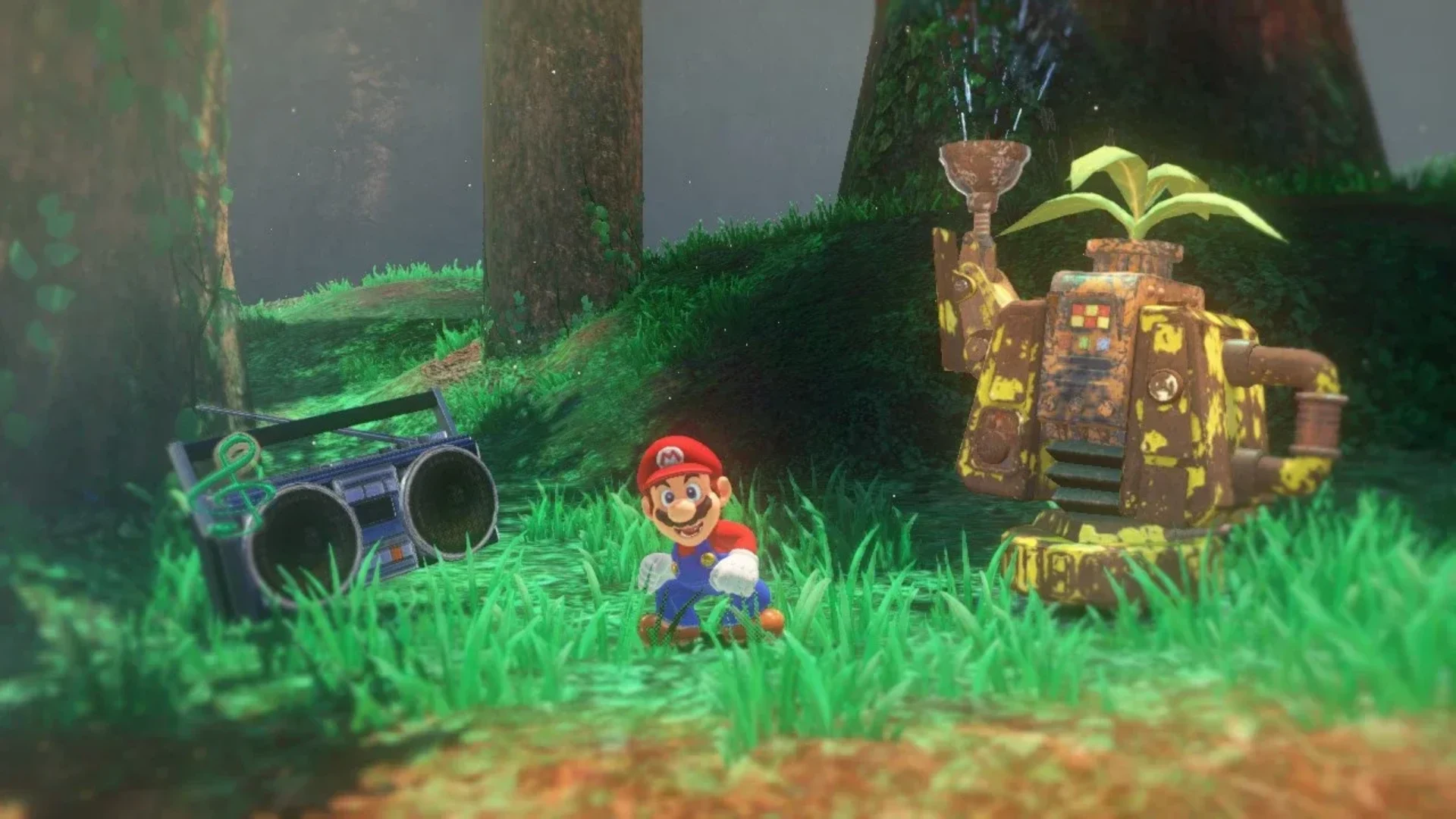
From a New Donk City skyscraper, Mario can throw Cappy into empty air and bounce off his brim. A forward dive carries him to a roof that first looked out of range, turning the city above street level into another route. Captures expand those options inside each kingdom. A Tyrannosaurus smashes rocks in Cascade Kingdom, and a captured Lava Bubble swims through Mount Volbono's lava to reach platforms Mario cannot touch.
There are so many Power Moons that finding one often stops feeling special. Ground-pounding a glowing patch earns the same reward as clearing a difficult obstacle course, so the prize says little about what it took to reach it. Upward and downward cap throws also rely on motion inputs, making them harder to use reliably in handheld mode. None of that stopped me from checking every roof before using the front door.
3. Celeste
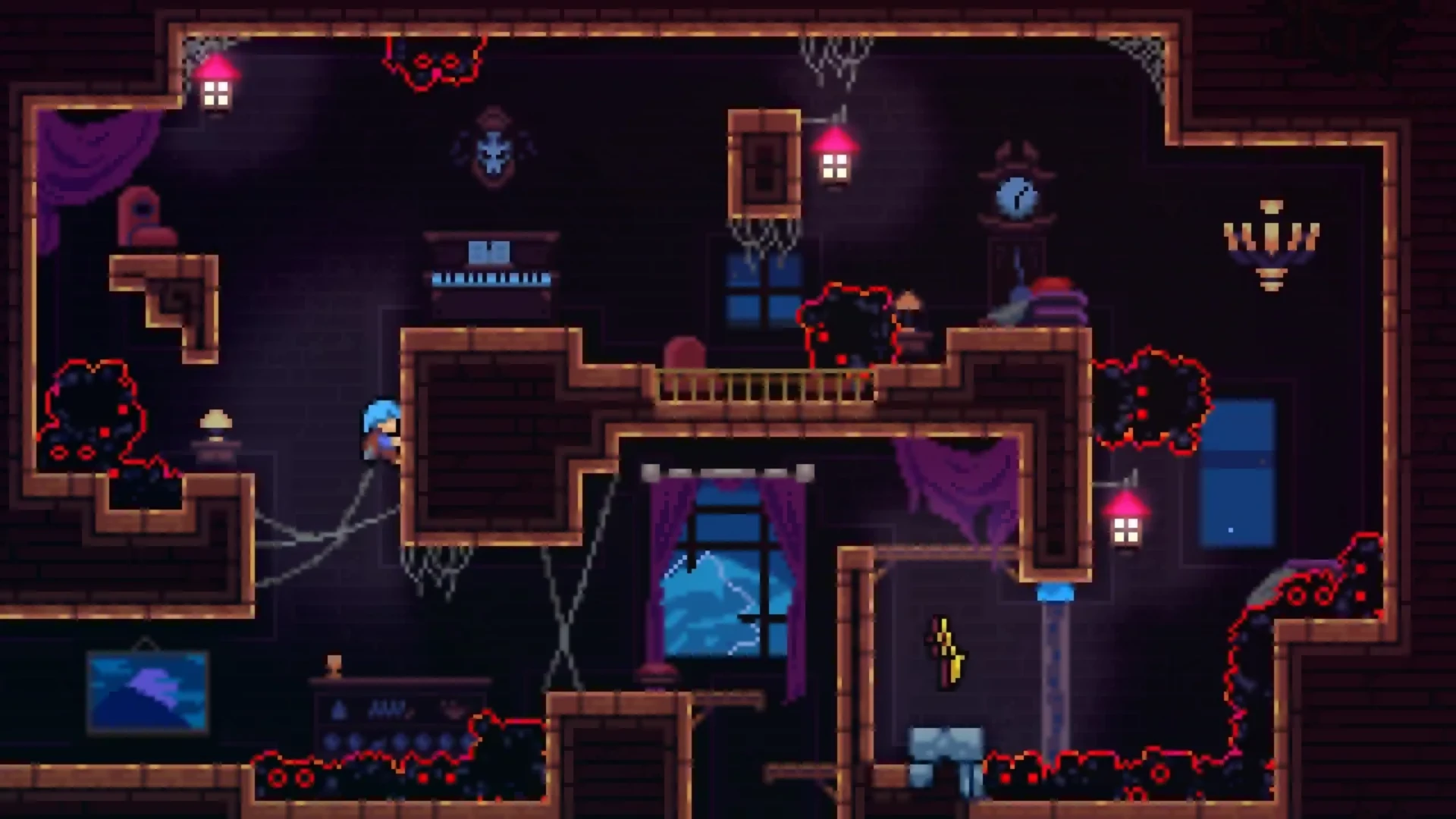
Celeste is a 2D precision platformer that follows Madeline up a mysterious mountain, one tightly designed screen at a time. Her single air dash returns when she lands, and her grip drains as she climbs, so every stretch of safe ground matters. Spikes and moving platforms turn the next few yards into a route that has to be solved before Madeline can cross it. Death returns her to the entrance, allowing another attempt within seconds.
Optional strawberries sit away from the easiest route and tempt players into using every bit of that limited movement. The Farewell chapter later teaches wavedashing, where a diagonal dash into the floor followed by a jump preserves speed and restores Madeline's dash.
Later rooms require wavedashes and wall bounces across longer sequences, so one mistake near the end repeats the full combination. Even after thousands of deaths, Celeste leaves you certain that your thumbs caused every one.
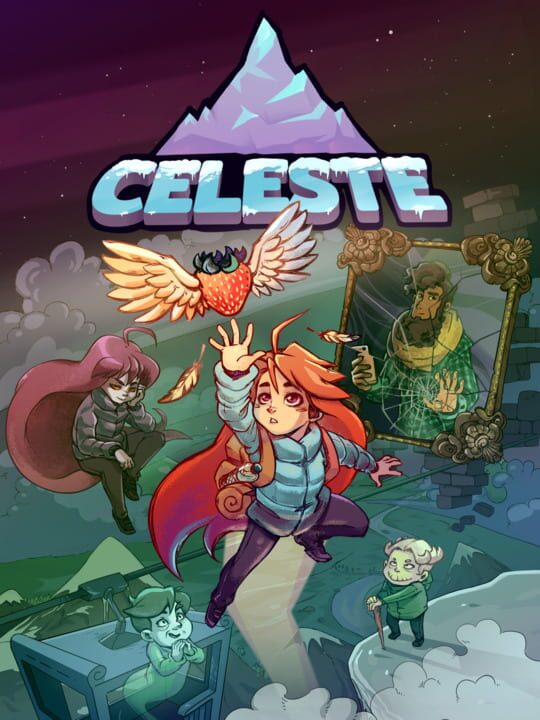
Celeste
Help Madeline survive her inner demons on her journey to the top of Celeste Mountain, in this super-tight platformer from the creators of TowerFall. Brave hundreds of hand-crafted challenges, uncover devious secrets, and piece together the mystery of the mountain.
Released
January 25, 2018
Developer
Extremely OK Games
Publisher
Maddy Makes Games


2. Super Mario Galaxy 2
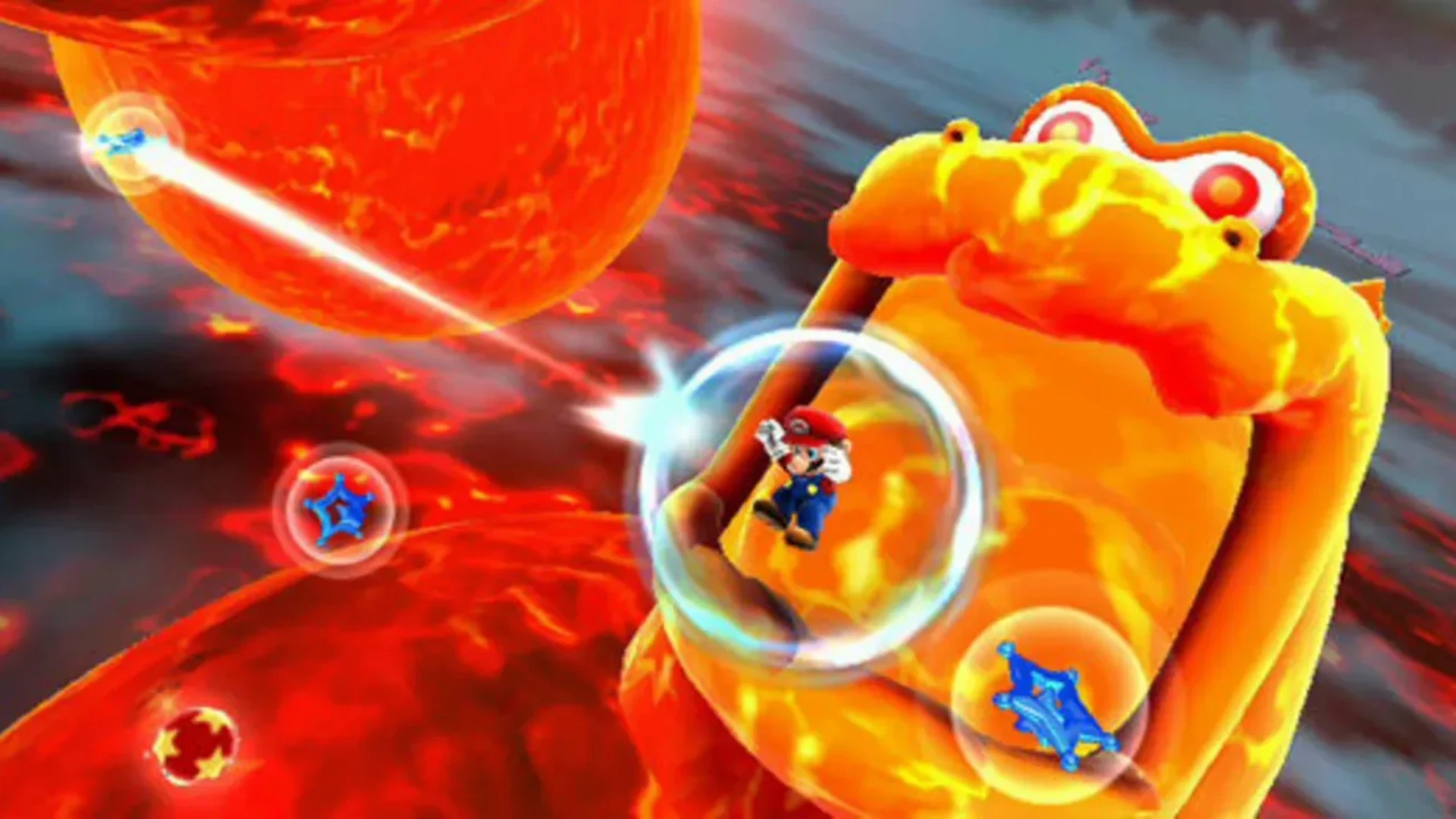
Each Power Star mission sends Mario across a chain of small 3D planets, with gravity deciding which surface becomes the floor. It can pull him toward a wall and turn it beneath his feet before he lands, allowing a course to change direction in the middle of a jump. Spin-Dig Galaxy uses the same idea below the surface. The Spin Drill punches through the planet, so the angle of entry decides where Mario emerges on the other side.
Most missions develop one mechanic until it feels complete, then move on before the idea has to repeat itself. The Switch version supports button-and-stick or motion aiming for Yoshi's tongue. Stick aiming works in handheld mode, but moving the reticle between jumps gives the right thumb another job during his fastest sections and makes quick tongue grabs less comfortable.
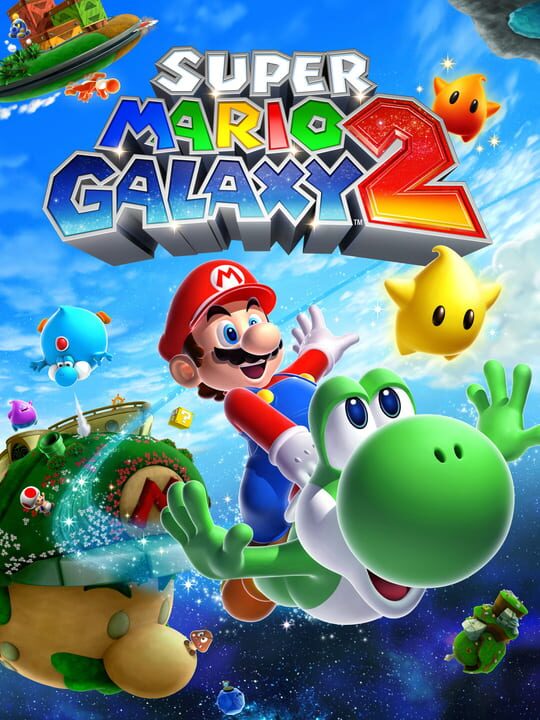
Super Mario Galaxy 2
Super Mario Galaxy 2 is the sequel to Super Mario Galaxy and the fourth 3D platformer entry in the Mario franchise. The sequel retains many elements from its predecessor, such as the adventure being in outer space, the element of gravity, and recurring objects such as Launch Star
Released
May 23, 2010
Developer
Nintendo Entertainment Analysis & Development
Publisher
Nintendo
1. Super Mario World
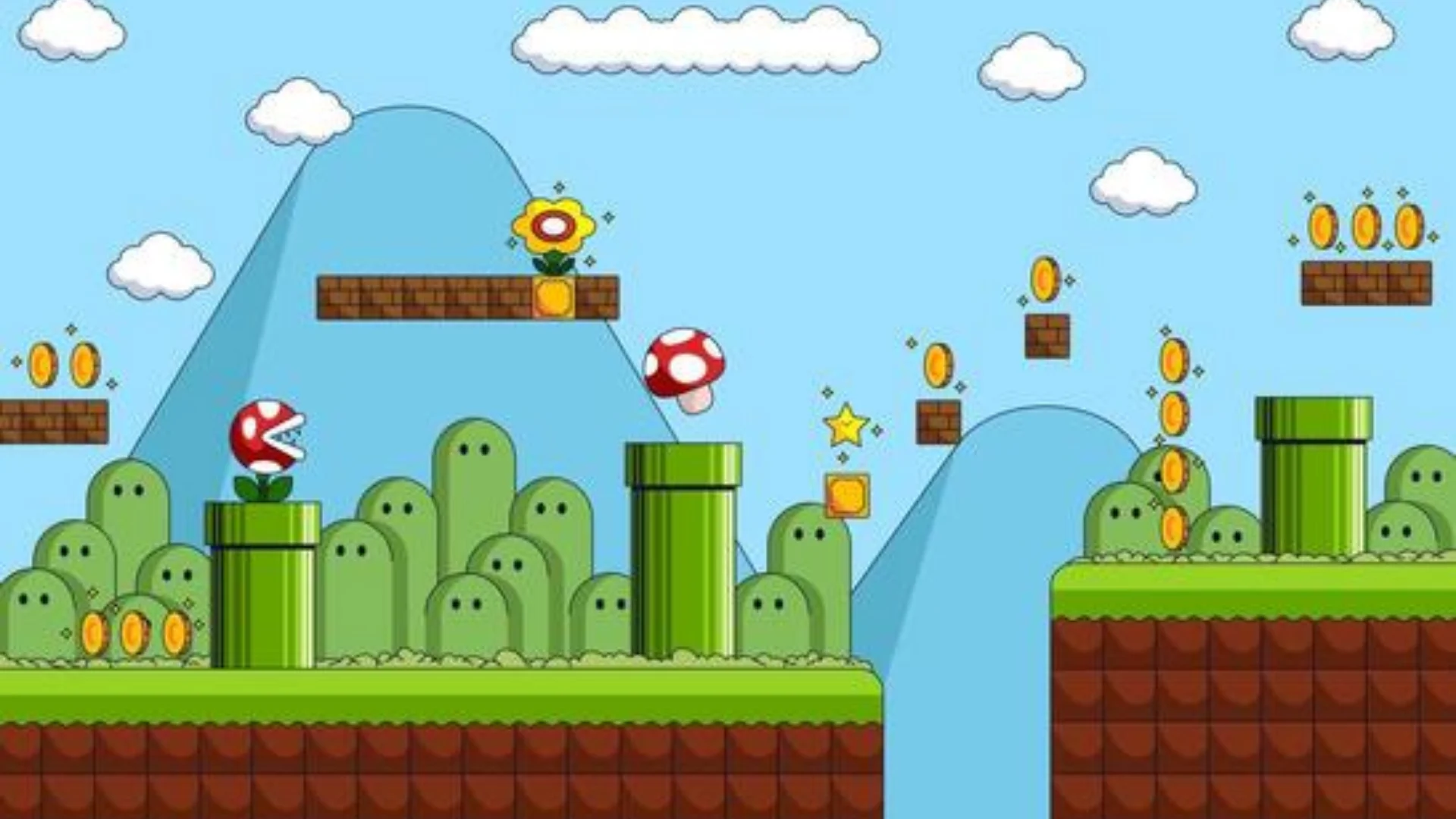
Super Mario World begins as a 2D trip across Dinosaur Land, then Donut Plains 1 hands Mario a Cape Feather and opens the space above the normal route. Build enough speed and he takes flight, where a hidden key waits near the top of the screen. Carrying it to the keyhole opens another road on the map. Mastering the cape lets Mario dive and pull back to regain height.
Secret exits continue that link between movement and exploration. Star Road can open long before the map is complete and provides shortcuts between distant areas, while one branch leads to the Special Zone. Each exit changes where Mario can travel next and leaves a visible result on the map.
The main route remains generous, and expert cape flight can bypass large sections. Those shortcuts still depend on learning where Mario can take off and how long he can stay above the stage. Movement is how Dinosaur Land reveals itself.
Tagged In
Discussion
0We want to hear from you. Share your perspective in the comments below, and please keep the conversation respectful.
Log in to join the discussion - vote, reply, and share your take.
Log In