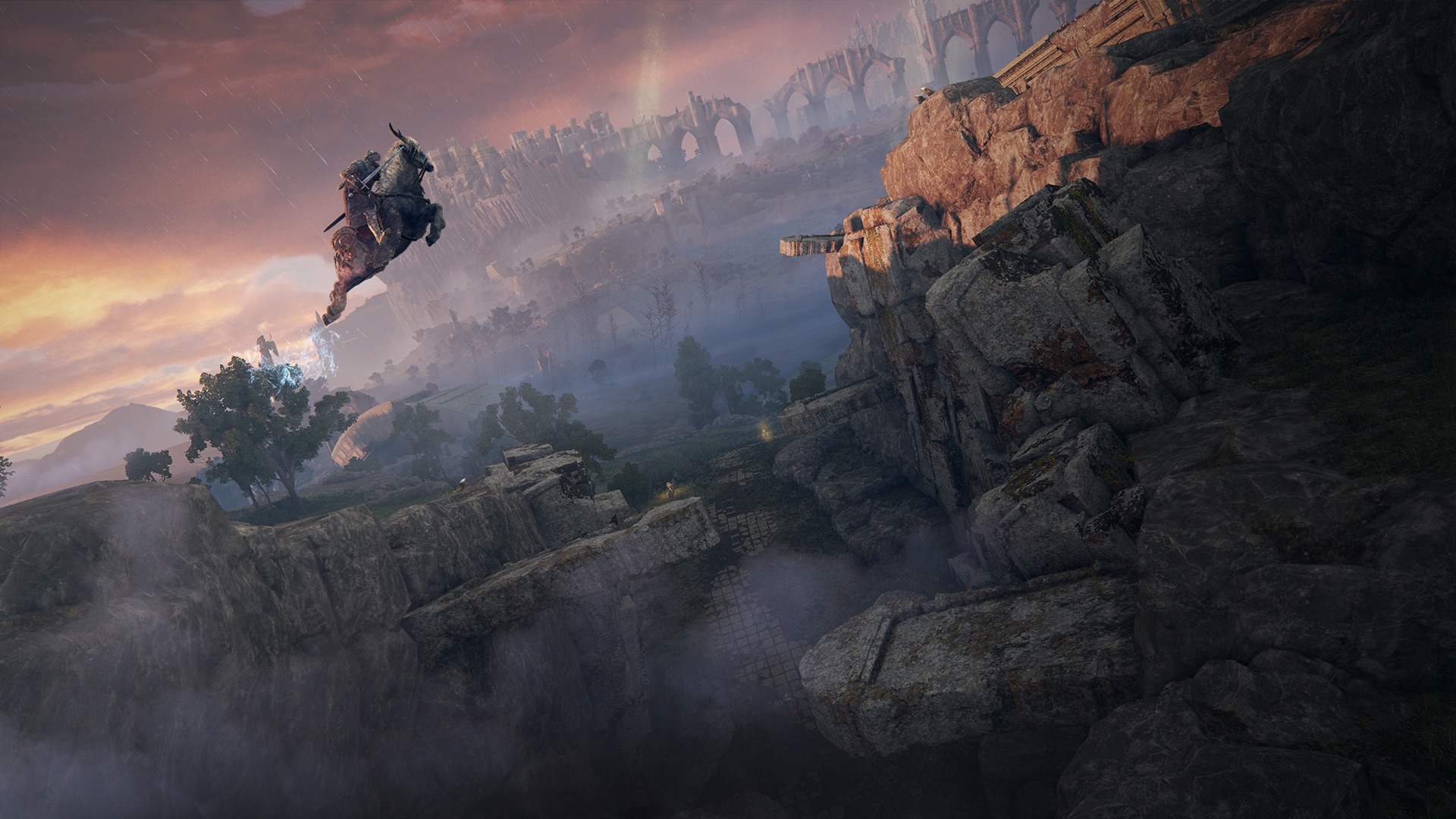
FromSoftware made brutal games mainstream with Elden Ring
FromSoftware turned its demanding action RPGs into a global phenomenon with Elden Ring, selling over 30 million copies. The studio's open-world approach made its signature difficulty more approachable without compromising the challenge.
The Japanese studio behind Dark Souls turned its famously unforgiving design into a massive mainstream success by giving players more freedom without sacrificing the challenge.
One of the first enemies players encounter in Elden Ring is an enormous armored knight on horseback. The Tree Sentinel can kill an inexperienced character in seconds, making him a particularly brutal introduction to the open world. Players expecting an easy opening fight are in for a nasty surprise.
But defeating him isn't necessary. Players can explore Limgrave, find better equipment, and return when they're ready. Elden Ring made this freedom a central part of its design, giving newcomers more room to learn while preserving the punishing combat that made FromSoftware famous.
The studio spent decades building a reputation for punishing difficulty, then discovered how to make its games more approachable without removing the danger. By March 2025, Elden Ring had shipped over 30 million copies worldwide.
Profile Snapshot
- Studio: FromSoftware, Inc.
- Founded: November 1, 1986
- Headquarters: Tokyo, Japan
- President: Hidetaka Miyazaki
- Main shareholder: Kadokawa Corporation
- Signature games: Dark Souls, Bloodborne, Sekiro: Shadows Die Twice, Elden Ring, and Armored Core
- Upcoming game: The Duskbloods, scheduled for 2027
Building a reputation through brutal difficulty
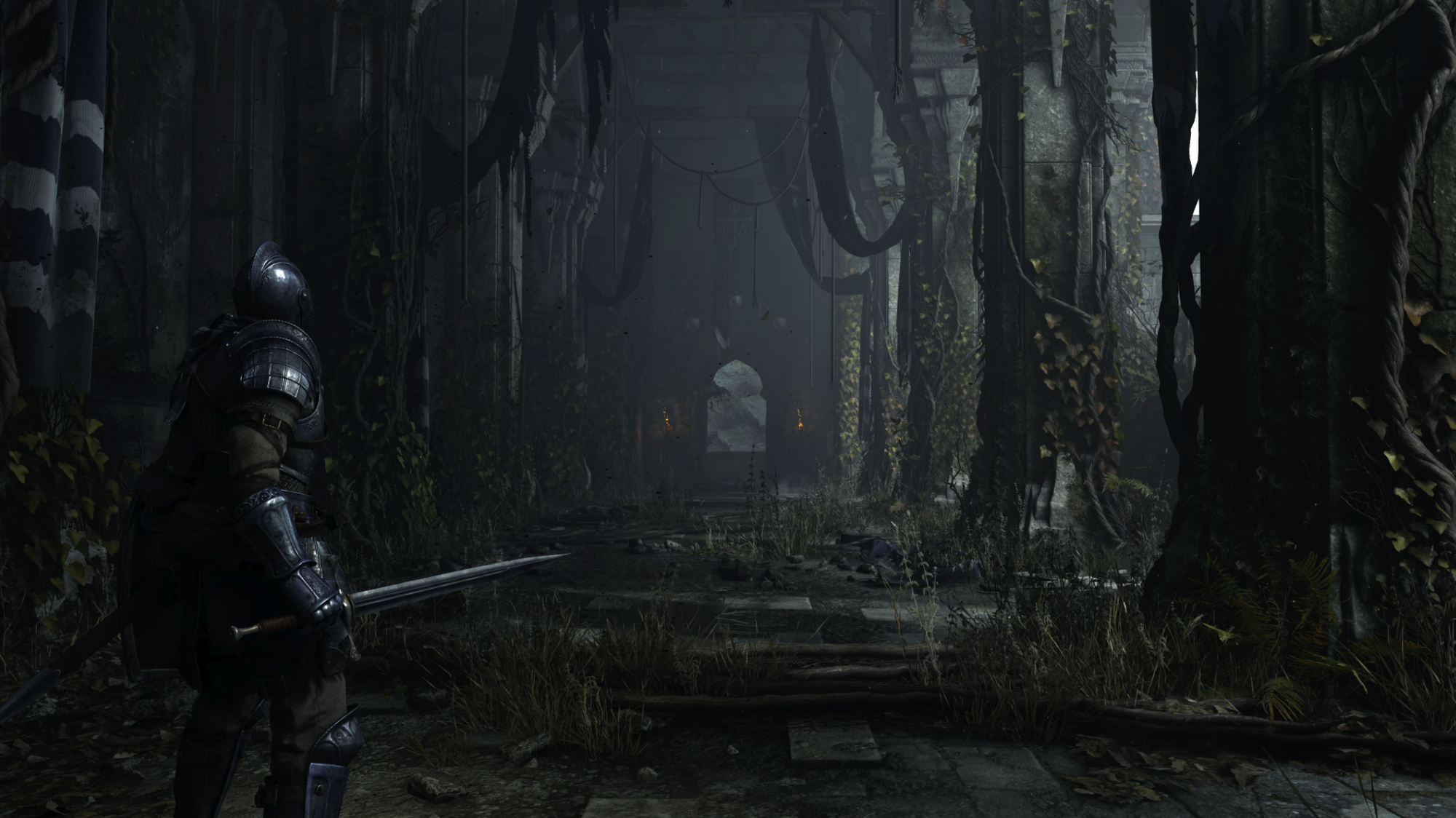
FromSoftware was making intimidating games long before Dark Souls became a household name among RPG fans. Its first video game, 1994's King's Field, dropped players into gloomy first-person dungeons with little guidance. The original Armored Core followed in 1997, demanding patience with complicated mech customization and tactical combat.
Neither looked much like the studio's later fantasy adventures, but both expected players to figure things out for themselves. That philosophy became central to Demon's Souls, directed by Hidetaka Miyazaki and released in 2009.
Death could erase hard-earned progress, enemies punished careless attacks, and the world rarely explained itself. Dark Souls expanded that formula in 2011, introducing an intricate network of interconnected environments. A difficult boss could stop progress for hours, but finally defeating it felt incredibly rewarding.
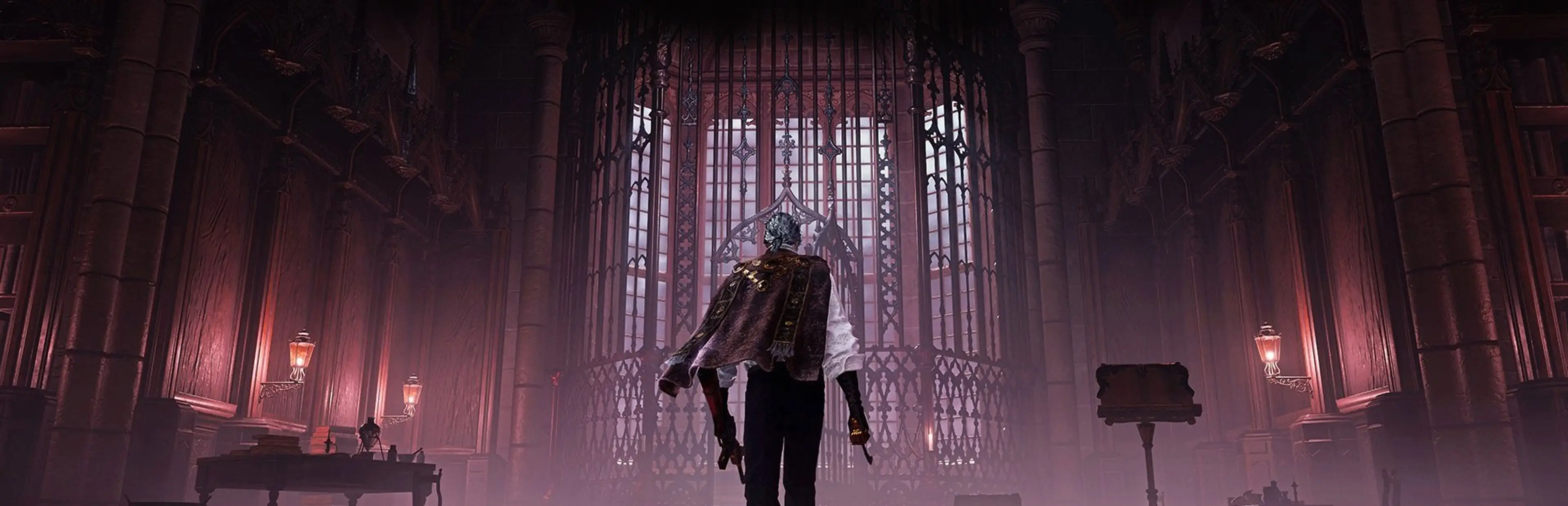
Then Bloodborne encouraged aggressive fighting, while Sekiro: Shadows Die Twice demanded precise swordplay. FromSoftware kept changing the combat mechanics while holding onto one stubborn principle: victory had to be earned.
Elden Ring made walking away a real strategy
The old formula had one obvious problem. Getting stuck on a boss could become incredibly frustrating. Earlier Souls games offered shortcuts and alternative routes, but certain encounters still stood directly between players and the next major area.
Elden Ring changed that arrangement completely. Released in February 2022, it scattered dangerous enemies across an enormous open world and allowed players to decide when they were ready.
Margit, the Fell Omen, provides a perfect example. He's a serious obstacle near Stormveil Castle, but there's no reason to spend an entire evening losing to him. Limgrave and the Weeping Peninsula are filled with smaller dungeons, valuable equipment, and opportunities to strengthen a character.
The studio also kept its elaborate level design intact. Stormveil Castle feels like a classic Dark Souls environment, complete with hidden passages and dangerous enemies, except it's now part of a much larger adventure.
Game director Miyazaki acknowledged that balancing this freedom against demanding boss encounters was one of the team's biggest development challenges. Players could arrive at the same fight with completely different equipment, abilities, and experience levels.
More ways to win without an easy mode
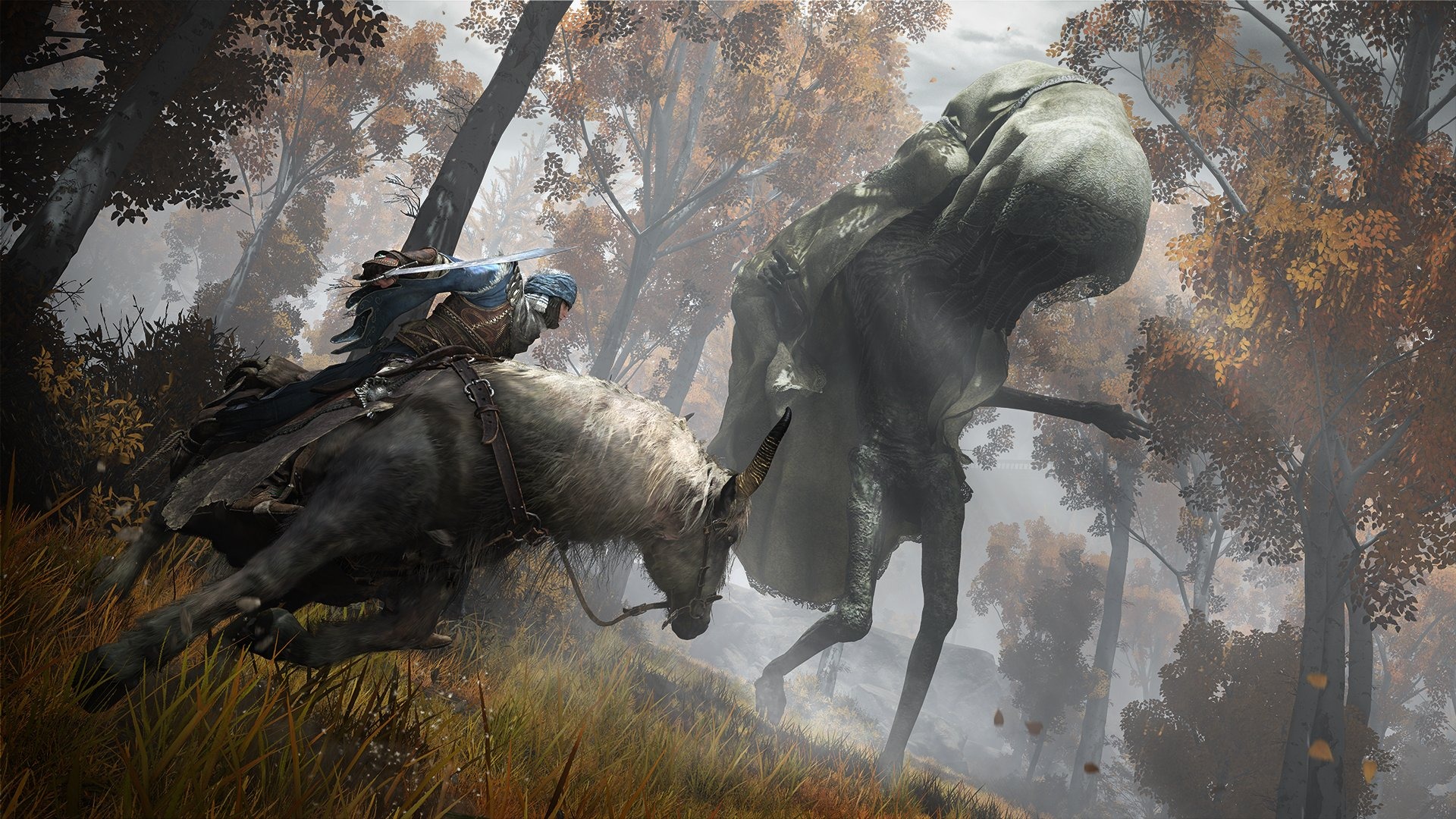
Despite its broader appeal, Elden Ring never introduced a traditional difficulty setting. Bosses could still destroy an unprepared character, and surviving their attacks required the same patience that made Dark Souls famous.
The big difference was the sheer number of alternatives.Spirit Ashes could summon an ally during difficult encounters. Magic allowed players to fight from a distance, while multiplayer cooperation offered another way to overcome particularly troublesome bosses.
Someone struggling with a heavy sword could experiment with an entirely different character build. Exploration also became a powerful weapon. Finding better equipment or upgrading a favorite weapon could turn a seemingly impossible fight into something manageable.
Miyazaki explained before release that FromSoftware had not deliberately lowered the difficulty. Instead, he expected more players to finish because they could return to difficult encounters later.
It was a smart compromise. Experienced players could still tackle bosses under challenging conditions, while newcomers had more opportunities to prepare. The vague quests and confusing progression systems remained intimidating, but being stuck no longer meant repeatedly fighting the same enemy.
Thirty million copies changed everything
The gamble paid off almost immediately. Elden Ring sold 12 million copies worldwide within three weeks of launch. By March 2025, worldwide shipments had surpassed 30 million.
For perspective, the entire Dark Souls series had reached 27 million units shipped and digitally sold by May 2020. FromSoftware was already commercially successful, but its open-world experiment reached an entirely different audience.
The game also won Game of the Year at The Game Awards 2022, bringing enormous recognition to a studio previously associated with a particularly demanding style of action RPG.
Bandai Namco's international publishing and marketing helped the expansion, but the game's identity remained unmistakably FromSoftware. Its mysterious world, intimidating enemies, and carefully designed combat delivered the kind of experience that had attracted Dark Souls fans for years.
The breakthrough came from giving millions of additional players a better opportunity to enjoy those same qualities.
Shadow of the Erdtree tested the formula
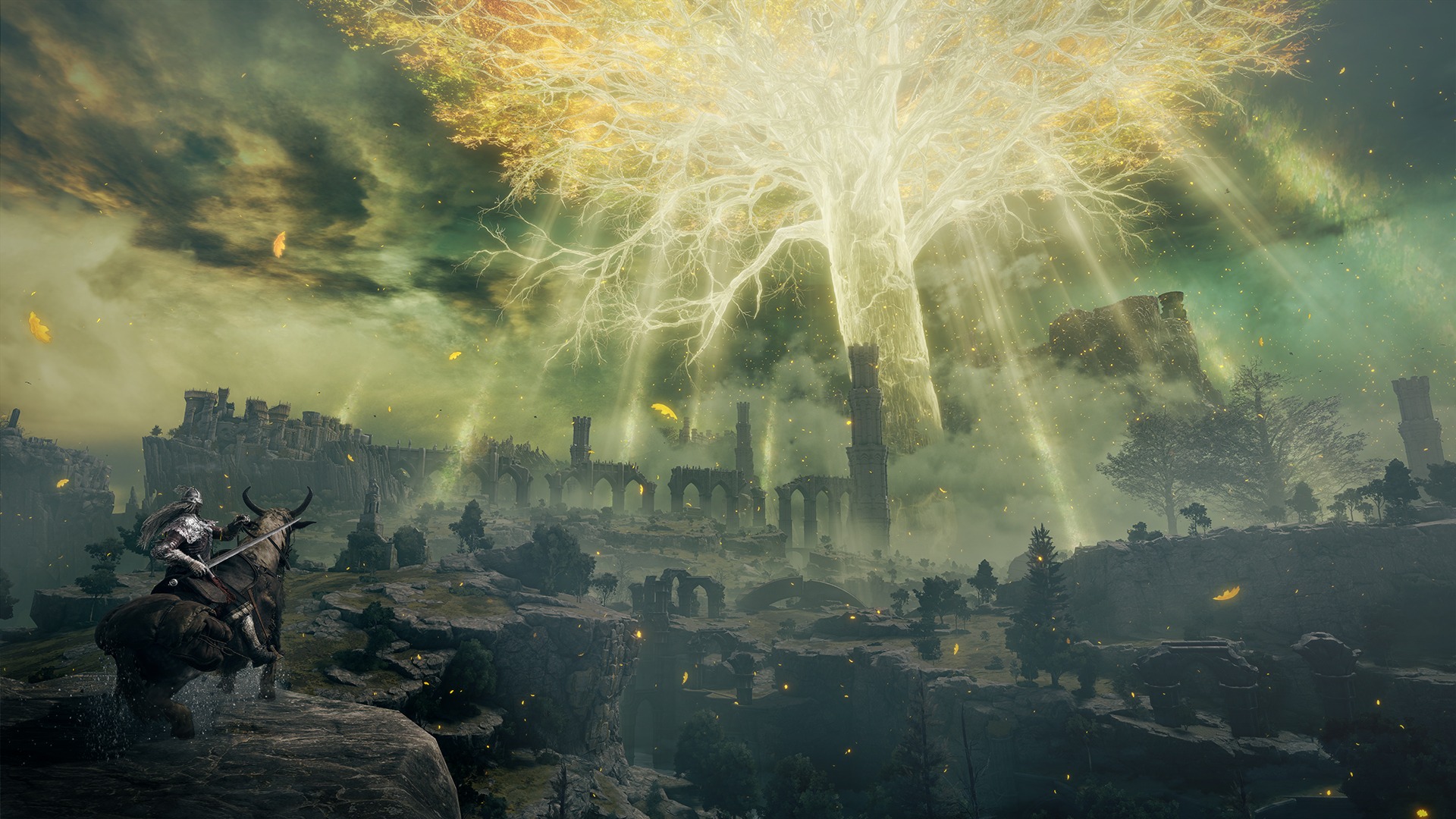
Success didn't end the arguments about difficulty. When Shadow of the Erdtree arrived in June 2024, FromSoftware introduced an expansion that could make even experienced players feel completely unprepared.
Its Scadutree Fragment system offered additional attack power and damage protection, encouraging exploration throughout the new region. However, some players criticized the punishing boss encounters and the importance of collecting these upgrades.
The expansion's initial Steam reception fell to Mixed, with PC performance problems contributing to the complaints. FromSoftware eventually adjusted the Scadutree Blessing system, making early upgrades more effective.
It was an interesting reminder that the studio's greatest strength could still become a source of frustration. A difficult fight feels rewarding when players understand how to improve, but far less satisfying when the challenge seems excessive.
Even with those complaints, Shadow of the Erdtree surpassed 10 million units shipped worldwide by July 2025. The audience was clearly willing to embrace another demanding adventure, even if the balance remained contentious.
FromSoftware's next challenge
Rather than immediately developing another enormous open-world RPG, FromSoftware has continued experimenting. Armored Core VI revived its mech combat series in 2023, while 2025's Elden Ring Nightreign transformed familiar combat into shorter cooperative survival sessions.
The latter shipped over 5 million units by July 2025. The original Elden Ring also reached Nintendo Switch 2 in August 2026 through Tarnished Edition.
The studio's next major project is The Duskbloods, an eight-player multiplayer game combining competitive combat with battles against computer-controlled enemies. Originally scheduled for 2026, it was delayed to 2027 for additional balancing.
Miyazaki has stressed that FromSoftware remains committed to single-player adventures, but its recent projects show a growing appetite for experimentation. After proving that brutally difficult games could attract a mainstream audience, the studio is now exploring how far its distinctive design philosophy can stretch.