Respawn Entertainment built two major franchises beyond Titanfall
How the studio founded by Call of Duty's creators went from Titanfall to Apex Legends and Star Wars Jedi, and why keeping both going led to cancellations and layoffs.
The studio behind Apex Legends and Star Wars Jedi turned its shooter expertise into two very different successes, but maintaining both has become increasingly challenging.
When Apex Legends appeared without warning in February 2019, many players were expecting another Titanfall game. Instead, Respawn Entertainment had created a free-to-play battle royale that attracted more than 25 million players within its first week.
The surprise launch transformed the studio founded by the creators of Call of Duty. Later that year, Star Wars Jedi: Fallen Order demonstrated its ability to make story-driven adventures. Respawn suddenly had two successful franchises, although supporting both would eventually put considerable pressure on the developer.
Profile Snapshot
- Founded: 2010
- Founders: Vince Zampella and Jason West
- Headquarters: Chatsworth, Los Angeles, California
- Parent company: Electronic Arts, acquired in 2017
- Signature franchises: Titanfall, Apex Legends, and Star Wars Jedi
- Major achievements: Over 25 million Apex Legends players within its first week and more than 40 million players across the Star Wars Jedi series by September 2024
- Current projects: The third Star Wars Jedi game, continued Apex Legends development, and an unnamed collaboration with DICE
Leaving Call of Duty to build something different
Respawn's origins were unusually dramatic. Vince Zampella and Jason West had helped establish Infinity Ward, the studio responsible for the original Call of Duty and its enormously successful Modern Warfare games.
Their relationship with Activision collapsed in 2010, resulting in their dismissal and a legal dispute over contracts and royalties. The two developers established Respawn shortly afterward, bringing several former Infinity Ward employees with them.
Electronic Arts became their publishing partner, providing the opportunity to develop an original franchise.
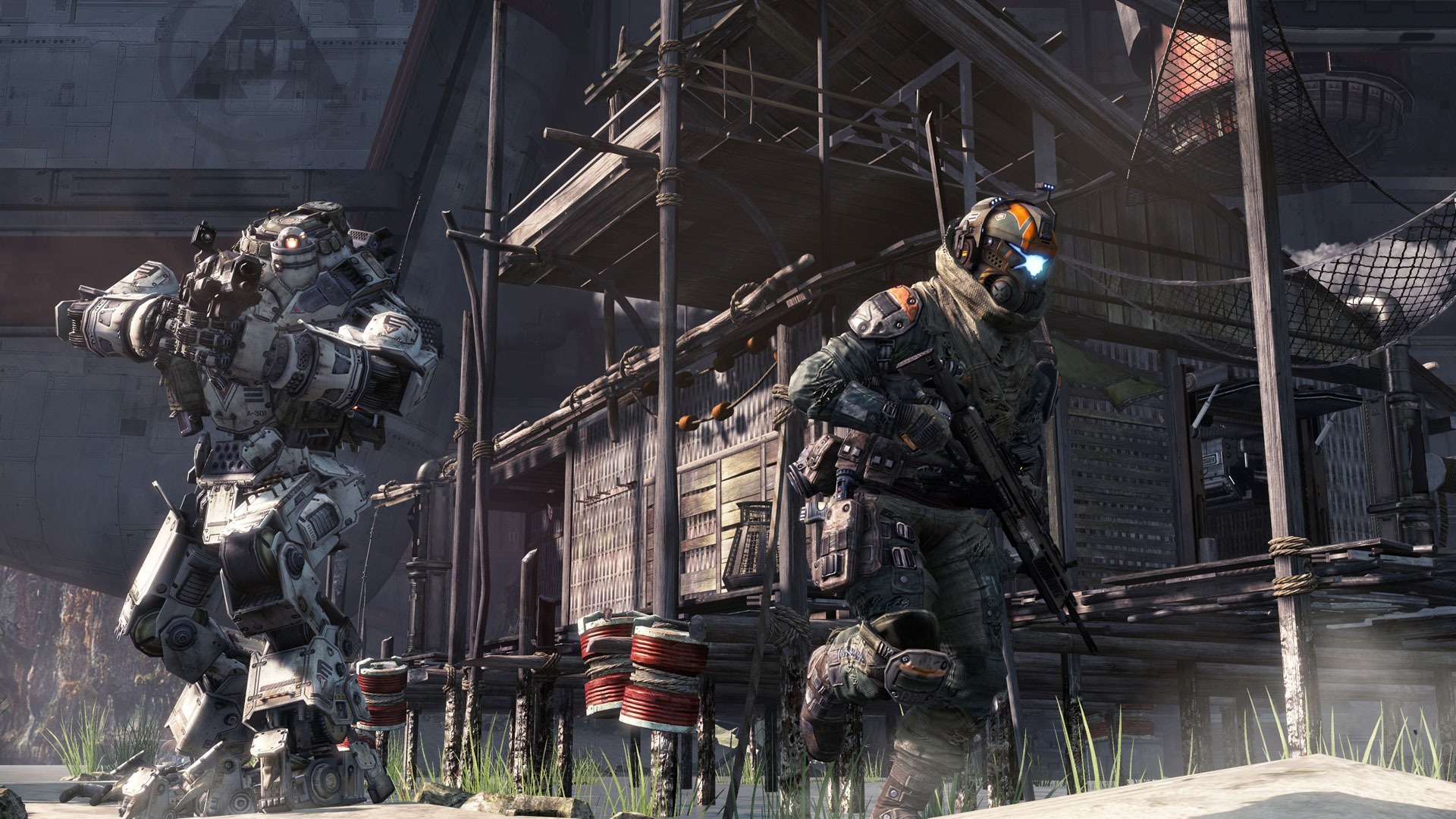
The result was Titanfall, released in March 2014. The multiplayer shooter combined traditional gunplay with wall-running and double jumps, allowing players to move around maps at extraordinary speed.
Its biggest attraction was the ability to summon enormous combat machines called Titans. Players could fight as agile pilots before climbing into heavily armored robots equipped with powerful weapons.
The combination created frantic battles where the same encounter could shift between fast infantry combat and heavy mech warfare. Respawn had taken its Call of Duty experience and created a shooter with a completely different identity.
Titanfall 2 deserved a bigger audience
The original Titanfall focused entirely on multiplayer, but Titanfall 2 introduced a full single-player campaign in October 2016.
Players controlled Jack Cooper, a rifleman who unexpectedly became the pilot of a Titan named BT-7274. Their developing relationship gave the adventure a surprisingly emotional story, while its levels constantly introduced new mechanics.
The Effect and Cause mission became a particular favorite. Players could switch between two different time periods instantly, using the ability to navigate obstacles and defeat enemies. Other missions experimented with movement and environmental puzzles.
Critics praised the campaign and improved multiplayer, but the game struggled commercially. Its release came just one week after Battlefield 1 and shortly before Call of Duty: Infinite Warfare, placing it between two major competitors.
The unfortunate timing limited its initial audience, despite the positive reception. Electronic Arts acquired Respawn in 2017, bringing the studio under the same corporate umbrella as Battlefield. The purchase provided additional resources, but Respawn's next project would take the Titanfall universe in an unexpected direction.
Apex Legends became Respawn's biggest breakthrough
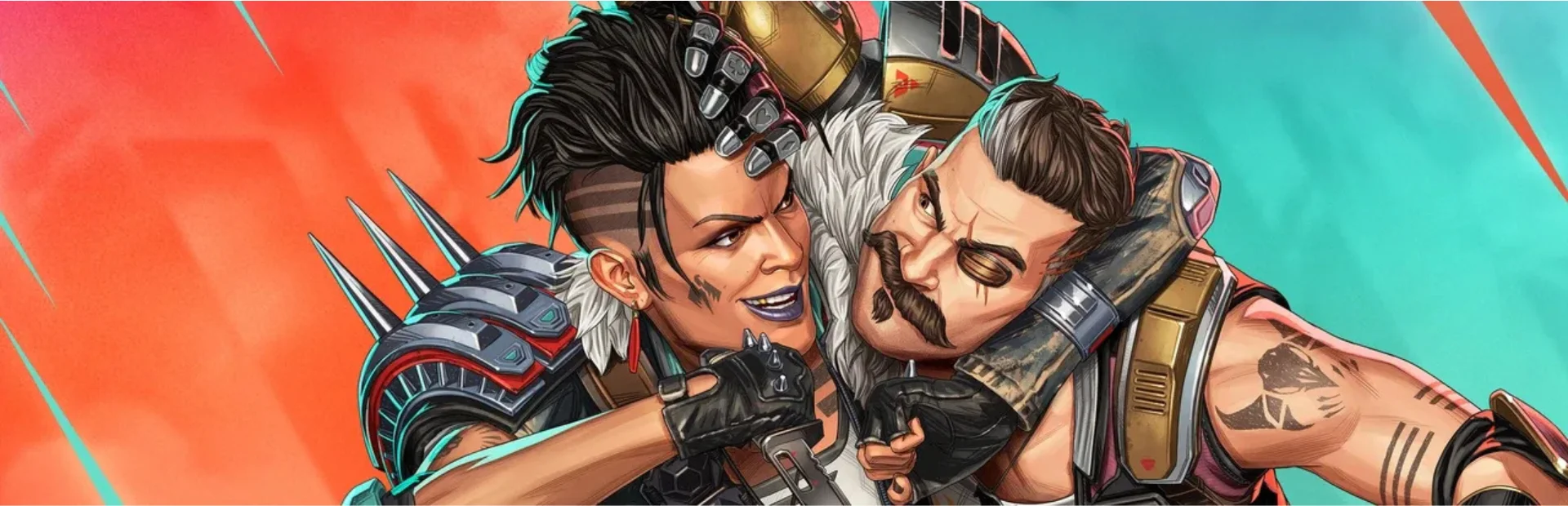
Respawn developed Apex Legends in considerable secrecy, choosing to launch the game immediately after its announcement on February 4, 2019. Its timing was excellent. Battle royale games had become enormously popular through PUBG and Fortnite, but Respawn introduced several mechanics that made its version distinctive.
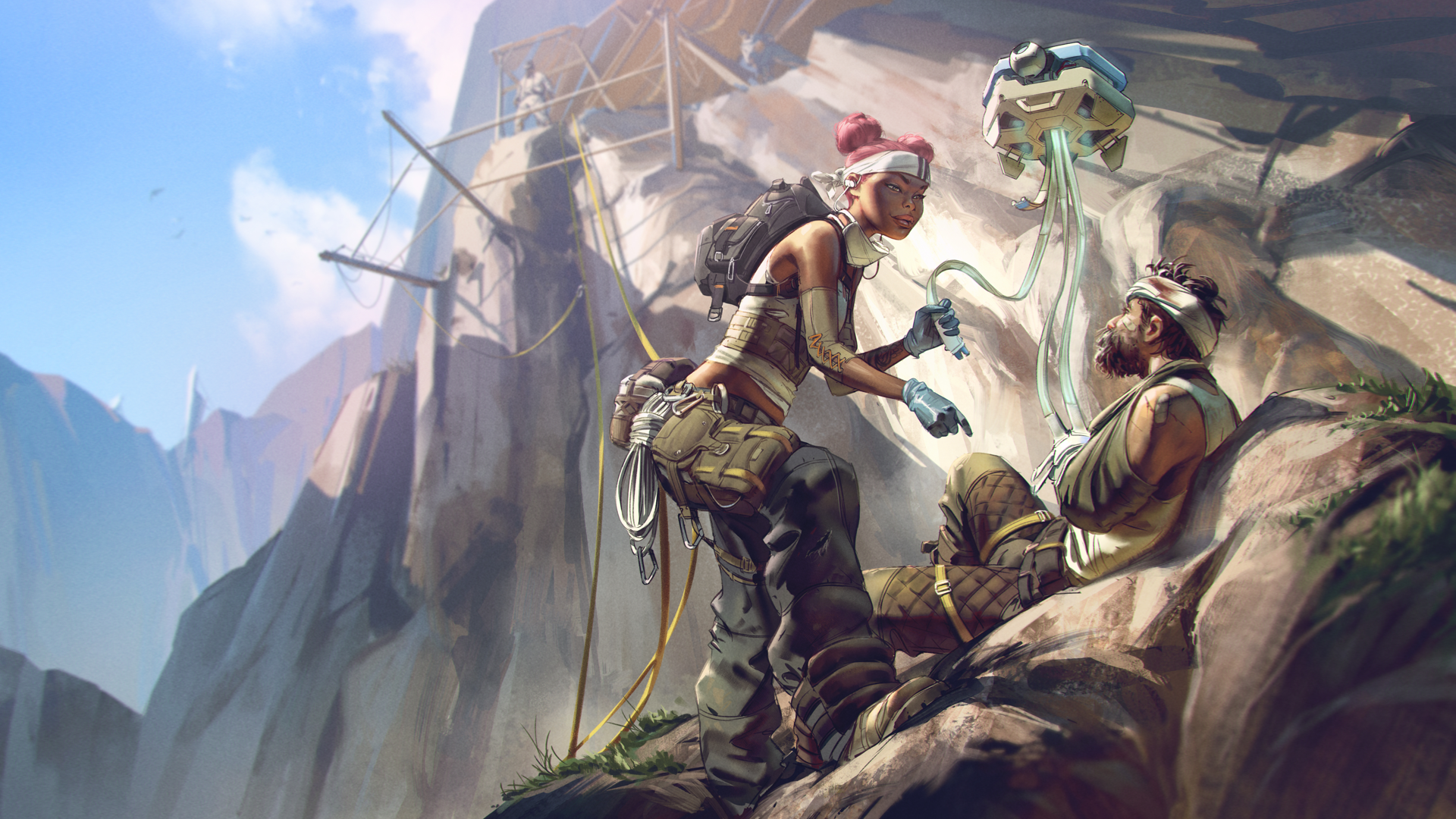
Each character, known as a Legend, had unique abilities. Lifeline could support injured teammates, while Wraith could temporarily escape danger through another dimension.
The studio also introduced an intuitive ping system, allowing players to communicate enemy positions and equipment locations without speaking. Respawn Beacons gave eliminated teammates another chance to join the match.
These features encouraged cooperation between strangers, supported by the responsive shooting mechanics inherited from Titanfall. Apex Legends reached 10 million players within 72 hours and passed 50 million during its first month.
However, operating a continuously updated multiplayer game was a completely different challenge. Respawn now needed to produce new characters and seasonal content while responding to balance problems and cheating.
The studio had moved from releasing individual games to maintaining an enormous online community, creating a demanding long-term commitment.
Star Wars Jedi established a second identity
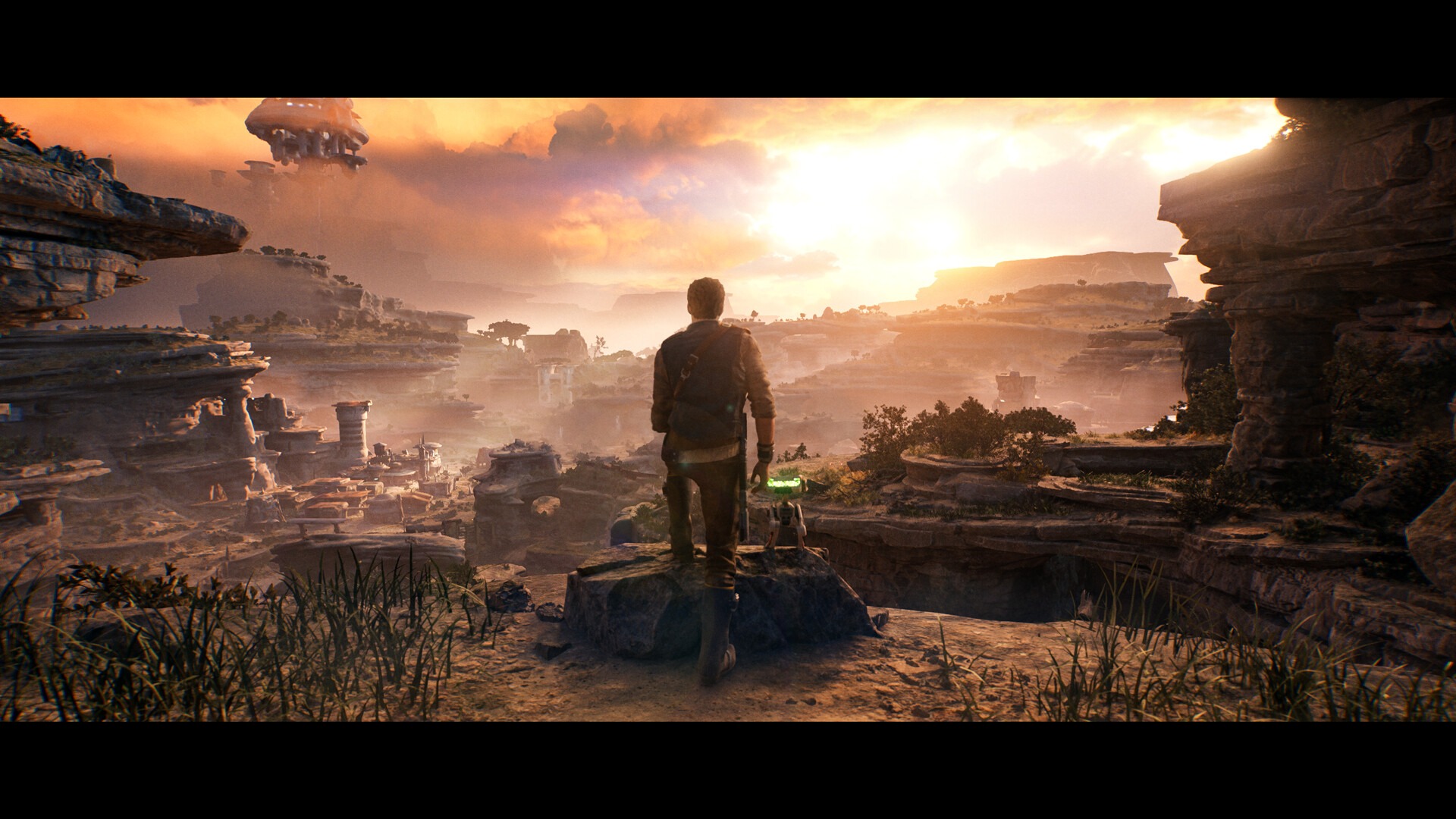
While Apex Legends was dominating attention, another Respawn team was developing a completely different project. Led by game director Stig Asmussen, Star Wars Jedi: Fallen Order arrived in November 2019. It followed Cal Kestis, a young Jedi survivor hiding from the Empire after the events of Order 66.
The game combined exploration with challenging third-person combat. Lightsaber fights required careful timing, while Force abilities could manipulate enemies and help players navigate the environment.
Its interconnected environments also encouraged backtracking. New abilities opened previously inaccessible paths, making exploration an important part of the adventure.
The result was a successful return to traditional single-player Star Wars games, particularly after years of Electronic Arts emphasizing multiplayer experiences.
Star Wars Jedi: Survivor expanded the formula in April 2023, introducing larger environments and additional lightsaber combat styles. Cal's story also became more complicated as he struggled with the consequences of fighting the Empire.
The sequel received positive reviews for its combat and storytelling, although serious performance problems affected the PC version at launch.
Despite those issues, the franchise continued growing. By September 2024, EA reported that more than 40 million players had experienced the Star Wars Jedi series. Respawn was now responsible for two successful franchises with very different audiences and development requirements.
Success brought cancellations and difficult decisions
Managing several major projects eventually created problems. Respawn had ambitious plans beyond Apex Legends and Star Wars Jedi, including additional games set in the Titanfall universe.
However, multiple projects were canceled before release. In April 2025, the studio confirmed it was abandoning two early-stage games while reducing staff across its existing development teams.
Bloomberg reported that approximately 100 Respawn employees were affected. One canceled project was reportedly an extraction shooter set in the Titanfall universe.
The layoffs came as Apex Legends faced increasing competition and pressure to maintain player engagement. EA had previously acknowledged that the game's performance was falling short of expectations.
Respawn also experienced significant leadership changes. Asmussen departed in September 2023 after directing both Star Wars Jedi games. In December 2025, co-founder Vince Zampella died at the age of 55, marking a major loss for the studio and the wider gaming industry.
The developments left Respawn facing difficult questions about its priorities. The studio had built its reputation by experimenting with new ideas, but maintaining established franchises required substantial resources.
Respawn's future now rests on its biggest franchises
Electronic Arts reaffirmed its commitment to Respawn in October 2026, announcing plans to expand Apex Legends through additional multiplayer modes and new experiences. The third Star Wars Jedi game also remains in development, while an unnamed collaboration with DICE has yet to be revealed.
Respawn has repeatedly shown its ability to adapt, from Titanfall's fast-paced combat to the cooperative gameplay of Apex Legends and the cinematic adventures of Star Wars Jedi. Following recent cancellations and leadership changes, its challenge is maintaining that creativity while supporting two established franchises under EA's growing commercial expectations.