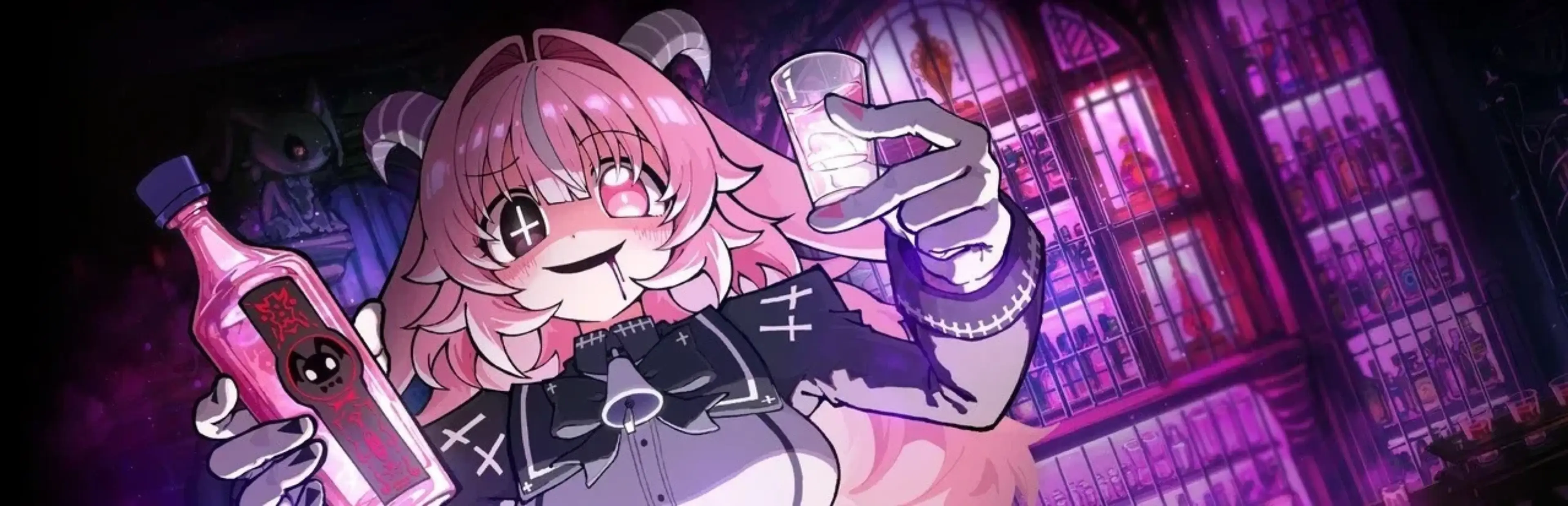
AI cloning fears are pushing indie demos behind closed doors
Digital Sun and Alliance Arts are restricting public demos over fears that copycats could recreate their games using AI tools. Closed testing may protect unfinished work, but it also limits the exposure and feedback that help indie games find an audience.
Digital Sun has decided to limit public testing for ReVamp, its upcoming game about building and defending Dracula's castle. In an October 19 announcement, the studio said it was concerned that other developers might copy the game before release.
Just days earlier, Alliance Arts had canceled a planned Steam demo for its horror drinking game Drunken Goddess Reflux over similar fears. Both studios still plan to let selected players try their games, but they are reluctant to release public demos. Opening a game to everyone can help attract new fans and uncover problems before launch.
It also gives potential copycats a closer look at ideas that are still being developed. By limiting access, both studios are taking fewer chances with their work, even if fewer players get to discover it before release.
A demo can give copycats a head start
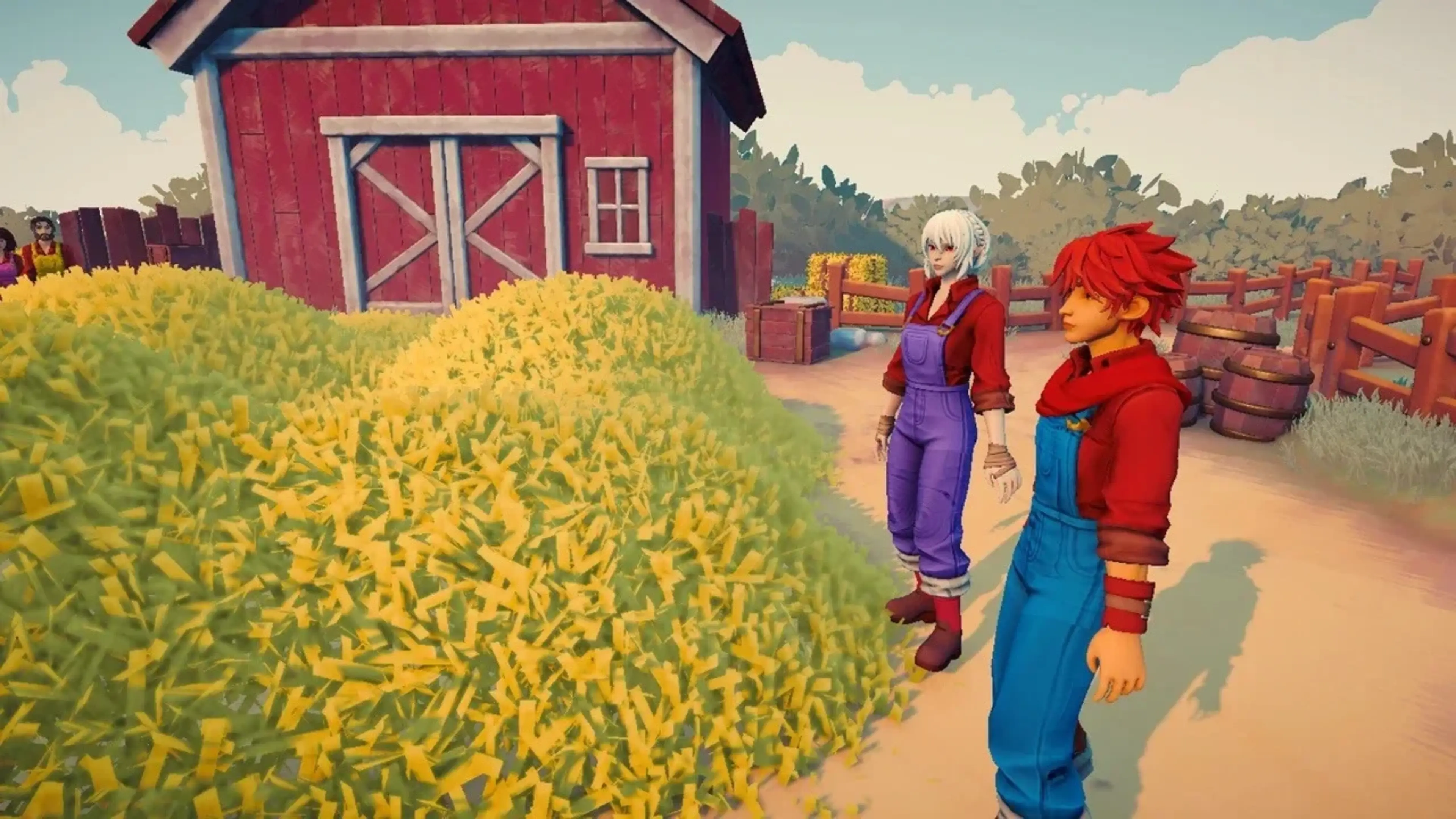
Developers can spend months testing and refining an idea before showing it to the public. Once footage or a playable demo is available, other studios can study that work while the original game is still in development.
In March, developer Freya Holmér shared a prototype where placing falling blocks rotated the playfield. Within five hours, someone had made an AI-assisted imitation. Holmér called it a bad copy, but admitted the experience made her less willing to share her work.
A recent dispute involving NoGlyph goes further. The studio has accused Little Field Studios of copying code from its Needle In A Haystack demo for A Game About Needle In A Haystack, released on October 16.
NoGlyph identified 13 classes with matching names and several identical error messages, including one referring to a shader missing from Little Field's game. The studio says the code matches demo builds published on September 20 and 21 and has filed a copyright notice with Valve.
These are still NoGlyph's allegations, and its findings do not establish whether AI was involved. The accusation concerns actual code taken from a playable demo, rather than another developer simply making a game around the same idea.
For studios such as Digital Sun and Alliance Arts, releasing an early build now involves sharing work that someone else could try to reproduce before their own game reaches players.
Public demos help unfamiliar games find an audience
Keeping a demo private may reduce the risk of copying, but it also means missing events such as Steam Next Fest. The October festival began on October 19, with more than 8,000 entries listed in its press preview. Developers need a public demo to participate, and each game can only enter one edition.
Steam initially gives participating games randomized placement before adjusting recommendations based on what people play. Smaller studios can reach players who have never heard of their games, while streamers can download a demo without requesting a key or arranging early access.
For players, trying a game before release is also a chance to decide whether it deserves a spot on their wishlist. Steam can then notify them when the full version launches.
Balatro showed how far that early interest could go. Long before its February 2024 release, LocalThunk's poker-inspired roguelike was spreading through streams and word of mouth. Northernlion became particularly interested, eventually reaching the 50-round limit of the demo. LocalThunk gave him access to the full beta so he could continue playing.
The feedback helped shape the game as well. LocalThunk worked with demo and beta players to adjust its balance, eventually changing the public demo to restrict available content instead of limiting how many rounds people could play.
Balatro reached an audience before launch while LocalThunk was still refining it. Developers who restrict their demos may protect unfinished work from imitators, but they also lose some of the discovery and feedback that helped games like Balatro find their footing.
Closed tests keep feedback but restrict how it spreads
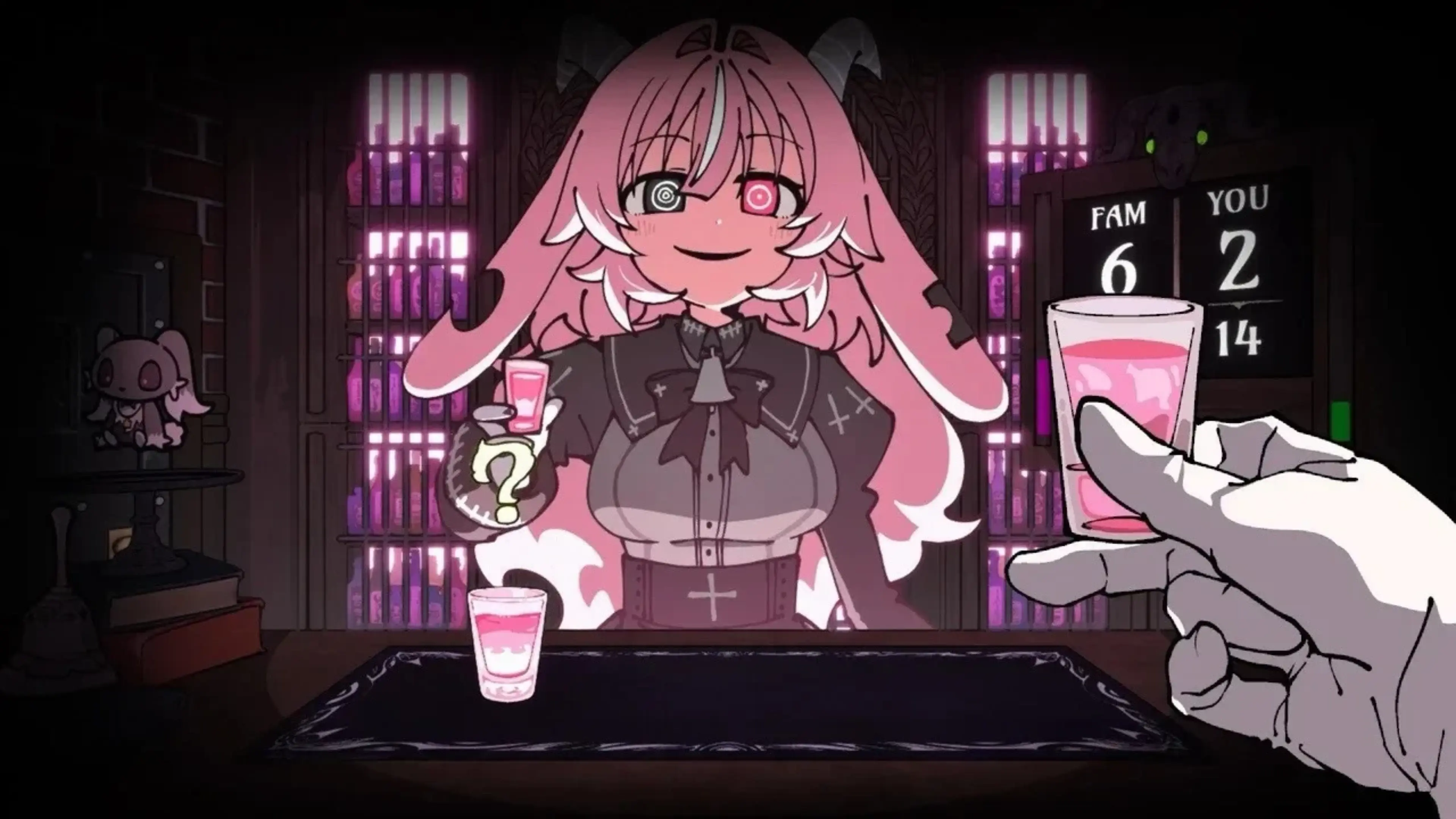
Balatro benefited from letting anyone try and stream its demo. Alliance Arts has decided against that approach for Drunken Goddess Reflux, limiting its upcoming test to players selected through Discord.
Anyone interested must join the server and enter a lottery for access. Selected players can discuss the game and share spoiler-free impressions, although streaming or uploading gameplay footage is prohibited.
The rules also ban sharing access codes, reverse engineering and submitting the game for AI analysis or training. Alliance Arts initially wanted similar restrictions for its public demo, but decided it could not enforce them properly. Concerns about cloning contributed to the cancellation.
Players can still report bugs and suggest improvements through Discord. However, someone who hears about the game from a friend or streamer cannot simply watch some gameplay and download the demo themselves.
Digital Sun has opted for a temporary restriction with ReVamp. Its Discord playtest begins October 29, with invitations sent out in waves. The studio hopes to open testing to everyone around January, ahead of the planned March 25, 2027 release.
ReVamp already had more than 200,000 wishlists in September, so Digital Sun has an established audience to draw from. Smaller studios may struggle more with closed testing. Convincing someone to join a Discord server, apply for access and wait for an invitation is harder than letting them try a demo that caught their attention on Steam.
Developers cannot police the storefront alone
Digital Sun and Alliance Arts can restrict who gets access to their games, but they still need trailers and screenshots to attract players. Developer Freya Holmér saw someone imitate her falling-block prototype within five hours of sharing a short clip, without ever releasing a playable demo.
When copying goes beyond the original idea, developers also have to gather evidence themselves. Valve already prohibits games containing material that publishers do not own or have permission to use, although sharing a similar concept is not enough to establish copyright infringement.
NoGlyph's complaint against Little Field Studios is more specific. The studio claims it found 13 matching classes and identical error messages in A Game About Needle In A Haystack, allegedly taken from its own demo. NoGlyph had to inspect the other game's files and document those similarities before filing a copyright notice with Valve. The allegations have not yet been established.
Digital Sun has called for stronger protection from platforms themselves. Quicker investigations into complaints supported by evidence could help developers feel more comfortable releasing their games publicly, while allowing other studios to experiment with familiar mechanics or legitimate AI tools.
Smaller studios already have enough work developing and promoting their games without having to investigate suspected copies themselves. Restricting demos may reduce the risk, but developers should also be able to rely on the stores selling their work.
Delaying discovery has a cost of its own
Digital Sun hopes to open ReVamp to the public in January, roughly two months before release. Until then, testing will remain limited to selected players on Discord. The studio can continue gathering feedback while giving potential copycats less time to release a similar game first.
With more than 200,000 wishlists already recorded, ReVamp has an audience waiting for it. Smaller developers may not have that luxury. A public demo can introduce their game to thousands of players through Steam, streams and word of mouth, sometimes months before launch.
Digital Sun and Alliance Arts have good reasons to be cautious, especially after the recent copying allegations. But developers who keep their games private also risk missing the attention that could help them succeed when they finally release.
Tagged In
Discussion
0We want to hear from you. Share your perspective in the comments below, and please keep the conversation respectful.
Log in to join the discussion - vote, reply, and share your take.
Log In