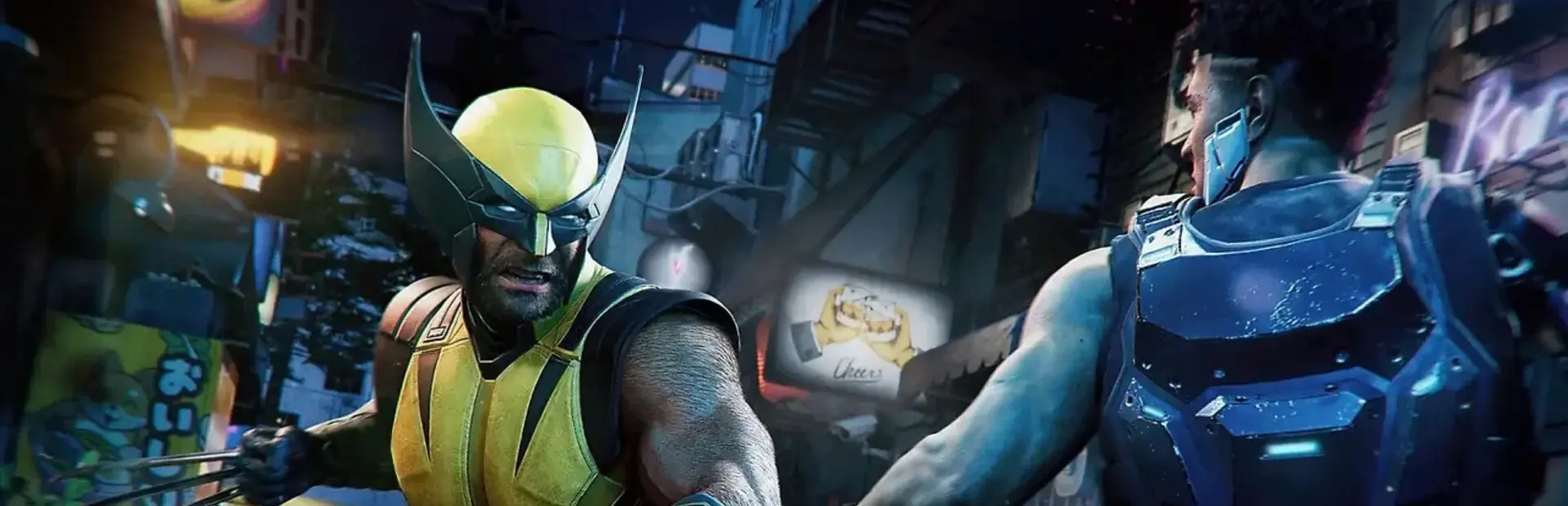
Marvel's Wolverine Leans Too Heavily on Its Claws
Logan's aggressive fighting style and expressive cast carry Insomniac's PS5 adventure, but uneven progression and storytelling leave too much work to the next bloodbath.
Wolverine's healing factor gives an action game an interesting problem: getting hurt should be part of the attraction. Insomniac builds its answer around aggression, tying Logan's ability to survive to the momentum he generates in combat. In Marvel's Wolverine, a single-player action adventure for PS5, taking punishment and tearing back into the opposition belong to the same rhythm. It is a strong foundation for a character whose body can recover from almost anything.
The campaign returns to that rhythm more often than it finds ways to develop it. A succession of fights can sustain an action game when the enemies keep changing what victory requires. Here, additional moves often provide fresh ways to stage the violence without making familiar approaches redundant. Logan remains entertaining to unleash, but his adventure needs more development between its opening promise and its final stretch.
Getting Hurt Is Part of the Fight
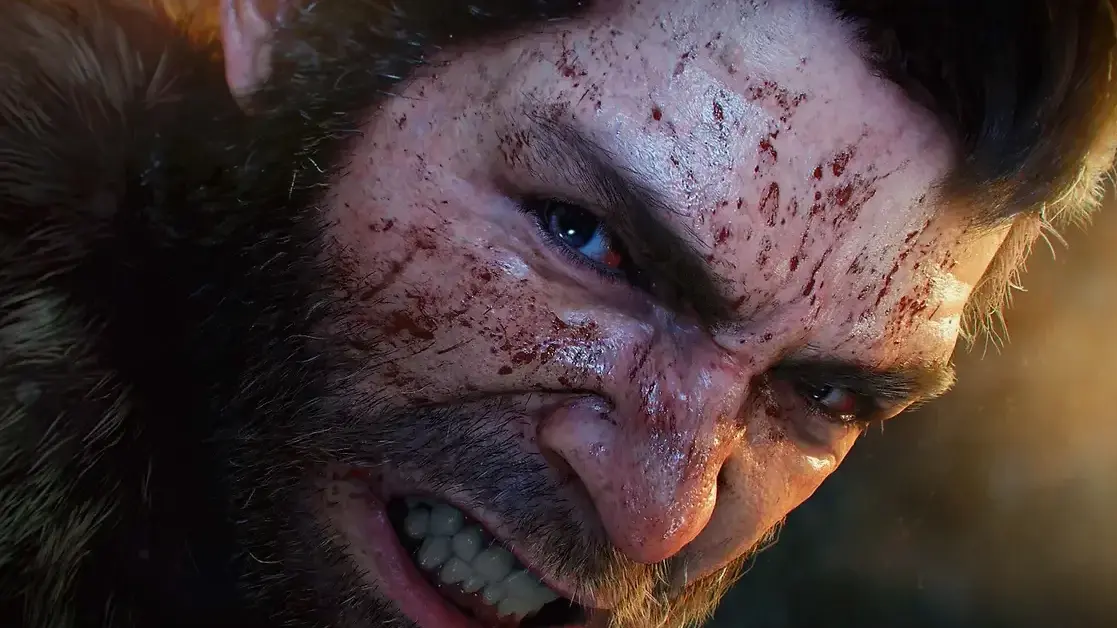
Rage connects Wolverine's durability to his offensive pressure. Its three tiers offer escalating benefits, beginning with a chance to recover from being downed and building toward greater damage and lethal critical strikes. Staying involved in the fight therefore serves two purposes: clearing enemies and maintaining the resources that help Logan survive them. His healing belongs inside the combat loop, giving the player a reason to push forward through danger.
Special Techniques provide more immediate decisions. Four can be equipped at once, with rechargeable moves including Tornado Spin for surrounding enemies and Spiral Strike for driving into a target. Choosing when to spend them gives the basic attacks some structure. An ability that opens space around Logan has a different use from one that concentrates punishment in front of him, even when both end in dismemberment.
The animation supplies much of the appeal. Torn clothing and exposed wounds keep the damage visible on Logan, while finishing moves briefly concentrate attention on the force of his attacks. That mutual destruction suits the character. Enemies can hurt him badly enough to leave a mark, and the game makes his ability to continue look appropriately unpleasant.
The Skill Tree Gets Ahead of the Encounters
The difficulty is maintaining reasons to use the expanding arsenal. Techniques add moves and combos, while Adaptations adjust properties such as bullet resistance, Rage effectiveness and parry timing. There are useful choices here, particularly for players who want to emphasize a preferred approach. The presence of several progression systems, however, creates expectations the encounters do not consistently meet.
Basic barrages, evasive movement and available specials remain effective enough that more elaborate inputs can become optional decoration. Experimentation still produces entertaining combinations. The missing pressure is the need to experiment: an enemy formation that defeats an established habit, or a threat that makes a neglected move indispensable. Without that pressure, unlocking another technique changes the performance more readily than the underlying task.
Some progression choices also delay tools that would improve the ordinary flow of fighting. The ability to parry multiple simultaneous attacks arrives relatively late, despite crowds being a recurring part of combat. Until then, successfully answering one attacker can leave Logan exposed to another. That is an awkward relationship between the situations the game creates and the defensive options it provides.
Players who enjoy inventing stylish combinations have room to make these fights livelier. Those who expect the opposition to force that creativity will find fewer reasons to move beyond a reliable routine.
Following Logan Through Tokyo
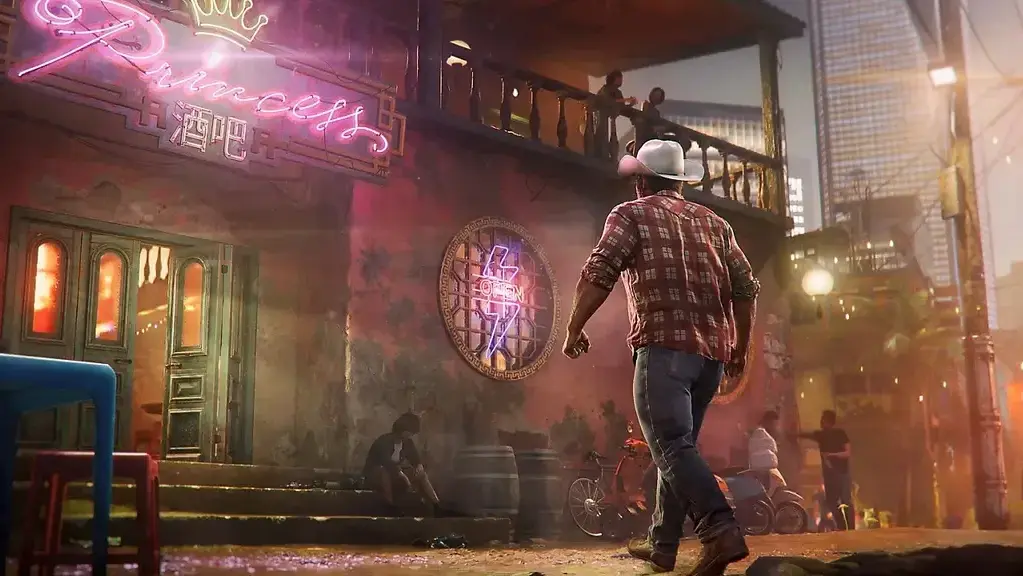
Tokyo gives the campaign a welcome change of pace. Its compact district combines fighting with tracking scents and following leads, allowing Logan to spend time in a place with some continuity between objectives. Streets and alleys become recognizable surroundings. Moving back through them helps an investigation feel like something happening within a neighborhood, giving the location a purpose beyond hosting the next encounter.
Elsewhere, the route is more tightly controlled, with limited diversions between combat spaces. The contrast exposes how much the adventure depends on changes of scenery to refresh familiar activities. Canada, Japan and Madripoor provide geographical variety, but a different backdrop cannot supply every change in pace. Logan's senses offer a useful alternative to fighting, and the campaign would benefit from giving that side of his abilities more substantial work.
The People Matter More Than the Mystery

The setup gives Logan a reason to care about the people around him. Mutants are being abducted, and his involvement with Team X places him among allies whose attitudes toward violence and responsibility differ. Jean Grey shares his concern for vulnerable mutants. Sabretooth brings friction rooted in their history, while Mystique approaches the group's dangerous work with an enthusiasm Logan does not share. Those relationships give his anger a context beyond the existence of another enemy.
Liam McIntyre's performance holds the extremes together. Logan's aggression remains recognizable alongside his gentler exchanges, making the quieter conversations worth having. The cast gives individual relationships more conviction than the broader mystery consistently earns. As the story moves further into Logan's past, its explanations and suggestions of future developments compete with the relationships already established. Hints about later stories sometimes take precedence over the emotional resolution this adventure needs.
The handling of his memories makes that problem more conspicuous. Optional Nightmare Doors lead to challenges and audio material about his past, but some of that material is delivered through static text screens with narration that stops when the player exits. For a game investing so heavily in faces, performances and staged action, this is a surprisingly detached way to present personal history. The information deserves a stronger connection to the adventure in which it matters.
Worth Playing for the Fights
Marvel's Wolverine is easiest to recommend to players who want a direct, violent superhero adventure and enjoy refining familiar combat routines. Its presentation gives the physical brutality conviction, and its actors make Logan worth following through an uneven story. Mission Replay, challenge stages and New Game Plus offer further opportunities to use the combat systems, provided the fighting itself is the attraction.
Players looking for sustained mechanical discovery or a tightly resolved narrative have less reason to prioritize it. The limiting factor is how often the campaign asks its strongest ideas to repeat themselves. There is an enjoyable Wolverine game here, particularly for committed fans, but the claws carry more of the adventure than they should.
The Verdict
Marvel’s Wolverine delivers an entertaining superhero adventure through brutal combat, expressive performances and striking damage effects. Its fighting systems offer plenty of ways to unleash Logan, but encounters do too little to encourage experimentation. Uneven storytelling further limits the campaign, making this an easier recommendation for Wolverine fans than players seeking sustained mechanical depth.
The Good
- +Aggressive combat captures Wolverine’s ferocity and resilience.
- +Powerful special attacks and detailed damage animations.
- +Strong character performances, especially Liam McIntyre as Logan.
- +Tokyo combines investigation, exploration and combat effectively.
The Bad
- -Repetitive encounters rarely demand full use of combat upgrades.
- -Restrictive level design limits exploration.

Marvel's Wolverine is a single-player action-adventure game and a standalone entry in the Marvel's Spider-Man series, sharing continuity with those titles while telling its own self-contained story. Players control Logan/Wolverine in close-quarters combat, using his adamantium cl
Released
September 15, 2026
Developer
Insomniac Games
Publisher
Sony Interactive Entertainment


Tagged In
Discussion
0We want to hear from you. Share your perspective in the comments below, and please keep the conversation respectful.
Log in to join the discussion - vote, reply, and share your take.
Log In