Exclusive Interview with Astralis Co-Founder and Owner: Jakob Lund Kristensen
Astralis co-founder Jakob Lund Kristensen on why he returned, rebuilding the org's finances, going international, and the road back to a Major by 2027.
Jakob Lund Kristensen has been part of Danish Counter-Strike for the better part of two decades. He founded Copenhagen Wolves, the organization that first housed future Astralis greats like device, dupreeh, Xyp9x and gla1ve, co-founded the tournament organizer BLAST, and helped build Astralis into one of the most successful teams the game has ever seen.
In an interview with Zero1Gaming, Kristensen talked us through why he left and what pulled him back, the state of the company Fusion inherited and the long job of rebuilding it, and whether any team can dominate Counter-Strike the way his Astralis once did.
He was candid about the finances, the move away from an all-Danish roster, where he believes the business of Counter-Strike is heading, and what he wants this comeback chapter to be remembered for.
Leaving, Returning, and the State of Astralis
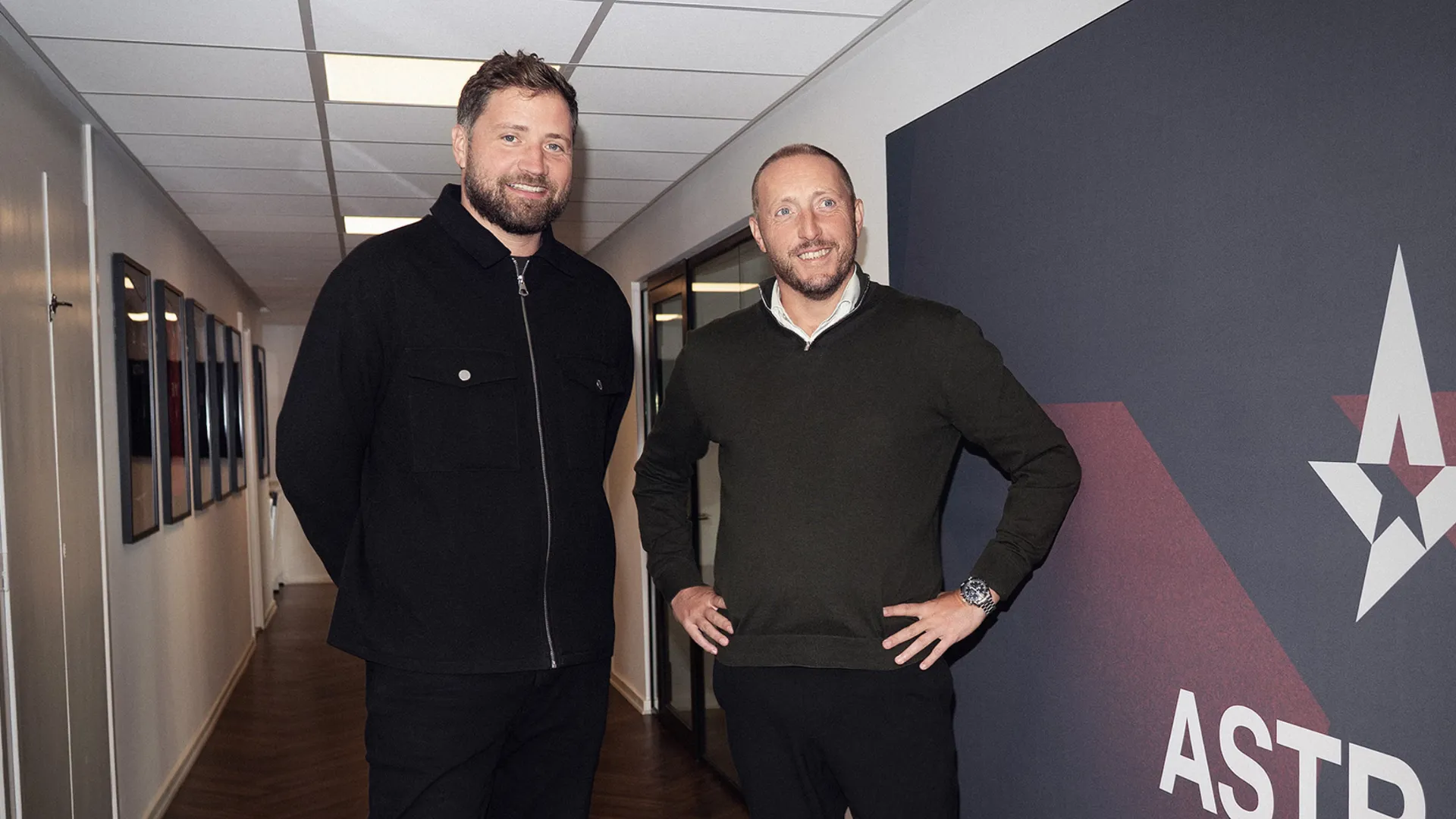
Kristensen was one of the original architects of Astralis, so he begins where the story does for him: why he walked away when the organization was flying, what convinced him to come back as an owner, and just how much repair work Fusion found waiting for them.
You helped build up Astralis in its infancy and have now returned as part of the ownership group. What was the reason you initially left the team and what caused you to return after all this time?
As one of the original founders, Astralis will obviously always hold a special place in my heart. The journey we went on together with the players and the organisation will always be special to me, though I was obviously far from happy with where everything ended up.
When I left I was honestly burnt out. I had given everything I had to give at that time and it was right for someone else to take over the responsibilities I had. I also felt that the timing was right, as the company was in a good state and we had a very strong person taking over my position.
In regards to my return, there is clearly an emotional part that drove me but honestly it's also clearly a business decision. I am bullish long term on esports. I genuinely believe the industry has a fantastic future ahead of it. I had regained my energy and coming back together with Jonas was the perfect opportunity.
How would you compare today's Astralis team to the team in 2016?
It's obviously quite different teams. When we started Astralis, no one believed that it could be one of the greatest teams of all time but we did have a core that was considered a top 5 team in the world. We struggled a lot with performance on the big stages (ironically enough) and had our own battles we needed to overcome.
Being the number one Danish team also meant that there was plenty of talent out there to pick from. The Danish talent pool is very far today from where it was back then. I think this new roster is more of an underdog story and faces a lot of different challenges.
Is there anything you would like to say to the fans who stopped following Astralis while the team was restructuring?
Honestly, I don't blame them. What we went through with Astralis in 2018-2020 was absolutely unique and was the result of so many things aligning perfectly. I will forever cherish that period but I also understand that it will never happen again.
We are building a new story and we just hope people will follow our journey which will hopefully be its own but also end with a few trophies.
Fusion Esports Group took over Astralis at a difficult point for the organization. As a co-founder, what was the reason that made you want to step back in?
As stated earlier. The timing was right. I think it's time for the second wave of esports. We had an overhyped venture run where everyone just spent money like crazy. I think we will see esports finally land where it really needs to be in the coming 2-3 years.
Astralis has gone through several stages in its history: player-owned team, public company, and now a privately owned organization again. Do you feel like these changes over the years have negatively impacted the team's performance?
Absolutely. It's very clear the turmoil and the attention the company received for many years made it hard for the players to focus on just playing. We kinda became too big for our own booths so to speak. I don't think anyone outside of Denmark really can understand just how big celebrities and much attention the players received during the run of tournament wins.
Everything from royal visits to playing with the Prime Minister was just everyday life of the players. So yeah, absolutely.
Does the ownership model change what Astralis is, or is the identity of the team built by its players?
The ownership model is the same as when we bought it. It was owned by a series of individuals as any other privately held company. It's been many, many years since the players were co-owners of the company.
Public reporting around Astralis before the acquisition pointed to financial pressure and uncertainty. How stable is the organization today, and what had to change for it to be where it is now?
It was absolutely a company under pressure, as many are in the space currently. We had a massive job in front of us when we bought the company but we are already pretty much in the clear in that sense. We have stabilized the operations and we are already looking into a 2026 where Astralis will be profitable.
Beyond the financial side, what has been the hardest part of rebuilding Astralis?
The hardest part has clearly been changing the culture and the narrative around the brand. This has been years of bad news, bad luck and tough decisions. So bringing back the energy and ambition has been something that took a lot more than we expected, and we are honestly still far from done.
The Counter-Strike business model has changed a lot, especially after the move away from guaranteed league revenue. What does a sustainable esports organization look like in this new environment?
What was super attractive for us was that the new environment was really much more built on actual value and not just who could raise the most money.
There is a real opportunity to build something great, if you know what you are doing. In the previous structure a lot of people did a great job but simply couldn't break through because of the franchise structure and not having the ability to raise a lot of money. I think a project like Copenhagen Flames would have a much better chance of surviving in this current era.
Competitive Ambition and Going International
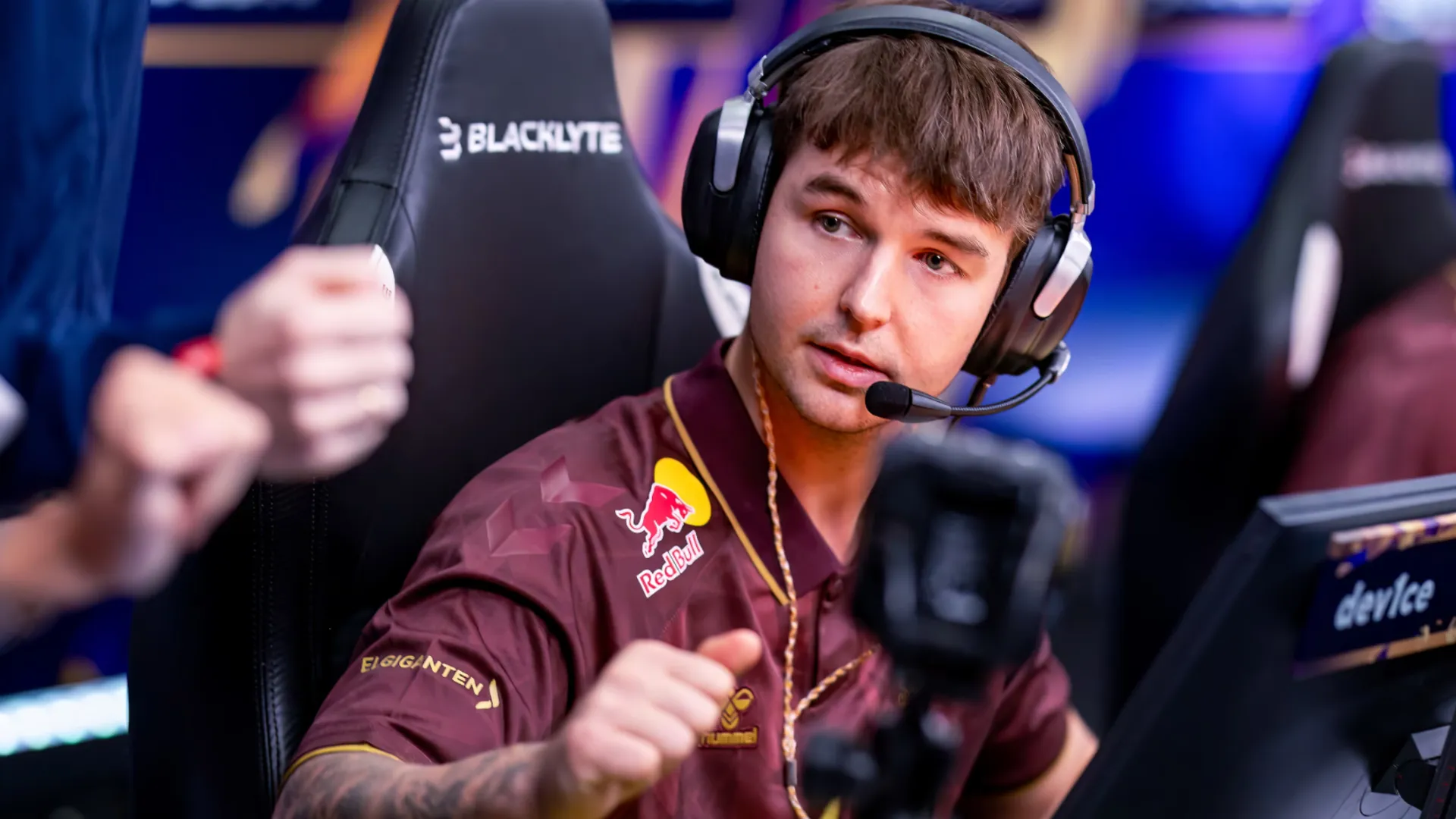
You have said the ambition is to make Astralis as good as, or better than, it was before. Is that kind of dominance still realistic in modern Counter-Strike?
Had you asked a few years ago, I would have said that something like us would never happen again. Vitality has proved me wrong there for sure. It's an impressive run and I am sure they are not done yet. I don't think we will ever see Astralis win three majors in a row again, but I do believe we will get at least one more at some point. No doubt.
The original Astralis era had the right players, structure, timing, and reputation. What parts of that can be repeated, and what parts were unique to that moment?
We can only replicate and enhance what was around the players, not the players themselves. That group was so unique and just came together with perfect timing. The stars simply aligned.
We feel our new setup brings something unique to the table but honestly, like many things in life, it really is also a lot about luck. We believe that if we just continually make good decisions, at some point we will be lifting that trophy again.
What is a realistic timeline for Astralis to become a Major contender again?
My personal expectation would be 2027. Don't tell that to our VP of Esports though, if he asks me I will say the next one haha.
How do you balance ambition with patience when fans expect Astralis to win the moment they enter the roster?
I think we are beyond the point where the fans expect us to win immediately. I think they really just want to feel that we are being serious and dedicated to our craft. That we grow and that we learn. Eventually we will get there.
Astralis was one of the last major all-Danish identities in Counter-Strike. How difficult was the decision to move international?
Honestly it was a pretty easy decision as I understand it. I am not directly involved in the roster moves but the amount of Danish talent available is very far from where it used to be. We needed a fresh take, fresh energy and to not limit ourselves in our choice of players.
What did the signings of players like phzy and ryu allow the team to do that may not have been possible inside a purely Danish roster?
Completely change the energy and the approach. We are very happy with how the roster is performing now and we believe this will also help us in the future as we are now in play for every talented player out there, not just the Danish ones.
How do you protect the Astralis identity when the roster is no longer built only around Danish players?
We are a full company not just five CS2 players and I have no doubt that Astralis will always hold a special place in peoples hearts as a Danish team.
After a difficult period for the club, why should players see Astralis as a stable long-term home again?
I think that comes down to infrastructure and culture. If you build a place where people can perform and be the best version of themselves, they want to play for you. Where expectations match investment. I think we have that now.
The team has talked about wanting to play faster and make Counter-Strike more fun to play and watch. Is that a deliberate break from the old Astralis style, or simply the way the modern game demands teams to play?
I am probably not the right person to answer this question. I think it's a mix from my understanding though. You have to play a style that fits the meta and the players you have available.
The Business, the Partners, and the Fans
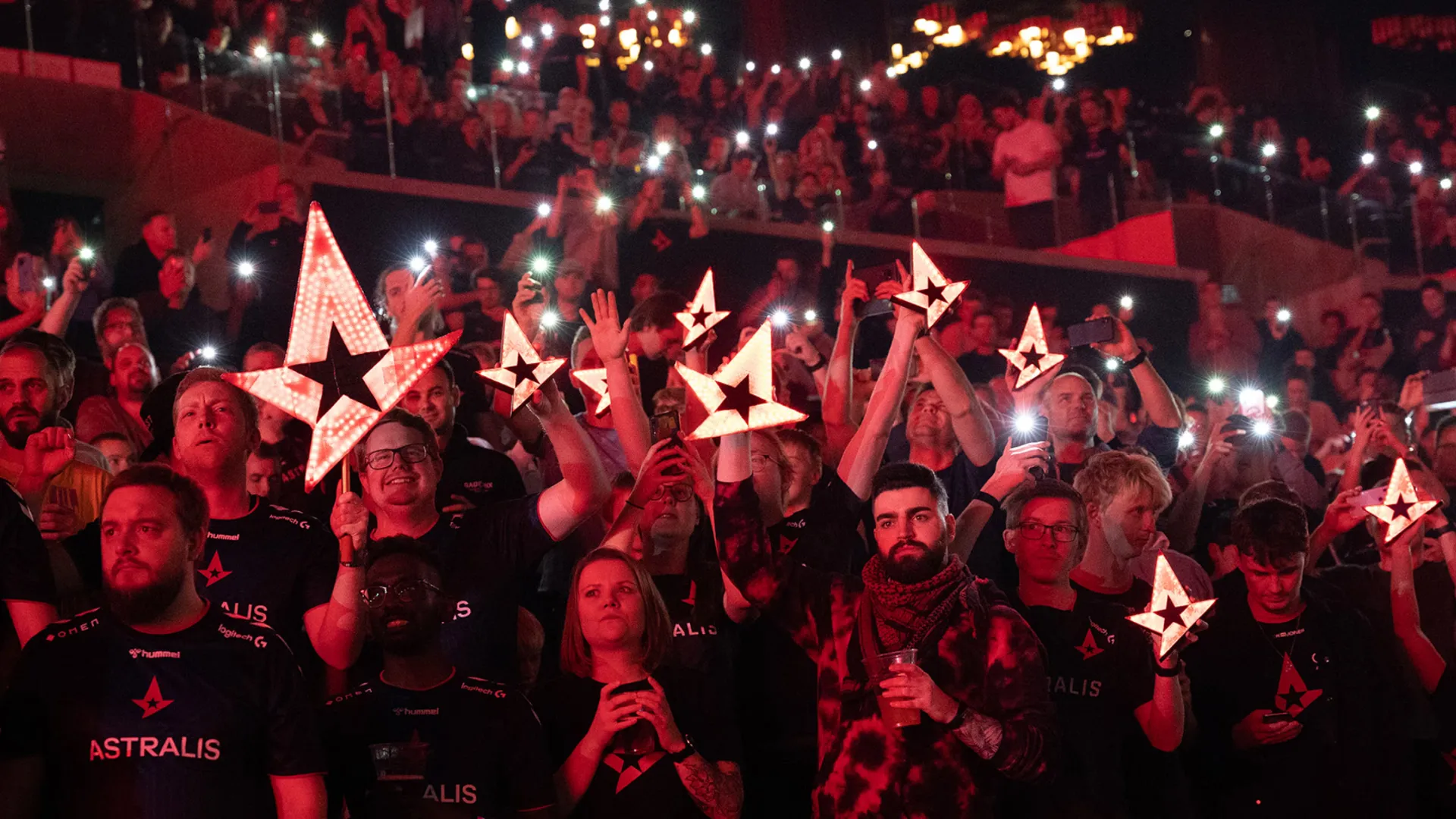
You have seen esports from several sides, including team ownership and tournament organization through BLAST. How does that experience shape the way you now run Astralis now?
I think I have tried my hands on pretty much any type of job that exists in esports, besides professional player or coach, since I have mostly been in my own startups. I think it gives both me and my partner Jonas a great understanding of what everything actually takes and how you can do it in a way that fits the actual company and scene.
Where do you think Counter-Strike esports is heading as a business model over the next few years?
CS is in an extremely interesting place. We are seeing massive growth in the viewership but also a reshaping of the business model less focused on venture investment and franchise models and more carried by skins and gambling.
How positive you find this development is up to your personal preference I think. I am just excited that we are finally seeing what the scene will look like without being propped up by hype.
What does Astralis need to become outside the game to compete with some of the biggest organizations in the world?
Established. We simply need to finish building our systems, infrastructure and culture. Then we can start scaling.
Is the rebuild focused mainly on Counter-Strike, or is there a wider long-term vision for Astralis as a brand?
For now the focus is on CS2 but there is a world where we expand to a few select titles with Astralis. That will depend on a lot of opportunities presented to us honestly. Right now we are focused on building the foundation that can carry it all.
Zero1Gaming is now partnered with Astralis. From your side, what makes a partnership like this valuable?
A mutual understanding of what success looks like and an approach and desire to bring value to the community. We can actually build something together and move both brands forward.
What do you think sets Astralis apart from other teams from the perspective of partners, sponsors, and media companies?
I think Astralis due to its success sits differently as a brand that is much more mainstream recognized compared to the usual esports team. We also have a commercial team that spans from the hardcore community people all the way to people from entertainment and culture. So I think we come at the subject a bit differently and with a broader perspective on what can be done.
What do you think the fans of Astralis want to see from the team over the next year? And what do you believe is realistically possible for the team over that time?
I think mainly they want to see consistency and dedication. That we really care and are willing to put in the work to get back to where we belong. Then the trophies will come eventually, which the fans probably won't mind either.
You helped write the first chapter of Astralis. What do you want this comeback chapter to be remembered for?
Back to the roots. That we went back to the energy and driving force that Astralis was originally started from. We know that we most likely will never match the success of the golden lineup and that is fine. We want to prove that the business of Astralis actually works and that the vision it was built upon can become true. That it wasn't just a pipedream.
What is one thing about the new direction of Astralis that the public does not see clearly yet?
All the work happening behind the scenes. There has been so much work done to right the ship and take care of all the outstanding issues. My partner Jonas has been leading the charge in that and I am sure the last 9 months has not been a lot of fun for him always.
If you could give Astralis fans one message about where the organization is heading, what would it be?
Things won't happen overnight. It will take a lot of time, luck and hard work but we will lift that Major Trophy at some point again.
Writing the Next Astralis Chapter
Kristensen is not pretending the golden era can be rebuilt brick for brick. He knows that lineup, and that moment, were a one-off, and he says so plainly. What he is betting on is the thing underneath it, the idea Astralis was founded on: a properly run, commercially serious, competitively ambitious esports company, and the belief that good decisions made consistently eventually end in silverware.
His timeline is 2027, his partner Jonas is doing the unglamorous repair work behind the scenes, and his promise to fans is deliberately modest. Consistency and dedication first. The trophies, he insists, will follow.
Tagged In
Discussion
0We want to hear from you. Share your perspective in the comments below, and please keep the conversation respectful.
Log in to join the discussion - vote, reply, and share your take.
Log In