The Sift gives Minecraft Dungeons II a chance to fix the original's biggest weakness
Minecraft Dungeons II is introducing the Sift before the dimension arrives in Java and Bedrock in 2027. Alongside shared capes and new creator tools, Minecraft Live showed Mojang bringing its different games closer together.
Minecraft's fourth dimension makes the sequel relevant to survival players, but a new setting will mean little if Dungeons II still treats the franchise as scenery for a familiar dungeon crawler.
Minecraft Dungeons II became harder to ignore during September's Minecraft Live. The Sift will debut in the action RPG on September 29 before reaching Java and Bedrock in 2027. Minecraft's first new dimension in more than 14 years is being introduced by a spin-off rather than the sandbox that made the series famous.
That release order gives Minecraft players a reason to consider a sequel they may never have planned to buy. It also invites an unflattering comparison with the original. Minecraft Dungeons was an approachable action RPG wrapped in familiar blocks, but it rarely captured the freedom or discovery that defines Minecraft. The Sift can change that only if Mojang makes it part of how the sequel plays, not another colorful backdrop behind mobs and loot.
The first Dungeons borrowed Minecraft's appearance
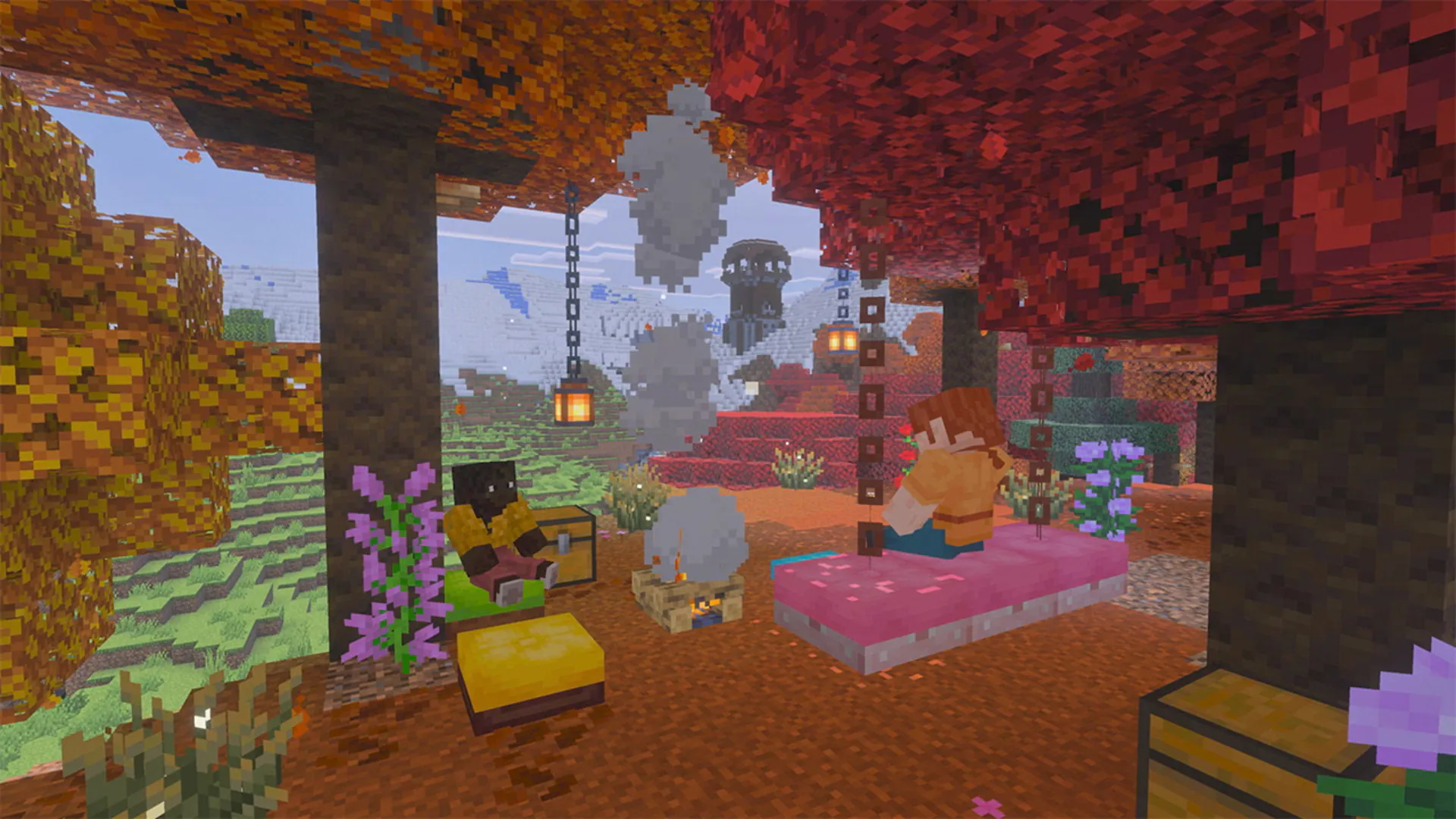
The 2020 game succeeded at making dungeon crawlers easy to understand. It removed fixed classes, tied abilities to equipment, and kept combat simple enough for younger players and mixed-experience co-op groups. Reviews repeatedly identified that accessibility as its best quality. GameSpot described a welcoming entry point for newcomers, while PC Gamer found a breezy version of the genre that retained Minecraft's playful tone.
Accessibility came at a cost. GamesRadar found less depth than in a typical dungeon crawler, while Game Informer criticized how little players could interact with the stages. The campaign's isolated missions left exploration with a narrow purpose. Players searched side paths for chests and secrets, but they could not reshape the world, build inside it, or use its materials to invent new goals. Once the enemies and rewards were cleared, the level had little else to say.
That made Minecraft Dungeons feel closer to a streamlined action RPG wearing a Minecraft texture pack than a new interpretation of Minecraft itself. Creepers, redstone, villages, and blocky caves made the game recognizable, but most of those connections were visual. Its world was designed to be crossed, fought through, and left behind.
The sequel needs more than additional enemies and equipment slots. It needs a world that makes wandering away from the objective feel worthwhile.
The new dimension is the real feature of the sequel
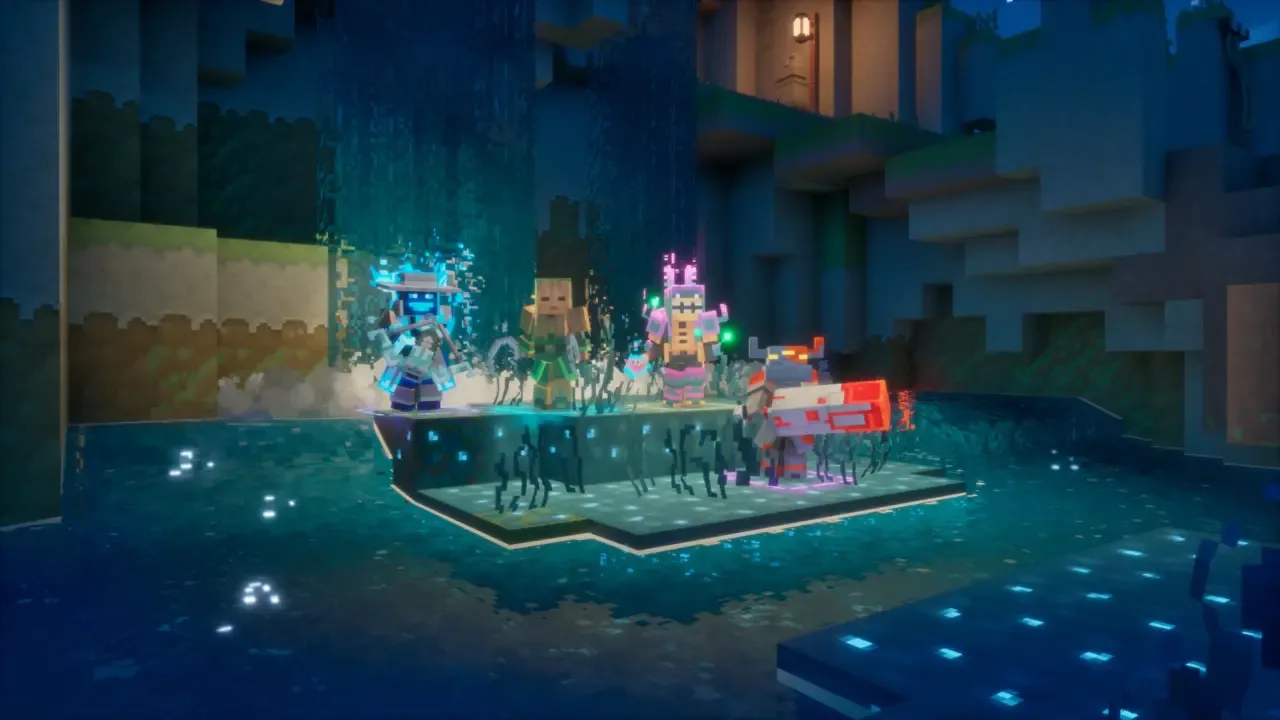
Mojang has replaced the original game's mission table with large connected regions containing settlements, caves, ruins, quests, fast-travel points, and narrative events. Some optional areas can change between visits. Design director Laura de Llorens has said players can walk from one end of the world to the other, although Mojang deliberately avoids calling it an open-world game.
Dungeons II offers more freedom to roam without allowing the party to become completely lost. A Guiding Light can point players toward the current objective, while the world map provides another route back to the campaign. Mojang is expanding exploration without surrendering the clarity that made the first game accessible.
The changes to equipment follow the same approach. Armor is divided into several slots, talismans provide passive bonuses, and enchantments can be collected in a library before being applied to chosen gear. A small inventory can be managed during play rather than forcing the entire party into a pause menu. These systems give players more control without burying them under the skill trees and item calculations found in heavier action RPGs.
Those improvements sound substantial, but the map matters more. Better loot can deepen Dungeons. A connected world can make it feel more like Minecraft.
Early previews disagree over whether exploration has changed enough
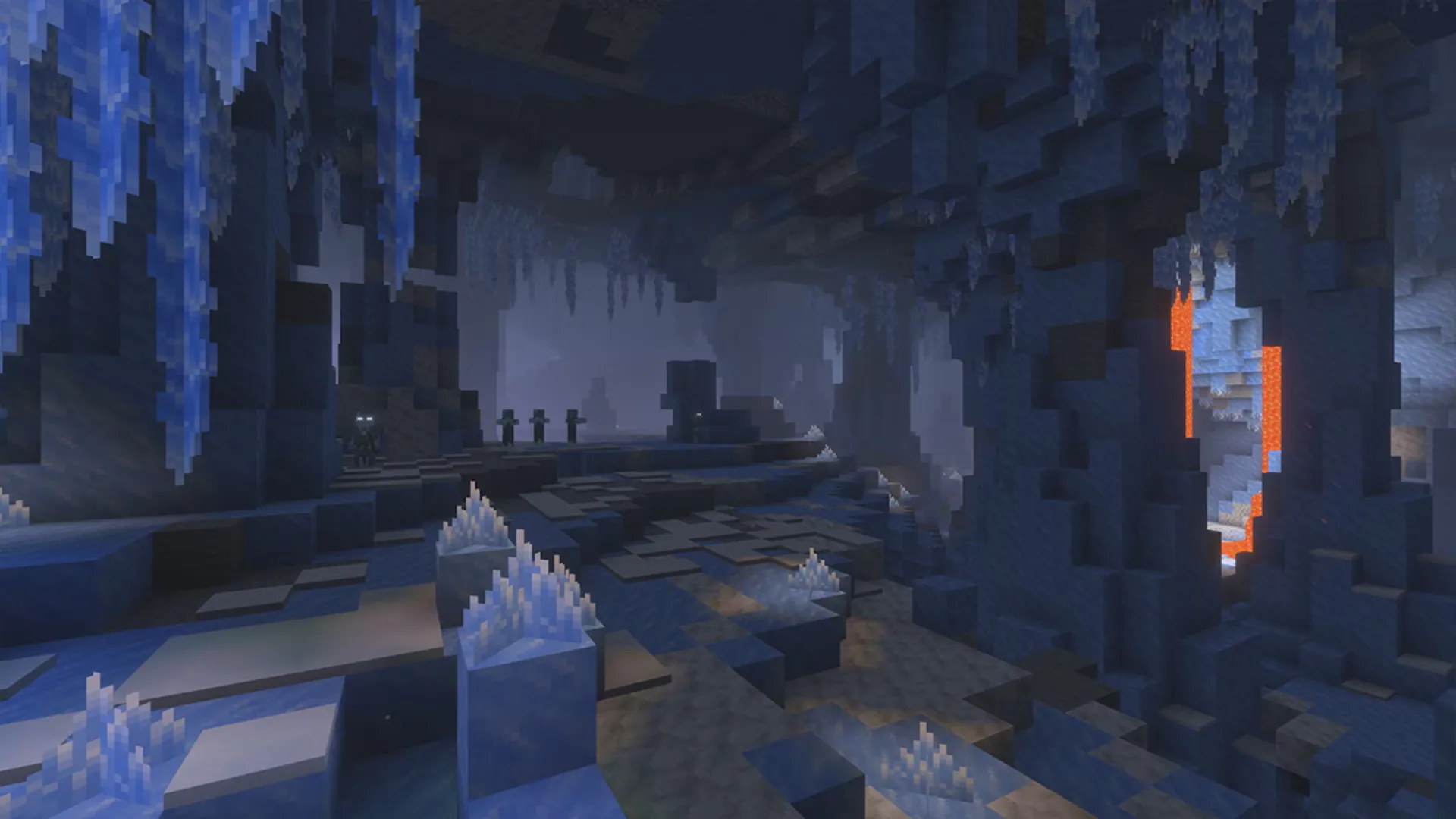
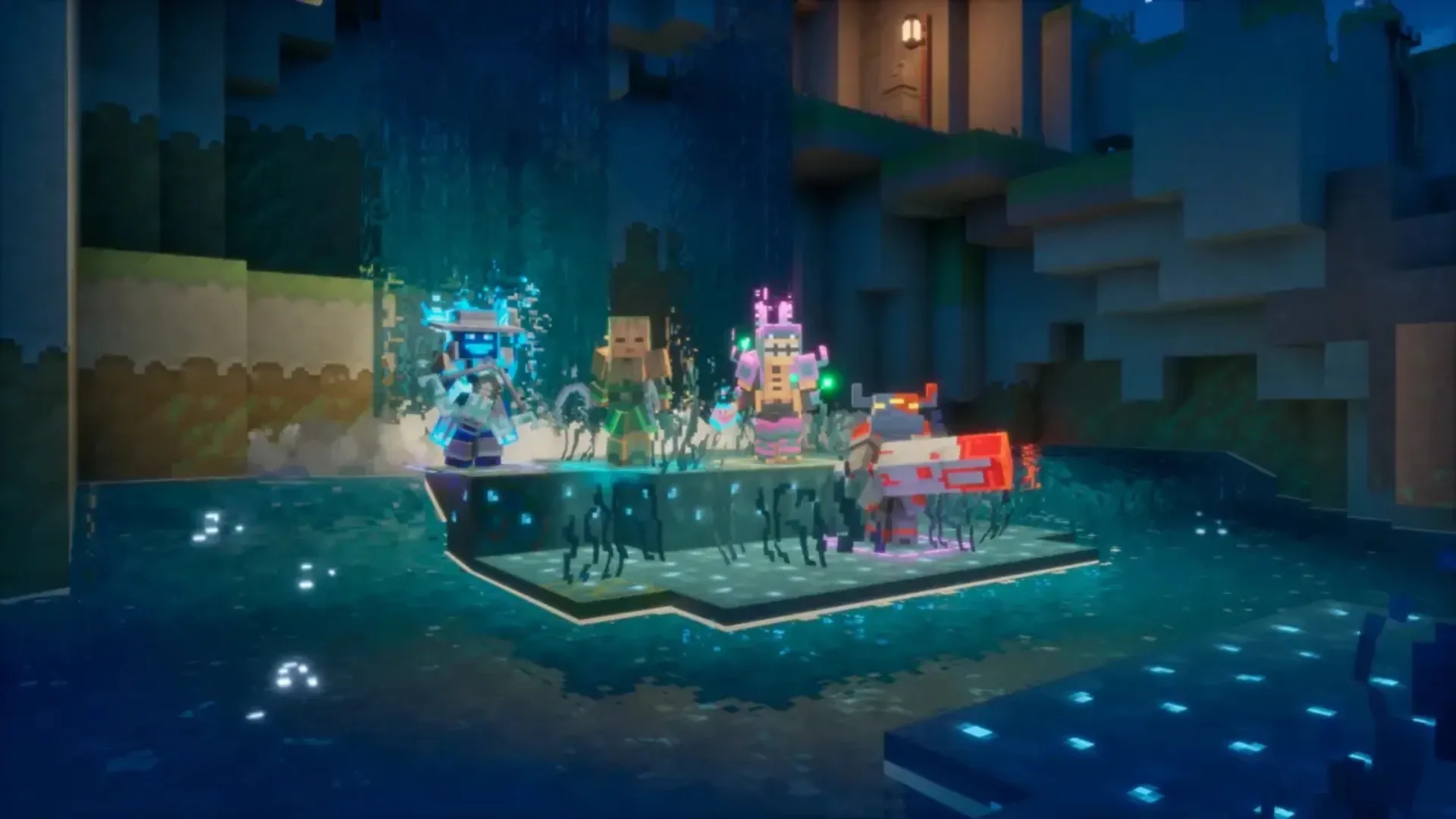
The hands-on coverage of Dungeons II has split around that exact point. GamesRadar found the sequel refreshing after denser action RPGs, praising its pick-up-and-play combat, hidden talismans, responsive inventory changes, and greater build variety. Its main concerns involved losing track of a character during busy co-op battles and judging jumps during platforming sections.
PC Gamer came away from a four-player demonstration with the opposite impression. The demo reportedly had the group following a golden route line and repeatedly attacking familiar mobs without enough time or context to understand the new builds. The deeper systems were present, but the short session still felt routine.
The disagreement is about what Dungeons II should be. A guided, all-ages action RPG may be exactly what families and casual co-op groups want, particularly when much of the genre now expects players to study external guides. The same guardrails can make exploration feel automatic. A larger map does not create discovery when a glowing line tells the party where to go and every detour leads to another piece of gear.
The Sift therefore needs mechanical ideas, not only new scenery. If its environments change how players move, fight, and search, the dimension can justify the sequel's larger world. If it only supplies new mobs for the same combat rhythm, its eventual arrival in Java and Bedrock will be more interesting than its role in Dungeons II.
The Sift cannot survive on color alone
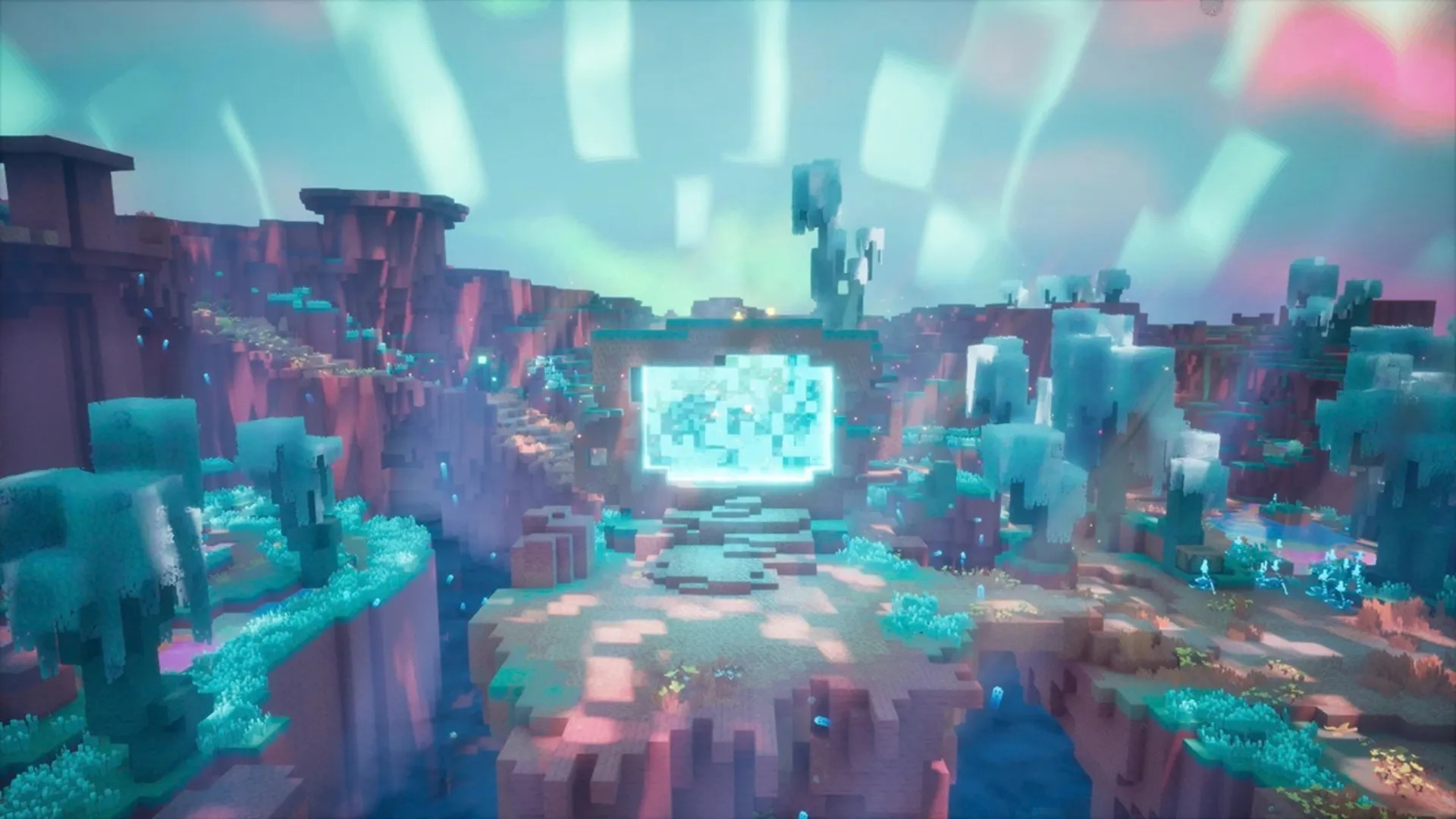
Mojang has shown enough of the dimension to establish a strong visual identity. Singer's Meadow grows vegetation from red sculk beneath a turquoise sky. The Carapace is a desert filled with blue walls and enormous hollow fossils. Shifting tides can affect heroes and creatures, while rifts connect the dimension to the Overworld.
Singer's Meadow and the Carapace already look unlike existing Minecraft biomes. Their value depends on whether they produce new decisions. A shifting tide should change which routes are safe or which enemies become dangerous. Hazardous blocks should affect positioning rather than merely deal damage when stepped on. Fossils, walls, and rifts should reward curiosity instead of decorating the path to the next encounter.
The Java and Bedrock version will face an even tougher standard. Survival players will mine through barriers, collect the new blocks, move its creatures, automate its resources, and build homes where the designers expected danger. Mojang has not revealed how players will enter that version of the Sift or how closely it will resemble the one in Dungeons II. The studio has only shown that the two games will offer different expressions of the same place.
The two versions should not be identical. A dungeon crawler needs encounters that work once. A survival dimension needs reasons to return after its threats are understood. The Nether supports transport networks, potion brewing, farms, and distinct building materials. The End has cities, shulker boxes, elytra, and gateways that open after the dragon is defeated. The Sift will eventually be judged against places that players have spent years dismantling and rebuilding.
A preview of Minecraft's future is not enough
Giving Dungeons II the Sift first is smart promotion. Java and Bedrock players can see Minecraft's next dimension months before it reaches their preferred game. The Hero and Twisted capes extend that connection by carrying rewards from the sequel back to the main editions through the same Microsoft account.
Interest in Minecraft's fourth dimension will not fix repetitive combat or shallow exploration, however. Dungeons II launches on September 29, while the Sift is scheduled to reach Java and Bedrock at an unspecified point in 2027. Before the sandbox gets to reinterpret it, the sequel must prove that the Sift affects more than the color of the ground beneath another fight.
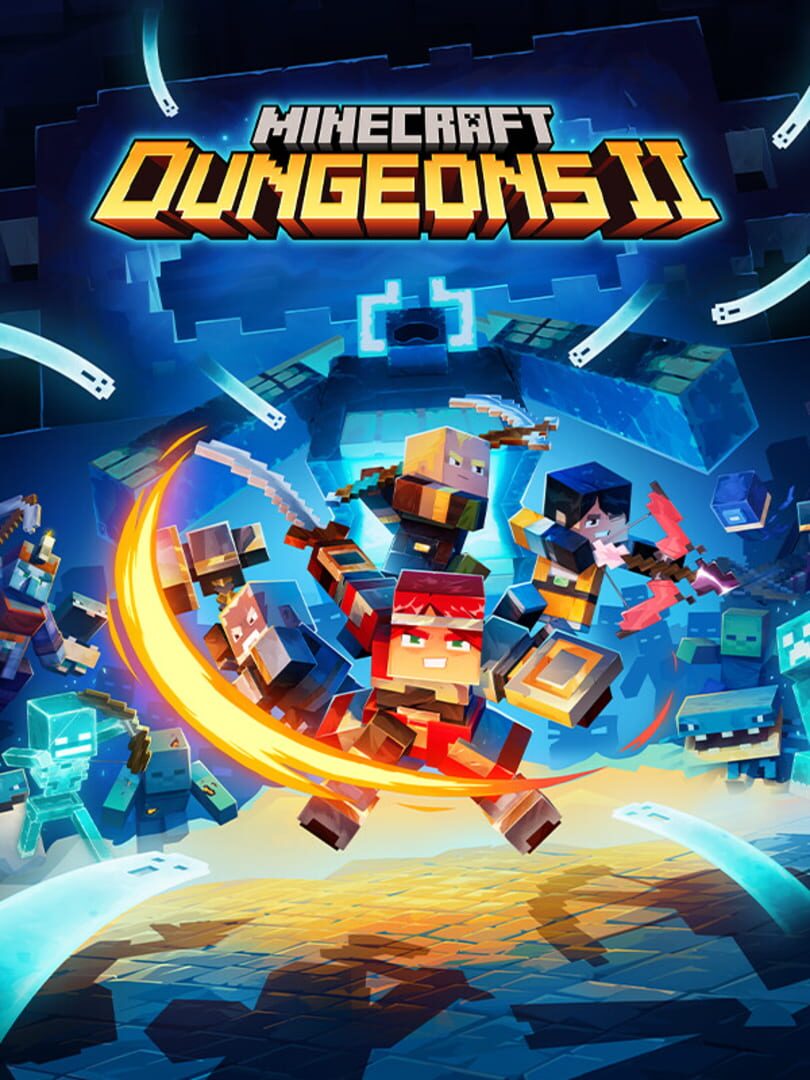
Drop the pickaxe, grab a sword, and charge into a thrilling new adventure in Minecraft Dungeons II. Journey through unexplored lands and mysterious locations, in a quest to stop a new evil from causing chaos in not one, but two worlds! Clash with menacing foes in explosive encoun
Released
September 29, 2026
Developer
Mojang Studios
Publisher
Mojang Studios


Tagged In
Discussion
0We want to hear from you. Share your perspective in the comments below, and please keep the conversation respectful.
Log in to join the discussion - vote, reply, and share your take.
Log In