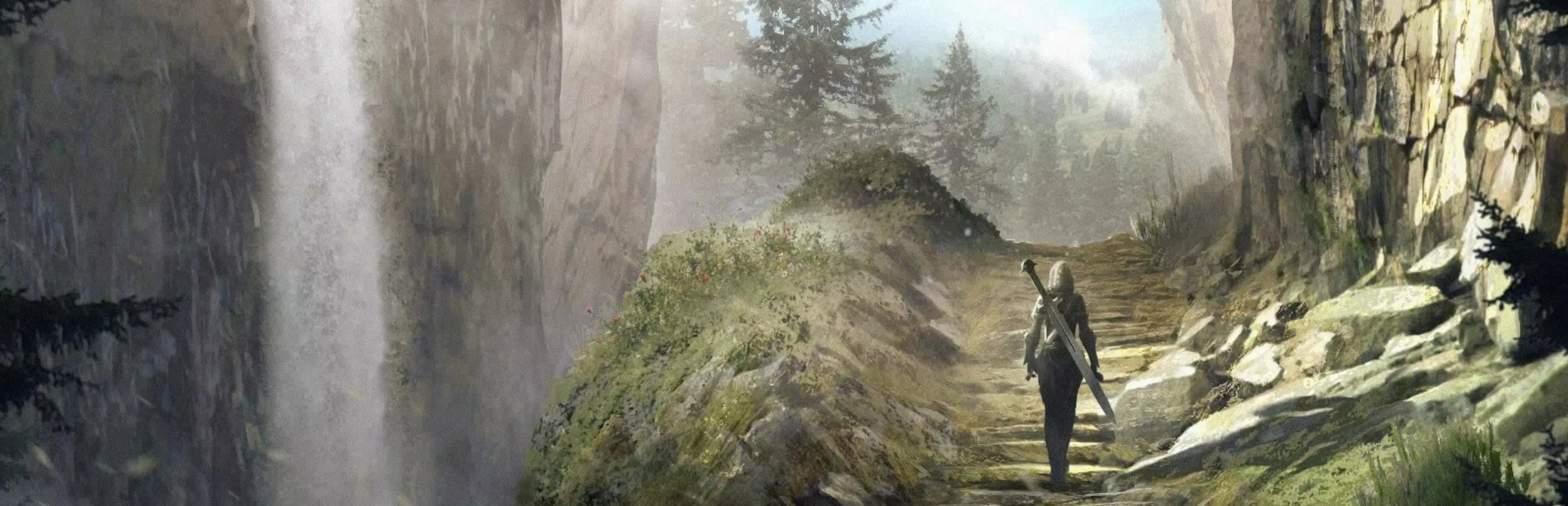
Skyblivion's code dispute shows why volunteer projects need clear agreements
Skyblivion's legal dispute with a former contributor has forced its developers to rebuild disputed code. The conflict highlights the importance of clear agreements in volunteer game development.
Skyblivion has spent more than a decade rebuilding Oblivion in Skyrim's engine with unpaid volunteers. Now a former contributor is threatening legal action over code they helped develop.
In an October 30 statement, project lead Rebelzize said the team had removed the disputed code and rebuilt the affected systems, but the threats continued. No court filing has been confirmed, and the contributor's account remains unavailable.
The dispute highlights a risk for volunteer projects. Developers can leave after years of work, while the remaining team must maintain what they built. Without clear agreements allowing others to use and modify those contributions, a single departure can threaten years of development.
A working build still needs a handover
According to the team, access to the original source-code repository was revoked after the contributor left. Developers decompiled parts of the existing work to maintain systems already integrated into Skyblivion. The former contributor objected to that process.
Having a system running inside a game means that another developer would need the editable source, instructions for building it and an understanding of what relies on it. Otherwise, a routine bug fix can first require reconstructing how somebody else's work fits together.
Skyblivion already recognizes the value of source files. Its recruitment requirements for interface developers ask for a working custom interface and its source. The challenge is preserving that access throughout a project that can continue long after any particular volunteer's involvement.
A shared repository, more than one trusted administrator and build instructions another developer has actually tested make a departure less disruptive. They also let a contributor step away without becoming the only person everyone must contact whenever something breaks. The same preparation helps when a member changes jobs or loses the spare time they once had.
Replacing code repeats work elsewhere
Rebuilding a system can involve much more than replacing its code. Other parts of Skyblivion may depend on it, requiring developers to revisit completed work and check that everything still functions properly. Fixing one system can introduce problems elsewhere.
Much of Skyblivion's development relies on volunteers working together. The scripting team converts Oblivion's quests, other developers debug them, and implementation volunteers bring artists' models into the game. Changes to one part of the project can create additional work for people who had nothing to do with the original code.
Rebelzize says some of the disputed work was developed alongside other contributors. However, the team has not identified which systems were removed, making it impossible to estimate how much time the rewrite cost or whether it caused any delays.
Replacing the code also does not necessarily resolve the original disagreement over its use. The former contributor's continued objections do not establish whether their complaint is justified or whether they are acting in bad faith.
For Skyblivion, the additional workload comes at a difficult time. The team is still recruiting volunteers to finish dungeon interiors, adjust enemy placements and fix quests. Every hour spent rebuilding existing systems takes time away from those remaining tasks. With contributors often working only a few evenings a week, replacing the work of someone who leaves can be particularly demanding.
Permission needs to survive a departure
Volunteer developers can retain copyright over the code they create, even when they allow a modding team to use it. Having access to someone's files does not automatically give the team permission to change or distribute them after that person leaves.
Beyond Skyrim addresses this in its charter. Contributors retain ownership of their original work but grant the project a permanent, irrevocable license to use it for Beyond Skyrim, provided it falls outside Bethesda's own licensing terms. They receive credit, while other developers can make the changes needed to finish the mod.
The agreement allows development to continue when someone leaves without requiring contributors to give up ownership of their creations. It also covers work that often becomes necessary later, such as adapting existing assets or fixing problems another developer discovers.
Clear agreements should also establish who can modify unfinished features, how contributions will be credited and whether developers can show their work in a portfolio. Settling those details early is considerably easier than negotiating them after a dispute begins.
For projects already years into development, introducing new rules is more complicated. Earlier contributions may have been made under different agreements, and some systems contain work from several developers or outside libraries. Teams need to establish which permissions they already have before deciding what they can continue using.
Skyblivion has not published the contribution terms relevant to its current dispute. Rebelzize says the team obtained legal advice and believes it had permission to maintain the disputed code. Without those agreements or a court ruling, however, there is no way to independently establish whether that interpretation is correct.
Rules must protect volunteers too
Agreements also need to protect the people contributing their work. Volunteers should have a way to challenge missing credits, unauthorized changes or decisions made by project leaders without having to take their complaints public.
Beyond Skyrim addresses this through its charter, which allows contributors to appeal to a council or request mediation, including in disputes involving team leads. Complaints must be supported by evidence, while the identities of those involved remain confidential unless they agree to be identified.
Skyblivion's dispute shows how serious these disagreements can become. Rebelzize says the former contributor is demanding more than €30,000 in damages, along with the real names and home addresses of individual volunteers. The team has sought legal advice on intellectual property and data protection, while asking fans not to identify or harass the former contributor.
The financial situation makes matters more difficult. Skyblivion is not a registered company and accepts neither donations nor crowdfunding. Without a studio's resources to cover legal expenses, volunteers could find themselves dealing with legal demands over a project they joined in their spare time.
Volunteer projects do not necessarily need complicated contracts for every contribution. Clear rules about ownership, permission to modify work and a private process for resolving complaints would already help prevent disputes from escalating. Contributors should understand what they are agreeing to and know where to turn if they believe those terms have been broken.
Volunteer projects need rules that survive departures
Skyblivion still aims to release in 2026, and its developers say the disputed code has been replaced. The legal disagreement remains unresolved, however, and launching the game will not end the need to maintain systems built by volunteers who may have left years earlier.
Projects of this size need clear agreements from the beginning. Contributors should know who owns their work, how it can be modified and distributed after they leave, and how disputes will be handled. Keeping records of contributions and providing a private complaints process can protect both developers and the people managing the project.
Skyblivion's experience shows what happens when those questions become contested after years of collaboration. Rebuilding disputed work takes time away from finishing the game, even when the team believes it has permission to use it. A volunteer project needs to let people leave without putting everyone else's work at risk.

Skyblivion
Skyblivion is the ultimate fan-made experience for the Elder Scrolls IV: Oblivion, bringing the game into the newer engine of the Elder Scrolls V: Skyrim. This process combines Oblivion’s impressive award-winning open-world that is renowned for its incredible gameplay, memorable
Released
December 31, 2026


Tagged In
Discussion
0We want to hear from you. Share your perspective in the comments below, and please keep the conversation respectful.
Log in to join the discussion - vote, reply, and share your take.
Log In