
Oblivion's new update shows what remasters can't preserve
Oblivion Remastered modernizes Cyrodiil’s visuals, movement and progression, while GOG is keeping the 2006 PC release playable. Together, they show why updating an old game is not the same as preserving it.
When Oblivion Remastered arrived in April 2025, it looked like Bethesda's 2006 RPG had finally received the modern version it needed. Eighteen months later, GOG was still updating the original.
On October 15, 2026, The Elder Scrolls IV: Oblivion joined GOG's Preservation Program with controller improvements, technical fixes and additional language support. None of that tries to compete with the remaster. It keeps the older game playable on modern hardware as the version people actually knew for years.
Virtuos rebuilt Cyrodiil's visuals, movement and presentation for a modern audience, while GOG is keeping the older release intact alongside it. Players can now move between two versions of the same RPG and see exactly what was improved, changed or lost along the way. The remaster can modernize Oblivion, but it cannot preserve every part of the original.
GOG is fixing the old PC release
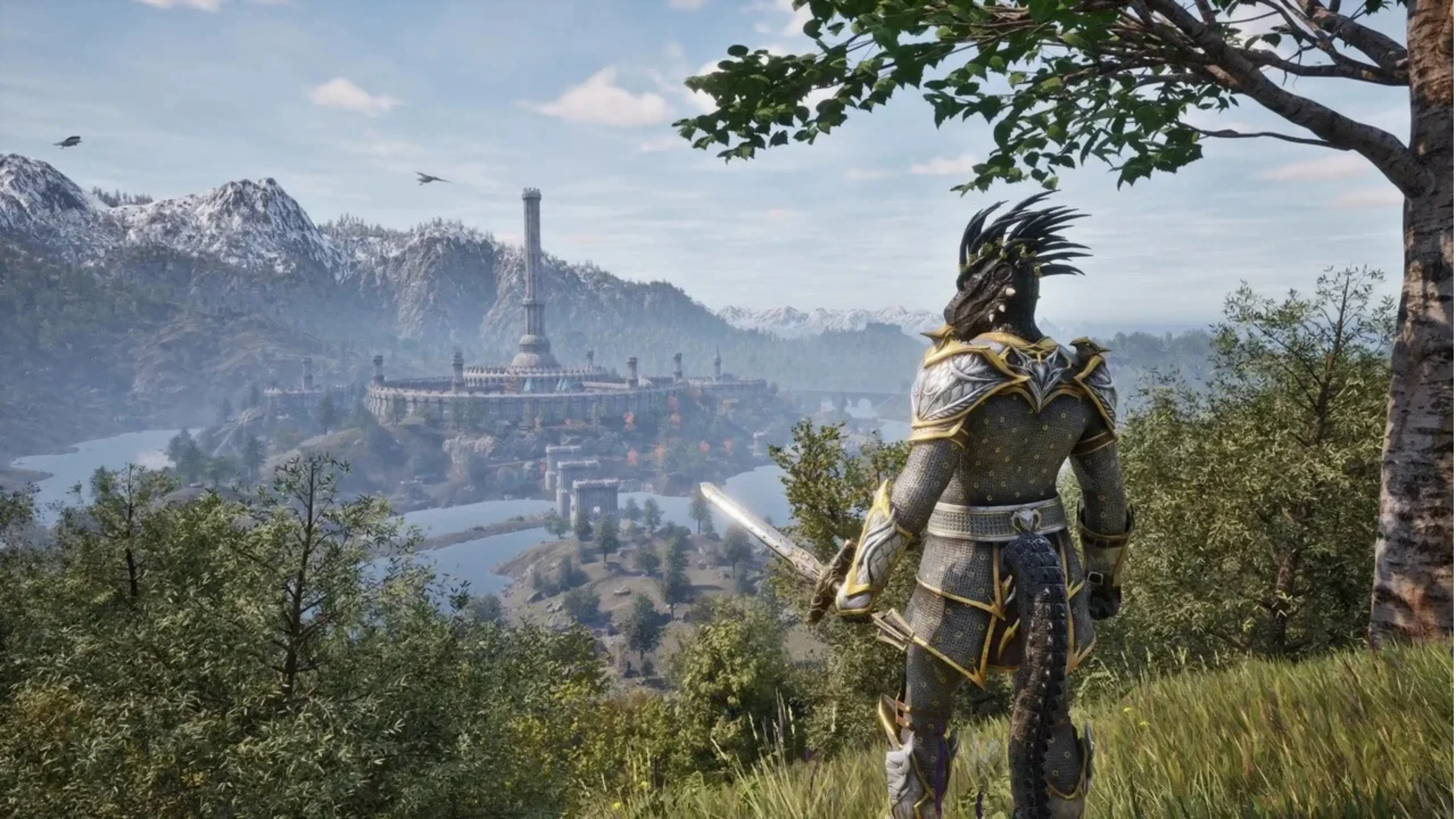
The original PC version of Oblivion still carries a handful of problems that have aged worse than its graphics. GOG's preservation patch fixes broken Alt+Tab behavior, a memory leak tied to controller rebinding and other compatibility issues on Windows 10 and 11.
Controller support has also been expanded. DualSense, Xbox Series and Switch Pro controllers are among the devices now supported, with hotplugging added so they can be connected while the game is running. GOG has also revised the default button layout.
The release itself is broader now too. The standard Game of the Year edition is available in English, German, French, Italian and Spanish, while GOTY Deluxe remains English-only. Both come with the same purchase.
These are modest changes compared with a full remaster, but they leave the original game itself alone. GOG is fixing the friction around playing Oblivion today without replacing the version people remember.
Bethesda rebuilt what players see and hear
Oblivion Remastered keeps much of the 2006 game underneath its new presentation. The original code still handles quests, combat and world logic, while Unreal Engine 5 provides the rebuilt visuals.
Virtuos replaced character models, faces and lip synchronization, including Khajiit and Argonian NPCs. The dialogue remains familiar, but the people delivering it no longer look or move the same way.
The audio follows a similar approach. Bethesda kept the original recordings while adding new dialogue and giving some races more distinct voices.
Cyrodiil itself changed more dramatically. New lighting, reflections, weather effects and denser foliage alter how familiar places look throughout the day. The Imperial sewer still opens onto the same landscape, but the scene around it is clearly different from 2006. The remaster preserves the structure of Oblivion. GOG preserves how that version originally looked and sounded.

Modernizing movement and leveling changes how Oblivion plays
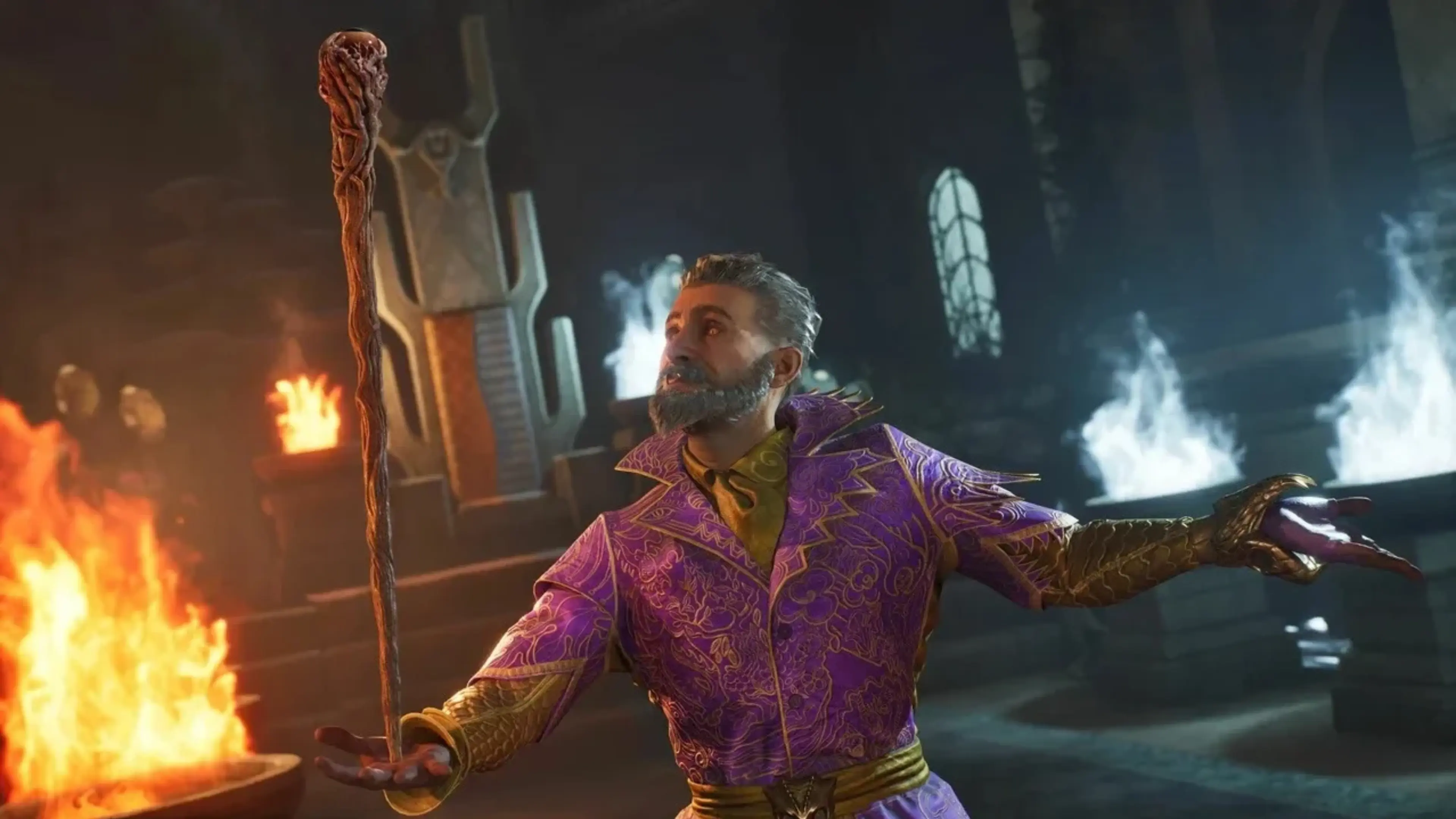
Oblivion Remastered adds sprinting, rebuilt combat animations, a revised third-person camera and a crosshair. The basic combat rules are still there, but movement and character control feel much closer to a modern RPG.
Leveling changed more substantially. In the original game, ten increases across a class's major skills unlocked a new level after sleeping. The attribute bonuses offered afterwards depended on which skills had improved along the way, while minor skills could raise those bonuses without advancing the level itself.
Anyone chasing strong attribute gains therefore had to pay close attention to which skills they used. Improving the wrong major skill could push the character towards another level before the desired bonuses were ready.
The remaster loosens that system. Major and minor skills now both contribute to progression, with major skills counting more heavily, and each level gives twelve points to spend on attributes. Skills still improve through use and sleeping still completes the level, but there is far less need to plan individual skill gains around a specific bonus.
Enemy scaling remains, so developing too heavily through noncombat skills can still leave a character underprepared for tougher fights. The new system removes much of the old bookkeeping without turning character progression into something consequence-free.
Bethesda also rebuilt the HUD, inventory screens and map. They are easier to navigate on modern hardware, but they replace another familiar part of the 2006 release. GOG's preserved version keeps the older movement, leveling rules and interface available alongside Bethesda's revisions.
The original gives those improvements something to be compared with
Keeping the original Oblivion available does not mean every old system needs defending. The remaster may have better faces, smoother movement and a cleaner leveling system, but those changes are easier to judge when the 2006 version is still there beside it.
Some differences only become obvious after playing. Screenshots can show how much the faces, lighting or landscapes have changed, but they say little about spending several hours with the old leveling rules or navigating the original menus. A video can show the interface, but using it yourself gives a much clearer sense of what Bethesda later decided to replace.
GOG's release is not an untouched copy of the 2006 launch version either. The Game of the Year editions include expansions and later fixes, and the new preservation update adds another layer of changes. Anyone comparing versions should keep that in mind.
Even so, it still preserves far more of the original game than the remaster does. The old models, menus, progression and presentation remain available, while Bethesda and Virtuos's version shows how those same ideas were reworked almost two decades later.
Having both versions playable makes that comparison much more interesting than relying on memory alone.
Keeping Oblivion playable remains an ongoing job
Oblivion Remastered gives Bethesda's 2006 RPG a convincing modern version, but it also makes a strong case for keeping the original around. Every rebuilt face, new animation, revised menu and changed leveling rule moves the remaster a little further away from the game people actually played.
GOG is doing something much less dramatic. Its update fixes the problems that come with running an old PC game today while leaving the old art, interface and progression alone. Those parts may look dated or feel awkward now, but they are still part of Oblivion.
Having both versions available is more valuable than asking one to replace the other. The remaster shows how Bethesda and Virtuos chose to update Cyrodiil almost twenty years later. The original still shows what they decided to change. A remaster can improve an old game. It cannot preserve the parts it replaces.

Explore Cyrodiil like never before with stunning new visuals and refined gameplay in The Elder Scrolls IV: Oblivion Remastered.
Released
April 22, 2025
Developer
Virtuos
Publisher
Bethesda Softworks


Tagged In
Discussion
0We want to hear from you. Share your perspective in the comments below, and please keep the conversation respectful.
Log in to join the discussion - vote, reply, and share your take.
Log In