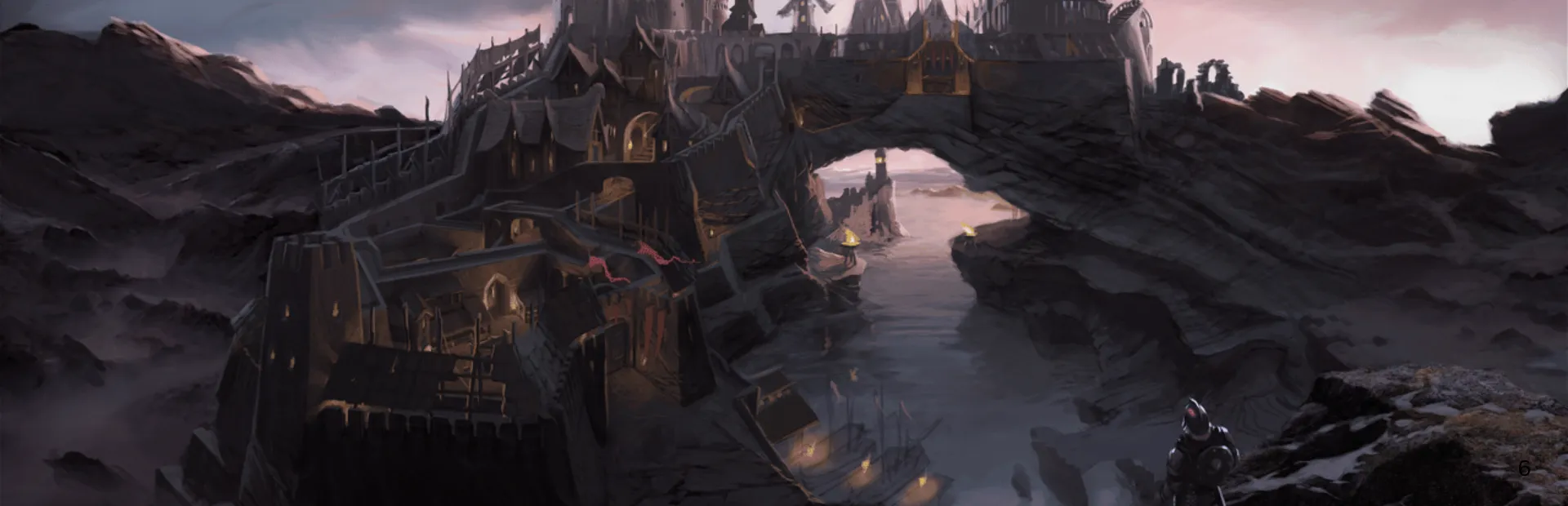
Credit: Bethesda
reviewReviewthe-elder-scrolls-v-skyrim
After 15 years Skyrim still makes getting lost feel worth it
June 24, 2026·Updated September 16, 2026·7 min read
Skyrim has aged, but its freedom and accidental adventures still make it one of the few RPGs where getting lost feels better than following the plan
Skyrim was once considered the greatest RPG of all times. But 15 years later it finds itself competing against a much stronger genre, and although it still has some of the strongest RPG gameplay, the engine it was built on is showing its age.
By today’s standards its combat is basic, its animations are clunky, its dialogue options are thin, and its dungeons start repeating their tricks sooner than I remembered. It has been passed by in obvious ways.
But it still does one thing remarkably well: it makes me believe the adventure is mine. I came to Skyrim years after launch expecting a fantasy game with dragons. What kept me playing was the freedom to start over and somehow still end up as a stealth archer, and watch every simple plan evolve into a better story with new adventures.
The best adventures start by accident
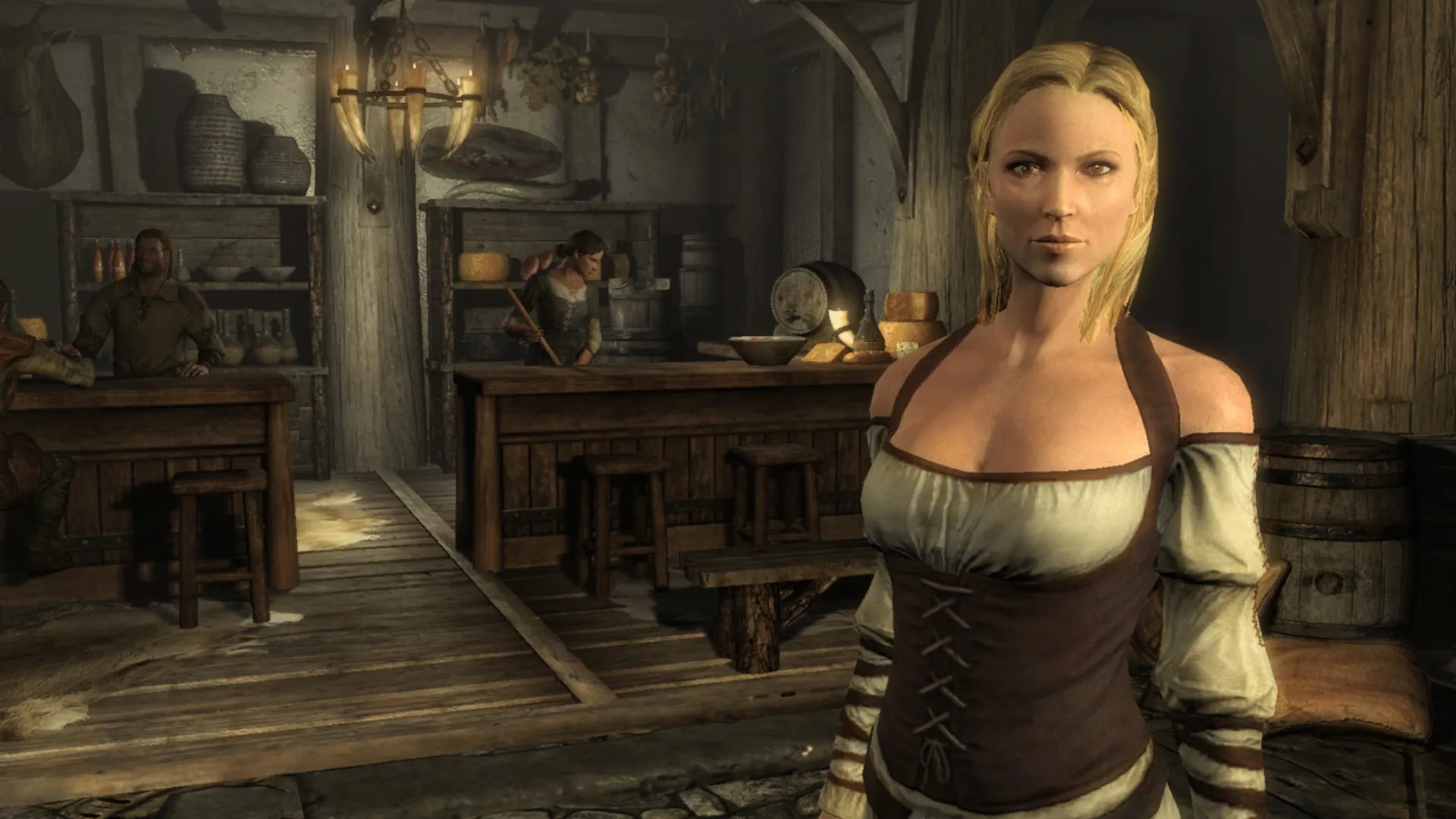
Skyrim was never about following a main questline or mindlessly clearing objectives off the map. It is and always will be a 'choose your own adventure' game and although all players start the same, the road taken is different for everyone.
My adventure started in The Bannered Mare in Whiterun, where a stranger challenges me to a drinking contest. Not long after, I wake up in the Temple of Dibella in Markarth with no clear memory of how I got there. A few fights, a trail of mistakes, and one Daedric mess later, I end up with the Sanguine Rose.
A Night to Remember might be the best example of what Skyrim is. It turns a normal conversation into a story I did not plan to be part of. The game is full of that feeling. A road becomes a cave, the cave becomes a word wall, and the word wall becomes a dragon fight that sends me back to town overencumbered with junk.
Even when nothing dramatic happens, the road has a pull of its own. Skyrim does not make every road interesting, but it makes me believe the next one might be.
Perks turn ideas into stories
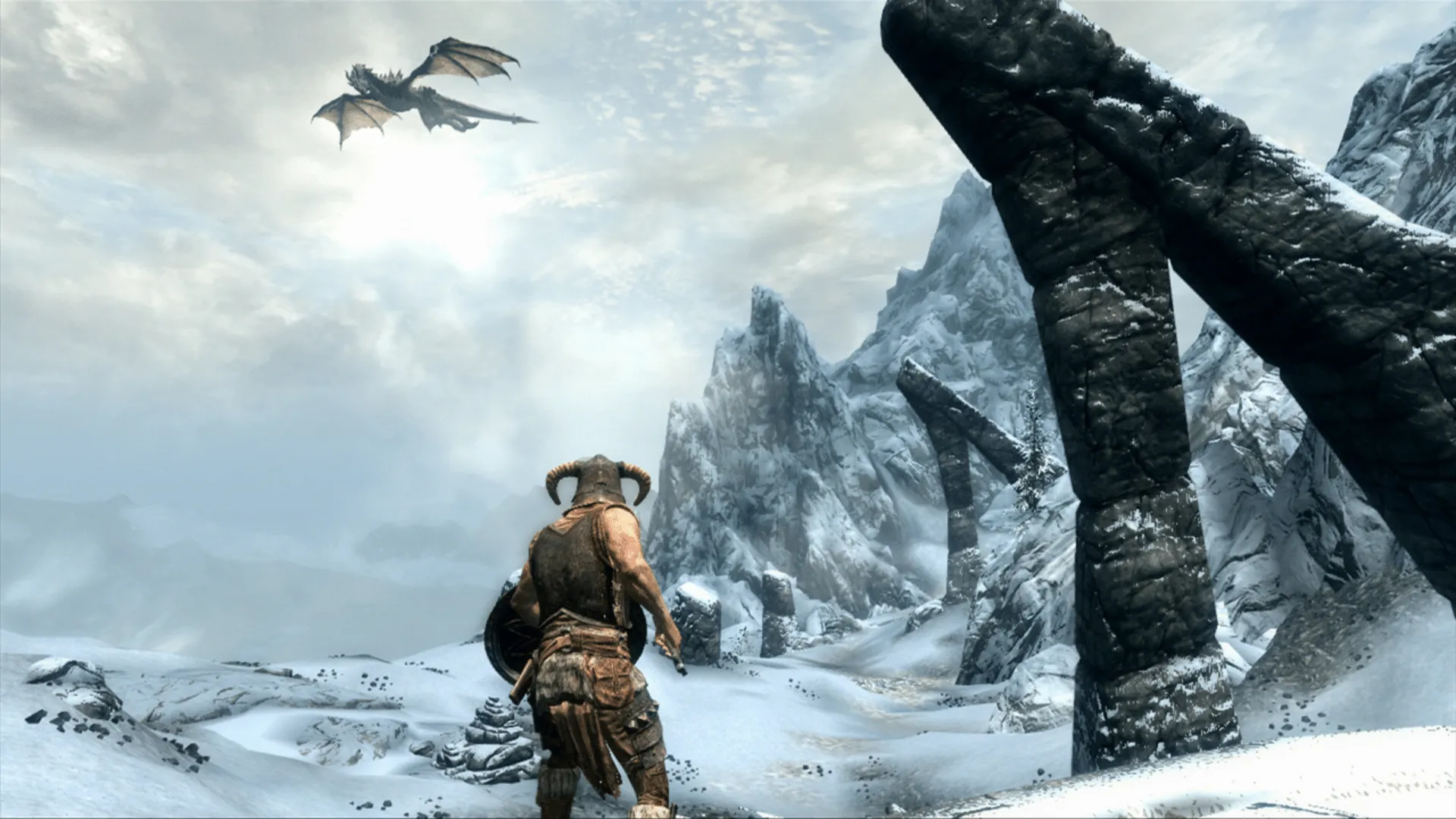
Skyrim is not a deeply reactive RPG in the modern sense. Dialogue choices rarely reshape the world, and companions do not change the gameplay the same way they do in modern RPGs.
Instead, the roleplaying lives in the build. It starts when I choose a race, imagine what kind of Dragonborn I want to become, and then slowly prove that idea through the perks I take.
That is where the replay value comes from. Perks are not just upgrades. They are a way of turning a loose idea into a character. A poisoner can turn Alchemy, Sneak, and Pickpocket into a silent murder build that barely needs a weapon.
A Khajiit brawler can use its unique damage, heavy armor perks, and enchanted gloves to punch through enemies that were clearly not designed to be fought that way.
Skyrim gives me enough room to experiment without asking me to follow a fixed class. The perks do not only make me stronger. They change what kind of problems I notice, which tools I trust, and what kind of story I end up writing for myself.
That freedom makes Skyrim easy to restart. My own Dragonborn usually worked best alone, without human followers and only Shadowmere as my nearly unkillable companion.
Side stories do the heavy lifting
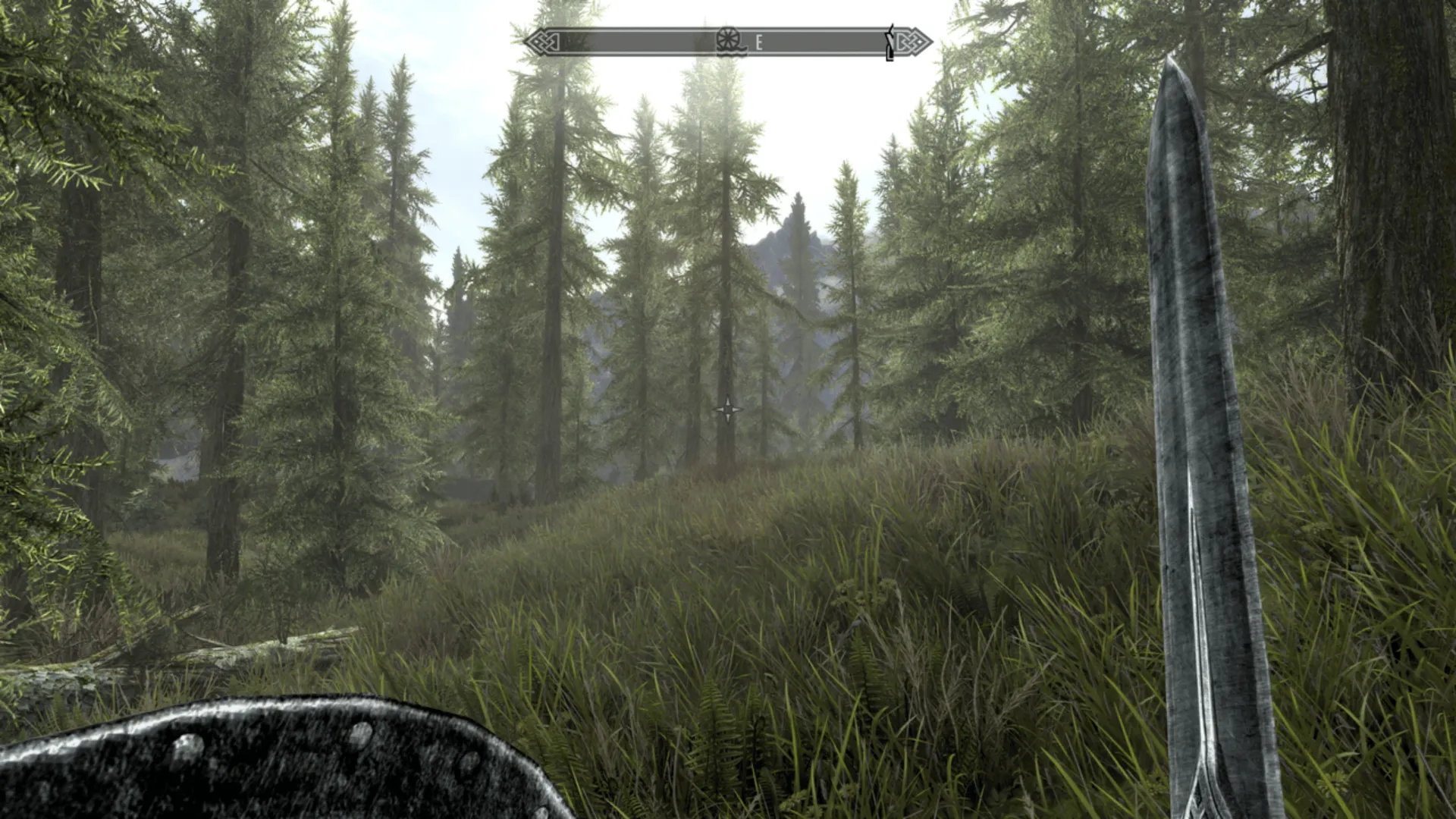
Skyrim needs its main quest. Alduin, the Greybeards, shouts, and the Dragonborn prophecy give the game its fantasy backbone. Once dragons start appearing in the wild, even a normal walk across the province can suddenly feel tied to the larger story.
But that is rarely where the conversation around Skyrim ends. The game is still remembered through its unique builds, Daedric quests, strange detours, and the order people choose to do things in. The main quest gives the world a reason to exist. The side content gives us reasons to keep coming back.
That is why factions like the Dark Brotherhood have lasted so well in the game’s wider memory. It is not just another faction with a quest marker. It changes the tone of the playthrough. For a while, Skyrim becomes a colder, stranger game about contracts, rituals, betrayal, and a unique identity outside of the Dragonborn prophecy. Other questlines do this in different ways, but the appeal is the same: they let players step away from saving the world and become someone else inside it.
The expansions add to that feeling rather than replacing it. Dawnguard brings vampires, new locations, unique skills, and a much darker mood. Dragonborn sends the game to Solstheim, where the world feels rougher and less familiar. Together, they show why Skyrim still has replay value in 2026. The central story gives the adventure a spine, but the surrounding stories make it feel like there is always another version of the game waiting to be played.
Mods made Skyrim bigger than itself
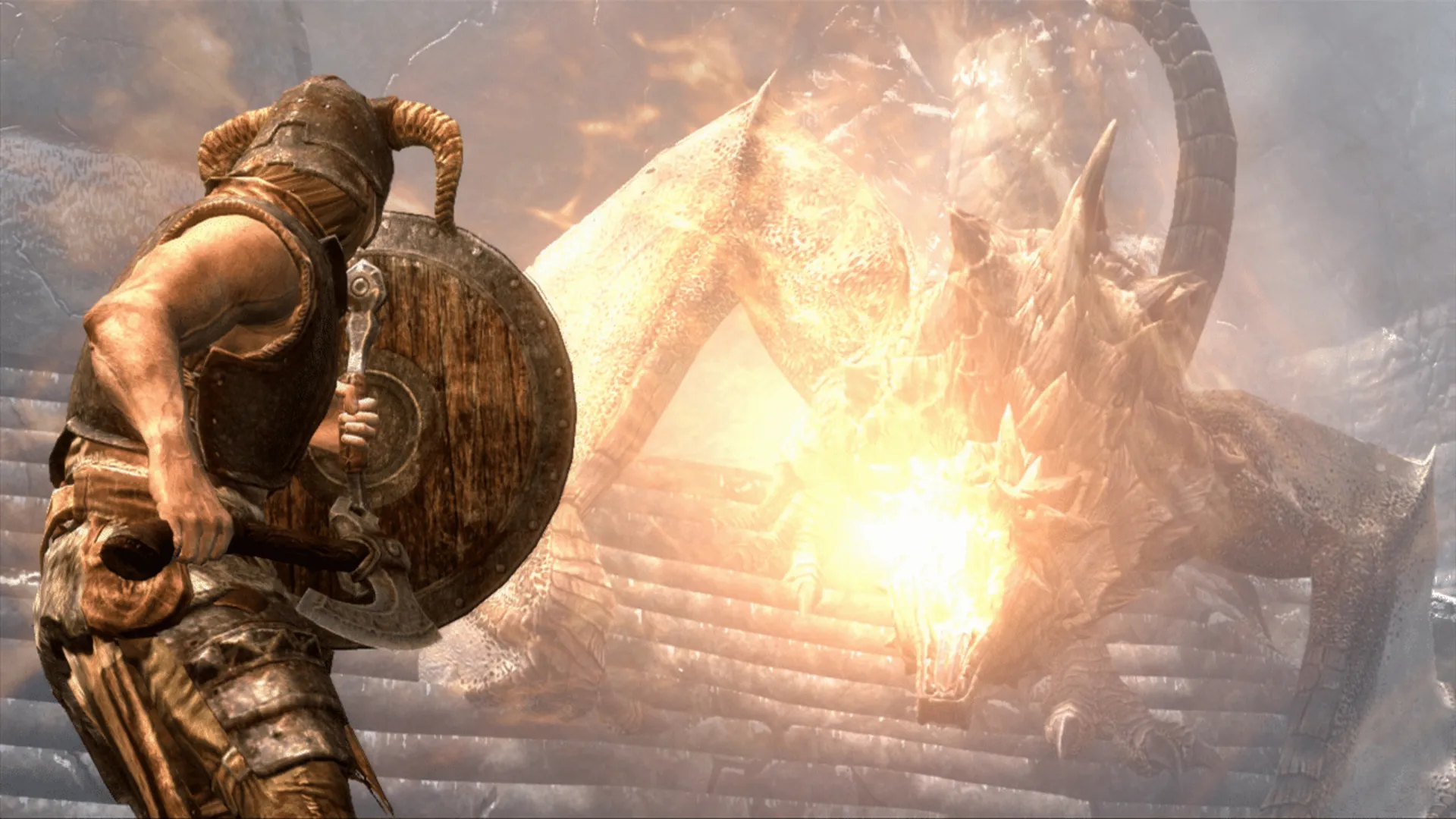
Mods are now part of Skyrim’s identity, especially on PC. With well over 100,000 mods for Skyrim Special Edition on Nexus Mods, the PC version now feels less like a fixed release and more like a platform players keep rebuilding. Players have not only preserved Skyrim. They have rebuilt parts of it, expanded it, fixed it, and bent it toward whatever version they wanted to play.
Mods make that freedom more personal. Some players use them to fix the interface, bugs, and old systems. Others use them to add quests, survival rules, combat changes, or enhanced graphics. SkyUI even received a major update in 2026, which says plenty about how active the PC scene still is 15 years later.
Skyrim's cracks show between the great moments
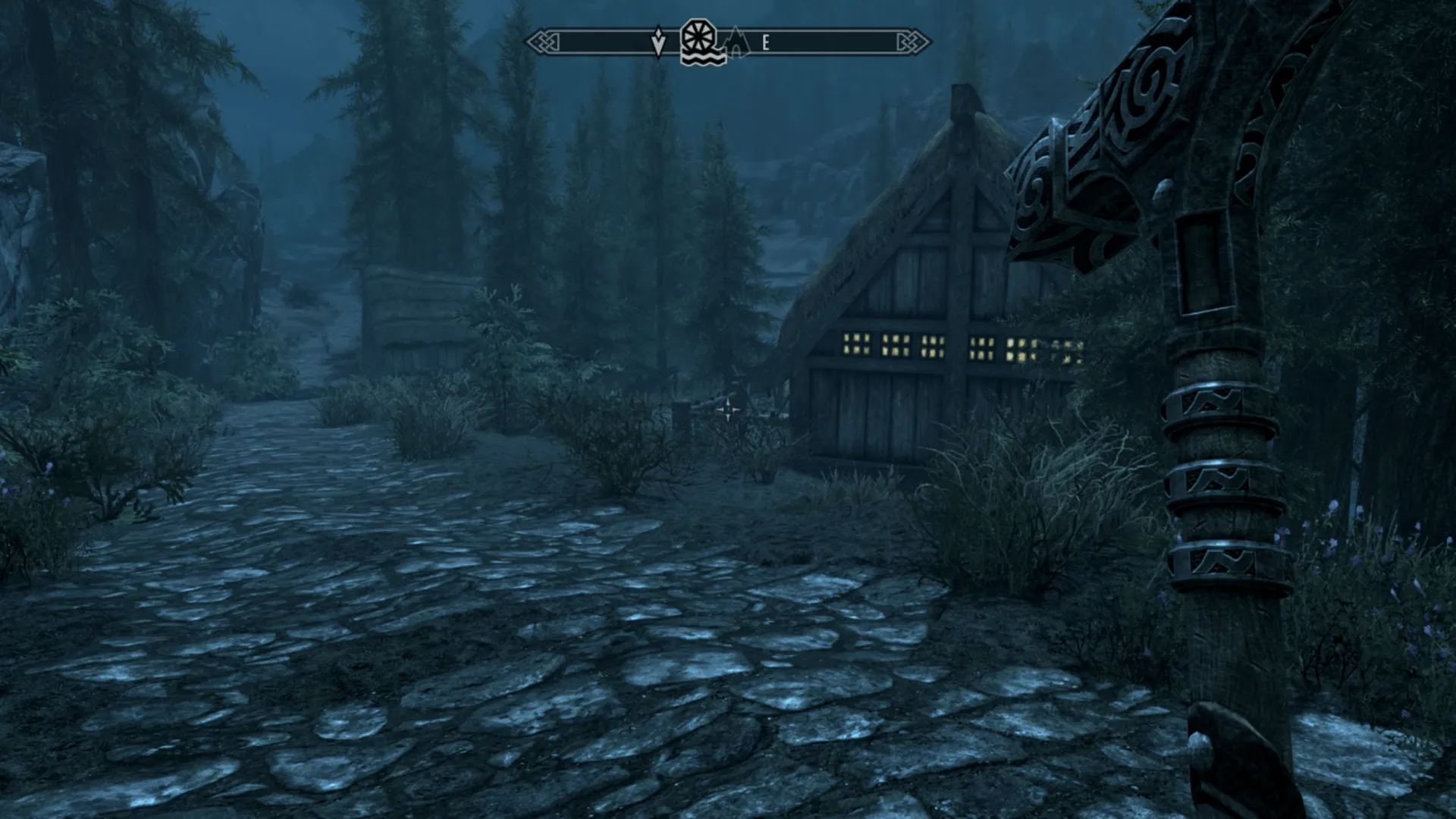
But for all its worldbuilding, side stories, and roleplaying freedom, Skyrim has limits players have been pointing out for years. Combat is the clearest one. It is not broken enough to ruin the game, but many fights still come down to trading hits, healing through damage, backing away, or letting the numbers do most of the work. Perks give builds more identity, but they cannot fully hide how simple the fighting underneath is.
Repetition is the other problem that becomes harder to ignore over time. Nordic tombs, bandit caves, and Dwemer ruins can still produce great moments, but the same enemies, traps, layouts, and reward loops start to blur together after enough hours. The province feels huge when I am walking toward something unknown. It feels smaller when the unknown starts to look familiar.
Then there is the jank. Broken quests, odd NPC behavior, strange physics, and crashes are part of Skyrim’s wider reputation, even if they did not define my own time with it.
My personal version of that friction was carry weight. It is not the game’s biggest flaw, but nothing kills the pleasure of wandering faster than becoming overencumbered and suddenly crawling back to town with half a Dwemer ruin in my pockets.
Skyrim still earns another journey
Skyrim is old in ways no rerelease can fully hide. The combat is simple, the main quest doesn’t have the strongest story, the dungeons repeat, and the roleplaying often happens more in my head than in the dialogue system. Anyone coming to it now after newer RPGs will see its gaps quickly.
But I would still recommend it without much hesitation. Not because it is the deepest RPG available now, and not because every system has aged well. I would recommend it because underneath all the rough edges, still lies one of the greatest RPG's ever created.
I start with a quest, lose the plan, follow the road too far, and somehow come out with a story that feels like mine. That is why Skyrim still makes getting lost feel worth it.
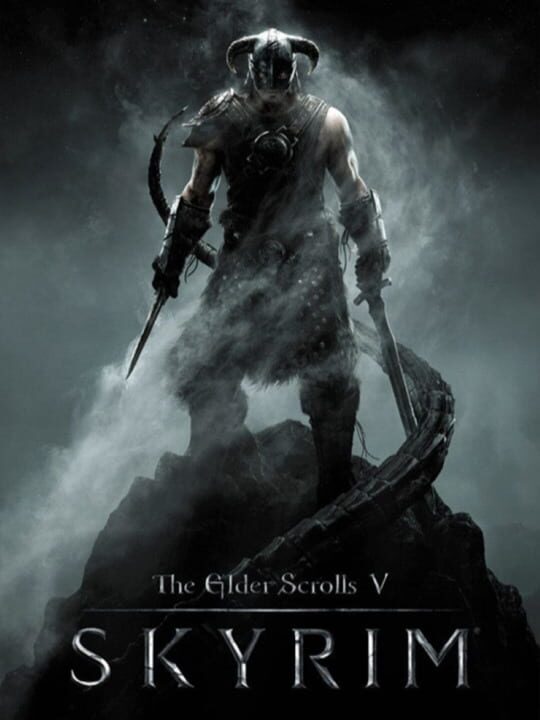
Skyrim reimagines and revolutionizes the open-world fantasy epic, bringing to life a complete virtual world open for you to explore any way you choose. Play any type of character you can imagine, and do whatever you want; the legendary freedom of choice, storytelling, and adventu
rpg
Released
November 10, 2011
Developer
Bethesda Game Studios
Publisher
Bethesda Softworks


Tagged In
SkyrimPcReview
Discussion
0We want to hear from you. Share your perspective in the comments below, and please keep the conversation respectful.
Log in to join the discussion - vote, reply, and share your take.
Log In