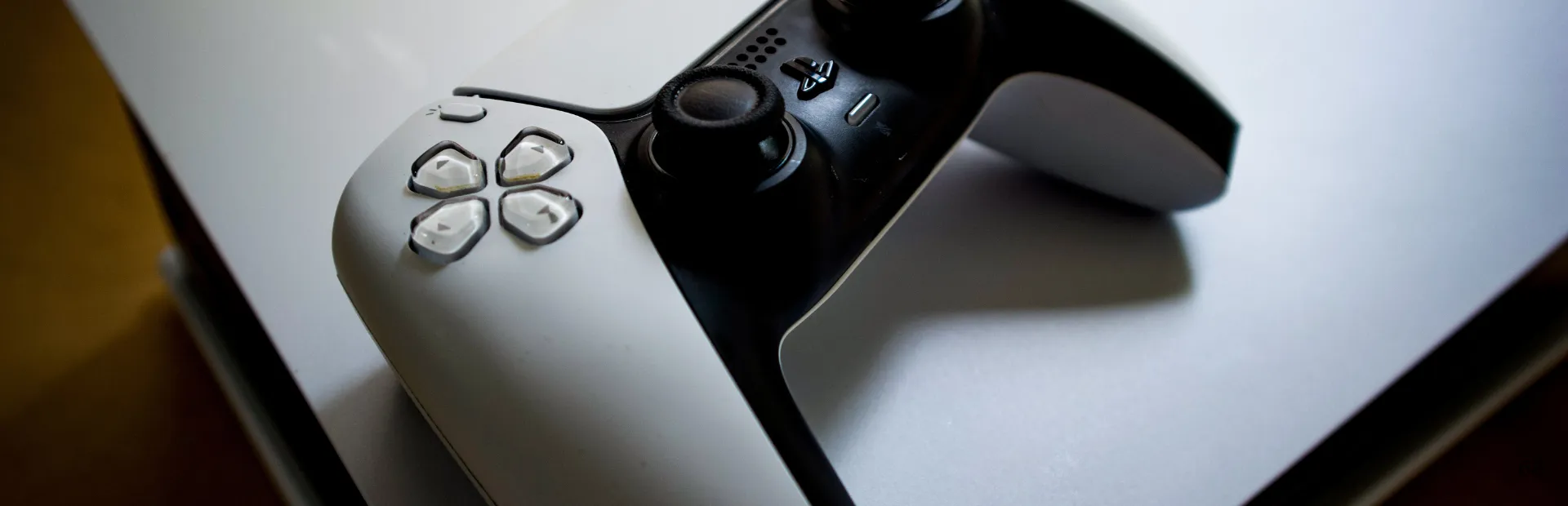
Sony's disc cutoff takes a choice away from publishers, too
Sony will stop producing discs for new PlayStation games in 2028. For publishers that still rely on physical sales, that removes an important choice.
Sony is preparing to end physical PlayStation releases, even though some publishers still make a meaningful part of their money from discs.
From January 2028, new PlayStation games will no longer be produced on disc. Digital sales already dominate the platform, but that does not mean every publisher is ready to leave physical behind.
Sony plans to stop producing discs for new PlayStation releases from January 2028. Games already released physically before then can remain on shelves, but future releases will move to digital distribution through PlayStation Store and retail packages containing download codes.
At Gamescom, Digital Foundry's John Linneman said he had spoken to developers and publishers who were unhappy with the decision. Some still make a substantial part of their money from physical releases, and in a few cases he was told discs accounted for the majority of their returns.
An 82% digital market gives Sony a strong reason to reduce its reliance on discs. It is a weaker argument for removing the option entirely.
Sony's numbers do not tell every publisher's story
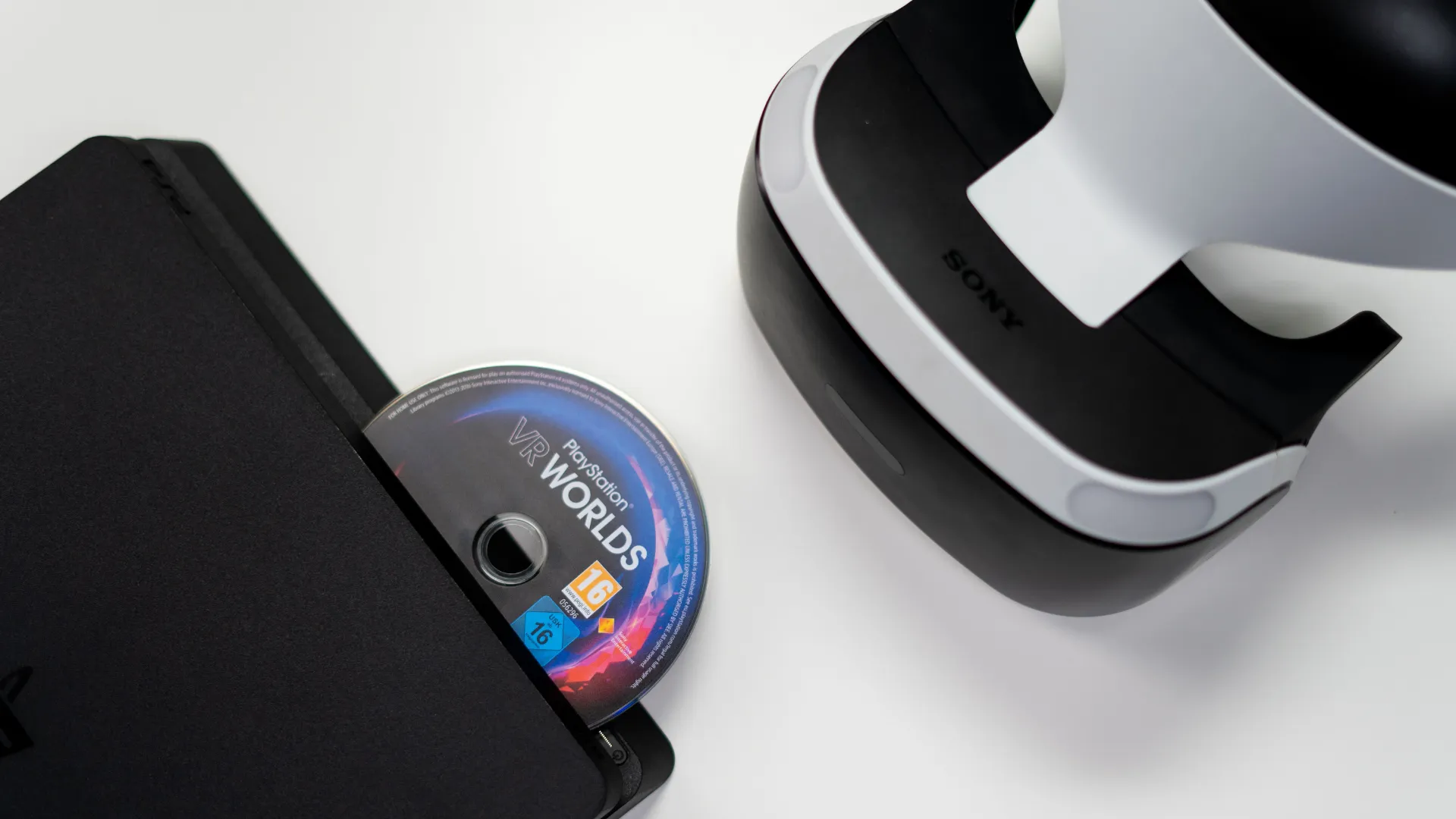
Digital downloads accounted for 82% of PS4 and PS5 full-game sales in the quarter ending June 30, 2026.
That is an overwhelming majority, and publishers whose customers already buy almost everything digitally have little reason to keep paying for discs, packaging and distribution.
But 82% describes PlayStation as a whole.
Sony does not show how that figure breaks down by publisher, and some of the industry's biggest companies are already heavily digital. EA said 81% of its PlayStation and Xbox full-game sales were digital in its latest fiscal year, while Capcom reported a 93% digital share across its game sales.
A smaller publisher serving collectors can look very different. Sony's overall percentage tells us little about how much that company still earns from discs, whether those sales vary by region or how many physical buyers would simply move to digital.
Linneman's conversations at Gamescom give us a better sense of what that looks like in practice. They cannot tell us how widespread the frustration is, but they do show that some PlayStation publishers still consider physical releases commercially worthwhile.
Sony told investors in July that it does not expect the transition to hurt its business. That may turn out to be completely accurate for PlayStation while still leaving individual publishers worse off.
Platform-wide growth does not make every smaller business underneath it identical.
Physical publishers still have customers to serve
Publishers such as Limited Run Games and iam8bit still see demand for collectible releases. Limited Run chief operating officer Nic Ashford has argued that even a smaller physical audience can support a viable business, and suggested companies like his could work with Sony on alternatives.
Those publishers already sell more than just the game itself, including art books, soundtracks, statues and other collector-focused merchandise.
Losing new PlayStation discs would not wipe out that business, but it would change one of the main products those customers are buying.
An art book can complement a game, but it cannot replace the playable copy inside the box. A collector's edition built around a download code may look similar on a shelf while giving the buyer fewer options once the code has been redeemed.
Publishers could move those customers towards merchandise, digital editions or physical versions on other platforms. Some probably will.
What Sony cannot know from an 82% digital share is how many physical buyers will follow them.
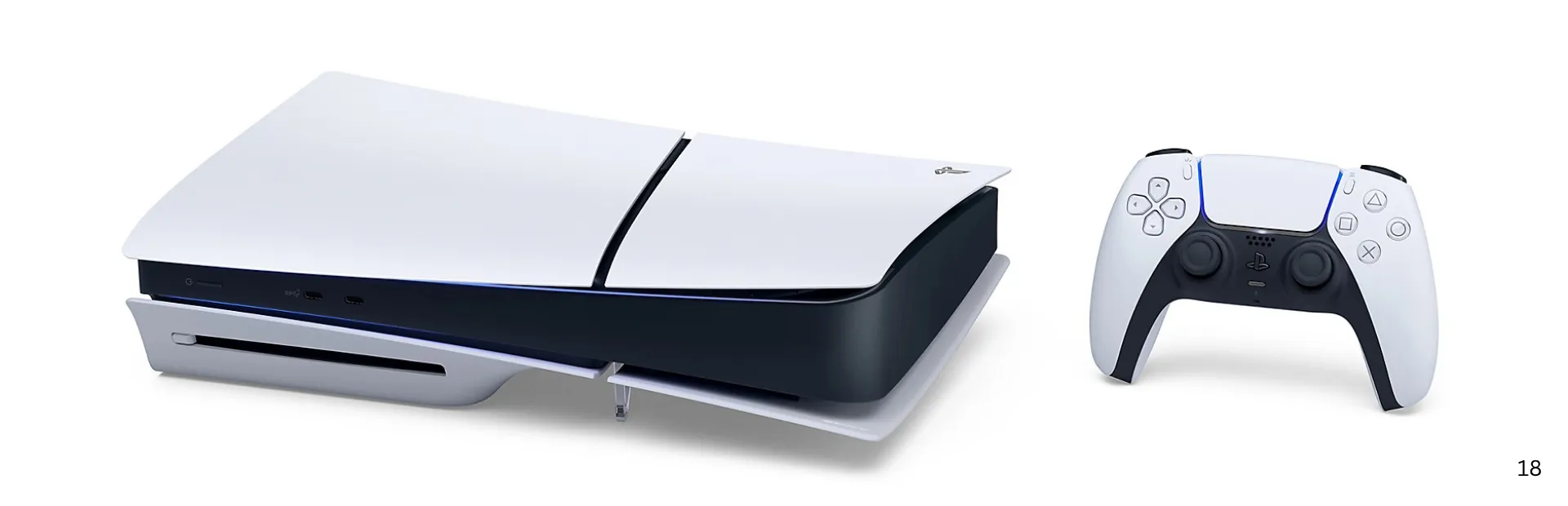
Alan Wake 2 shows why the option can still be useful

Alan Wake 2 shows why publishers may still want the option to add a physical release later.
Remedy said skipping a physical edition helped keep the console price at $59.99 and pointed to the growing number of players buying through digital stores. At launch, digital-only made sense for the game.
A physical version still arrived later.
The PS5 and Xbox Series X Deluxe Edition launched on October 22, 2024, while Limited Run produced a Collector's Edition with an art book and a working replica of Alan's Angel Lamp.
Remedy could launch digitally, watch how the game performed and then decide there was still a reason to put it on disc.
For PlayStation games released from 2028 onward, publishers will no longer be able to follow the same route. They can still launch digitally first, but adding a disc version later will no longer be an option.
Alan Wake 2 doesn't prove that every game needs a physical release, but it does show why publishers may want to keep that choice. Its own disc version is not a perfect preservation solution either, as Remedy says an additional download is still required.
Even so, a physical edition gives publishers another way to sell a game and gives players something a download code cannot fully replace.
A code in a box does not replace a disc
Sony is not planning to remove games from physical stores. Retailers will still be able to sell boxed download codes after discs disappear, but what you own changes once there is no physical copy inside.
A PlayStation voucher can only be redeemed once, and the content cannot then be transferred to another account. Once the code has been used, passing the box to someone else does not give them the game.
A disc works differently. You can sell it after finishing the game, trade it in or lend it to someone else. For players who regularly resell games, that resale value can also lower the final cost of buying them.
Publishers do not receive another full-price sale every time a used copy changes hands, so the secondhand market is not automatically good for them. But for players, it is still one of the main differences between owning a disc and redeeming a code.
A boxed download code may keep retailers involved, but it removes most of what makes a physical copy useful after purchase. You cannot resell it, lend it or pass ownership to someone else.
Publishers should still be able to choose
Publishers can already decide that a physical release is no longer worth the cost, and plenty of games now launch digitally without ever getting a disc version.
From 2028, Sony will make that decision for every new PlayStation release instead. For publishers whose audiences are already mostly digital, that may change very little. But others still have enough customers buying physical copies to justify producing them.
Those publishers may reach the same point eventually as disc sales continue to decline. They just may not get there at the same time as Sony.
Once physical releases stop being profitable, publishers will drop them anyway. Sony does not need to remove that choice before every publisher has reached that point.
Tagged In
Discussion
0We want to hear from you. Share your perspective in the comments below, and please keep the conversation respectful.
Log in to join the discussion - vote, reply, and share your take.
Log In