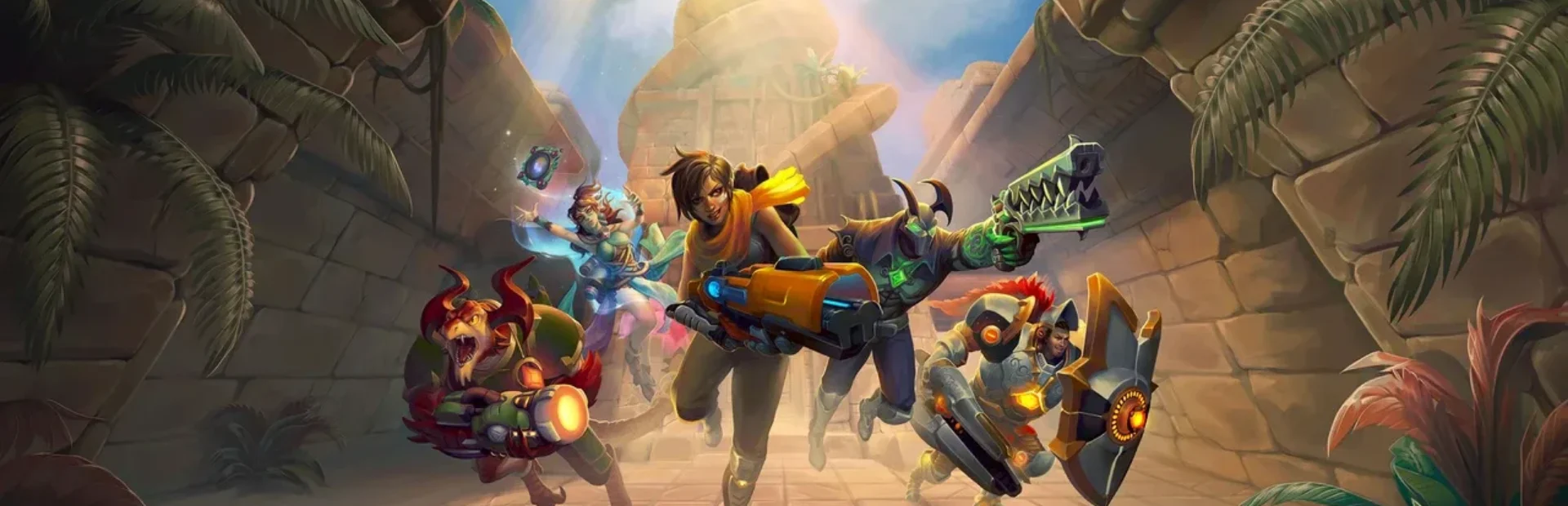
The 10 Best Hero Shooters
Discover the 10 best hero shooters, from Overwatch and Marvel Rivals to Valorant, Apex Legends, Paladins, and Rainbow Six Siege X.
The greatest hero shooters elevate conventional firefights by turning character abilities into tactical instruments that can completely reshape the geometry of a duel. Where traditional multiplayer shooters rely purely on aiming precision and map memorization, adding specialized roles allows a well timed barrier or a rapid vertical dash to rescue a squad that looked hopelessly outmatched.
The standouts on this list achieve that brilliant tension without ever letting flashy cooldowns render basic gunplay irrelevant. Whether you are breaching fortified bomb sites or fighting across floating objective arenas, these ten games prove that character driven combat creates the most unpredictable lobbies in multiplayer gaming.
10. Paladins
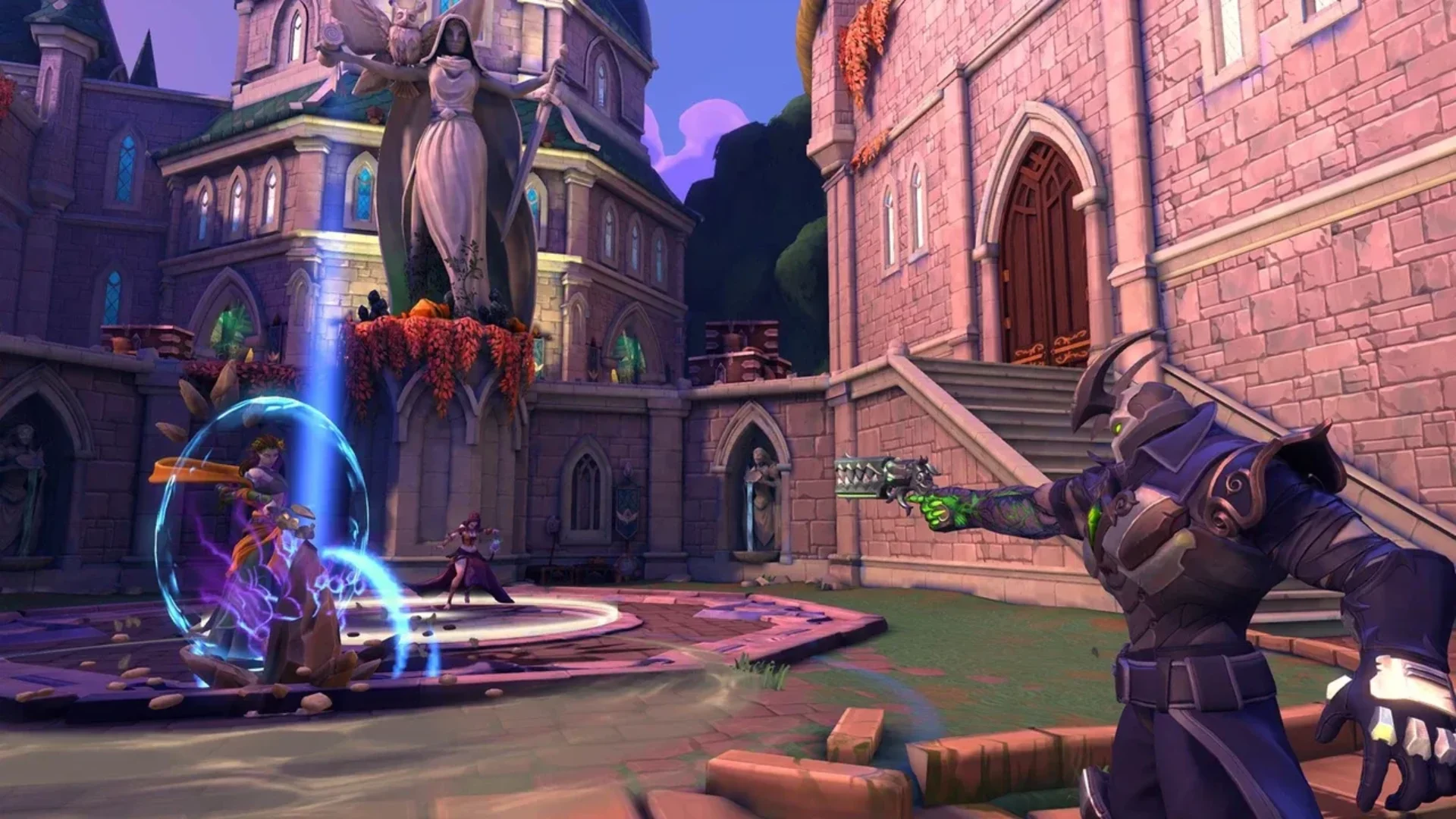
Customizing your champion loadout before the doors open in Paladins fundamentally alters how a character behaves on the objective. Equipping a specific talent can transform a defensive frontliner into an aggressive flanker, forcing opposing teams to constantly adapt their strategy rather than relying on standard matchup knowledge.
Purchasing in match counter items adds another brilliant layer of psychological warfare, as you can dynamically mitigate enemy healing or burn through shields as the rounds progress.
While smaller regional populations can occasionally result in uneven matchmaking, the deep deck building mechanics give every match an astonishing degree of tactical flexibility.
9. Strinova
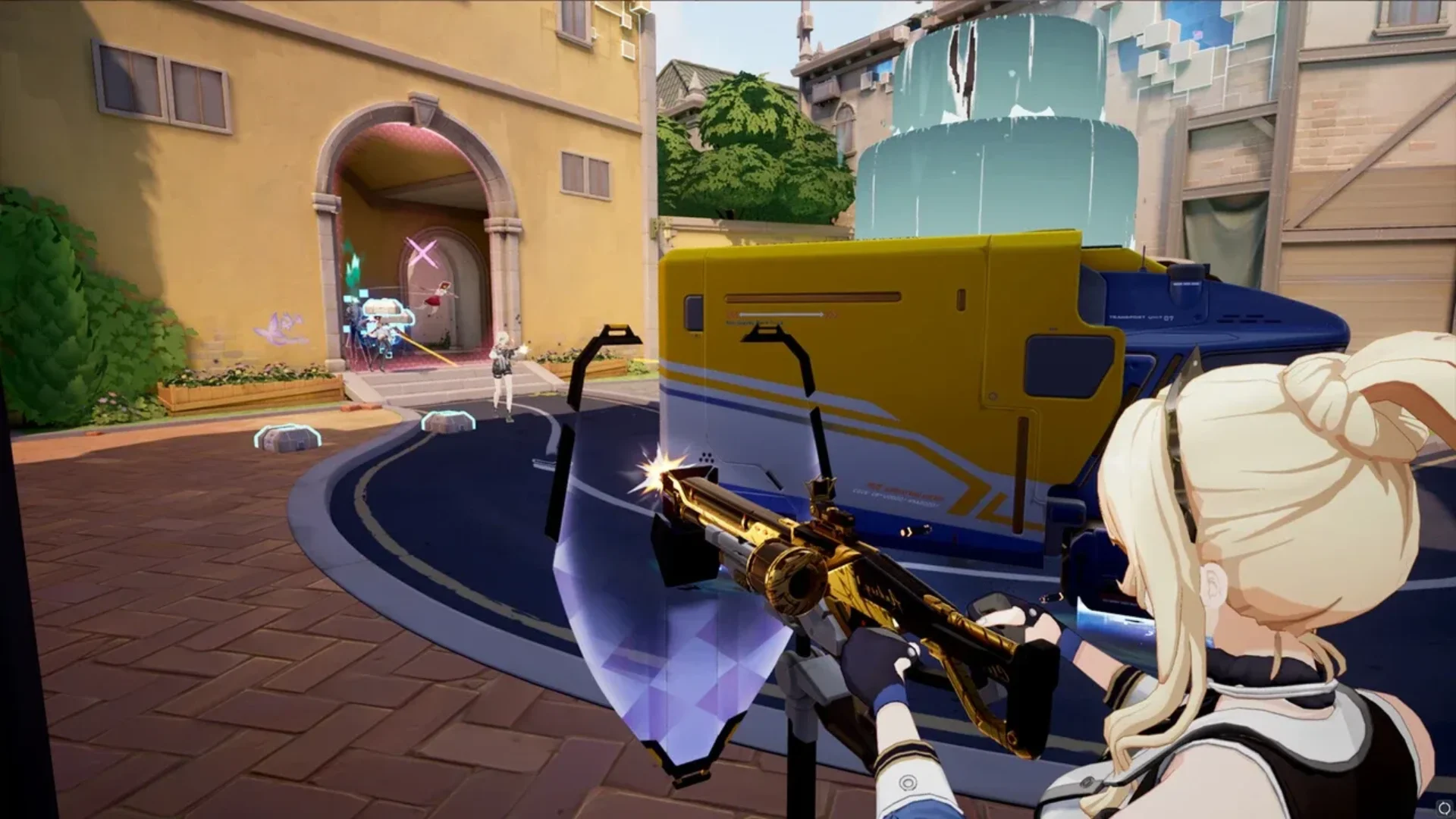
Dodging an incoming sniper bullet in Strinova involves activating your Stringify mechanic to flatten your character model into a two dimensional paper cutout. Slipping along walls or gliding silently over obstacles in that compressed form allows you to bypass defensive sightlines that would be impossible to break in a standard tactical shooter.
Because your physical silhouette shifts continuously during a firefight, baiting enemy bursts and repositioning between reloads becomes an absolute art form.
It delivers an extraordinarily inventive movement system where manipulating your own hitbox is just as lethal as landing a headshot.
8. FragPunk
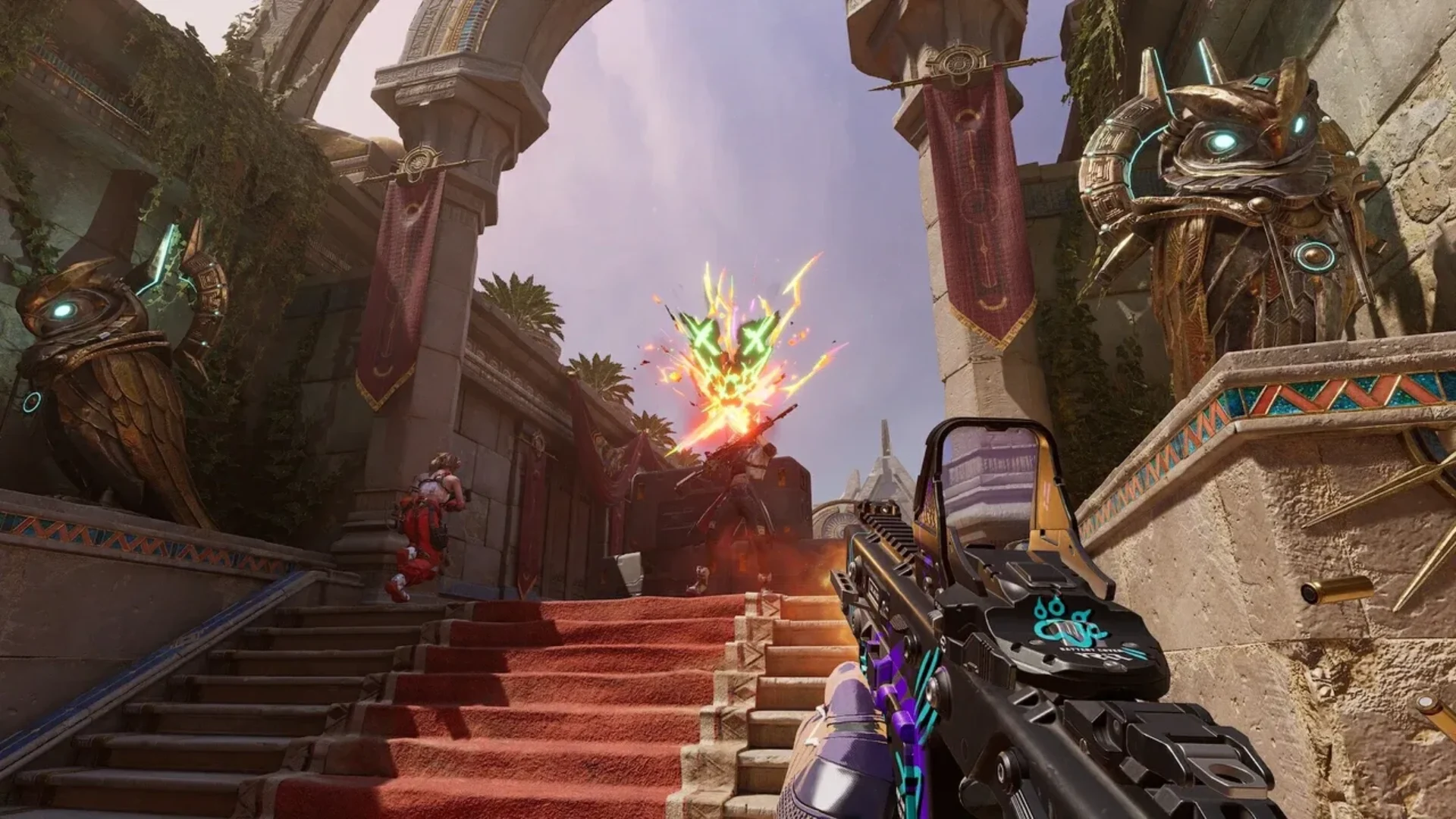
Drawing Shard Cards at the start of a FragPunk round throws conventional tactical discipline out the window by altering weapon physics and map geometry on the fly. Discovering that a card has reversed your gravity or upgraded your shotgun ammo forces both teams to improvise new strategies in seconds.
That constant rule breaking injects a frantic, celebratory chaos into short matches, ensuring that defensive setups never settle into predictable routines.
It shines brightest as an unpredictable arcade sandbox where adapting to bizarre gameplay mutators matters far more than memorizing static sightlines.
7. Team Fortress 2
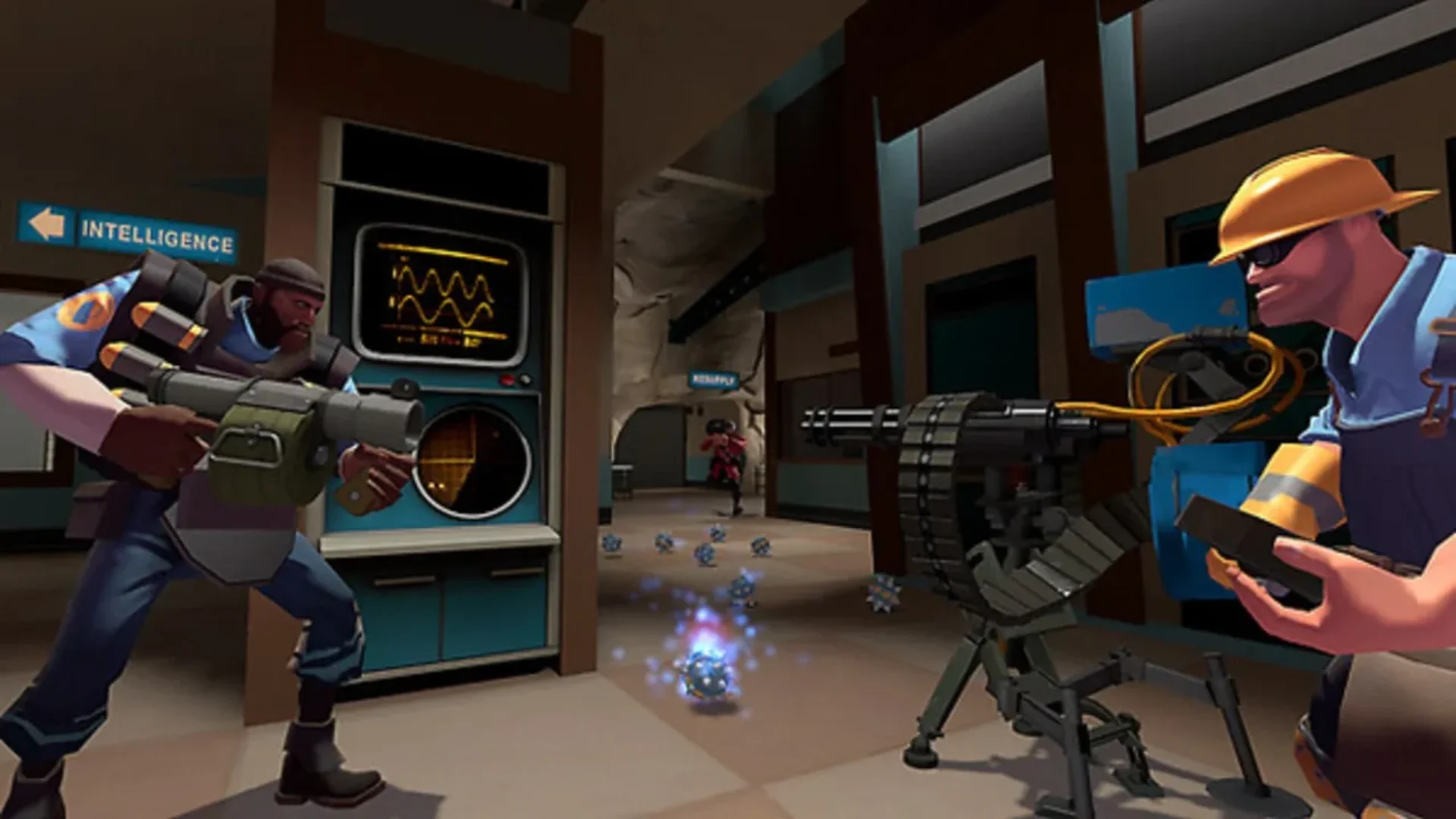
Rocket jumping over an Engineer fortification in Team Fortress 2 forces the defenders to tilt their crosshairs skyward, creating the exact distraction a cloaked Spy needs to dismantle their backline. Every character class operates with an unmistakable silhouette and a sharply defined battlefield job, allowing you to read the chaos of a twelve person push in a single glance.
Two decades of passionate community experimentation have transformed those nine distinct roles into an endless playground of movement tricks and specialized combat subcultures.
Team Fortress 2 remains a masterpiece of character design where every weapon sings with distinct personality.
6. Deadlock
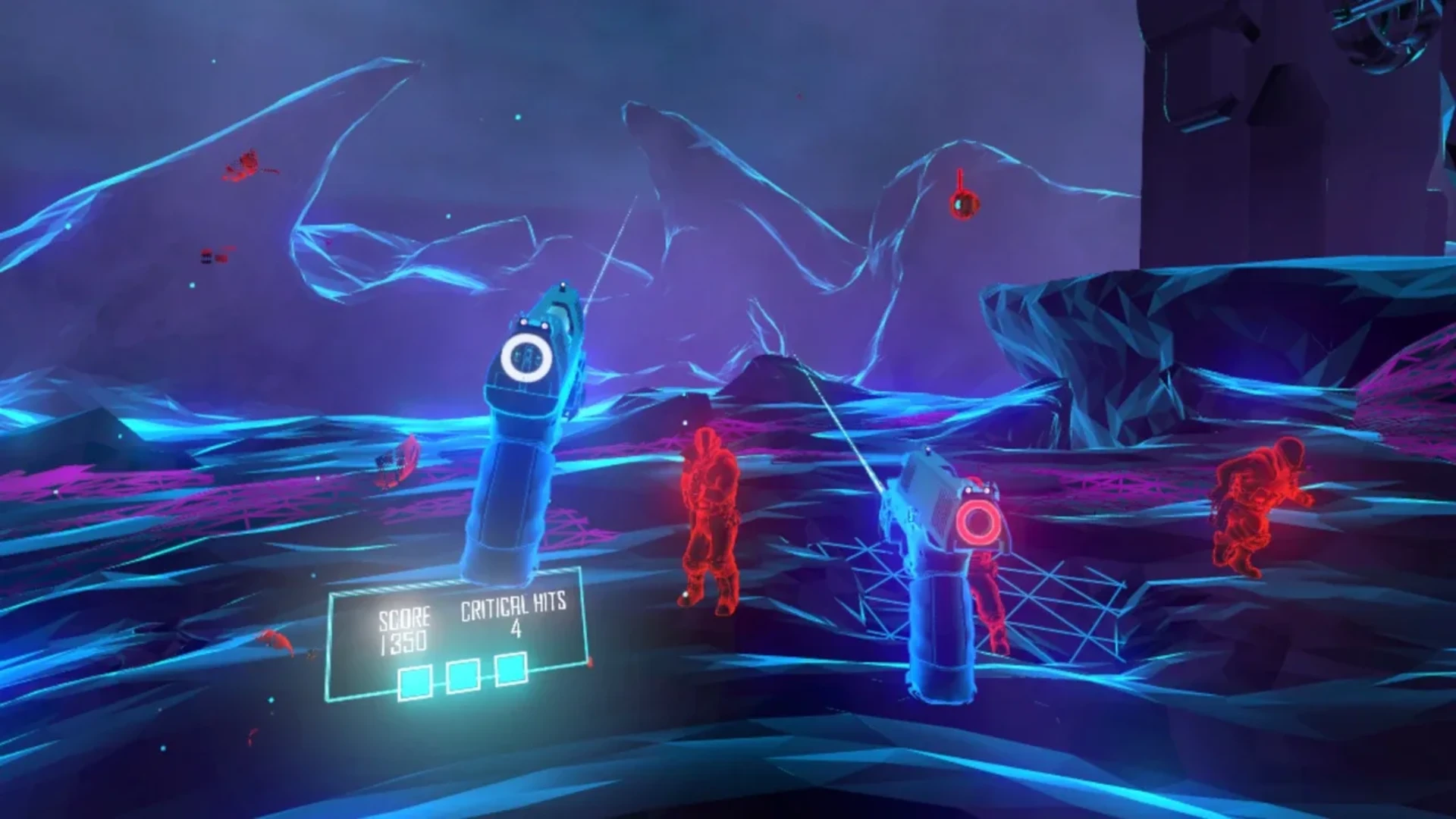
Farming lane troops in Deadlock forces you to shoot the glowing souls released by fallen enemies before your rival can shoot them first to deny your gold. Translating traditional multiplayer online battle arena economy into a fast third person shooter gives every ability cooldown immense strategic weight across the map.
An explosive skillshot won't just win a rooftop duel; it can push a minion wave deep enough to destroy a walker and open the enemy base.
Valve has crafted an intoxicating hybrid where raw aiming mechanics and macro objective management hold equal authority.
5. Rainbow Six Siege X
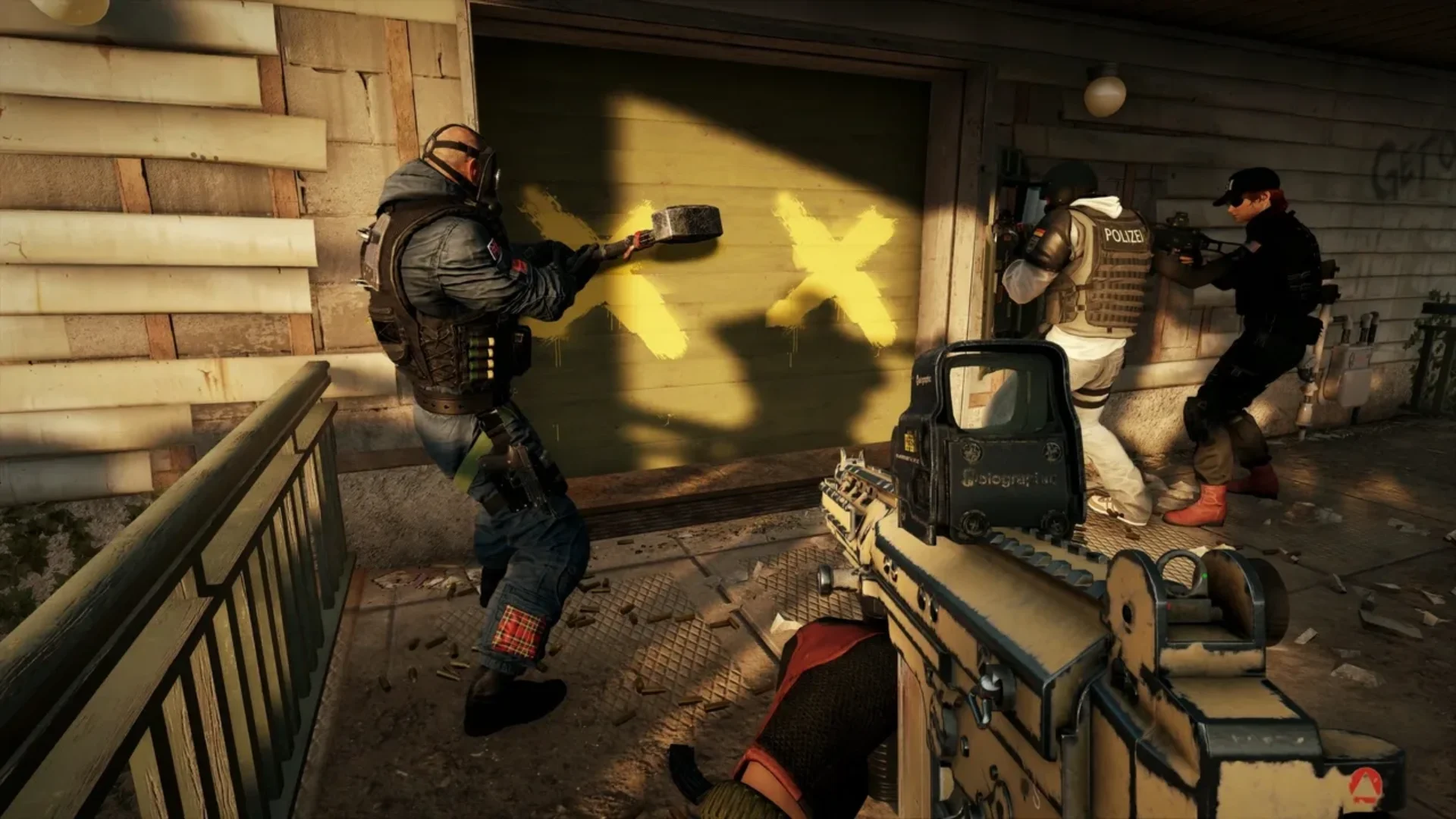
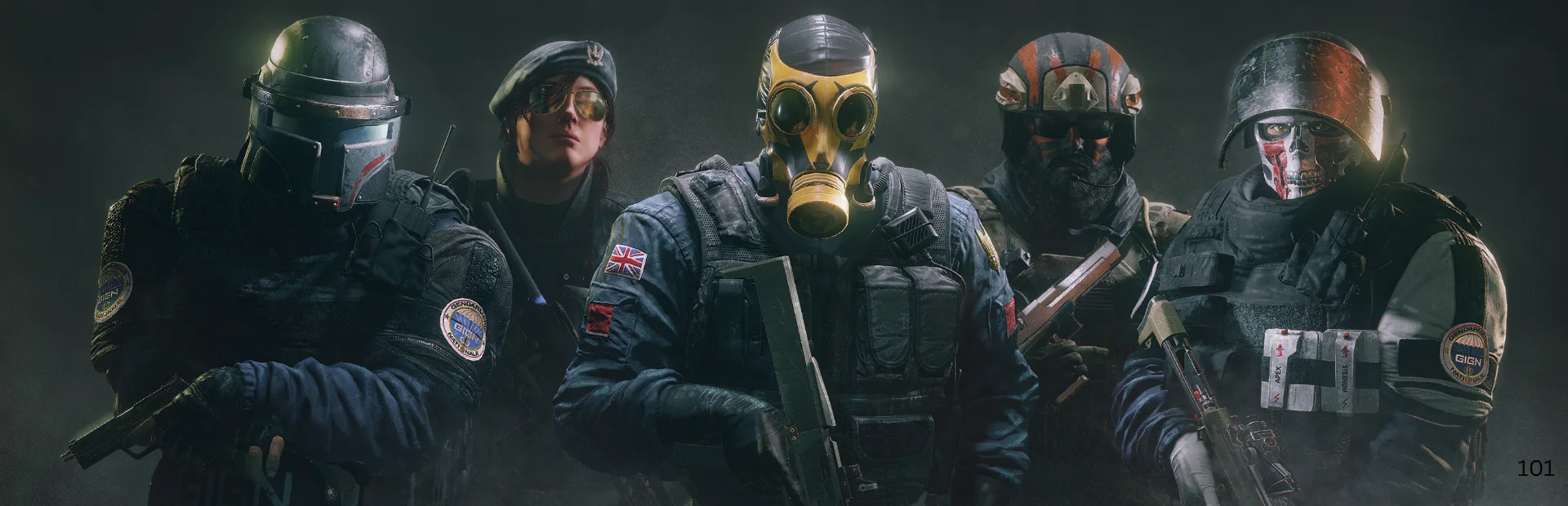
Breaching the ceiling above a fortified bomb site in Rainbow Six Siege X turns an enemy's favorite corner spot into a lethal vertical trap. Because specialized operator gadgets can melt through steel reinforcements or deploy bulletproof cameras, winning a round demands rigorous architectural planning and information gathering long before anyone pulls a trigger.
Single life rules mean that every shattered floorboard and acoustic footstep tells a high stakes story about enemy intentions.
Siege X stands as an unsparingly tense tactical shooter where clever environmental destruction easily outsmarts the quickest trigger finger.
4. Apex Legends
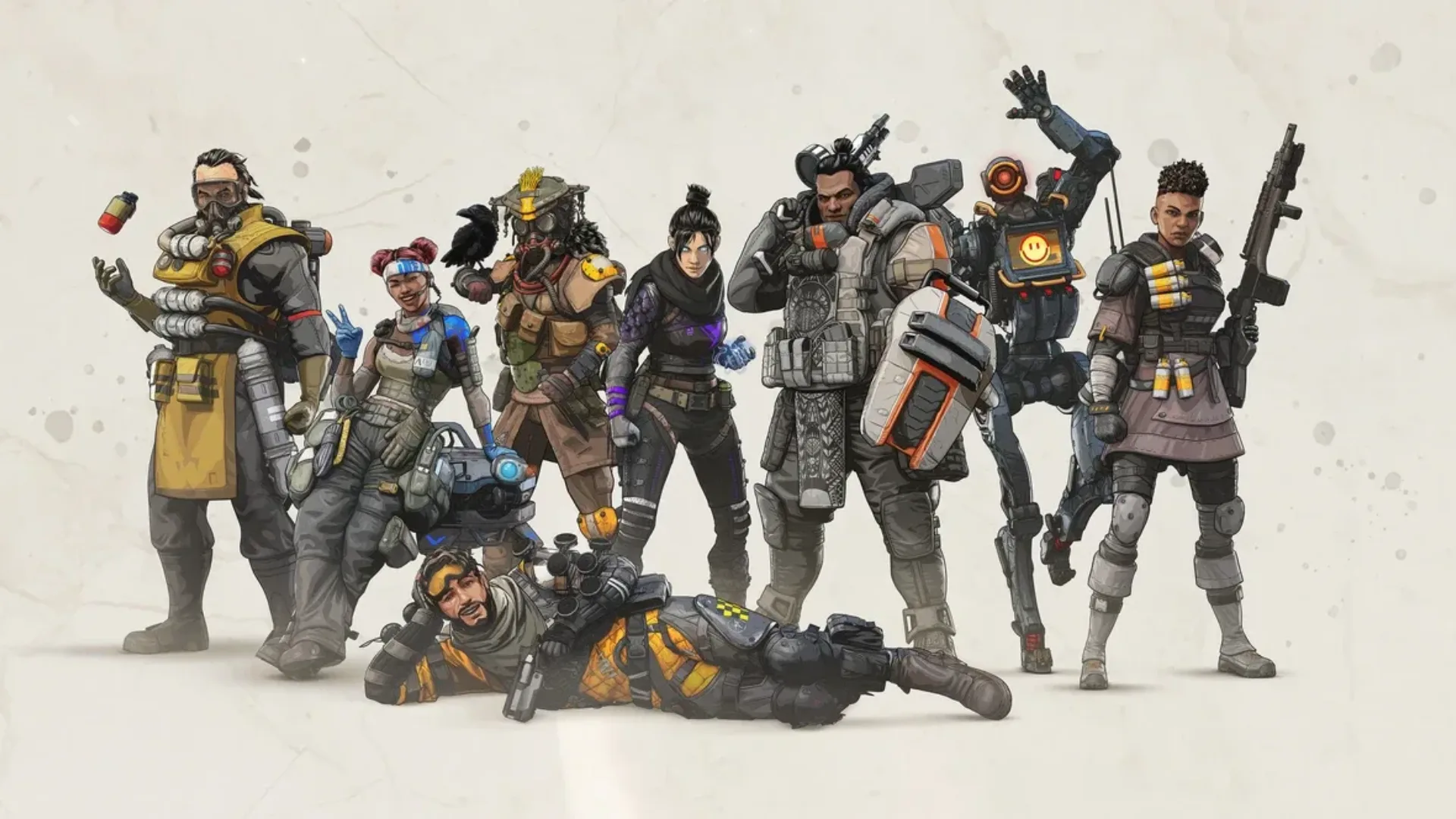
Coordinating a high speed squad rotation in Apex Legends feels effortless thanks to an intuitive ping system that lets you call out sniper positions and defensive traps without uttering a word. Launching off a jump pad to secure high ground while a teammate deploys a dome shield creates an intoxicating rhythm where abilities enhance your movement without ever replacing raw aiming skill.
Recovering a fallen comrade's banner under heavy fire turns everyday survival into an interactive action movie. It remains an exceptionally fluid arena where disciplined teamwork and vertical mobility reign supreme.
3. Valorant
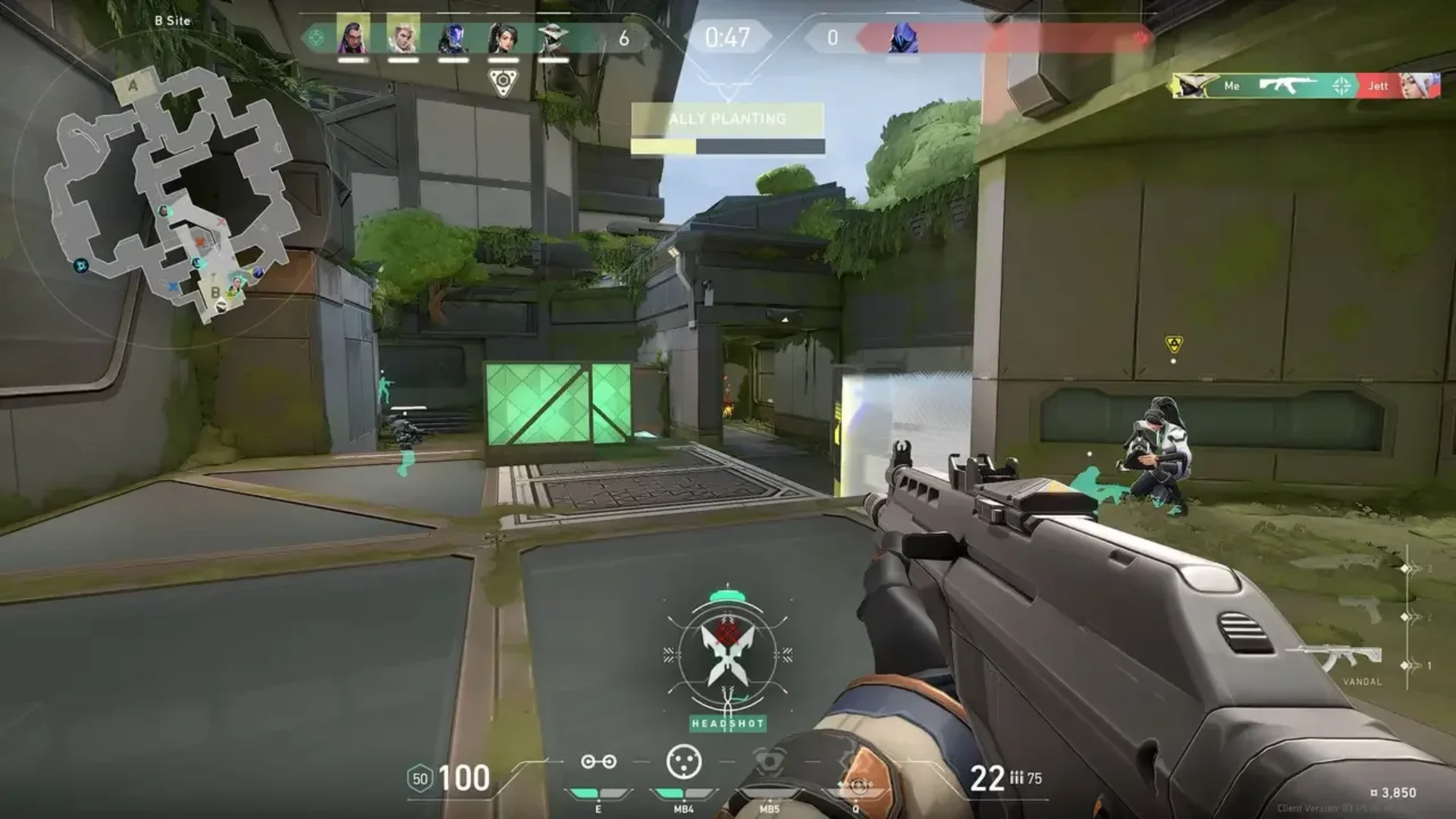
Holding a contested bombsite in Valorant requires absolute discipline until a reconnaissance arrow reveals the corner and a flashbang bursts through your smoke screen. Surviving that coordinated utility execution demands that you instantly adjust your crosshair to land a single, decisive headshot before the attacker can trade the kill.
Because your weapon purchases and ultimate abilities are tied to a strict economic cycle, sacrificing a lost round to preserve a rifle is often the smartest strategic play. It is a gloriously punishing tactical shooter that bridges meticulous team setups with cold blooded precision.
2. Marvel Rivals
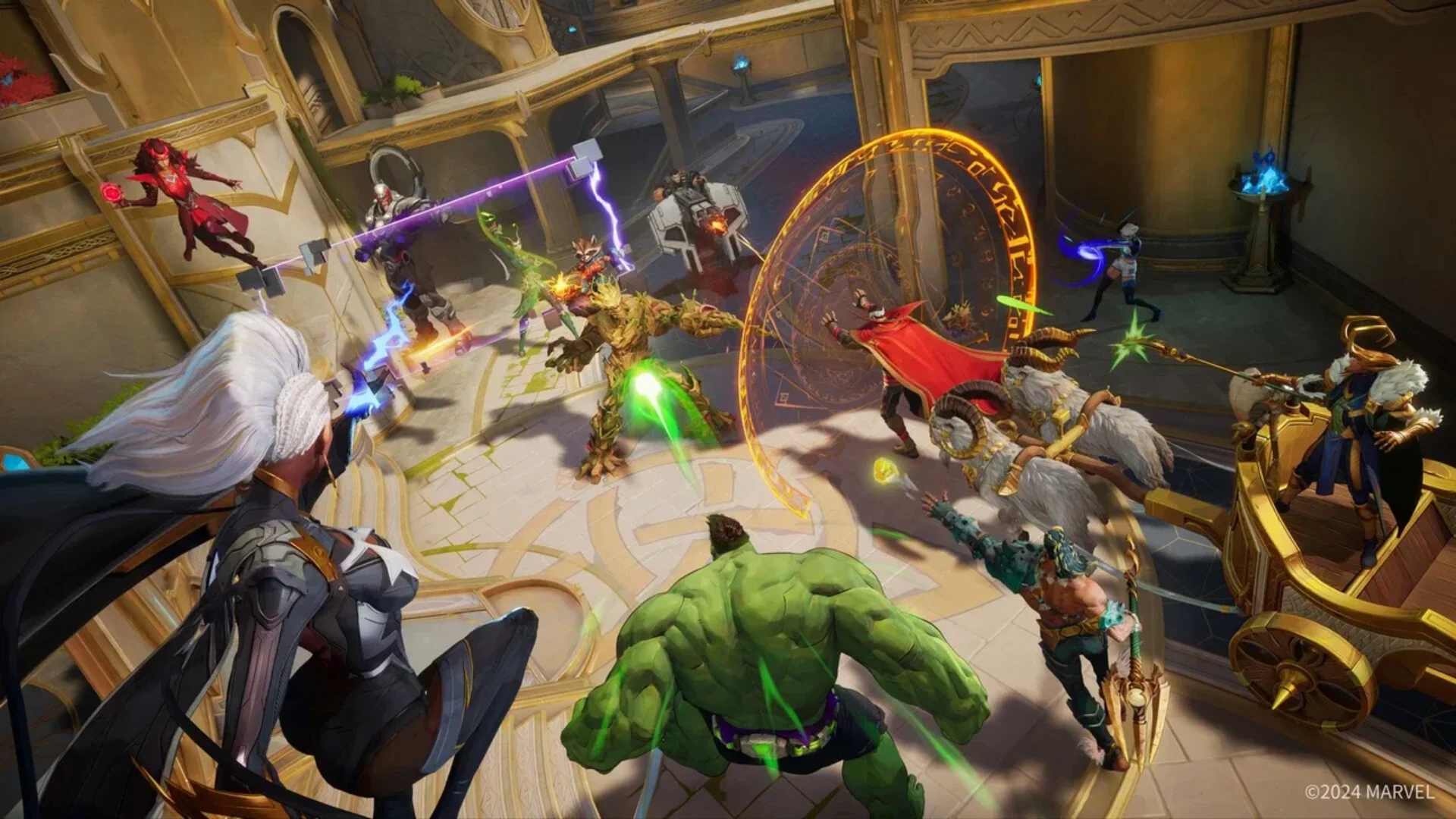
Triggering a Team Up ability in Marvel Rivals allows two superheroes to combine their powers, turning a standard chokepoint brawl into an explosive comic book spectacle. Six person squads collide with infectious momentum as flying brawlers dive the backline while destructible terrain crumbles under heavy artillery fire.
The sheer volume of visual effects can occasionally turn contested objectives into chaotic sensory overload, yet the underlying role synergy rewards squads that coordinate their ultimate timers. It captures the fantasy of superhero combat with overwhelming energy, ensuring that no two team fights ever look identical.
1. Overwatch
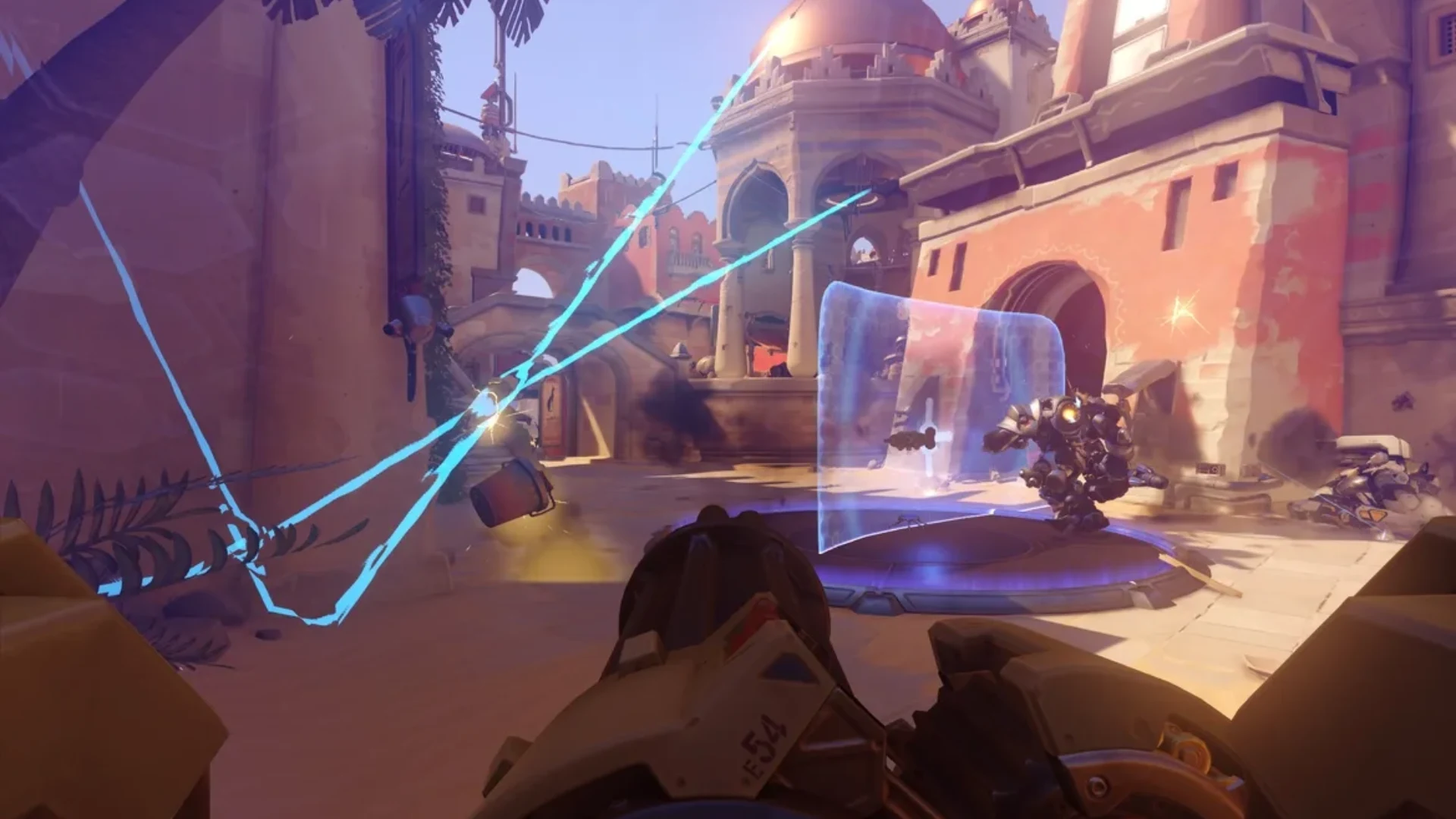
Defending a payload in Overwatch hinges on reading unmistakable sound cues and visual animations to anticipate when an enemy support is about to unleash a game changing ultimate. Swapping characters mid match allows a disciplined team to instantly counter an oppressive sniper or dissolve a heavy shield composition without waiting for a new lobby.
Distinctive movement mechanics and cleanly separated roles ensure that every player can steer the momentum of a fight regardless of their preferred playstyle.
Overwatch remains the definitive hero shooter because it transforms an enormous roster of characters into a gorgeously readable team sport.
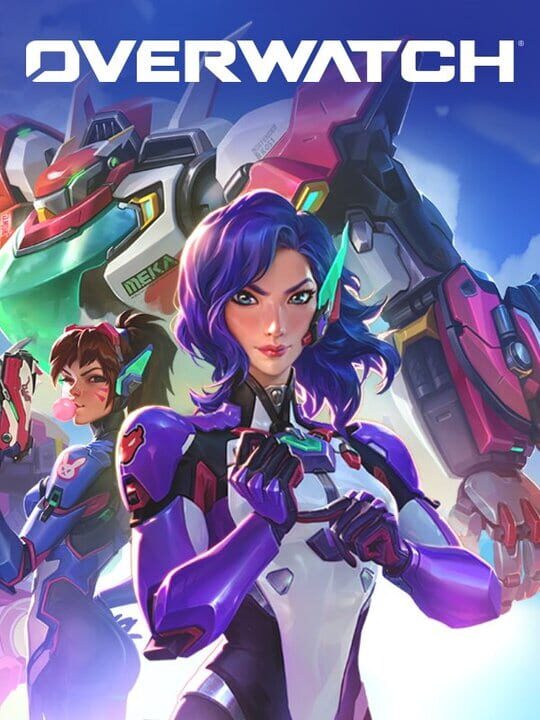
Overwatch is a free-to-play first-person hero shooter developed by Blizzard Entertainment. Players choose from a large roster of role-based heroes and compete in 5v5 team matches across various objective-based game modes, with both casual and ranked competitive play. Originally r
Released
August 10, 2023
Developer
Blizzard Entertainment
Publisher
Blizzard Entertainment


Discussion
0We want to hear from you. Share your perspective in the comments below, and please keep the conversation respectful.
Log in to join the discussion - vote, reply, and share your take.
Log In