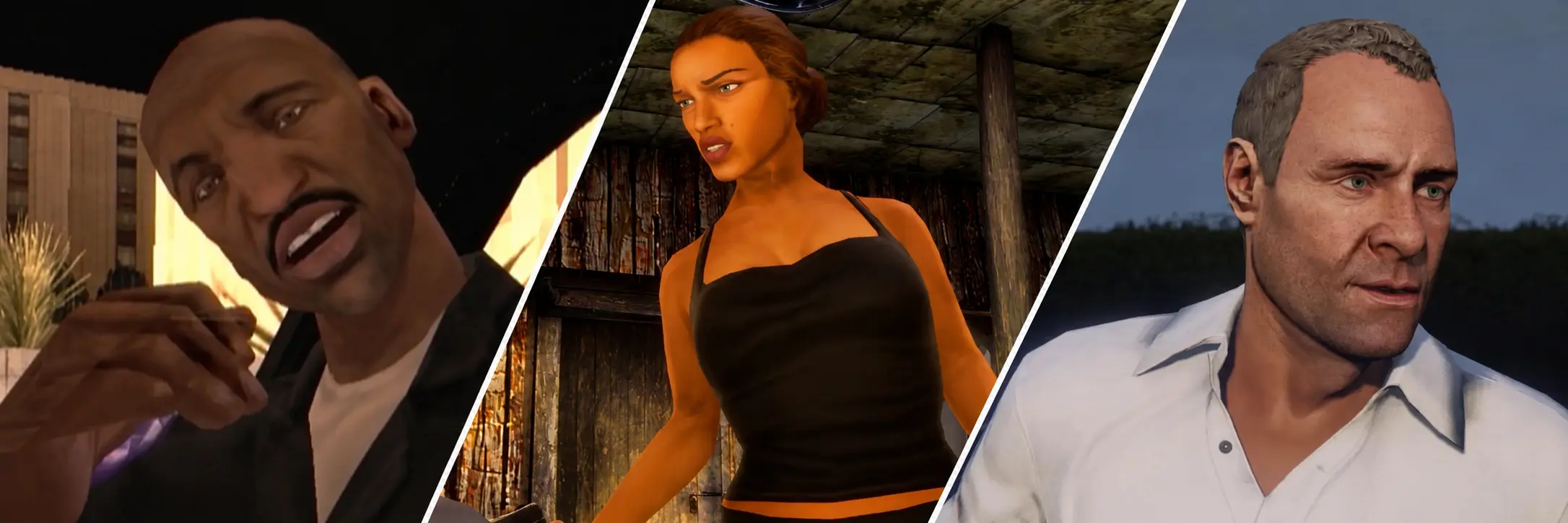
Top 5 Antagonists in Grand Theft Auto
GTA's most memorable enemies do more than give the protagonist someone to kill. They turn betrayal, corruption and power into something personal.
Grand Theft Auto has never struggled to produce unpleasant people. Its cities are full of corrupt police officers, gang leaders, mob bosses, billionaires and opportunists willing to sell out almost anyone. The better antagonists stand apart because their influence survives beyond a few missions. They change the protagonist's circumstances, force them into conflicts they did not choose and remain dangerous even when they are nowhere on screen.
A billionaire with a private army is not automatically a better villain than an old friend who knows exactly where to hurt the protagonist. The strongest GTA antagonists combine personality with sustained narrative pressure, and their eventual downfall feels connected to everything that came before it.
5. Devin Weston
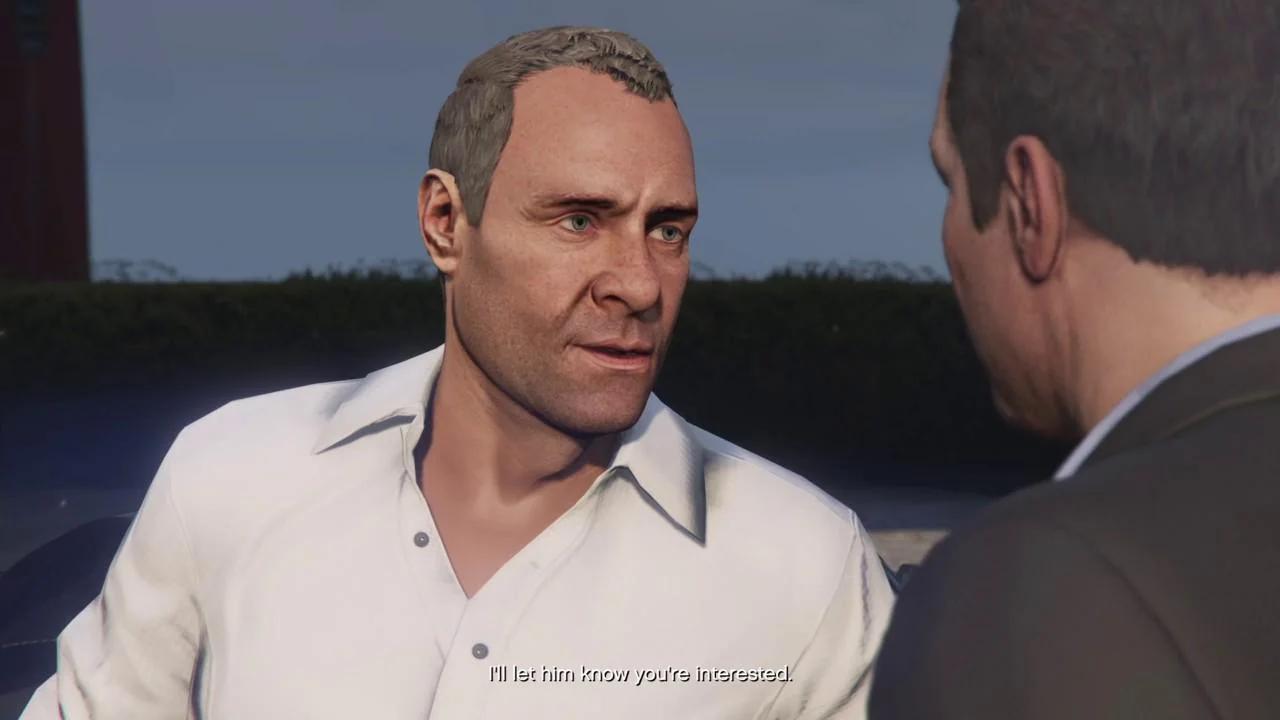
Grand Theft Auto V splits its antagonism between several people. Steve Haines abuses his position inside the FIB, Wei Cheng threatens Trevor, Stretch turns against Franklin and Devin Weston spends much of the story treating everyone around him as disposable. That fragmented structure stops GTA V from having one enemy who dominates the campaign, but Weston is the closest it gets.
He is also a very different GTA villain. Weston does not need a street gang or Mafia family when money gives him access to almost everything. He hires Franklin and the others to steal expensive cars, refuses to pay for the work and approaches crime with the same language he uses for investments. When Michael interferes with his plans for Richards Majestic, Weston escalates from financial manipulation to sending Merryweather mercenaries after Michael's family. He eventually visits Franklin and expects him to murder Michael simply because it would solve a problem.
Weston's weakness as an antagonist is the same thing that makes him fit GTA V so well. He rarely feels as personally embedded in the protagonists' lives as the best villains in earlier games. He is instead a walking version of Los Santos' obsession with wealth, connections and the belief that enough money can eliminate consequences. The Deathwish ending finally disproves that belief, with Michael, Franklin and Trevor stuffing him into the boot of his own car before sending it over a cliff.
4. Catalina
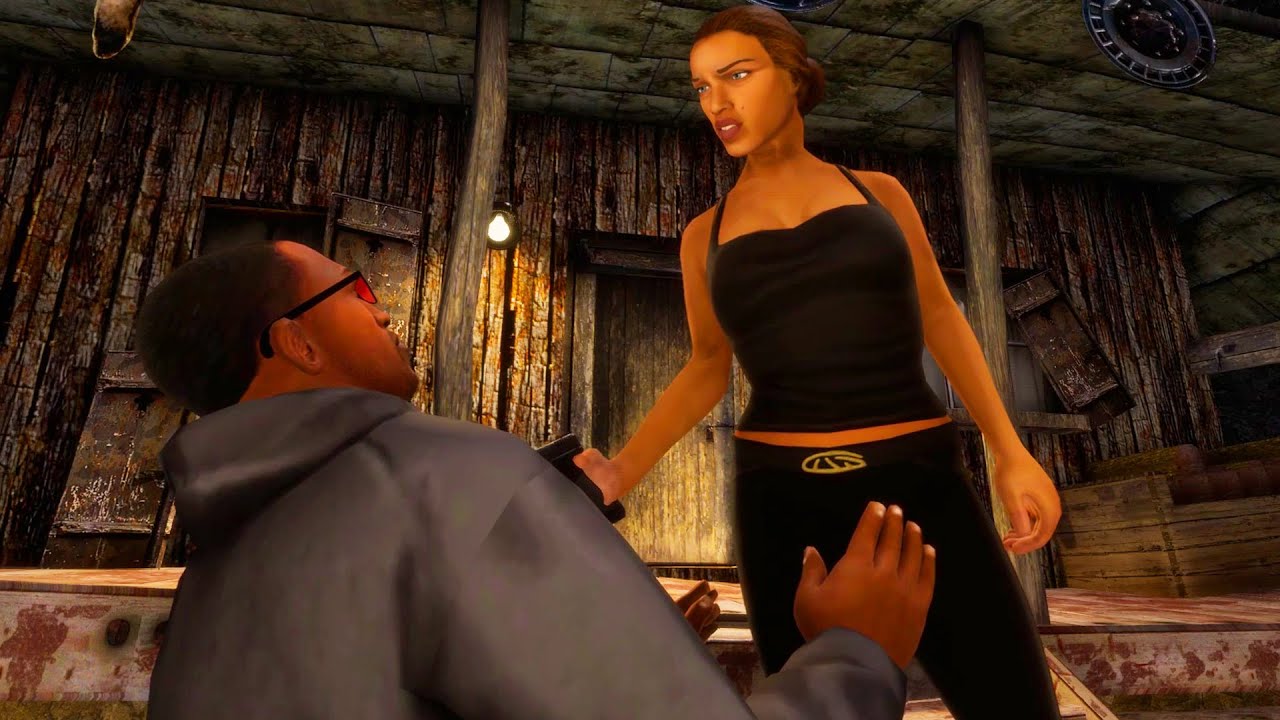
Catalina barely needs an introduction in Grand Theft Auto III. She shoots Claude during the opening bank robbery, takes the money and leaves him behind. Claude survives, and a game initially structured around taking jobs from Liberty City's criminal organisations gradually becomes a pursuit of the person responsible for putting him there.
GTA III gives Catalina relatively little screen time compared with later Rockstar antagonists. Much of her threat comes indirectly through the Colombian Cartel, its SPANK operation and the increasingly violent conflict surrounding Claude. By the finale she has killed Asuka, kidnapped Maria and arranged another trap for Claude after demanding a ransom. Even after he pays, she still has no intention of letting him walk away.
The simplicity helps. Claude never speaks, Catalina is hardly interested in explaining herself and their conflict is driven by revenge rather than a complicated relationship. That limits her character compared with the villains Rockstar would write later, but it also gives GTA III a clean narrative thread through a campaign filled with employers who appear and disappear. San Andreas later makes Catalina even more memorable by showing just how chaotic she was years before Claude arrived in Liberty City.
3. Big Smoke
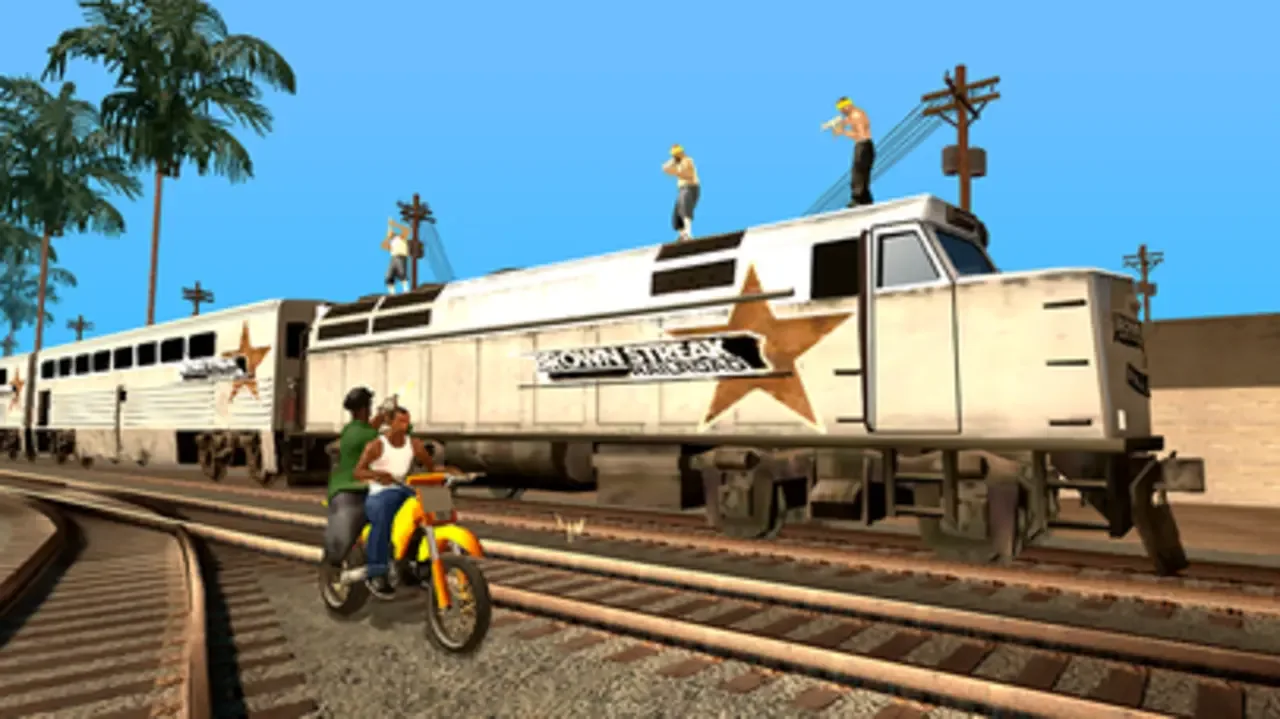
Big Smoke gets something most GTA villains never receive: hours in which the player has no reason to treat him as a villain at all.
At the beginning of Grand Theft Auto: San Andreas, Smoke is part of CJ's homecoming. He belongs to Grove Street, knows the Johnson family and accompanies CJ through some of the game's earliest gang missions. His exaggerated personality makes him funny without immediately separating him from the rest of the group. He feels like one of the people CJ has returned to Los Santos to help.
That makes The Green Sabre devastating. CJ discovers Smoke and Ryder meeting with Tenpenny and the Ballas, alongside the green Sabre connected to the attack that killed CJ's mother. Grove Street's collapse was not simply the result of rival gangs getting stronger. People inside the circle had already chosen money and influence over loyalty.
Smoke becomes increasingly distant after the reveal, eventually building a drug empire protected by Ballas and other armed allies. That means San Andreas loses some of the personal interaction that made his betrayal so effective in the first place. The finale fixes much of that. CJ has to fight through Smoke's fortified crack palace before confronting the friend he once trusted. Smoke dies knowing exactly what his choices bought him. Few GTA villains produce the same combination of anger and genuine regret.
2. Dimitri Rascalov
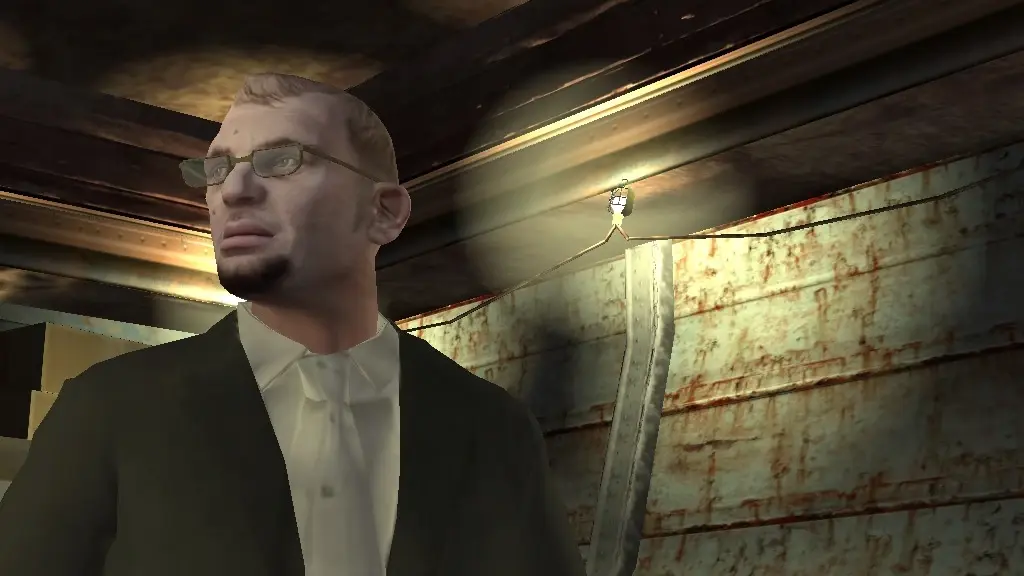
Mikhail Faustin looks like the obvious threat when Niko Bellic first enters Liberty City's Russian criminal underworld in Grand Theft Auto IV. He is violent, impulsive and dangerous even to the people around him. Dimitri Rascalov seems more reasonable. That impression lasts just long enough to become a weapon.
Dimitri persuades Niko to kill Faustin, arguing that his old partner has become too unstable to survive. Once the job is done, Niko arrives to collect his payment and instead finds Dimitri waiting with Ray Bulgarin, a figure from Niko's past who wants him dead. It is the first major betrayal in a relationship that keeps getting worse. Dimitri's organisation burns Roman's apartment and taxi depot. Later, Roman is kidnapped and Niko receives a photograph of his cousin being held at gunpoint.
What separates Dimitri from the series' louder villains is that he rarely needs theatrical rage. He lies, makes deals and sacrifices people whenever circumstances change. Niko has spent years around violent men, but Dimitri is dangerous because agreements mean nothing to him.
GTA IV eventually makes that history part of its final choice. Niko can take revenge on Dimitri or accept one more deal in pursuit of money and the better life Roman has always imagined. The decision only carries weight because the game has spent so long demonstrating exactly what trusting Dimitri costs.
1. Officer Frank Tenpenny
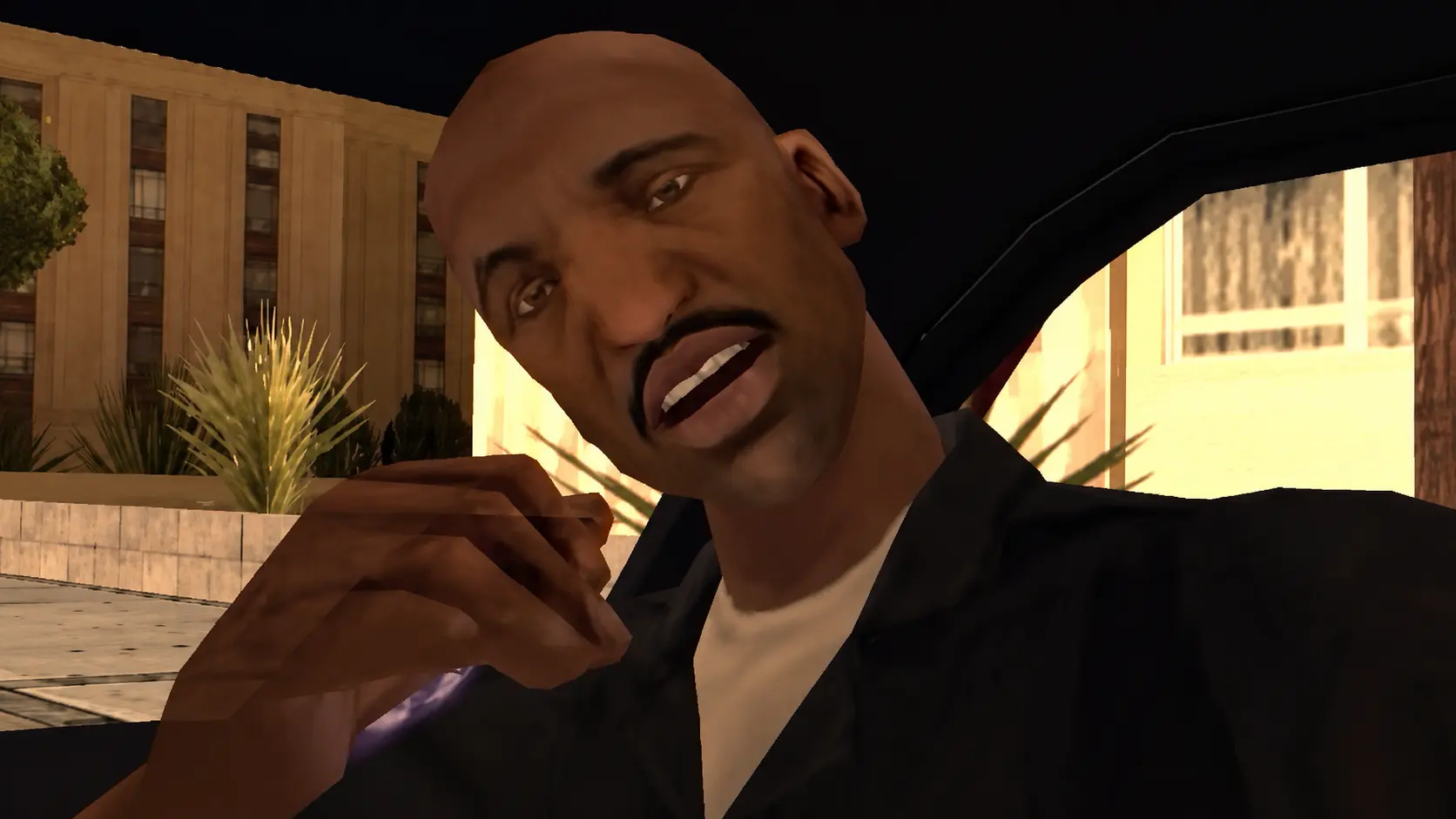
Frank Tenpenny does not pretend to be CJ's friend. San Andreas introduces him as a threat almost immediately, with C.R.A.S.H. officers Tenpenny, Pulaski and Hernandez dragging CJ into a police car and using the murder of another officer to keep him under control. From that point onward, CJ can rebuild Grove Street, leave Los Santos and become increasingly powerful, but Tenpenny keeps finding ways to reach him.
That persistence gives him something even Big Smoke lacks. Tenpenny is not simply part of CJ's gang conflict. He sits above it. His badge gives him the freedom to exploit criminals, intimidate witnesses and order CJ to handle problems that might expose C.R.A.S.H. The same man who presents himself as law enforcement is comfortable dealing with the people helping destroy the neighbourhoods he claims to police.
Samuel L. Jackson's performance makes the character even harder to forget. Tenpenny can be funny, casual and openly contemptuous without losing the sense that CJ is speaking to someone who can ruin his life. He does not need to shout in every scene because the badge already provides the threat.
His downfall also gives San Andreas one of GTA's most complete villain payoffs. After escaping prosecution, Tenpenny's acquittal helps push Los Santos into riots. He then appears inside Big Smoke's crack palace during End of the Line, tries to kill CJ and flees in a fire truck through the burning city. The chase ends back on Grove Street, where Tenpenny crashes and dies only metres from the neighbourhood he helped tear apart.
GTA has created richer criminals and more surprising traitors, but none controls an entire story quite like Tenpenny. He is CJ's enemy from the opening minutes to the final chase, and the threat he represents is bigger than one gang or criminal empire. He has power, protection and the authority to call his crimes law enforcement. Taking him down feels less like clearing another name from a hit list and more like finally removing the force that has been manipulating San Andreas from the start.
Tagged In
Discussion
0We want to hear from you. Share your perspective in the comments below, and please keep the conversation respectful.
Log in to join the discussion - vote, reply, and share your take.
Log In