
Prince of Persia: The Sands of Time Gets Major PC Update After Remake Cancellation
Prince of Persia: The Sands of Time gets a major GOG update with widescreen support, 60 FPS fixes, modern resolutions, and improved PC compatibility.
Prince of Persia: The Sands of Time has received a major technical update more than two decades after its original release. GOG added Ubisoft's 2003 action-adventure game to its Preservation Program on August 18, with new work aimed at fixing problems that made the PC version difficult to run properly on modern hardware.
The release also delivers on a promise GOG made after Ubisoft cancelled Prince of Persia: The Sands of Time Remake earlier this year. Rather than remastering or changing the original game, GOG has rebuilt how it interacts with modern PCs. Players can use newer resolutions, widescreen displays, higher frame rates, and corrected field of view without relying on external fixes.
The 2003 game now works properly on modern displays
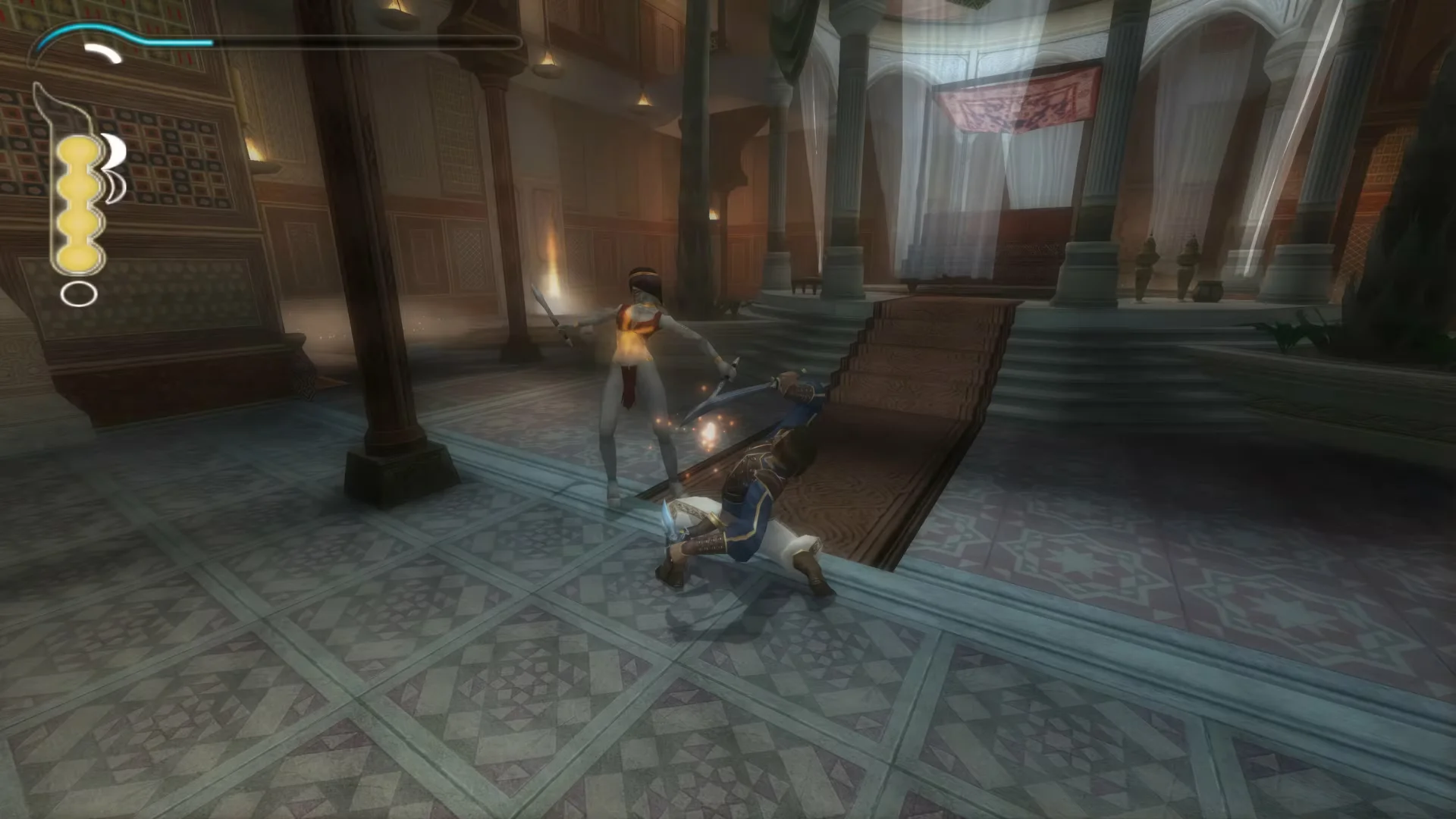
GOG's updated version supports modern widescreen and ultrawide resolutions, including 16:9 and 21:9 displays. The field of view now adjusts correctly for different aspect ratios instead of cropping the image around settings originally designed for 4:3 monitors. Players can also change the FOV through a new in-game overlay.
The update also allows The Sands of Time to run at 60 frames per second without the workarounds previously needed to keep the game stable. GOG added an FPS limiter, mouse confinement for multi-monitor setups, and other controls through the same overlay. The original menu remains inside its 4:3 boundaries because its interface assets were built around that format.
These changes address more than an old game looking awkward on a newer monitor. GOG says parts of The Sands of Time, including physics and collision detection, were tied to frame timing. Running the game outside the conditions its engine expected could cause broken collisions, movement problems, and other gameplay issues.
GOG built its own DirectX 9 wrapper to fix the game
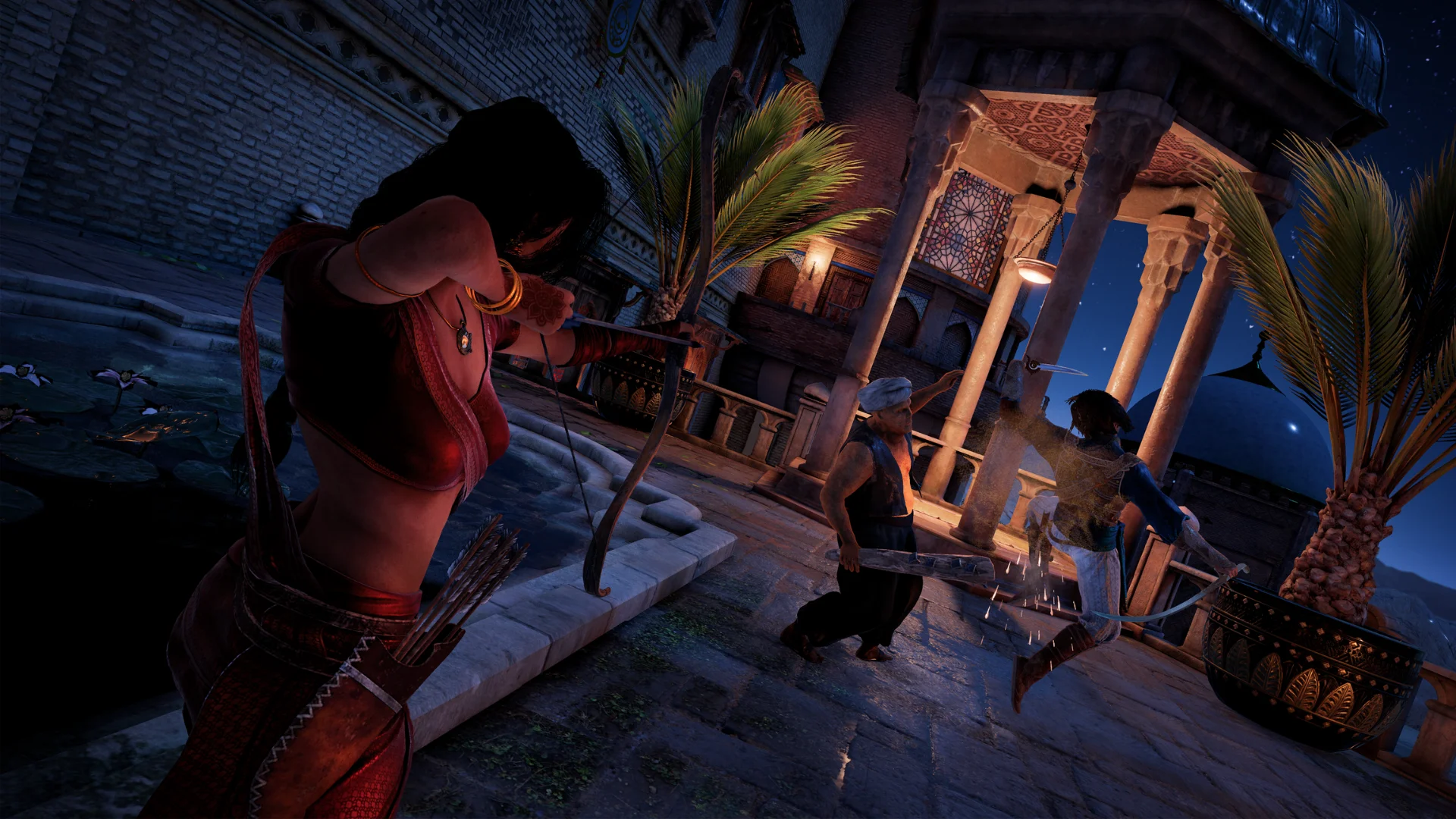
Instead of patching each problem separately, GOG created a set of DirectX 9 wrapper DLLs that work between the game and the graphics hardware. The game continues making the same DirectX calls it always did, but GOG's wrapper can intercept them before passing them to the real DirectX layer. That allows fixes to be applied directly to frame timing, rendering, input, and field of view.
The approach removes the need for players to install separate frame limiters or widescreen fixes just to get expected results. It also lets GOG preserve the original game rather than rebuilding its visuals, combat, levels, or other content.
GOG says the core wrapper was deliberately designed so it is not limited to Prince of Persia. Other DirectX 9 games can use the same technology, although individual titles will still require their own reverse-engineering work and specific fixes.
The update follows the cancelled Sands of Time remake
Ubisoft officially stopped development on Prince of Persia: The Sands of Time Remake in January 2026. The company said the project had potential but had not reached the quality level it wanted, while continuing development would have required more time and investment than Ubisoft was prepared to commit.
GOG responded to the cancellation on January 22 by announcing plans to improve and maintain the original The Sands of Time. The August update completes that work, giving the 2003 PC release modern resolution support, corrected widescreen presentation, improved frame-rate handling, and continued compatibility support through the GOG Preservation Program.
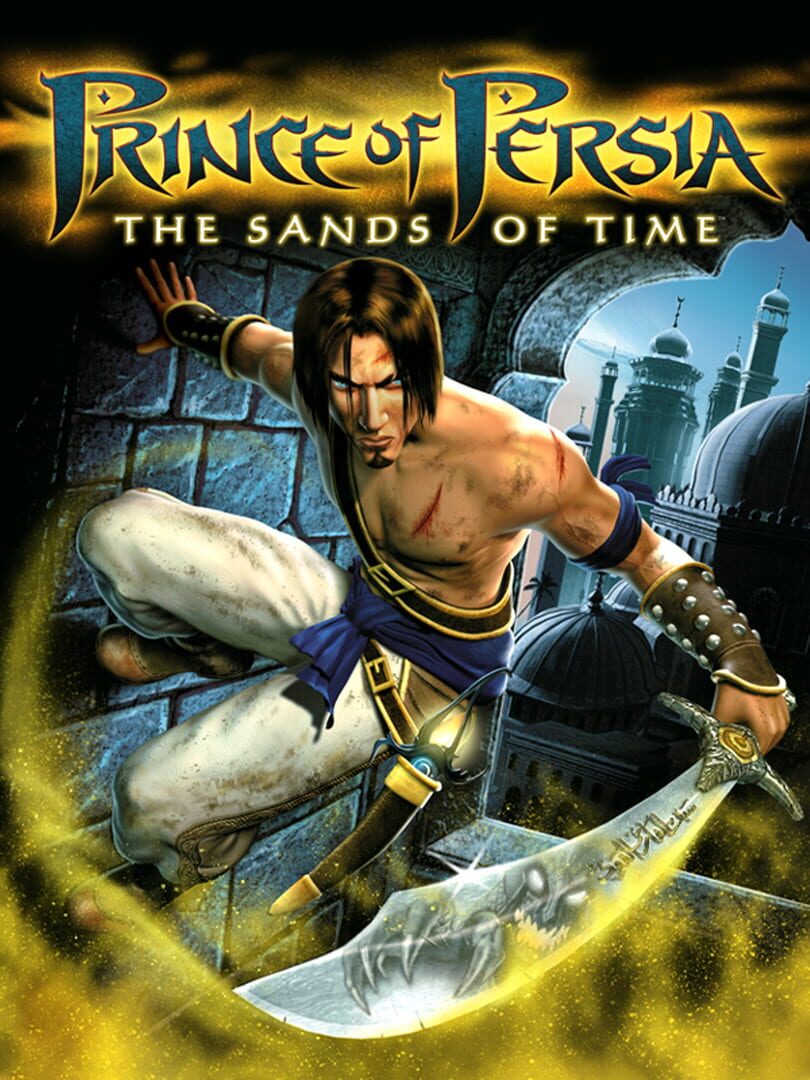
Deceived by the treacherous Vizier, I was led to unleash the Sands of Time curse upon the Sultan's kingdom. With little but an ancient dagger and a devious princess to aid me, I must undo my fatal mistake. Mine is a fight for survival… not glory. • Reverse, accelerate, and slow
Released
November 11, 2003
Developer
Ubisoft Montreal
Publisher
Ubisoft Entertainment


Tagged In
Discussion
0We want to hear from you. Share your perspective in the comments below, and please keep the conversation respectful.
Log in to join the discussion - vote, reply, and share your take.
Log In