
New Steam Update Finally Adds Wishlist Categories
Steam’s new wishlist update adds custom categories, better sharing, improved search, and easier gifting tools.
Steam wishlists are useful until they turn into a list of hundreds of games collected over several years. Sale targets sit beside unreleased projects, forgotten demos, co-op ideas, and games saved after one interesting trailer. Valve has finally added custom categories, giving users a simple way to sort that pile without relying on ranking numbers or broad store filters.
The new system arrives with better search, sharing, and gifting tools, but categories are the change many regular Steam users will notice first. They turn the wishlist from one long page into something closer to a set of personal lists, while also making it easier to show friends and family which games someone actually wants.
Wishlist Categories Make Long Lists Easier To Use
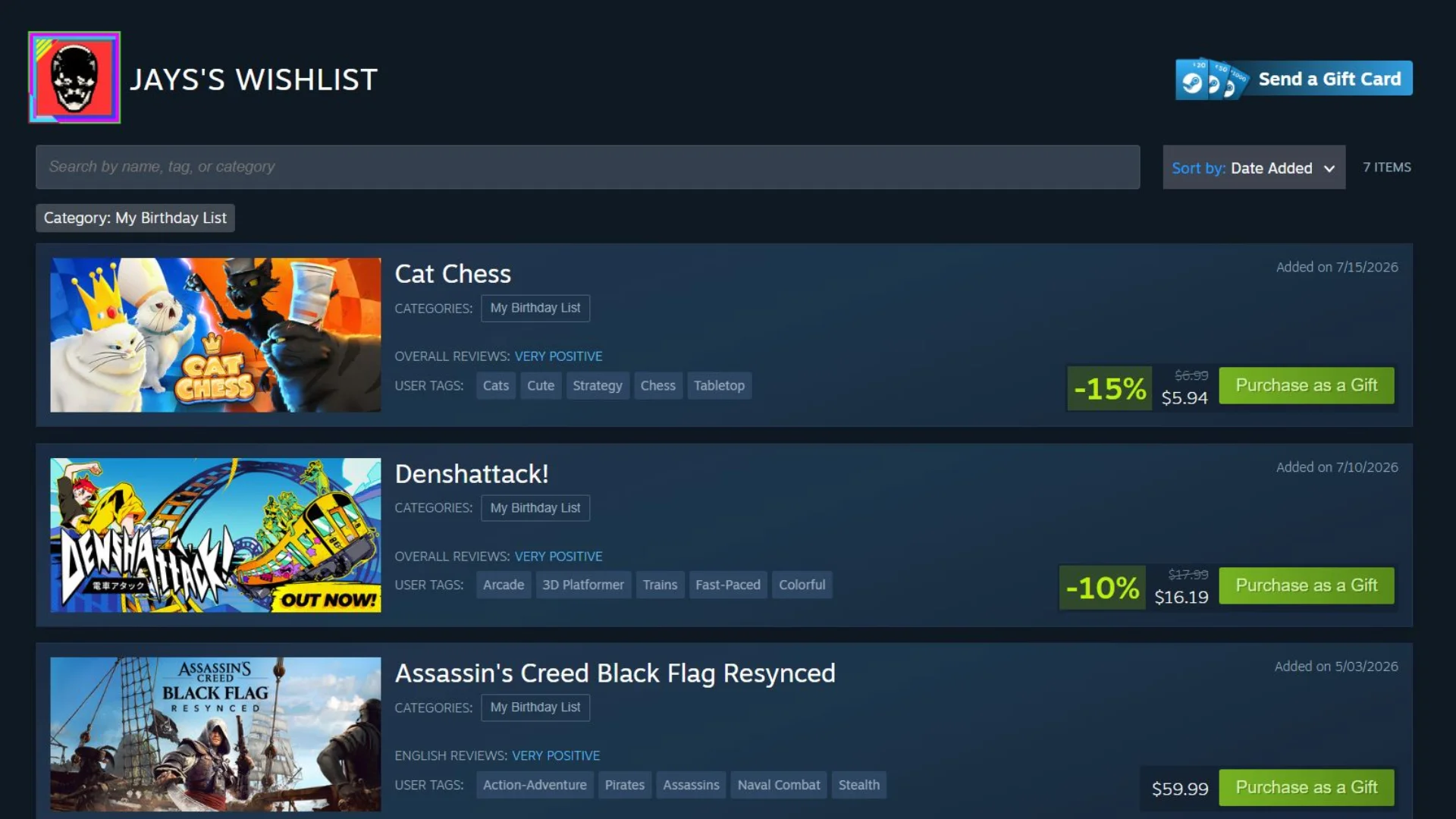
Users can create their own categories and place games into groups that match how they browse and buy. A wishlist can now be split into upcoming releases, games waiting for a sale, controller-friendly picks, co-op options, or titles saved for another person. The names and purpose of each group are left entirely to the user.
That freedom solves a problem Steam's older tools never handled properly. Ranking games helped with favourites, while tags and filters could narrow a search, but neither option worked well for people managing several different kinds of interest at once. Someone with a large wishlist often had to remember why a game was added in the first place.
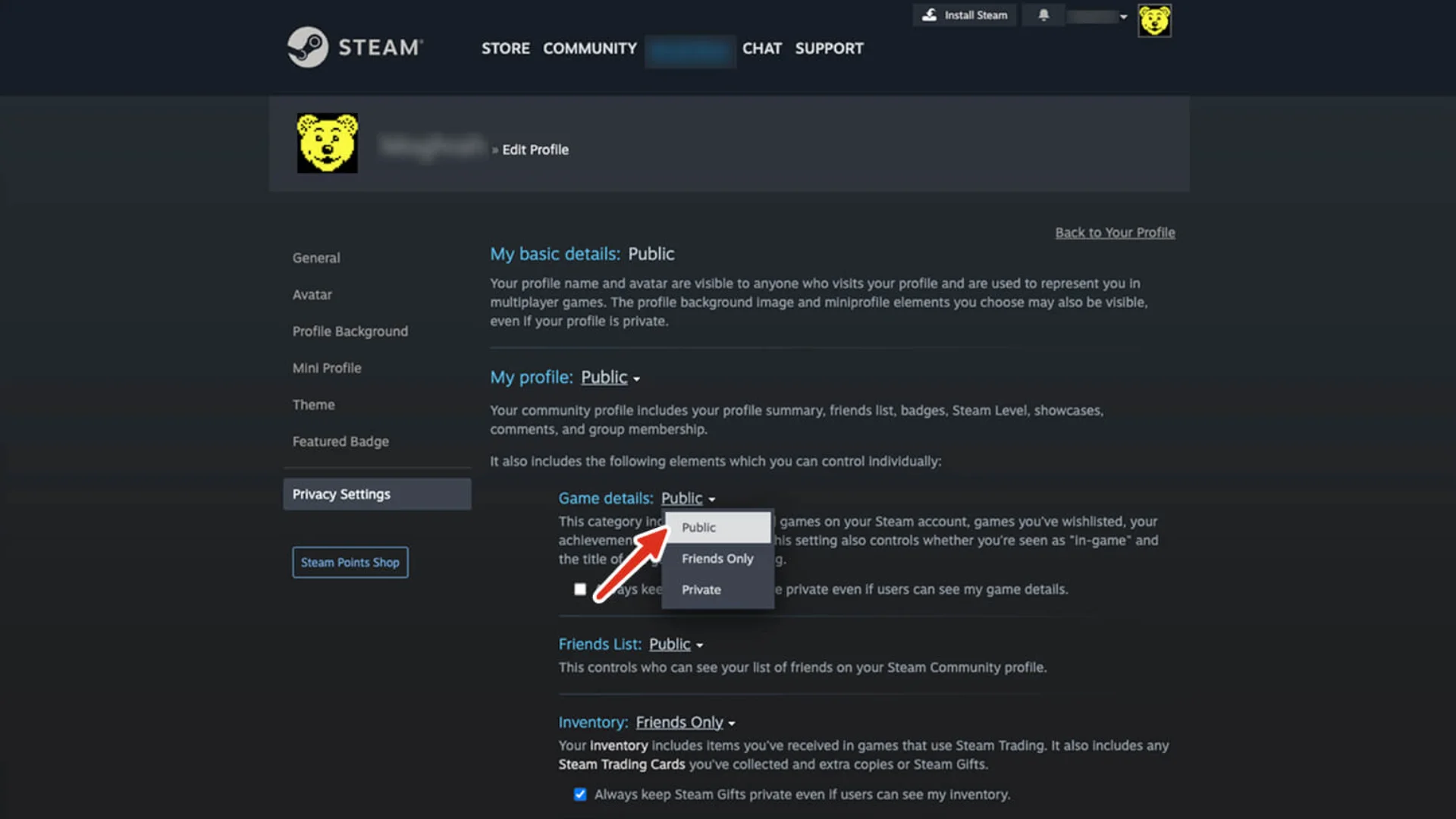
Categories can be managed from the wishlist page or selected through the normal wishlist menu on a game's store page. Notifications can also be limited to chosen groups, so users do not have to receive sale emails for every old title still sitting on the list. It is a small control that should make alerts far less noisy.

Steam users can now share one category or a filtered part of their wishlist instead of exposing the entire page. A birthday list can contain only games someone would genuinely like as a gift, while a separate group can hold early access projects, distant releases, or titles that still need more research before they are worth buying.
Each shared list uses its own link, which works even when the main wishlist is private. The link can be removed later, giving users control over how long it stays active. This is more useful than simply making a full profile public, especially for people who want to share a short list without opening the rest of their account.
The update also improves search with autocomplete, marks games that have demos, and can send a notification when a demo becomes available. Hovering over a game now shows a short trailer, while moving between the browser, mobile app, Steam client, and SteamOS should return users closer to the part of the list they were viewing.
Buying A Gift Is Now Much Less Awkward
The sharing changes connect directly with a larger update to Steam gifting. Someone can open a shared wishlist, choose a game, and complete the purchase without creating a Steam account. The recipient's information is already attached to the shared link, removing the need to exchange usernames or send a friend request before buying a present.
Games and digital gift cards can also be sent through email. The recipient follows the link, signs into an existing Steam account or creates one, and accepts the gift. Any email gift that is not claimed within 30 days is refunded automatically, and future delivery cannot be scheduled through the new system.
Email gifts require the buyer and recipient to live in the same country, while gifts sent across regions still require both people to be Steam friends. Steam now works out the recipient's regional price during checkout, which makes the process better , but international gifting remains more restricted than the new guest option.
Tagged In
Discussion
0We want to hear from you. Share your perspective in the comments below, and please keep the conversation respectful.
Log in to join the discussion - vote, reply, and share your take.
Log In