Ratatan Has Rhythm in Early Access, but It Needs More Time
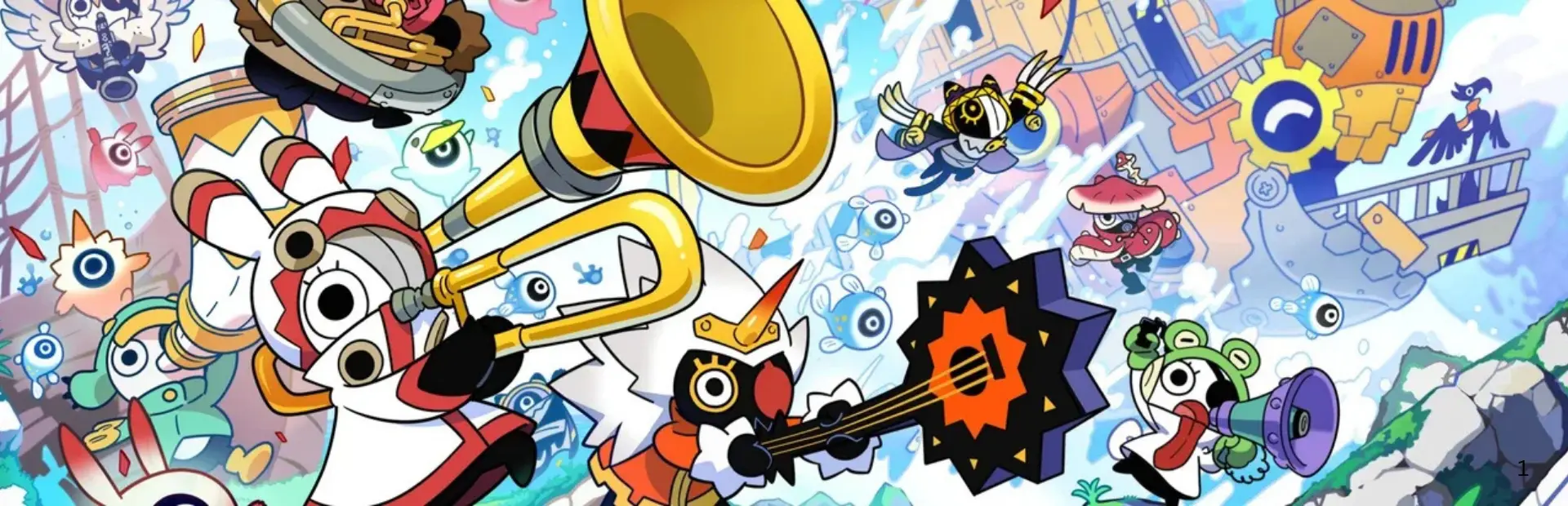
Ratatan blends rhythm-based commands, roguelike progression, and colorful battles into a charming spiritual successor to Patapon.
These things happen in the gaming industry. Ratatan was supposed to leave Early Access on July 16, 2026, but its full release was pushed back to October 15. The developers need additional time to fix bugs, improve multiplayer stability, and polish changes introduced in response to player feedback. Was the delay really necessary?
After spending more than five hours with the current version, I understand the decision. Ratatan has excellent music, a charming visual style, and one of the most original combat systems I have encountered recently. At the same time, its repetitive progression and inconsistent combat readability show that the game has not yet reached its full potential.
This is a review of the Early Access version, not the finished game. It is currently available to anyone with a PC and access to Steam. This is not a closed test reserved exclusively for project backers. The PlayStation 5, Xbox Series X|S, and Nintendo Switch 2 versions will arrive alongside the full release.
Leading an Army Feels Like Conducting an Orchestra
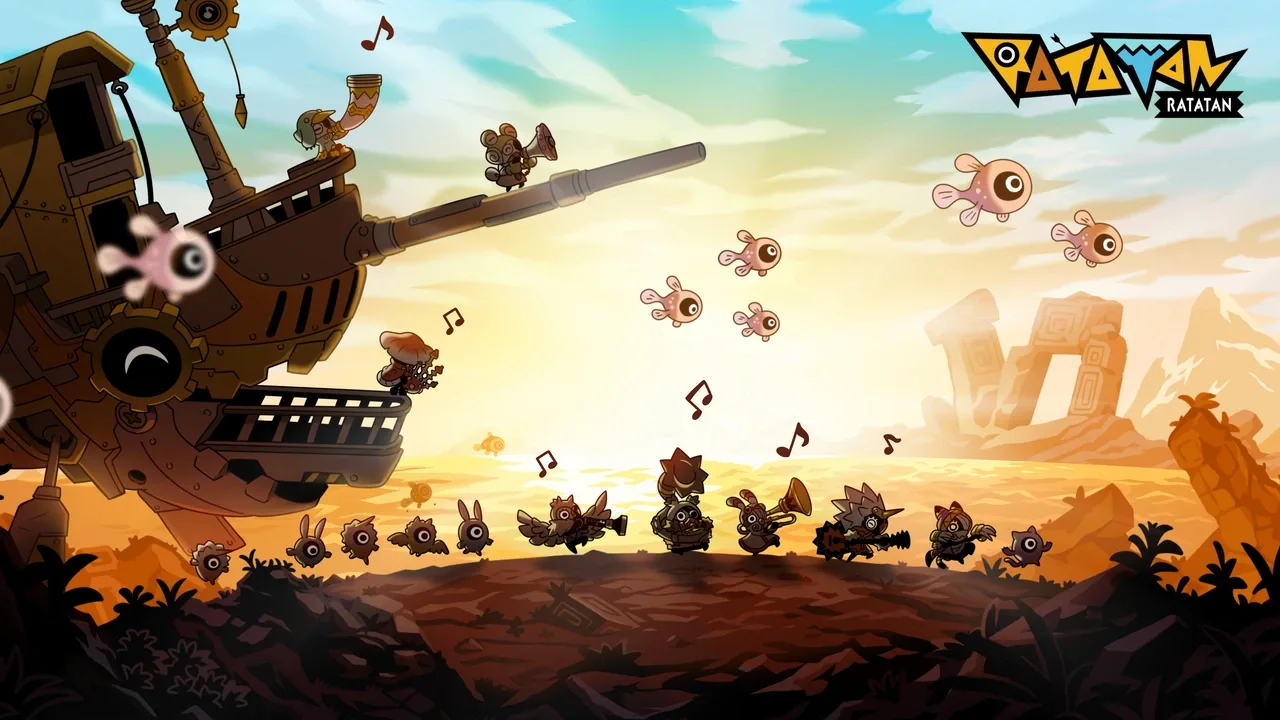
Ratatan is a spiritual successor to Patapon, but it does not simply copy its ideas. Once again, we issue commands to a small army by performing rhythmic sequences. This time, however, the concept has been combined with a roguelike structure. Each expedition consists of consecutive battles, random rewards, and decisions that affect the development of your squad.
I mainly used an offensive Ratatan during my time with the game. That choice suited my playstyle because it allowed me to apply pressure quickly and take advantage of moments when enemies were left exposed. Constantly repeating the attack command is not enough, though. You need to watch the position of your Cobuns and maintain the rhythm. You also need to understand when to pull your army back or prepare its defences.
The first boss fight was the moment when the system began to reveal its potential. I could overwhelm ordinary enemies with attacks, but the boss forced me to watch its movements and interrupt my offensive. Whenever it began preparing a stronger strike, I had to decide whether I had enough time to complete another sequence or whether I should immediately move my Ratatan away and issue a defensive command.
That was when I felt like I was not simply controlling an army, but trying to keep an entire band playing in rhythm. One poorly chosen command could leave the Cobuns completely unprotected. Victory did not depend only on dealing damage. It also required knowing when to stop attacking.
The Music Can Drown Out the Problems
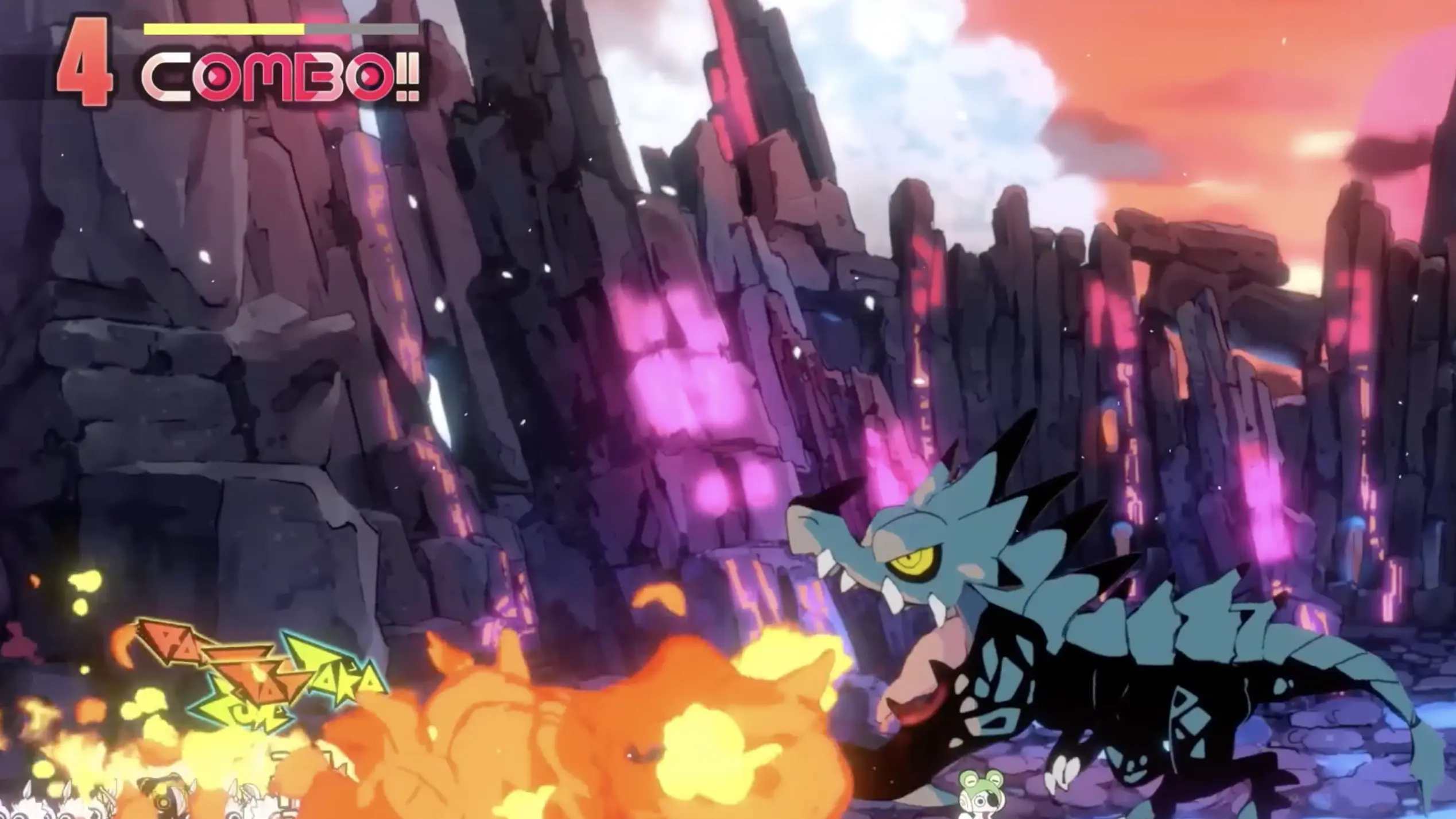
Ratatan's greatest strength is its sound design. The commands, the Cobuns' responses, and the music do not function as separate elements. They combine into a single track that changes as the battle develops. Maintaining a long enough sequence of correctly performed commands activates Fever. The army becomes more effective, while the soundtrack gains additional energy.
This is when Ratatan works at its best. Dozens of small warriors charge in the same direction, visual effects fill the screen, and each new command lands perfectly on the beat. Even a simple encounter can turn into a spectacle unlike anything found in most other games.
The colourful, hand-animated visuals complement the music. Ratatans and Cobuns look like toys, but they have enough personality to prevent the army from feeling like a collection of identical units.
The chaos comes at a cost, however. When more characters and effects appear on the screen, it becomes difficult to notice an enemy preparing an attack. This problem is particularly noticeable during boss fights. Commands are not executed immediately because the rhythmic sequence must be completed first. When I noticed a threat too late, I often no longer had enough time to react properly.
Progression Quickly Becomes a Numbers Game
Between battles, we choose cards that provide new bonuses, elemental effects, and upgrades for the army. At first, every decision feels meaningful. You can increase your damage, strengthen a specific type of unit, or create a build based around a particular element.
Over time, however, the system begins to lose its freshness. Many rewards simply increase damage or other statistics instead of introducing new ways to issue commands. After returning to Rataport, you can craft weapons, improve your squad, and invest in permanent upgrades, but numbers also dominate this part of the game.
As a result, another attempt does not always succeed because I have improved my sense of rhythm. Sometimes I simply need stronger equipment. Replaying earlier stages to collect materials is not especially tiring after only a few hours, but it is easy to see how it could become a problem during a longer playthrough.
The current version includes the core rhythm-based combat system, several playable characters, multiplayer, bosses, progression systems, and worlds leading up to World 5. The developers plan to continue expanding the number of locations, weapons, abilities, and endgame activities.
Co-op Amplifies Both the Fun and the Chaos
Ratatan can be played alone or in online co-op for up to four players. Each person controls their own Ratatan and brings a separate squad of Cobuns, allowing multiplayer battles to feature more than one hundred characters.
Multiplayer suits the game's personality. Ratatan is not a calm rhythm game in which a single mistake immediately stops the music. Co-op further increases the scale of the battles, the number of effects on the screen, and the overall pace of combat. Repeating stages also becomes easier to accept when playing with friends.
It is not the best way to learn the systems, however. With several armies on the battlefield, it becomes difficult to follow your own commands and notice the signals given by bosses. Online stability is also one of the areas the developers are still working on ahead of the version 1.0 release.
Should You Play Now or Wait for the Full Release?
Ratatan already has its own identity in Early Access. Excellent music, charming characters, and rhythm-based army control create a combination that almost no other modern game offers. The first boss fight was enough to show me that beneath the colourful presentation is a system that demands more than simply pressing buttons quickly.
The current version still suffers from repetitive progression, visual chaos, and elements that require further balancing. Fans of Patapon and roguelikes, as well as people planning to play with friends, can consider buying the Early Access version now. Players expecting a complete campaign, greater variety, and more polished multiplayer should wait for the full release scheduled for October 15, 2026.
Ratatan
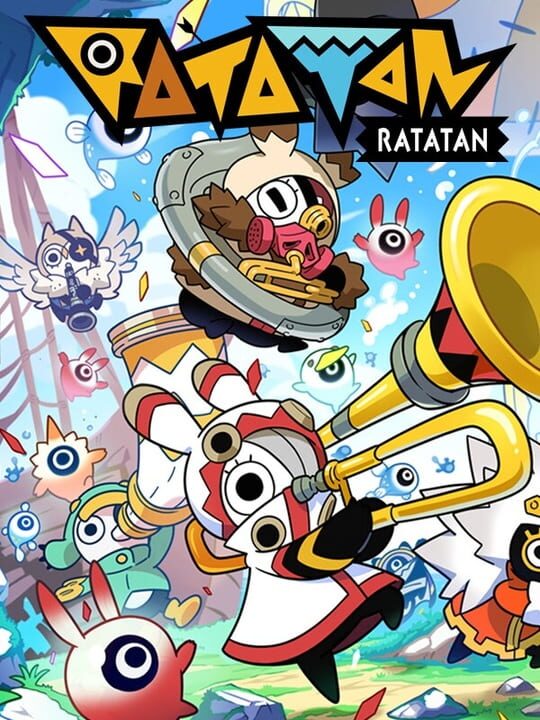
Ratata Arts and TVT have announced Ratatan, a new rhythm action game from the creator of Patapon previously teased as Project JabberWocky.
Released
September 18, 2025
Developer
Ratata Arts
Publisher
Game Source Entertainment


Tagged In
Discussion
0We want to hear from you. Share your perspective in the comments below, and please keep the conversation respectful.
Log in to join the discussion - vote, reply, and share your take.
Log In