The Blood of Dawnwalker makes every hour matter
Rebel Wolves gives its vampire RPG a strong identity through meaningful choices and a world worth saving, even when repetitive combat and technical roughness weaken the experience.
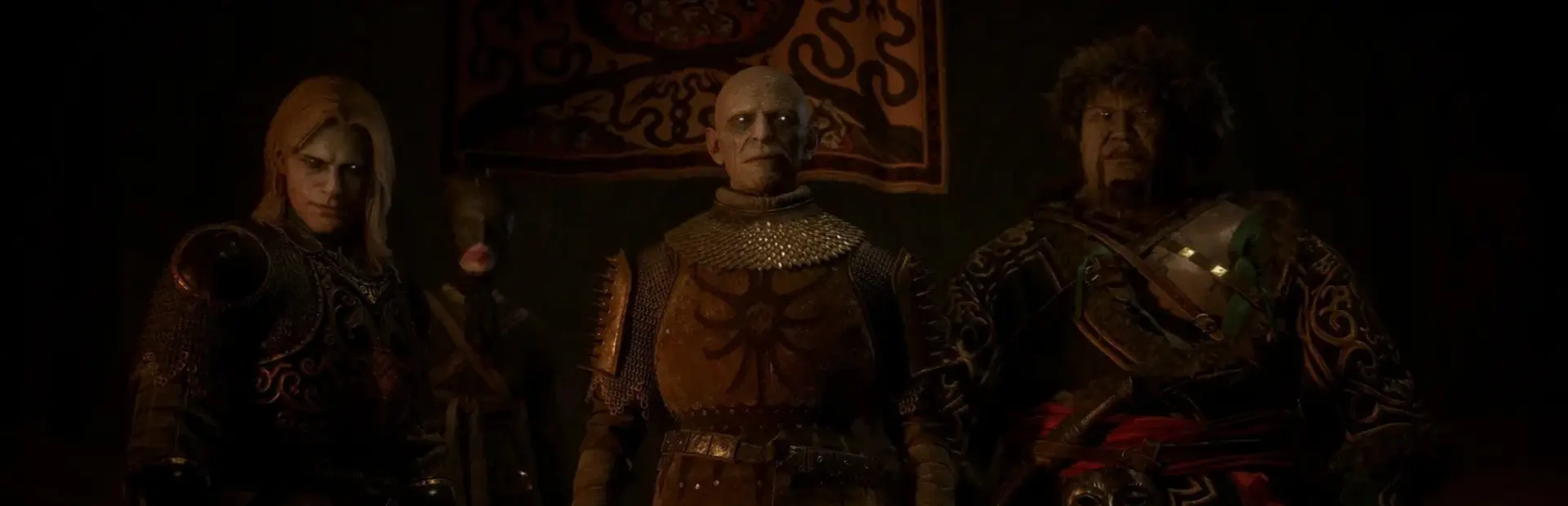
Comparisons with The Witcher 3 were inevitable from the moment Rebel Wolves revealed who was making its first game. The studio includes several CD Projekt Red veterans, and The Blood of Dawnwalker shares that game's taste for regional folklore, compromised characters and unusually involved side quests. Its opening soon establishes a different identity. Coen lives in Vale Sangora, a plague-stricken corner of the Carpathian Mountains where vampires have replaced one brutal ruling class with another. When their leader Brencis takes Coen's family, the newly created Dawnwalker has 30 days and 30 nights to stop him.
That deadline changes how the open world is approached, how Coen develops and which people receive his help. The Blood of Dawnwalker is at its best when several worthwhile problems compete for the same limited hours. It is less convincing when those choices lead back to another stiff group fight or familiar camp-clearing activity. The result is an ambitious debut with excellent worldbuilding and confident quest design, but enough mechanical friction to keep it below the RPGs that inspired it.
Vale Sangora gives the rescue real weight
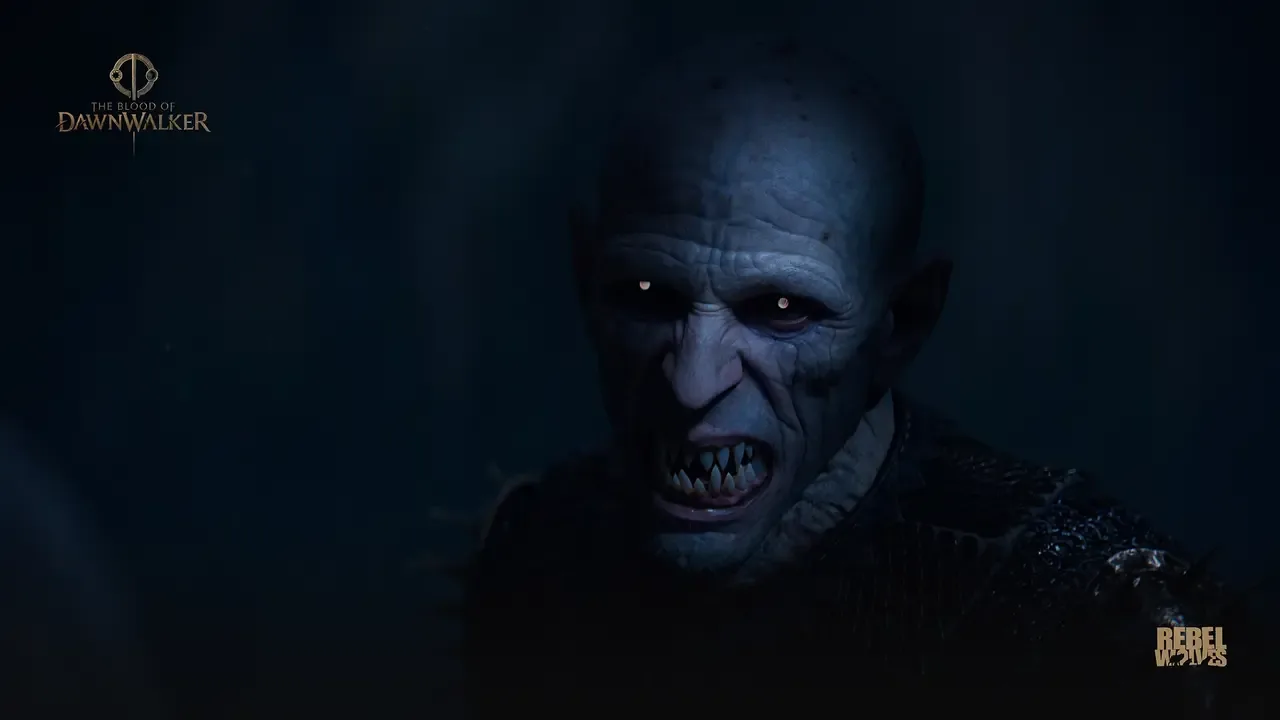
Vale Sangora is not simply a medieval region with vampires dropped into it. Brencis and his followers arrived during war and plague, removed the previous ruler and presented themselves as protectors. The price is a blood tax enforced through fear, ritual and public violence. Some residents see the new order for what it is, while others remember that human nobles were hardly benevolent. That tension prevents the conflict from becoming a simple fight between innocent villagers and obvious monsters.
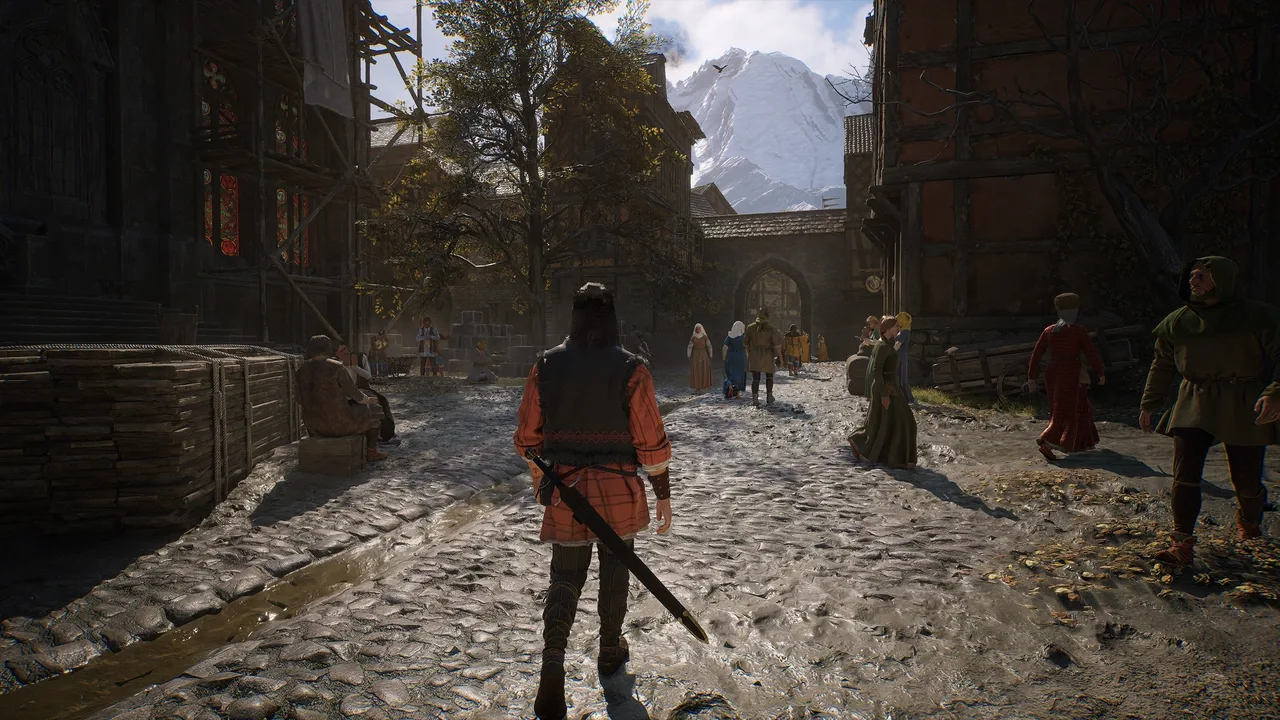
Muddy roads, dense forests, burned homes and imposing religious buildings make the valley feel oppressed without turning every location into the same shade of gray. At night, rooftops, towers and ruined walls become routes rather than scenery. The score supports that mood without constantly announcing danger.
Potential allies have their own priorities, and helping them can reveal uncomfortable motives rather than produce a clean heroic outcome. Coen is more conventional. His devotion to his family gives the plot a clear spine, but his severe personality looks plain beside the stranger people around him. Decisions allow his actions to define him more strongly than his default dialogue does.
Time is the real progression system
Time does not pass while Coen walks, explores or fights. It advances when he commits to meaningful actions. Progressing a quest can consume part of a day, as can opening certain caches or learning a skill. The cost is shown in advance, so the pressure comes from choosing rather than rushing. Exploration remains possible, but completing everything in one playthrough does not.
This solves a familiar open-world problem. Coen cannot credibly be desperate to save his family while spending months collecting every minor reward. Helping a stranger means another lead may remain unresolved. A useful upgrade consumes both skill points and time, so training Coen leaves fewer hours to build alliances or weaken the vampire court.
The opening uses this system particularly well. One day offers more problems than Coen can solve before the village's Blood Mass, teaching that absence can have consequences. Later quests deliver delayed results based on what was completed, ignored or discovered. The system lacks the freedom of Baldur's Gate 3, but it creates a personal route through material that could otherwise resemble a standard map full of objectives.
It is not a perfect clock. Many events wait indefinitely until Coen approaches them, while the generous allowance reduces the threat once the structure becomes familiar. The valley can feel frozen despite the approaching execution. Even so, the limit encourages commitment, makes incomplete quests part of the story and gives a second playthrough a purpose beyond selecting different dialogue options.
Day and night do not feel equally dangerous
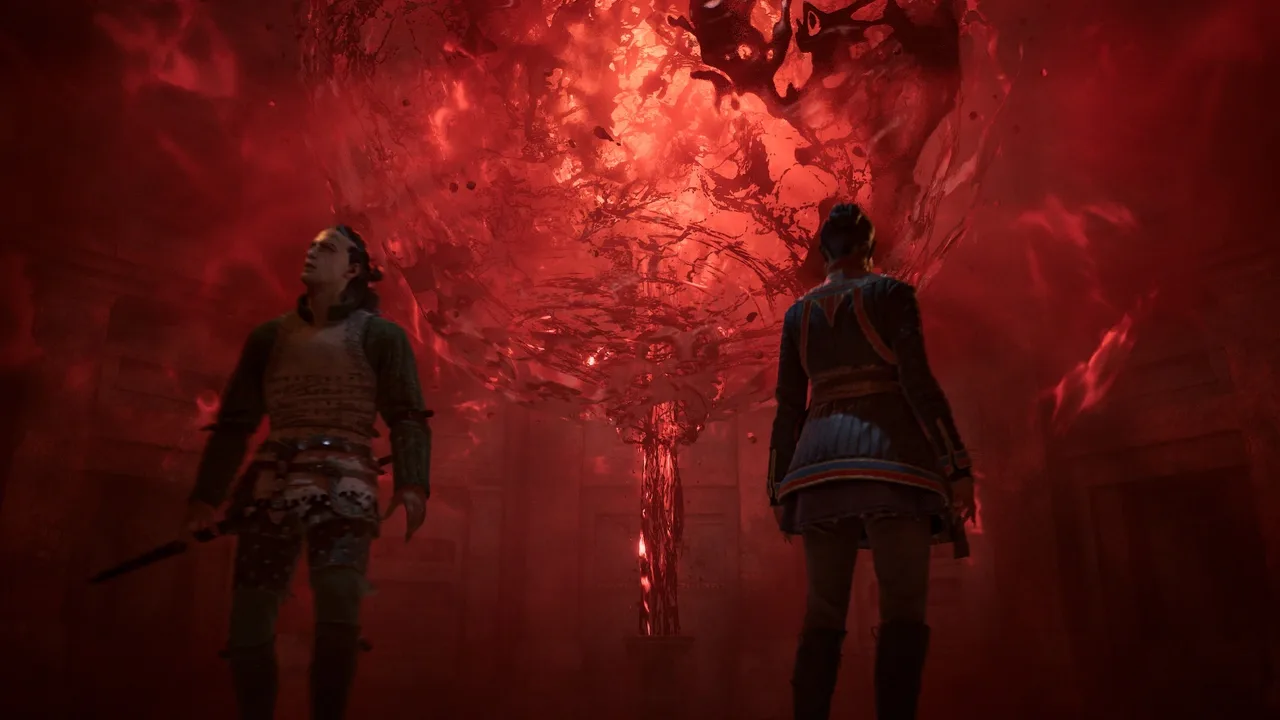
Coen's split nature gives each half of the day a different toolset. In sunlight, he relies on swords and witchcraft. At night, he can use claws, restore health by feeding and cross space with Shadowstep. Moving along walls also opens routes into guarded buildings and elevated areas.
Combat is built around directional attacks and blocks. Matching an incoming strike with a well-timed defense preserves stamina and creates an opening to respond. Duels benefit from the attention this demands, making a difficult opponent feel like an exchange rather than a health bar. Omniattack and omniblock options provide a more accessible alternative.
Problems begin when several enemies enter the same fight. The lock-on camera and Coen's heavy movement struggle to keep the directional system readable, while repeated encounters expose a limited set of reliable tactics. Supernatural abilities add spectacle, but swordplay remains effective enough that the two combat styles never feel completely distinct. Feeding is also too easy to manage. A game interested in the cost of vampirism rarely forces Coen to choose between hunger and humanity.
Traversal has the same gap between concept and execution. Shadowstep is useful and wall-walking looks impressive, but imprecise movement can turn a rooftop route into an awkward fall. Becoming a vampire changes the available paths without transforming the world as dramatically as the premise promises.
The best quests survive the open-world repetition
Longer quests show what Rebel Wolves does well. Investigations reveal alternative entrances, expose secrets and change later confrontations. Decisions are not reduced to a clearly marked good and bad answer, while consequences can arrive long after their cause. These stories make Vale Sangora feel interconnected rather than arranged around Coen.
Smaller activities are less successful. Bandit camps, monster dens and guarded supplies return too often, usually ending with a fight and a container of equipment. The clock makes weak rewards feel worse because an activity can cost part of Coen's remaining life. At its most repetitive, the structure recalls the visible compromises of Dragon Age II.
The launch version carries other signs of a debut made at this scale. Quest triggers can misbehave, lip-sync is inconsistent and frame pacing is not always stable. None of these problems destroys the story, but they interrupt a game built around atmosphere. Patches could remove much of that friction. They cannot add more enemy variety or deepen the morality of feeding, which are the more substantial limitations.
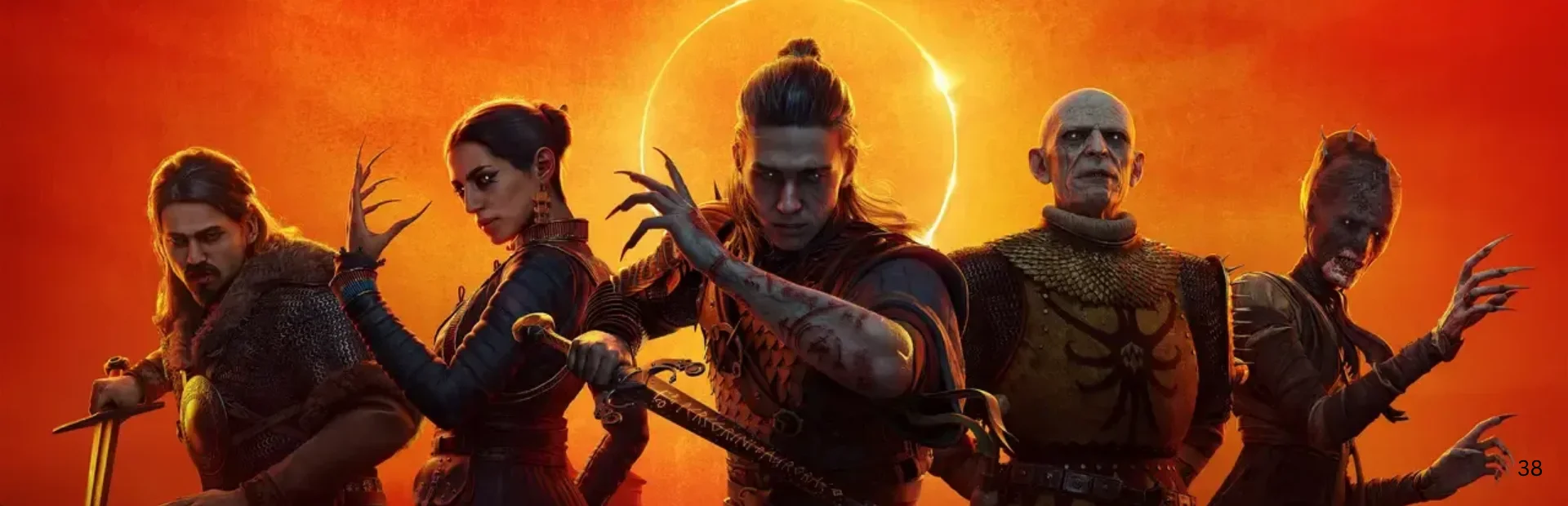
The Blood of Dawnwalker is an impressive but uneven debut
The Blood of Dawnwalker works because its best idea affects more than one system. The deadline turns upgrades into decisions and missed opportunities into part of Coen's story. Vale Sangora has the characters and political detail to support that structure, and its strongest quests reward curiosity with consequences rather than another disposable prize.
Repetitive combat, underused vampire mechanics and a rough launch build keep it from becoming the benchmark its pedigree may suggest. Players looking primarily for fluid action may want to wait for updates. Those who value atmosphere, difficult priorities and authored RPG stories will find much more to admire. Rebel Wolves has not made another The Witcher 3. It has made a flawed world with rules of its own, and those rules make the time spent there matter.
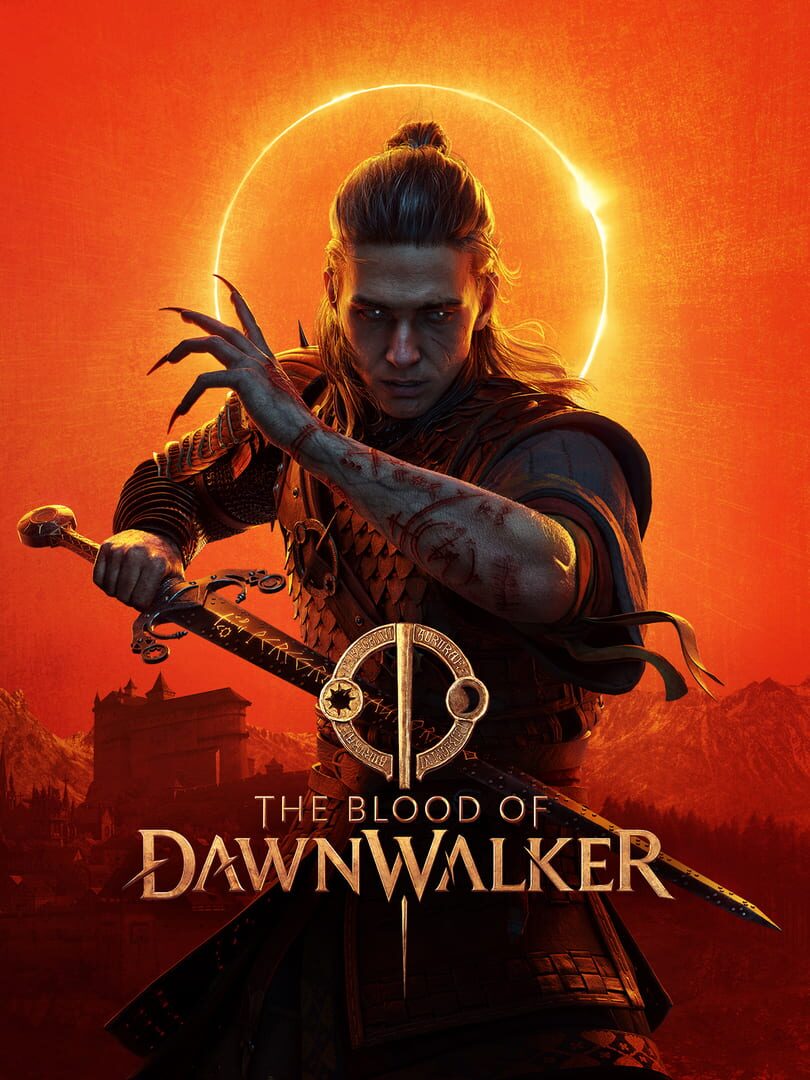
The Blood of Dawnwalker is an open-world dark fantasy action RPG set in 14th-century Europe. You play as Coen, human by day and vampire by night, fighting to save your family in a story shaped by your actions and the secrets you uncover.
Released
September 3, 2026
Developer
Rebel Wolves
Publisher
Bandai Namco Entertainment


Tagged In
Discussion
0We want to hear from you. Share your perspective in the comments below, and please keep the conversation respectful.
Log in to join the discussion - vote, reply, and share your take.
Log In