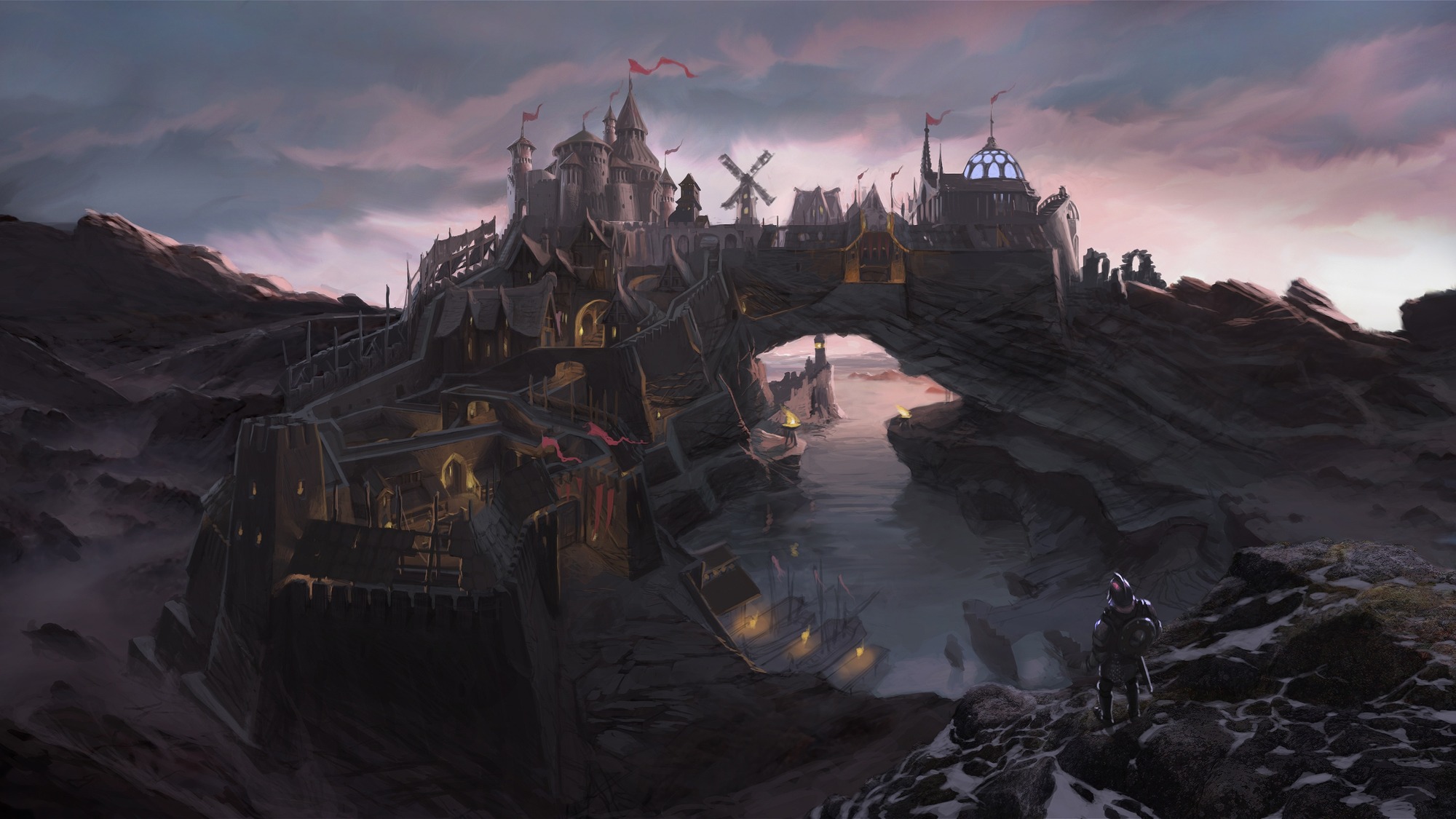
Bethesda Game Studios built a formula that The Elder Scrolls VI must reinvent
From Morrowind to Skyrim and Starfield, Bethesda Game Studios helped define modern open-world RPGs. With The Elder Scrolls VI approaching, the studio faces growing pressure to reinvent its familiar formula.
Bethesda Game Studios helped define modern open-world RPGs with The Elder Scrolls and Fallout, building vast worlds where exploration often proved more rewarding than following the main story.
This approach reached its peak with The Elder Scrolls V: Skyrim in 2011. With more than 65 million copies sold, Skyrim remains one of the most successful RPGs ever made. Its freedom to explore and thriving modding community have kept players returning for more than a decade.
Bethesda has struggled to match that success in recent years. Fallout 76 suffered a troubled launch, while Starfield's enormous universe failed to capture the same sense of discovery for many players. With The Elder Scrolls VI now its biggest project, the studio faces the challenge of recapturing what made its earlier worlds so compelling while modernizing its RPG formula.
Profile Snapshot
- Founded: 2001, following the separation of Bethesda Softworks' development and publishing operations
- Headquarters: Rockville, Maryland, United States
- Parent company: Microsoft, through ZeniMax Media
- Creative director and executive producer: Todd Howard
- Signature franchises: The Elder Scrolls, Fallout, and Starfield
- Technology: Creation Engine 3 for upcoming major RPGs
- Current projects: The Elder Scrolls VI: Sentinel, Fallout 5, and continued Starfield support
Morrowind established Bethesda's open-world identity
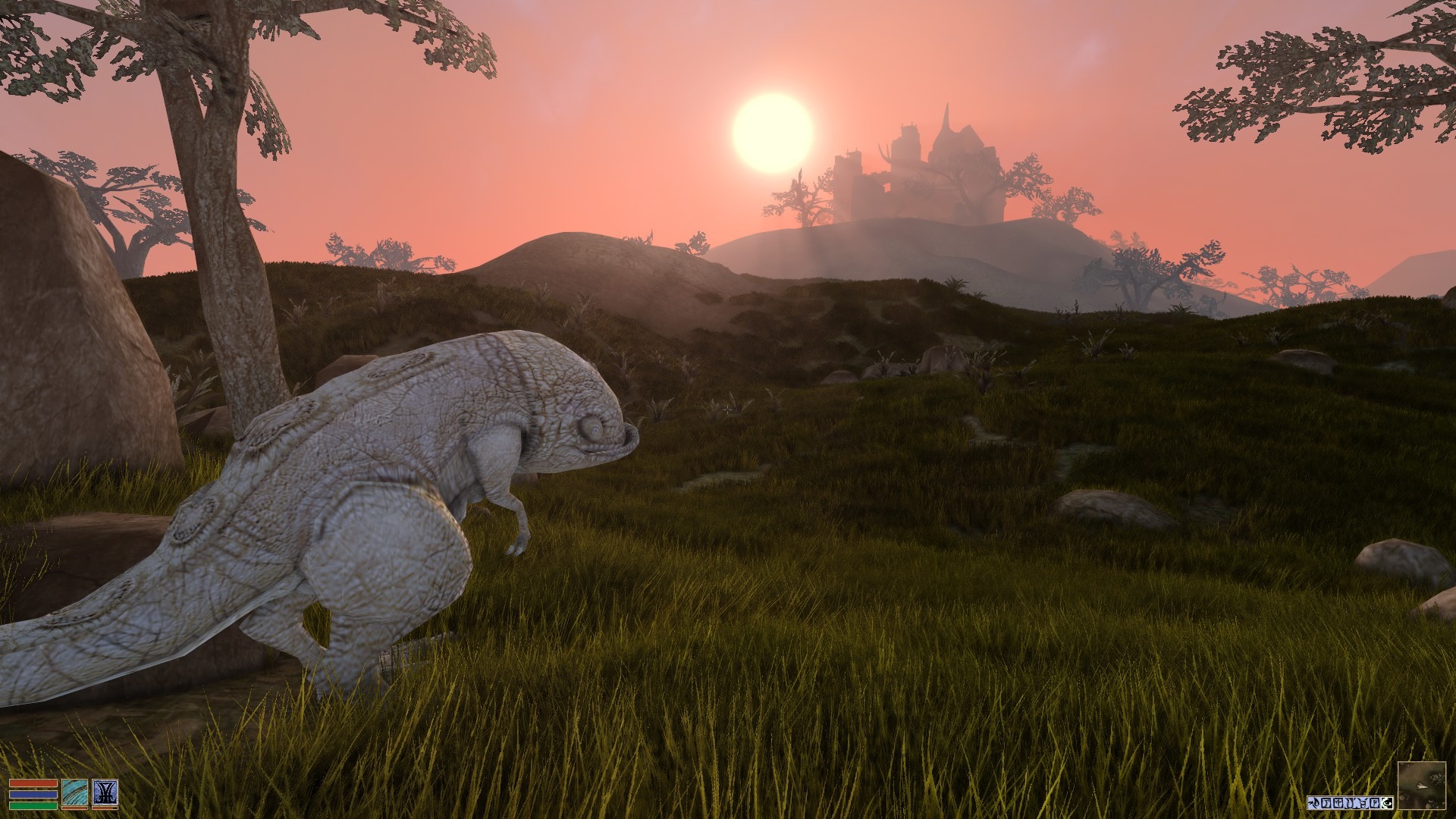
Bethesda was building enormous fantasy worlds long before Skyrim. The original Elder Scrolls games, Arena and Daggerfall, used procedural generation to create huge environments. Players had incredible freedom, but much of the world lacked the handcrafted detail that would later define the series.
That changed with The Elder Scrolls III: Morrowind in 2002. Bethesda abandoned the earlier emphasis on sheer geographical size and created the strange island of Vvardenfell, filled with enormous mushrooms, unusual creatures, and competing political factions.
Exploration required genuine curiosity. Quest instructions often described landmarks rather than placing convenient markers on a compass. Players could wander into dangerous territory, join rival organizations, or spend hours exploring without advancing the main story.
Morrowind also helped establish Bethesda on consoles through its Xbox release. Its success demonstrated that complicated PC-style RPGs could attract a broader audience without abandoning the freedom that made them appealing.
The studio carried that philosophy into Oblivion in 2006, introducing more accessible quests and a fully voiced cast. The world became easier to navigate, though some of Morrowind's unusual atmosphere was lost along the way.
Fallout 3 proved the formula could work anywhere
Bethesda's next major challenge involved a completely different franchise. After securing the rights to develop a new Fallout game, the studio transformed the series from an isometric RPG into a first-person open-world adventure.
Released in 2008, Fallout 3 brought the post-apocalyptic wasteland to life using the technology and design principles developed for Oblivion. Players emerged from Vault 101 into a devastated Washington, D.C., where ruined buildings concealed stories about the world before the nuclear war.
The V.A.T.S. targeting system preserved elements of the original games' tactical combat while making gunfights manageable for players unfamiliar with traditional RPG mechanics.
Bethesda also became particularly effective at environmental storytelling. Exploring an abandoned house might reveal what happened to its former occupants through notes or scattered belongings. Entire stories could unfold without a conversation or quest marker.
Fallout 3 proved that Bethesda's approach wasn't limited to medieval fantasy. The studio had developed a recognizable style of RPG built around exploration and unexpected discoveries.

Skyrim turned exploration into a worldwide phenomenon
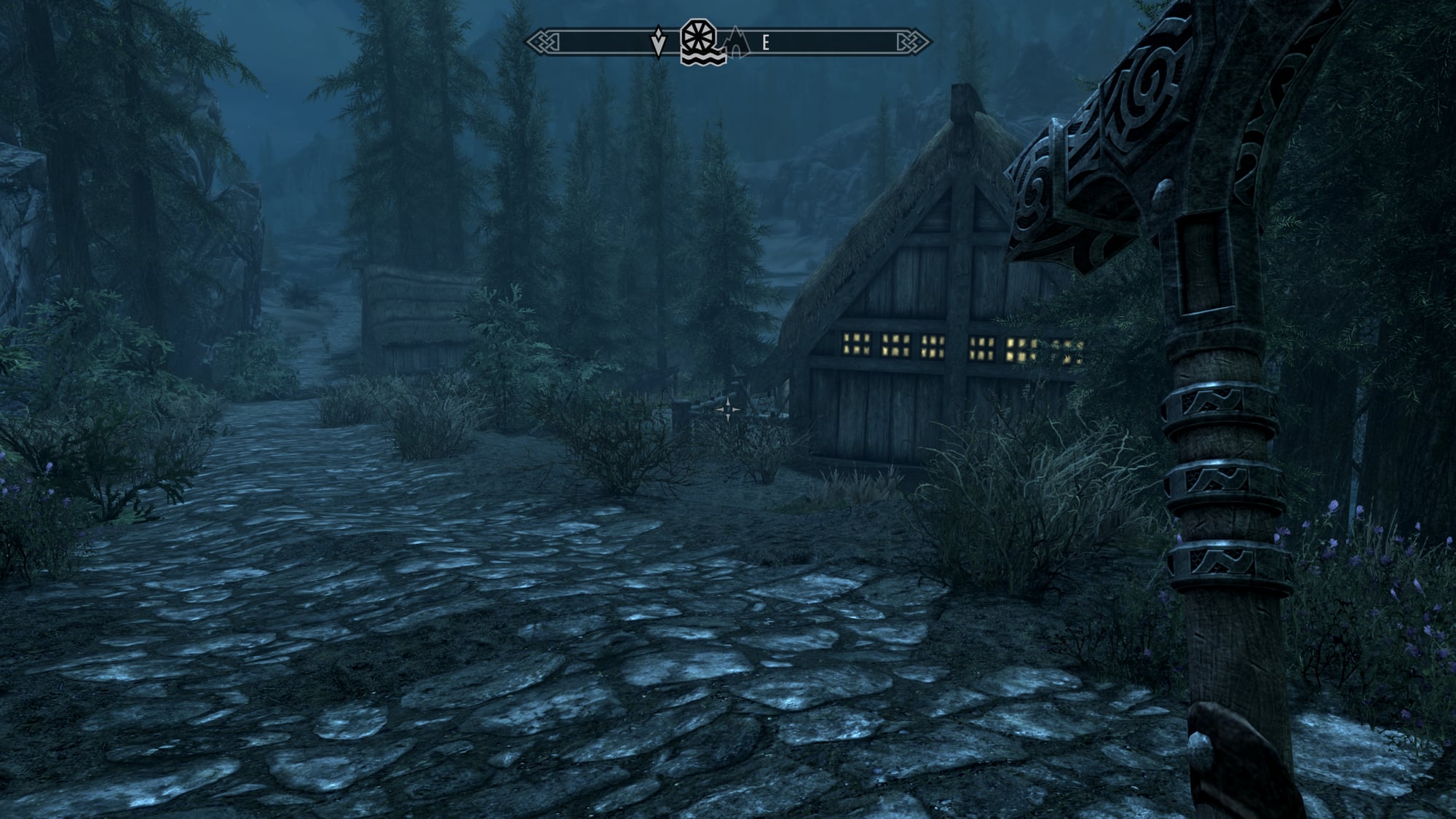
Skyrim refined that style into Bethesda's most successful game. Its snowy mountains and ancient ruins offered countless distractions from the central quest to defeat Alduin.
The studio also simplified character progression. Instead of choosing a restrictive class, players improved skills by using them. Someone who spent hours sneaking through dungeons naturally became better at stealth, while experimenting with magic opened different possibilities.
Bethesda's quest design also encouraged wandering. A seemingly ordinary conversation could lead to an elaborate storyline, while discovering a hidden cave might introduce an entirely unexpected adventure.
The game's popularity continued long after release, supported by expansions, rereleases, and an enormous modding community. Players created new quests and gameplay systems, extending Skyrim far beyond its original content. Its success established expectations that would become increasingly difficult to satisfy. Bethesda had created a world that players could return to for years, and every subsequent RPG would be measured against it.
Fallout 76 and Starfield revealed the formula's weaknesses
The first major warning arrived with Fallout 76 in 2018. Bethesda attempted to bring its familiar wasteland exploration into an online multiplayer environment, but the launch suffered from technical problems and widespread criticism.
The absence of traditional human NPCs also left the world feeling unusually empty for a Bethesda RPG. Later updates, particularly Wastelanders in 2020, introduced voiced characters and expanded the game's storytelling. Bethesda continued supporting the multiplayer experiment, but its troubled beginning damaged confidence in the studio.
Starfield presented a different problem when it launched in September 2023. Bethesda promised an enormous science-fiction adventure featuring more than 1,000 planets. However, traveling between locations often required loading screens, while procedurally generated environments could feel repetitive.
The game still contained familiar Bethesda strengths, including faction questlines and extensive character customization. However, the enormous scale sometimes worked against the discovery-driven exploration that made Skyrim so appealing.
Its first expansion, Shattered Space, received mixed reviews in 2024. Critics praised elements of its atmosphere but questioned whether it addressed the original game's weaknesses. Bethesda has continued improving Starfield, introducing additional content and overhauling space travel through the 2026 Free Lanes update. The studio reported more than 17 million players by July 2026, although that figure includes Game Pass users rather than representing copies sold.
The Elder Scrolls VI faces a very different RPG market
Bethesda announced The Elder Scrolls VI in 2018, but development remained largely out of public view while the studio concentrated on Starfield. In November 2026, the company finally revealed the title, The Elder Scrolls VI: Sentinel, without announcing a release date.
The studio has confirmed that most of its developers are now working on the next Elder Scrolls adventure. It is also developing Creation Engine 3, a new version of its proprietary technology intended to support multiple projects and improve development tools. Meanwhile, Fallout 5 remains in preproduction, and Bethesda has announced another Fallout project in collaboration with Obsidian Entertainment.
The long wait creates enormous pressure. Games such as Elden Ring and Baldur's Gate 3 have demonstrated new approaches to player freedom, while Bethesda's own releases have shown the limitations of relying too heavily on familiar systems.
Sentinel remains years away, with Bethesda warning that more information will take time. The studio has spent two decades refining its distinctive approach to open-world RPGs, but Starfield showed that scale alone can no longer guarantee memorable exploration. Its next fantasy adventure will need to make wandering through an unfamiliar world as compelling as it was when players first stepped into Vvardenfell or Skyrim.