Credit: Bethesda Game Studios
featureFeature
Bethesda's New Course Could Make Its Biggest Franchises Even Bigger
July 8, 2026·Updated September 14, 2026·5 min read
Bethesda is shifting toward bigger franchises like Fallout, The Elder Scrolls and Doom as Xbox cuts jobs and demands clearer returns.
Microsoft is cutting 4,800 jobs, with Xbox expected to account for 3,200 of them. For Bethesda, this means fewer projects can get the same amount of time, budget and staff as before.
In an internal memo to staff, Bethesda executive Jill Braff said the company needs to "change course" and work from a more stable foundation.
She linked the shift to the hard reality of modern game development: higher costs, longer production cycles and players who are losing patience with major releases that arrive unfinished, poorly supported or simply not worth the wait.
The memo goes further than layoffs. Bethesda is now weighing which franchises are worth the time, budget and staff needed for modern blockbuster development. Smaller series may have a much harder time getting greenlit.
Bethesda is moving toward franchise-first planning
Bethesda's old model was largely studio-first. Bethesda Game Studios made the big RPGs, id Software made Doom, Arkane made immersive sims and MachineGames worked on Wolfenstein. Each studio had its own identity and creative direction.
A franchise-first model starts somewhere else. The first question becomes: which IP has the biggest long-term value? That changes the order of decision-making. Instead of asking what a studio wants to make next, Bethesda looks at which franchises can support the biggest audience, the strongest release plan and the clearest return on time and budget.
This does not mean every studio loses its identity. It means projects are judged more directly against Bethesda's wider portfolio. Fallout, The Elder Scrolls and Doom are easier to defend in that model because they already have large audiences and clear commercial value. Smaller or dormant series have a harder case to make.
The business reason is straightforward. Big games now take longer, cost more and need longer post-launch support. Bethesda wants to focus more on the franchises with the strongest long-term value.
The Clear Winners: Fallout, Elder Scrolls & Shooters
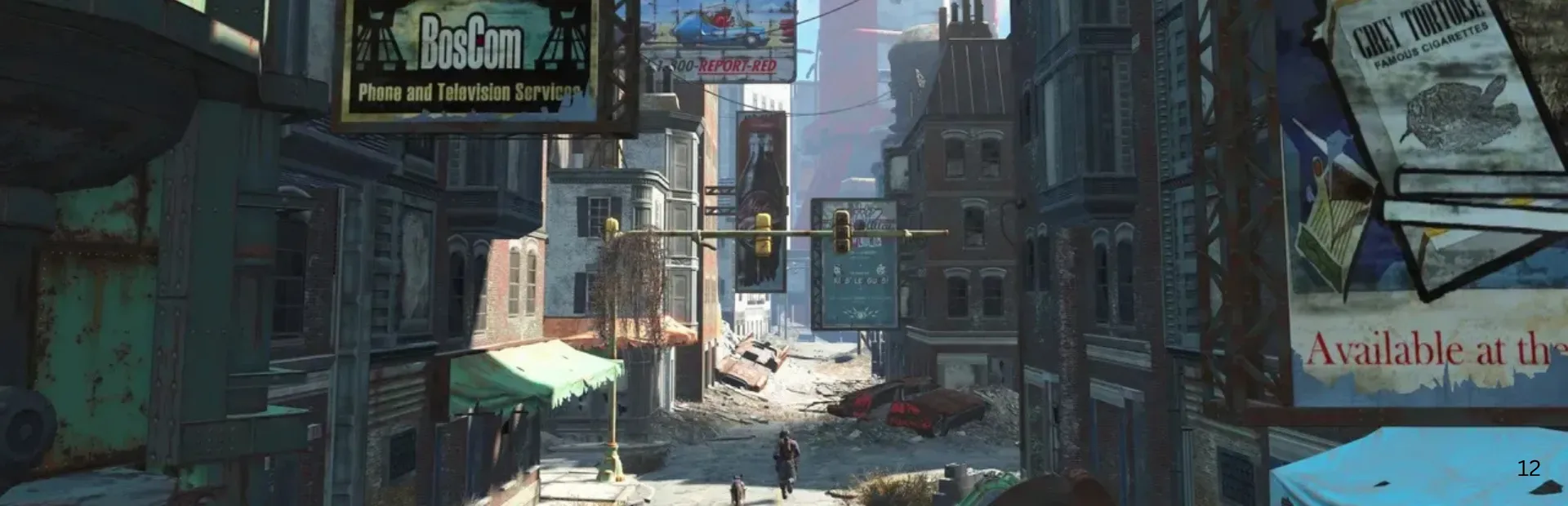
The most obvious beneficiaries are Fallout and The Elder Scrolls. Both franchises have enormous audiences, long histories and years of pent-up demand.
The Elder Scrolls 6 has been known to exist for years, but it still feels distant to players who have been waiting since Skyrim. Fallout has a different kind of momentum after the success of the TV series, which brought the franchise back into mainstream attention even before the next mainline game had anything to show.
A franchise-first Bethesda would have every reason to treat those two series as pillars. They are not only games. They are long-term worlds that can support sequels, expansions, remasters, TV tie-ins, merchandise, online communities and Game Pass value.
More focus on these giants will not make the next Fallout or Elder Scrolls appear overnight. These are still massive games.
But it could mean more remasters, spin-offs, expansions or partner-led projects while the main teams work on the next big entry. For fans, that beats another decade of "still waiting for The Elder Scrolls 6" memes.
The Trade Off: Efficiency vs. Personality
More focus on Fallout, The Elder Scrolls and Doom could help Bethesda move faster. The bill comes due elsewhere.
Games like Dishonored, Prey and Hi-Fi Rush survive inside a publisher because someone accepts a weaker spreadsheet. They are harder to forecast, harder to market and less likely to carry a ten year plan. Their value sits in a sharper idea, a specific audience and the chance that a smaller bet becomes the game people remember.
A franchise first Bethesda leaves less room for that kind of bet.
When money and staff move toward the brands with the clearest return, the odd project has to prove itself before it exists. A new stealth game, a strange immersive sim or a rhythm action surprise no longer competes only against other new ideas. It competes against another Fallout expansion, an Elder Scrolls remaster or a Doom project with a built-in audience.
Safety has a price. Players may get the games they have been asking for, maybe with shorter waits between major releases. But Bethesda could lose the awkward, risky side of its publishing label, the side that produced games nobody was asking for until they played them.
Microsoft's influence is now impossible to ignore
Bethesda's shift is not only a Bethesda story. It sits inside Xbox's need to make its biggest bets pay off. Microsoft spent billions buying ZeniMax and Activision Blizzard, and now owns a huge library of games, studios and recognizable names. That puts more pressure on every part of the business to show clear value.
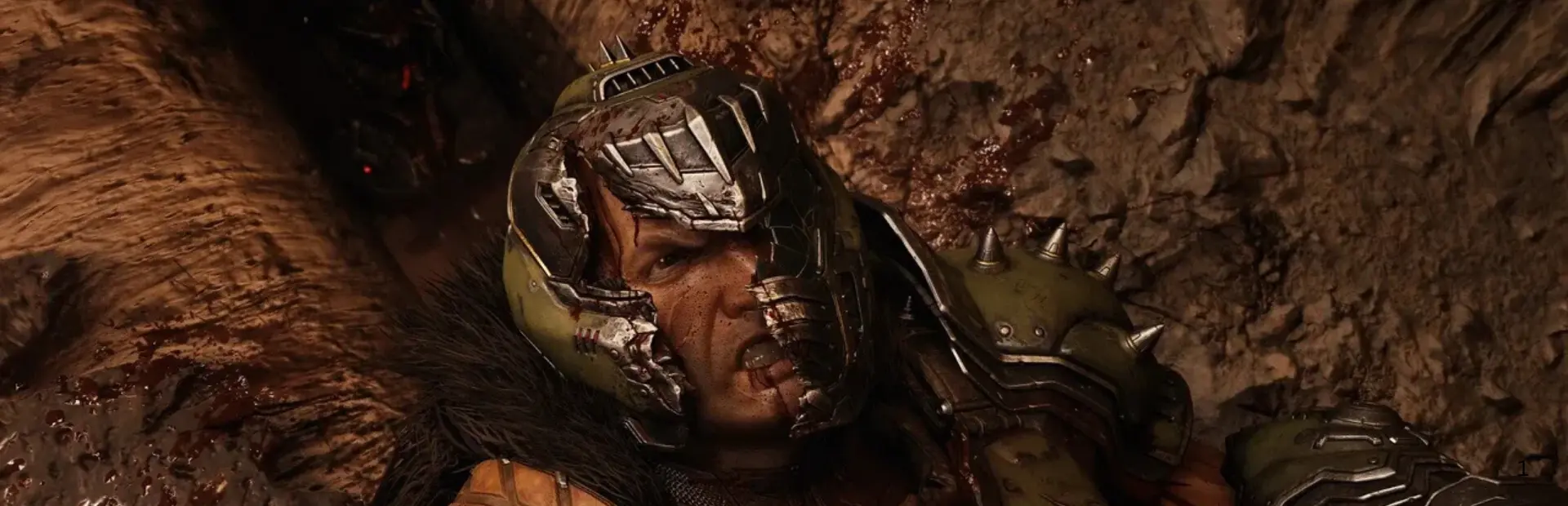
For Xbox, big franchises are easier to use. Fallout, The Elder Scrolls and Doom can sell games, fill Game Pass, support DLC and keep players inside the Microsoft ecosystem. They are also easier to market and easier to measure than smaller one-off projects.
That explains why Bethesda's new direction fits the current Xbox model. The company is being pushed toward the brands that can justify long-term investment. Smaller games can still happen, but they now have to make a much stronger case.
Bethesda's future looks bigger, but narrower
Bethesda's future may become simpler to understand and easier to predict. The company is moving toward fewer bets with clearer value, shaped by Xbox's need to make its biggest franchises work harder. That could make Fallout, The Elder Scrolls and Doom stronger, better supported and less likely to disappear for years.
The trade off is variety. A more efficient Bethesda may deliver the games fans keep asking for, but the wider portfolio could lose some of the strange, risky projects that made the publisher worth watching between blockbusters.
Tagged In
BethesdaFalloutXbox
Discussion
0We want to hear from you. Share your perspective in the comments below, and please keep the conversation respectful.
Log in to join the discussion - vote, reply, and share your take.
Log In