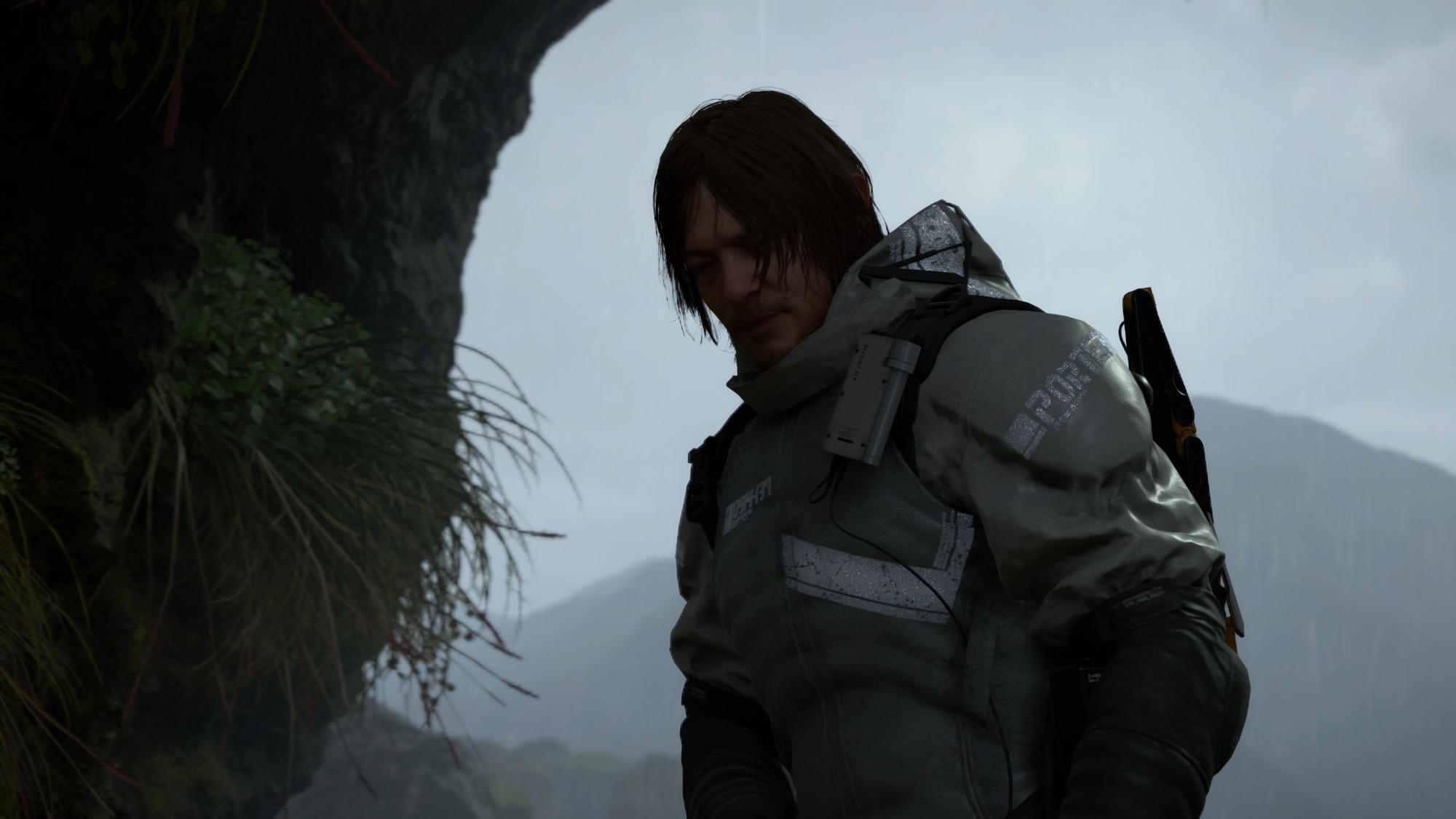
Kojima Productions built its own kind of blockbuster after leaving Metal Gear
Hideo Kojima left Konami with no franchise and no engine, built Death Stranding on his own terms, and now relies on Xbox for PHYSINT and OD after Sony pulled funding.
Hideo Kojima's independent studio found success with Death Stranding, an unconventional adventure that showed how far a big-budget game could depart from familiar formulas.
In Death Stranding, delivering a package can take longer than defeating an enemy. Players must balance their cargo, choose a route through dangerous terrain, and occasionally spend several minutes climbing a mountain. It's an unusual foundation for a blockbuster, especially from the creator of Metal Gear Solid.
Yet this was the first game Hideo Kojima chose to make after leaving Konami and establishing his own studio in 2015. Instead of returning to familiar stealth action, Kojima Productions built an entirely new franchise around exploration and cooperation. More than a decade later, the studio is developing several ambitious projects, although its independence still depends heavily on partnerships with major publishers.
Profile Snapshot
- Founded:December 16, 2015
- Founder: Hideo Kojima
- Headquarters: Tokyo, Japan
- Ownership: Independent game development studio
- Key creative figures: Hideo Kojima and art director Yoji Shinkawa
- Signature games: Death Stranding and Death Stranding 2: On the Beach
- Upcoming projects: OD - KNOCK and PHYSINT, both developed in partnership with Xbox
Leaving Konami meant starting over
Hideo Kojima spent nearly three decades at Konami, where he developed the Metal Gear franchise into one of gaming's most recognizable series. Its combination of stealth mechanics and elaborate storytelling established his reputation for ambitious game design.
However, his relationship with Konami deteriorated during the development of Metal Gear Solid V: The Phantom Pain. Following a highly publicized separation, Kojima left the company in December 2015.
The split meant losing access to the technology and franchises he had spent years developing. Metal Gear remained with Konami, while the planned horror game Silent Hills had already been canceled.Kojima established an independent studio under the familiar Kojima Productions name, bringing several longtime collaborators with him, including character designer Yoji Shinkawa.
Sony quickly announced a publishing partnership for the studio's first project. The agreement provided financial backing and a PlayStation 4 console exclusive, allowing Kojima Productions to pursue an ambitious new game. Technology was another challenge. Without access to Konami's Fox Engine, the studio partnered with Guerrilla Games, the developer behind Horizon Zero Dawn. Guerrilla shared its Decima engine and collaborated with Kojima Productions on further development.
Death Stranding turned deliveries into an adventure
Death Stranding arrived in November 2019, starring Norman Reedus as Sam Porter Bridges. Set in a fractured version of America, the game follows Sam as he reconnects isolated settlements following a supernatural catastrophe. Instead of filling the adventure with constant shootouts, Kojima Productions made traveling itself the central challenge.
Sam carries packages across mountains and rivers, carefully managing their weight while avoiding dangerous terrain. Players can use ladders and ropes to overcome obstacles, eventually gaining access to vehicles and more elaborate equipment.
Every delivery requires preparation. Carrying too much equipment can make Sam unstable, while a poorly chosen route might damage valuable cargo. The mechanics deliberately slow the experience down. A journey that looks simple on the map can become complicated when heavy rain or difficult terrain gets in the way.
The game also featured an impressive cast, including Mads Mikkelsen and Léa Seydoux, with cinematic performances supporting its elaborate science-fiction narrative. Kojima Productions had created a big-budget adventure in which careful movement and problem-solving were often more important than combat.
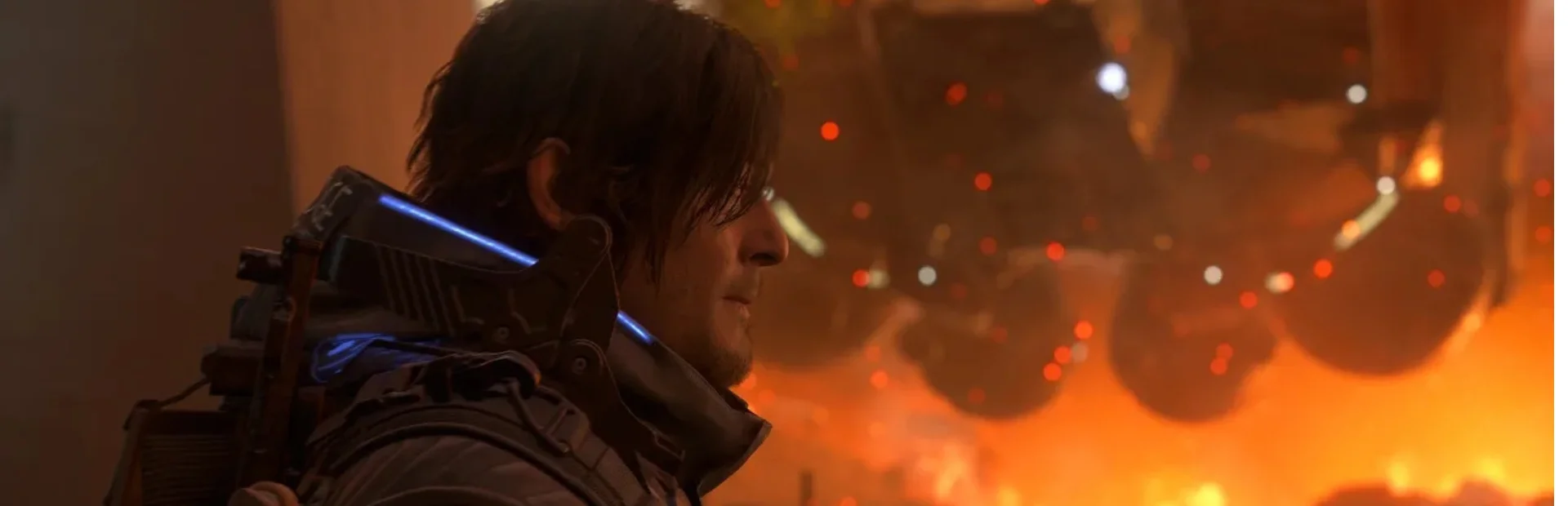
Building connections without traditional multiplayer
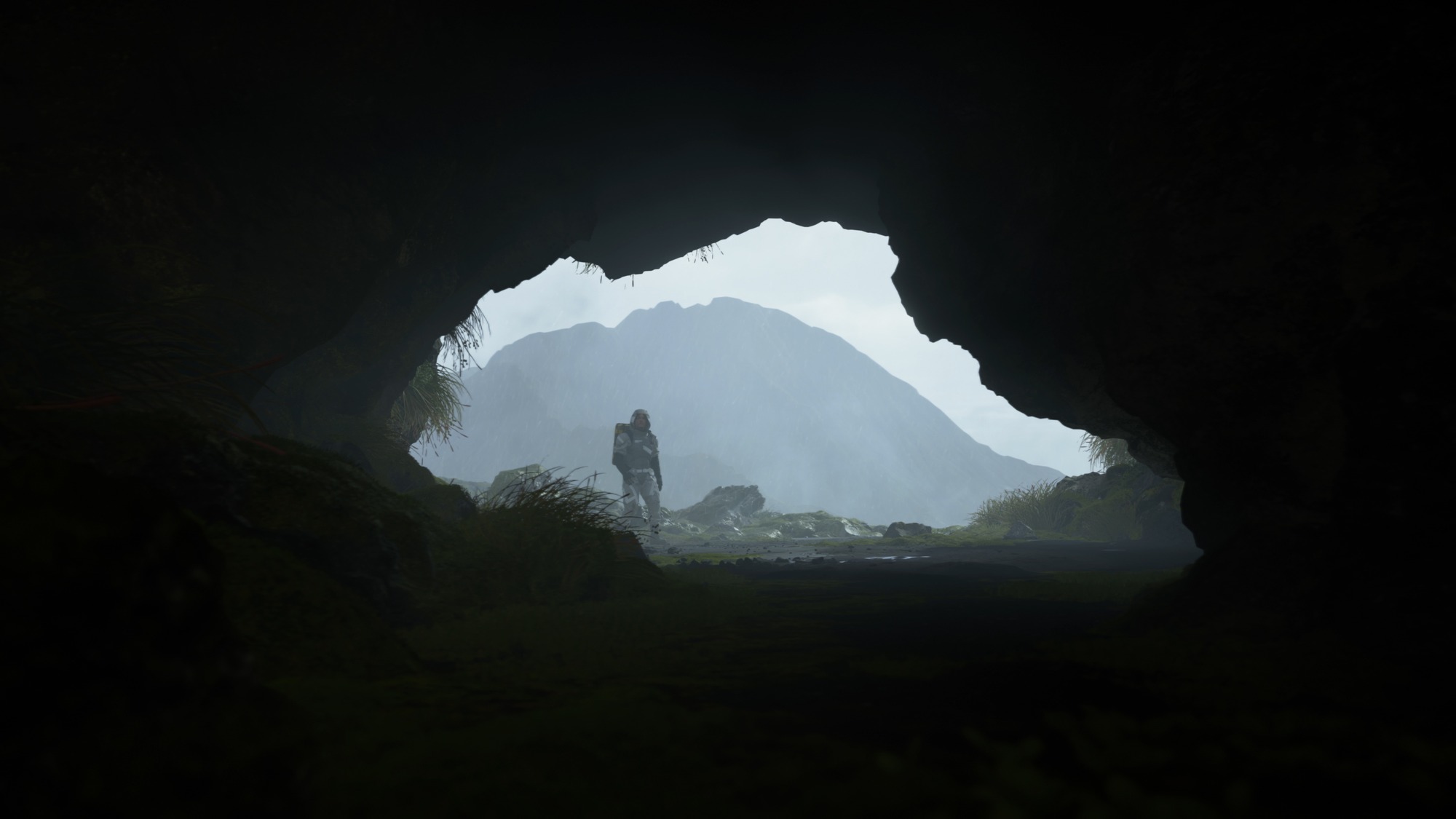
The most unusual part of Death Stranding was its approach to online interaction. Players explore the world alone, but structures built by other people can eventually appear in their own games. Someone might leave a ladder across a dangerous river, while another player contributes materials to a bridge or highway.
These contributions make traveling easier without requiring direct cooperation. Players can also give likes to helpful structures, encouraging a strange form of social interaction in an otherwise lonely world.
It's a clever system that supports the story's central theme of rebuilding connections between isolated communities. Helping another player becomes part of the gameplay, even when neither person knows who the other is. The reception was divided. Critics praised the atmosphere and originality, but others found the repetitive deliveries exhausting. Its lengthy cutscenes and complicated storytelling also tested players' patience.
Commercially, however, the concept found a substantial audience. The original game sold more than five million copies by March 2021 and eventually reached additional platforms. By November 8, 2026, Kojima Productions reported more than 28 million players across the Death Stranding series. That figure includes subscription-service players rather than representing direct sales.
Death Stranding 2 refined the original experiment
Following the first game's success, Kojima Productions returned with Death Stranding 2: On the Beach in June 2025. The sequel expanded Sam's journey into Mexico and Australia while revisiting the complicated consequences of connecting humanity.
The basic delivery mechanics remained, but the studio introduced more opportunities to approach situations differently. Vehicles became easier to access, combat was more responsive, and players gained additional equipment to navigate dangerous environments. Improved gunplay also allowed those who preferred direct action to fight rather than avoid every encounter.
Kojima explained that the original game had introduced players to an unfamiliar style of adventure. The sequel could therefore offer more freedom without abandoning its distinctive mechanics.
Visually, the improvements were substantial. New weather effects and a dynamic day-night cycle made exploration more unpredictable, while the Decima engine continued to produce remarkably detailed environments.
Reviews were generally positive, although some critics felt the story revisited too many familiar ideas. The unusual pacing and extensive dialogue remained divisive. The PC version followed in March 2026, bringing Kojima Productions' unusual science-fiction adventure to a wider audience.
Independence comes with financial risks

Despite its success, Kojima Productions remains dependent on major publishing partners to finance its games. That relationship became particularly complicated in June 2026, when Sony unexpectedly withdrew funding for PHYSINT, an upcoming espionage action game originally announced as a PlayStation collaboration.
In a September interview with The Washington Post, Kojima described his surprise at the decision and explained that the loss of funding had raised concerns about the studio's future.
Kojima Productions disputed reports suggesting that budget problems, missed deadlines, or disappointing Death Stranding sales had caused Sony's withdrawal. The company stated that it remained financially healthy and profitable.
Fortunately, the project found another publisher. Xbox, already working with Kojima Productions on its horror project OD, agreed to support PHYSINT. No employees were laid off following the change. The situation exposed a difficult reality for independent developers working on expensive games. Creative control offers considerable freedom, but projects of this scale still require substantial outside investment.
OD and PHYSINT open a new chapter
Kojima Productions is developing two new projects beyond Death Stranding. OD - KNOCK is an experimental horror game with Xbox Game Studios and filmmaker Jordan Peele, while PHYSINT marks Kojima's return to espionage action. Neither has a confirmed release date.
The studio is also expanding Death Stranding into film through a partnership with A24. Its unusual approach to blockbuster games remains intact, but Sony's withdrawal from PHYSINT highlighted the financial risks of independence. Securing reliable publishing partners will be crucial as Kojima Productions pursues its next ambitious projects.