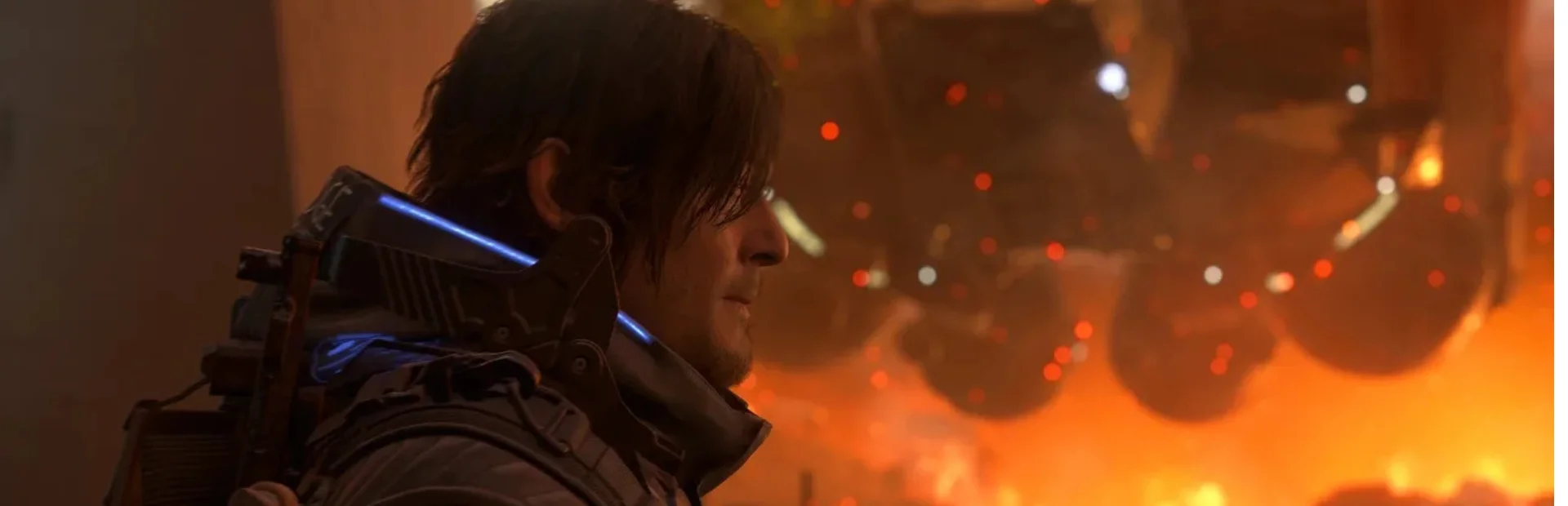
Credit: Kojima Productions
reviewReviewdeath-stranding-2-on-the-beach
Death Stranding 2 is better when it stops explaining itself
June 4, 2026·Updated September 15, 2026·7 min read
Death Stranding 2: On the Beach is easier to enjoy than the first game, but not always easier to respect. It is smoother, stranger in bigger ways, and more willing to give me weapons, vehicles, gadgets, and spectacle. It also explains itself too often, as if Kojima Productions is nervous that I might miss the point of a world built almost entirely around points.
That tension follows the whole game. When I am alone with a delivery route, watching the terrain change under my boots and making small decisions that only matter because the journey is mine, Death Stranding 2 can be hypnotic. When it stops me for another long scene that says what the gameplay has already made clear, I started to feel the strain. This is still one of the most singular big-budget games around, but its best ideas are often quieter than the story around them.
The journey is still the heart of the game
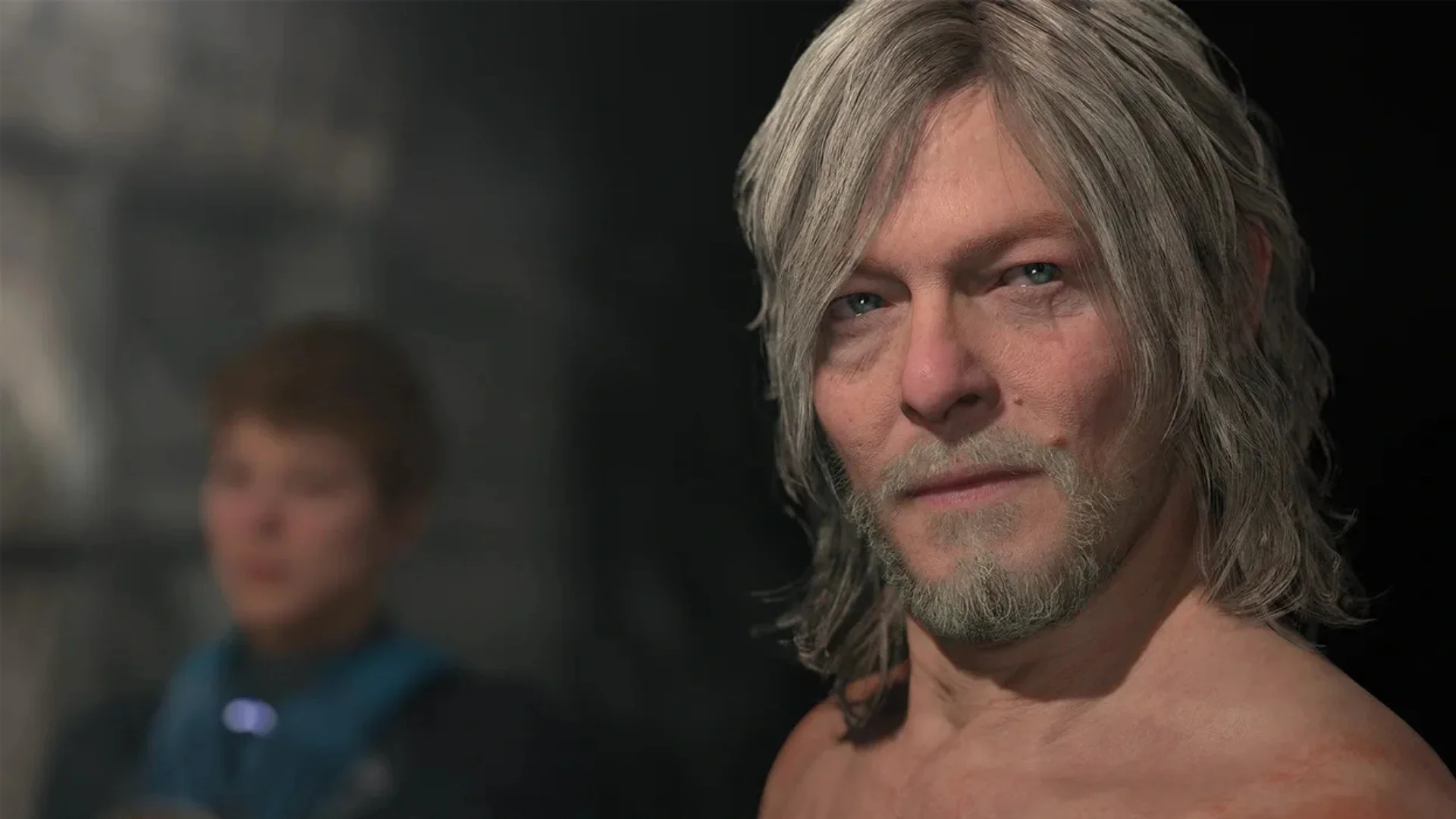
The best part of Death Stranding 2 is still the act of moving through the world. That sounds simple, but few games make walking, planning, carrying, and arriving feel this deliberate. I am not just going from one marker to another. I am studying slopes, weather, cargo weight, battery life, enemy routes, and the small panic of realizing I have taken a bad path too far to turn back comfortably.
That loop remains strangely satisfying. A delivery that looks simple on the map can turn into a whole story once the ground starts fighting me. Maybe I packed too much. Maybe the vehicle cannot handle the route. Maybe another player’s bridge saves the trip at exactly the right moment. The game turns inconvenience into memory, and that is still its strongest trick.
The sequel makes that process more flexible. There are more tools, more ways to approach a route, and fewer stretches where the game seems determined to make me suffer for choosing the wrong path. I appreciated that generosity. I also missed some of the old discomfort. The first game’s roughness made every successful route feel hard-earned. Death Stranding 2 often feels better to play, but sometimes less severe in the way that made the original linger.
Australia is beautiful, but less lonely
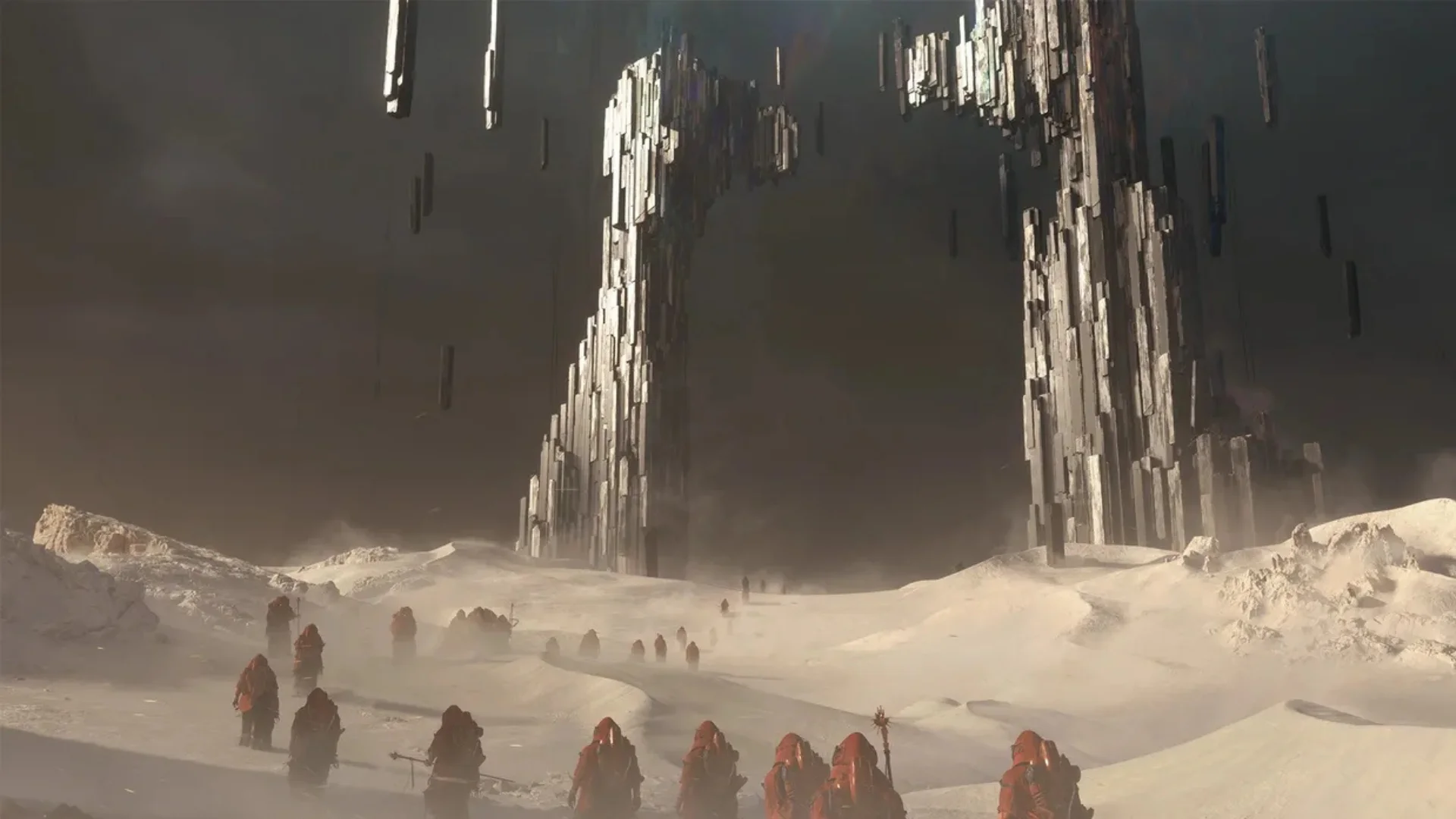
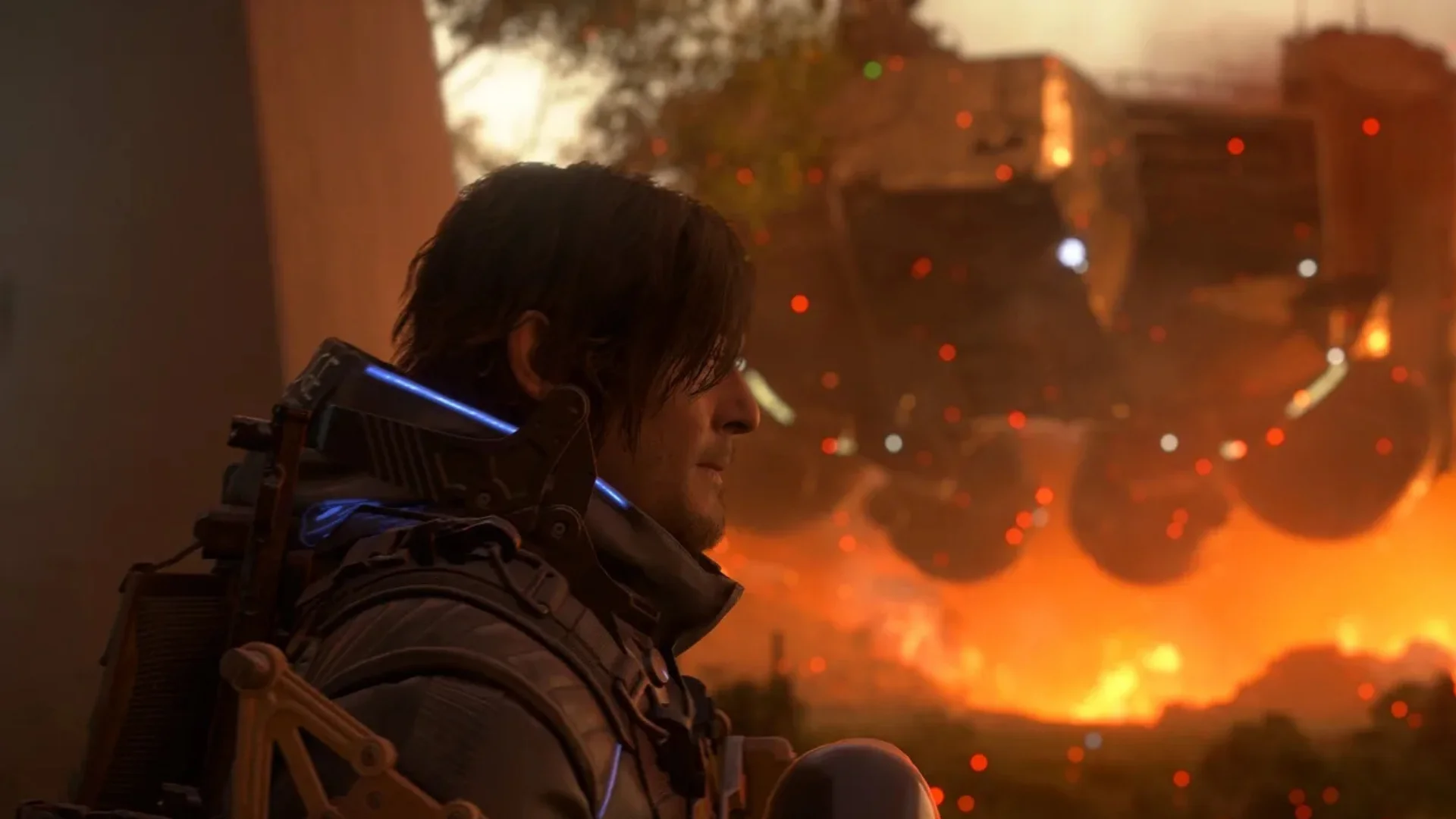
The new regions are stunning. The landscapes are wider, harsher, and more dramatic, with terrain that gives the journey a different mood from the first game’s America. Rivers, dust, cliffs, storms, mountains, ruins, and open stretches all push back in their own ways. It is a gorgeous game, but the beauty works because it is rarely just decoration.
What surprised me is how much less lonely it feels. That is partly the point. Death Stranding 2 is more populated, more talkative, and more eager to keep the story moving. There are companions, systems, callbacks, and emotional threads pressing into the journey more often. The world still feels vast, but it does not always feel empty in the same haunting way.
I liked the added life, but I missed the silence. The original made isolation feel heavy. This sequel is more comfortable keeping me entertained. That makes it more approachable, and probably more fun for more players, but it also changes the emotional temperature. I was impressed by the world constantly. I felt swallowed by it less often.
Combat is better, but not the reason to play
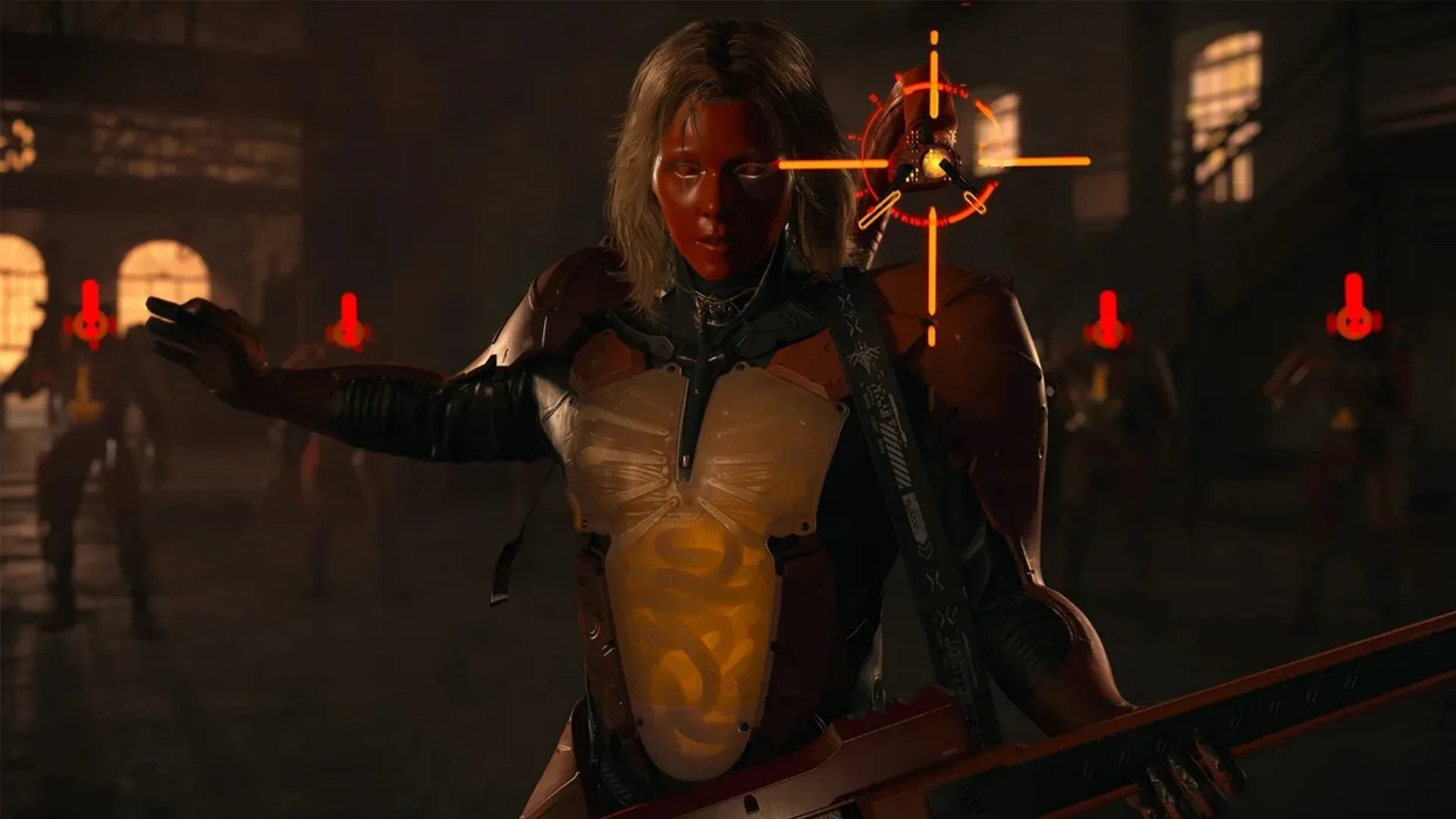
The combat is much stronger this time. Shooting, stealth, gadgets, and encounters all feel more capable, and the game gives me enough options to handle danger without feeling like I am trapped in an undercooked action system. I did not dread hostile areas the way I sometimes did before.
That improvement helps the pacing. A route can shift from careful traversal to a firefight or stealth run without the whole game losing its shape. The sequel is clearly more comfortable letting players fight, and that makes long stretches feel more varied. Boss encounters and enemy zones no longer feel like interruptions from a different, weaker game.
Still, combat is not what makes Death Stranding 2 special. It is useful, sometimes exciting, and often better integrated, but it rarely carries the same strange satisfaction as a difficult delivery. I cared more about reaching a destination with damaged cargo than I did about clearing another enemy pocket. The action works, but the walking still has more soul.
The story is moving until it starts pressing too hard
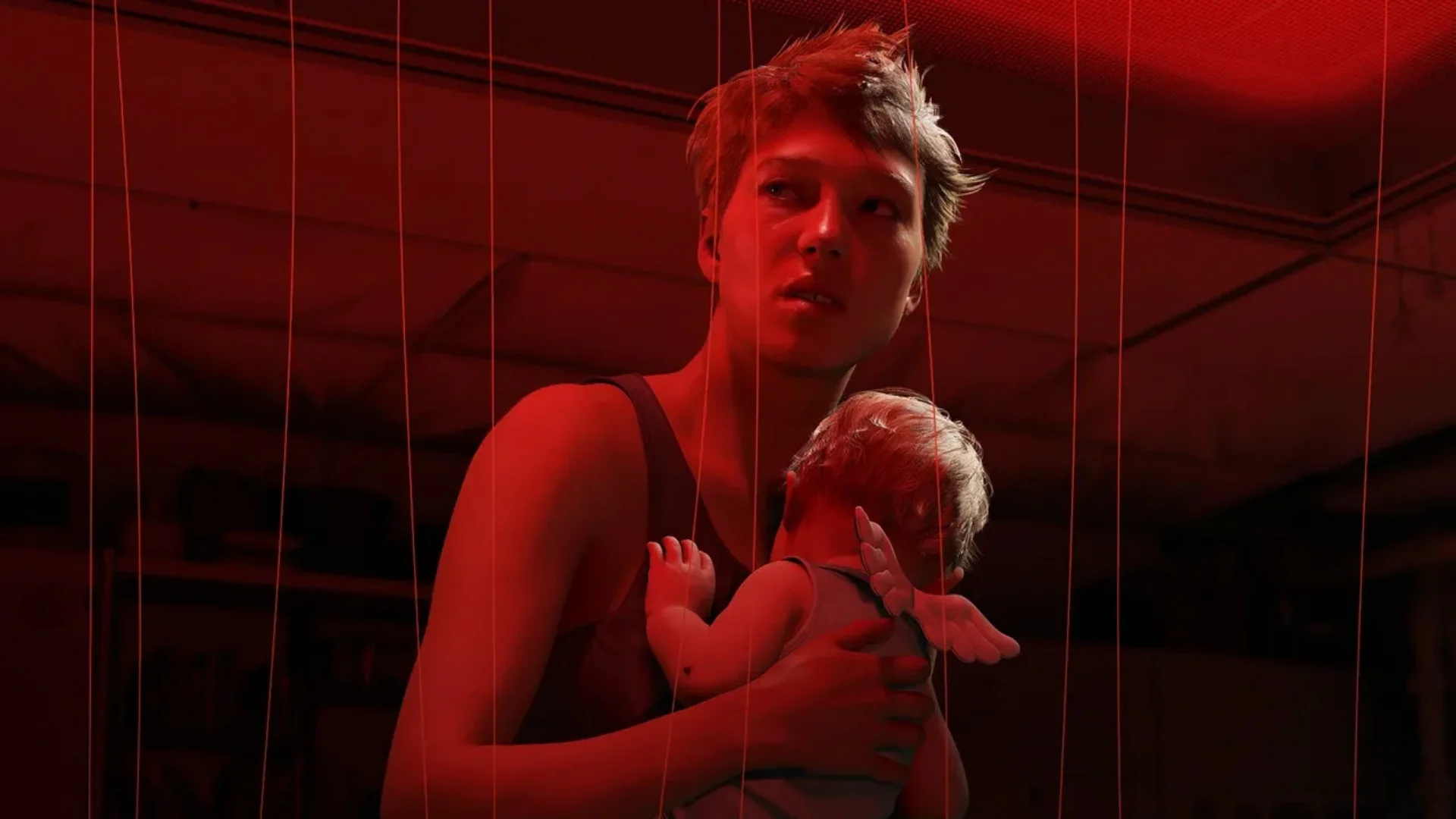
The story has real power when it trusts character and image. Sam’s relationship with Lou, Fragile’s presence, the strange new faces, and the game’s obsession with connection, grief, technology, and dependency all give the sequel plenty to chew on. There are scenes here that are beautiful, uncomfortable, and completely sincere in a way few big games attempt.
The problem is restraint. Death Stranding 2 often says too much for too long. It explains themes that were already clear through play, repeats emotional ideas that landed the first time, and leans into proper-noun mythology until the human feeling starts to slip away. I can admire the ambition and still wish the game trusted silence more.
That is not the same as saying the story fails. It does not. It has memorable performances, bold imagery, and moments that stayed with me long after a delivery ended. But the writing sometimes gets in its own way. The game is most affecting when it lets a quiet walk, a half-broken road, or a small act of help say what the dialogue keeps circling.
The online world still feels quietly generous
The asynchronous multiplayer remains one of the series’ best ideas. Other players are never fully beside me, but their presence is everywhere. A ladder, road, bridge, generator, sign, or shelter can appear at the exact moment I need it, and that small relief still feels more meaningful than most direct co-op systems.
What makes it work is that help feels practical rather than sentimental. The game talks endlessly about connection, but the online systems make connection physical. Someone carried materials. Someone built a path. Someone made my trip easier without ever meeting me. That is where Death Stranding 2 understands itself best.
The sequel gives those systems more room, and I liked seeing the world slowly become less hostile because players had left marks behind. The danger is that too much infrastructure can make the journey feel easier than it should. But even then, I found something moving about the shared labor. It turns a lonely game into a communal one without forcing anyone into a lobby.
The sequel is stronger, but safer than it looks
Death Stranding 2 is a better-playing game than the original in almost every obvious way. It has more variety, better action, more tools, stronger production values, and a smoother path through its world. It is easier to recommend, especially to players who admired the first game from a distance but bounced off its slow opening or harsh delivery loop.
But I am not sure it is always the more interesting game. The first Death Stranding was awkward, stubborn, and sometimes exhausting in ways that gave it a sharper identity. This sequel keeps the strange surface, but it often feels more careful underneath. It wants to be playable, emotional, spectacular, and accessible all at once, and most of the time it succeeds. A little of the old friction gets lost along the way.
I would still recommend Death Stranding 2: On the Beach to anyone who connected with the first game, and even to curious players who wanted that idea in a more generous form. The delivery loop is richer, the world is stunning, and the best quiet moments are among Kojima Productions’ strongest. Just do not come to it expecting the same lonely shock as the original. This is a warmer, smoother, more crowded journey, and while that makes it easier to love, it also makes it a little harder to be haunted by.
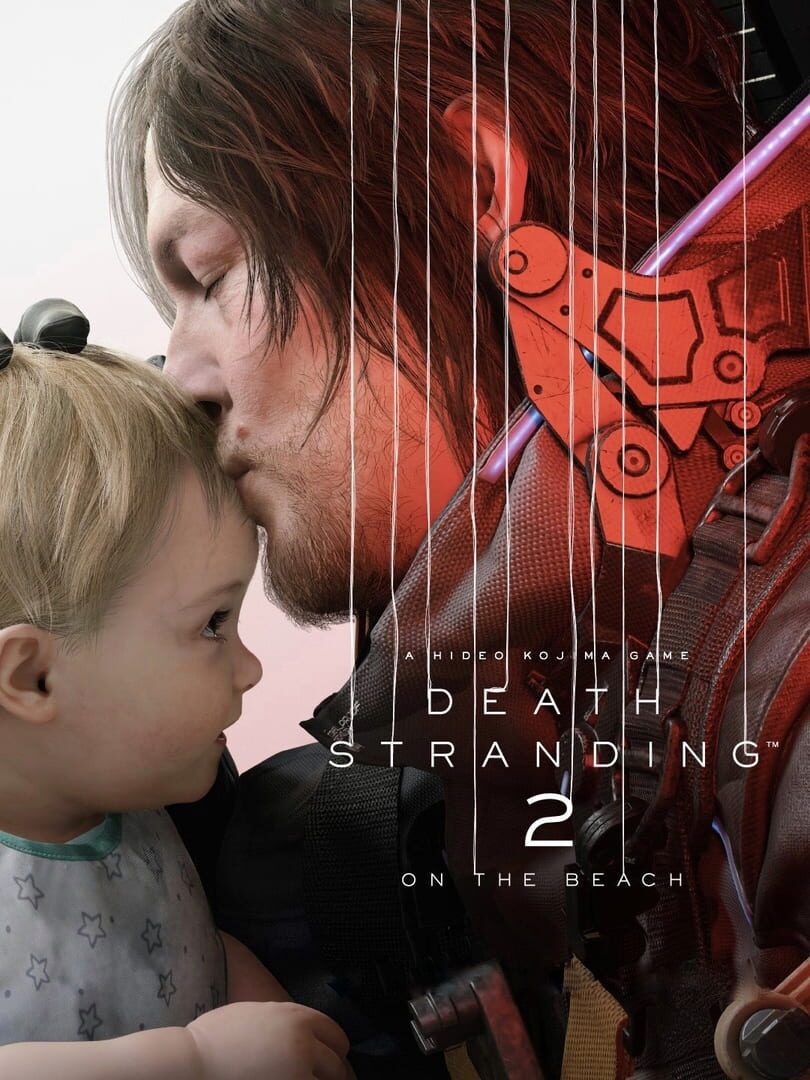
Death Stranding 2: On the Beach is a third-person action-adventure game set in a post-apocalyptic world ravaged by otherworldly creatures. Players control Sam Porter Bridges, a retired porter, as he traverses the open worlds of Mexico and Australia to connect isolated survivors t
Released
June 26, 2025
Developer
Kojima Productions
Publisher
Sony Interactive Entertainment
Systems


Discussion
0We want to hear from you. Share your perspective in the comments below, and please keep the conversation respectful.
Log in to join the discussion - vote, reply, and share your take.
Log In