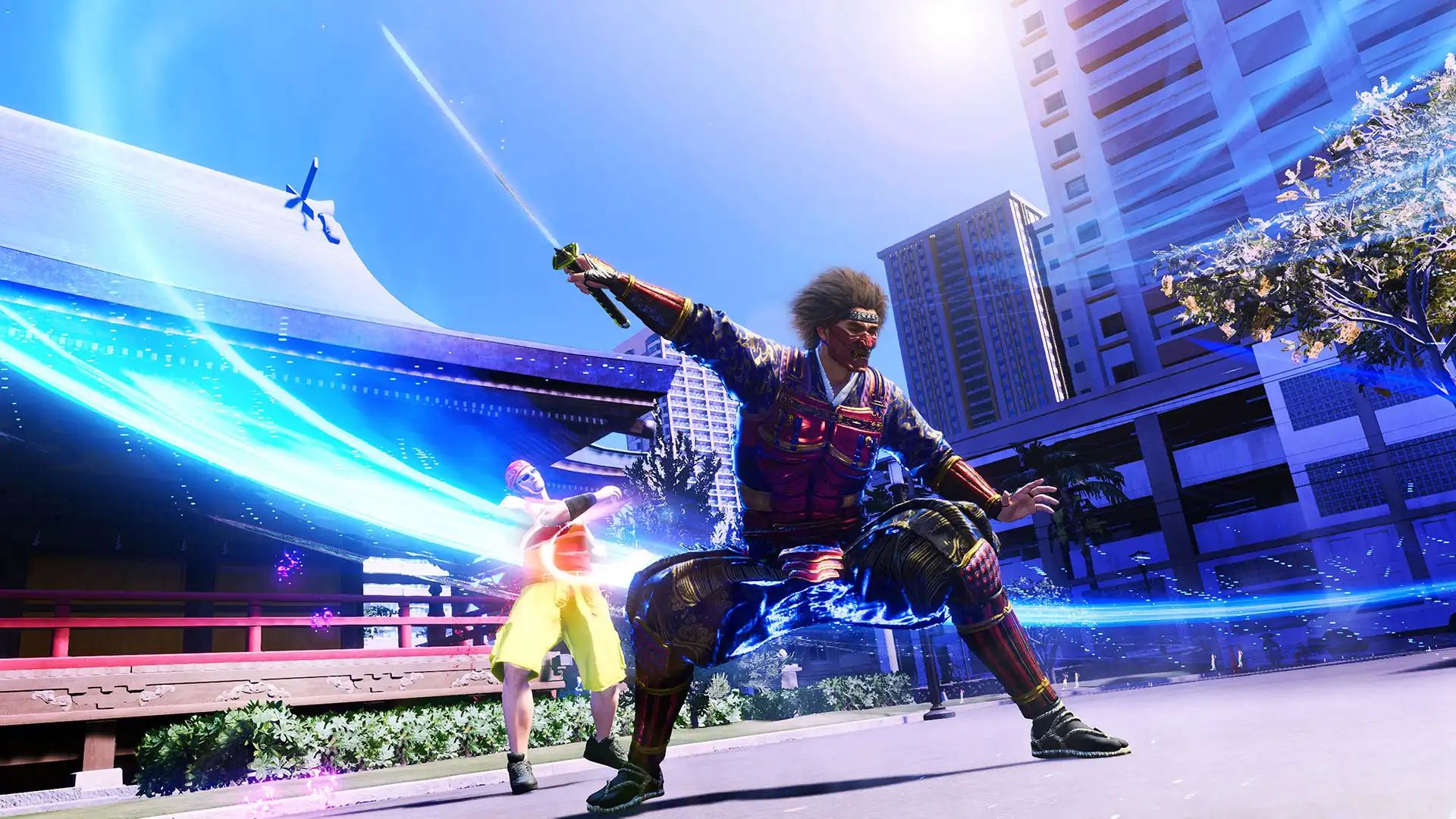
RGG Studio turned Yakuza into a global RPG franchise
RGG Studio swapped Yakuza's real-time brawls for turn-based RPG combat and found a bigger audience. Its next games leave Kamurocho behind.
The Japanese developer behind Yakuza and Like a Dragon built its reputation on crime dramas set in detailed Japanese cities, then found a larger audience by reinventing its combat and introducing a new protagonist.
RGG Studio has always had a talent for mixing serious crime stories with unexpected humor. Its games can move from violent confrontations and personal betrayals to bizarre side quests and everyday activities without losing their identity. That unusual combination became one of the Yakuza series' defining qualities.
In 2020, Yakuza: Like a Dragon marked the studio's biggest departure from its established formula. After years of developing action adventures starring Kazuma Kiryu, the Sega-owned developer introduced Ichiban Kasuga and replaced real-time brawling with turn-based combat. The gamble helped the series reach a wider audience while retaining the storytelling and eccentric personality that longtime fans had come to expect.
Profile Snapshot
- Established: 2011 as Ryu Ga Gotoku Studio, building on Sega’s earlier development teams
- Headquarters: Tokyo, Japan
- Parent company: Sega
- Studio head: Masayoshi Yokoyama, since October 2021
- Signature franchises: Yakuza / Like a Dragon and Judgment
- Technology: Dragon Engine, introduced with Yakuza 6
- Upcoming projects: Stranger Than Heaven and Virtua Fighter Crossroads
Yakuza brought Japanese crime drama to PlayStation
The origins of RGG Studio go back to Sega’s internal development teams and producer Toshihiro Nagoshi, who had previously worked on games including Super Monkey Ball.
Nagoshi wanted to create a game aimed at adult audiences, focusing on Japanese organized crime and characters dealing with complicated personal relationships. The result was Yakuza, released for PlayStation 2 in Japan in December 2005.
Its protagonist, Kazuma Kiryu, was a former yakuza drawn back into the criminal underworld after spending ten years in prison. Much of his adventures took place in Kamurocho, a fictional entertainment district inspired by Tokyo’s Kabukicho.
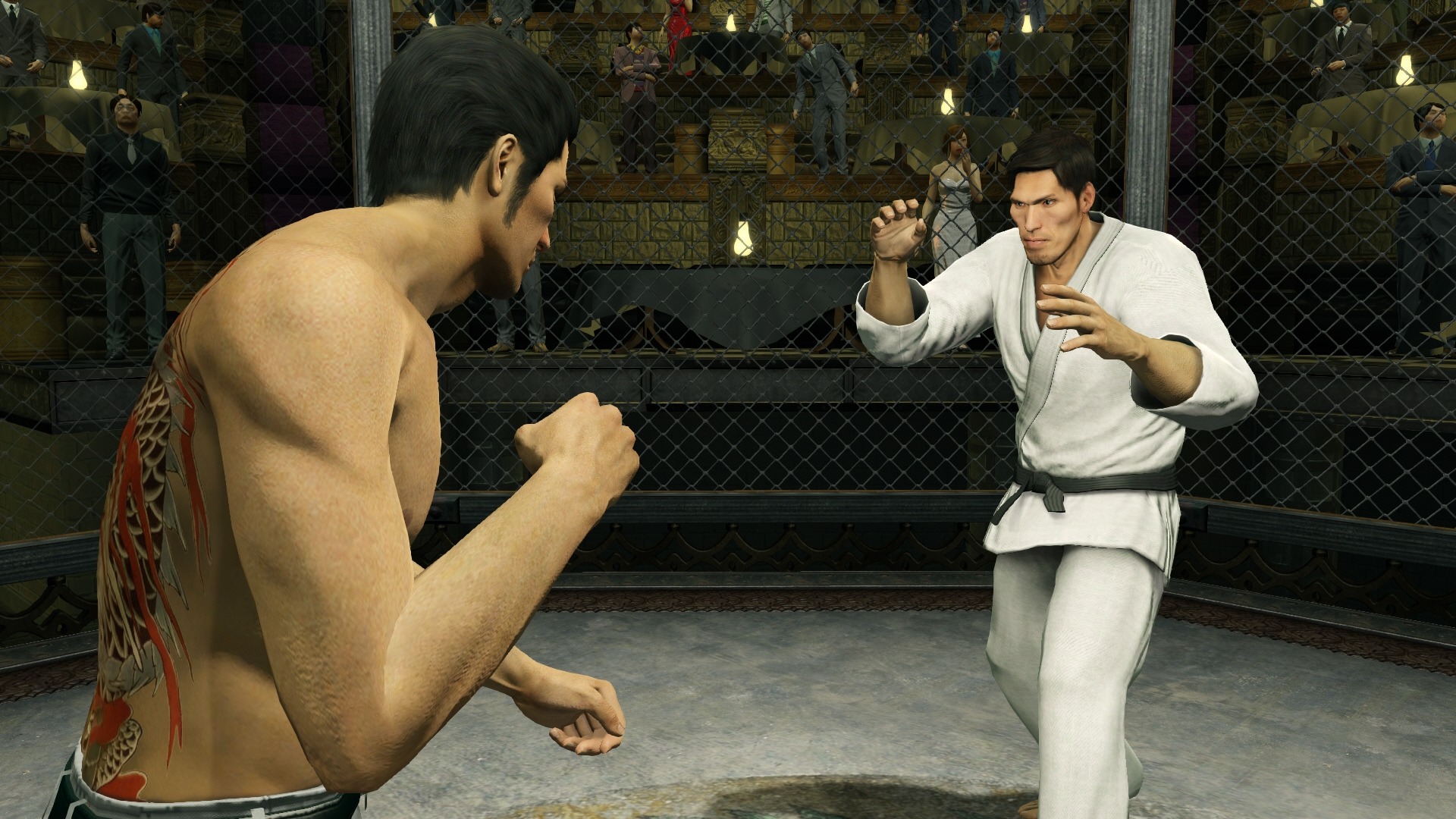
Players explored crowded streets, fought gang members, and completed missions involving the city’s eccentric residents. The combat emphasized brutal hand-to-hand fighting, allowing Kiryu to use bicycles and other nearby objects as weapons.
The story took itself seriously, but the surrounding activities were often ridiculous. Kiryu could spend time singing karaoke or helping strangers with increasingly strange problems. That contrast became the series’ defining characteristic. Players could follow an emotional crime drama before becoming distracted by a completely unrelated side story.
The original Yakuza found a strong audience in Japan and laid the foundations for a long-running franchise, but the series initially struggled to gain the same traction in Western markets.
Yakuza 0 helped the series find a global audience
Sega formally established Ryu Ga Gotoku Studio as a development division in 2011, bringing greater recognition to the team responsible for the series. By then, Yakuza had developed an extensive history, but its growing collection of sequels also made the franchise intimidating for newcomers.
Yakuza 0 offered a solution. Released in Japan in 2015 and internationally in January 2017, the prequel returned to 1988 and followed younger versions of Kiryu and fan favorite Goro Majima. The setting allowed players to experience Japan during its economic boom, with extravagant nightlife and characters obsessed with making money.
Both protagonists received distinctive fighting styles. Kiryu could switch between balanced attacks and slower, more powerful moves, while Majima used an unpredictable breakdancing style alongside more conventional techniques.
The story also became a major attraction. Its complicated plot connected the two protagonists through a struggle over a valuable piece of real estate, gradually revealing the personal consequences of the conflict.
International reviews praised the storytelling and enormous collection of side activities. The subsequent Yakuza Kiwami remakes also gave new players an opportunity to experience earlier installments. RGG Studio had found a way to introduce its established characters to a wider audience without abandoning the Japanese setting that defined the series.

Dragon Engine made Kamurocho feel more alive
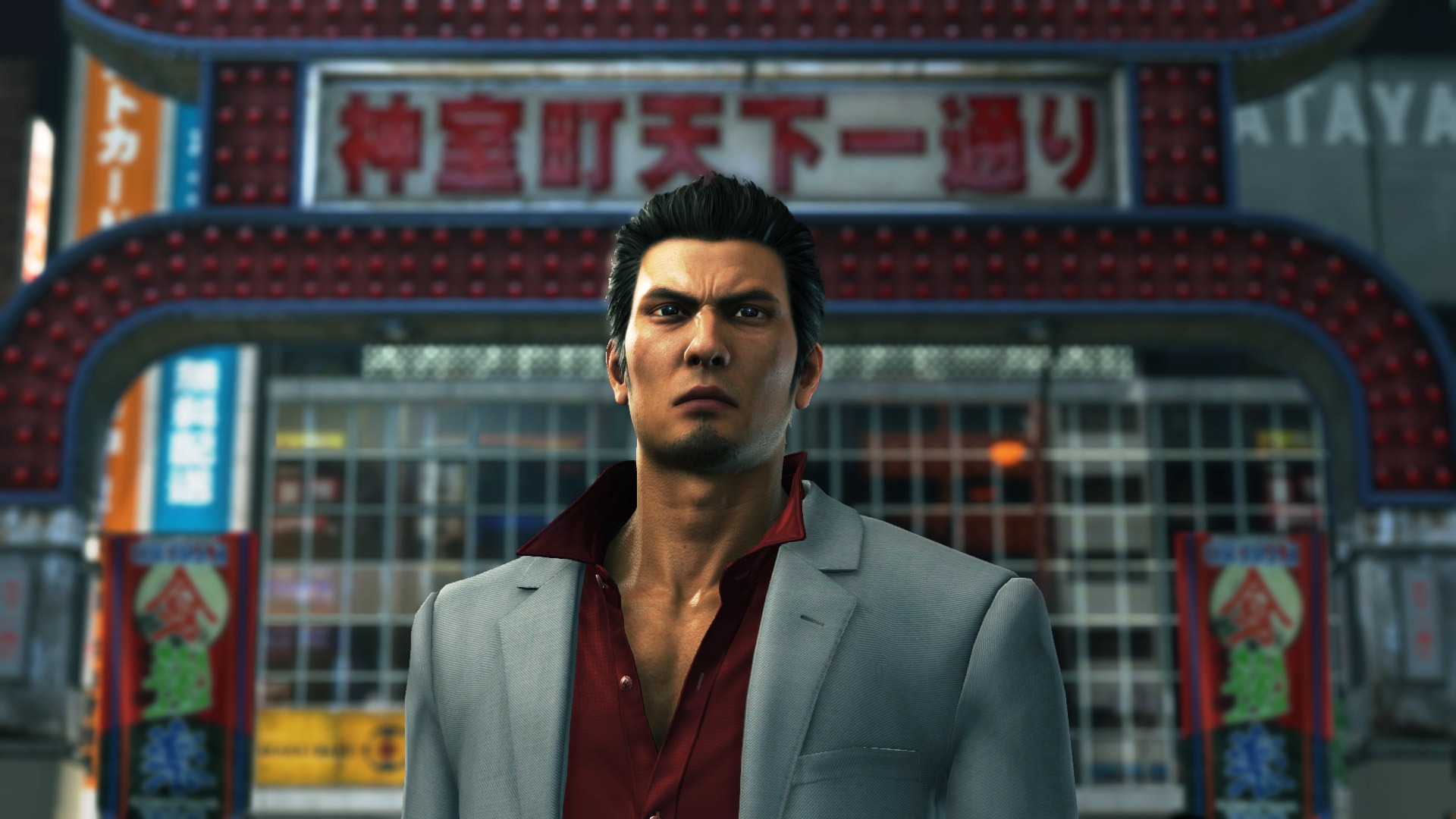
RGG Studio’s development approach also helped it produce new games at an unusually steady pace. Rather than creating entirely new locations for every release, the team frequently returned to familiar districts such as Kamurocho.
Buildings, streets, and businesses could be reused and gradually improved, allowing developers to concentrate on additional stories and activities. The introduction of the Dragon Engine in Yakuza 6: The Song of Life marked an important technical improvement.
The new technology allowed characters to enter certain shops without loading screens, while more elaborate lighting and physics made the environments feel convincing. Combat also became more physical. Kiryu could knock enemies into surrounding objects, and fights sometimes spilled naturally into nearby businesses.
The engine supported Judgment in 2018, which introduced private detective Takayuki Yagami and a different perspective on Kamurocho’s criminal underworld. Its investigation mechanics included gathering evidence and following suspects, although traditional street fighting remained an important part of the experience.
Lost Judgment expanded that approach in 2021, adding more elaborate investigations and improving the combat system. The studio had developed a production model that allowed it to revisit familiar locations while experimenting with different protagonists and gameplay ideas.
Like a Dragon replaced street fighting with turn-based combat
RGG Studio’s most dramatic transformation came with Yakuza: Like a Dragon in 2020. The game introduced Ichiban Kasuga, a former yakuza with an enthusiastic personality and a love of role-playing games.
Unlike the reserved Kiryu, Ichiban openly expressed his emotions and frequently relied on his friends. His imagination also influenced the gameplay. Instead of controlling a single fighter in real time, players commanded a party through turn-based battles inspired by traditional Japanese RPGs.
Characters could change jobs, unlocking abilities based on occupations such as chef or musician. Ordinary encounters became increasingly ridiculous as Ichiban imagined enemies as fantasy monsters.
The shift was risky because real-time combat had been central to Yakuza for more than a decade. However, the new system worked surprisingly well with the series’ emphasis on friendship and character development.
Ichiban’s companions participated directly in battles, while optional conversations and activities helped establish their personalities. The game also introduced Yokohama’s Isezaki Ijincho district, providing a new setting without abandoning the familiar Japanese urban atmosphere.
Critics praised the characters and storytelling, although some found the turn-based combat repetitive during longer encounters.Like a Dragon: Infinite Wealth expanded the formula in January 2024, introducing Hawaii as a major setting and bringing Kiryu back alongside Ichiban.
Sega reported one million units shipped and digitally sold during its first week, making it the franchise’s fastest-selling release at the time.
RGG Studio moved forward after Nagoshi’s departure
The studio experienced a significant leadership change in October 2021 when Toshihiro Nagoshi departed Sega alongside longtime collaborator Daisuke Sato.
Masayoshi Yokoyama, who had worked on the series since its early development, became studio head. The transition placed greater responsibility on a new leadership group while the franchise was attracting more international attention.
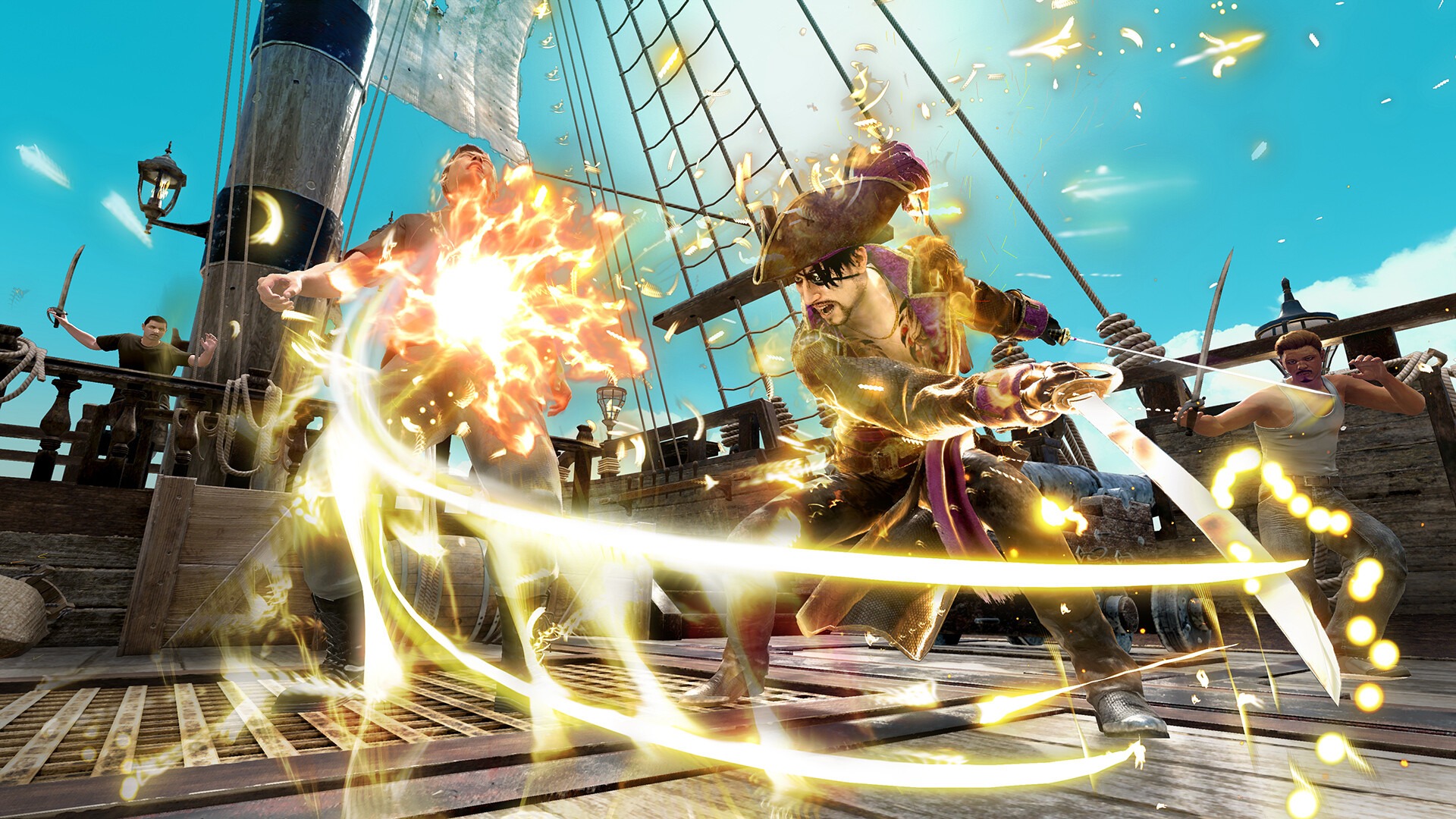
RGG continued producing games at a rapid pace, including Like a Dragon Gaiden: The Man Who Erased His Name in 2023 and Like a Dragon: Pirate Yakuza in Hawaii in February 2025.
The latter placed Goro Majima in an unusual pirate adventure, returning to real-time combat and introducing ship battles.
The studio also revisited its older releases through remakes and expanded editions. Yakuza Kiwami 3 & Dark Ties launched in February 2026, combining a remake of Yakuza 3 with a separate story focused on Yoshitaka Mine.
However, the steady release schedule has also attracted criticism. Some players have questioned the amount of recycled content and the familiarity of activities across successive games. The studio’s use of recurring locations helps control development costs, but each new release must offer enough original material to justify another visit.
Stranger Than Heaven takes RGG beyond Yakuza
RGG Studio is preparing a new direction with Stranger Than Heaven, an original action adventure scheduled for January 15, 2027. Set across multiple decades of Japanese history, it follows Makoto Daito through five cities between 1915 and 1965.
The developer is also working on Virtua Fighter Crossroads, scheduled for 2027. The project combines Sega’s established fighting franchise with a stronger emphasis on cinematic storytelling.
Both games offer opportunities to apply RGG’s experience beyond Like a Dragon. After successfully replacing Kiryu as its central protagonist and introducing turn-based combat, the studio now faces a different challenge: establishing new franchises while maintaining the production pace and distinctive identity that made its crime dramas successful.