
The 10 best Blizzard games of all time, ranked
From Diablo II and StarCraft to Warcraft III and World of Warcraft, we rank the 10 best Blizzard games ever made.
Blizzard games have a habit of becoming something different from whatever first shipped. Diablo III needed Reaper of Souls to find its best version. Warcraft III spawned a custom map that helped shape an entire genre. The original Overwatch cannot even be played separately anymore.
With BlizzCon returning on September 12, we ranked the ten Blizzard games that hold up best today. The ranking looks at three things: how good each game still is, how much depth it keeps after dozens or hundreds of hours, and how much it changed Blizzard or the wider industry.
10. The Lost Vikings

The Lost Vikings shipped in 1993, when Blizzard was still Silicon & Synapse, and its central puzzle is getting three Vikings with very different abilities to the same exit. Erik can run and jump, Baleog has a sword and bow, and Olaf carries a shield and apparently considers that sufficient preparation for being abducted by aliens.
The clever part is how those abilities overlap. Olaf can hold his shield above his head so Erik can use it as a platform, while Baleog can hit distant switches nobody else can reach. Solving a room means figuring out where each Viking needs to be before worrying about where he eventually needs to go.
The versions included in the Blizzard Arcade Collection add rewind, which makes late mistakes much less annoying. That helps because the puzzles are usually more fun to solve than to replay from the beginning.
9. Warcraft II: Tides of Darkness
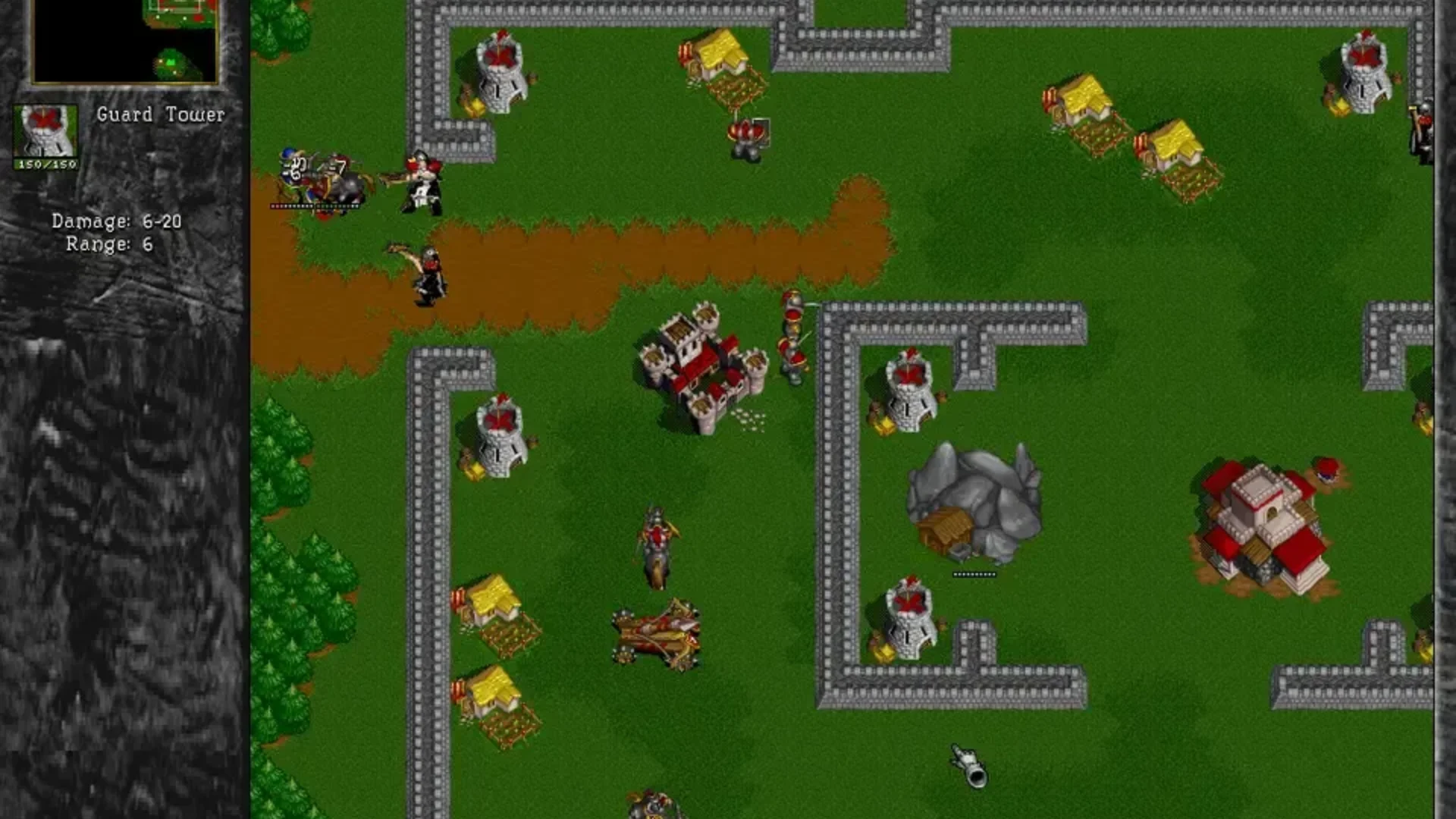
Warcraft II: Tides of Darkness expands the first game's base building and resource gathering with naval combat. Oil becomes another resource to control, transports move armies between islands and warships can cut off an attack before it ever reaches land.
Humans and Orcs still share many of the same unit types, so a lot of each match comes down to the map. A narrow crossing can decide where armies meet, while an exposed shoreline makes transports and naval control much more important.
Warcraft II: Remastered cleans up the presentation, but the game still works because of those positioning and resource decisions rather than the new visuals.
8. Hearthstone

Plenty of established franchises have tried turning themselves into card games. Hearthstone takes familiar Warcraft classes, spells and creatures and builds them into a card game that is easy to understand within a few matches.
Mana increases automatically every turn, so matches get moving without making you draw the resources required to play your cards. The Warlock's Life Tap complicates that simple foundation by spending health to draw another card. Suddenly one of your most important resources is something you can gamble for another option.
Those mechanics give Warcraft classes recognizable card game identities instead of merely attaching familiar artwork to decks. Randomly generated cards can weaken the sense of control, especially when an opponent discovers an answer that was never part of the original deck.
At its best, though, Hearthstone makes complicated decisions out of rules that barely need explaining.
7. Diablo III

Diablo III launched with an auction house, a rigid campaign structure and a loot system that gave players plenty of reasons to wonder where Blizzard North had gone. Then Reaper of Souls arrived and fixed the game surrounding its excellent combat.
Adventure Mode is the biggest change. Instead of replaying the campaign, you can move between bounties and randomized areas while farming gear and testing different builds. The freedom to swap unlocked skills also means an interesting item can change what you are doing immediately.
Kanai's Cube expanded that flexibility by letting characters extract legendary powers without wearing the original equipment. Diablo III had to be repaired, but the repaired version became one of Blizzard's easiest games to lose an evening (or two) to.

6. Overwatch

The original Overwatch understood that skills, movement and role should separate one character from another before you start comparing damage numbers.
Reinhardt arrives with an enormous shield, hammer and charge. Mercy can fly toward teammates, turning every injured ally into both a rescue target and a possible escape route. Reaper has twin shotguns, teleportation and enough permanent gloom to communicate his personality before he says anything.
Good aim only gets you so far in Overwatch. You also need to know when to peel for a teammate, swap heroes or stop forcing a push that is already lost. The 2016 game was replaced by its successor in 2022, which makes its legacy unusual. Blizzard built a roster where almost nobody felt interchangeable.
5. StarCraft II

StarCraft II became an intimidating competitive game, which can obscure how good its campaigns are.
Wings of Liberty keeps changing the rules from one mission to the next. In one mission, you push out during the day to destroy infested buildings, then pull your army back before the attacks begin at night. The longer you stay outside, the more you can clear, but you also risk getting caught too far from your base when the next wave arrives.
Between missions, limited funds let you invest in the units you prefer using. Multiplayer is much less forgiving. Scouting, production and army control all need attention at the same time, and a missed drop or bad engagement can undo several minutes of setup.
The campaign gives you time to experiment with those systems. The ladder expects you to already know what you are doing with them.
4. Warcraft III: Reign of Chaos

Warcraft III takes the huge anonymous armies of traditional RTS games and puts far more responsibility on a few important units.
Heroes gain levels, learn new abilities and carry items, so much of the early game revolves around getting them stronger before the first serious fight. You clear neutral camps for experience and item drops, hoping to hit an important level before the opponent does.
That creates another layer of map control. If the enemy spots you creeping, they can contest the camp, steal the last hit or catch your army while it is already taking damage. Lose the hero and you are not only down one unit; you lose its abilities, items and several levels of investment until it is revived.
3. StarCraft

StarCraft helped turn competitive gaming into something much bigger, especially in South Korea. Brood War built televised leagues, famous rivalries and players such as BoxeR, Flash and Jaedong, and the game still has an active scene decades later.
Its three factions remain the reason that competition has lasted. Zerg, Terran and Protoss all manage production differently, so scouting, timings and build orders change from matchup to matchup.
StarCraft: Remastered preserves the original almost completely, rough pathfinding included. For longtime fans, that mix of nostalgia and competitive depth is exactly why it still works.
2. Diablo II
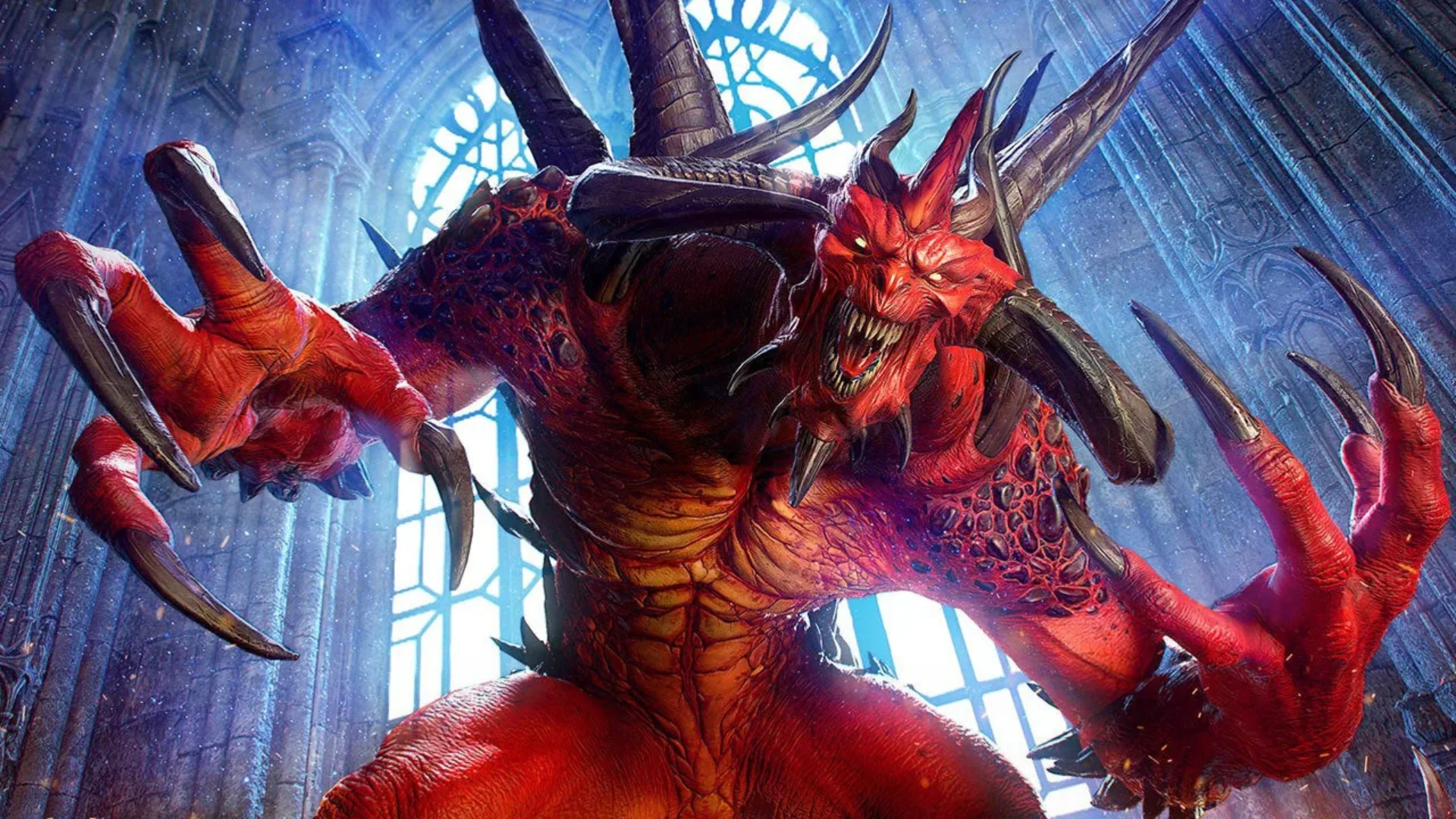
Diablo II became the blueprint for a huge part of the modern ARPG, and its loot hunt is still the reason people keep coming back.
Rune words, rare bases, resistances and breakpoints mean a grey item can be more valuable than something that looks far stronger at first glance. The longer you play, the better you get at spotting those possibilities.
Diablo II: Resurrected preserved almost all of that, including plenty of old friction. The inventory is still cramped and farming can be brutal, but the community, trading economy and endless search for the right drop have kept it alive for more than two decades.
1. World of Warcraft
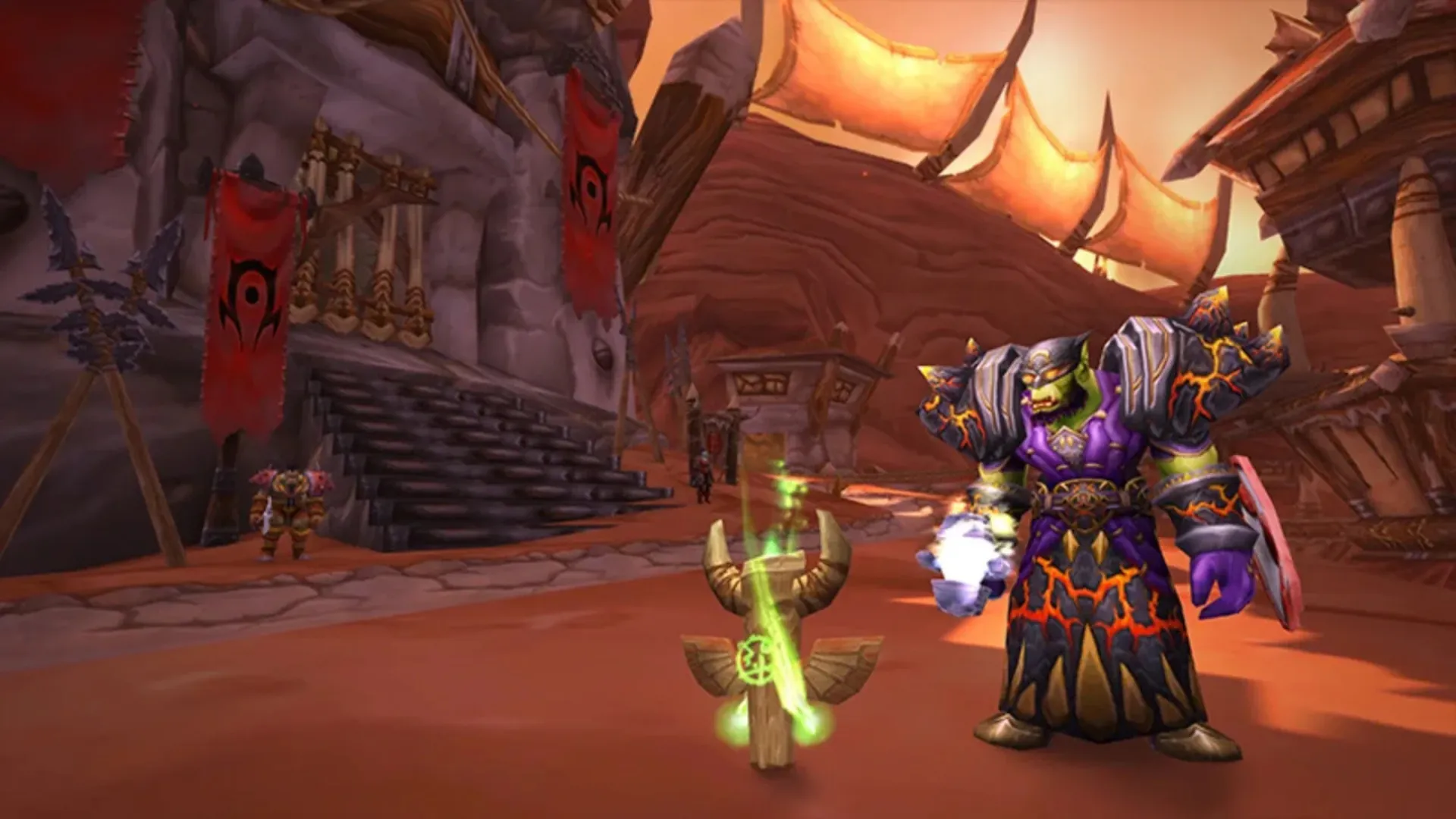
World of Warcraft turned Azeroth from an RTS setting into a place millions of people actually spent years in.
Raids, dungeons, PvP, guilds and the constant chase for better gear gave your character a reason to keep growing long after the leveling ended. The social side became just as important. For a lot of people, memories of WoW are tied as much to guildmates and raid nights as they are to specific zones or bosses.
The game has changed enormously across more than 20 years, sometimes for better and sometimes not. WoW Classic proved how much nostalgia still surrounds the older versions, while modern WoW continues to rebuild its endgame around raids, Mythic+ and PvP.
No other Blizzard game has created a community this large, lasted this long or become this closely tied to the studio itself.
Tagged In
Discussion
0We want to hear from you. Share your perspective in the comments below, and please keep the conversation respectful.
Log in to join the discussion - vote, reply, and share your take.
Log In