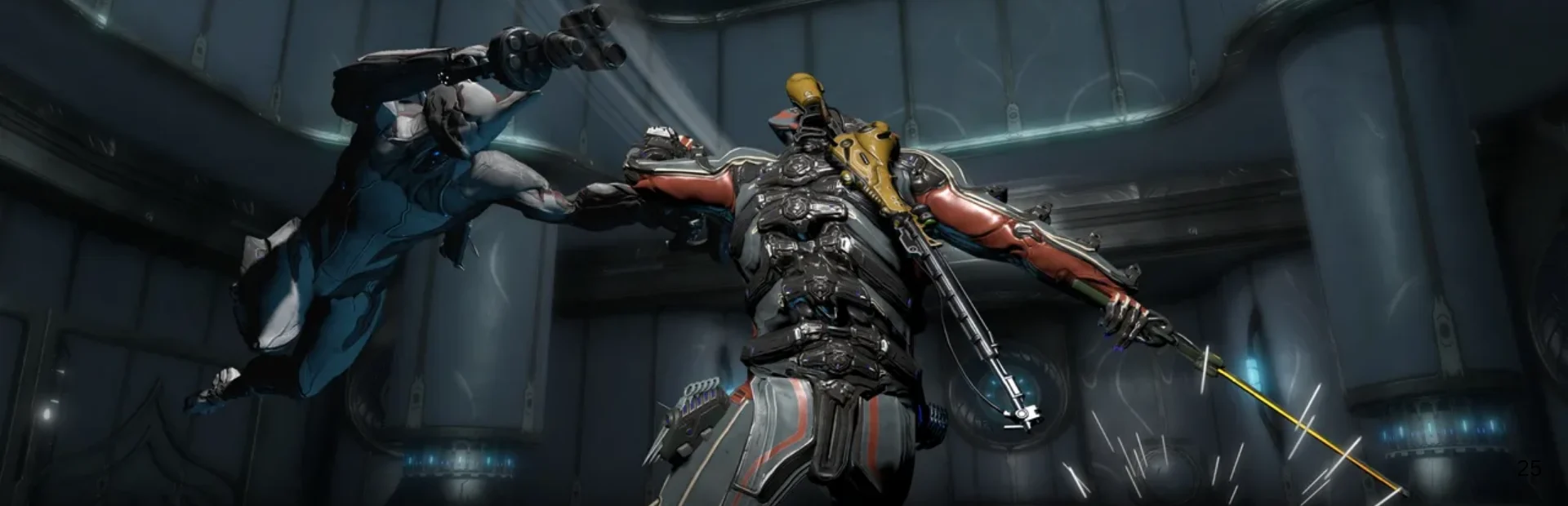
Best third-person shooters
These shooters use the visible body, surrounding space, and distance from danger to make positioning as important as aim.
A third-person camera should do more than show the character's outfit. It lets players judge how far they are from cover, watch threats approach from the edge of the screen, and understand exactly where a dodge or desperate sprint will finish. The best games in the genre build their combat around that wider view.
That can mean painting an arena to create new routes, sliding beneath incoming fire, or surviving long enough to escape a failed stealth plan. These 12 games are ranked by the quality of their shooting, but also by how intelligently movement, level design, and enemy behavior support it.
12. Warframe
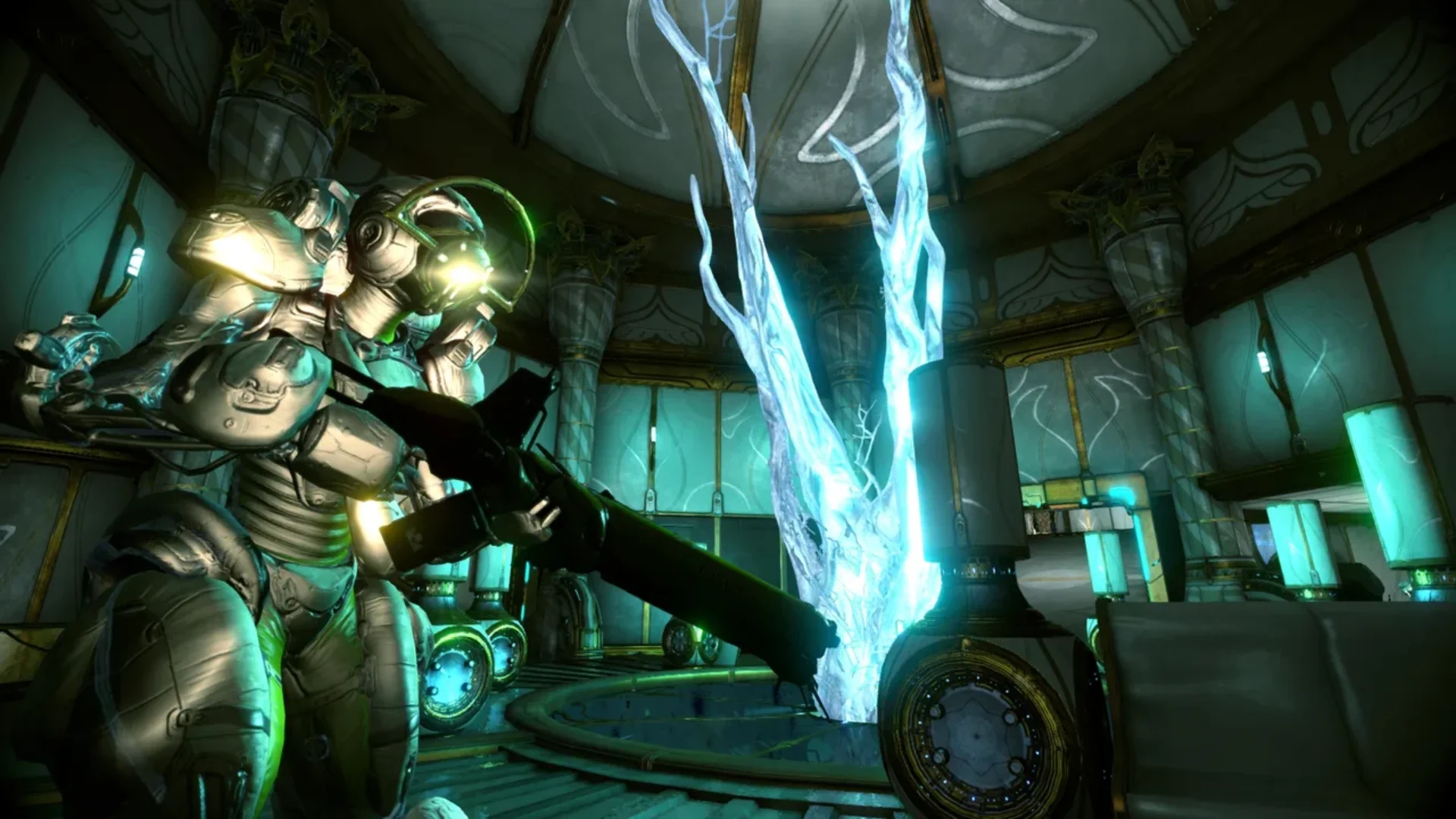
Warframe is a cooperative action shooter where players control biomechanical suits through short missions, combining ranged weapons with abilities and extremely fast movement. Bullet jumps launch a Warframe across rooms, slides maintain speed beneath obstacles, and aim gliding creates time to select a target before landing.
That mobility changes what a third-person shooter can ask from its levels. Corridors become routes to cross rather than spaces to clear methodically. A mission that once required cautious shooting can eventually become a flowing sequence of jumps and attacks once the player understands the tileset.
Reaching that point requires patience. Mods, crafting timers, currencies, and years of accumulated systems make the opening difficult to parse. Some maps also catch the character on small pieces of scenery, briefly interrupting movement that otherwise feels effortless. Few shooters offer such freedom once those obstacles have been understood.
11. Splatoon 3
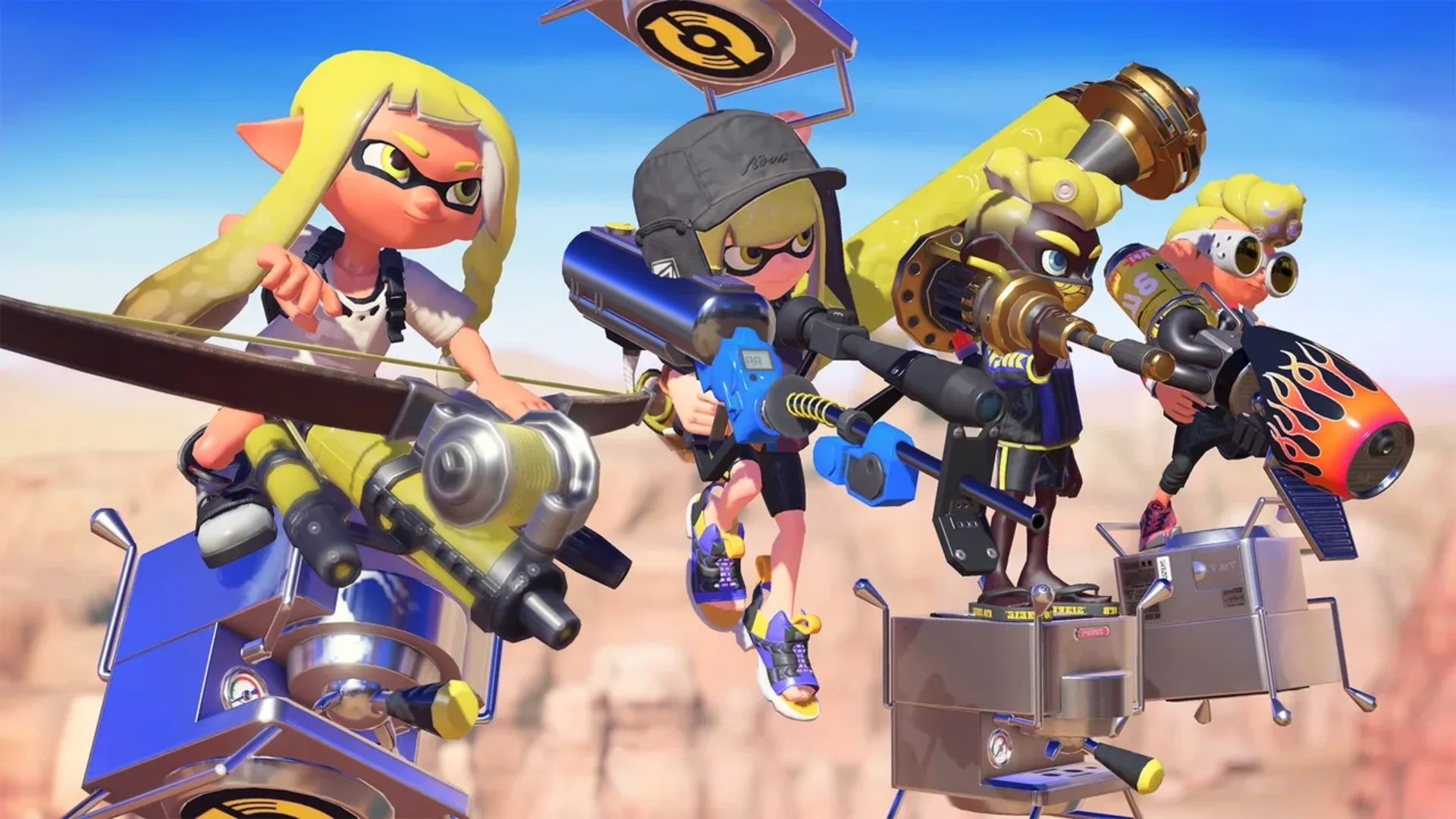
Territory matters more than eliminations in Splatoon 3. Two teams fire colored ink across compact multiplayer maps, with the most accessible mode awarding victory to whichever side covers more ground. Players can transform into squid form to swim quickly through their own ink, refill ammunition, and hide from opponents.
Shooting therefore changes the map while fighting over it. Painting a wall creates an escape route. Covering the ground around an enemy restricts their movement before the next shot arrives. A player with poor accuracy can still contribute by protecting routes and reclaiming neglected corners.
The familiar stages and modes make Splatoon 3 feel more like an extensive refinement than a reinvention of the series. Matchmaking interruptions and uneven teams can also waste the opening minutes of a session. Its central idea remains excellent because every missed shot may still leave something useful behind.
10. Helldivers 2
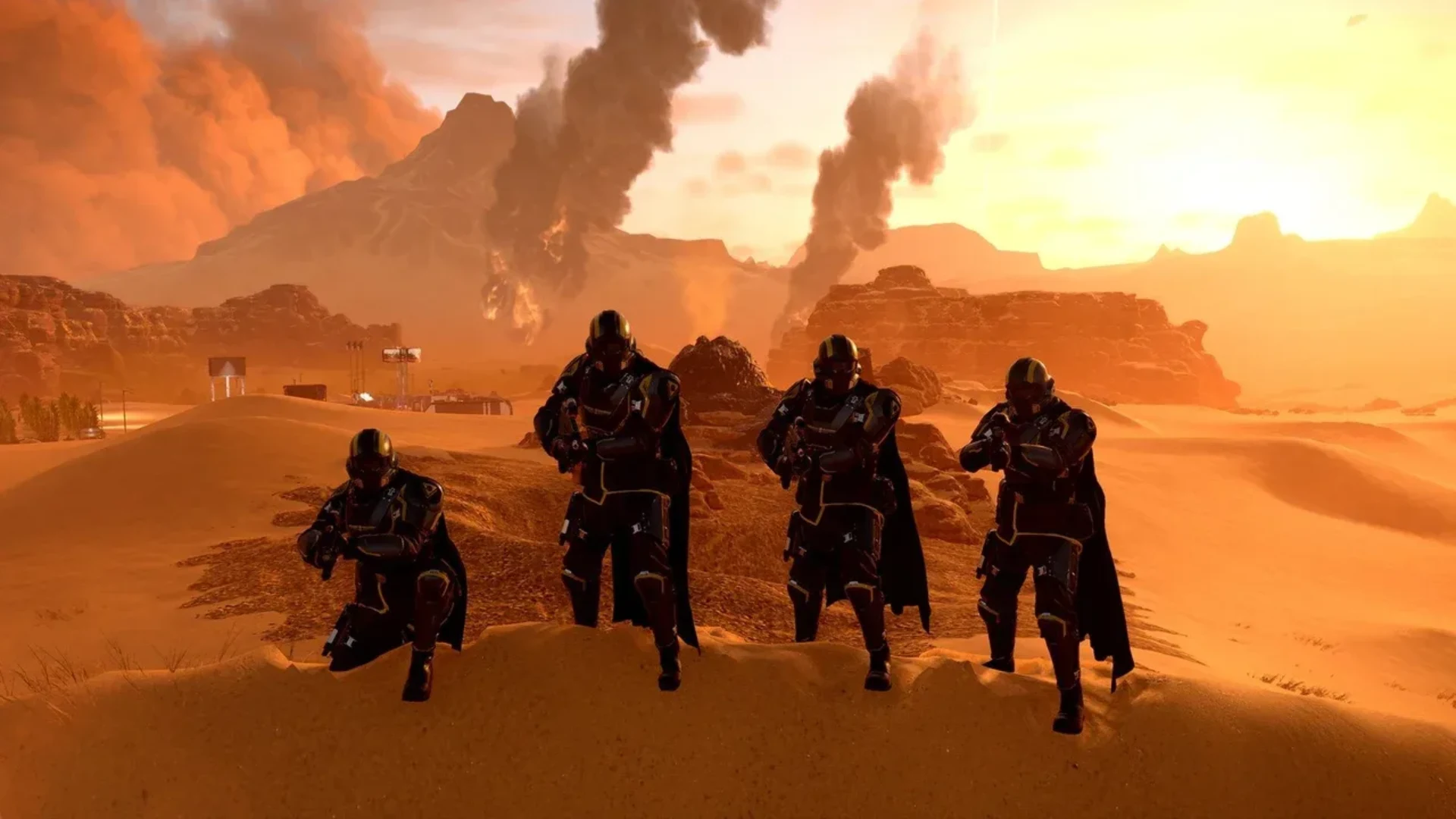
Four soldiers descend onto hostile planets in Helldivers 2, complete objectives, and attempt to reach extraction while increasingly dangerous enemies close around them. Heavy equipment and support attacks are summoned through directional Stratagem inputs, forcing players to enter short commands while the battlefield continues moving.
Friendly fire cannot be disabled. Calling an airstrike solves one problem while creating another for any teammate standing inside its range. Automated turrets can defend an objective, but careless placement may make them as dangerous to the squad as the approaching enemies.
That uncertainty turns coordination into the game's real weapon. A reliable group learns to announce attacks and protect anyone entering a Stratagem code. Repetition becomes noticeable once the same objectives begin appearing across different planets, although continued updates have expanded the enemies, equipment, and wider campaign since launch.
9. Control
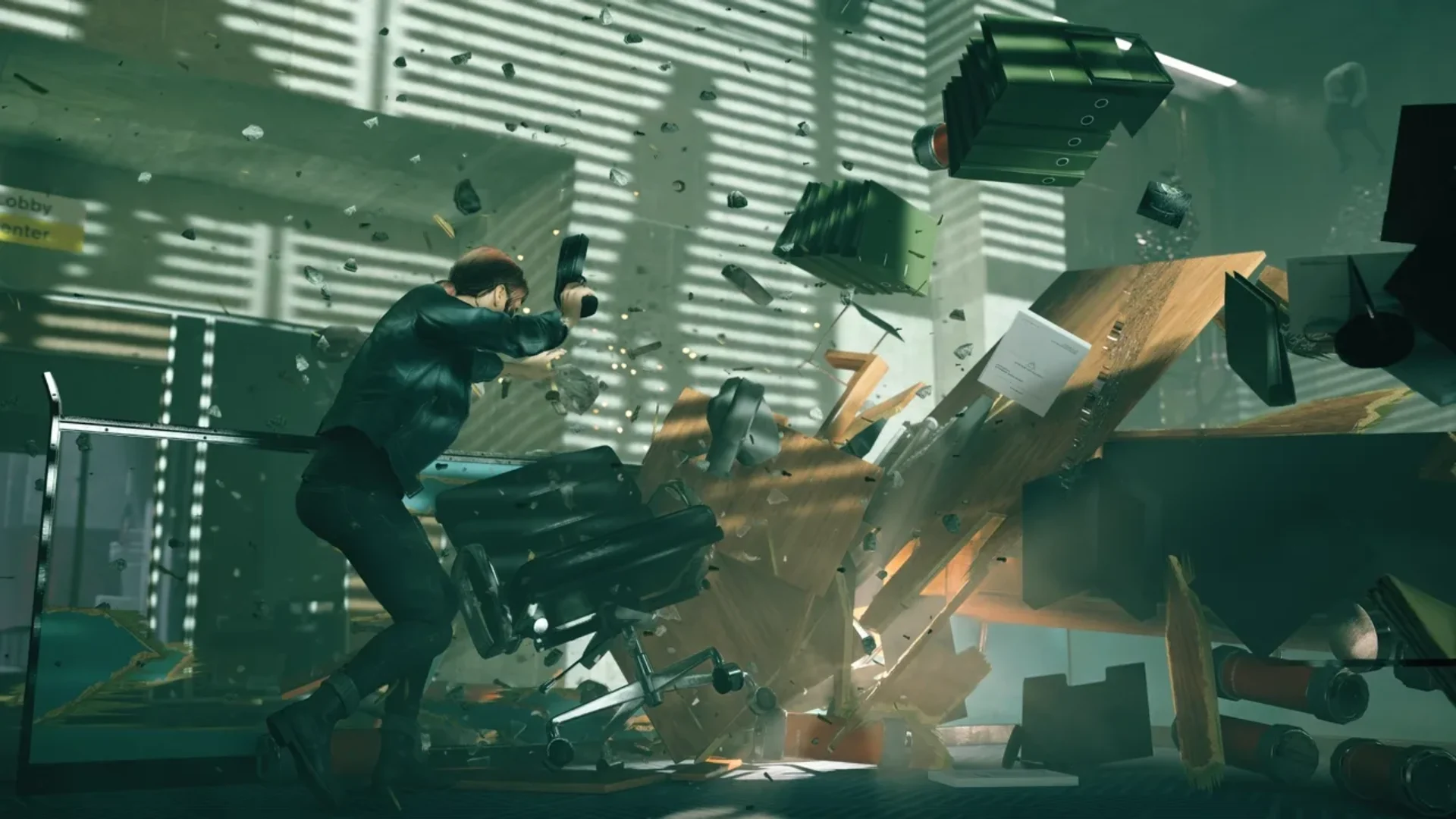
Jesse Faden carries a transforming firearm through the Oldest House in Control, but telekinesis quickly becomes the more important part of her arsenal. The Launch ability tears nearby objects from the environment and throws them toward enemies. When no obvious object is available, the power can pull debris directly from the surrounding structure.
That gives every office and concrete chamber a reserve of potential projectiles. Ammunition regenerates automatically, which encourages players to alternate between the Service Weapon and Jesse's powers rather than retreating while waiting for one resource to return. Levitation later opens the arenas vertically, letting Jesse attack from angles unavailable during the early hours.
The enemies rarely match the creativity of the abilities. Repeated Hiss soldiers and floating variants make some encounters blur together, while randomized equipment introduces unnecessary inventory clutter. Throwing a desk through a wall remains more satisfying than most of the numerical upgrades attached to it.
8. Dead Space 2
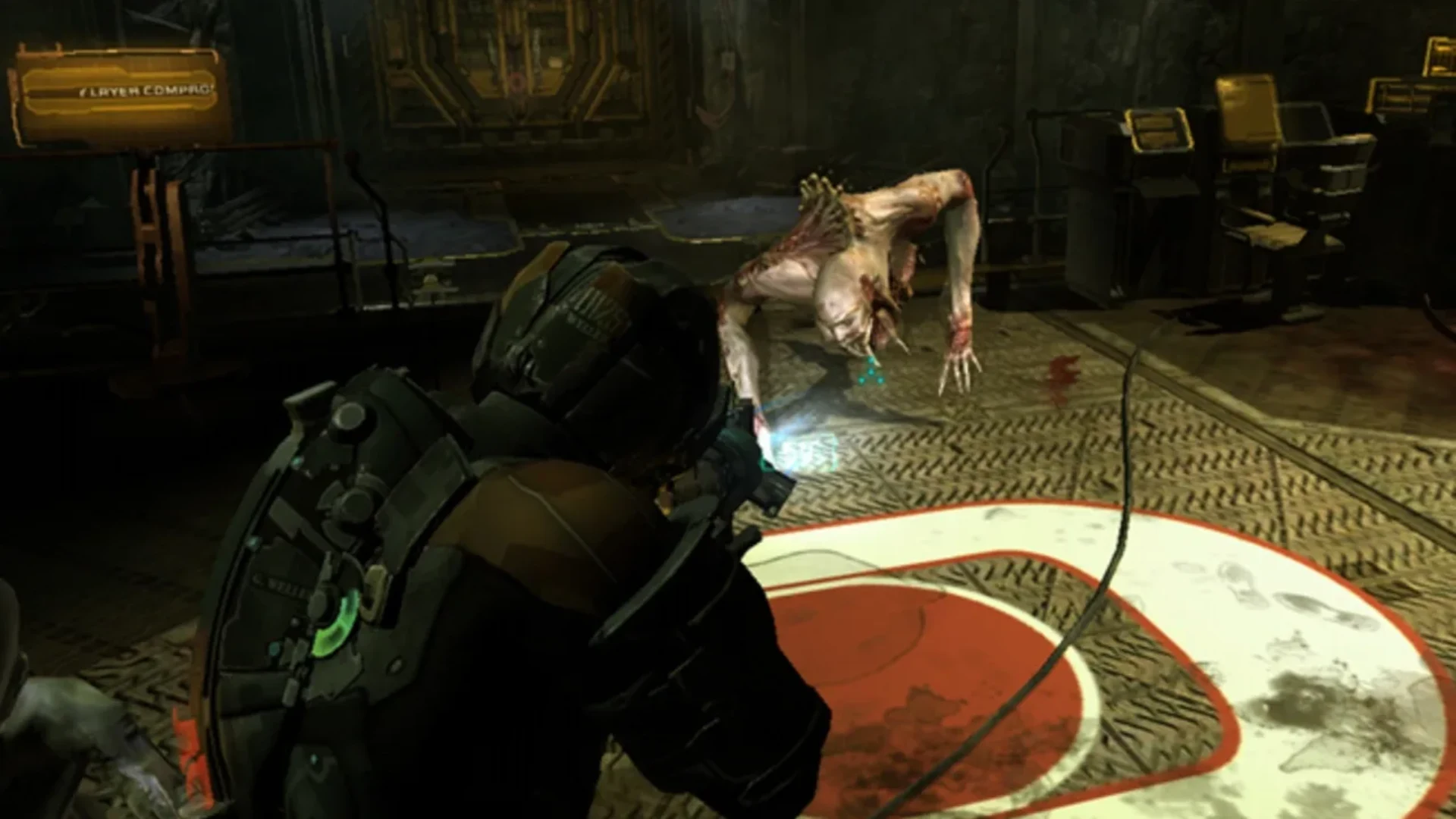
Most shooters encourage players to aim for an enemy's center. Dead Space 2 requires engineer Isaac Clarke to target specific parts of the creatures pursuing him through the Sprawl. Removing a fast attacker's mobility may be more important than dealing the highest immediate damage.
Isaac's engineering tools support that approach. Stasis slows a threat long enough to create space, while Kinesis turns loose objects into emergency projectiles. Ammunition is limited enough that firing repeatedly without considering the target can leave the player poorly prepared for the next room.
The sequel increases the action without completely abandoning the isolation of the original Dead Space. Its louder set pieces sometimes reduce tension by making danger too predictable, and the later chapters lean heavily on repeated enemy waves. The sharper pacing also produces a more demanding shooter, where every shot has a visible purpose beyond lowering a health bar.
7. Gears of War 3
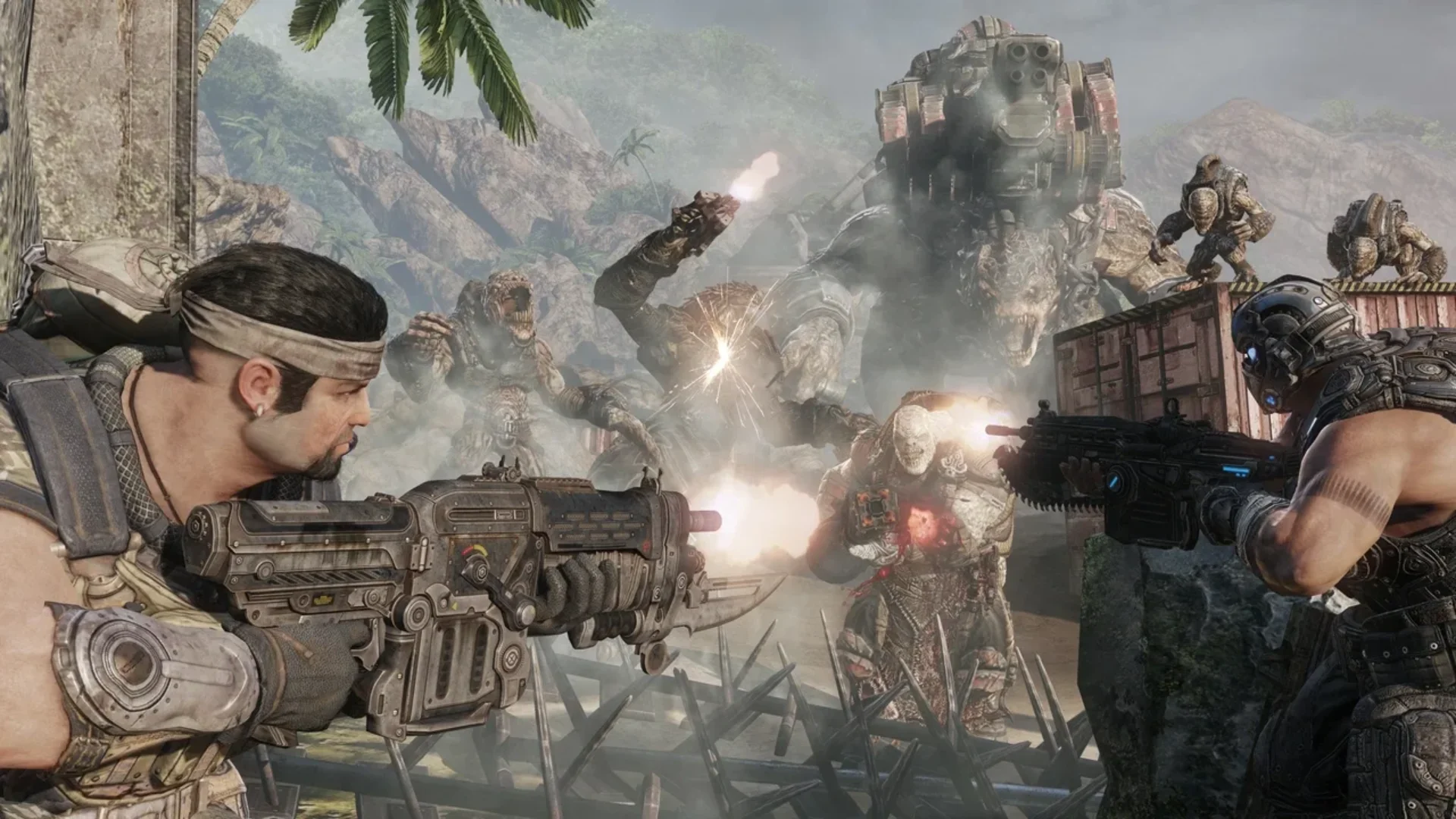
Gears of War 3 is built around controlling the distance between a squad and the enemies occupying the other side of an arena. Characters snap into cover, move between protected positions, and use the visible reload meter to perform an Active Reload that can return them to the fight with a temporary advantage.
Cover does not make the combat passive. Grenades and flanking enemies punish anyone who remains fixed in one place, while the close-range Gnasher shotgun turns multiplayer movement into a contest over corners and timing. The campaign supports four-player cooperation, giving encounters enough space for teammates to approach the same defensive line differently.
The roadie run still makes turning feel unnecessarily heavy, and some battles rely on scale more than interesting enemy arrangements. Horde mode shows the combat at its best. A team gradually fortifies a position, then watches the plan collapse when one side receives more pressure than expected.
6. The Last of Us Part II
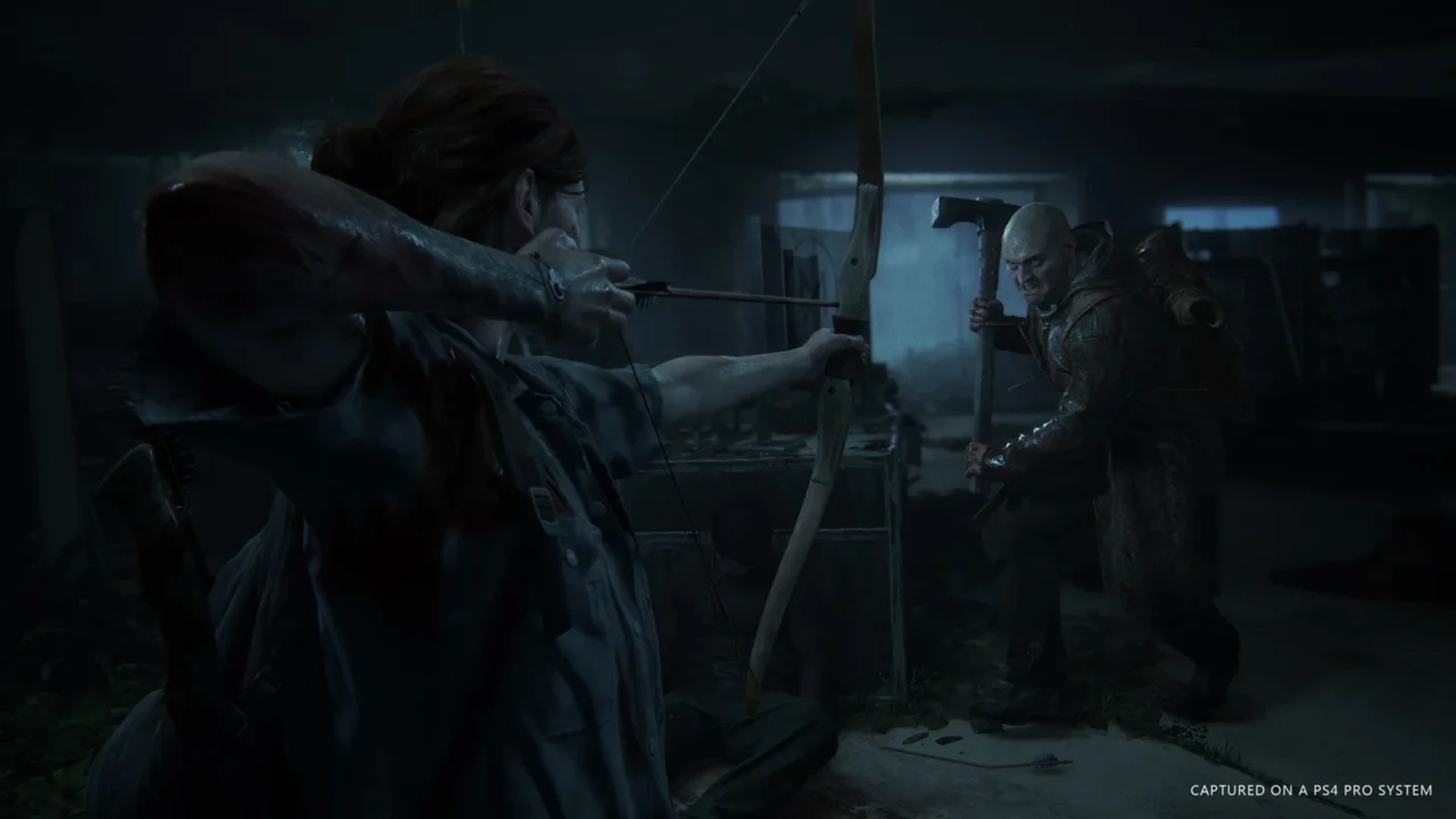
Combat in The Last of Us Part II usually begins before the first shot. Ellie moves through wide spaces filled with windows, crawl spaces, tall grass, and connecting buildings. Remaining unseen allows her to mark routes and conserve ammunition, but discovery does not automatically end the stealth attempt.
She can break line of sight by squeezing through a gap or vaulting through a window, then attack from a new direction after enemies begin searching the previous position. Human opponents call to one another and react when someone fails to respond, making each quiet removal affect the behavior of the remaining group.
The game's extensive scavenging harms its pacing. Searching every drawer becomes difficult to ignore when crafting materials are scarce, even during moments when the story suggests urgency. The combat is also deliberately uncomfortable, and its repeated confrontations can become emotionally exhausting. Mechanically, few shooters are better at turning one missed shot into an improvised escape plan.

5. Resident Evil 4
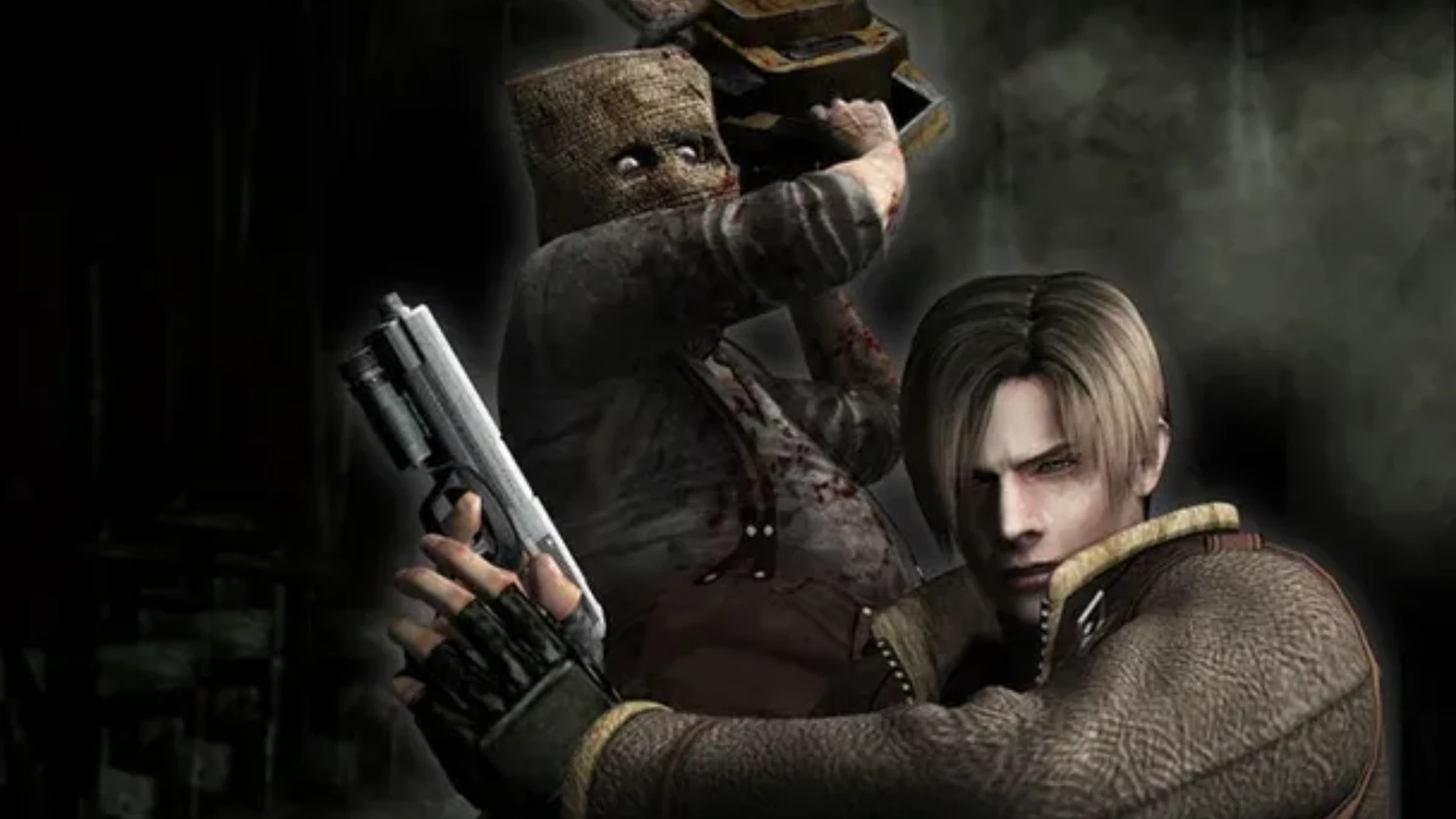
Leon Kennedy enters hostile villages in Resident Evil 4, but he cannot safely create distance by firing without thought. Enemies surround him in groups, climb through windows, and continue advancing after taking an ordinary shot. Targeting a vulnerable area can stagger one attacker long enough for a close-range follow-up that pushes back several others.
The 2023 remake adds movement while aiming and a knife parry, making Leon more responsive without removing the pressure created by limited space. The knife loses durability, so using it to escape a dangerous grab may weaken the defense needed during a later encounter. The attaché case creates another layer of preparation by forcing ammunition, healing items, and weapons into a limited grid.
The island chapters favor heavier combat and lose some of the village's careful tension. Escort sections with Ashley can also interrupt a good position when she fails to move through danger quickly enough. The wider campaign keeps changing enemy arrangements and spatial problems before any one idea becomes routine.
4. Metal Gear Solid V: The Phantom Pain
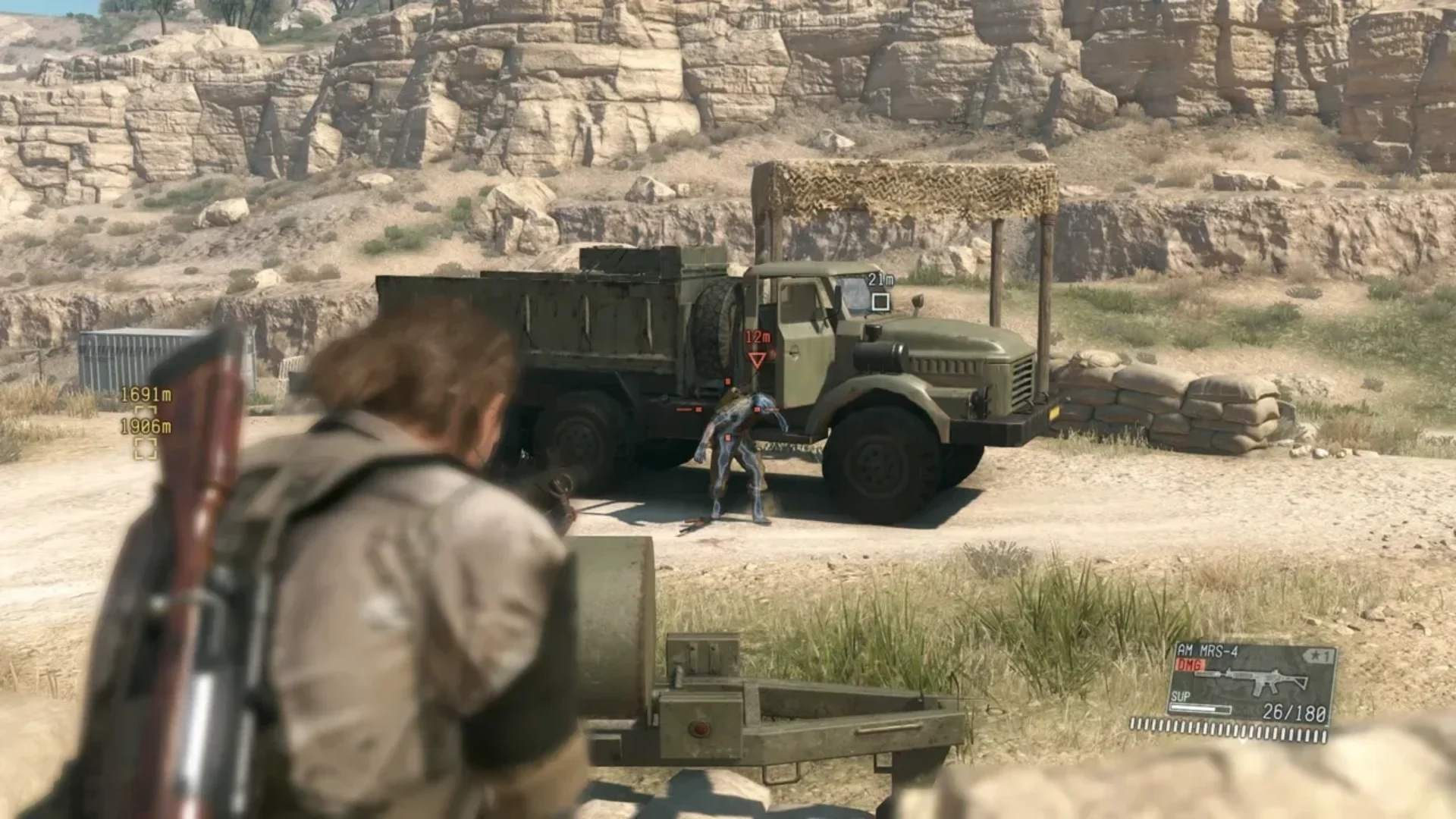
Metal Gear Solid V: The Phantom Pain is primarily a stealth game, but its third-person shooting is essential because plans rarely remain quiet forever. Venom Snake enters open military bases with a chosen loadout and can observe guards before deciding where the mission should begin.
Marking enemies creates reliable information, yet the open spaces make that information temporary. A patrol may discover a sleeping guard, a vehicle can arrive unexpectedly, or a missed suppressed shot can turn the infiltration into a moving firefight. The controls allow Snake to shift from crawling beneath a window to firing over cover without feeling as though the game has entered a separate combat mode.
Enemy preparation responds to repeated habits. Frequent headshots lead to more helmets, while operating mostly at night encourages guards to use additional lighting and vision equipment. Later missions recycle objectives and locations, exposing how unfinished the wider campaign feels.
The individual bases remain outstanding spaces for experiments because the game supports mistakes instead of demanding an immediate restart.
3. Vanquish
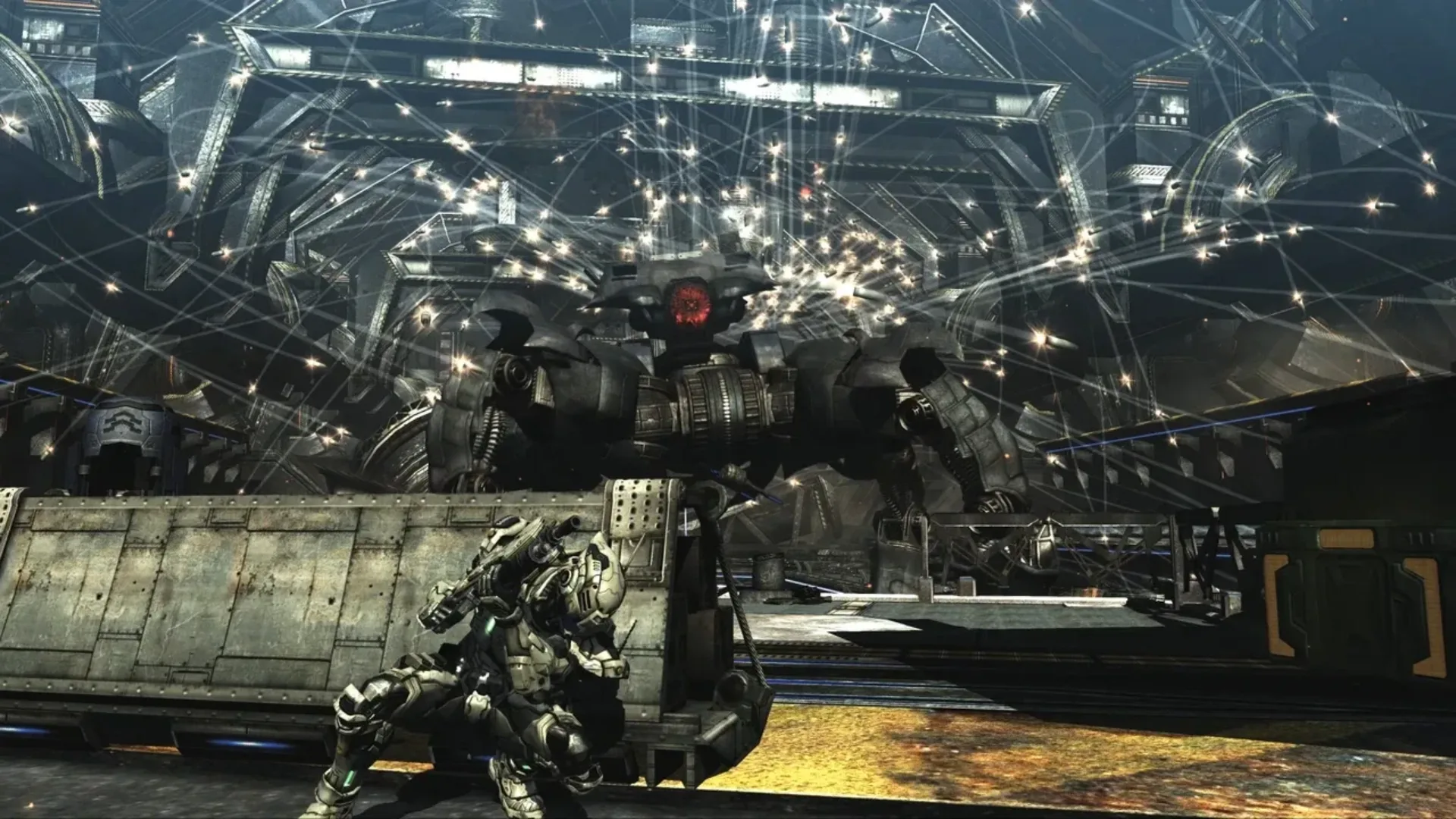
Cover in Vanquish is mainly a place to cool down. Sam Gideon's Augmented Reaction Suit lets him boost-slide across the floor, fire while moving, and enter a slowed AR state that creates time to target exposed machinery or an approaching threat.
The suit overheats when its systems are pushed too far. Spending the entire meter on an aggressive slide may reach a better position, but it also temporarily removes the movement needed to escape. That restriction keeps speed from becoming a free answer to every problem.
Enemies fire patterns that would feel oppressive in a conventional cover shooter. Here, the open ground becomes usable because Sam can cross it faster than the attack develops. The campaign is short and its story contributes little beyond moving him toward the next battle. Challenge missions reveal how much room the mechanics have for mastery once survival is no longer the only goal.
2. Returnal
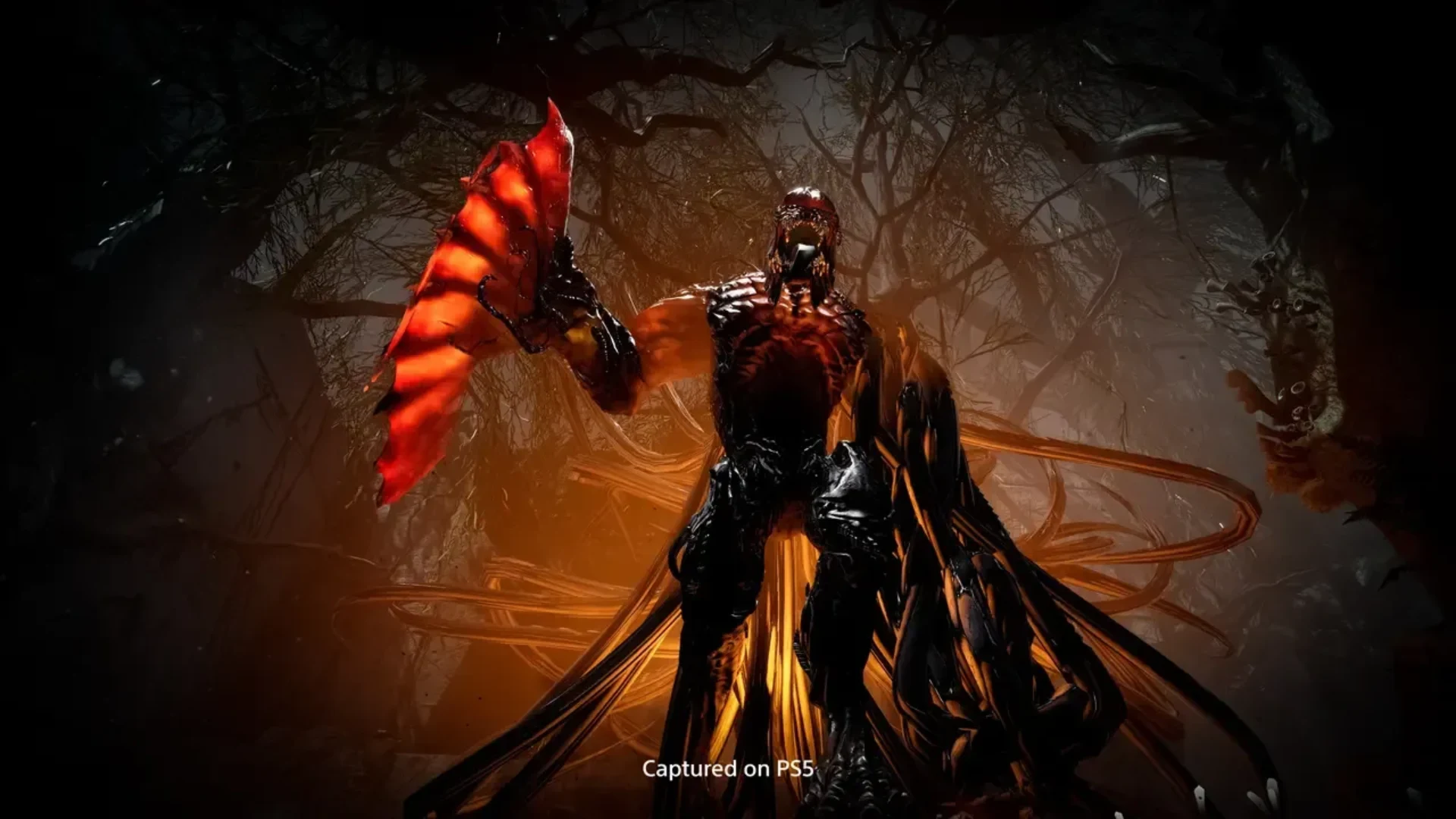
Selene is trapped on an alien planet that rearranges itself after every death in Returnal. Each run sends her through changing rooms filled with enemies that cover the arena in slow, brightly visible projectiles. The player must continue firing while dashing through patterns and watching for threats arriving beyond the camera's center.
Damage can break Adrenaline, a chain of bonuses earned by defeating enemies without being hit. That makes avoiding one minor projectile important even when Selene has enough health to absorb it. Weapon Traits improve through repeated use, so an initially disappointing firearm can reveal a stronger purpose during later runs.
Losing a long attempt to an unfamiliar boss can feel severe, particularly before enough permanent tools have been unlocked. Random upgrades also create runs whose potential is clearly lower than others. The movement remains precise enough for the screen to appear overwhelming without becoming unreadable. Returnal takes the awareness offered by a third-person camera and fills almost every part of it with something the player must understand.
1. Max Payne 3
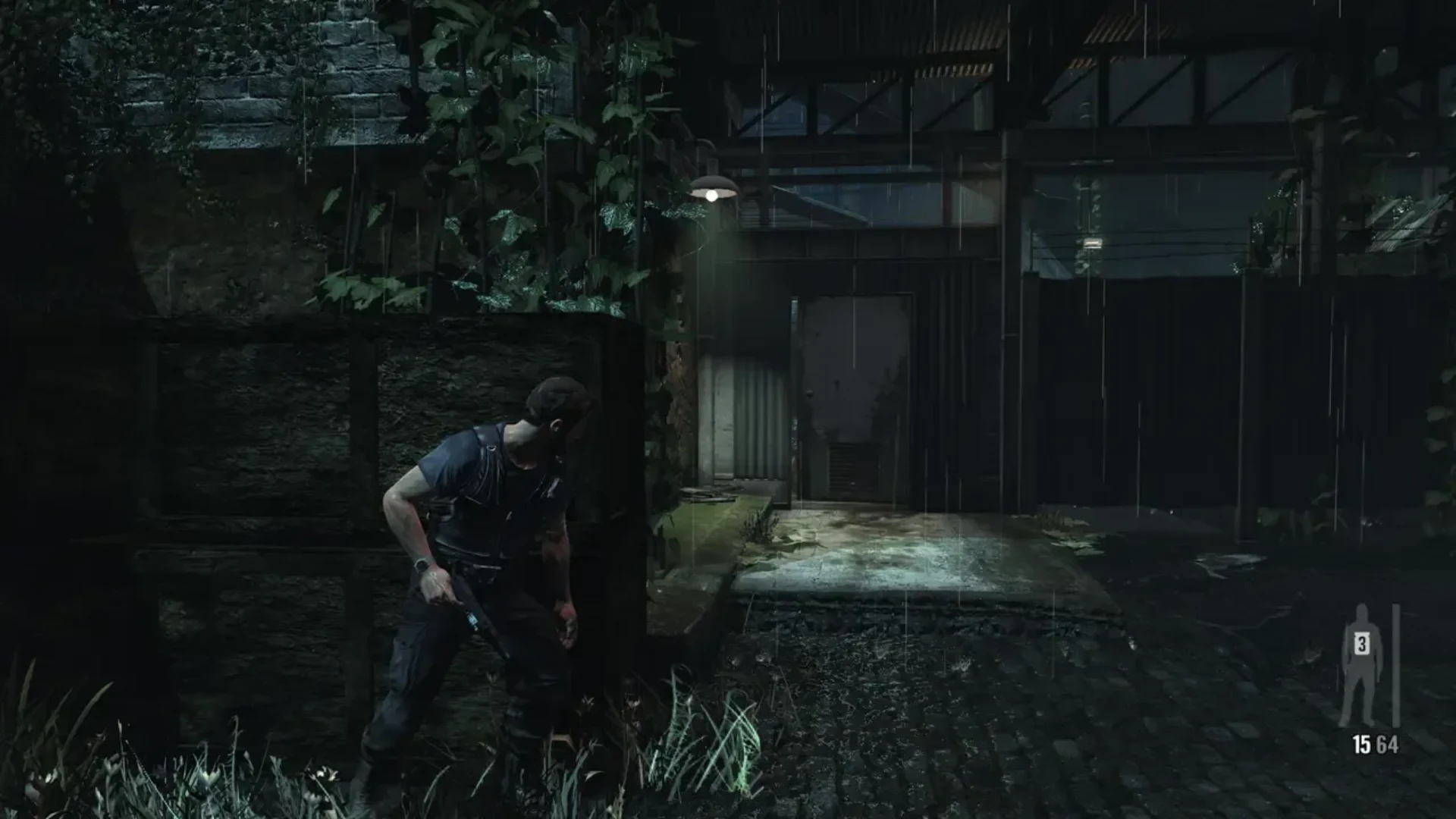
Max Payne does not move like a weightless action hero in Max Payne 3. He plants his feet when firing, struggles to recover after landing badly, and physically carries every weapon visible on his body. Shootdodge lets him throw himself sideways while continuing to aim, but the landing leaves him exposed if the dive ends in the wrong place.
Bullet Time slows the surrounding action while leaving aiming under the player's control. It can rescue a poor position, although the limited meter means the player still has to recognize which threat deserves attention first. The final enemy in a group triggers a kill camera that can be extended with additional shots, turning the end of an encounter into a brief release after several seconds of intense control.
Max can remain on the floor after a dive and continue firing from that position. This small choice makes a failed-looking movement useful, particularly when standing would expose him again. The game's frequent cinematic interruptions damage replayability, and its insistence on resetting Max's equipped weapon between some scenes can undermine careful preparation.
No other third-person shooter pays as much attention to the body holding the weapon. The animation, recoil, movement, and surrounding level all communicate the same idea: Max is vulnerable, and every spectacular escape has to work despite that vulnerability.
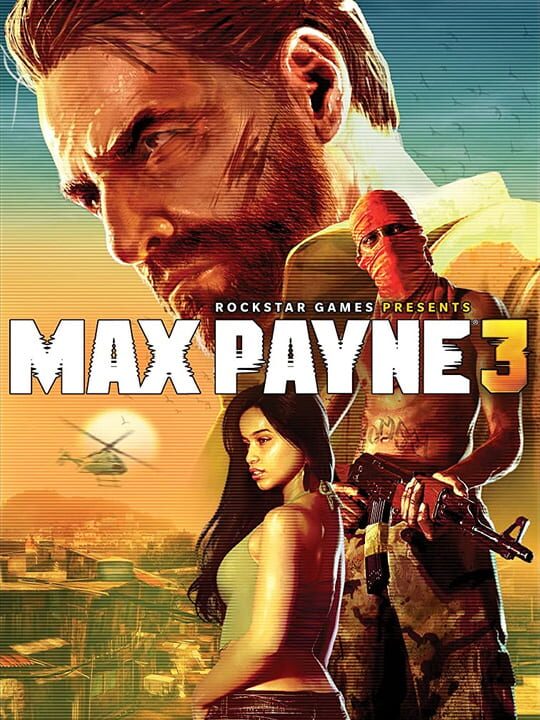
Max Payne 3
Max Payne 3 is a third-person shooter in which the player assumes the role of its titular character, Max Payne. A new feature to the series, introduced in Max Payne 3, is the cover system, which allows players to gain a tactical advantage, and avoid taking damage from enemies. To
Released
May 15, 2012
Developer
Rockstar New England
Publisher
Rockstar Games


Tagged In
Discussion
0We want to hear from you. Share your perspective in the comments below, and please keep the conversation respectful.
Log in to join the discussion - vote, reply, and share your take.
Log In